Bidi Bidi Refugee Settlement
Prize(s):
ARCHITECTURAL DESIGN OF THE YEAR 2026 | WINNER 2026 ARCHITECTURE / Cultural Building Architecture
Company Name:Hassell and Localworks
Lead Designer(s) Name(s):Xavier De Kestelier, Felix Holland, Joshua Mutabaazi, Edson Agume,Wilson Sendikwanawa,Allan Semakula
Design Team / Other designer(s):Studio FH Architects, Aquila Gallery, Equatorsun, Dudley Kasibante & Partners, The Landscape Studio.
Architecture Firm:Hassell Studio
Construction Company:Localworks
Client Name:to.org
Photo Credit:Mutua Matheka
Project Location:Yumbe District, Uganda
Design Status:Completed
Website: View
Project Description:
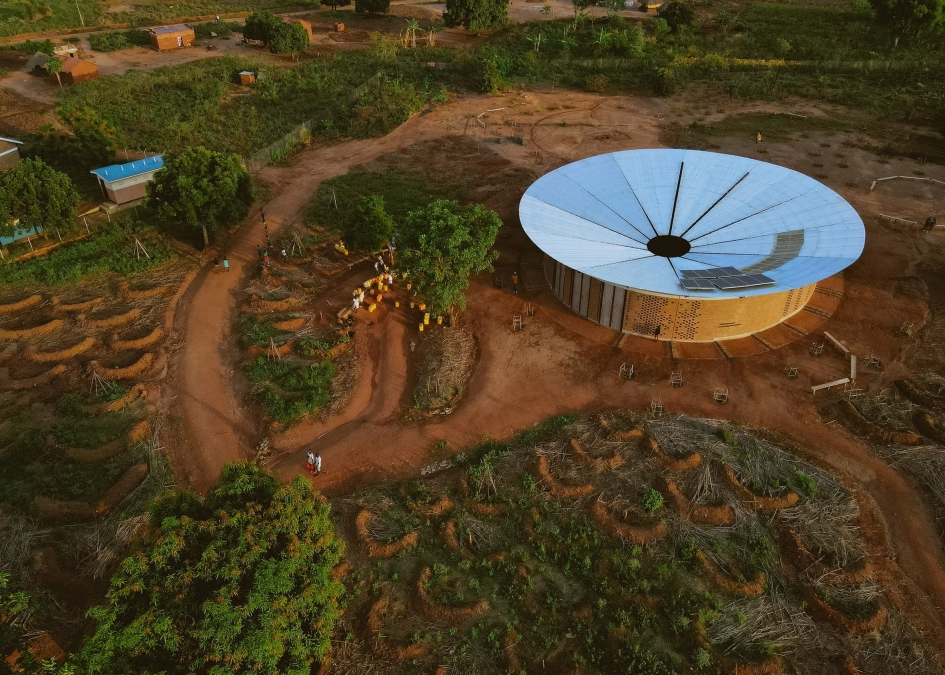
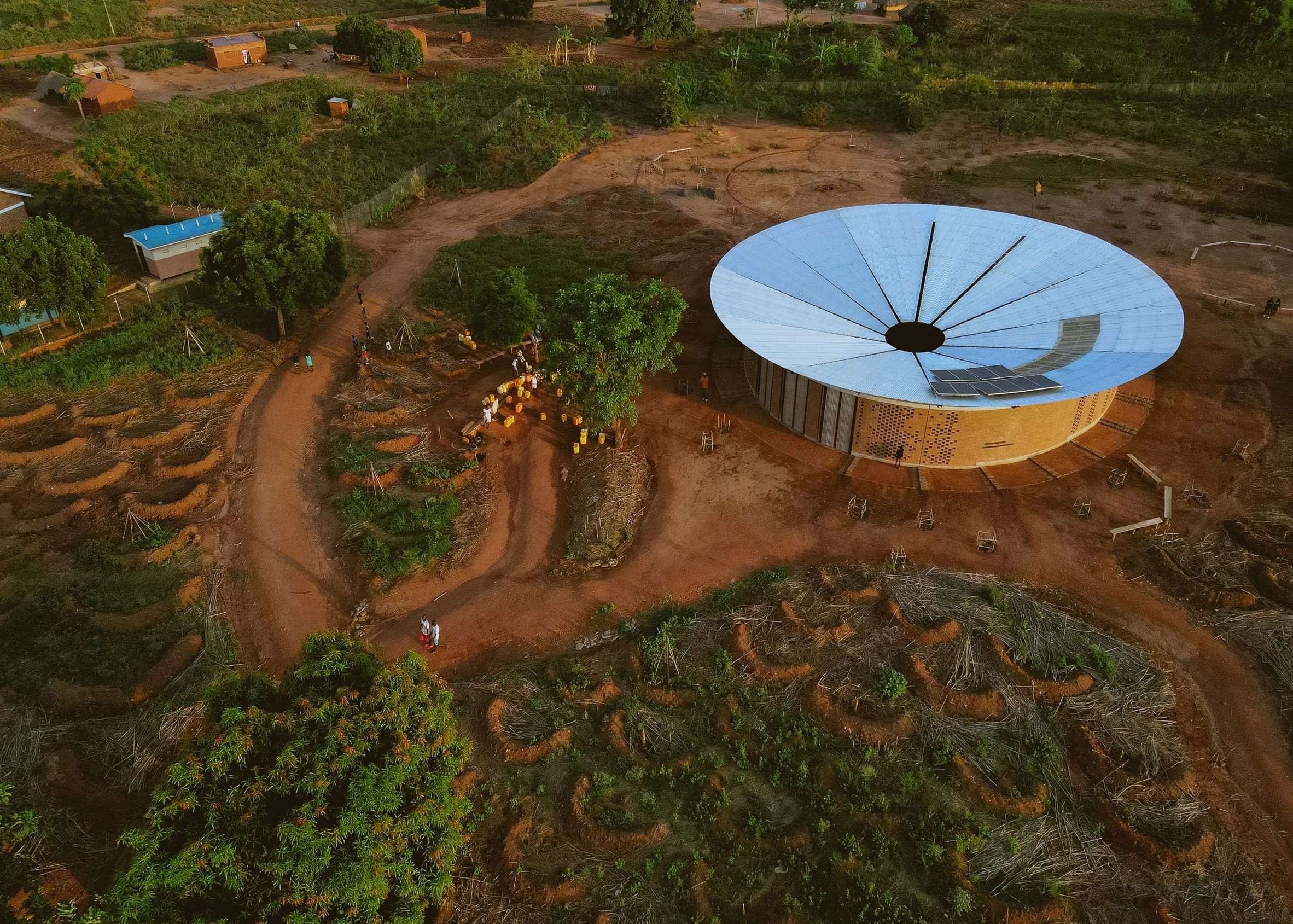
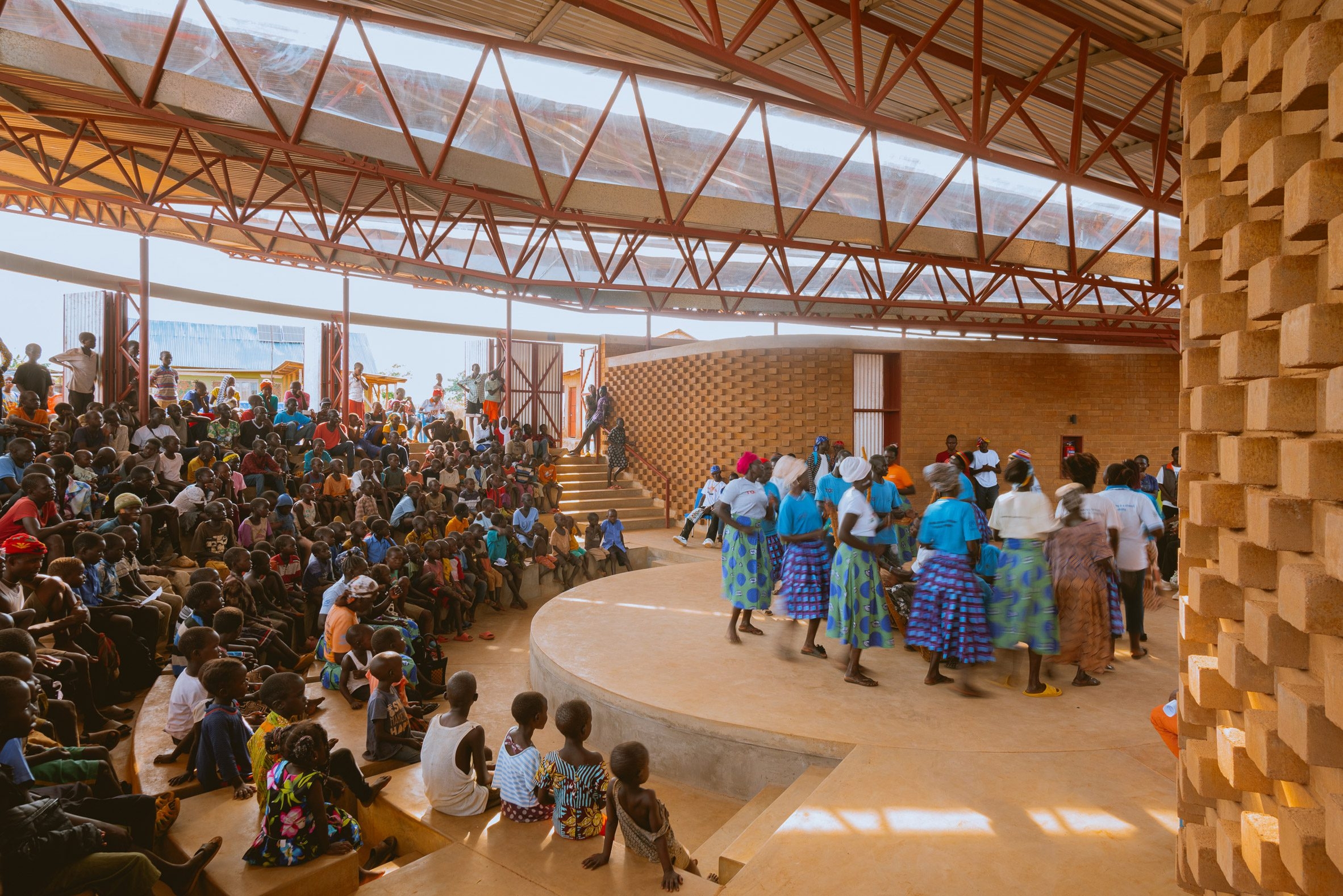
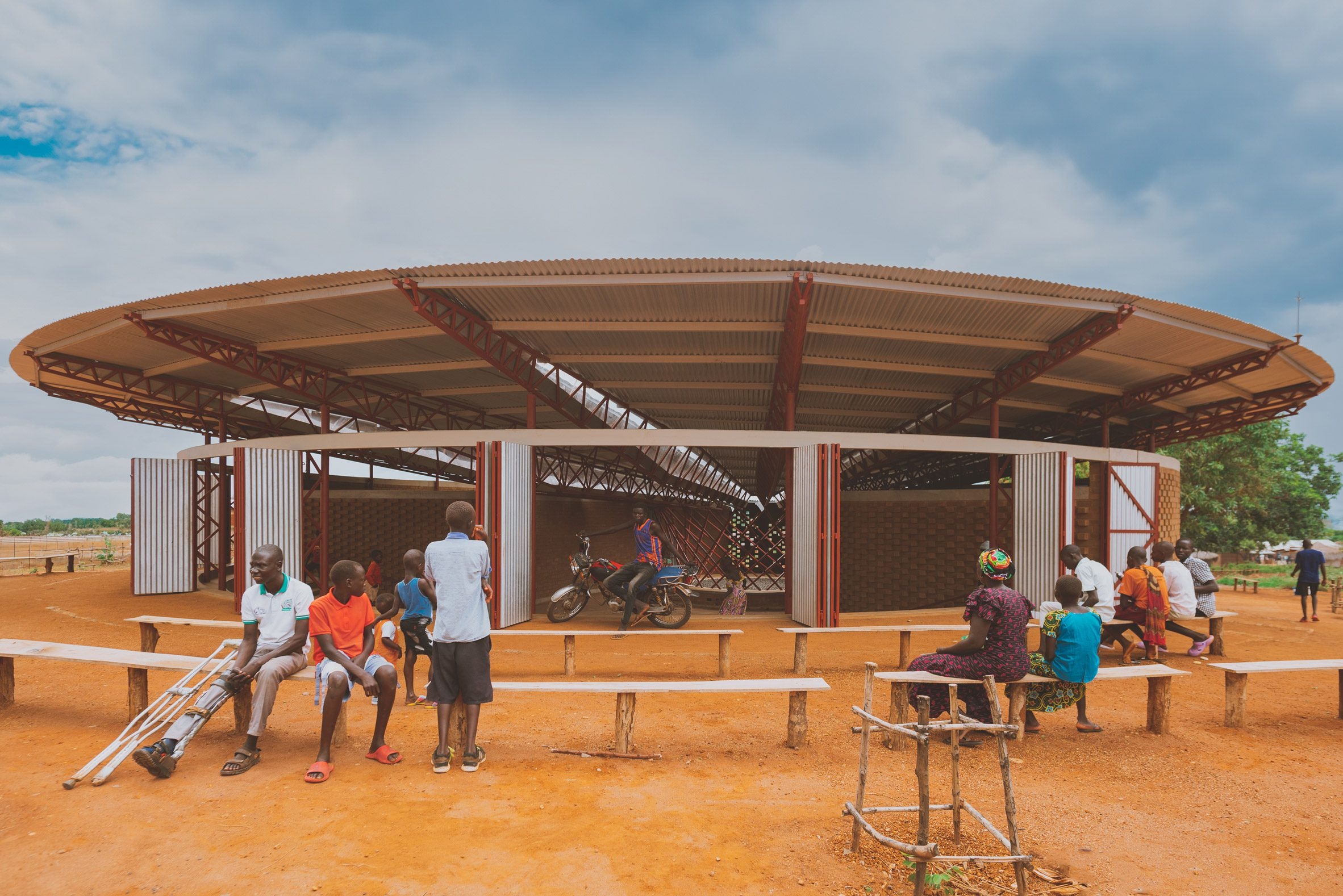
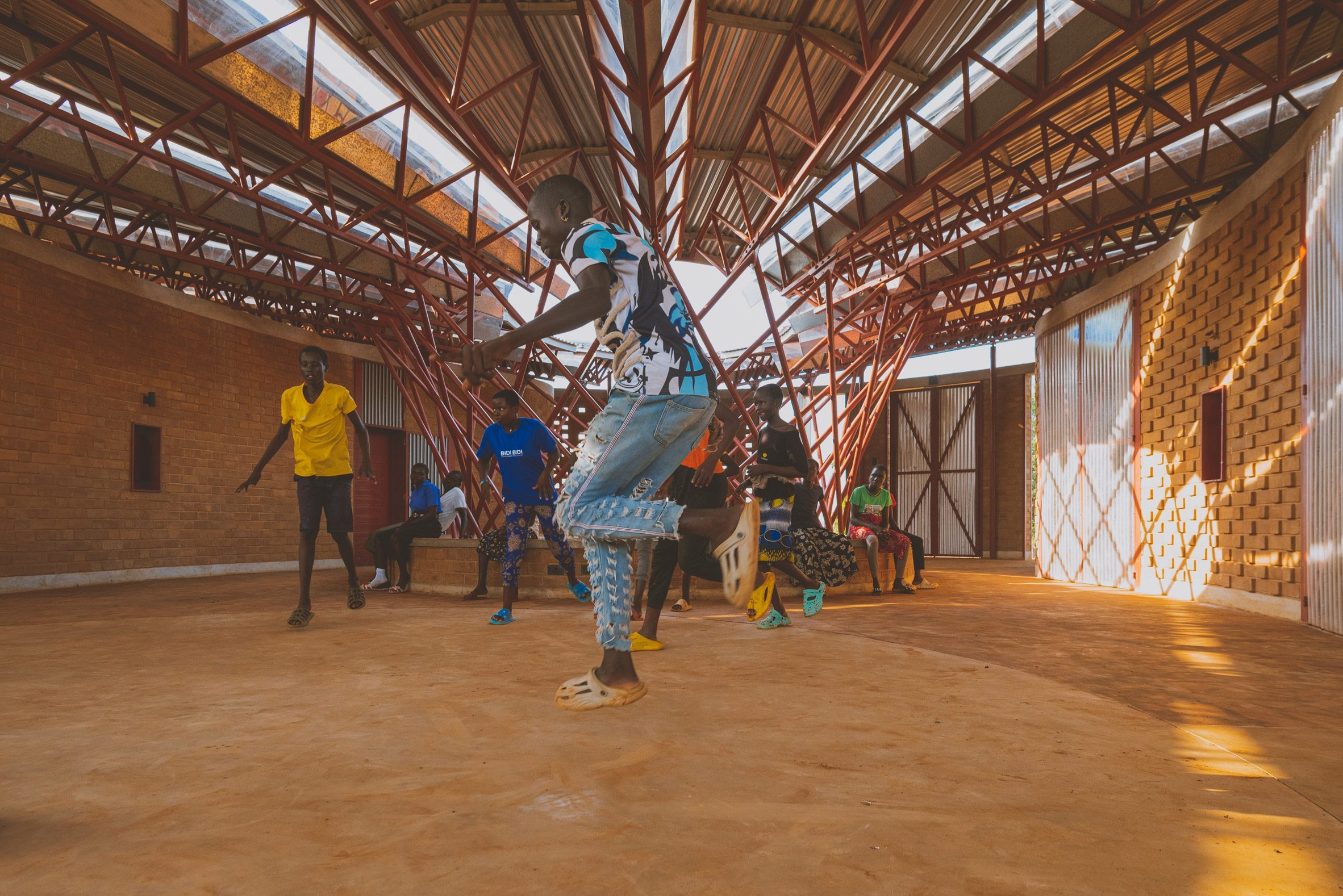
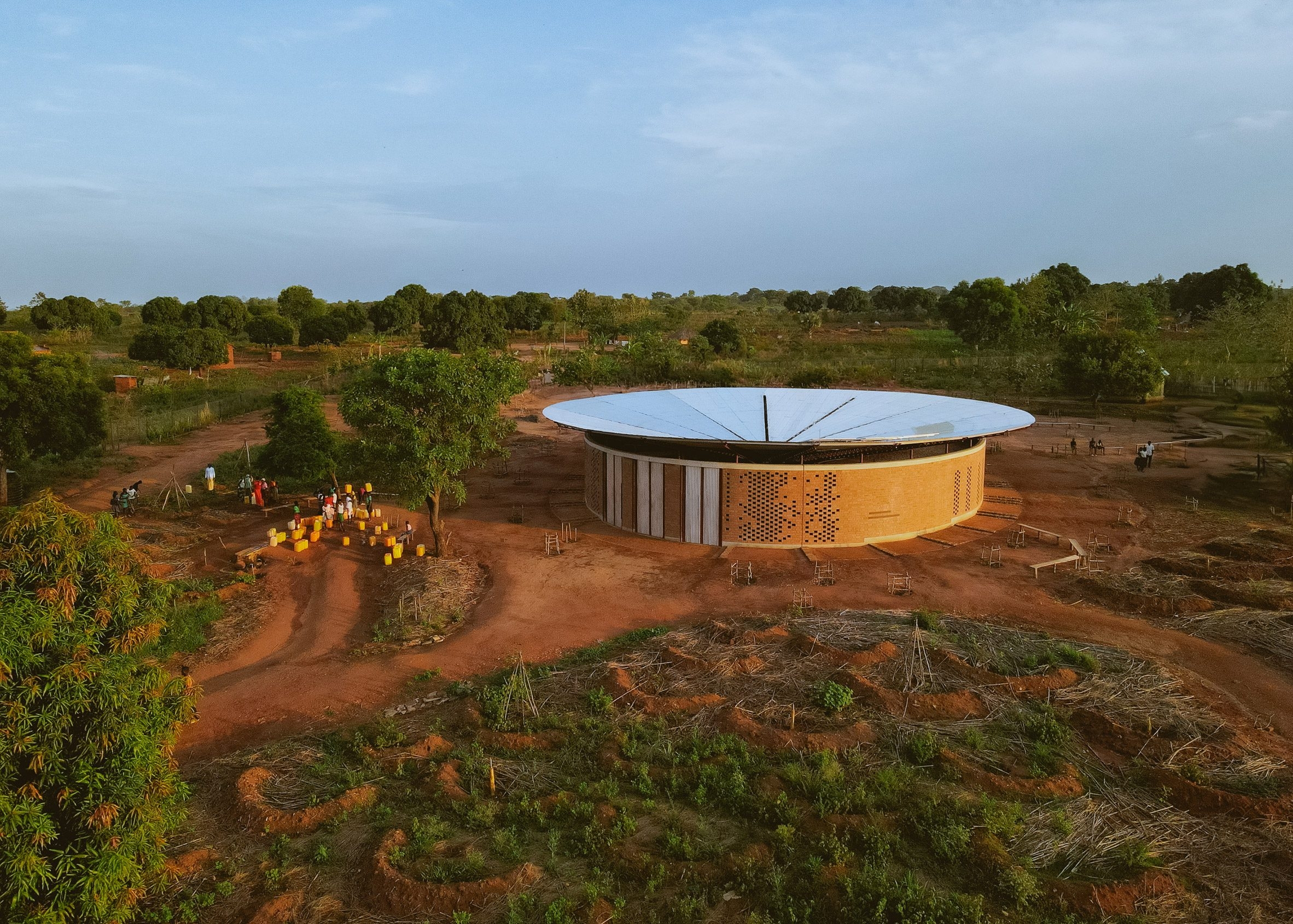
In the heart of the Bidi Bidi Refugee Settlement, the largest of its kind in Africa, lies a beacon of hope and creativity—the Bidi Bidi Performing Arts Centre. For more than 270,000 South Sudanese refugees who call this place home, the Centre is more than just a building; it is a sanctuary where music, art, and performance bring the community together, allowing them to find solace, expression, and connection amid displacement. The Bidi Bidi area was a small village before it became a settlement in August 2016, it covers 250 square kilometres of the eastern half of Yumbe district. The Performing Arts Centre creates a space where art thrives even in the most challenging circumstances. This in the form of a gathering place that radiates warmth and welcome, drawing people in from all walks of life. Here, artists—both aspiring and established—find a platform to showcase their talents, while others come to learn, create, and simply be part of something larger than themselves.
In the heart of the Bidi Bidi Refugee Settlement, the largest of its kind in Africa, lies a beacon of hope and creativity—the Bidi Bidi Performing Arts Centre. For more than 270,000 South Sudanese refugees who call this place home, the Centre is more than just a building; it is a sanctuary where music, art, and performance bring the community together, allowing them to find solace, expression, and connection amid displacement. The Bidi Bidi area was a small village before it became a settlement in August 2016, it covers 250 square kilometres of the eastern half of Yumbe district. The Performing Arts Centre creates a space where art thrives even in the most challenging circumstances. This in the form of a gathering place that radiates warmth and welcome, drawing people in from all walks of life. Here, artists—both aspiring and established—find a platform to showcase their talents, while others come to learn, create, and simply be part of something larger than themselves.
Project Innovation / Specification:
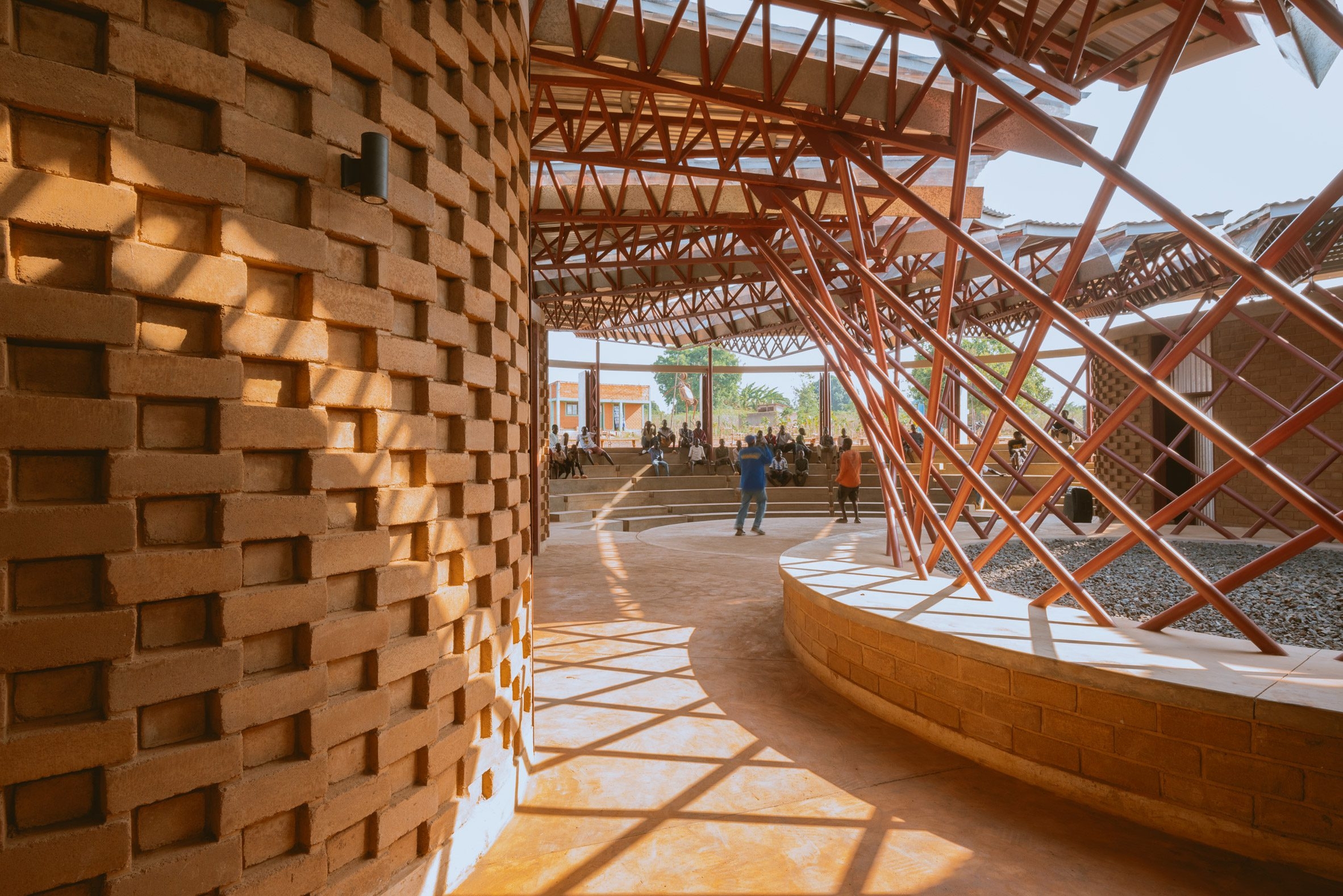
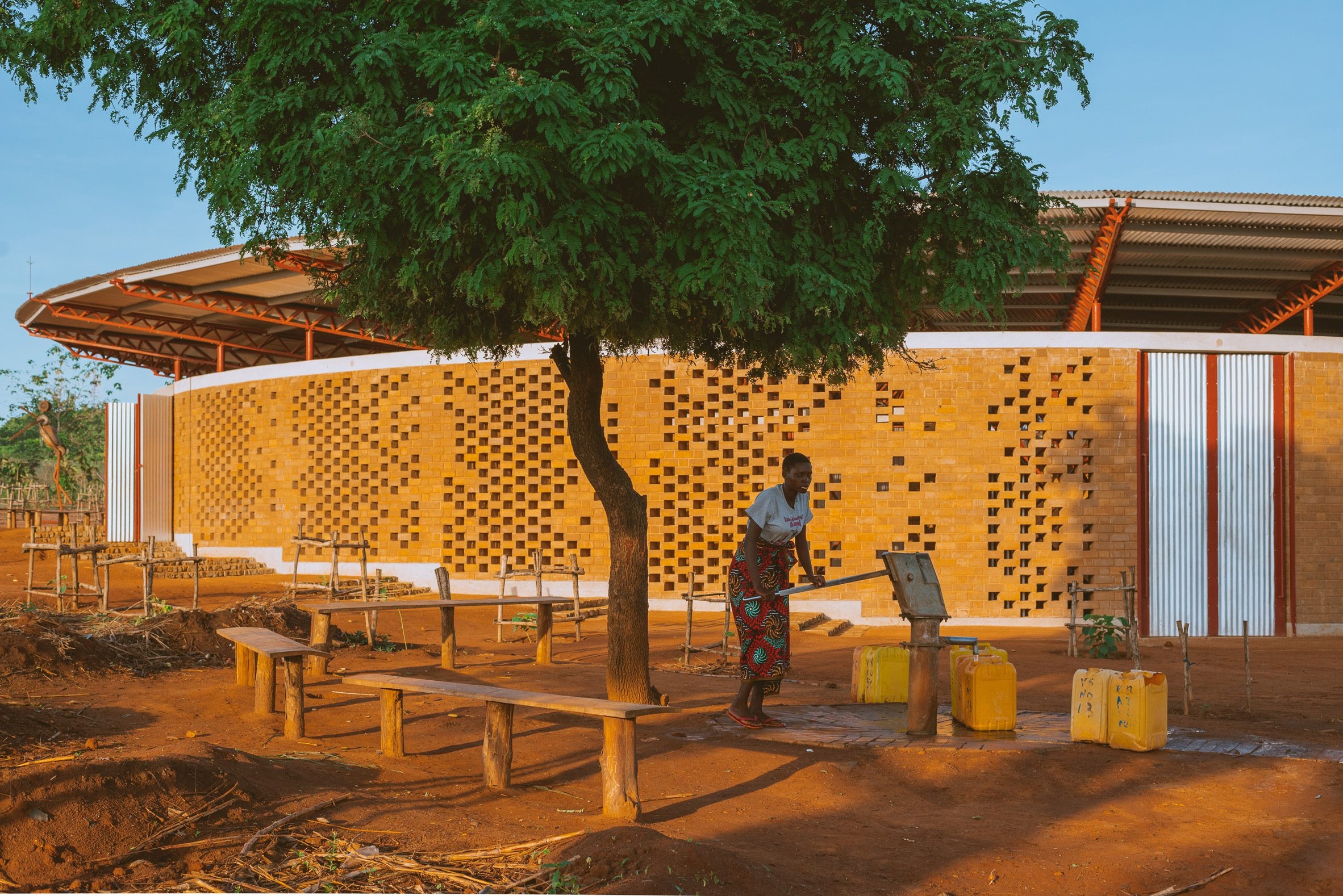
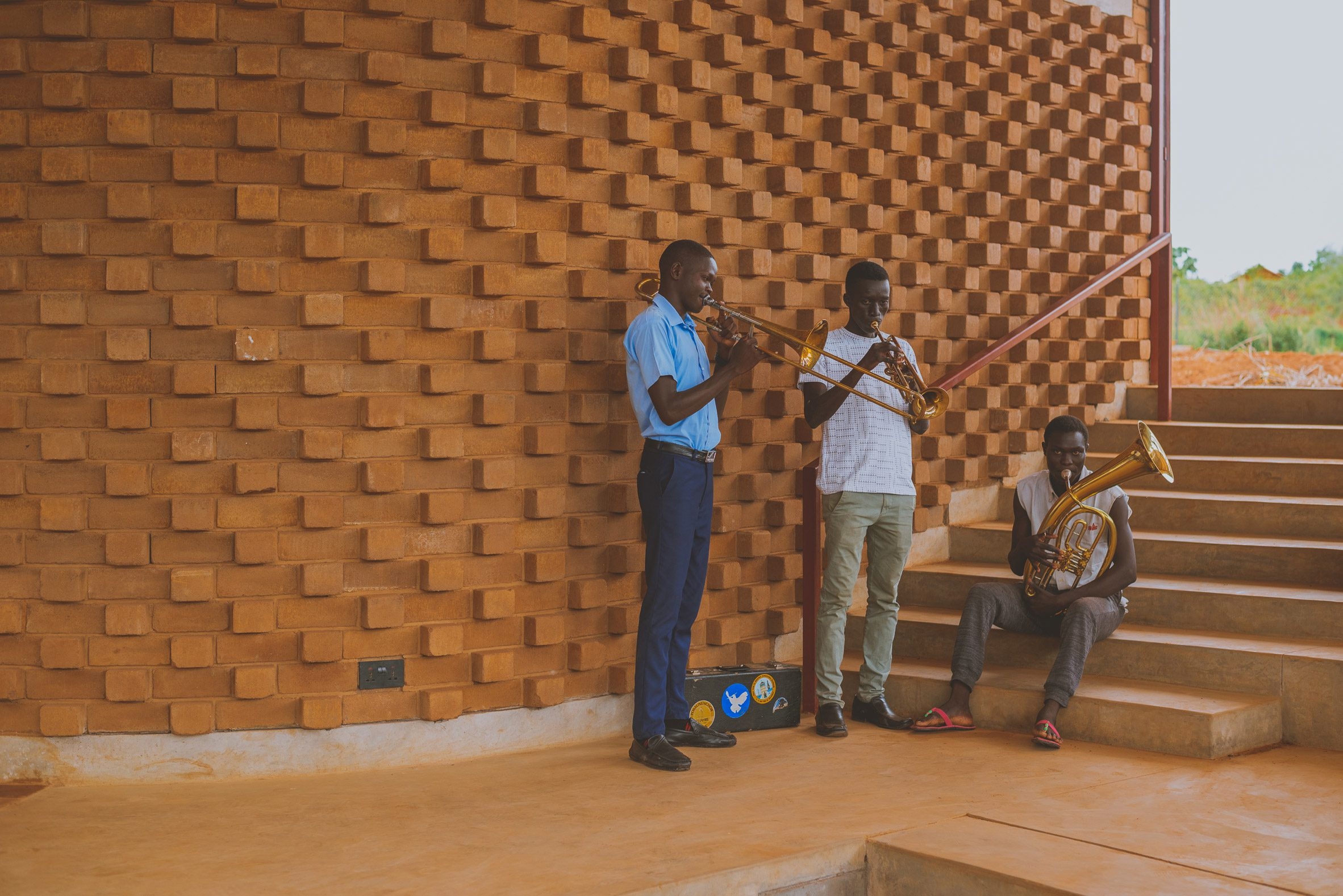
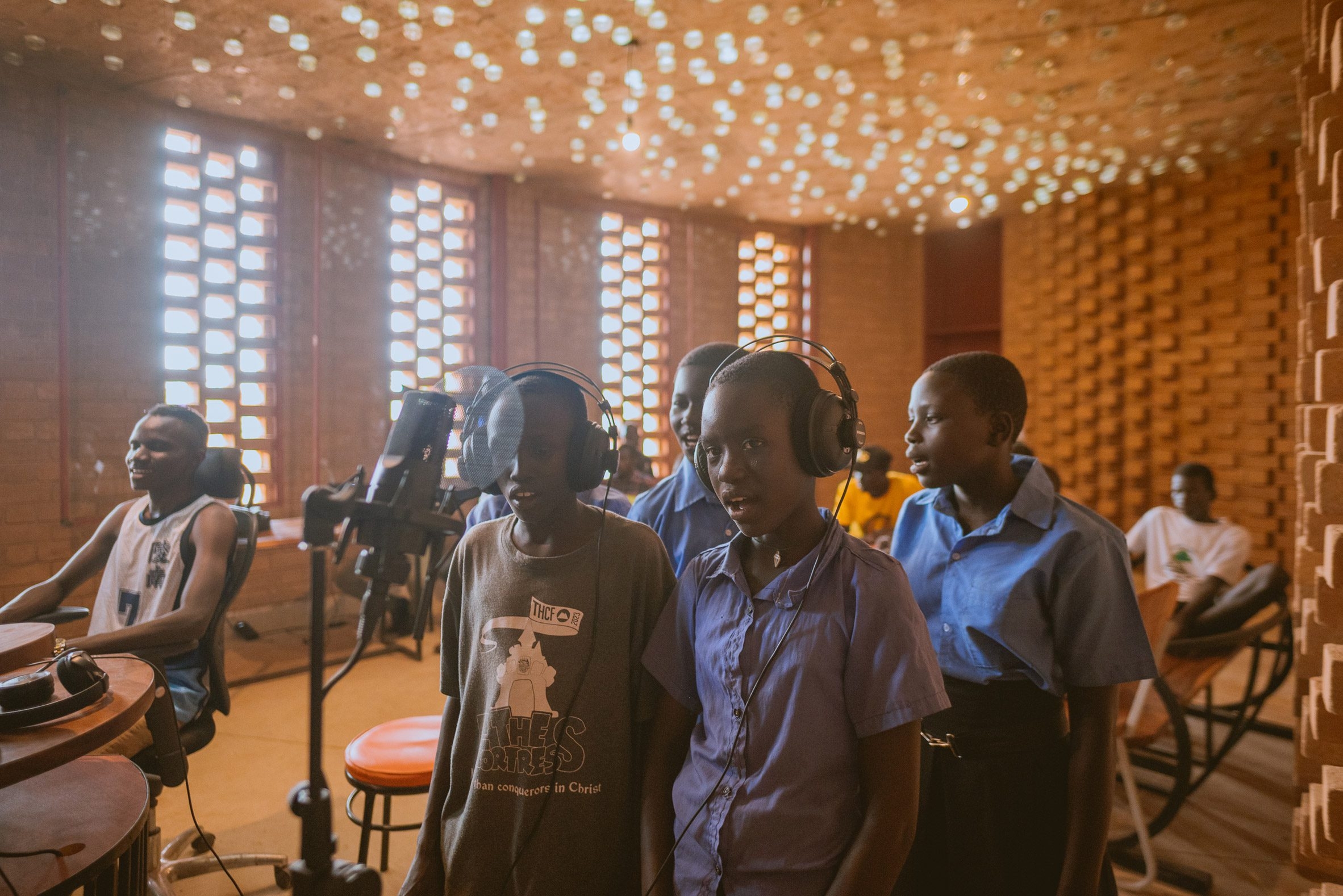
The floor that supports daily load, is formed from a rammed earth on a hard-core drainage layer, a rammed earth floor with a base of; 125mm of sand, earth 20mm aggregate ,and cement to the ratio 5:5:4:2 respectively, and a top earth floor of 50mm comprised of sand, earth , cement and saw dust to the ratio 5:5:2:2 respectively, And during construction is cured by misting using a handpump and linseed oil and waxing is applied to harden the surface for a clean finish. Daylight is harnessed to full potential, with openings in the perimeter and translucent gutters in the roof providing illumination. The Oculus Cistern —a rainwater-collecting oculus—serves as both a practical and symbolic focal point. Rainwater stored in a large tank, relies on gravity to ensure a steady supply of clean water. The recording studio is enclosed by earth brick cavity wall, with a vermiculite infill in the walls removing the need for expensive products which improves the sound quality. the bricks provide sound insulation and are designed with perforations that create Helmholtz absorbers for low frequencies, with textured surfaces that diffuse sound energy and absorb mid-to-high frequencies.
The floor that supports daily load, is formed from a rammed earth on a hard-core drainage layer, a rammed earth floor with a base of; 125mm of sand, earth 20mm aggregate ,and cement to the ratio 5:5:4:2 respectively, and a top earth floor of 50mm comprised of sand, earth , cement and saw dust to the ratio 5:5:2:2 respectively, And during construction is cured by misting using a handpump and linseed oil and waxing is applied to harden the surface for a clean finish. Daylight is harnessed to full potential, with openings in the perimeter and translucent gutters in the roof providing illumination. The Oculus Cistern —a rainwater-collecting oculus—serves as both a practical and symbolic focal point. Rainwater stored in a large tank, relies on gravity to ensure a steady supply of clean water. The recording studio is enclosed by earth brick cavity wall, with a vermiculite infill in the walls removing the need for expensive products which improves the sound quality. the bricks provide sound insulation and are designed with perforations that create Helmholtz absorbers for low frequencies, with textured surfaces that diffuse sound energy and absorb mid-to-high frequencies.
Project Sustainability Approach:
The Bidi Bidi Refugee Arts Centre was designed as a low-carbon, community-built structure that demonstrates how sustainability and resilience can coexist in a humanitarian context. Its walls are made from compressed earth blocks pressed from soil excavated on site, eliminating the need for transported or kiln-fired bricks and cutting emissions. A lightweight steel roof protects the walls from rain and channels water into a 200,000-litre tank, providing up to 1.2 million litres annually for community use. The earthen walls’ thermal mass, combined with natural cross-ventilation and daylighting, keeps the interior cool without mechanical systems. Built through a participatory process involving refugees and local Ugandans, the project prioritised skill transfer, employment, and resource circularity—turning local soil and collective effort into a lasting cultural and environmental asset.
The Bidi Bidi Refugee Arts Centre was designed as a low-carbon, community-built structure that demonstrates how sustainability and resilience can coexist in a humanitarian context. Its walls are made from compressed earth blocks pressed from soil excavated on site, eliminating the need for transported or kiln-fired bricks and cutting emissions. A lightweight steel roof protects the walls from rain and channels water into a 200,000-litre tank, providing up to 1.2 million litres annually for community use. The earthen walls’ thermal mass, combined with natural cross-ventilation and daylighting, keeps the interior cool without mechanical systems. Built through a participatory process involving refugees and local Ugandans, the project prioritised skill transfer, employment, and resource circularity—turning local soil and collective effort into a lasting cultural and environmental asset.
Local and Regional Impacts of the Project:
The Bidi Bidi Refugee Arts Centre is a home for healing, education, and livelihoods in one of the world’s largest refugee settlements. Catering to over 250,000 people, mostly youth, it provides a safe space for music, art, and performance;helping refugees process trauma and rebuild identity through creativity. Its community-led construction trained refugees and host Ugandans in sustainable building, material production, and technical skills, creating income and lasting capacity. Regionally, the centre connects refugee artists to East Africa’s creative economy through training, recording, and performance networks. What began as a shelter of hope has grown into a centre of resilience,turning local soil, shared labour, and collective spirit into tools for social and cultural regeneration.
The Bidi Bidi Refugee Arts Centre is a home for healing, education, and livelihoods in one of the world’s largest refugee settlements. Catering to over 250,000 people, mostly youth, it provides a safe space for music, art, and performance;helping refugees process trauma and rebuild identity through creativity. Its community-led construction trained refugees and host Ugandans in sustainable building, material production, and technical skills, creating income and lasting capacity. Regionally, the centre connects refugee artists to East Africa’s creative economy through training, recording, and performance networks. What began as a shelter of hope has grown into a centre of resilience,turning local soil, shared labour, and collective spirit into tools for social and cultural regeneration.