


Interview with Bibi Seck, Head of Jury for AIDA Awards 2026
February 19, 2026Bibi Seck is a Senegalese industrial designer whose multidisciplinary career spans automotive design, luxury timepieces, furniture, and cultural initiatives. He contributed to major vehicle programs at Renault, including the Scénic II and the Trafic Van, and later designed the F1 Micrograph watch for Tag Heuer. Beyond product design, Seck is dedicated to strengthening African creative ecosystems through initiatives such as Design 4 People in Dakar and AfroEats. With studios in Dakar and New York, his work bridges local identity and global dialogue, positioning African design as an active force in contemporary culture.
As Head of the Jury for the first edition of the Africa International Design Awards (AIDA) 2026, he brings a rare combination of global industrial experience and deep cultural grounding. From automotive design to luxury watchmaking, and from Dakar to New York, his journey reflects a lifelong commitment to design as responsibility, narrative, and impact.
At Renault you designed cars like the Scénic II and Trafic Van, and later created the F1 Micrograph watch for Tag Heuer. What first drew you to design, and how did those early projects shape the way you think today?
I was drawn to design very early because I was fascinated by how objects shape our daily lives and our dignity. Growing up in Senegal, I observed how creativity often emerges from necessity. Later, at Renault, working on projects like the Scénic II and the Trafic Van taught me that design is about responsibility at scale — when you design a car, you are shaping the experience of millions. At Tag Heuer, with the F1 Micrograph watch, I learned precision, storytelling, and emotional detail. Those early projects shaped my belief that design must combine innovation, culture, and human sensitivity.
Your career has taken you through cars, watches, furniture, and cultural projects. How do you approach each discipline, and what connects them all in your philosophy of design?
Whether I design a car, a watch, a chair, or a cultural initiative, I always start with the same question: what human need am I responding to? Each discipline has its own constraints, but the core remains identical — listening, observing, and creating meaning. What connects them all is my desire to design for people, not for ego. For me, design is not about style; it is about service, narrative, and impact.
Projects like Design 4 People in Dakar and AfroEats show your commitment to African creativity. What makes this work meaningful for you, and how do you want it to be seen globally?
Projects like Design 4 People and AfroEats are meaningful because they are rooted in transmission and empowerment. Africa has extraordinary creativity, but it needs platforms and confidence. Through these initiatives, I want to show that African design is not “emerging” — it is evolving, innovating, and leading. Globally, I want this work to be seen not as a niche, but as a central contribution to contemporary culture.
With studios in both Dakar and New York, you split your time between two very different contexts. How does moving between them influence your perspective as a designer?
Moving between Dakar and New York keeps me mentally flexible. Dakar gives me depth, community, memory, and cultural grounding. New York challenges me with speed, diversity, and global dialogue. The tension between these two contexts sharpens my perspective. It reminds me that identity and universality are not opposites — they strengthen each other.
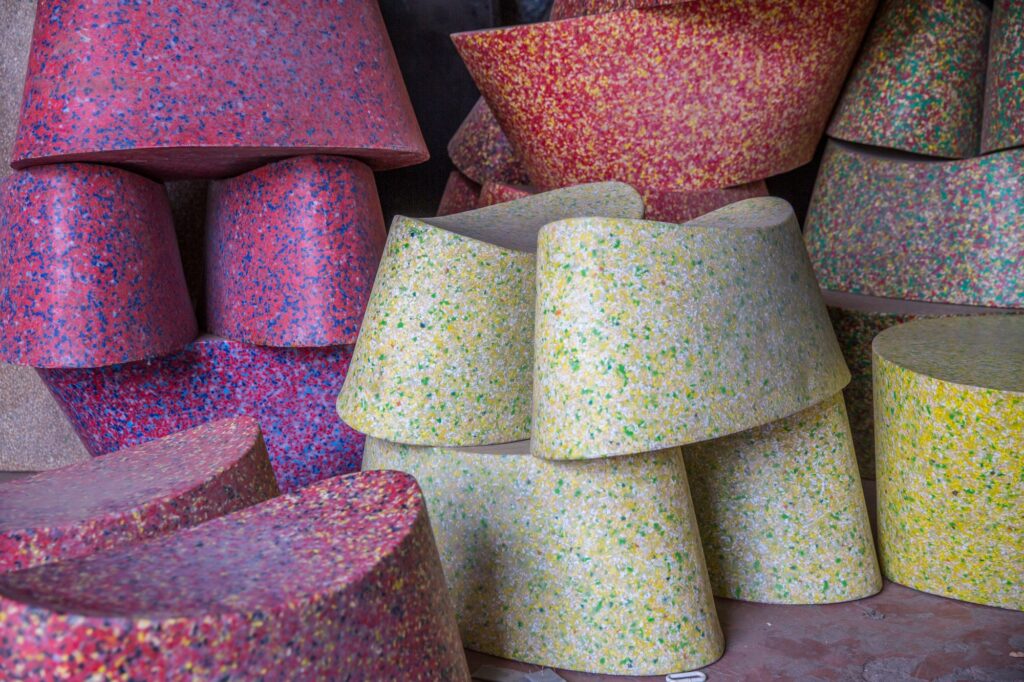
Teaching has been part of your journey in France, the US, and elsewhere. What do you hope students take away from your classes, and what have you learned from them in return?
When I teach, I hope students leave with confidence in their voice. Technique can be learned, but clarity of intention must be cultivated. I encourage them to understand where they come from and what they stand for. In return, I learn humility and curiosity. Students constantly question assumptions, and that keeps my own thinking alive.
As Head of the Jury for AIDA Awards, what excites you most about seeing projects from across the continent come together for this first edition?
What excites me most about the first edition of the AIDA Awards is the sense of collective energy. For the first time, projects from across the continent are being seen together, in dialogue. That visibility creates recognition, and recognition builds confidence. I am especially excited to see how diverse the interpretations of “African design” truly are.
Beyond awards, how do you think AIDA Awards can help strengthen design communities and the creative economy in Africa?
Beyond recognition, AIDA Awards can create networks. Awards should not only celebrate; they should connect designers, investors, institutions, and media. If AIDA becomes a platform for collaboration and mentorship, it can strengthen ecosystems and support sustainable creative economies across Africa.

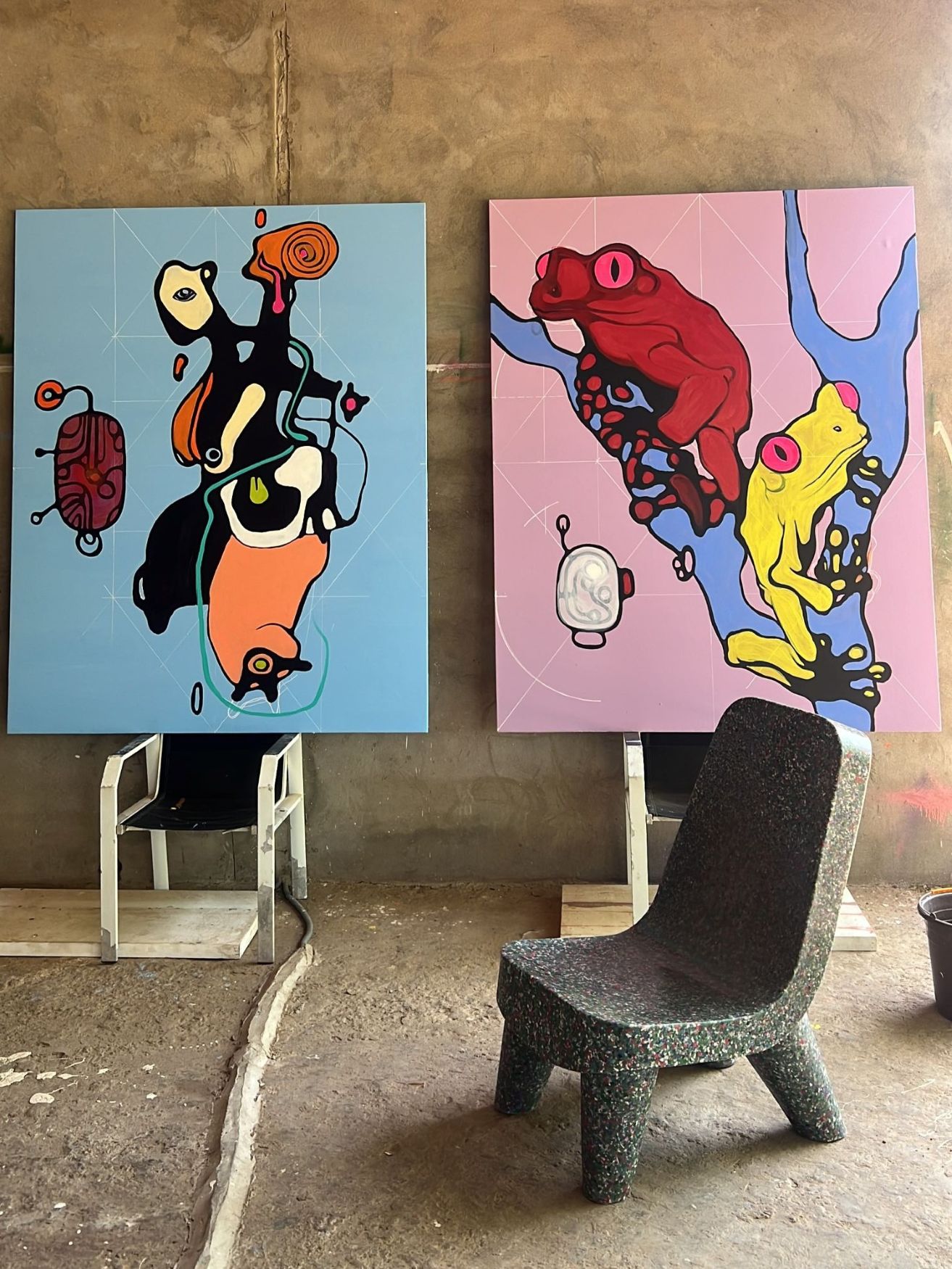
The program covers architecture, interiors, product design, furniture design, and fashion. Which areas of African design feel especially dynamic to you right now, and why?
Right now, architecture and furniture design feel particularly dynamic in Africa. There is a strong return to local materials, climate-responsive thinking, and cultural references. At the same time, fashion continues to redefine global aesthetics through African narratives. What is powerful is this combination of heritage and forward-thinking experimentation.
Many young designers face challenges such as limited resources or visibility. What advice would you give them about staying motivated and believing in their ideas?
To young designers, I would say: limitations can be a source of innovation. Do not wait for perfect conditions. Start with what you have. Build consistency. Tell your story clearly. And most importantly, stay patient. Design is a long journey — credibility grows over time.
Looking ahead, what kind of legacy do you hope AIDA Awards will create for African design and designers worldwide?
I hope AIDA Awards will create a long-term archive of excellence — a reference point that future generations can look back to. If, in twenty years, African designers feel that they are not peripheral but central to global design conversations, then the legacy will have succeeded.