


An Interview with AIDA Awards Jury Member Emuron Alemu on Storytelling, Culture, and Global Narratives
February 10, 2026Emuron Alemu is the Chief Creative Officer at The Quollective Africa and an internationally awarded creative leader whose work spans storytelling, culture, and social impact. With over two decades of experience across 34 African countries, his practice is rooted in deeply local insights drawn from everyday life, transforming them into narratives that resonate far beyond their place of origin.
From purpose-driven campaigns addressing environmental conservation, public health, and digital inclusion to contributions in global entertainment, Emuron’s work consistently bridges cultures and communities. His storytelling has been recognized with some of the industry’s highest honors, including Cannes Lions, Dubai Lynx Grand Prix, Grand Clios, and Loeries.
As a jury member of the Africa International Design Awards, Emuron brings a culturally grounded and human-centered perspective to the evaluation process. His approach values authenticity, social relevance, and the power of narrative, recognizing work that not only demonstrates creative excellence, but also reflects a deep understanding of context, community, and impact within and beyond the African continent.
You’ve often been described as a storyteller whose narratives transcend borders. Where did this passion for storytelling begin, and how has it shaped your career?
To be honest as a child I used to get into trouble a lot so I used to have to figure out elaborate tales on the fly/on the spot to get me out of trouble or punishment. Also as an introvert, I found that the one thing I could do to engage people especially I did not know so as to break the ice was to tell elaborate stories. When I joined advertising, this ability to harness one’s imagination to tell intriguing tales helped to accelerate my growth as a radio and film script writer. Since then that skill has helped me weave compelling stories into brand stories.
Over two decades, you’ve worked across more than 30 African countries, drawing insights from everyday places like markets and bars. What do these settings teach you that formal research cannot?
Formal research will tell you how people behave, these everyday places will tell you how people feel. These places show you the unseen motivations of why people behave the way they do and also showcase the intangible electricity/energy of people in their daily lives.
Your projects have ranged from saving endangered rhinos to addressing HIV and encouraging older generations to embrace mobile technology. How do you approach such different challenges while keeping the human story at the center?
I’m a storyteller. That’s what I started out as. That’s what I am most comfortable doing, so no matter what the brief is or the problem I am trying to solve, my default is to start thinking of the story I need to weave to solve the problem and my starting place is always in the culture, it is always in the everyday places understanding the humans to whom I am trying to tell this story and as such, it is inevitable that a human story will be at the centre of all that I create.
Beyond advertising, you’ve written for Netflix and voiced characters in children’s shows. What attracts you to storytelling in so many formats, and how do you adapt your voice to each one?
Curiosity is what attracts me to these formats. I love great stories in any shape, form or format and I do the best I can to contribute great stories to any ready/available platform. How I am able to adapt my voice to each platform is simply because of the fact that as a younger storyteller, I experimented with multiple platforms and grew up learning to create for multiple markets which forced adaptability to be part of my natural way of being.
Having worked across so many contexts, what do you think makes African storytelling distinctive and powerful on the global stage?
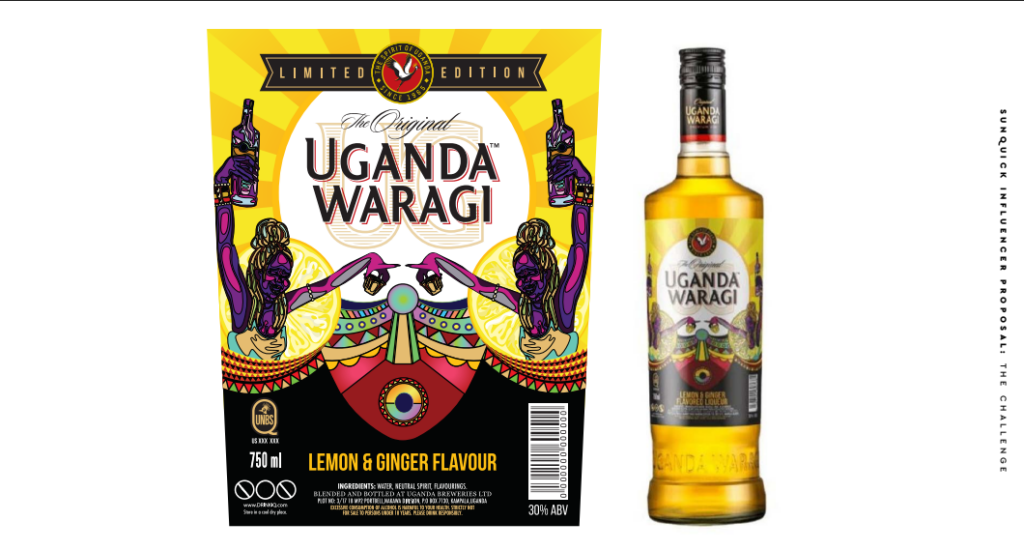
African storytelling is colorful, warm and even when attempting to be subtle it is dramatic. Our continent is also extremely diverse and as such offers up a broad and deep well of great stories that can be told. Our storytelling is richly diverse.
You have won recognition at Cannes Lions, Dubai Lynx Grand Prix and Grand Clios, and also served as a juror at international festivals. How do these experiences influence the way you view your own work?
These experiences, have helped to benchmark across global standards. One of the hardest things is getting hyper local stories and making sure that are loved and appreciated by global and universal audiences whose existence and influences vastly differ from yours. Doing work that is worthy of global recognition forces you to open up your world view and sharpen your craft to match global standards while ensuring that your stories stay deeply rooted in your local experiences and nuances.
The Quollective Africa positions itself as a cultural bridge. How do you bring that idea to life in practice?
We start everything with culture. We don’t do anything without interrogating the culture and working together/co-creating with culture experts in the categories we are solving for. We immerse ourselves into culture using a tool called the Culture Safari and make sure that anything we developed is based on our findings from the culture we are creating for. We let culture dictate the way forward and don’t dictate or force our ideas onto culture.
Many of your stories address urgent social issues. How do you see creativity playing a role in driving social change in Africa today?
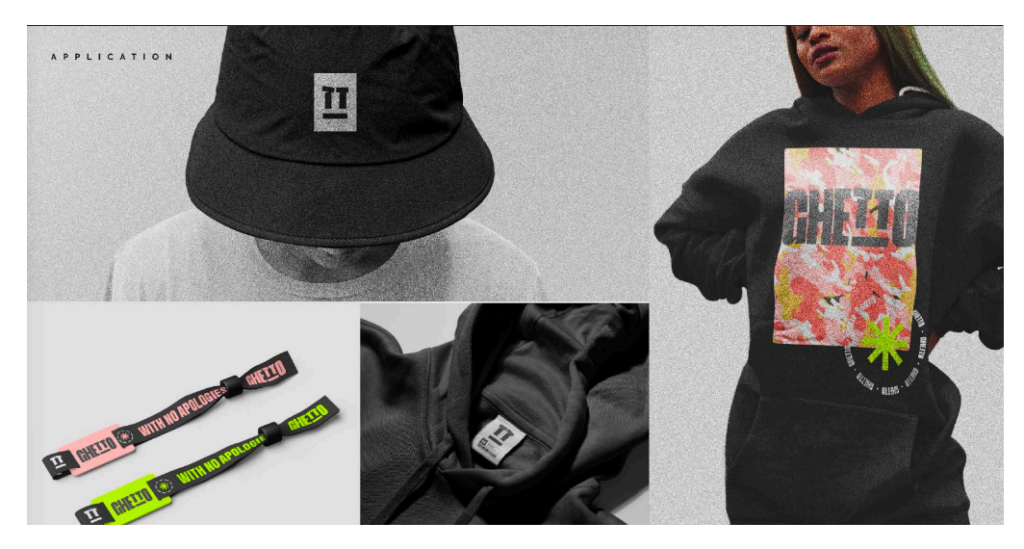
I strongly believe creativity and imagination are Africa’s least exploited Infrastructure. Our continent needs extraordinary solutions for our extraordinary problems. Unfortunately most of our countries leave problem solving and solution finding to the traditional experts(in many cases Engineers, Doctors and other scientists) many of whom stick the global standard ways of solving problems. The truth however is that if we need to do things differently, we need to engage the creative minds that think differently. Right now most of these minds primarily grow brands and do communication, entertainment, etc. Well harnessed, these same minds can solve Africa’s problems with African solutions in a cost effective manner.
The AIDA Awards bring together creativity across architecture, fashion, interiors, products, and more. What excites you about being part of this jury, and what qualities will you look for in the entries?
I am excited to see the work across categories. Good creative work excites me and Great creative work nourishes me. I’ll be looking for innovation, relevance to category and audience, overall freshness of thought and brave thinking.
For young African creatives who want to tell stories that connect with global audiences, what advice would you give on finding their voice and building their craft?
Start creating and experimenting. To find your voice, you need to journey through different styles and ideas. You need to study and emulate the best of the best and keep innovating until you find your distinct white space/empty real estate in the densely populated and saturated world of creativity.