






IJOKO ABETI AJA COLLECTION
Prize(s):
Honorable Mention 2026 PRODUCT DESIGN / Eco Design
Lead Designer(s) Name(s):Tolulope Adebayo
Design Team / Other designer(s):Inuda Creations team
Other Contributor(s):Arc Adeyemo Shokunbi
Manufacturer Name:Tolulope Adebayo
Distributors Name: Design week lagos
Client Name:Inuda Creations
Photo Credit:Jide Ayeni
Project Location:Lagos
Design Status:Prototype
Product Description:
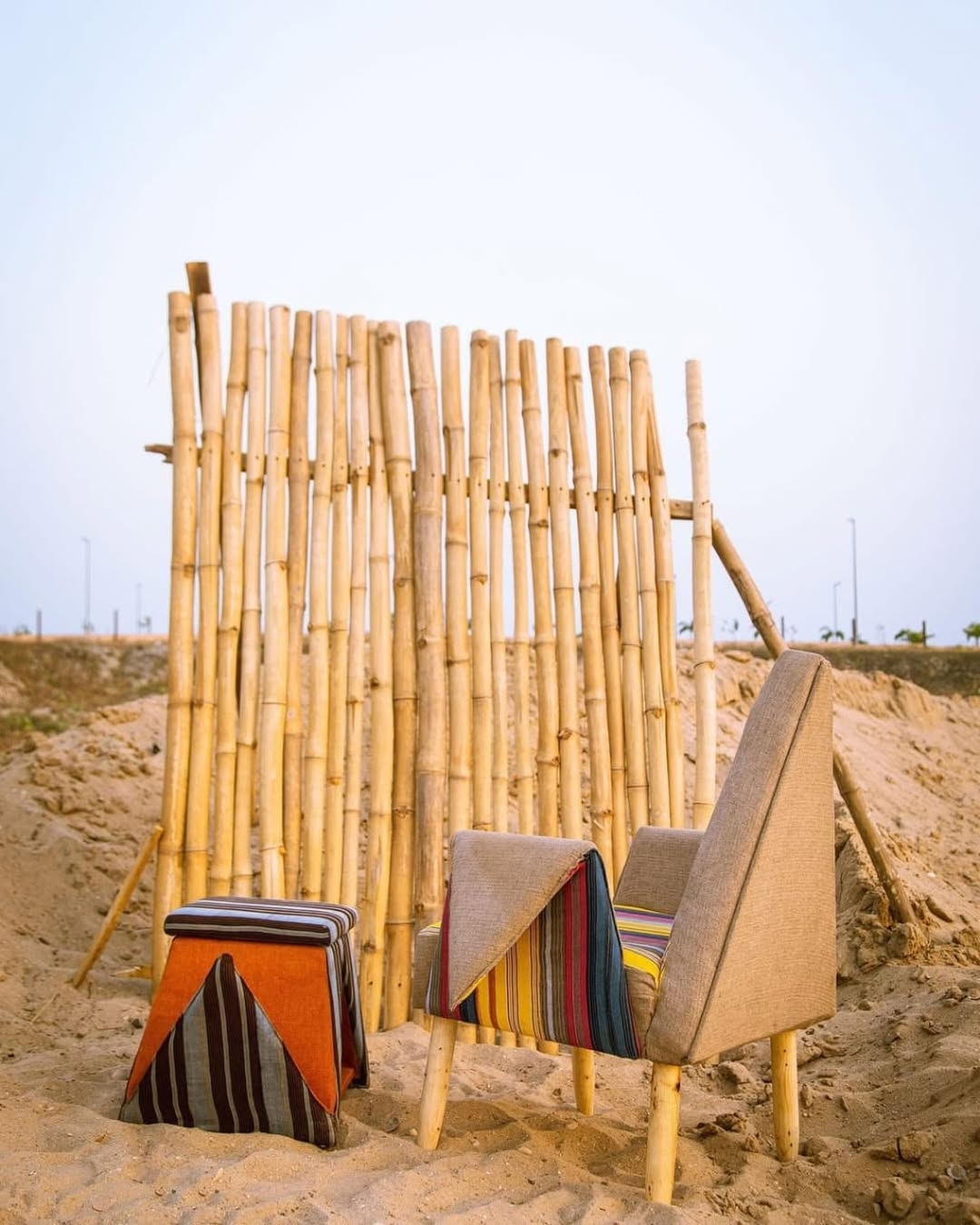
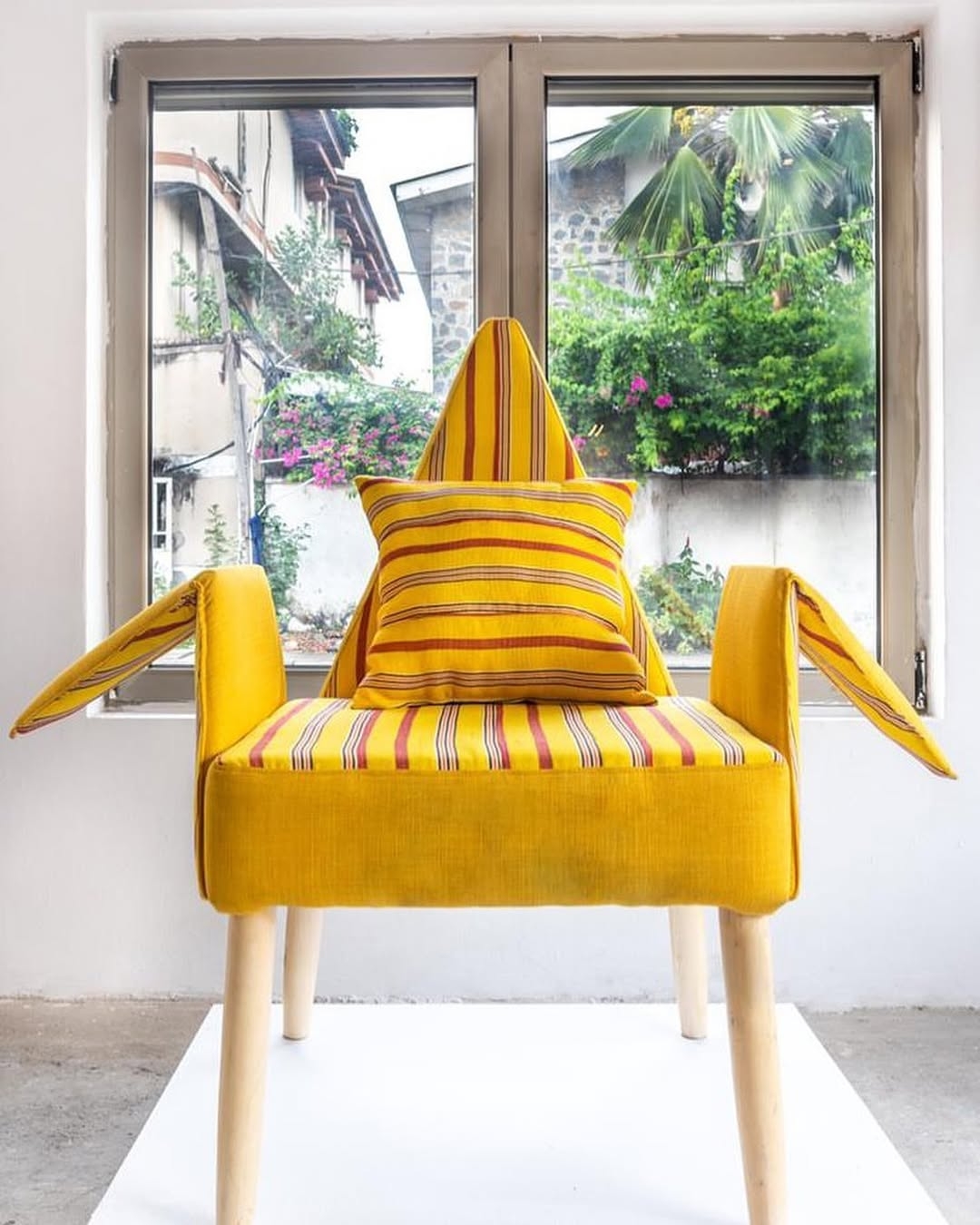
The concept of the chair is to replicate the yoruba cap ‘abeti aja’ used by the Yorubas, ’abeti aja’ literally means ‘like the ears of a dog’. This style of Yoruba cap looks like a triangle with two edges sticking out like the ears of a dog.It is commonly worn by Yoruba drummers. The chair is mostly to be used as an occasional chair and it can be used for waiting areas, visitors chair, a home chair
The concept of the chair is to replicate the yoruba cap ‘abeti aja’ used by the Yorubas, ’abeti aja’ literally means ‘like the ears of a dog’. This style of Yoruba cap looks like a triangle with two edges sticking out like the ears of a dog.It is commonly worn by Yoruba drummers. The chair is mostly to be used as an occasional chair and it can be used for waiting areas, visitors chair, a home chair
Product Innovation / Specification:
Product Innovation and Specifications: The Abeti AJA Chair The Abeti AJA chair is a remarkable fusion of traditional Yoruba cultural heritage and contemporary design innovation. Known for its iconic “winged” triangular backrest, this chair serves not only as a seating solution but also as a statement piece, embodying both artistry and function. The chair’s design has been revisited with careful attention to ergonomics, materiality, functionality, and aesthetics, ensuring it meets the evolving needs of modern interiors while preserving its cultural authenticity. 1. Dimensions and Ergonomic Specifications The contemporary iteration of the Abeti AJA chair is designed with precise dimensions to optimize comfort and usability. The chair measures 600mm in width and 550mm in depth, providing a seat size that is neither too broad nor too compact, accommodating a wide range of users comfortably. The overall height of 1.11 meters ensures the triangular backrest extends high enough to provide both support and visual impact. The wings of the chair, inspired by the traditional cap worn by Yoruba men, are subtly angled to function as both armrests and lateral back support.
Product Innovation and Specifications: The Abeti AJA Chair The Abeti AJA chair is a remarkable fusion of traditional Yoruba cultural heritage and contemporary design innovation. Known for its iconic “winged” triangular backrest, this chair serves not only as a seating solution but also as a statement piece, embodying both artistry and function. The chair’s design has been revisited with careful attention to ergonomics, materiality, functionality, and aesthetics, ensuring it meets the evolving needs of modern interiors while preserving its cultural authenticity. 1. Dimensions and Ergonomic Specifications The contemporary iteration of the Abeti AJA chair is designed with precise dimensions to optimize comfort and usability. The chair measures 600mm in width and 550mm in depth, providing a seat size that is neither too broad nor too compact, accommodating a wide range of users comfortably. The overall height of 1.11 meters ensures the triangular backrest extends high enough to provide both support and visual impact. The wings of the chair, inspired by the traditional cap worn by Yoruba men, are subtly angled to function as both armrests and lateral back support.
Product Sustainability Approach:
The sustainability approach for a product like the Abeti AJA Chair focuses on selecting eco-friendly, durable materials such as sustainably sourced wood and hand-made Aso Oke fabric, while using non-toxic finishes to minimize environmental impact. Its design emphasizes longevity and adaptability, allowing components to be repaired or repurposed, and drawing on timeless cultural aesthetics to reduce disposability. The production process prioritizes energy efficiency, waste reduction, and ethical labor practices, with local sourcing to cut transportation emissions. At the end of its lifecycle, the chair’s materials are recyclable or upcyclable, and take-back or repurposing programs ensure circularity. By integrating cultural heritage, quality craftsmanship, and responsible practices, the product embodies both environmental and social sustainability.
The sustainability approach for a product like the Abeti AJA Chair focuses on selecting eco-friendly, durable materials such as sustainably sourced wood and hand-made Aso Oke fabric, while using non-toxic finishes to minimize environmental impact. Its design emphasizes longevity and adaptability, allowing components to be repaired or repurposed, and drawing on timeless cultural aesthetics to reduce disposability. The production process prioritizes energy efficiency, waste reduction, and ethical labor practices, with local sourcing to cut transportation emissions. At the end of its lifecycle, the chair’s materials are recyclable or upcyclable, and take-back or repurposing programs ensure circularity. By integrating cultural heritage, quality craftsmanship, and responsible practices, the product embodies both environmental and social sustainability.
Local and Regional Impacts of the Product:
The Abeti AJA Chair has strong local and regional impacts by promoting authentic workmanship and artisanal skills, offering a profitable and respected alternative in a society where internet fraud (“Yahoo Yahoo”) has become prevalent. By emphasizing hand-made Aso Oke fabric and skilled carpentry, the chair creates sustainable employment and preserves knowledge that is educational, practical, and unlikely to become outdated. It also provides a model for government and community programs to support local industries, encouraging ethical, skill-based entrepreneurship that strengthens the economy while fostering cultural pride and regional recognition of Nigerian craftsmanship.
The Abeti AJA Chair has strong local and regional impacts by promoting authentic workmanship and artisanal skills, offering a profitable and respected alternative in a society where internet fraud (“Yahoo Yahoo”) has become prevalent. By emphasizing hand-made Aso Oke fabric and skilled carpentry, the chair creates sustainable employment and preserves knowledge that is educational, practical, and unlikely to become outdated. It also provides a model for government and community programs to support local industries, encouraging ethical, skill-based entrepreneurship that strengthens the economy while fostering cultural pride and regional recognition of Nigerian craftsmanship.

Lead Designer(s) Name(s):Tolulope Adebayo