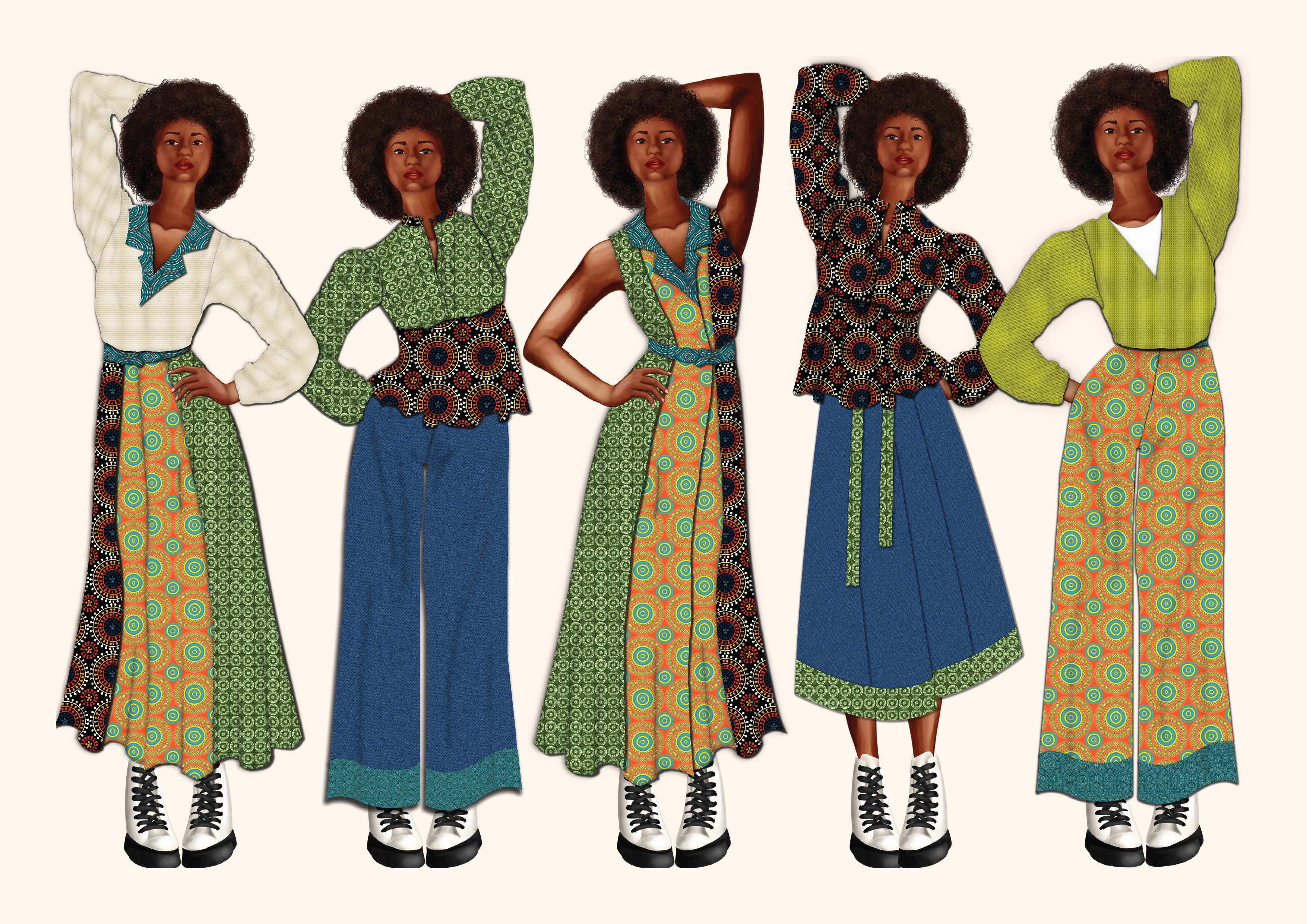
Soul•Story•Service Collection
Prize(s):
Honorable Mention 2026 FASHION DESIGN / Casual Wear
School / University Name:Inscape Education Group
Lead Designer(s) Name(s):Juane Venter
Design Team / Other designer(s):Community members of Kraaifontein and Khayelitsha
Professor Name(s):Diandra Schreuder
Textile / Others Supplier:Da Gama fabrics, Levi and Strauss, Svenmill Textile mill, Studio 47
Photo Credit:Juané Venter
Project Location:Stellenbosch
Design Status:Concept
Website: View
Project Description:
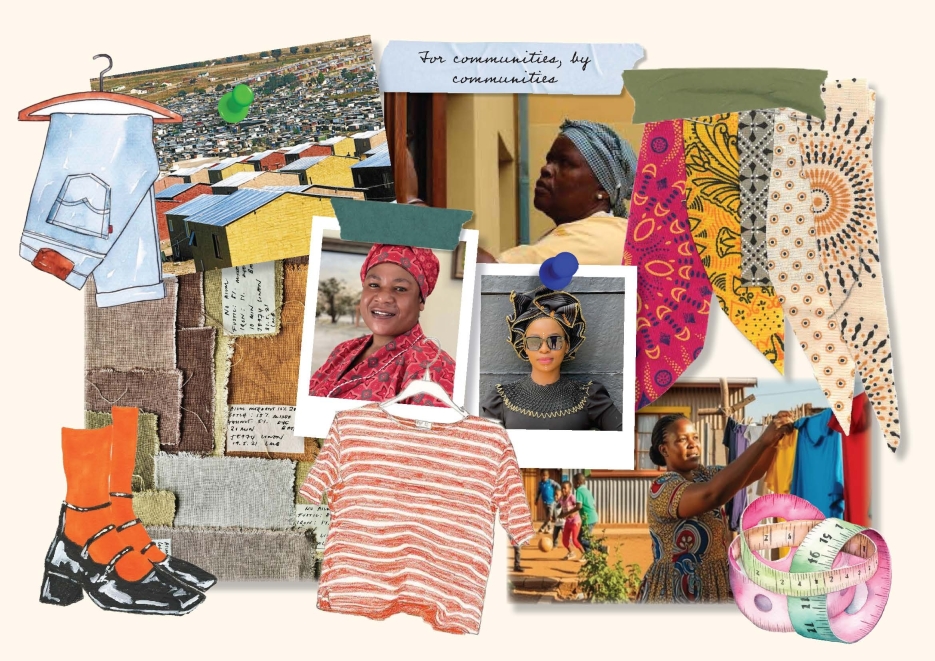
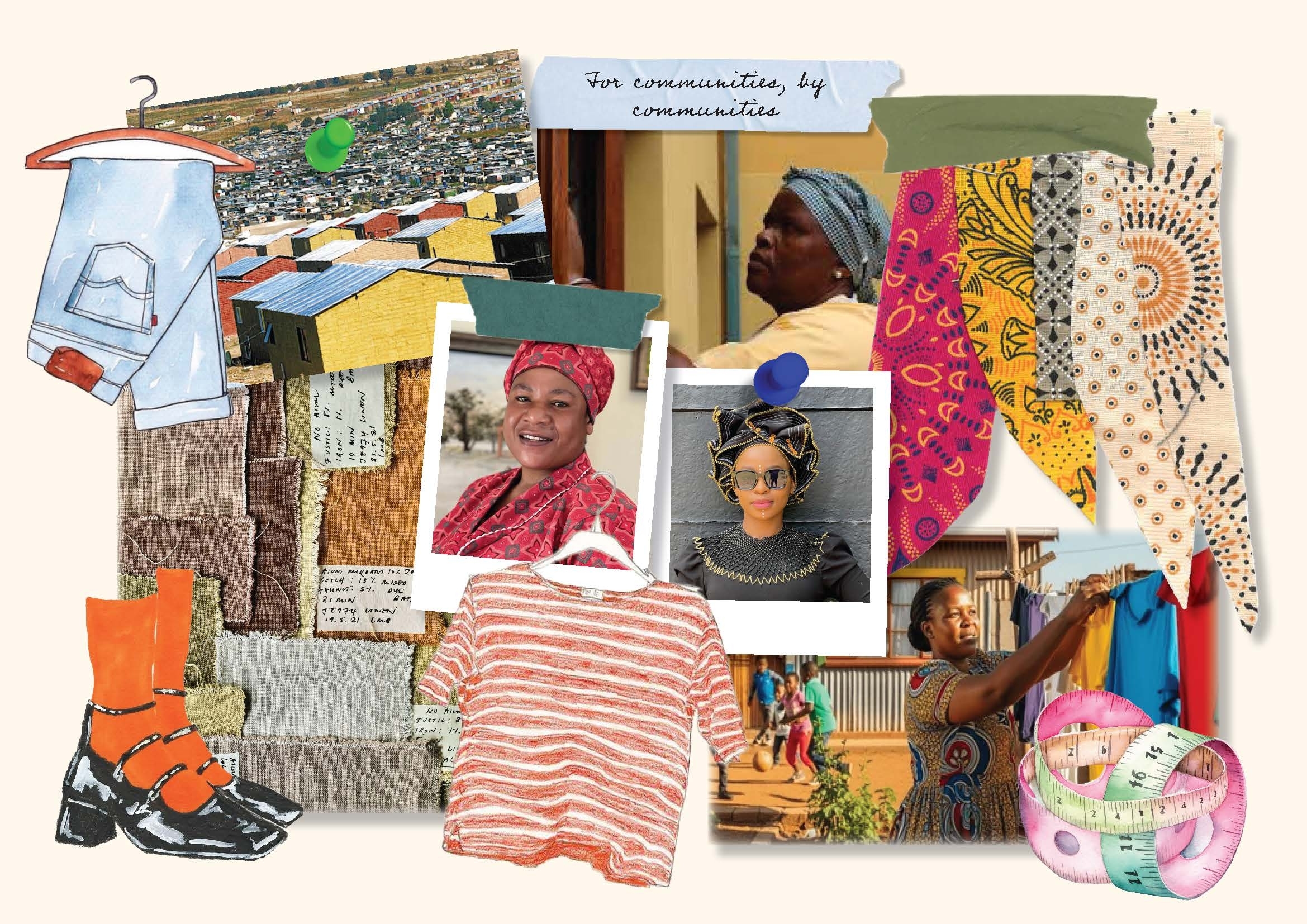
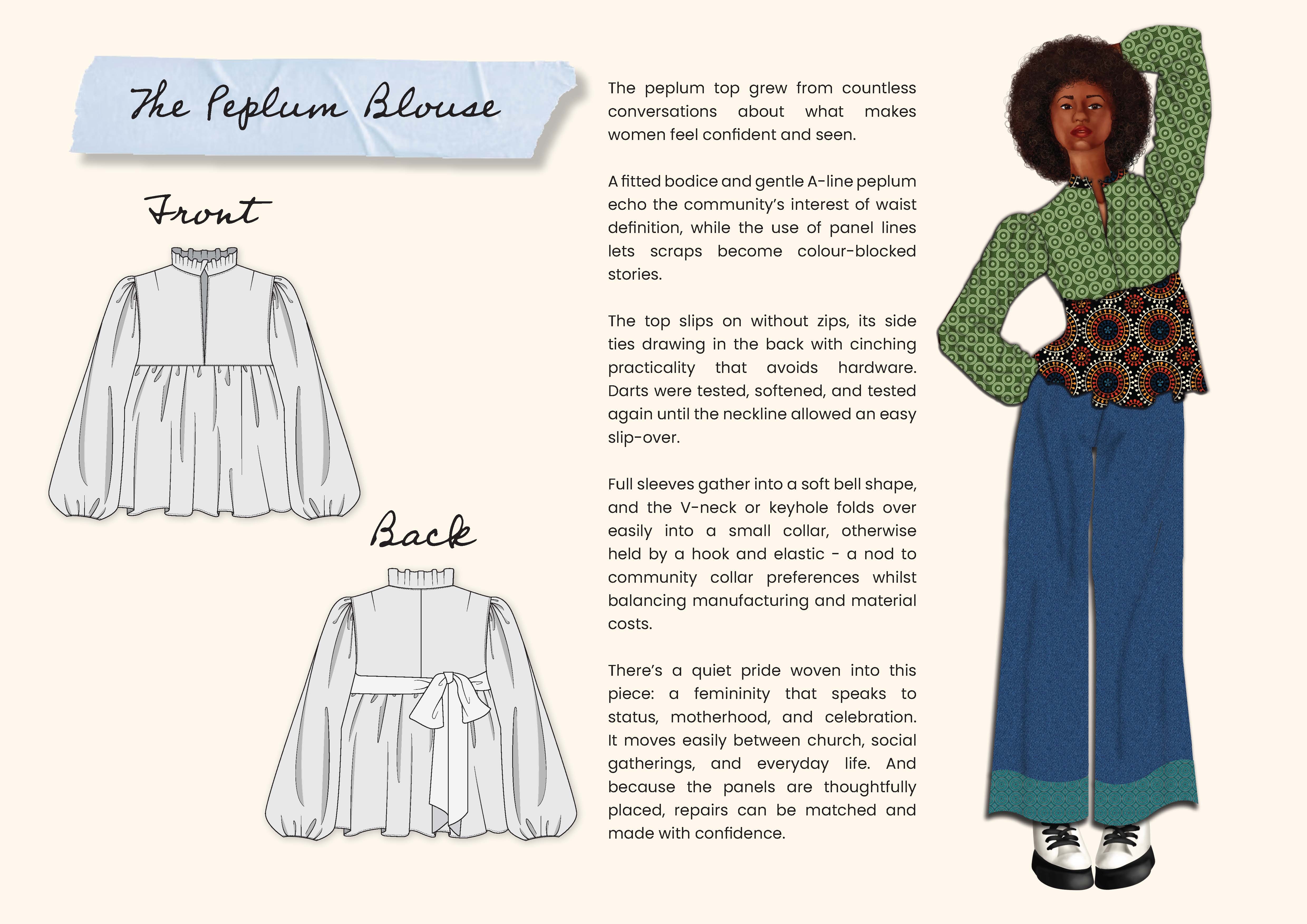
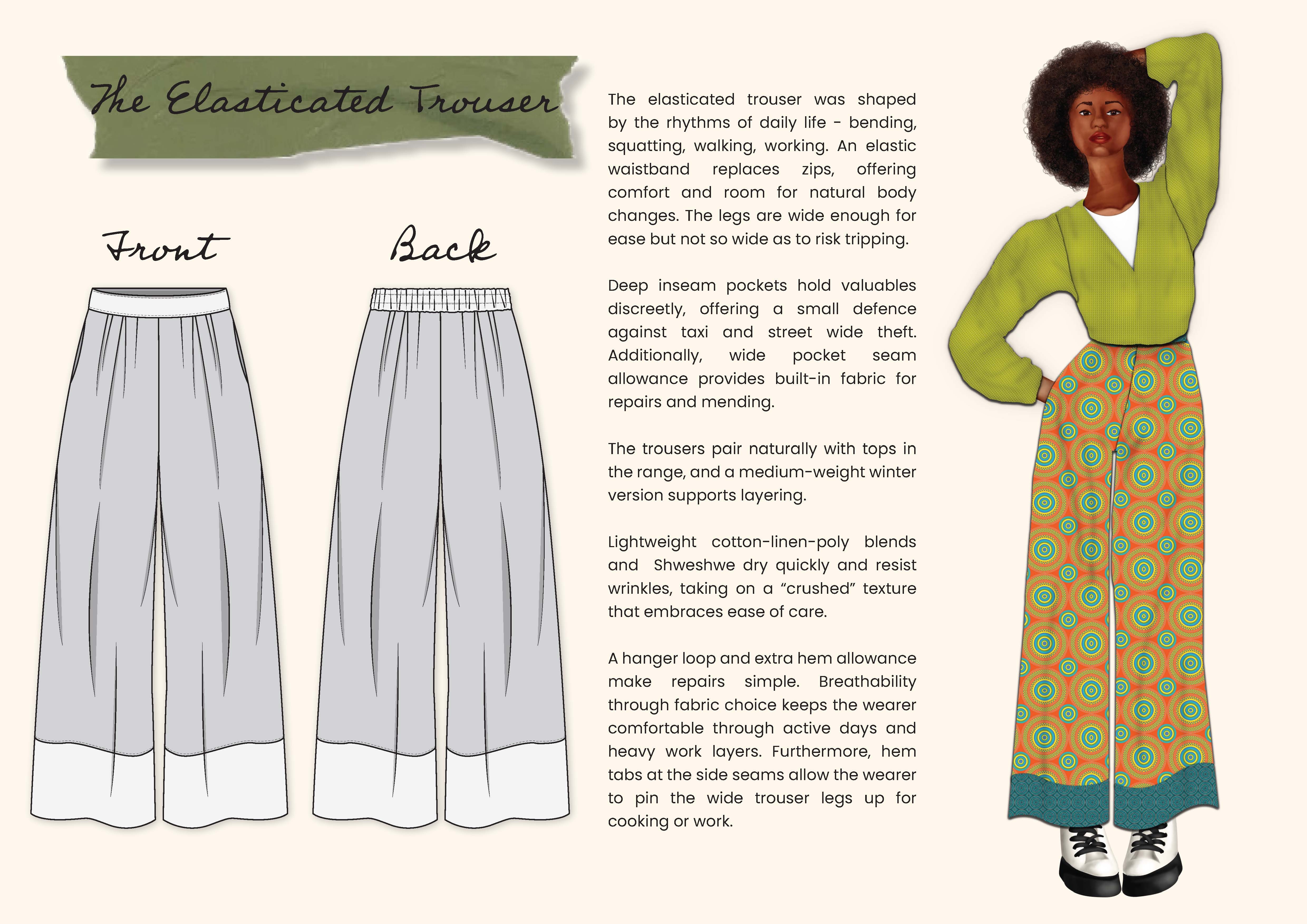
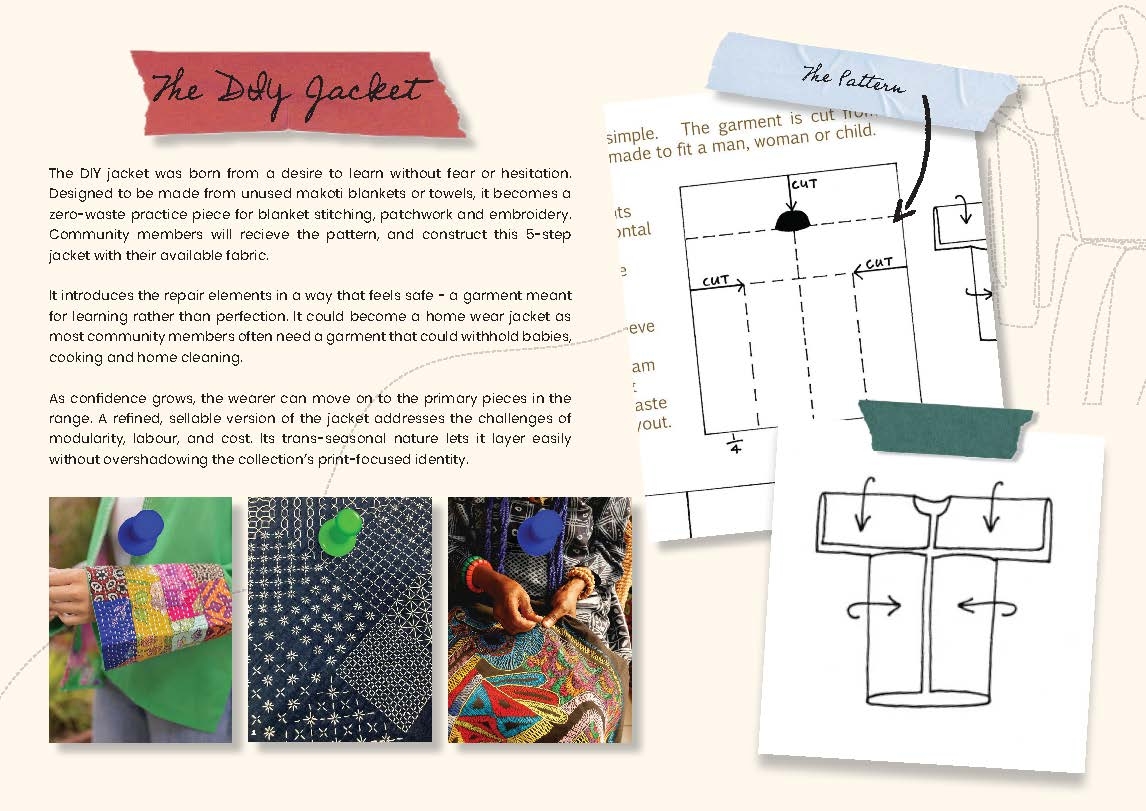
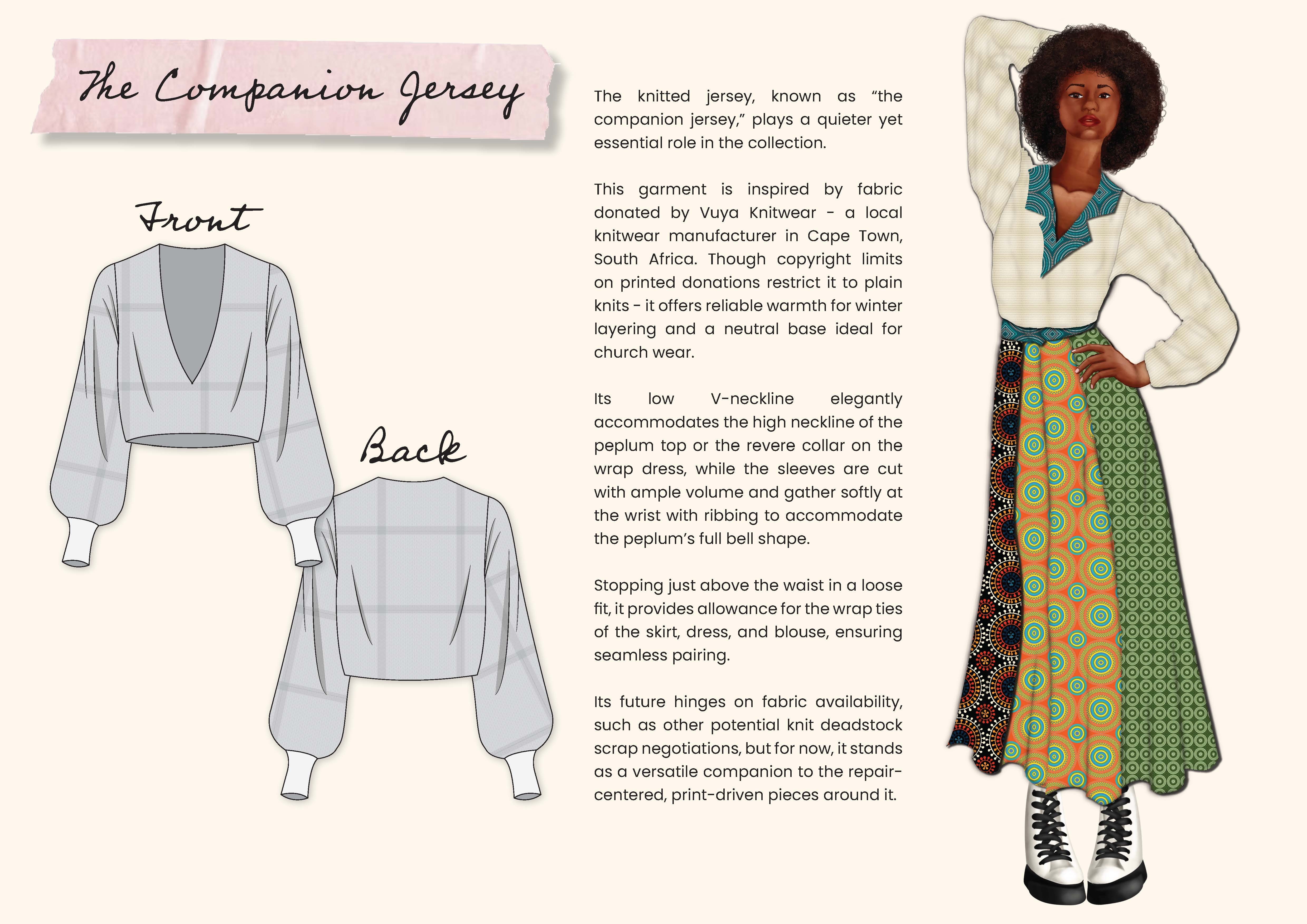
This project is a sustainable, community‑centred clothing initiative designed in partnership with single mothers who work as domestic workers from Kraaifontein and Khayelitsha, South Africa. Grounded in human‑centred design, it responds directly to the lived realities shared through focus groups and ethnographic research. The aim is to create durable, affordable, culturally resonant garments that support long hours of physical labour while honouring identity, dignity, and comfort. Using donated, deadstock, recycled, and natural‑fibre textiles, the range prioritises breathability, repairability, and longevity, ensuring garments can be easily maintained at home. Shweshwe, denim, and cotton‑linen blends form the core material palette, chosen for their strength, modesty, and cultural relevance. Beyond clothing, the project focuses on empowerment through repair‑friendly construction and community skill‑building and entrepreneurial opportunities. It is a design approach rooted in Ubuntu—creating garments that serve, protect, and carry the stories of the women who wear them.
This project is a sustainable, community‑centred clothing initiative designed in partnership with single mothers who work as domestic workers from Kraaifontein and Khayelitsha, South Africa. Grounded in human‑centred design, it responds directly to the lived realities shared through focus groups and ethnographic research. The aim is to create durable, affordable, culturally resonant garments that support long hours of physical labour while honouring identity, dignity, and comfort. Using donated, deadstock, recycled, and natural‑fibre textiles, the range prioritises breathability, repairability, and longevity, ensuring garments can be easily maintained at home. Shweshwe, denim, and cotton‑linen blends form the core material palette, chosen for their strength, modesty, and cultural relevance. Beyond clothing, the project focuses on empowerment through repair‑friendly construction and community skill‑building and entrepreneurial opportunities. It is a design approach rooted in Ubuntu—creating garments that serve, protect, and carry the stories of the women who wear them.
Project Innovation / Specification:
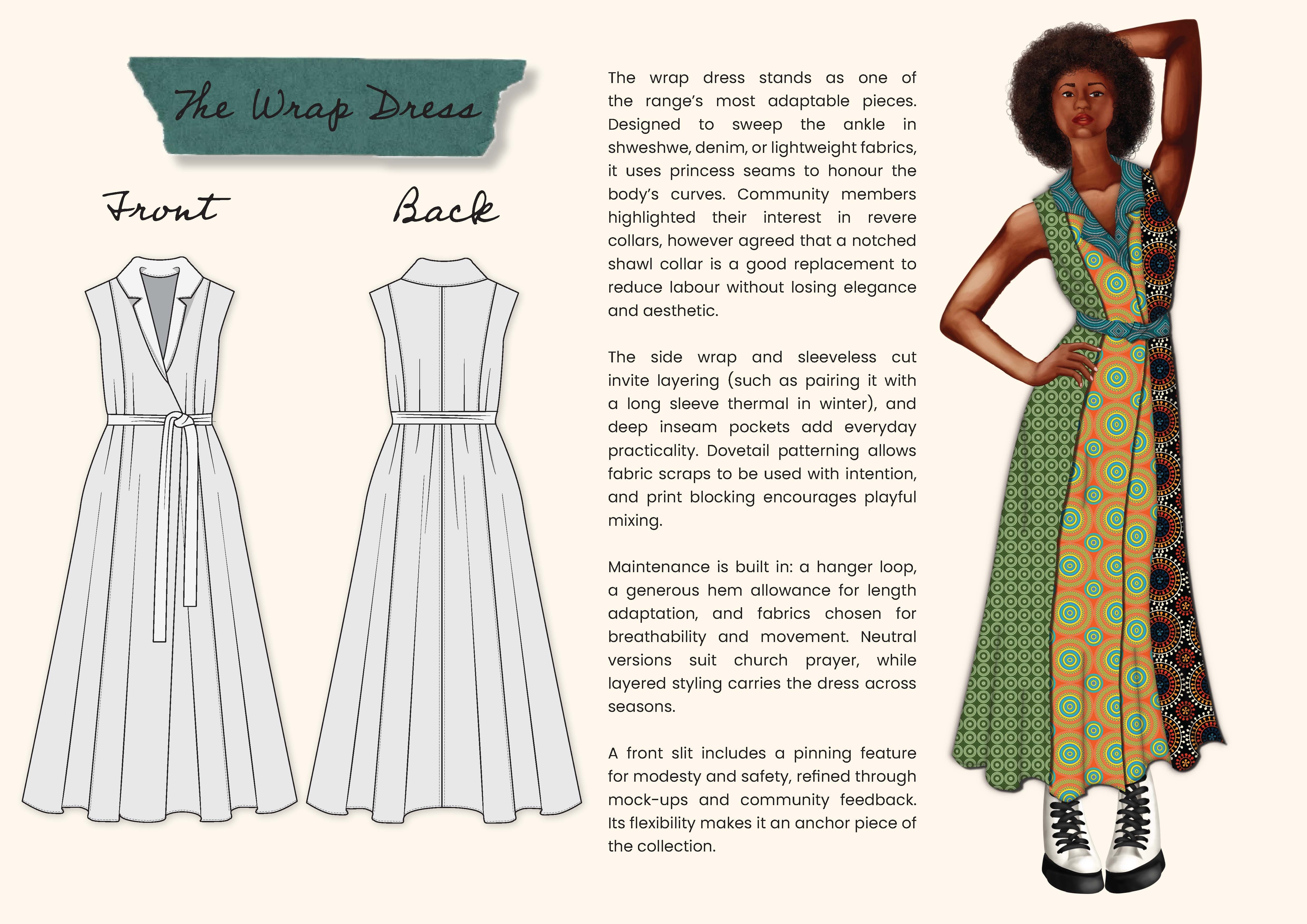
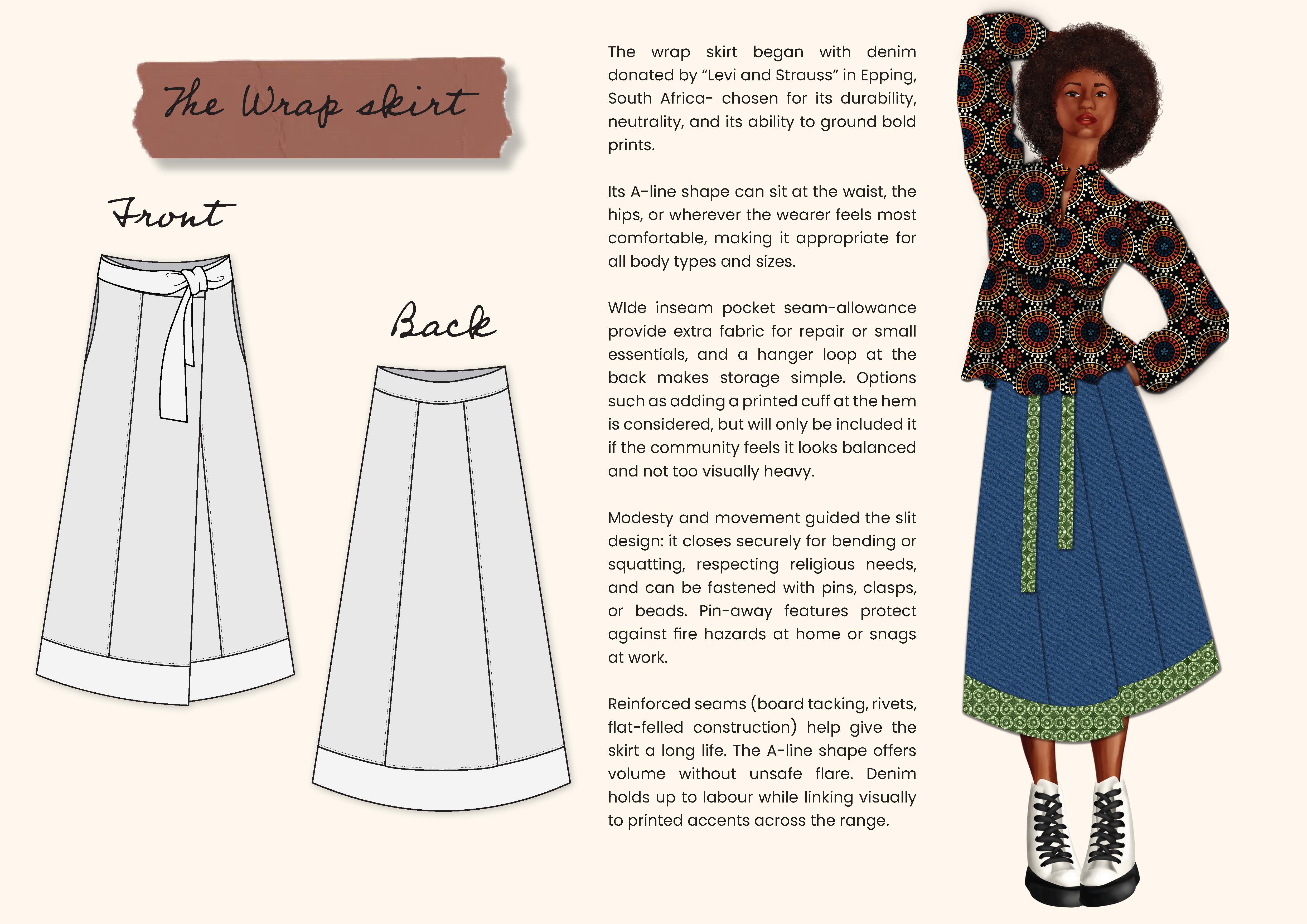
This project introduces an innovative clothing system shaped by the philosophy of Soul, Story, Service — a framework that transforms garment design into a tool for dignity, identity, and community empowerment. Innovation begins with human‑centred research: as the document notes, garments must “withstand bending, scrubbing, lifting, walking, and caring” while remaining easy to repair using “natural fibres that welcome hand‑sewn mending.” Technically, the range integrates durability, adjustability, and modularity through reinforced seams, wide pocket allowances, pin‑away safety features, adaptable silhouettes, and repair‑friendly construction. Using deadstock, donated, and recycled textiles, the project converts waste into long‑lasting, culturally resonant garments. What sets this project apart is its emotional and social innovation. Soul honours the wearer’s lived experience; Story embeds cultural identity through Shweshwe and thoughtful detailing; Service ensures every design decision supports comfort, safety, and economic sustainability. Together, these principles create clothing that protects, empowers, and preserves dignity while strengthening community agency.
This project introduces an innovative clothing system shaped by the philosophy of Soul, Story, Service — a framework that transforms garment design into a tool for dignity, identity, and community empowerment. Innovation begins with human‑centred research: as the document notes, garments must “withstand bending, scrubbing, lifting, walking, and caring” while remaining easy to repair using “natural fibres that welcome hand‑sewn mending.” Technically, the range integrates durability, adjustability, and modularity through reinforced seams, wide pocket allowances, pin‑away safety features, adaptable silhouettes, and repair‑friendly construction. Using deadstock, donated, and recycled textiles, the project converts waste into long‑lasting, culturally resonant garments. What sets this project apart is its emotional and social innovation. Soul honours the wearer’s lived experience; Story embeds cultural identity through Shweshwe and thoughtful detailing; Service ensures every design decision supports comfort, safety, and economic sustainability. Together, these principles create clothing that protects, empowers, and preserves dignity while strengthening community agency.
Project Sustainability Approach:
This project follows a holistic sustainability approach that integrates physical, emotional, and social longevity. Physically, garments are engineered for durability, repairability, and long-term wear through reinforced seams, wide pocket allowances, natural fibres, and deadstock or recycled materials. As the document notes, repairs are seen as empowerment, with “natural fibres that welcome hand‑sewn mending” supporting circularity and reducing waste. Emotionally, the philosophy of Soul, Story, Service ensures clothing carries meaning, dignity, and cultural resonance, becoming pieces that “gather memory through wear, repair, and pride.” Socially, the project strengthens community agency by involving domestic workers directly in design, skill‑building, and future production. Regionally sourced materials and circular practices support SDG 1 (No Poverty), SDG 5 (Gender Equality), SDG 8 (Decent Work), and SDG 12 (Responsible Consumption and Production). Together, these principles create garments that last longer, matter more, and serve both people and planet.
This project follows a holistic sustainability approach that integrates physical, emotional, and social longevity. Physically, garments are engineered for durability, repairability, and long-term wear through reinforced seams, wide pocket allowances, natural fibres, and deadstock or recycled materials. As the document notes, repairs are seen as empowerment, with “natural fibres that welcome hand‑sewn mending” supporting circularity and reducing waste. Emotionally, the philosophy of Soul, Story, Service ensures clothing carries meaning, dignity, and cultural resonance, becoming pieces that “gather memory through wear, repair, and pride.” Socially, the project strengthens community agency by involving domestic workers directly in design, skill‑building, and future production. Regionally sourced materials and circular practices support SDG 1 (No Poverty), SDG 5 (Gender Equality), SDG 8 (Decent Work), and SDG 12 (Responsible Consumption and Production). Together, these principles create garments that last longer, matter more, and serve both people and planet.
Local and Regional Impacts of the Project:
This project creates local impact by designing durable, culturally grounded clothing with domestic workers in Kraaifontein and Khayelitsha. By involving community women directly in the design process, it strengthens agency, dignity, and community voice. Using donated, deadstock, and recycled textiles supports circular economies and reduces waste in the Western Cape. Regionally, the project showcases an alternative to fast fashion by elevating South African materials like Shweshwe and denim while building repair skills and small‑scale production opportunities. It promotes social equity, environmental responsibility, and economic resilience across the province.
This project creates local impact by designing durable, culturally grounded clothing with domestic workers in Kraaifontein and Khayelitsha. By involving community women directly in the design process, it strengthens agency, dignity, and community voice. Using donated, deadstock, and recycled textiles supports circular economies and reduces waste in the Western Cape. Regionally, the project showcases an alternative to fast fashion by elevating South African materials like Shweshwe and denim while building repair skills and small‑scale production opportunities. It promotes social equity, environmental responsibility, and economic resilience across the province.
Lead Designer(s) Name(s):Juane Venter
Profile Description:
I’m a fashion designer focused on user-centered, sustainable design. My work combines functionality, emotional and environmental value to create garments that truly serve the people who wear them.A graduate of Elizabeth Galloway Academy of Fashion, I now lecture in production while completing my Honours in Design. My design philosophy - helping people through fashion - guides every project.Under my brand Blompot, I aim to create clothing that allows individuals to grow and express themselves authentically. I’m passionate about making fashion more meaningful and accessible.
I’m a fashion designer focused on user-centered, sustainable design. My work combines functionality, emotional and environmental value to create garments that truly serve the people who wear them.A graduate of Elizabeth Galloway Academy of Fashion, I now lecture in production while completing my Honours in Design. My design philosophy - helping people through fashion - guides every project.Under my brand Blompot, I aim to create clothing that allows individuals to grow and express themselves authentically. I’m passionate about making fashion more meaningful and accessible.
Environmental Practices:
I am a designer rooted in human‑centred, sustainable practice. I believe clothing should carry soul, story, and service, and I design with empathy, cultural sensitivity, and technical care. I prioritise durability, repairability, and circular materials, creating garments that honour identity and lived experience. My work blends precision with purpose, using fashion as a tool for dignity, empowerment, and meaningful connection.
I am a designer rooted in human‑centred, sustainable practice. I believe clothing should carry soul, story, and service, and I design with empathy, cultural sensitivity, and technical care. I prioritise durability, repairability, and circular materials, creating garments that honour identity and lived experience. My work blends precision with purpose, using fashion as a tool for dignity, empowerment, and meaningful connection.
Previous Awards Won:
In 2023, I was selected as one of 11 finalists in the international All Fashion Sourcing (AFI) Competition, which celebrates sustainable innovation in fashion.
In 2023, I was selected as one of 11 finalists in the international All Fashion Sourcing (AFI) Competition, which celebrates sustainable innovation in fashion.