Guarding the Republic
Prize(s):
Honorable Mention 2026 Multimedia Design / Videogame
School / University Name:Africa Design School
Lead Designer(s) Name(s):Rihanath HOUNKPONOU
Design Team / Other designer(s):Haniyath ABIBOU, Kéren DANTONDJI, Sullivan ATCHAHOUE
Photo Credit:Project team
Project Location:Cotonou, Benin
Design Status:Prototype
Project Description:
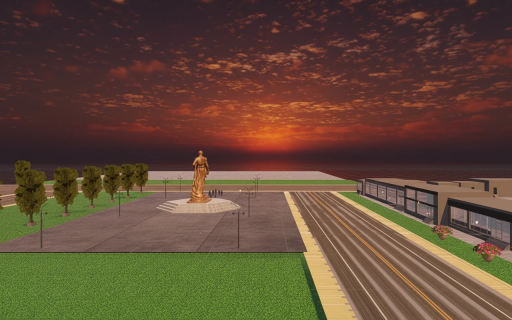
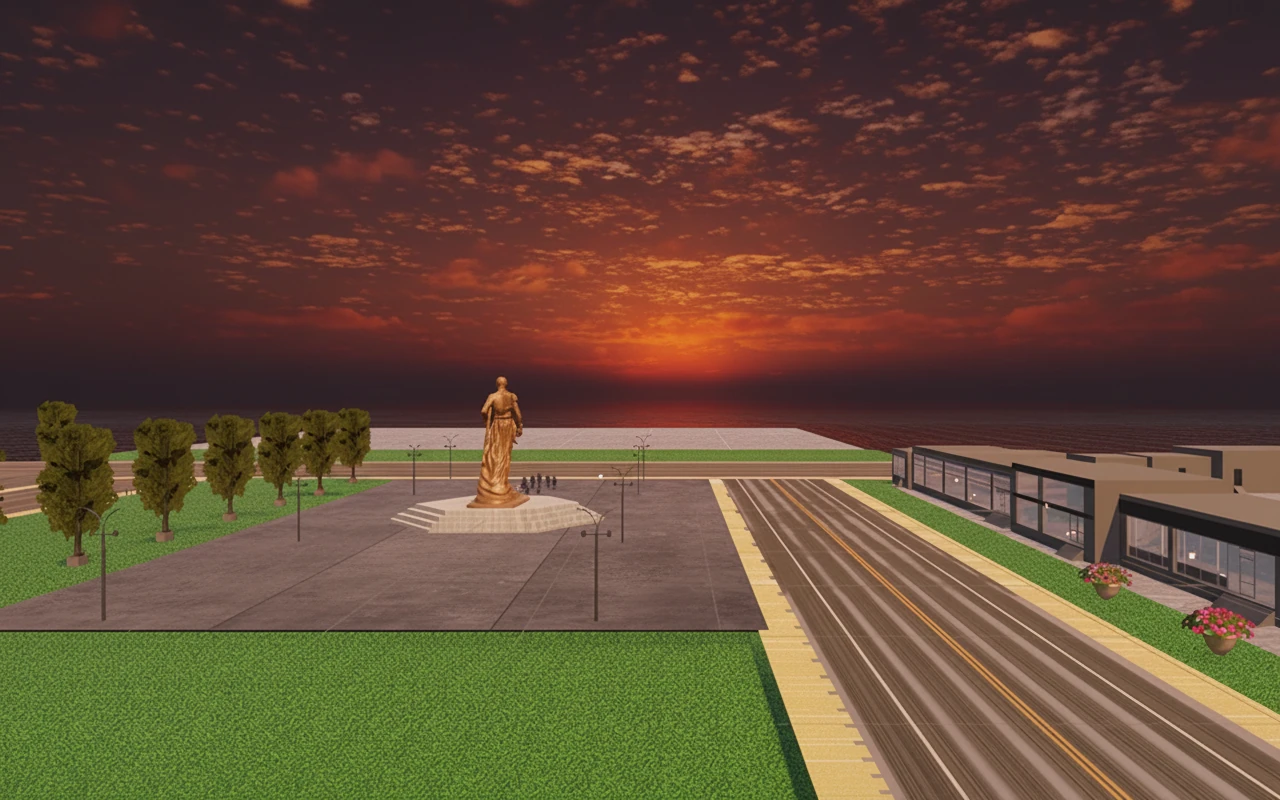
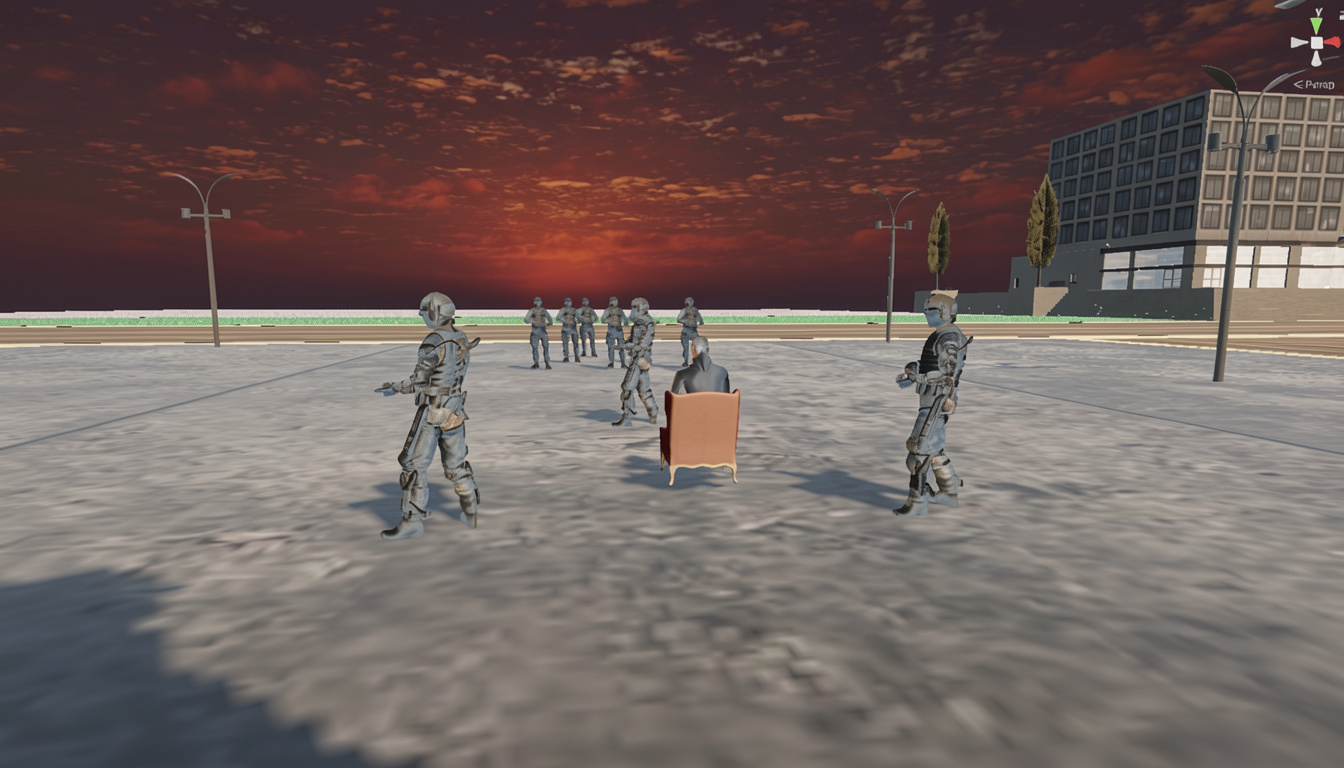
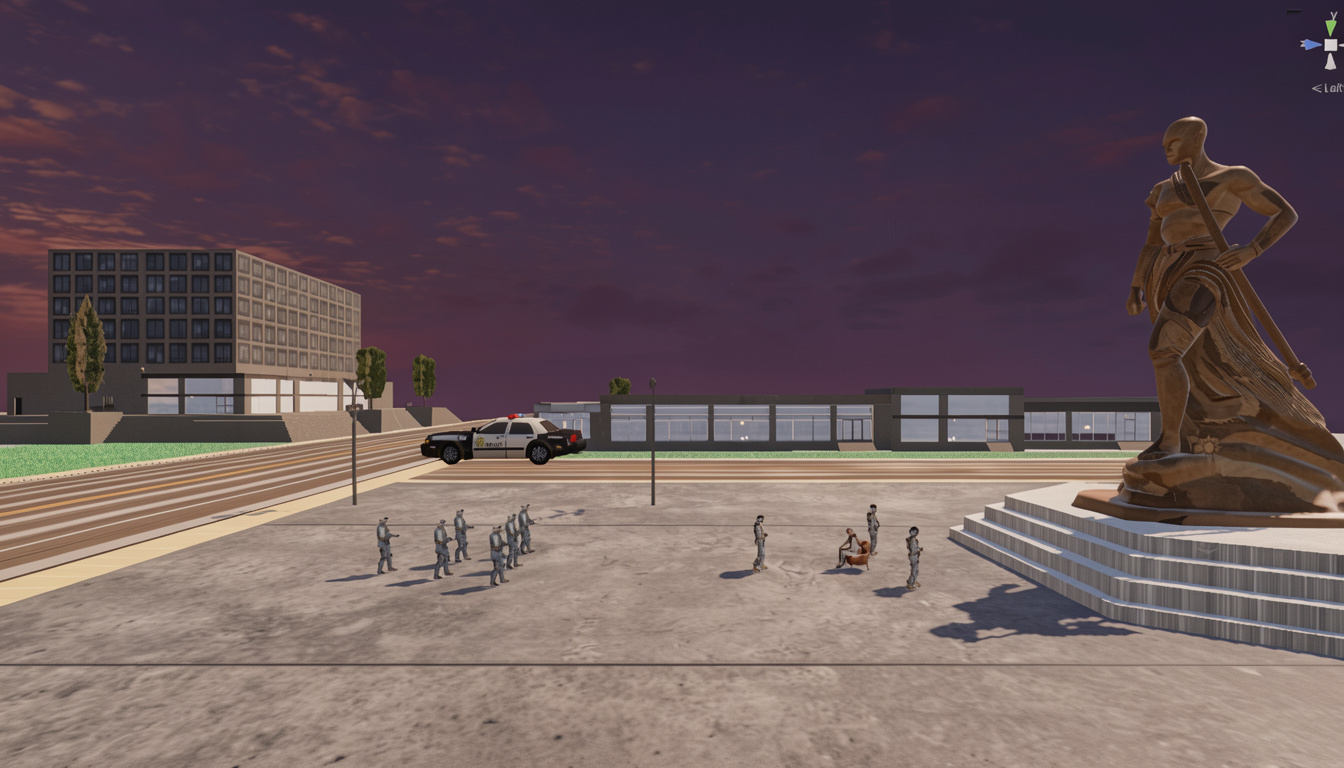
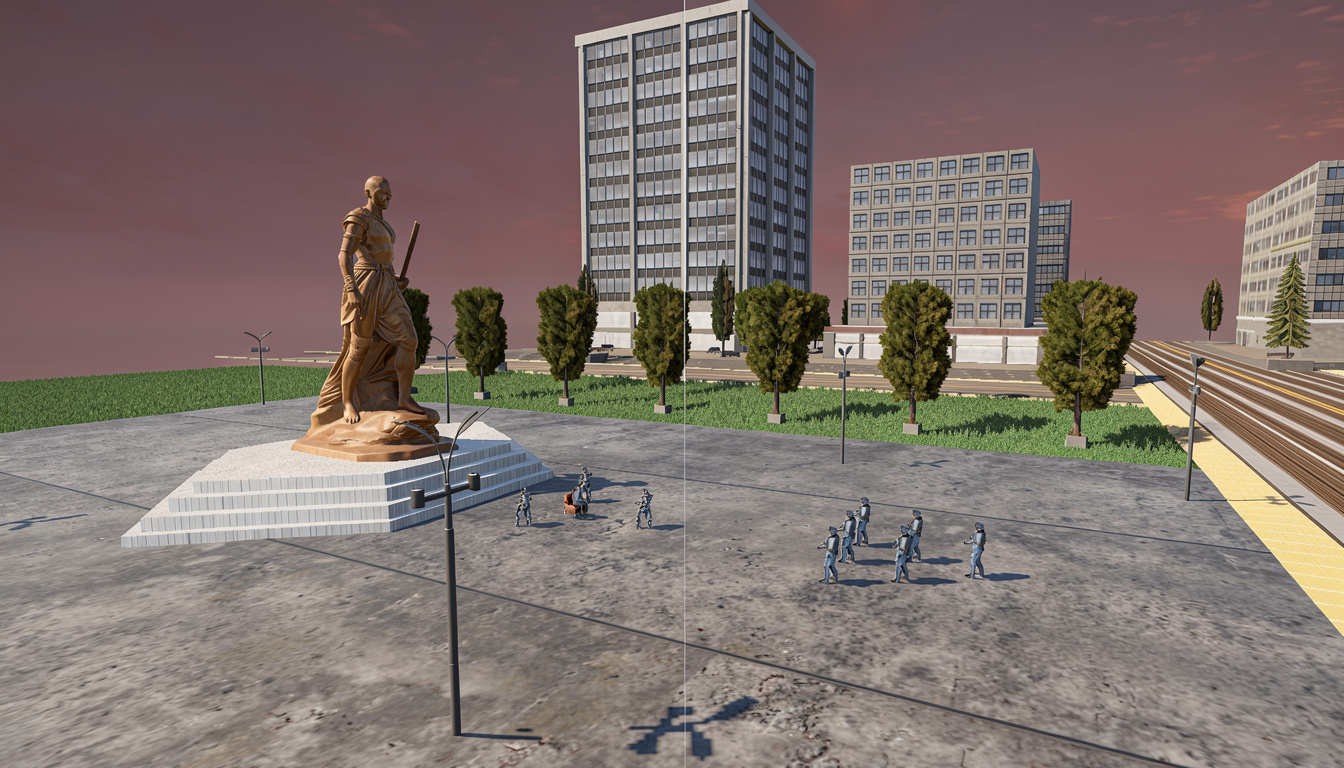
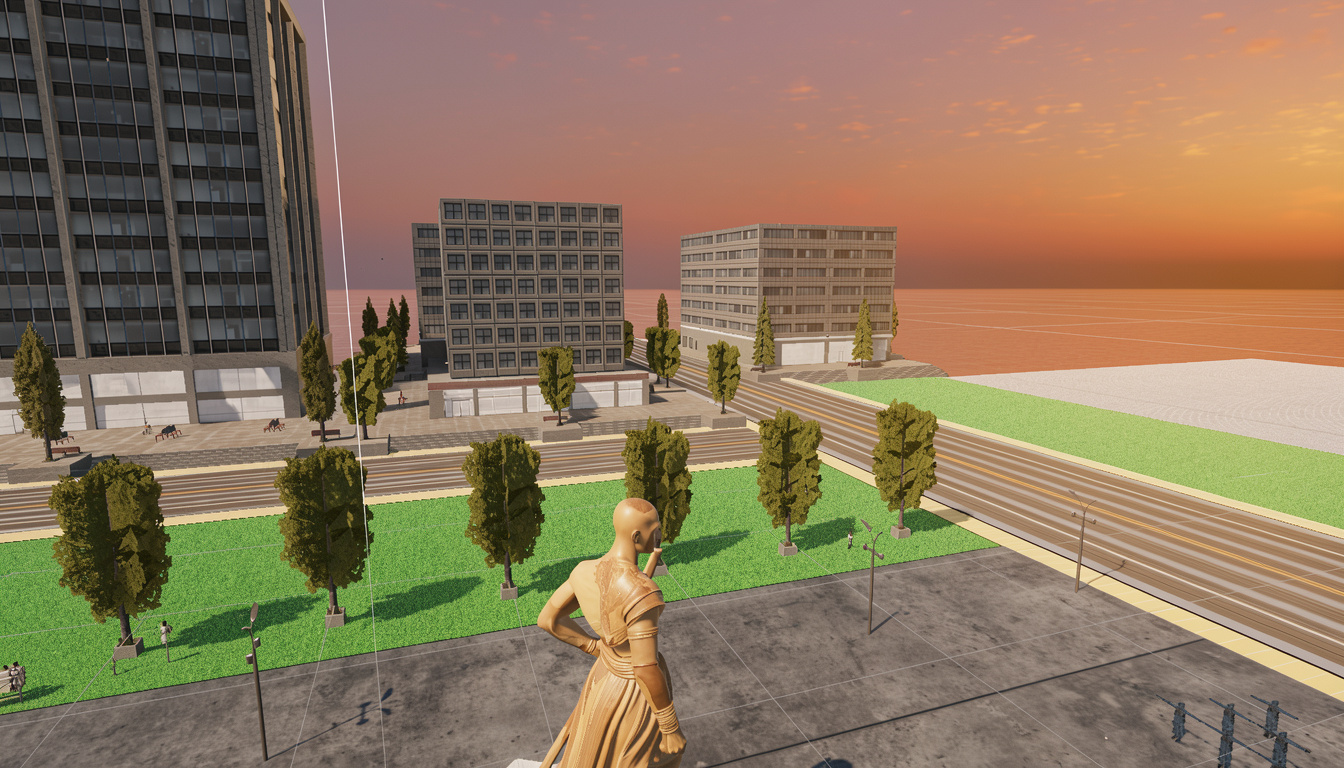
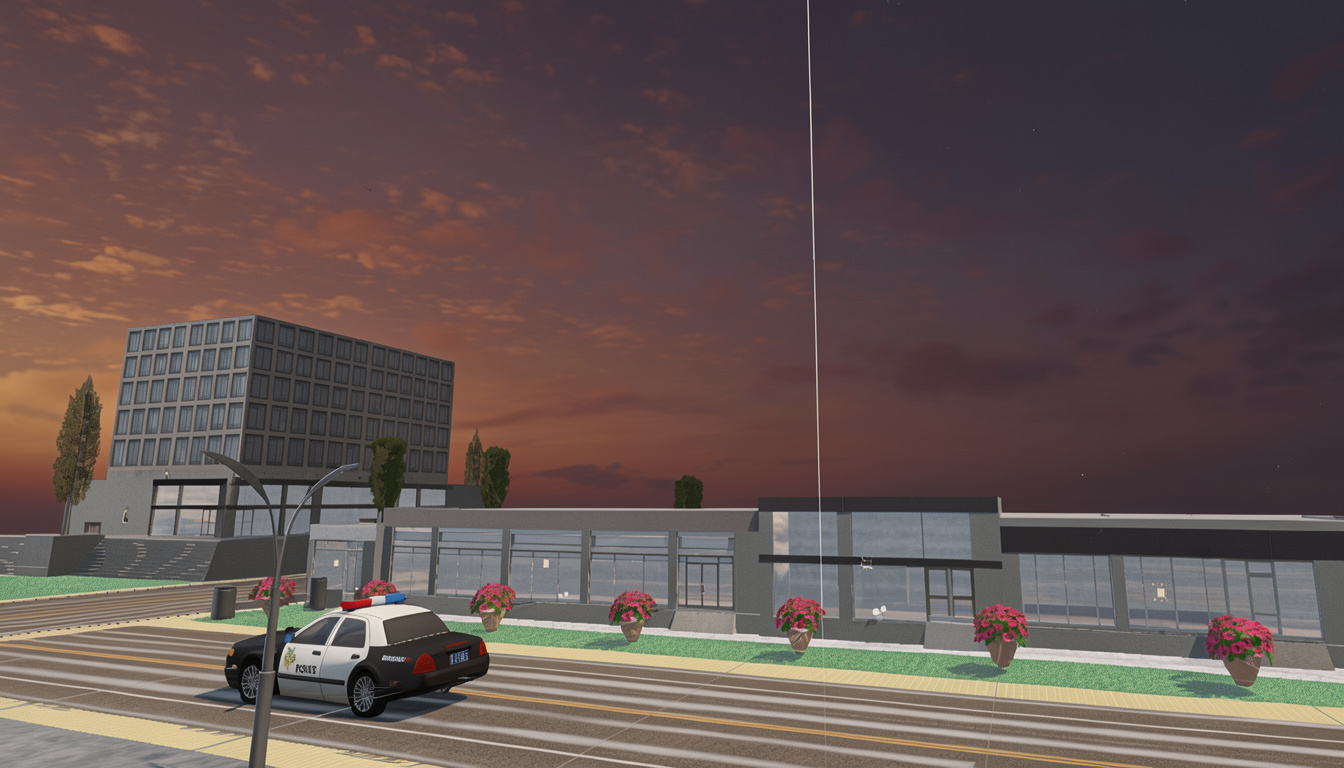
This project is an interactive game inspired by the attempted coup d’état that occurred in Benin on December 7, 2025. During this event, a group of soldiers briefly seized the national television and announced the removal of the president before the situation was rapidly brought under control. The game takes place at the Place de l’Amazone in Cotonou, a powerful public symbol of national identity. In the center of the space, the president sits surrounded by three members of the royal guard. The player embodies one of these guards. Their mission is to stop approaching attackers before they reach the president. Enemies appear from multiple directions, forcing the player to stay alert, move strategically and react quickly. By transforming a moment of political tension into a playable situation, the project explores how interactive media can create a sense of responsibility, urgency and protection. The player is not just observing the event they are actively responsible for preventing the attack.
This project is an interactive game inspired by the attempted coup d’état that occurred in Benin on December 7, 2025. During this event, a group of soldiers briefly seized the national television and announced the removal of the president before the situation was rapidly brought under control. The game takes place at the Place de l’Amazone in Cotonou, a powerful public symbol of national identity. In the center of the space, the president sits surrounded by three members of the royal guard. The player embodies one of these guards. Their mission is to stop approaching attackers before they reach the president. Enemies appear from multiple directions, forcing the player to stay alert, move strategically and react quickly. By transforming a moment of political tension into a playable situation, the project explores how interactive media can create a sense of responsibility, urgency and protection. The player is not just observing the event they are actively responsible for preventing the attack.
Project Innovation / Specification:
The project explores the potential of interactive design to translate real political events into spatial gameplay. Instead of telling the story of the attempted coup through a linear narrative, the project recreates a defensive situation where the player must actively protect a central figure. The Place de l’Amazone becomes a playable environment where space, distance and movement shape the experience. The core mechanics rely on spatial awareness, anticipation and rapid reaction. Attackers approach from different directions, creating a constant sense of tension and forcing the player to make quick decisions. This approach turns a complex political context into an interactive simulation. It demonstrates how game design can be used as a tool to explore real-world situations while engaging players through strategy, immersion and embodied decision-making.
The project explores the potential of interactive design to translate real political events into spatial gameplay. Instead of telling the story of the attempted coup through a linear narrative, the project recreates a defensive situation where the player must actively protect a central figure. The Place de l’Amazone becomes a playable environment where space, distance and movement shape the experience. The core mechanics rely on spatial awareness, anticipation and rapid reaction. Attackers approach from different directions, creating a constant sense of tension and forcing the player to make quick decisions. This approach turns a complex political context into an interactive simulation. It demonstrates how game design can be used as a tool to explore real-world situations while engaging players through strategy, immersion and embodied decision-making.
Project Sustainability Approach:
The project follows a lightweight and accessible digital design approach. The environment and mechanics are intentionally simple, allowing the game to run on common devices without requiring advanced hardware. This design choice makes the project easier to share in educational settings, exhibitions or public demonstrations. The project also contributes to cultural sustainability by connecting digital creation with a recent event in Benin’s political history. By transforming this context into an interactive experience, the game encourages reflection on civic responsibility, institutional stability and collective vigilance.
The project follows a lightweight and accessible digital design approach. The environment and mechanics are intentionally simple, allowing the game to run on common devices without requiring advanced hardware. This design choice makes the project easier to share in educational settings, exhibitions or public demonstrations. The project also contributes to cultural sustainability by connecting digital creation with a recent event in Benin’s political history. By transforming this context into an interactive experience, the game encourages reflection on civic responsibility, institutional stability and collective vigilance.
Local and Regional Impacts of the Project:
The project reflects on a recent political event that took place in Benin in December 2025. By transforming this situation into an interactive experience, it invites players to reflect on the protection of institutions and the role of individuals during moments of crisis. Locally, the project highlights how digital design and game development can be used by young creators in Benin to engage with contemporary social and political realities. At a regional level, it demonstrates the potential of interactive media as a tool for storytelling, reflection and cultural expression in West Africa.
The project reflects on a recent political event that took place in Benin in December 2025. By transforming this situation into an interactive experience, it invites players to reflect on the protection of institutions and the role of individuals during moments of crisis. Locally, the project highlights how digital design and game development can be used by young creators in Benin to engage with contemporary social and political realities. At a regional level, it demonstrates the potential of interactive media as a tool for storytelling, reflection and cultural expression in West Africa.