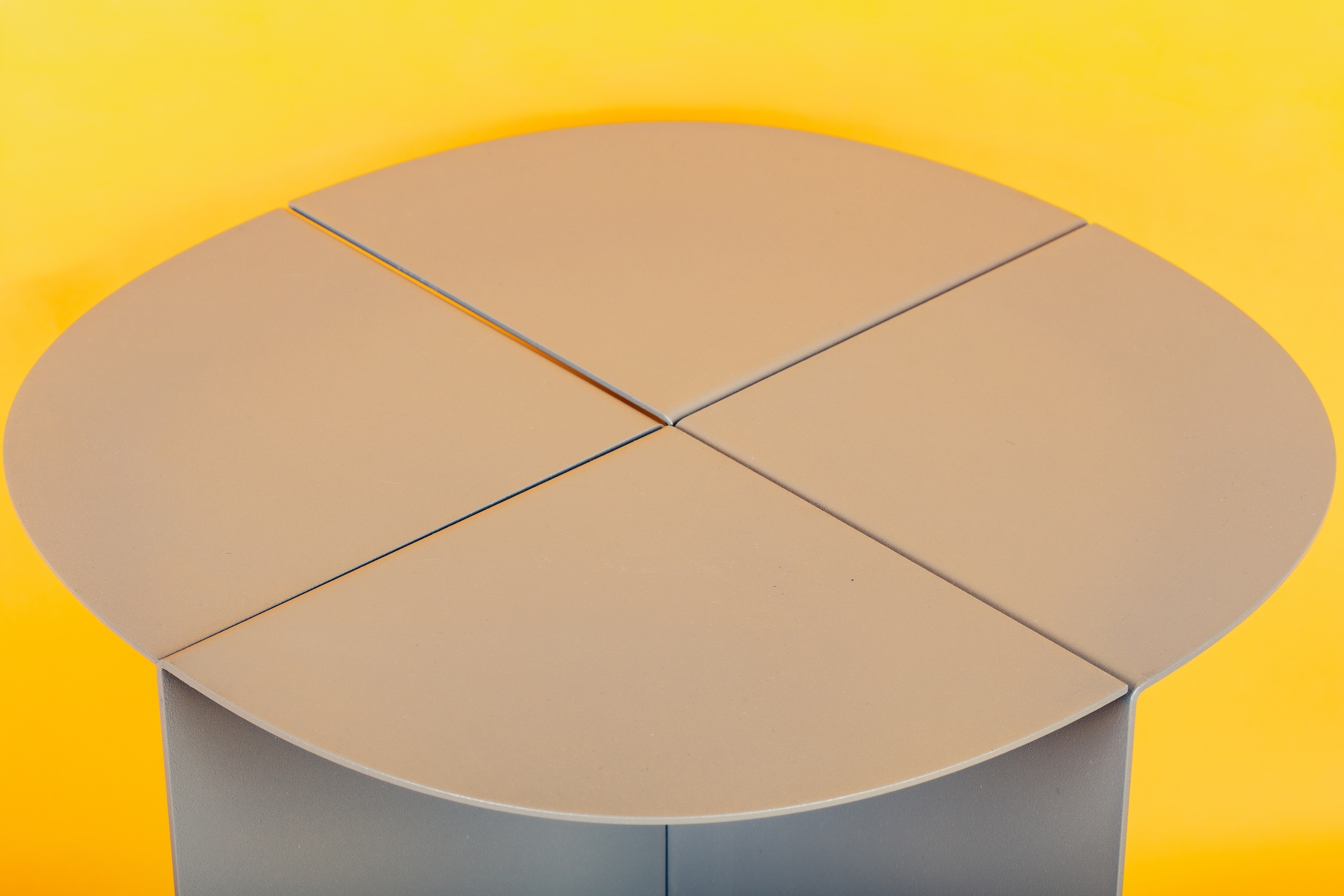
AUC sidetable
Prize(s):
WINNER 2026 PRODUCT DESIGN / Homeware & Decoration | PRODUCT DESIGN / Furniture & Lighting
Lead Designer(s) Name(s):Weldegebriel Okbe
Manufacturer Name:wedi okbe design (Weldegebriel Okbe)
Distributors Name:wedi okbe design (Weldegebriel Okbe)
Photo Credit:Cassleforniamedia Christian Christe
Project Location:Kassel Germany
Design Status:Commercialized
Video URL:View
Product Description:
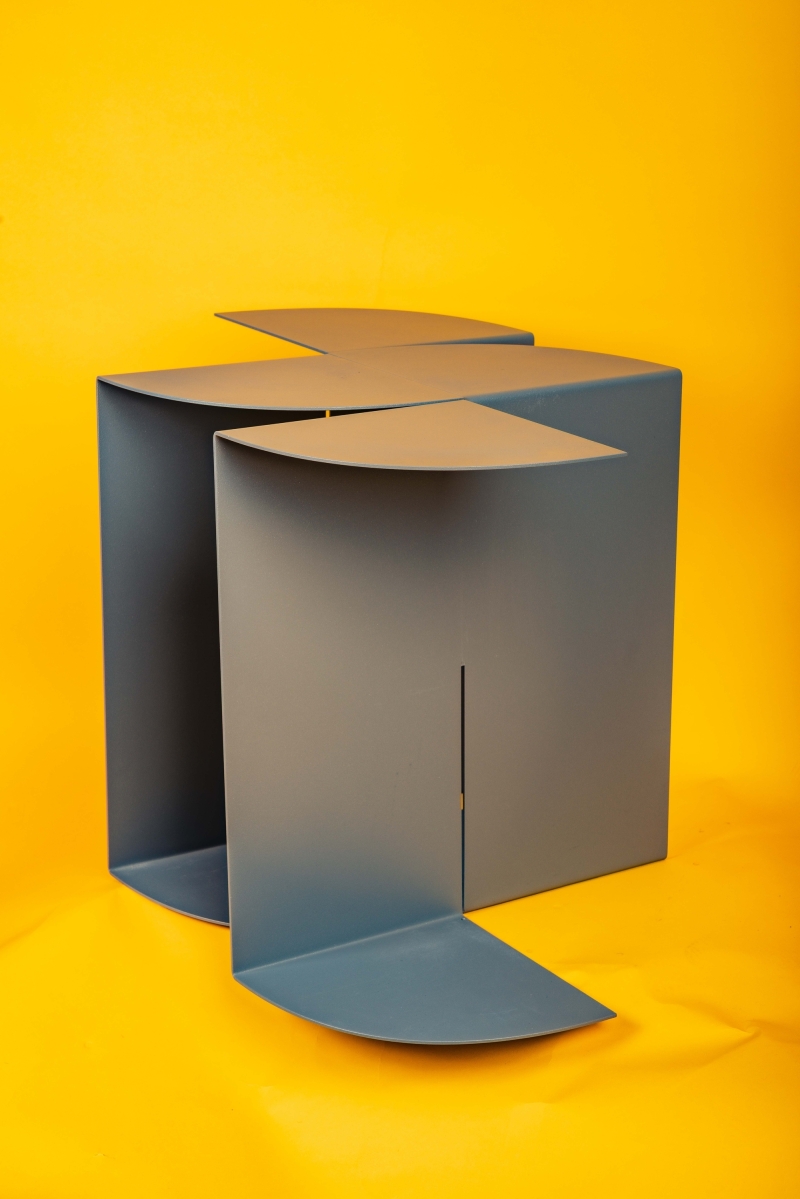
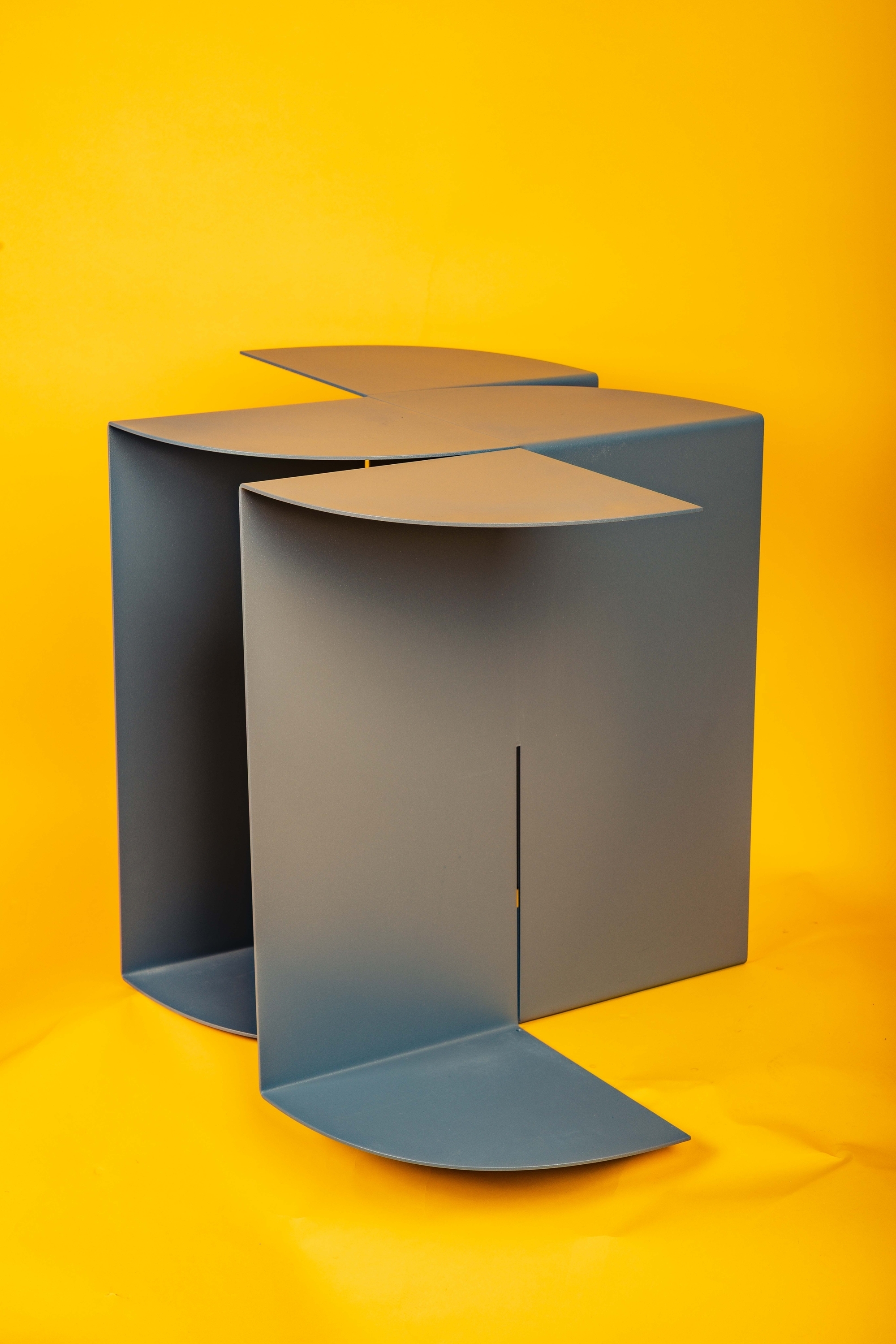
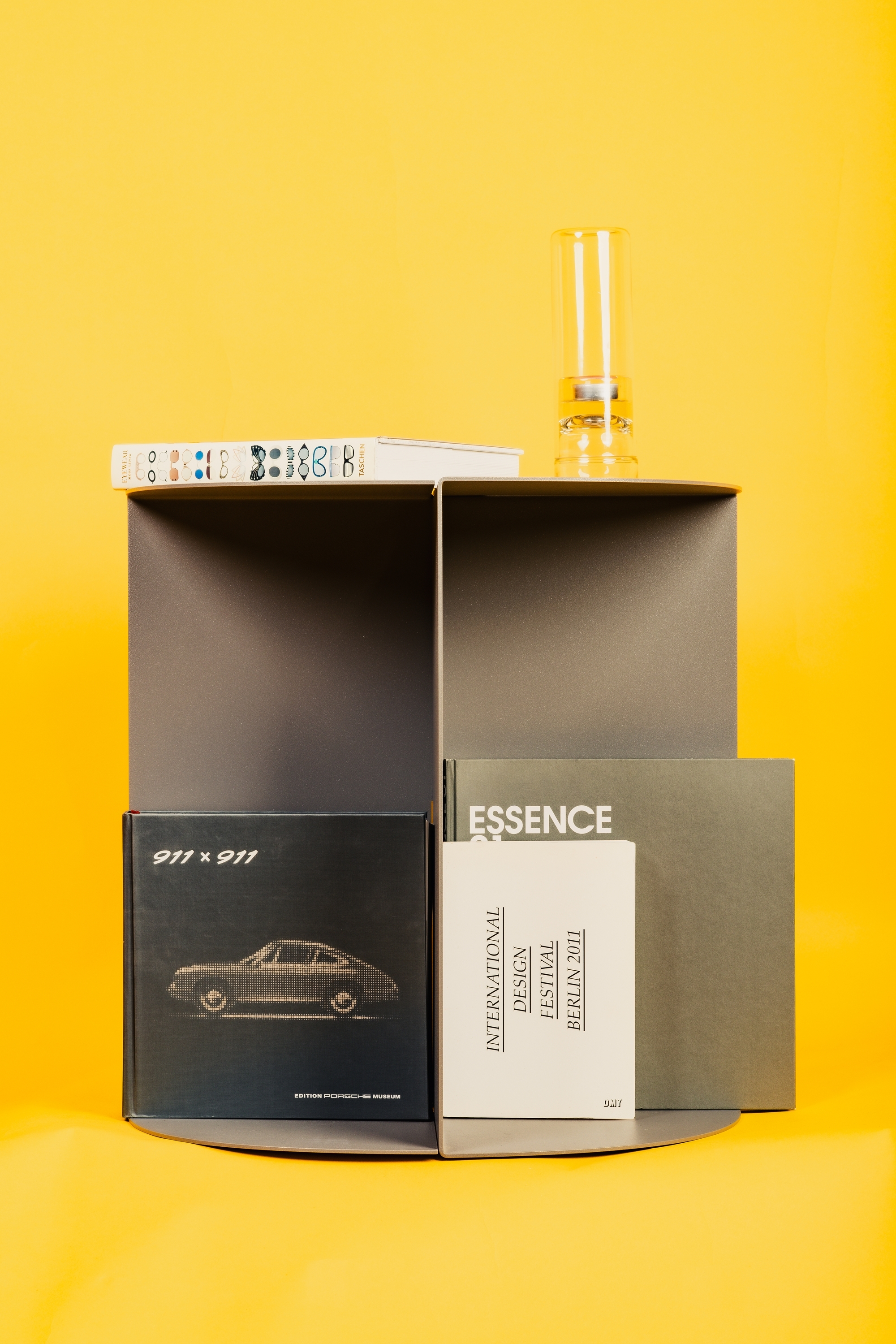
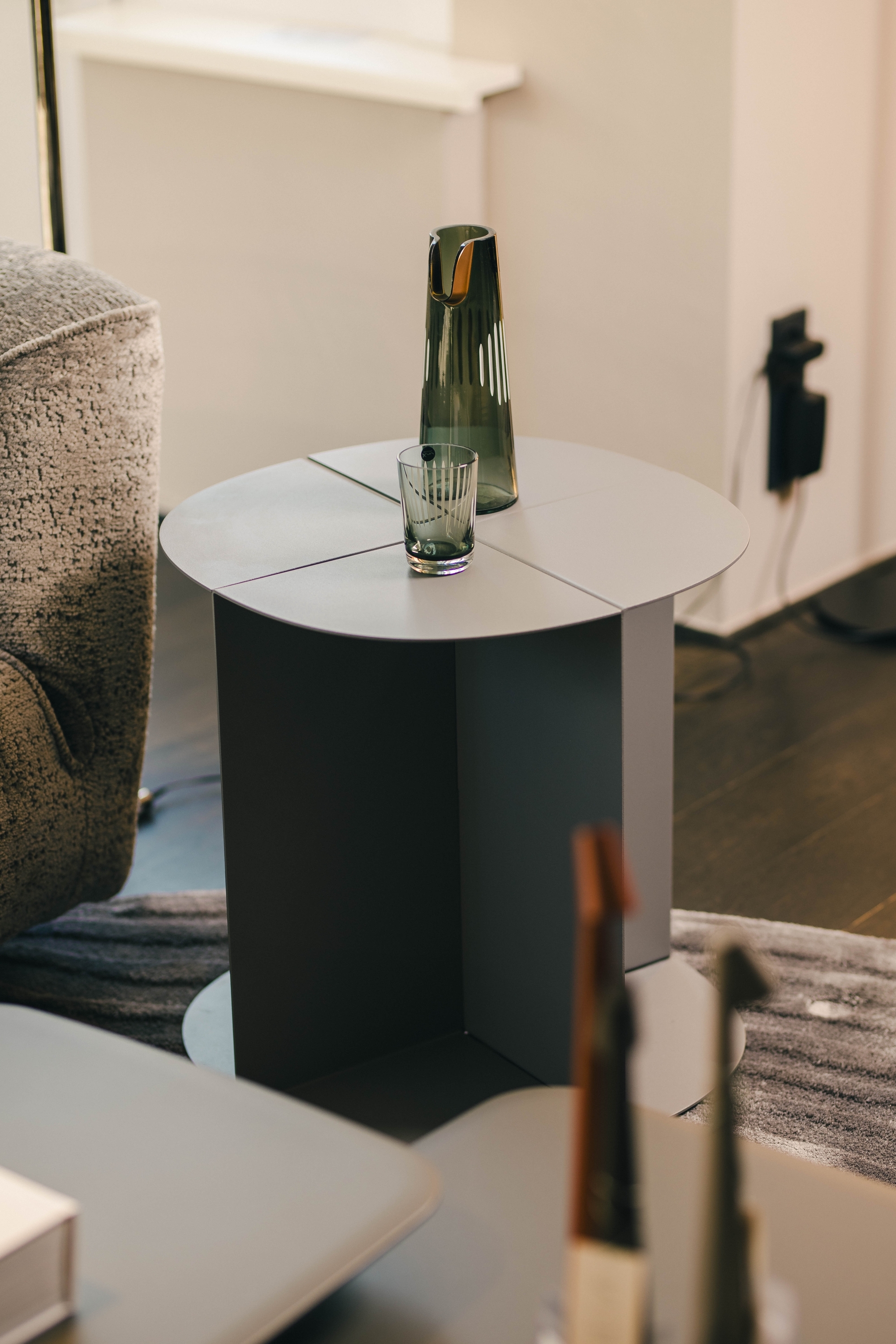
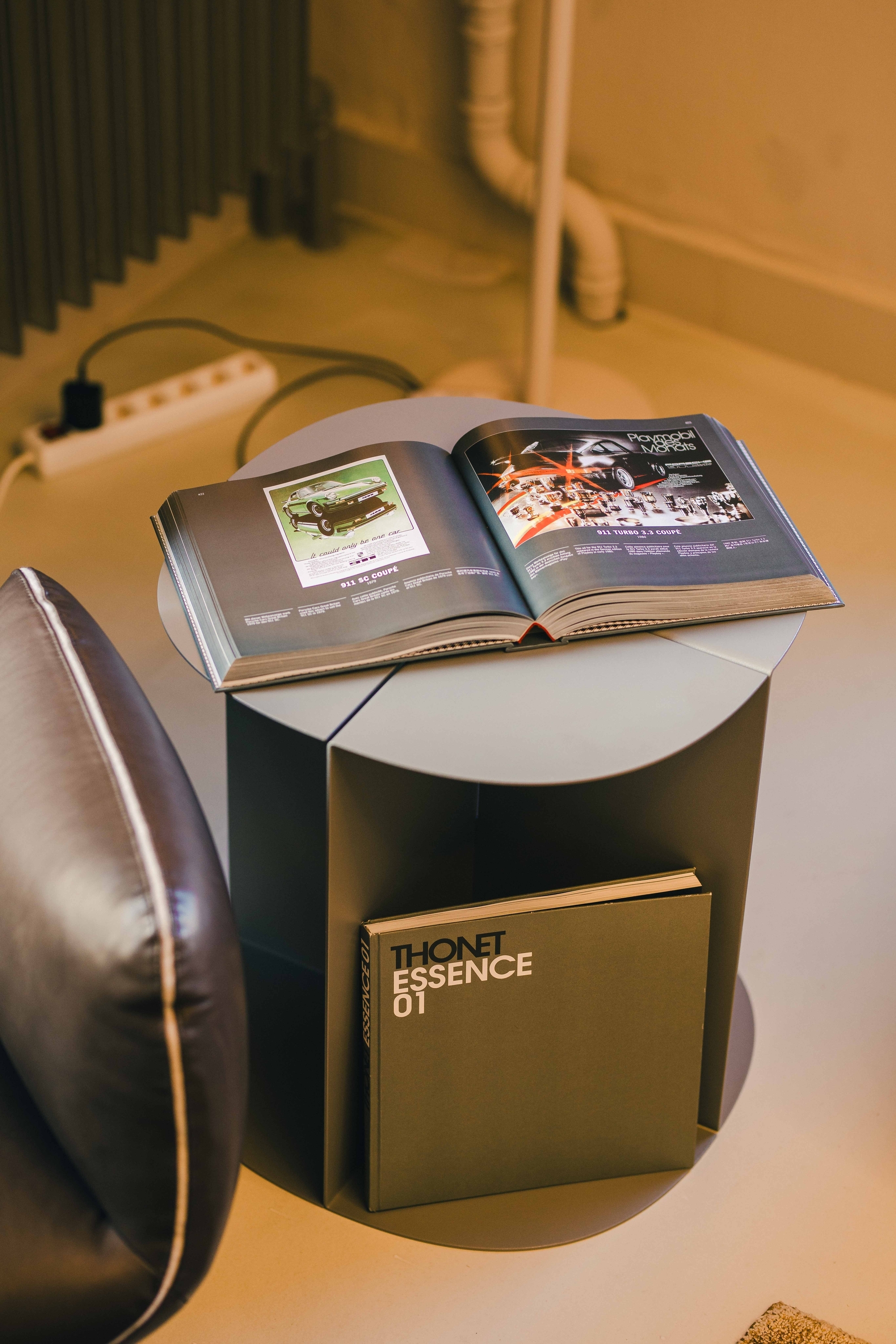
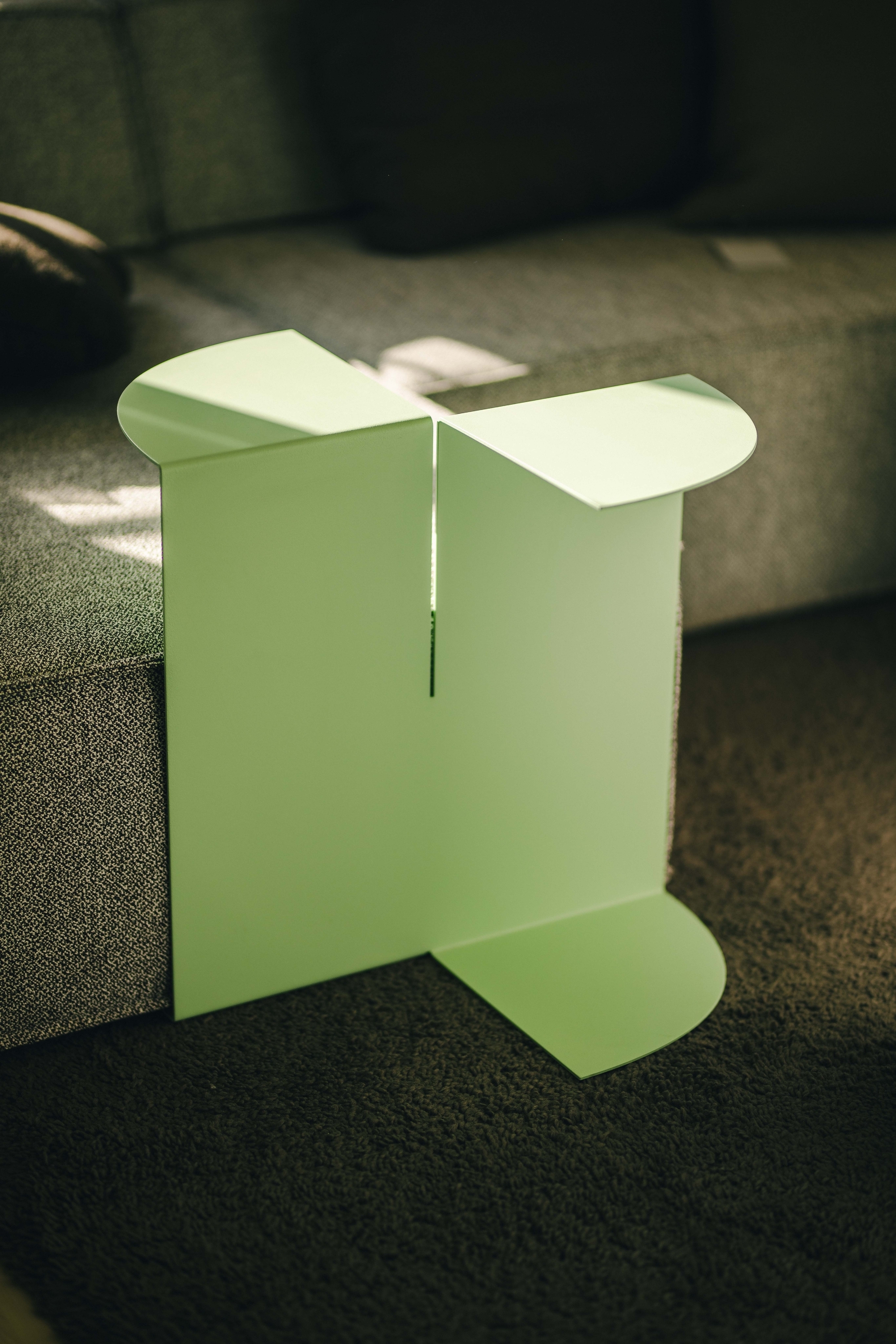
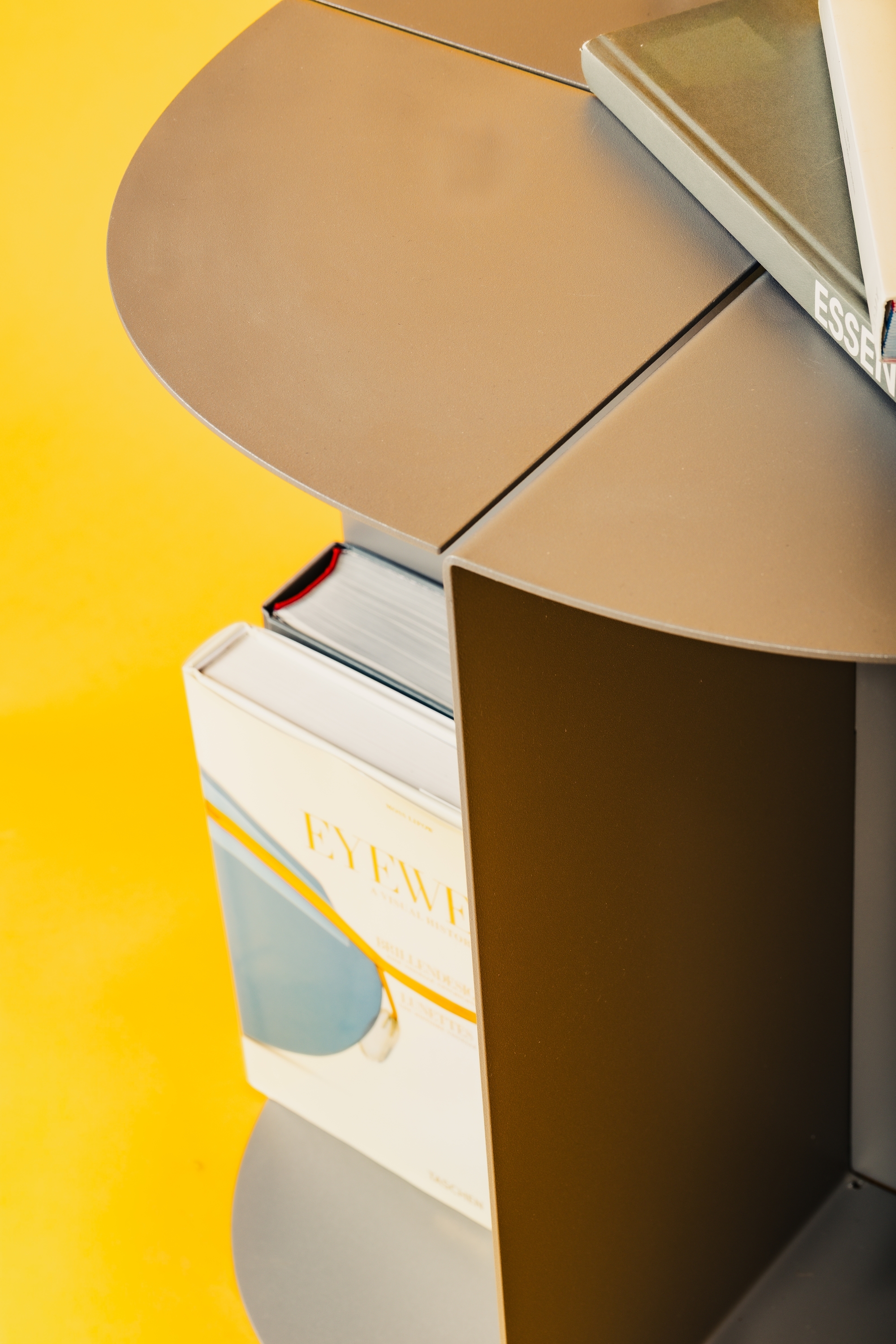
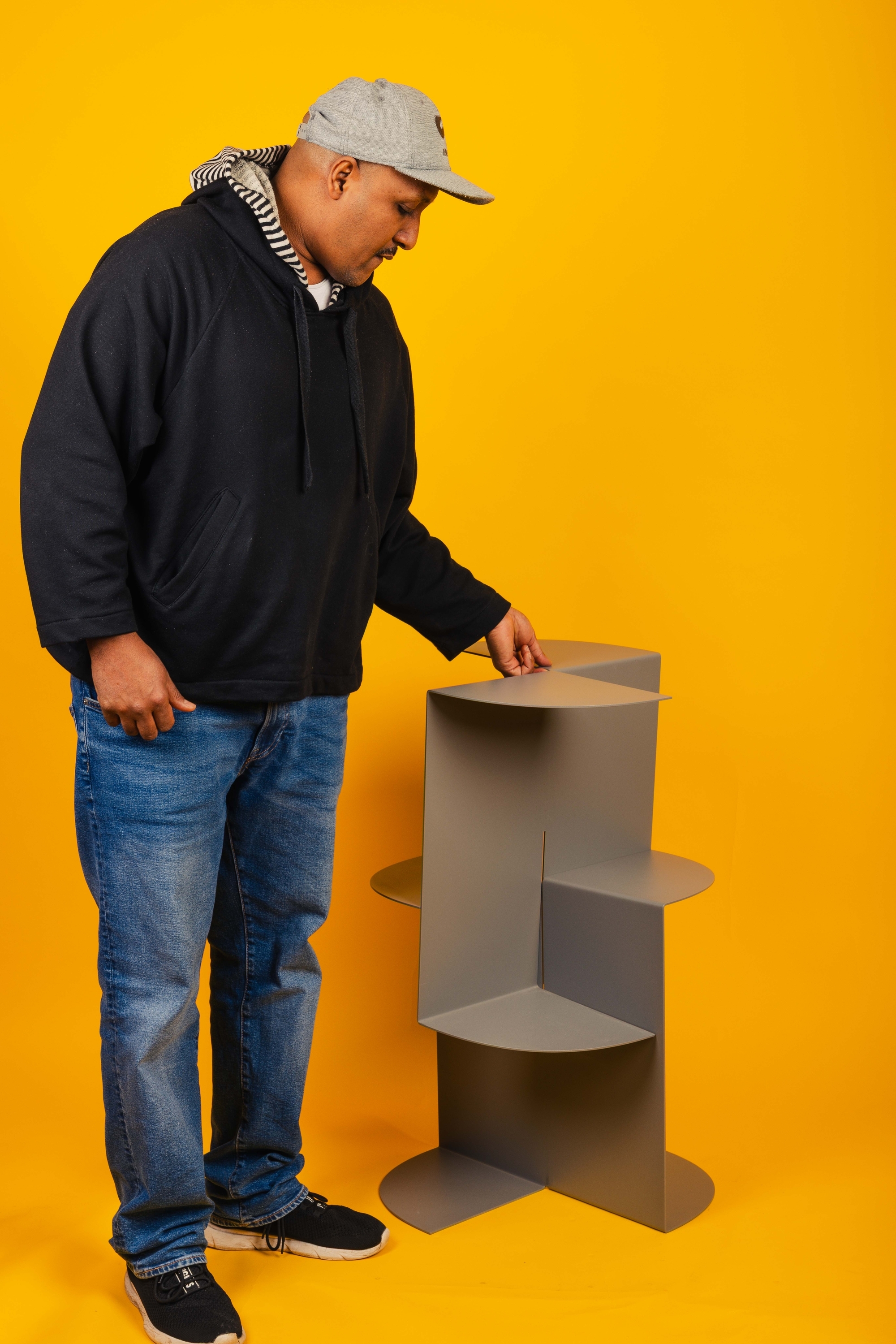
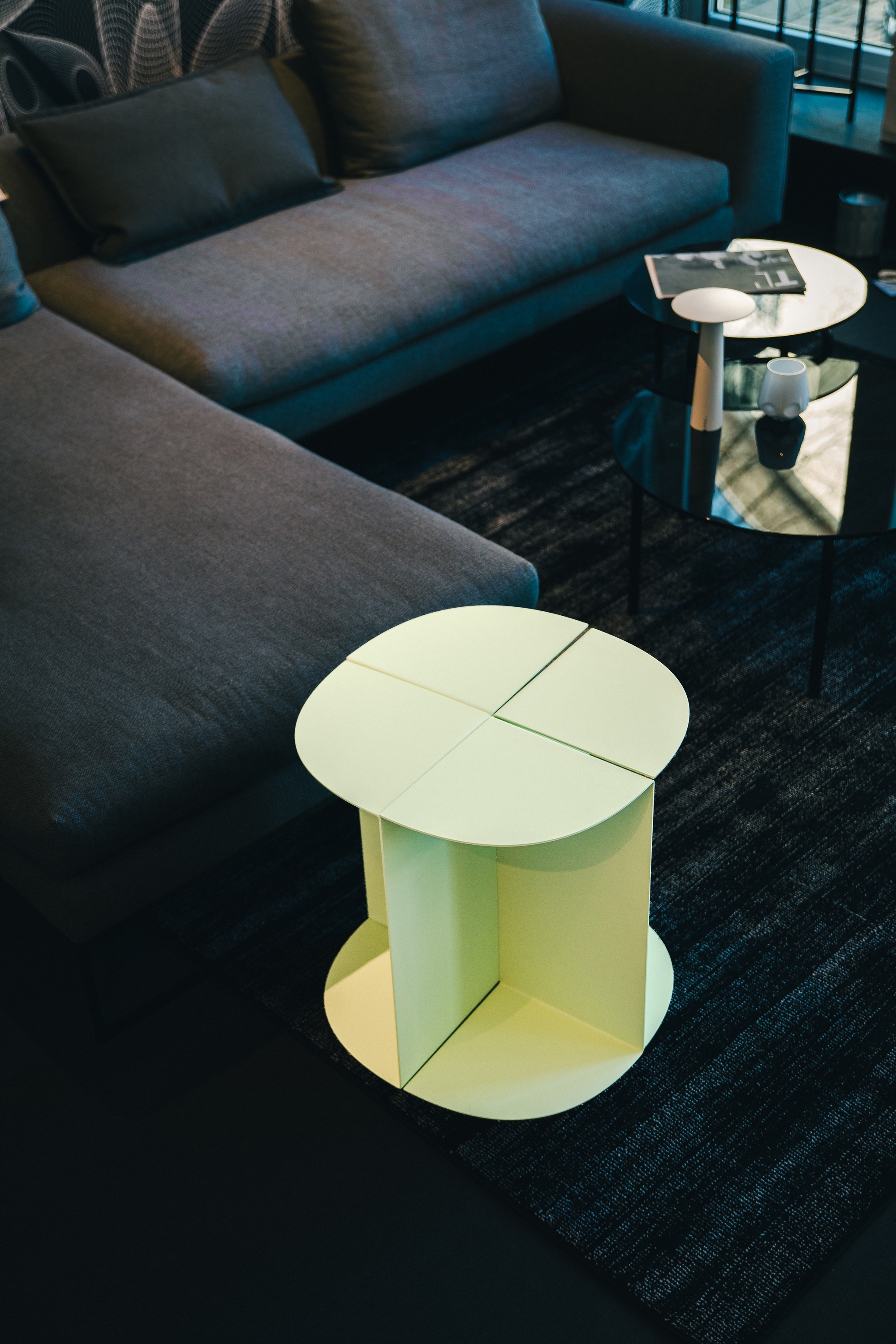
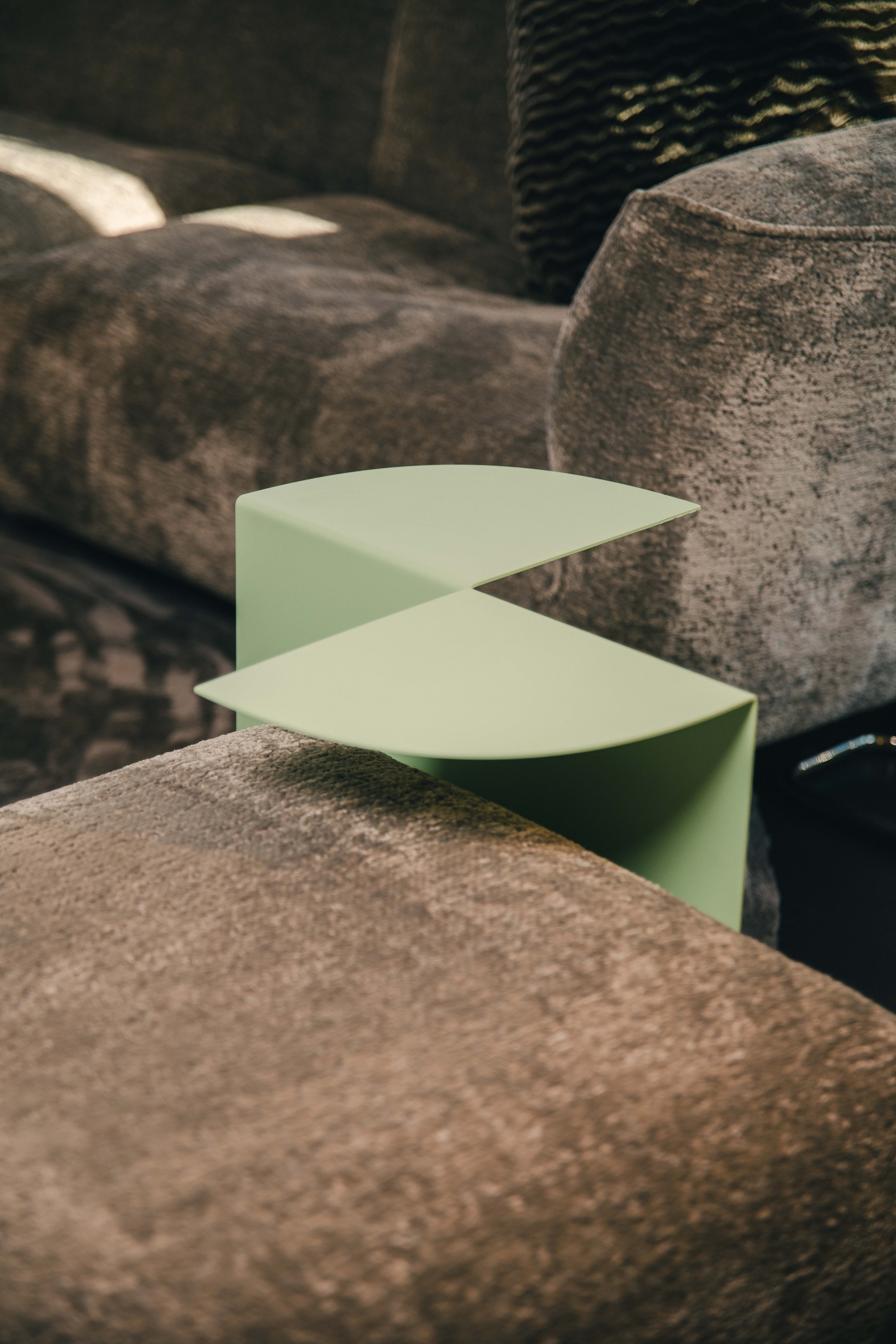
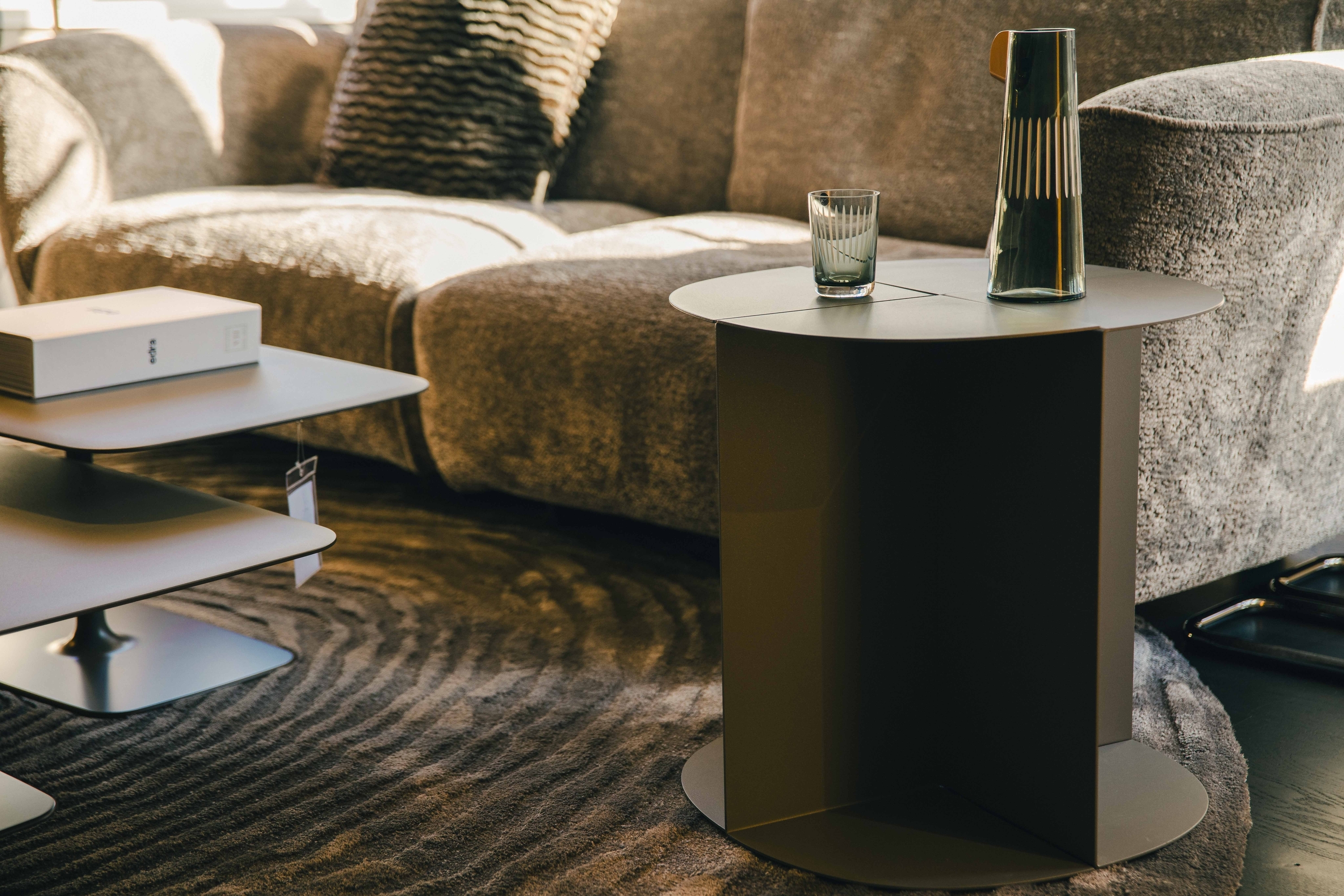
The AUC Sidetable is part of the ongoing series Africa Under Construction. The table is made from recycled steel sheets sourced from the construction industry. The material is refined, laser-cut and powder-coated before being formed into two curved elements that interlock to create a lightweight, self-supporting structure. The design deliberately moves between furniture and object. Its construction is reduced to the essentials, allowing structure and material to take center stage. At the same time, the project brings together influences from African craft-based thinking and contemporary industrial production. As a designer with African roots who grew up in Europe, I look at this connection from two perspectives. From this dialogue emerges an object that is not only functional, but also tells a story about material, origin and transformation. The AUC Sidetable is therefore less a decorative piece than an exploration of how construction, material and meaning can work together.
The AUC Sidetable is part of the ongoing series Africa Under Construction. The table is made from recycled steel sheets sourced from the construction industry. The material is refined, laser-cut and powder-coated before being formed into two curved elements that interlock to create a lightweight, self-supporting structure. The design deliberately moves between furniture and object. Its construction is reduced to the essentials, allowing structure and material to take center stage. At the same time, the project brings together influences from African craft-based thinking and contemporary industrial production. As a designer with African roots who grew up in Europe, I look at this connection from two perspectives. From this dialogue emerges an object that is not only functional, but also tells a story about material, origin and transformation. The AUC Sidetable is therefore less a decorative piece than an exploration of how construction, material and meaning can work together.
Product Innovation / Specification:
The innovation of the AUC Sidetable lies in its structural clarity. The table consists of only two load-bearing elements that stabilize each other once assembled. This reduction creates a stable yet visually light object that relies on geometry rather than complex connections. At the same time, the project combines industrial manufacturing with a design approach strongly influenced by craftsmanship. Processes such as laser cutting, bending and powder coating are used to realize a form that grows directly out of structure and material. The result is a design language that connects technical precision with a clear, almost sculptural form.
The innovation of the AUC Sidetable lies in its structural clarity. The table consists of only two load-bearing elements that stabilize each other once assembled. This reduction creates a stable yet visually light object that relies on geometry rather than complex connections. At the same time, the project combines industrial manufacturing with a design approach strongly influenced by craftsmanship. Processes such as laser cutting, bending and powder coating are used to realize a form that grows directly out of structure and material. The result is a design language that connects technical precision with a clear, almost sculptural form.
Product Sustainability Approach:
The series Africa Under Construction reflects the transformations taking place in many rapidly growing African cities. Large construction projects increasingly shape urban environments and drive economic development, yet they also involve a high consumption of material resources. The AUC Sidetable addresses this issue by reusing steel sheets originating from construction-related processes. Materials that might otherwise remain unused are transformed into a durable design object with a new function. Sustainability here is not only expressed through material reuse, but also through the idea of bringing industrial leftovers into a new cultural context.
The series Africa Under Construction reflects the transformations taking place in many rapidly growing African cities. Large construction projects increasingly shape urban environments and drive economic development, yet they also involve a high consumption of material resources. The AUC Sidetable addresses this issue by reusing steel sheets originating from construction-related processes. Materials that might otherwise remain unused are transformed into a durable design object with a new function. Sustainability here is not only expressed through material reuse, but also through the idea of bringing industrial leftovers into a new cultural context.
Local and Regional Impacts of the Product:
The project is connected to the rapid urban development of many African cities. As infrastructure and construction projects expand, large quantities of industrial materials often remain unused during production processes. By transforming steel from this context into a long-lasting design object, the project highlights the value of these materials. It proposes a shift in perspective—from seeing them as waste to recognizing them as resources. In this way, the project shows how design can open new possibilities for rethinking materials and encouraging more responsible material cycles.
The project is connected to the rapid urban development of many African cities. As infrastructure and construction projects expand, large quantities of industrial materials often remain unused during production processes. By transforming steel from this context into a long-lasting design object, the project highlights the value of these materials. It proposes a shift in perspective—from seeing them as waste to recognizing them as resources. In this way, the project shows how design can open new possibilities for rethinking materials and encouraging more responsible material cycles.