Kabila Collection
Prize(s):
PRODUCT DESIGNER OF THE YEAR 2026 | WINNER 2026 PRODUCT DESIGN / People-Centric Design
Lead Designer(s) Name(s):Terry Aidoo
Other Contributor(s):Festival Divercity
Photo Credit:Matteo Ercole
Project Location:Milan
Design Status:Prototype
Website: View
Video URL:View
Product Description:
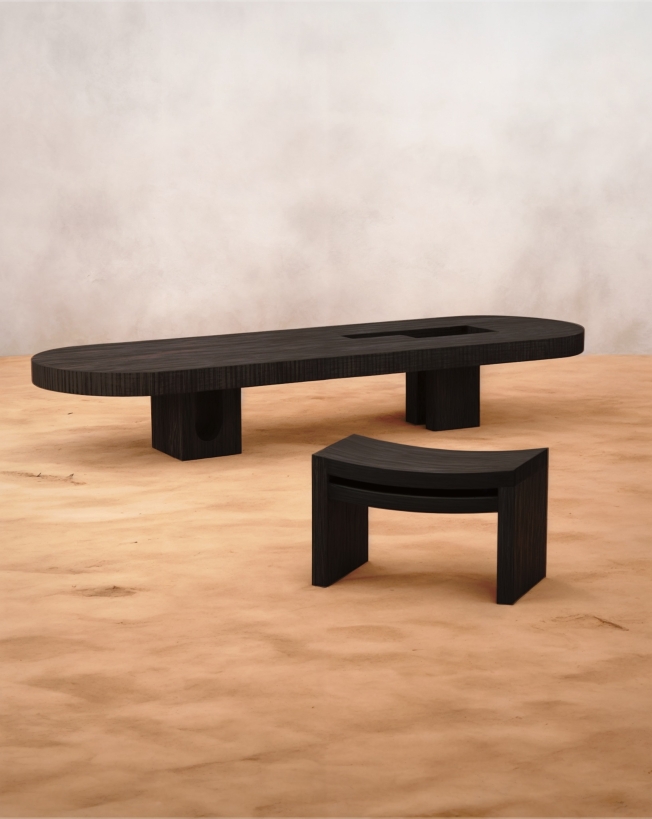
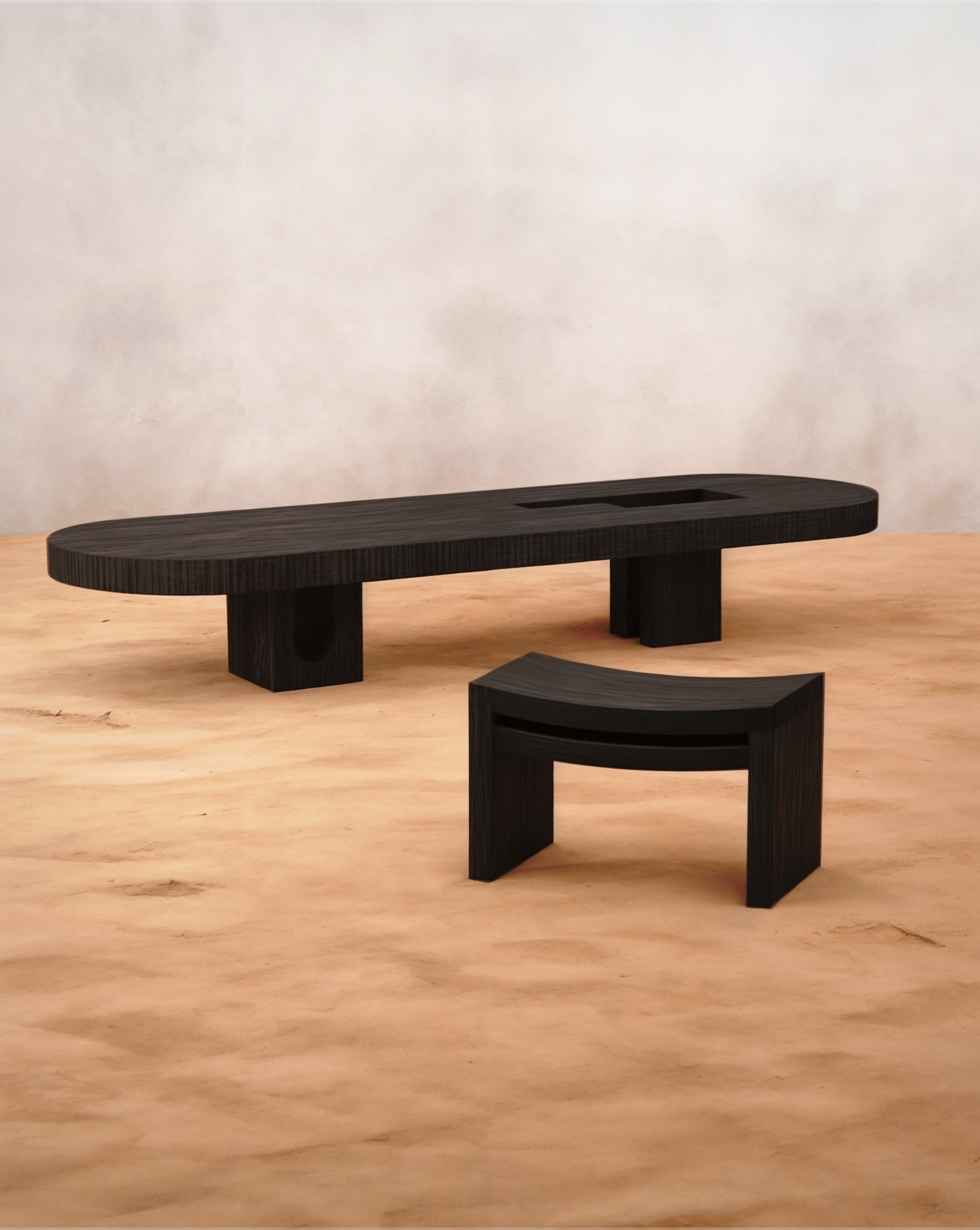
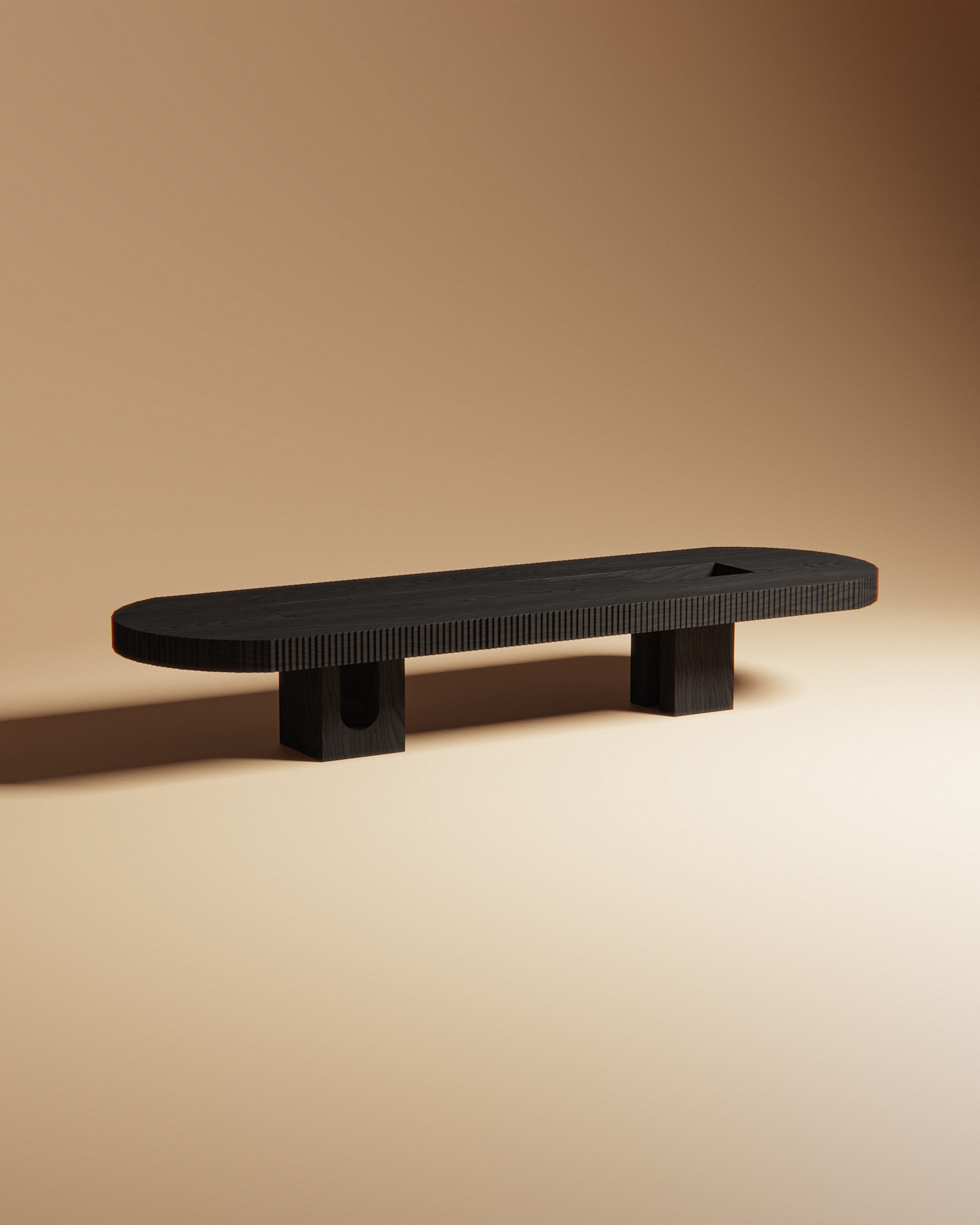
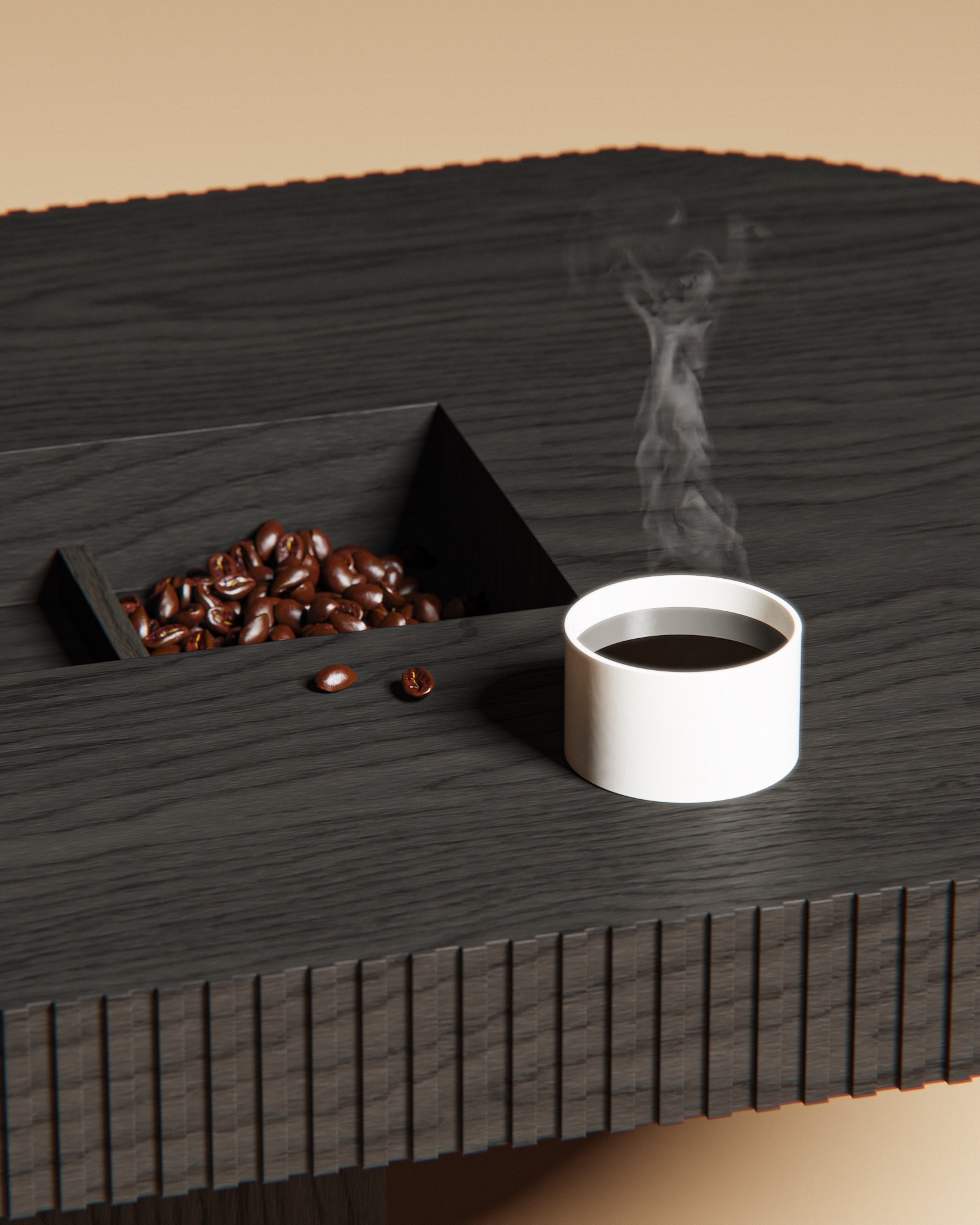
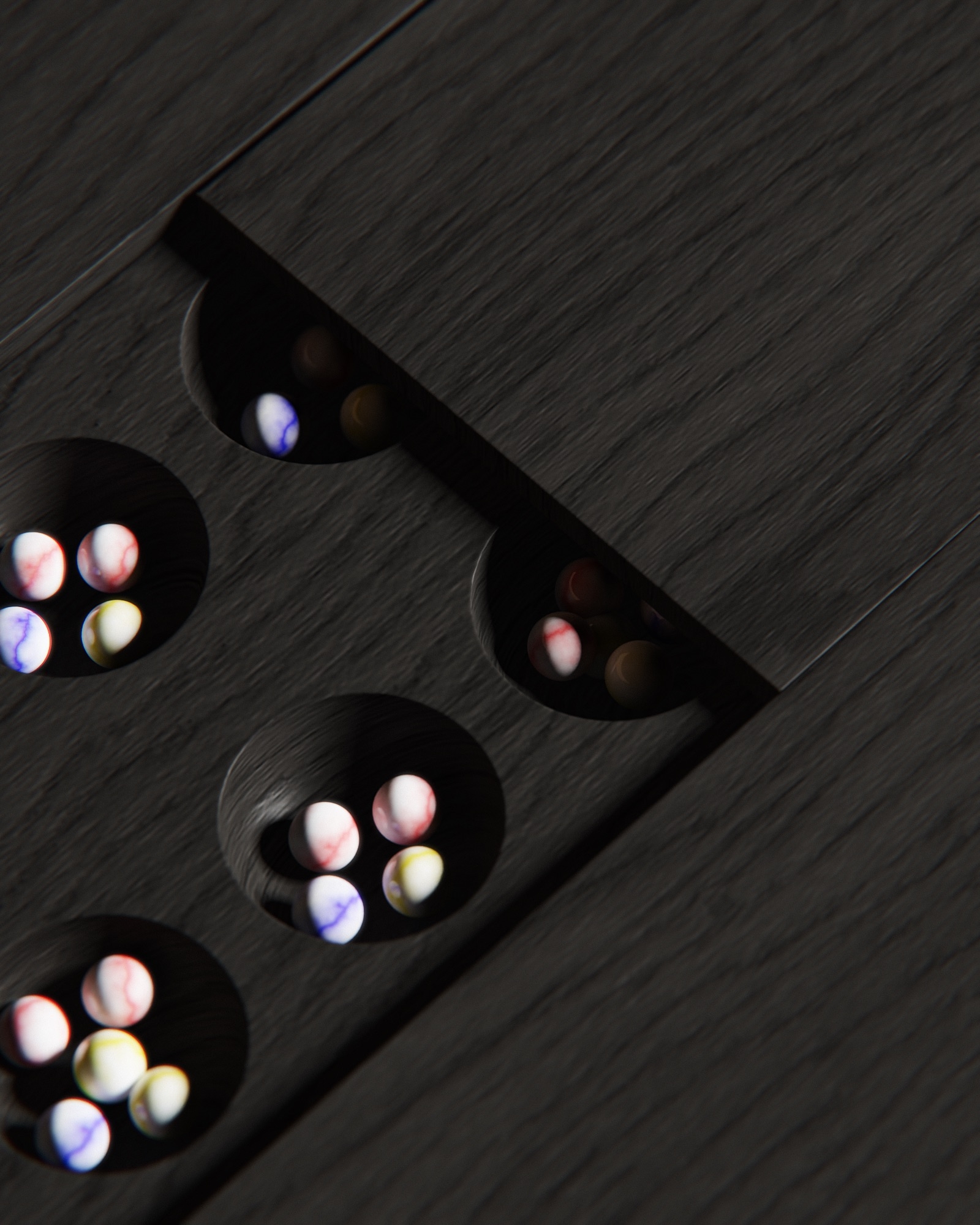
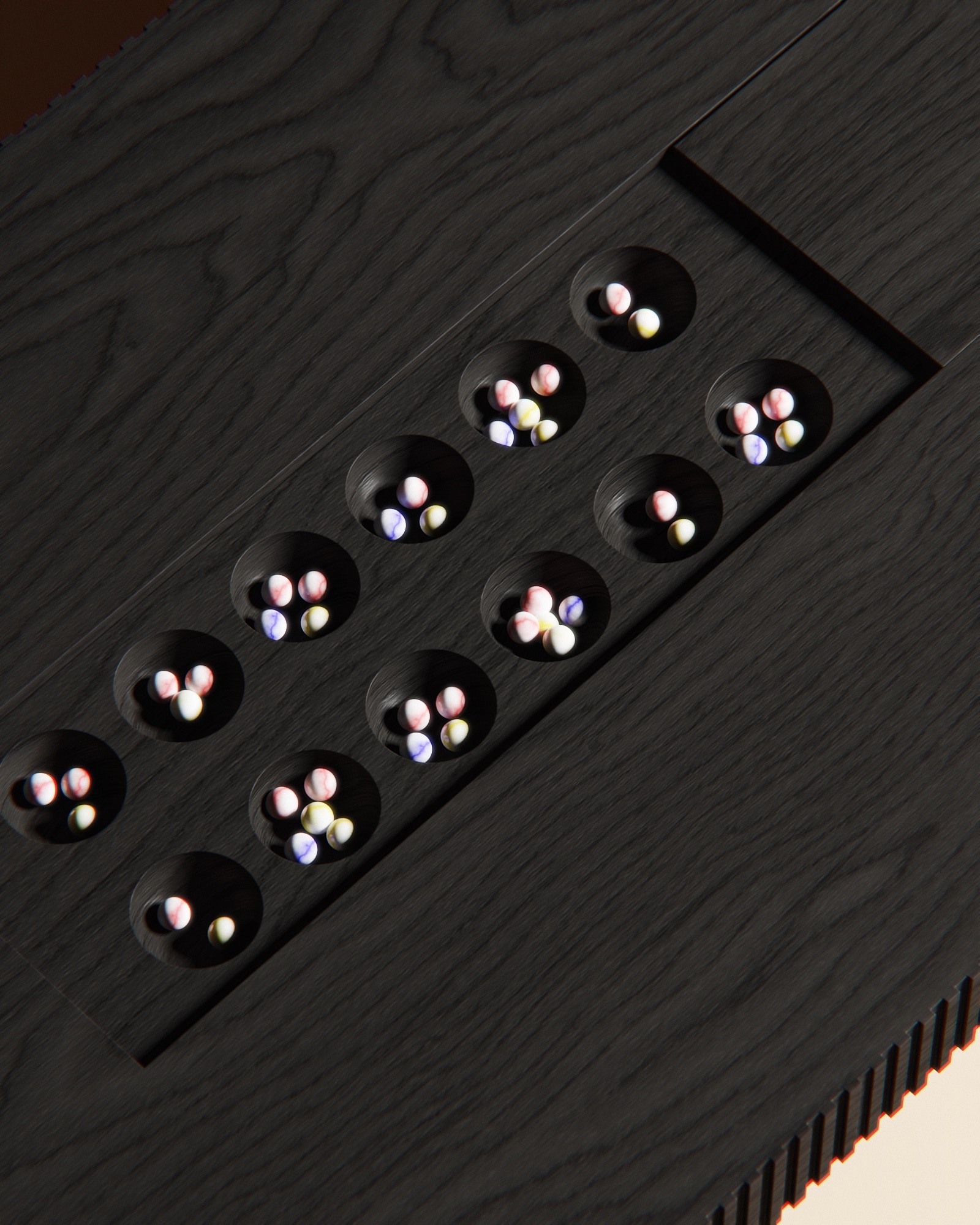
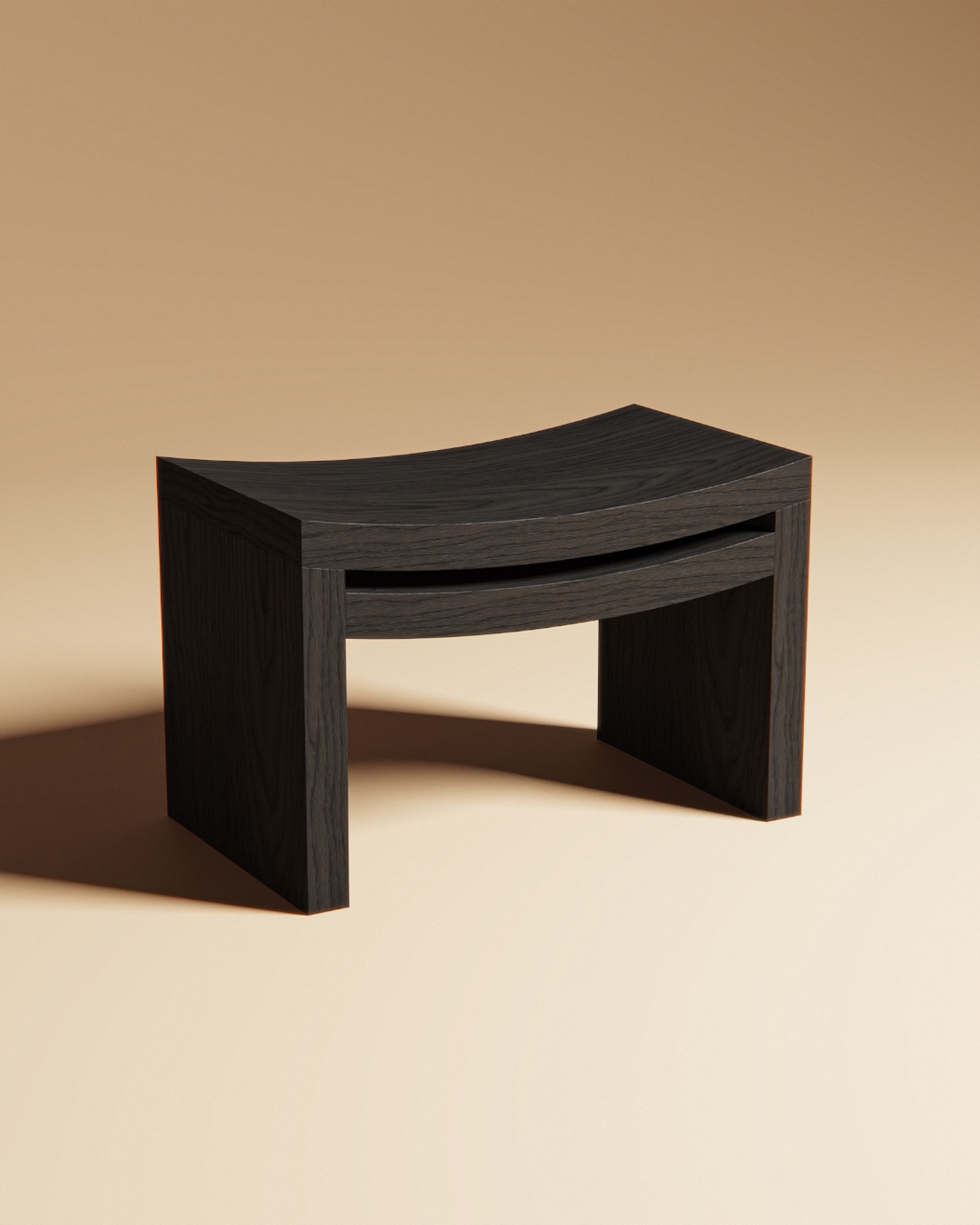
The Kabila Collection is a contemporary furniture series rooted in African cultural memory and the essence of shared community. Inspired by the spatial language of African home courtyards, it transforms gathering into a central design principle. At its core stands a sculptural coffee table, accompanied by a single stool an elemental yet powerful presence. Though one, the stool symbolizes many: it represents the individual within the collective, the voice within the circle. “Kabila,” meaning tribe or community, becomes both concept and intention. The circular configuration references the courtyard as the social heart of the home, a space where stories are exchanged, wisdom is passed down, and daily life unfolds together. Solid volumes, grounded forms, and tactile finishes echo ancestral architecture while embracing a contemporary language. More than furniture, Kabila fosters belonging. It challenges individualistic design by emphasizing relational space, where even one seat carries the weight of community, dialogue, and shared presence.
The Kabila Collection is a contemporary furniture series rooted in African cultural memory and the essence of shared community. Inspired by the spatial language of African home courtyards, it transforms gathering into a central design principle. At its core stands a sculptural coffee table, accompanied by a single stool an elemental yet powerful presence. Though one, the stool symbolizes many: it represents the individual within the collective, the voice within the circle. “Kabila,” meaning tribe or community, becomes both concept and intention. The circular configuration references the courtyard as the social heart of the home, a space where stories are exchanged, wisdom is passed down, and daily life unfolds together. Solid volumes, grounded forms, and tactile finishes echo ancestral architecture while embracing a contemporary language. More than furniture, Kabila fosters belonging. It challenges individualistic design by emphasizing relational space, where even one seat carries the weight of community, dialogue, and shared presence.
Product Innovation / Specification:
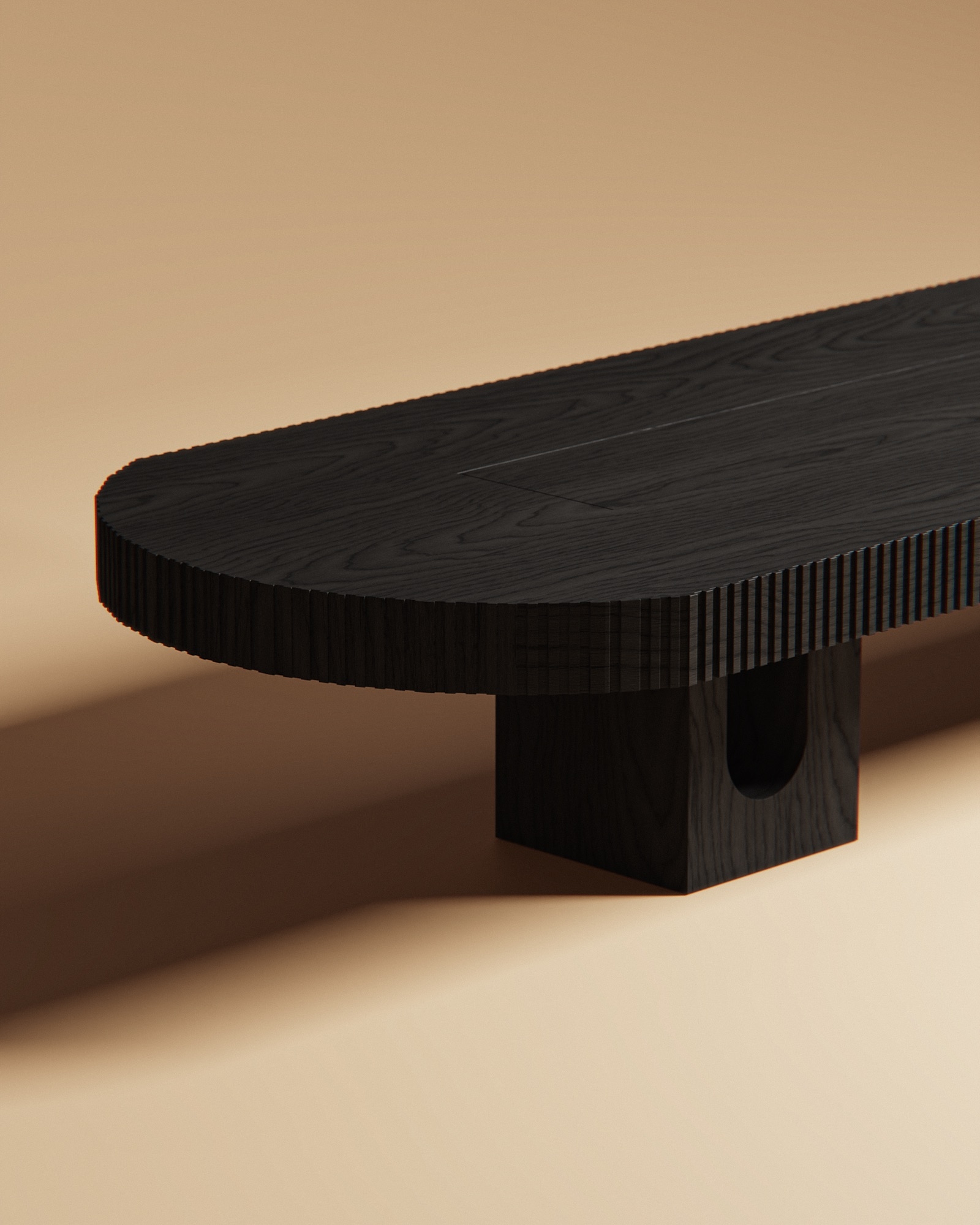
The Kabila Collection stands out through a production process that transforms architectural thinking into collectible design. Developed through a rigorous dialogue between digital precision and artisanal craftsmanship, each piece is CNC-engineered for structural accuracy, then hand-assembled and sculpted to achieve a seamless, monolithic presence. This hybrid method guarantees repeatability while preserving the soul of the handmade. High-density engineered wood is layered to create exceptional stability and longevity, allowing the volumes to appear carved from a single block. Edges are meticulously rounded and sanded by hand to soften the mass and invite touch. A multi-stage sealing and matte finishing process enhances durability while maintaining a raw, earthy tactility that recalls ancestral materiality. The innovation lies in scale translation: architectural weight distilled into intimate furniture. Kabila is not only aesthetically distinctive, but structurally intelligent, production-ready, and refined in detail: a collection that proves cultural narrative and technical execution can coexist at the highest level.
The Kabila Collection stands out through a production process that transforms architectural thinking into collectible design. Developed through a rigorous dialogue between digital precision and artisanal craftsmanship, each piece is CNC-engineered for structural accuracy, then hand-assembled and sculpted to achieve a seamless, monolithic presence. This hybrid method guarantees repeatability while preserving the soul of the handmade. High-density engineered wood is layered to create exceptional stability and longevity, allowing the volumes to appear carved from a single block. Edges are meticulously rounded and sanded by hand to soften the mass and invite touch. A multi-stage sealing and matte finishing process enhances durability while maintaining a raw, earthy tactility that recalls ancestral materiality. The innovation lies in scale translation: architectural weight distilled into intimate furniture. Kabila is not only aesthetically distinctive, but structurally intelligent, production-ready, and refined in detail: a collection that proves cultural narrative and technical execution can coexist at the highest level.
Product Sustainability Approach:
The Kabila Collection embraces sustainability as both a material and cultural commitment. At its core is the use of sapele wood, a durable hardwood selected not only for its strength and longevity, but for its symbolic connection to Nigerian roots. Native to West Africa, sapele carries geographical and emotional significance, grounding the collection in authenticity while honoring the land from which its narrative emerges. The wood is responsibly sourced and carefully selected to minimize waste, with precise cutting techniques that optimize material yield. Offcuts are repurposed whenever possible, reinforcing a circular production mindset. Natural oils and low-VOC finishes are applied to preserve the wood’s richness while reducing environmental impact. Beyond material choice, sustainability is embedded in longevity. The collection is designed as timeless, modular, and structurally robust: resisting trends and encouraging generational use. Kabila proposes sustainability not as a feature, but as a philosophy: honoring heritage, respecting resources, and creating objects meant to endure both physically and culturally.
The Kabila Collection embraces sustainability as both a material and cultural commitment. At its core is the use of sapele wood, a durable hardwood selected not only for its strength and longevity, but for its symbolic connection to Nigerian roots. Native to West Africa, sapele carries geographical and emotional significance, grounding the collection in authenticity while honoring the land from which its narrative emerges. The wood is responsibly sourced and carefully selected to minimize waste, with precise cutting techniques that optimize material yield. Offcuts are repurposed whenever possible, reinforcing a circular production mindset. Natural oils and low-VOC finishes are applied to preserve the wood’s richness while reducing environmental impact. Beyond material choice, sustainability is embedded in longevity. The collection is designed as timeless, modular, and structurally robust: resisting trends and encouraging generational use. Kabila proposes sustainability not as a feature, but as a philosophy: honoring heritage, respecting resources, and creating objects meant to endure both physically and culturally.
Local and Regional Impacts of the Product:
The Kabila Collection creates a meaningful local impact by combining Italian craftsmanship with African heritage. While sapele wood is responsibly sourced from Nigeria, all production, assembly, and finishing are carried out in Italy, supporting local artisans and small-scale workshops. This approach preserves traditional woodworking skills, encourages knowledge transfer, and sustains the Italian craft ecosystem. At the same time, the collection amplifies cultural dialogue: Nigerian material meets Italian expertise, resulting in pieces that honor African roots while fostering innovation locally. Kabila transforms Italian workshops into spaces of cross-cultural exchange, generating both economic and creative value grounded in heritage, skill, and storytelling.
The Kabila Collection creates a meaningful local impact by combining Italian craftsmanship with African heritage. While sapele wood is responsibly sourced from Nigeria, all production, assembly, and finishing are carried out in Italy, supporting local artisans and small-scale workshops. This approach preserves traditional woodworking skills, encourages knowledge transfer, and sustains the Italian craft ecosystem. At the same time, the collection amplifies cultural dialogue: Nigerian material meets Italian expertise, resulting in pieces that honor African roots while fostering innovation locally. Kabila transforms Italian workshops into spaces of cross-cultural exchange, generating both economic and creative value grounded in heritage, skill, and storytelling.

Lead Designer(s) Name(s):Terry Aidoo
Profile Description:
Terry Aidoo is a multidisciplinary designer based in Milan whose work explores the intersection of culture, memory, ritual and space through furniture, objects, interiors and research driven design. Rooted in african cultural narrratives and material traditions, his human centered practice transforms design into a tool for storytelling and belonging. Through a refined balance of craftsmanship and spatial sensitivity, his work redefines contemporary design as both a cultural archive and a deeply lived human experience
Terry Aidoo is a multidisciplinary designer based in Milan whose work explores the intersection of culture, memory, ritual and space through furniture, objects, interiors and research driven design. Rooted in african cultural narrratives and material traditions, his human centered practice transforms design into a tool for storytelling and belonging. Through a refined balance of craftsmanship and spatial sensitivity, his work redefines contemporary design as both a cultural archive and a deeply lived human experience