Banana Island Green Palm Wallpaper
Prize(s):
Honorable Mention 2026 PRODUCT DESIGN / Homeware & Decoration
Company Name:Dar Leone
Lead Designer(s) Name(s):Isatu Funna
Design Team / Other designer(s):Gaia Gabbai, Marta Pieregonczuk
Manufacturer Name:Wallpaper manufacturer: Magic Textiles, United Kingdom
Distributors Name:Dar Leone
Photo Credit:Karolina Heller
Project Location:London
Design Status:Commercialized
Website: View
Product Description:
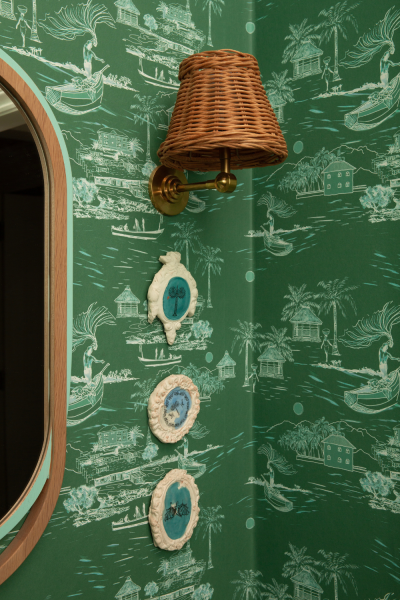
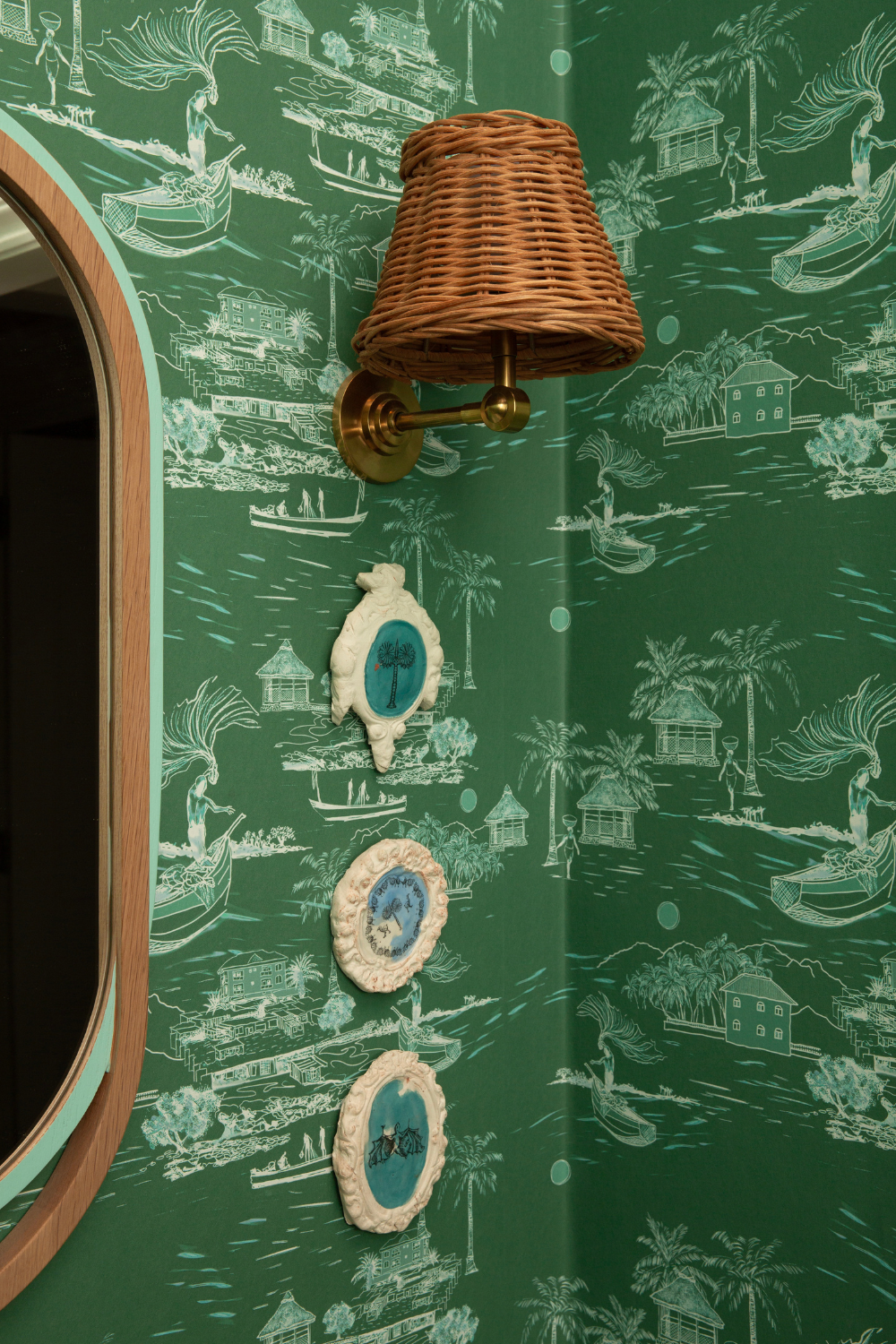
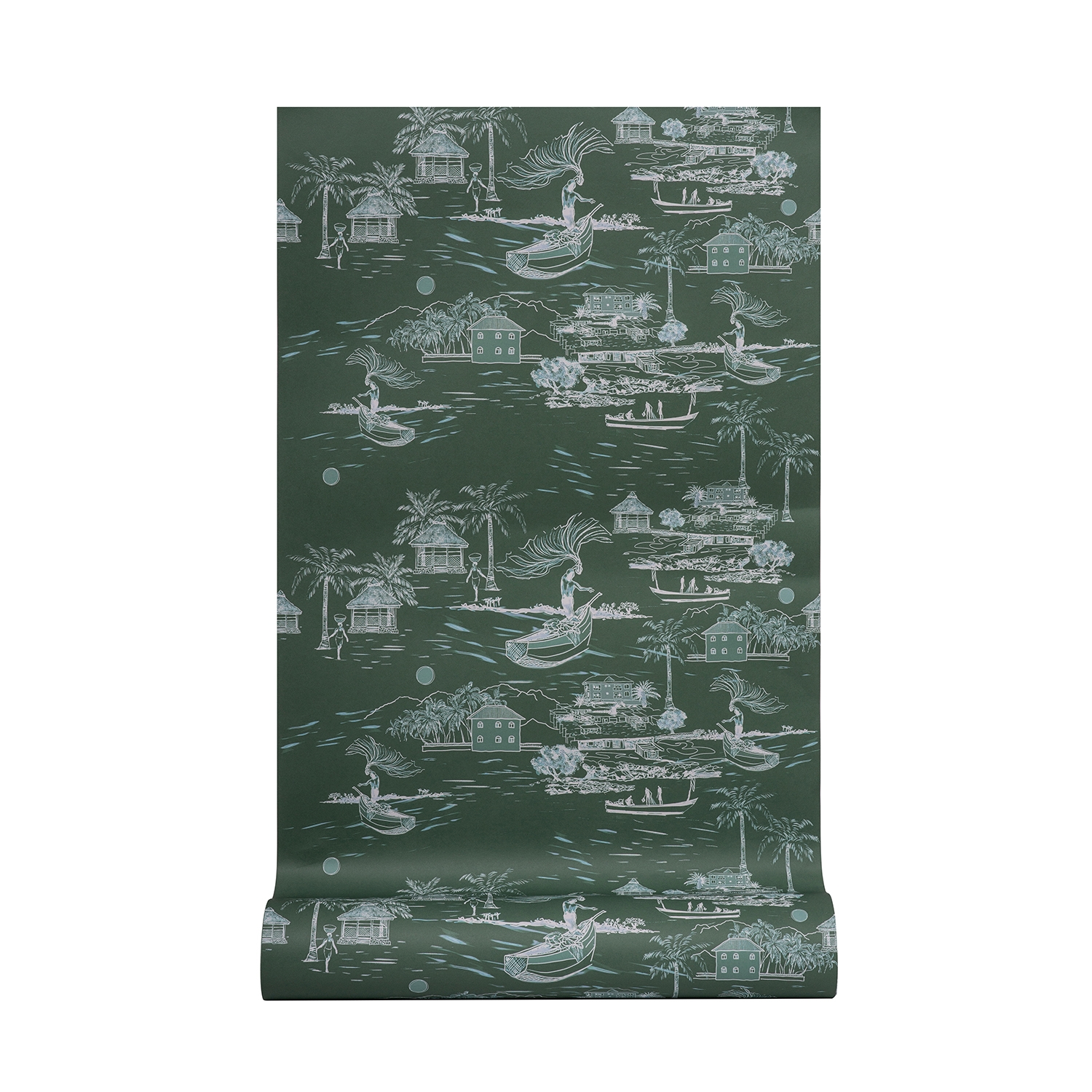
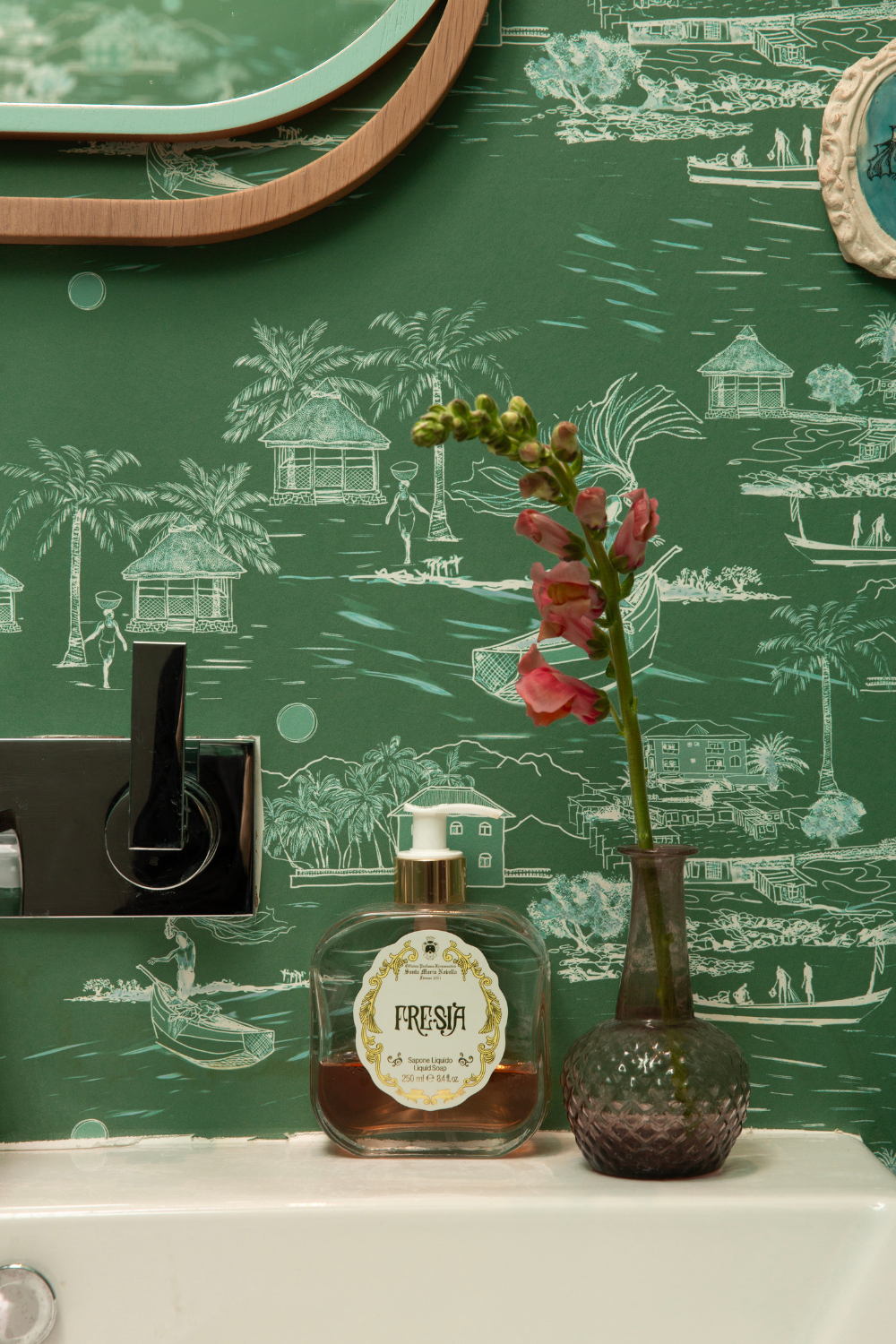
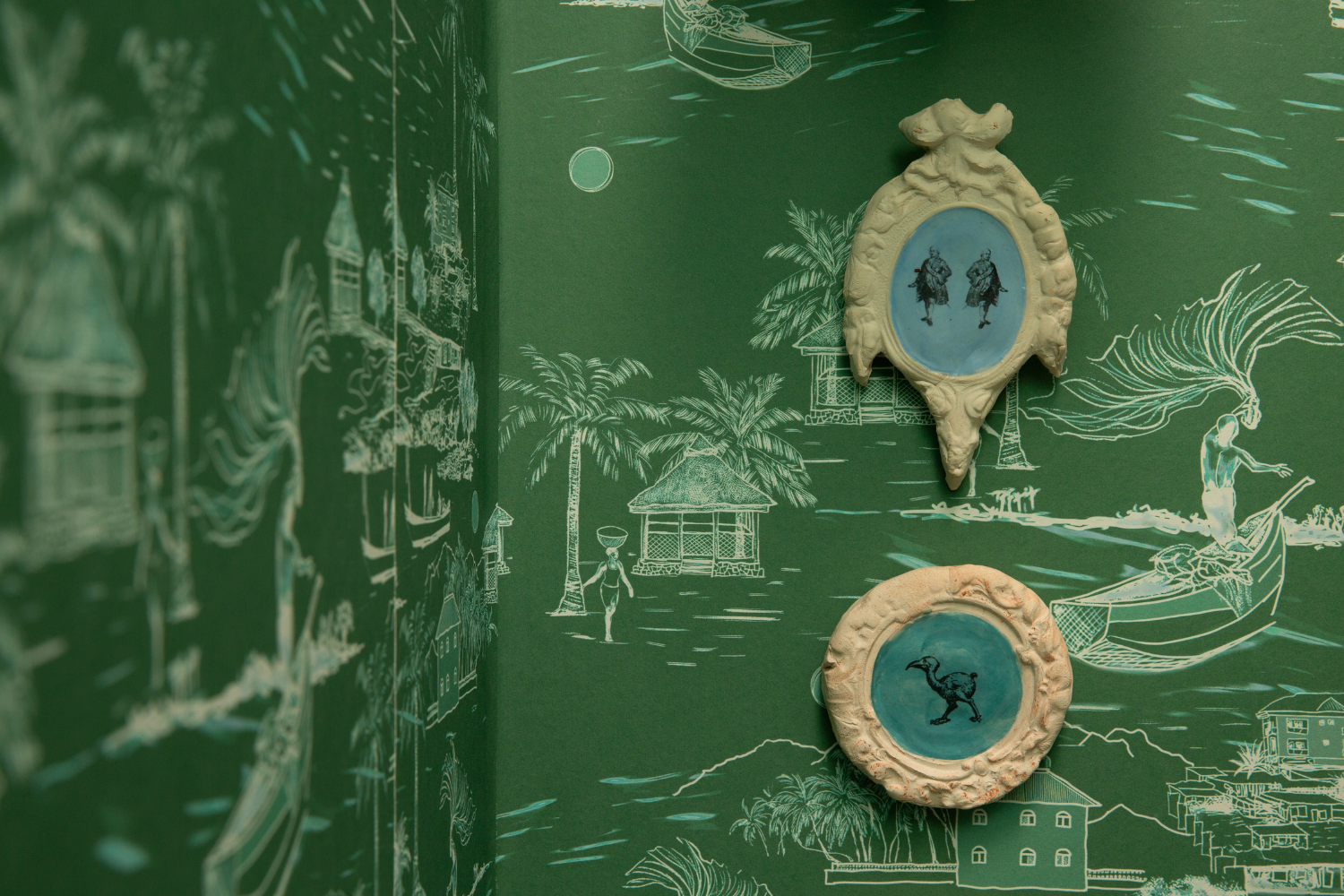
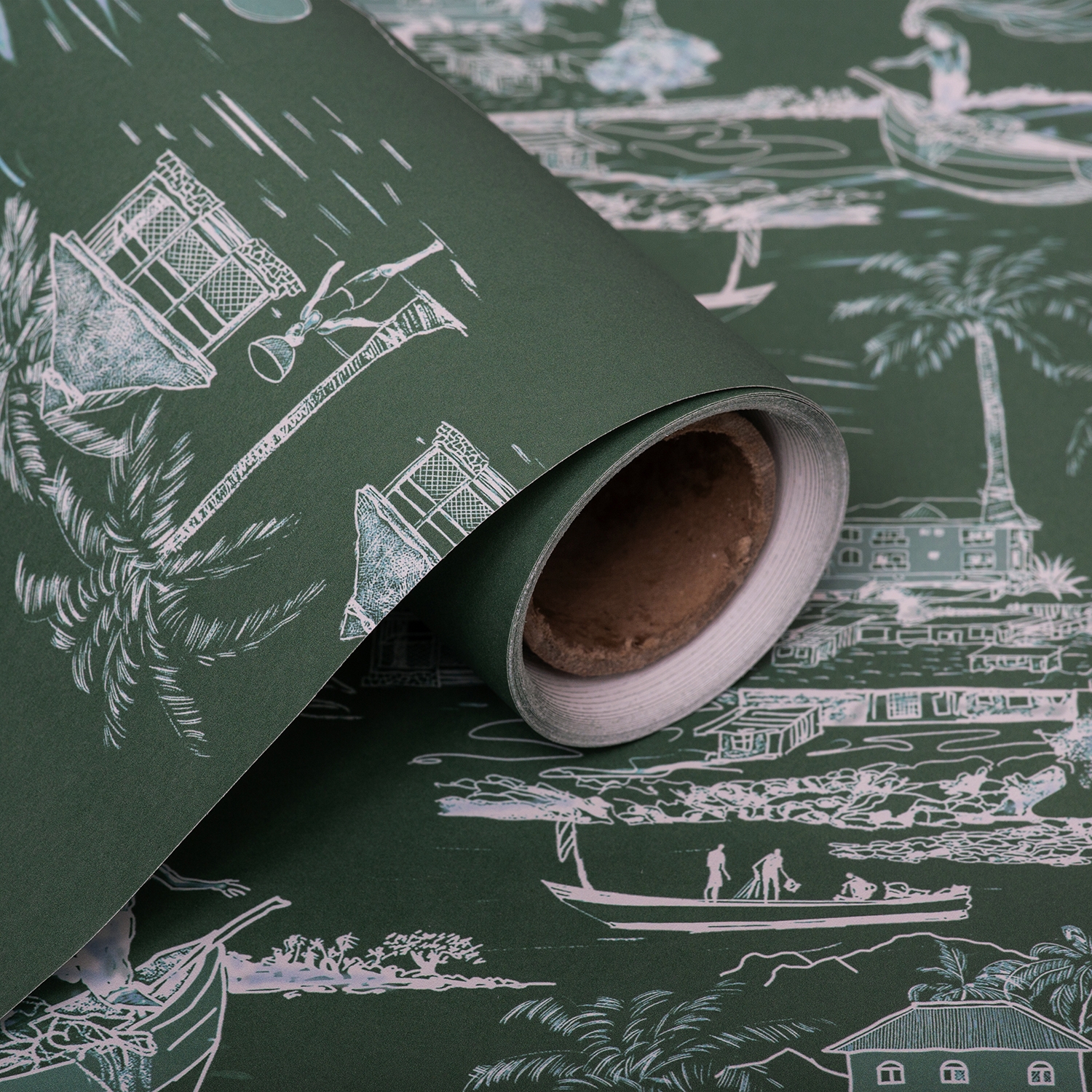
The Banana Island Palm Green wallpaper is a signature design and a defining expression of a studio practice rooted in cultural narrative, contemporary design, and storytelling. It reflects an approach to interiors that values material intelligence and thoughtful craftsmanship, transforming surface pattern into a meaningful design element. Founded by Sierra Leonean-American designer Isatu Funna, the studio reimagines traditional woven textiles from Sierra Leone, translating their rhythm, symbolism, and architectural logic into a globally inspired range of interior objects. This cross-disciplinary practice informs the wallpaper’s design, elevating it beyond decoration into a narrative-led interior surface.
The Banana Island Palm Green wallpaper is a signature design and a defining expression of a studio practice rooted in cultural narrative, contemporary design, and storytelling. It reflects an approach to interiors that values material intelligence and thoughtful craftsmanship, transforming surface pattern into a meaningful design element. Founded by Sierra Leonean-American designer Isatu Funna, the studio reimagines traditional woven textiles from Sierra Leone, translating their rhythm, symbolism, and architectural logic into a globally inspired range of interior objects. This cross-disciplinary practice informs the wallpaper’s design, elevating it beyond decoration into a narrative-led interior surface.
Product Innovation / Specification:
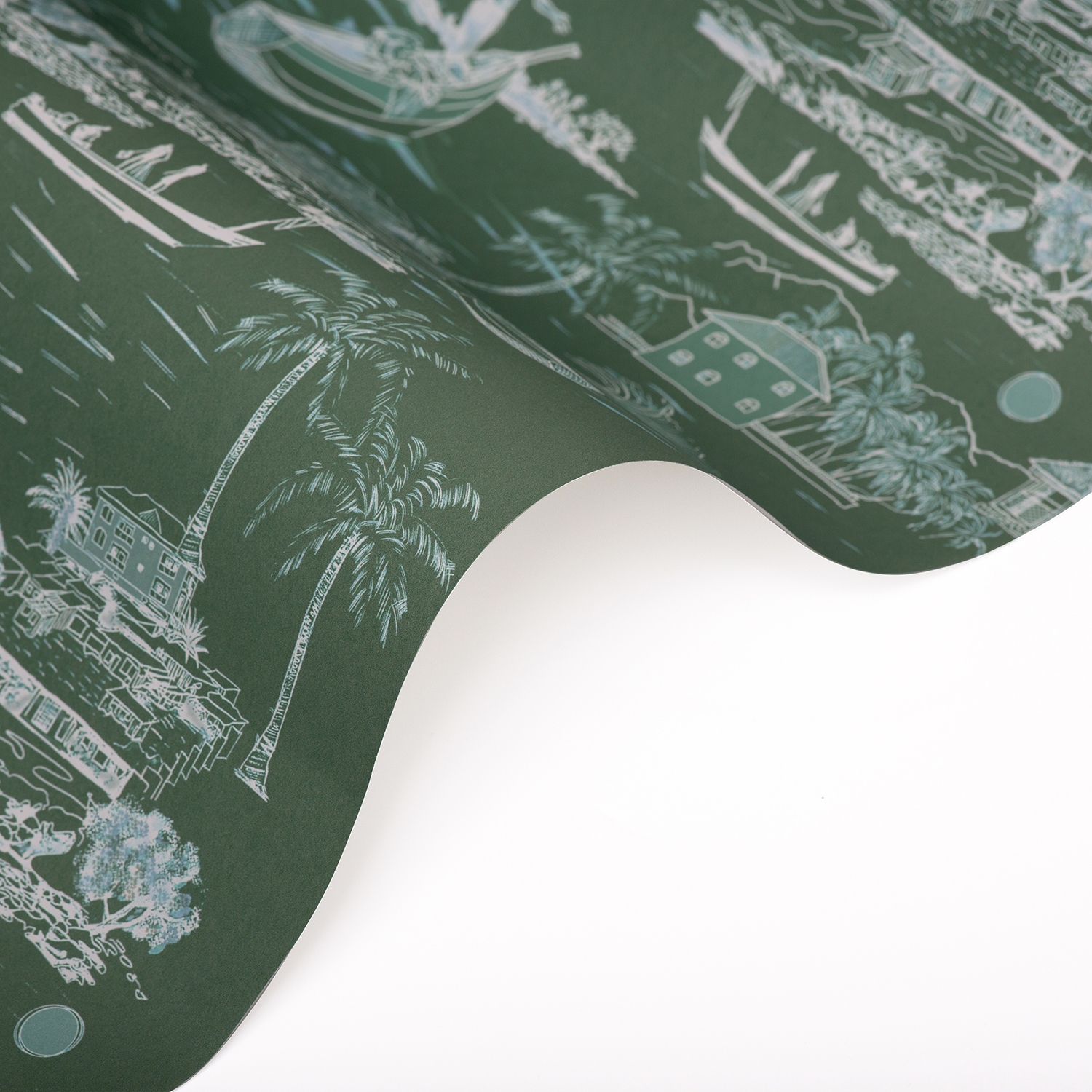
Recognised by industry partners and press, the Banana Island Palm Green wallpaper features a lyrical, repeating motif inspired by Sierra Leone’s coastal landscapes and vernacular architecture. The design balances ornament and restraint, offering a contemporary interpretation of place and memory while creating atmosphere and depth within both residential and commercial interiors. The wallpaper is produced on 147 gsm non-woven substrate and belongs to the “paste-the-wall” category, allowing for ease of installation while maintaining durability and a high-quality finish suitable for both residential and commercial interiors.
Recognised by industry partners and press, the Banana Island Palm Green wallpaper features a lyrical, repeating motif inspired by Sierra Leone’s coastal landscapes and vernacular architecture. The design balances ornament and restraint, offering a contemporary interpretation of place and memory while creating atmosphere and depth within both residential and commercial interiors. The wallpaper is produced on 147 gsm non-woven substrate and belongs to the “paste-the-wall” category, allowing for ease of installation while maintaining durability and a high-quality finish suitable for both residential and commercial interiors.
Product Sustainability Approach:
The product is developed with a considered, small-scale approach to production, prioritising quality, longevity, and responsible manufacturing over mass output. It is produced in small batches, often on demand, which allows for careful resource management and reduces excess stock and material waste. Manufacture is carried out in collaboration with a qualified UK-based producer committed to sustainable practices, ensuring close oversight of production processes and consistent material standards. Localised manufacturing helps minimise transportation impact while supporting skilled craftsmanship and ethical working conditions. By focusing on timeless design, durable materials, and controlled production volumes, the approach encourages long-term use and conscious consumption, positioning the product as a lasting interior piece rather than a disposable design item.
The product is developed with a considered, small-scale approach to production, prioritising quality, longevity, and responsible manufacturing over mass output. It is produced in small batches, often on demand, which allows for careful resource management and reduces excess stock and material waste. Manufacture is carried out in collaboration with a qualified UK-based producer committed to sustainable practices, ensuring close oversight of production processes and consistent material standards. Localised manufacturing helps minimise transportation impact while supporting skilled craftsmanship and ethical working conditions. By focusing on timeless design, durable materials, and controlled production volumes, the approach encourages long-term use and conscious consumption, positioning the product as a lasting interior piece rather than a disposable design item.
Local and Regional Impacts of the Product:
The product generates local and regional impact through small-batch production with a qualified UK-based manufacturer, supporting skilled employment and specialist craftsmanship within the regional textile and interiors sector. Localised manufacturing enables close collaboration, high quality control, and responsible production standards. By reducing reliance on long international supply chains, this approach helps minimise transportation-related environmental impact and supports a more resilient regional production model. In parallel, the product contributes culturally by introducing design narratives rooted in Sierra Leonean heritage into contemporary European interiors, encouraging cross-cultural dialogue and broader representation within the regional design landscape.
The product generates local and regional impact through small-batch production with a qualified UK-based manufacturer, supporting skilled employment and specialist craftsmanship within the regional textile and interiors sector. Localised manufacturing enables close collaboration, high quality control, and responsible production standards. By reducing reliance on long international supply chains, this approach helps minimise transportation-related environmental impact and supports a more resilient regional production model. In parallel, the product contributes culturally by introducing design narratives rooted in Sierra Leonean heritage into contemporary European interiors, encouraging cross-cultural dialogue and broader representation within the regional design landscape.