
PEARL JAM
Prize(s):
ARCHITECTURAL DESIGNER OF THE YEAR 2026 | WINNER 2026 ARCHITECTURE / Others Architectural Projects
Lead Designer(s) Name(s):Nicole Moyo
Design Status:Completed
Website: View
Video URL:View
Project Description:
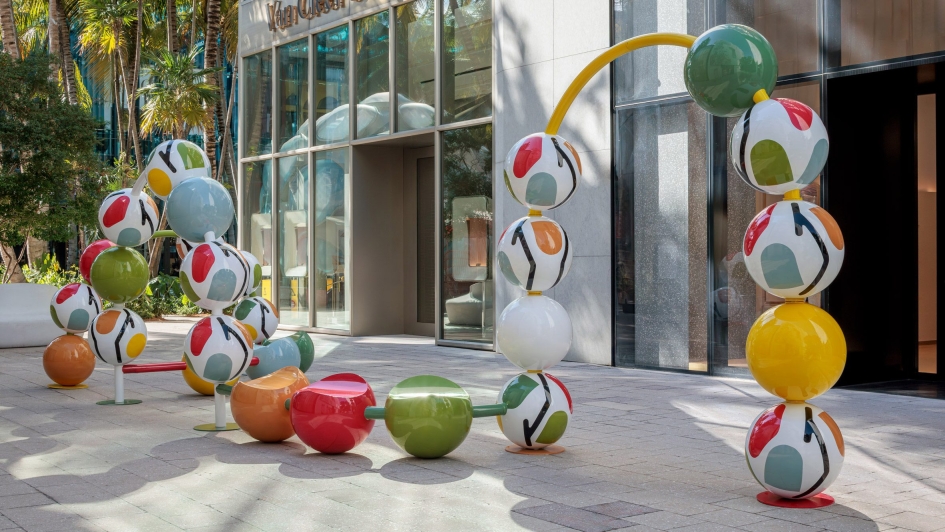
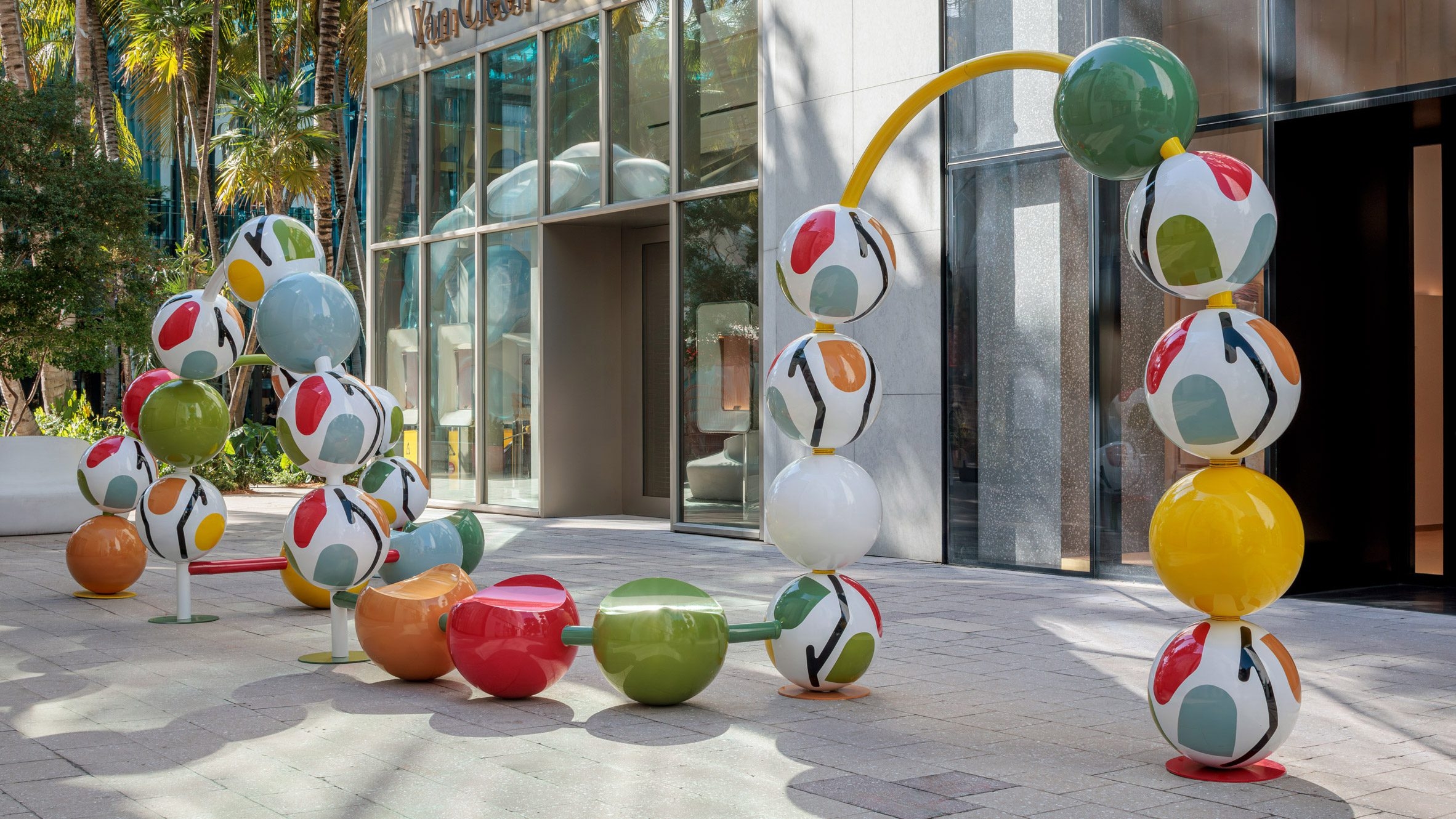
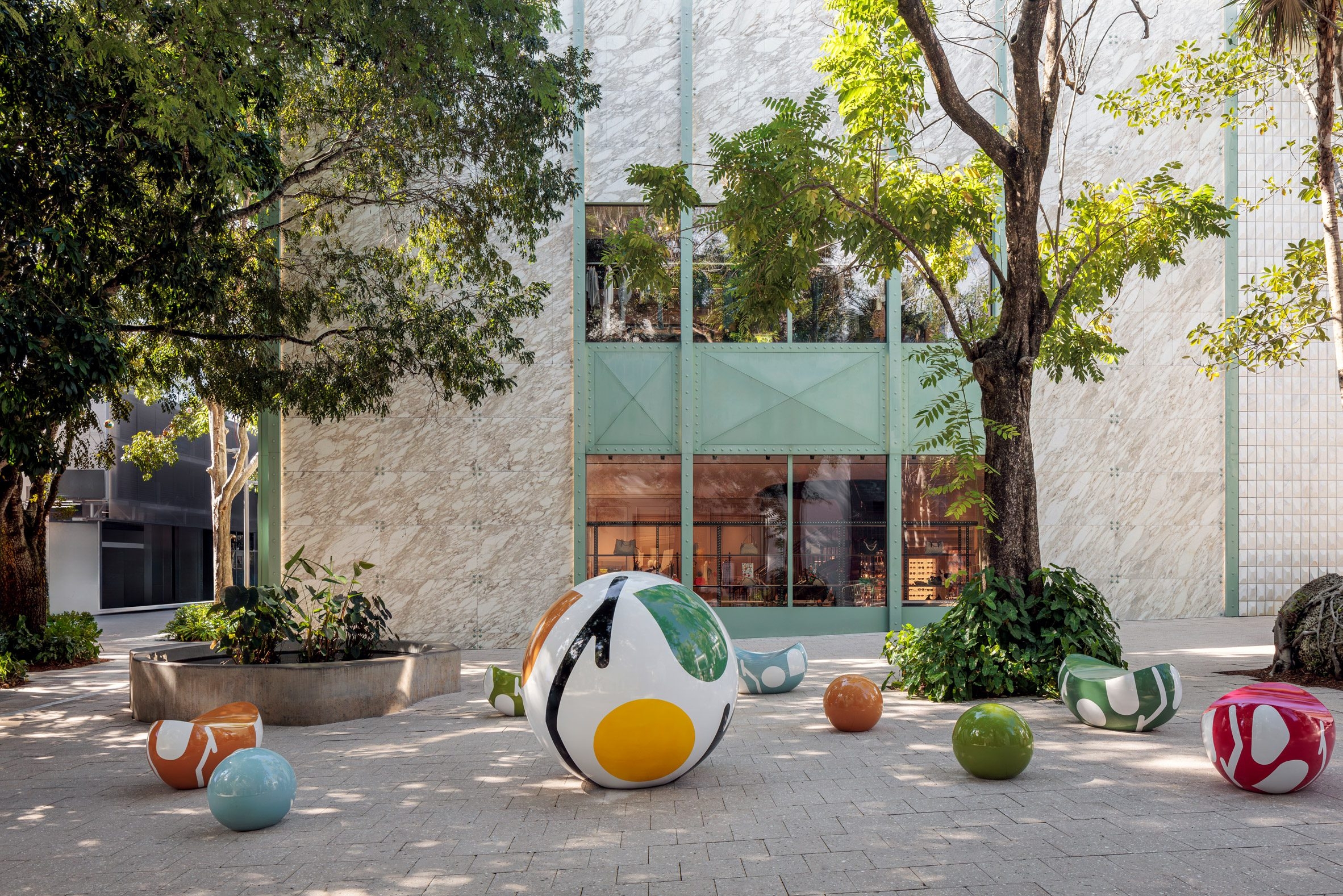
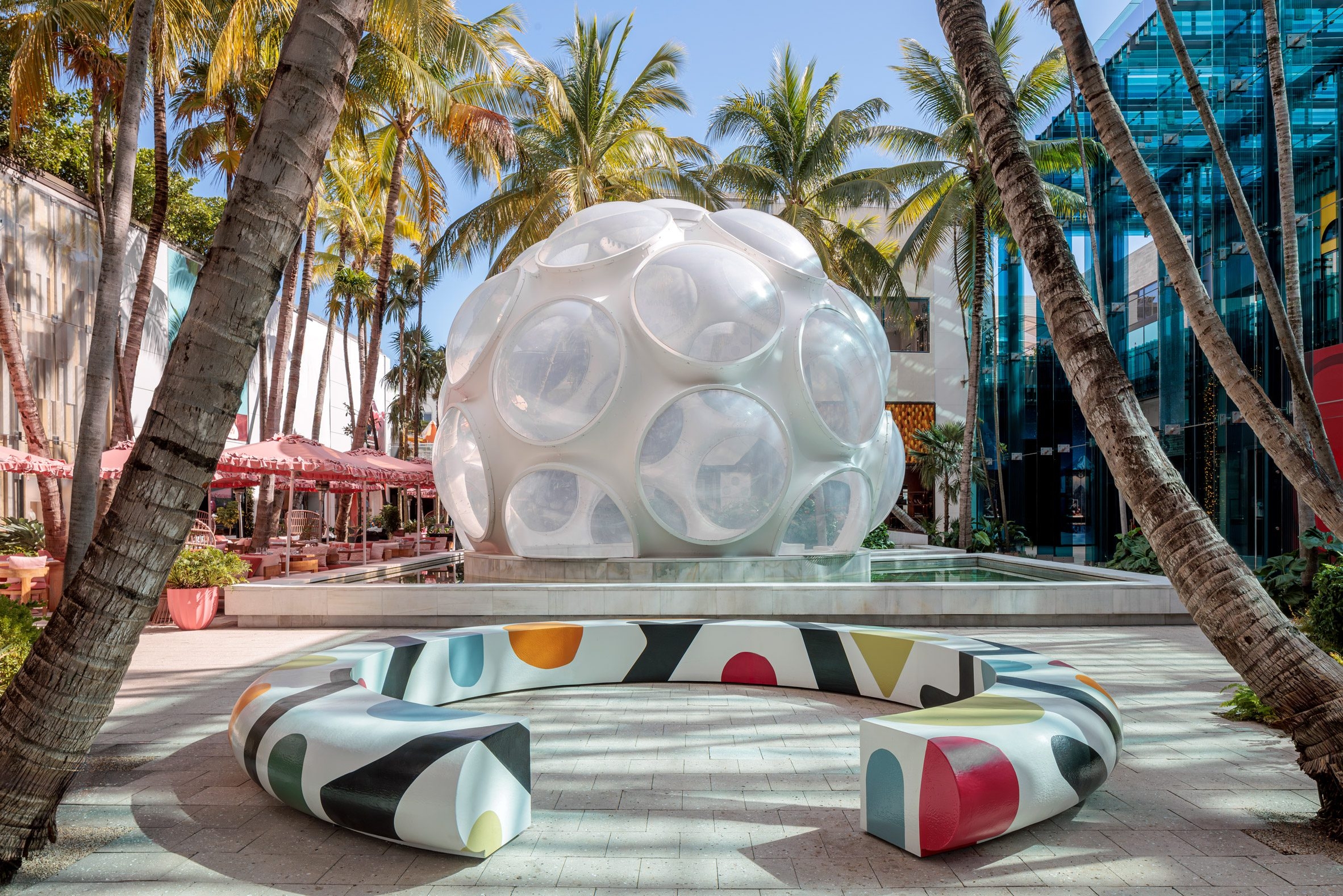
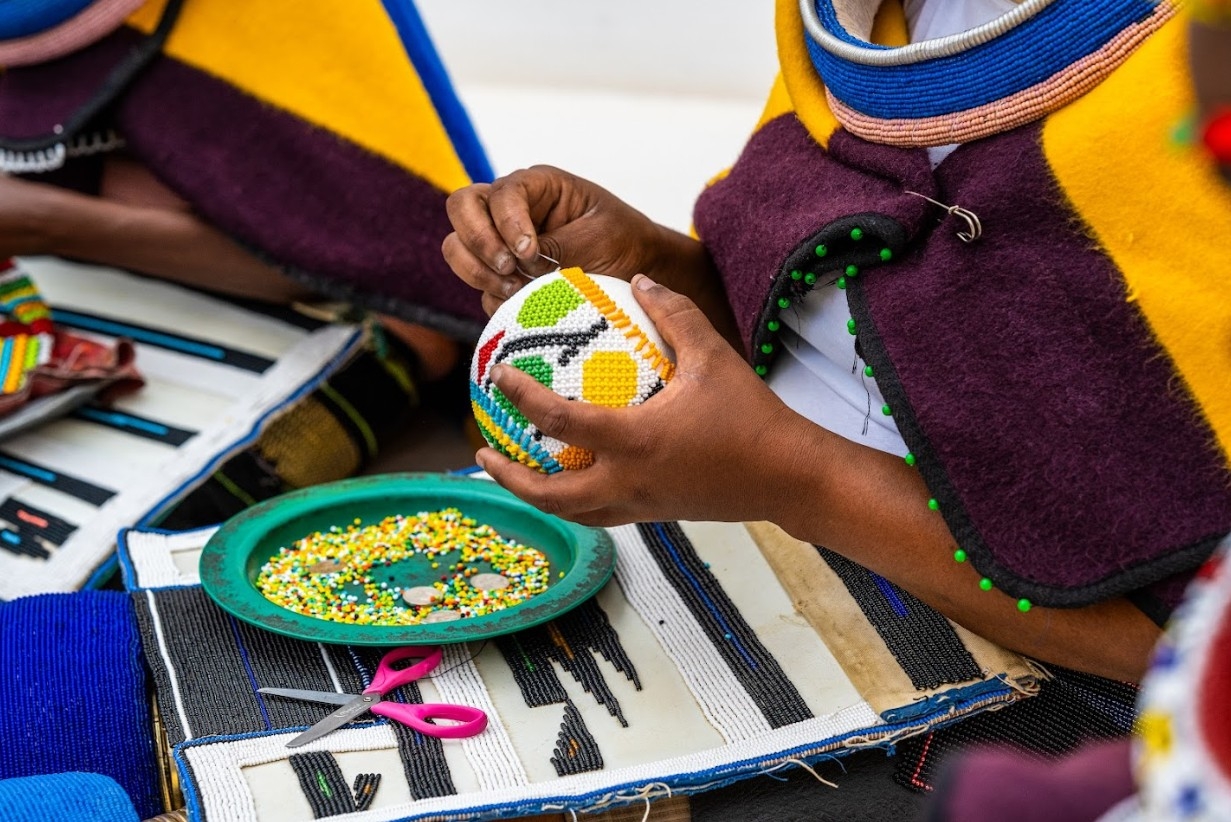
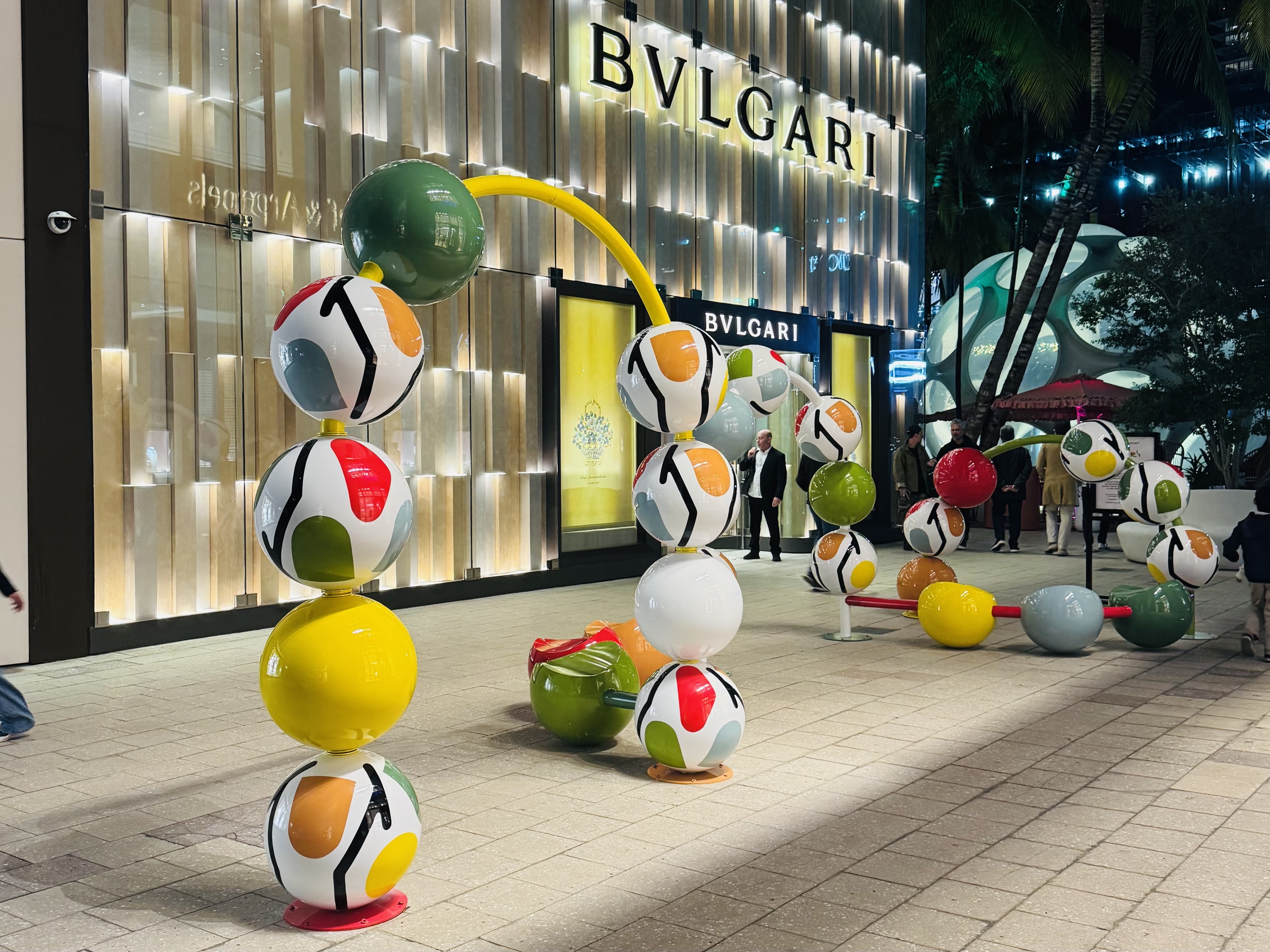
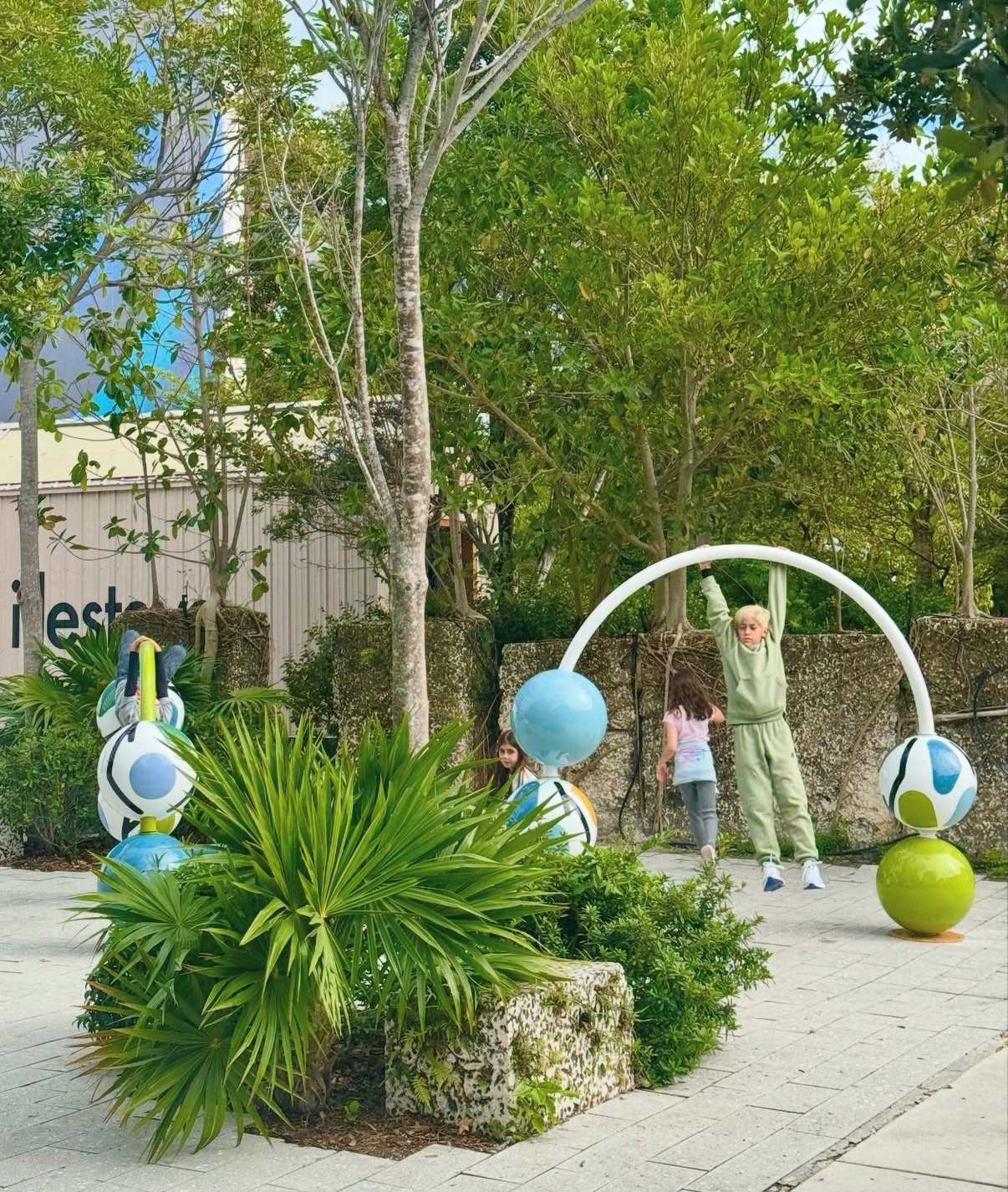
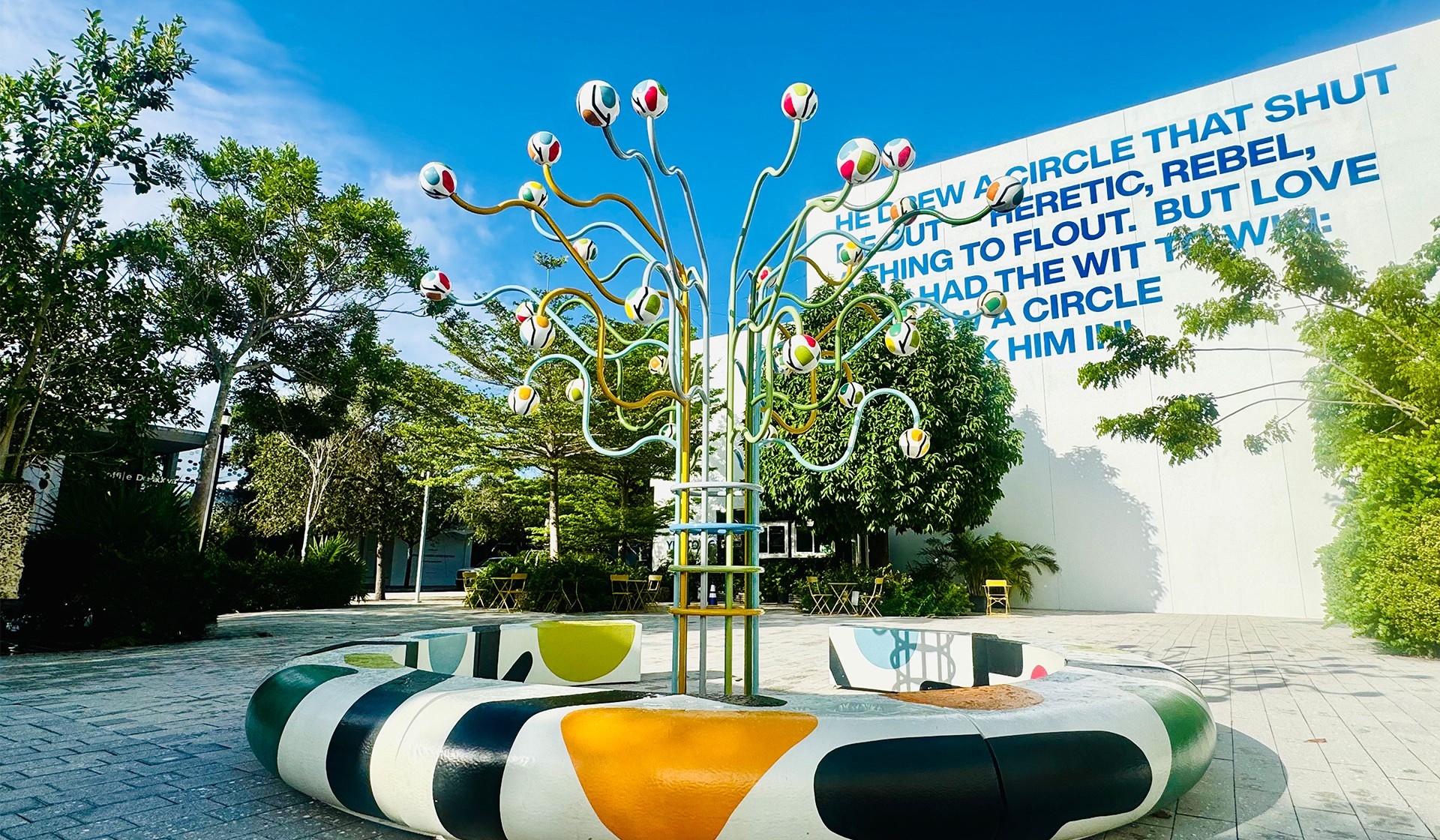
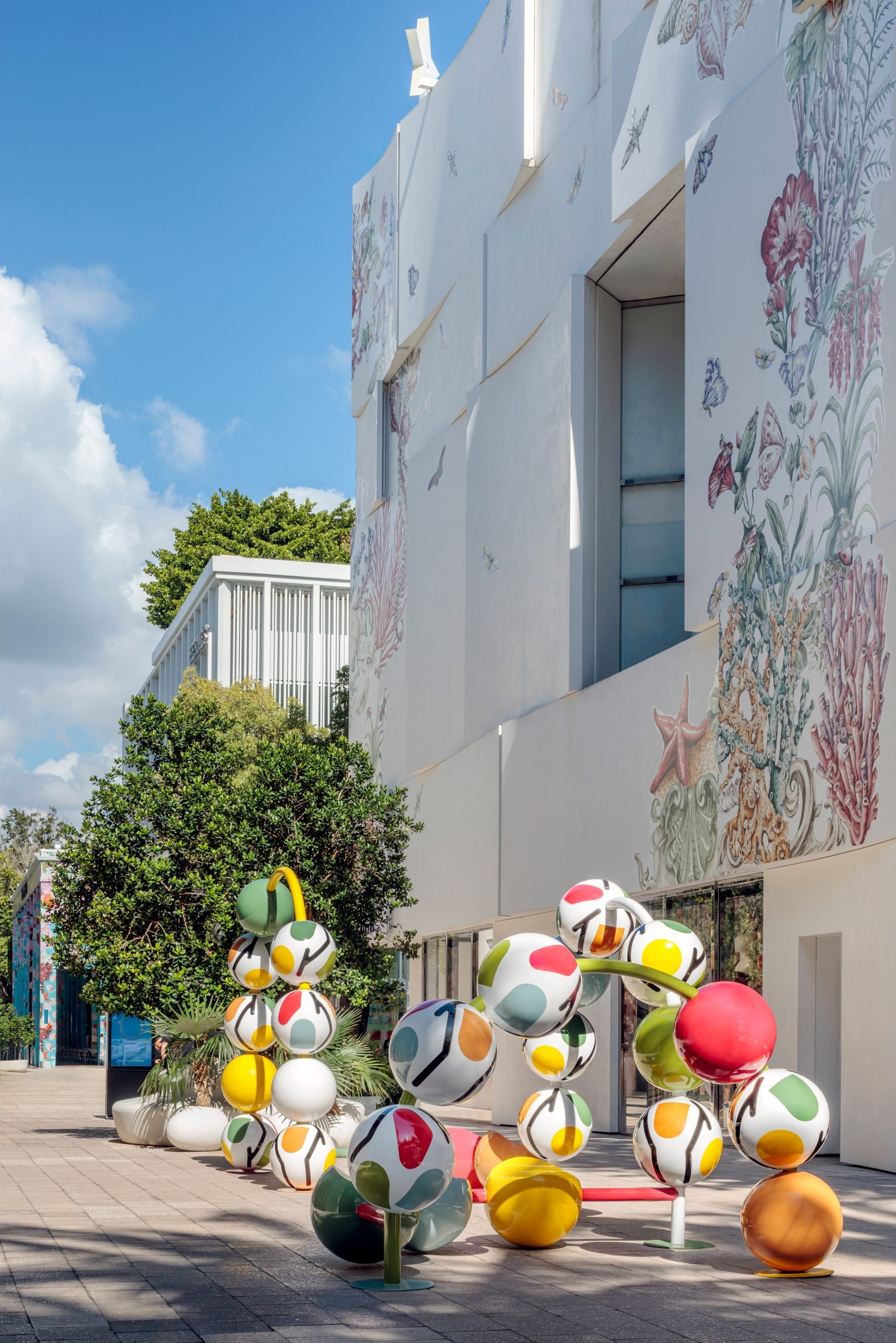
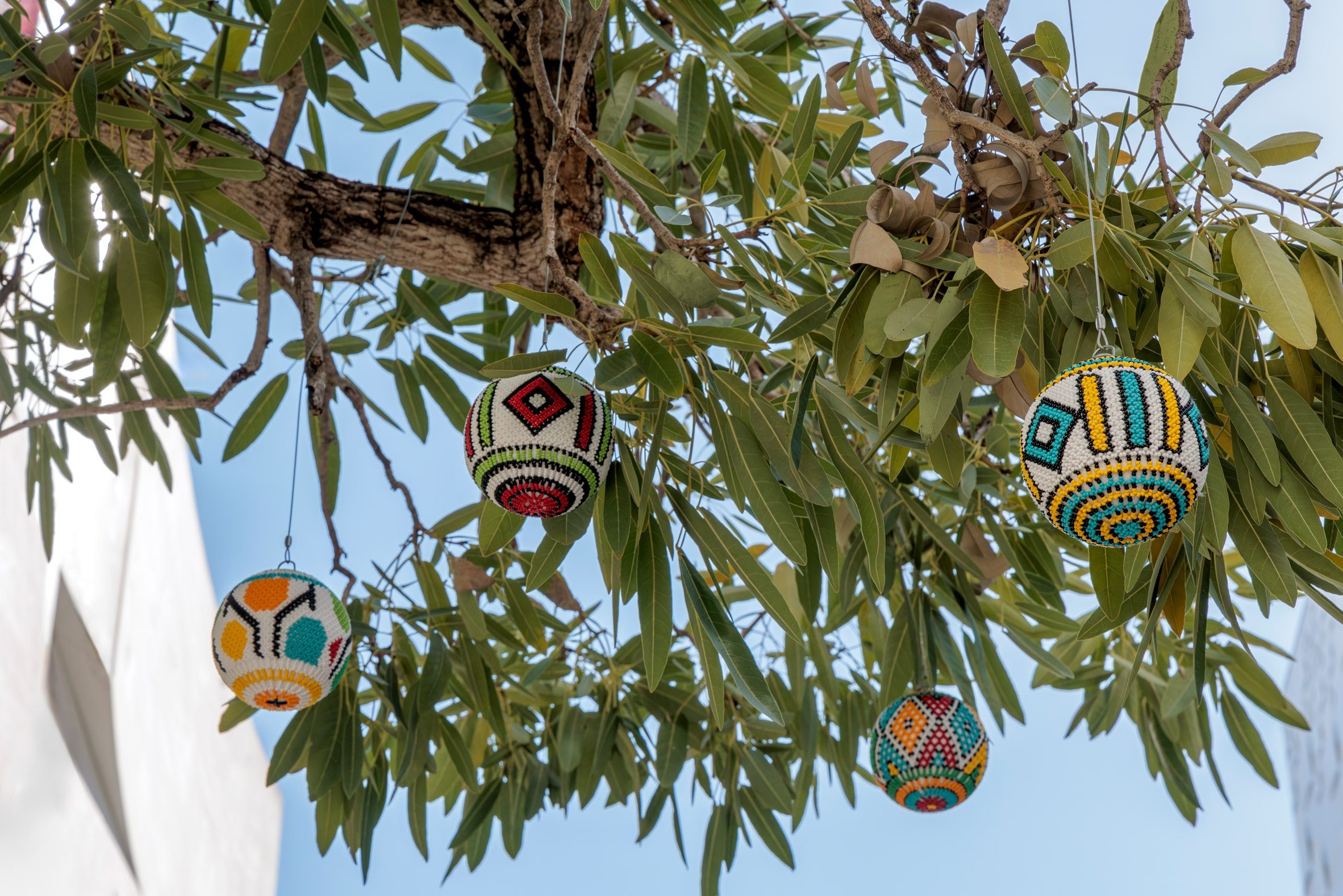
Pearl Jam is a public art project that explores cultural continuity, identity, and expression through contemporary design. Inspired by Ndebele traditions, it reimagines the act of beading as both a spatial and narrative practice, translating ornament into immersive form. Suspended earrings, once delicately hanging from trees, become sculptural artifacts within the urban landscape—transforming everyday materials into symbols of memory, labor, and pride. Situated in the Miami Design District, the project engages directly with its surroundings, inviting passersby into an accessible and tactile experience. It blurs the boundaries between art, architecture, and craft, encouraging interaction across scales—from the intimacy of a single bead to the collective presence of the installation. At its core, Pearl Jam is an offering of self-discovery and cultural sustainability. It honors the women whose artistry informs the work while reinterpreting tradition through a contemporary lens. By bridging continents, histories, and mediums, the project creates a living dialogue between past and present, celebrating culture as something to be seen, worn, and shared in public space.
Pearl Jam is a public art project that explores cultural continuity, identity, and expression through contemporary design. Inspired by Ndebele traditions, it reimagines the act of beading as both a spatial and narrative practice, translating ornament into immersive form. Suspended earrings, once delicately hanging from trees, become sculptural artifacts within the urban landscape—transforming everyday materials into symbols of memory, labor, and pride. Situated in the Miami Design District, the project engages directly with its surroundings, inviting passersby into an accessible and tactile experience. It blurs the boundaries between art, architecture, and craft, encouraging interaction across scales—from the intimacy of a single bead to the collective presence of the installation. At its core, Pearl Jam is an offering of self-discovery and cultural sustainability. It honors the women whose artistry informs the work while reinterpreting tradition through a contemporary lens. By bridging continents, histories, and mediums, the project creates a living dialogue between past and present, celebrating culture as something to be seen, worn, and shared in public space.
Project Innovation / Specification:
Pearl Jam introduces an innovative approach to public art by translating traditional beading into a scalable architectural system. Jewelry, specifically earrings, is reimagined as modular elements that can be expanded, suspended, and arranged to create immersive environments. Each component operates as both an individual artifact and part of a larger installation, allowing flexibility in composition and spatial experience. Lightweight, durable materials ensure resilience in outdoor conditions while maintaining the delicacy of handcrafted beadwork. Components are designed for efficient fabrication, transport, and assembly, enabling adaptability across contexts. Suspension systems create a sense of floating forms while ensuring structural stability. The project embeds cultural storytelling through pattern, color, and form inspired by Ndebele traditions. It prioritizes accessibility and engagement, inviting interaction at multiple scales while maintaining durability in high traffic environments, establishing a new model for culturally rooted public art.
Pearl Jam introduces an innovative approach to public art by translating traditional beading into a scalable architectural system. Jewelry, specifically earrings, is reimagined as modular elements that can be expanded, suspended, and arranged to create immersive environments. Each component operates as both an individual artifact and part of a larger installation, allowing flexibility in composition and spatial experience. Lightweight, durable materials ensure resilience in outdoor conditions while maintaining the delicacy of handcrafted beadwork. Components are designed for efficient fabrication, transport, and assembly, enabling adaptability across contexts. Suspension systems create a sense of floating forms while ensuring structural stability. The project embeds cultural storytelling through pattern, color, and form inspired by Ndebele traditions. It prioritizes accessibility and engagement, inviting interaction at multiple scales while maintaining durability in high traffic environments, establishing a new model for culturally rooted public art.
Project Sustainability Approach:
Pearl Jam approaches sustainability as both an environmental and cultural practice, recognizing that longevity is rooted in meaning as much as material. The project uses lightweight, durable components to reduce material use while ensuring resilience in outdoor conditions. Elements are designed for disassembly, reuse, and reconfiguration, allowing the installation to evolve rather than be discarded. This adaptability extends the lifecycle of the work and supports future iterations in different contexts. Material selection prioritizes low waste fabrication and efficient transport. The modular system minimizes excess production and allows for targeted repairs instead of full reconstruction. Lightweight suspension reduces structural load and limits the need for intensive infrastructure, lowering the overall environmental footprint. Cultural sustainability is central. Drawing from Ndebele beading traditions, the project preserves and amplifies cultural knowledge through contemporary expression. By translating craft into public space, it strengthens cultural continuity and fosters connection between people, place, and heritage over time.
Pearl Jam approaches sustainability as both an environmental and cultural practice, recognizing that longevity is rooted in meaning as much as material. The project uses lightweight, durable components to reduce material use while ensuring resilience in outdoor conditions. Elements are designed for disassembly, reuse, and reconfiguration, allowing the installation to evolve rather than be discarded. This adaptability extends the lifecycle of the work and supports future iterations in different contexts. Material selection prioritizes low waste fabrication and efficient transport. The modular system minimizes excess production and allows for targeted repairs instead of full reconstruction. Lightweight suspension reduces structural load and limits the need for intensive infrastructure, lowering the overall environmental footprint. Cultural sustainability is central. Drawing from Ndebele beading traditions, the project preserves and amplifies cultural knowledge through contemporary expression. By translating craft into public space, it strengthens cultural continuity and fosters connection between people, place, and heritage over time.
Local and Regional Impacts of the Project:
Pearl Jam creates local impact by activating public space with an accessible installation that invites everyday interaction. In the Miami Design District, it enhances the pedestrian experience, encouraging pause, reflection, and engagement across diverse audiences. The project adds a meaningful layer of storytelling to the urban fabric while supporting increased foot traffic and cultural visibility. Regionally, it fosters cross cultural dialogue by introducing Ndebele inspired design into a new context. It amplifies underrepresented narratives in public art and highlights the value of craft based practices within contemporary design. By bridging local context with global references, the project positions the region as a site for inclusive cultural exchange.
Pearl Jam creates local impact by activating public space with an accessible installation that invites everyday interaction. In the Miami Design District, it enhances the pedestrian experience, encouraging pause, reflection, and engagement across diverse audiences. The project adds a meaningful layer of storytelling to the urban fabric while supporting increased foot traffic and cultural visibility. Regionally, it fosters cross cultural dialogue by introducing Ndebele inspired design into a new context. It amplifies underrepresented narratives in public art and highlights the value of craft based practices within contemporary design. By bridging local context with global references, the project positions the region as a site for inclusive cultural exchange.

Lead Designer(s) Name(s):Nicole Moyo