TAQWĀ
Prize(s):
WINNER 2026 INTERIOR DESIGN / Religious & Spiritual Buildings Interior
Lead Designer(s) Name(s):Anta Tientore
Interior Designer:Anta Tientore
Project Location:Sénégal, Malika
Design Status:Concept
Website: View
Project Description:
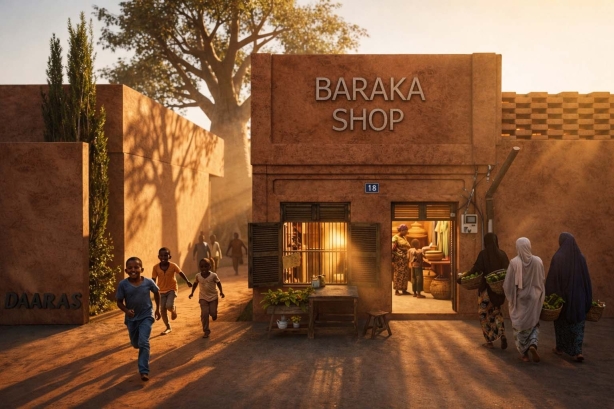
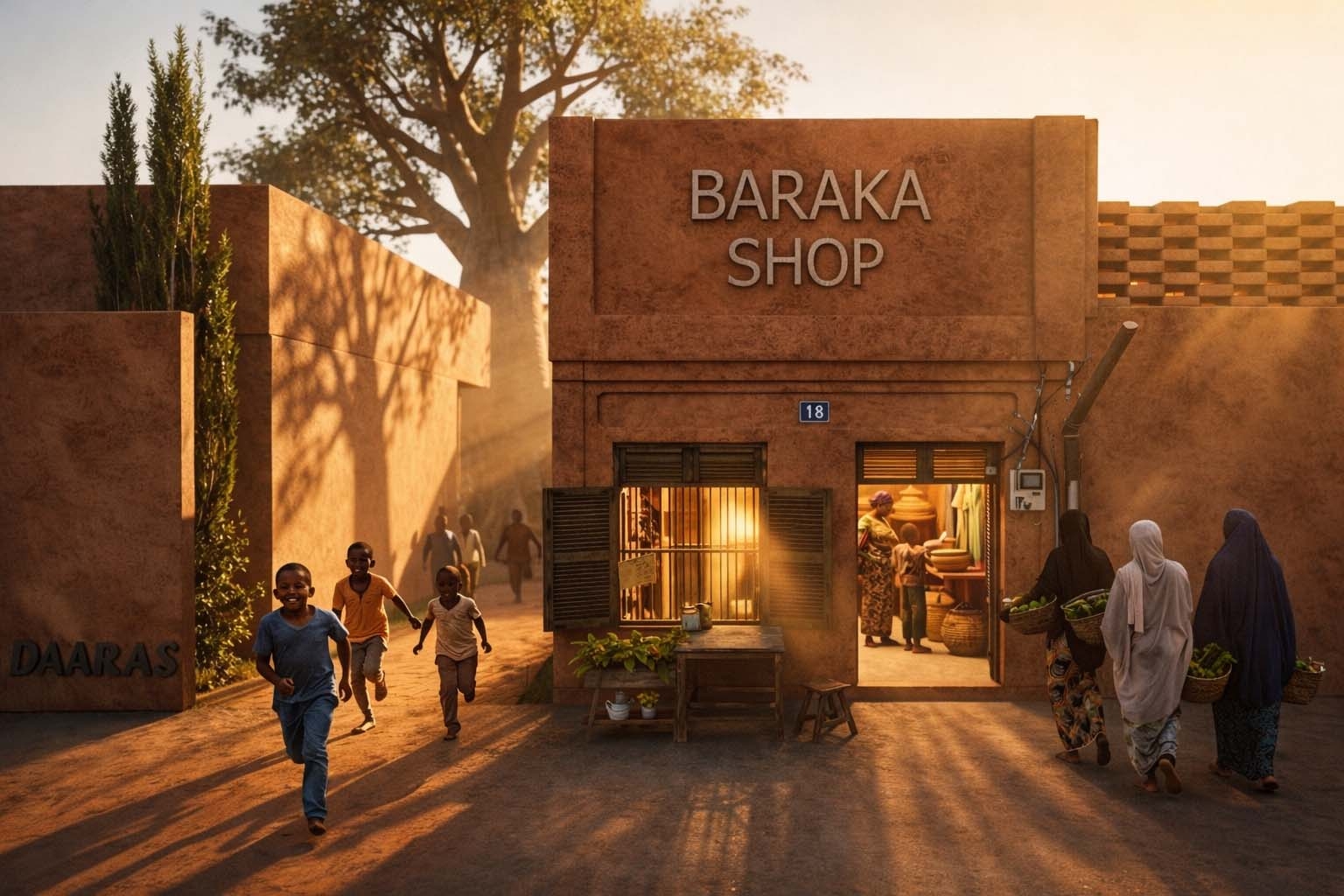
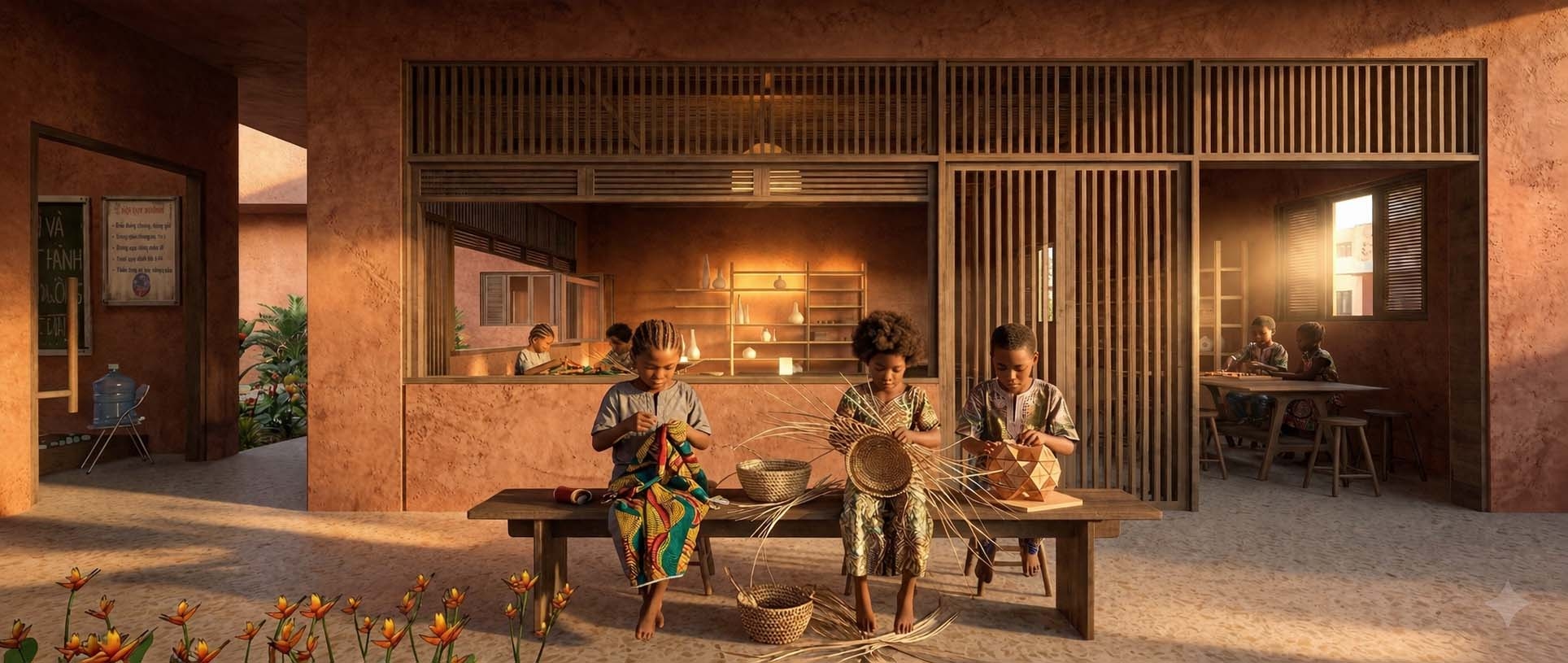
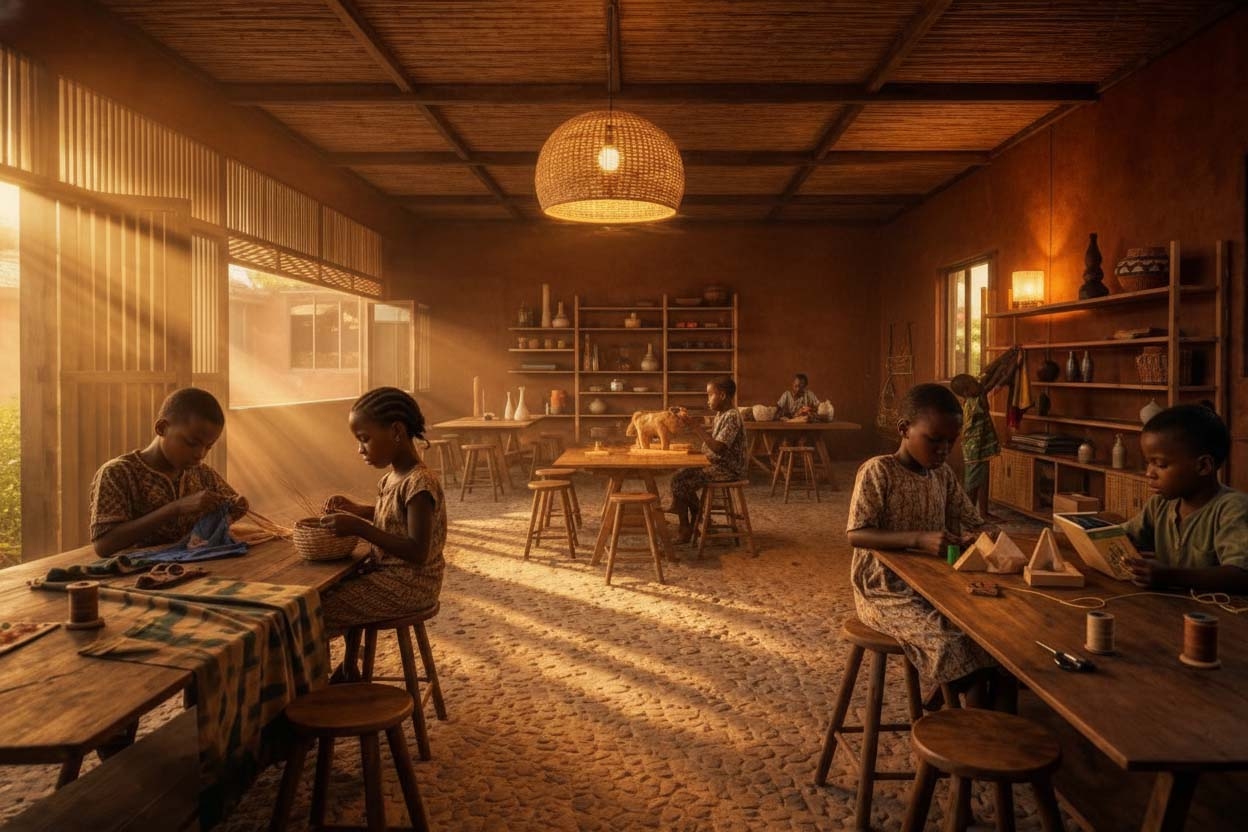
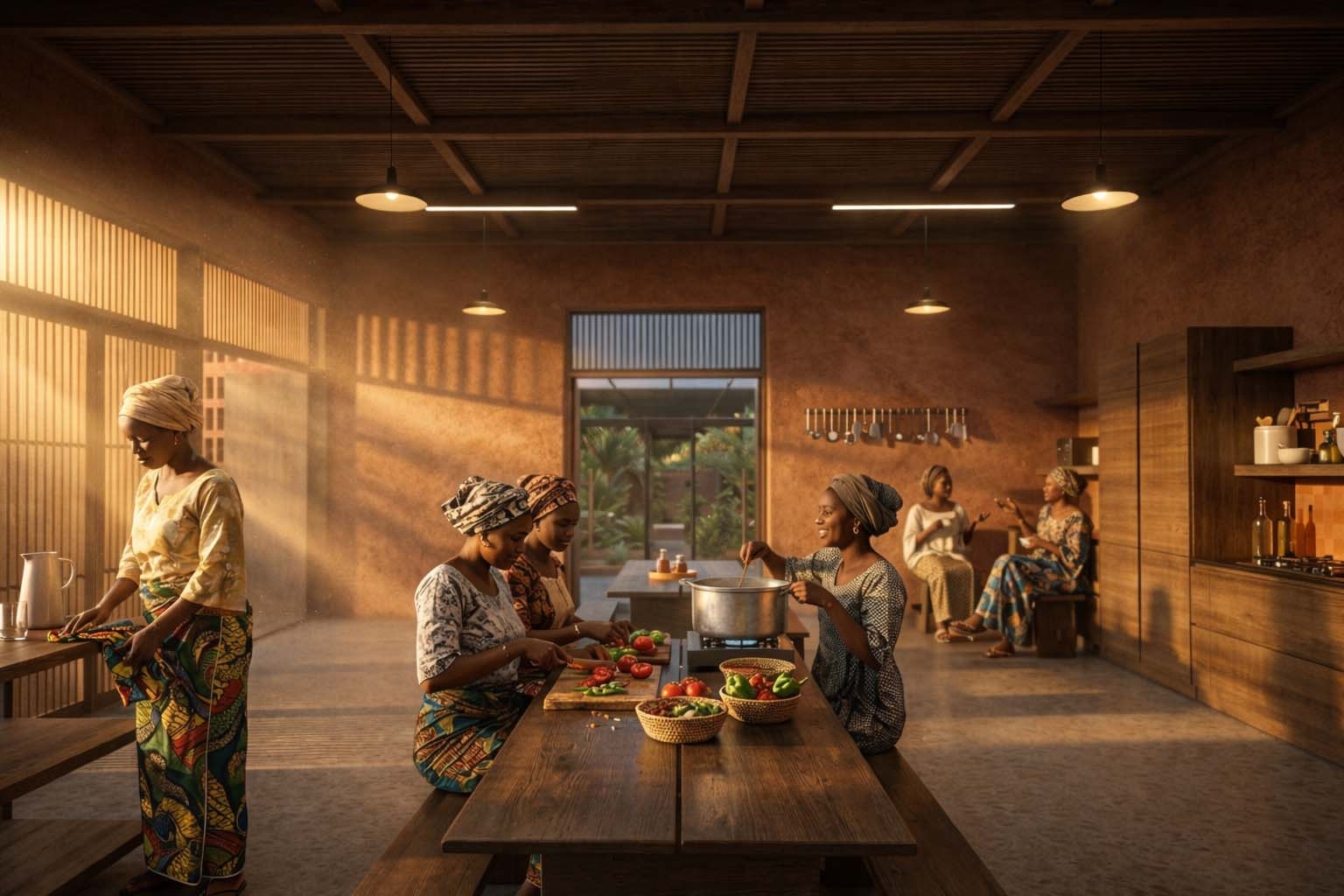
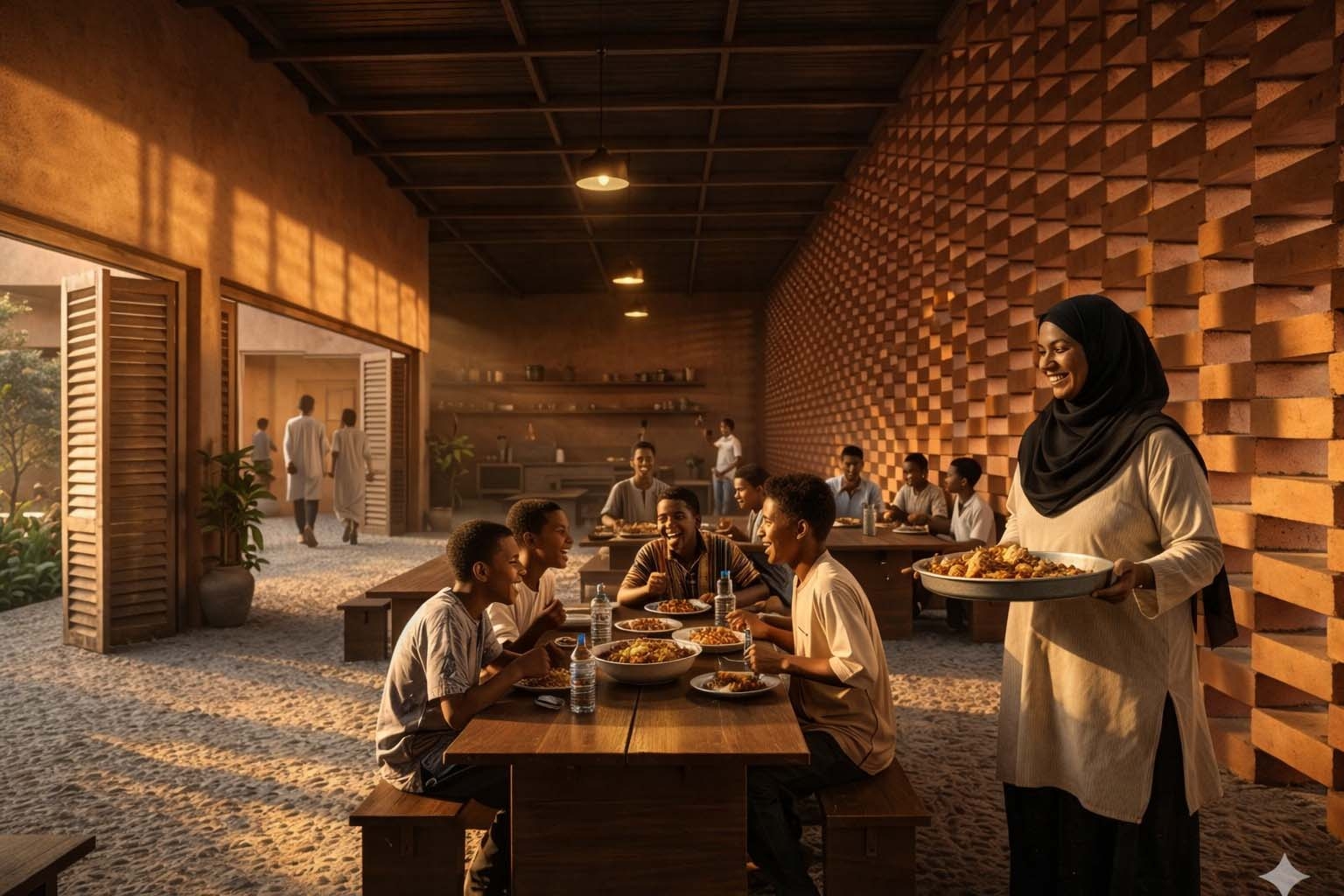
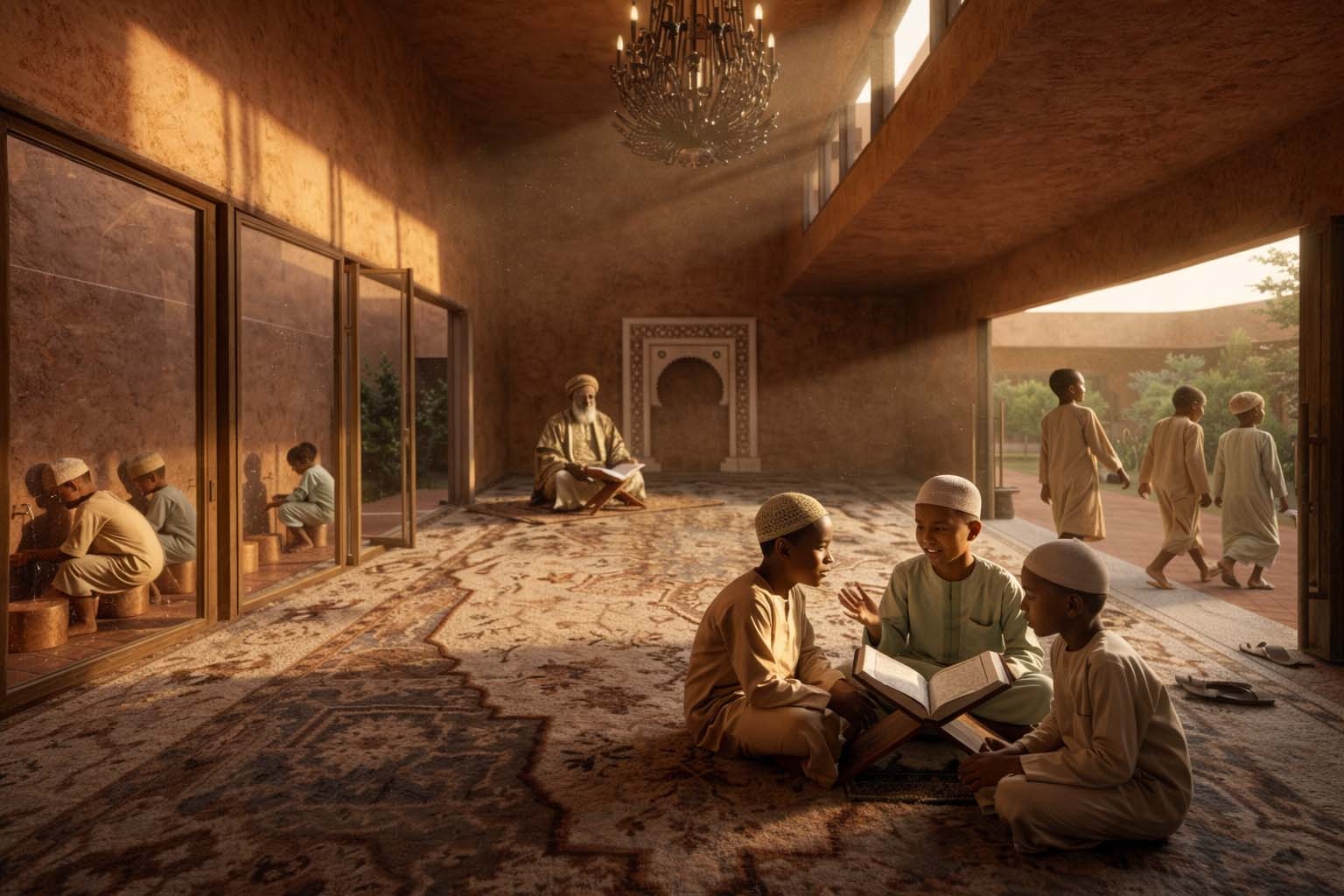
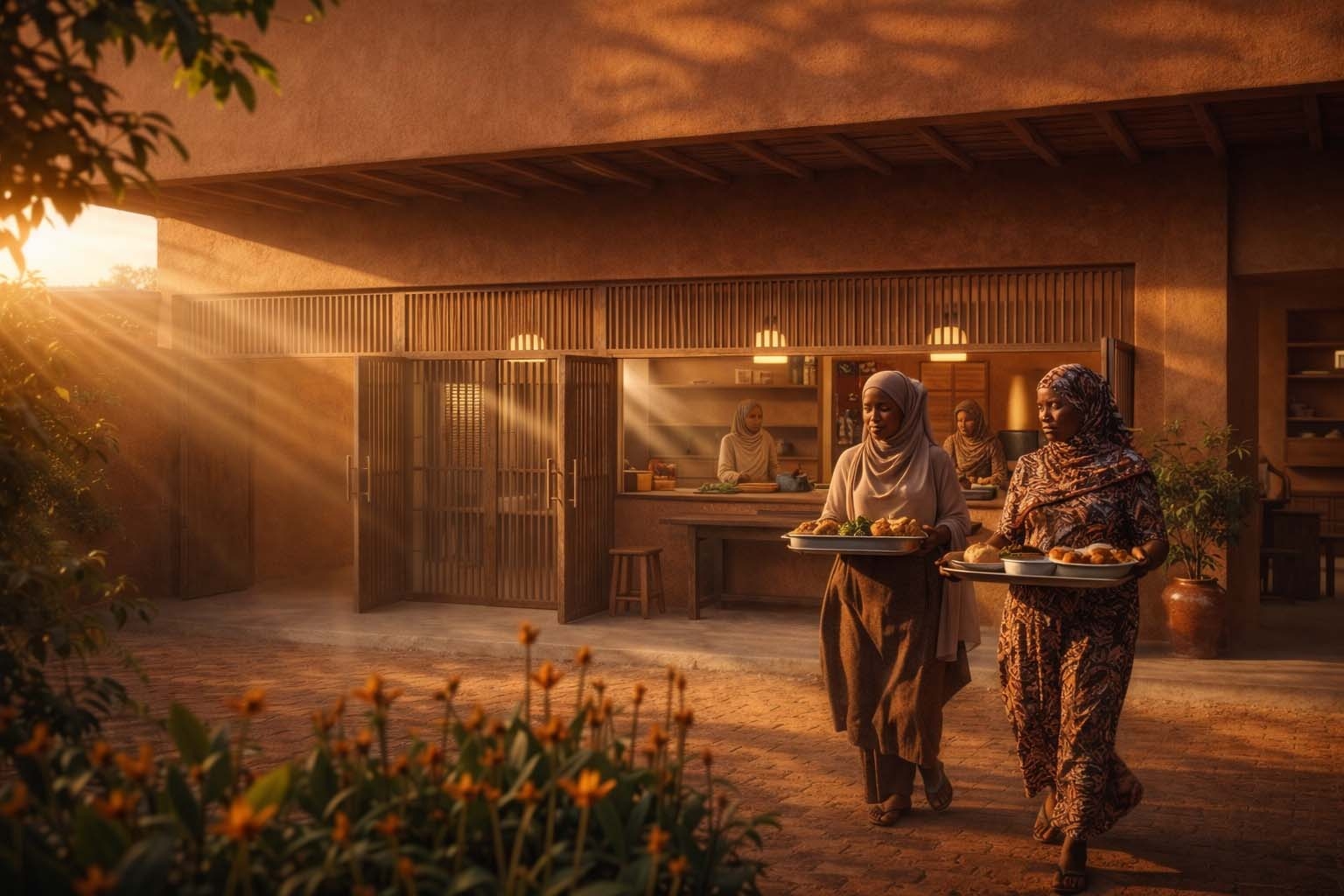
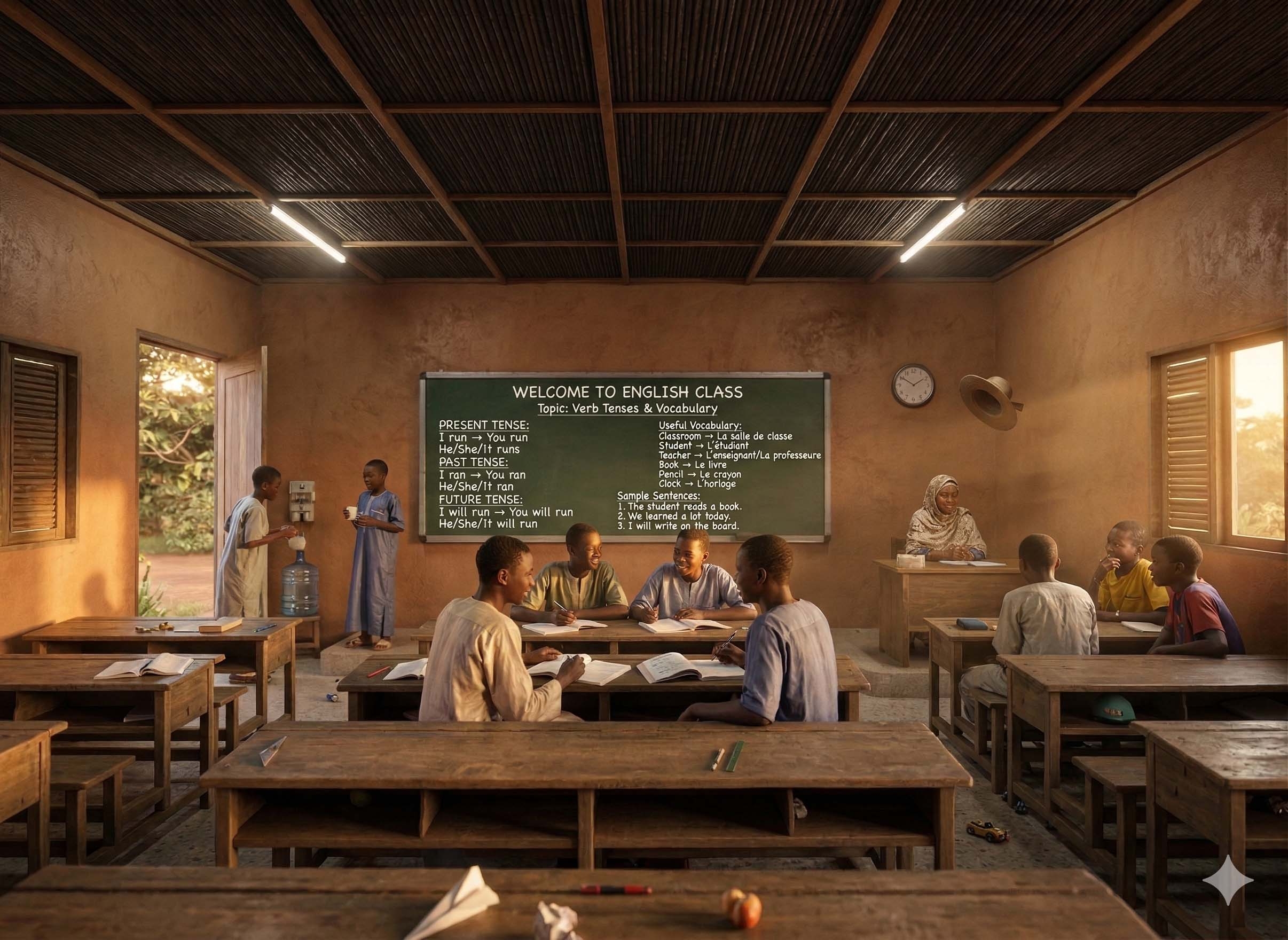
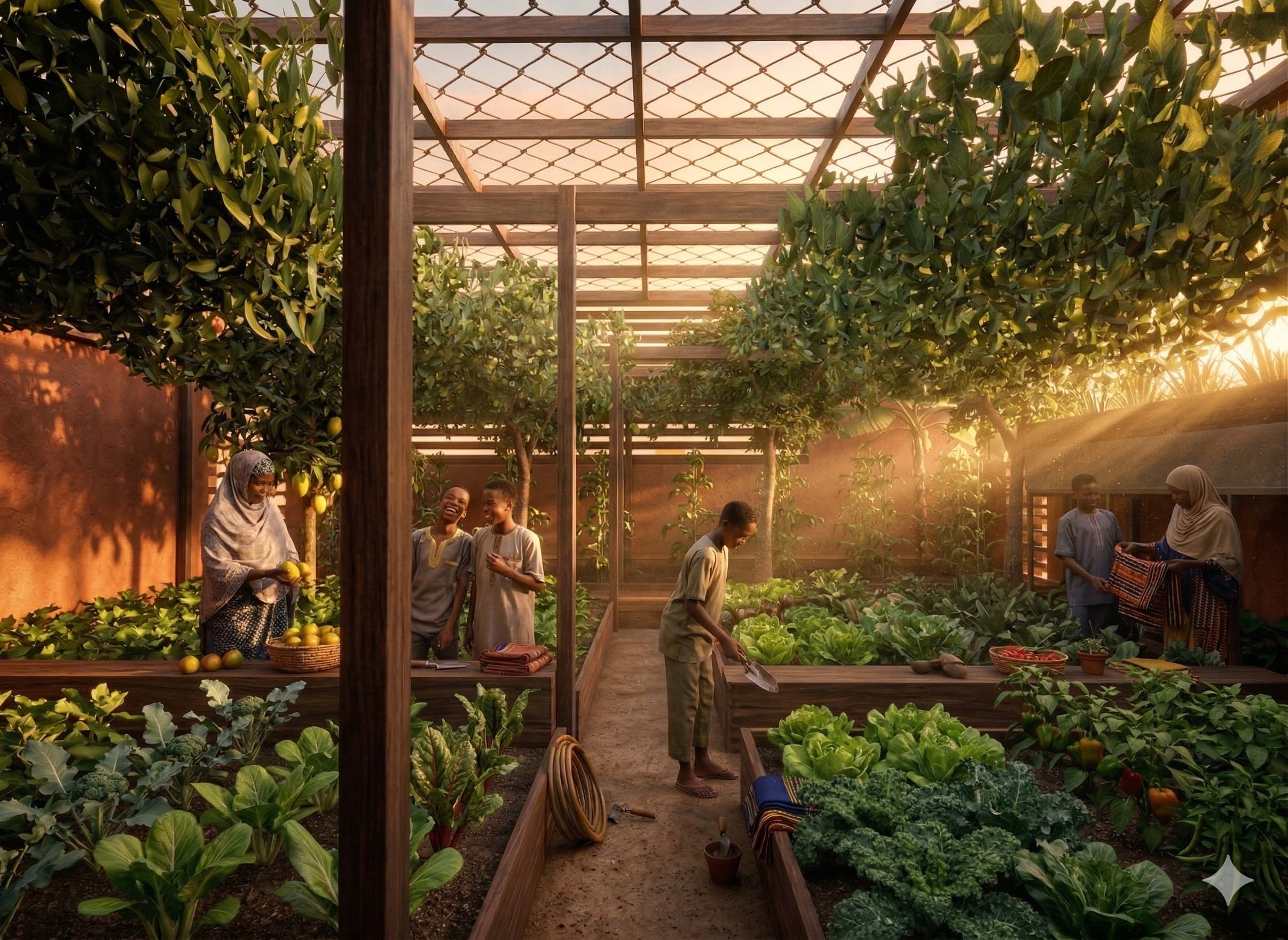
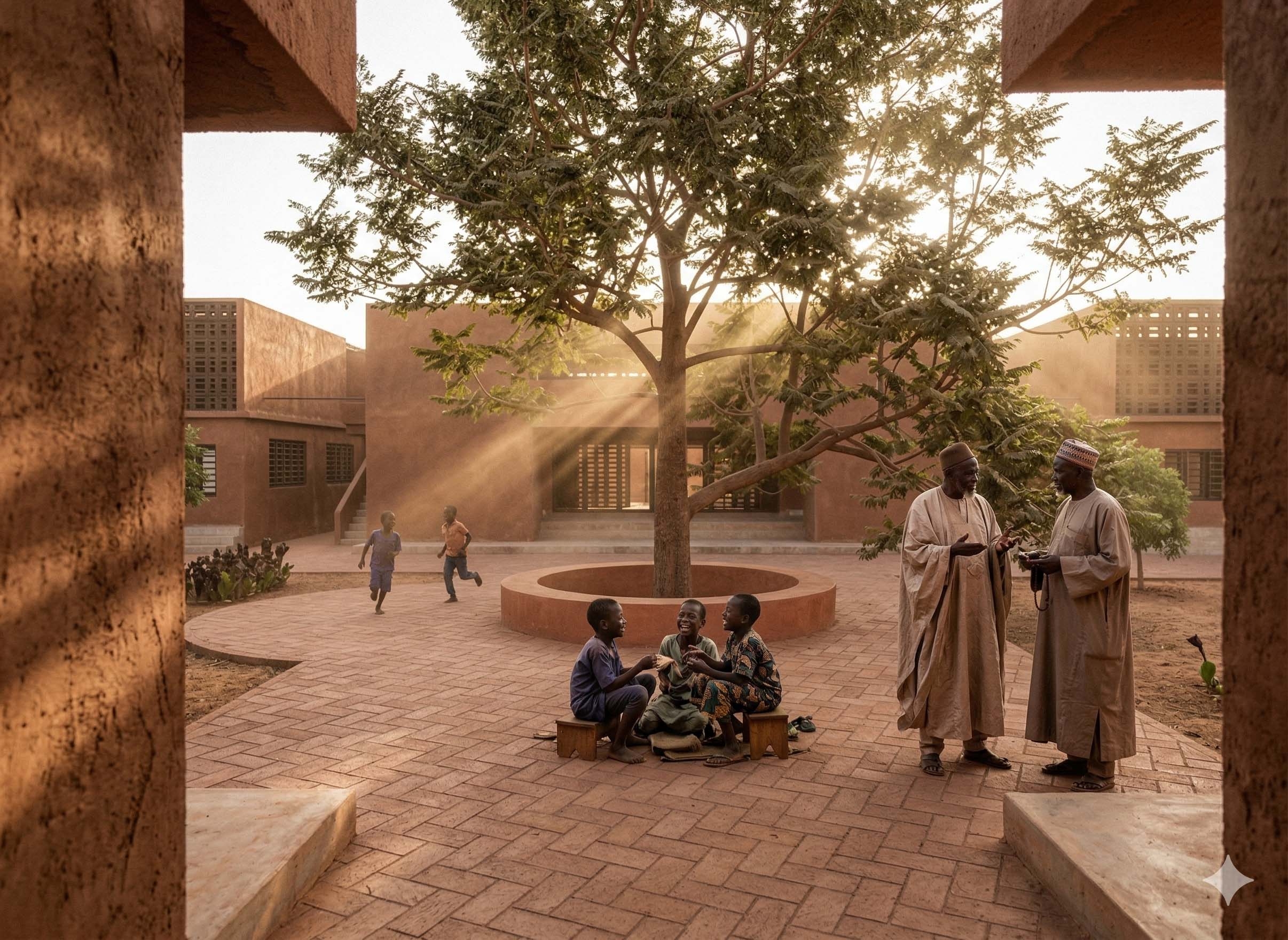
When space turns into silent reformation. TAQWA emerges from a simple yet deeply rooted observation within West African societies: the reality of talibé children, caught between spiritual education and precarious living conditions. Rather than breaking away from the traditional daara system, the project proposes a respectful continuity—reinterpreting its foundations while addressing the essential needs of children. Architecture becomes a tool for gentle transformation. Spaces are designed to structure daily life: learning, living, eating, resting, and growing. Each element carries intention. Classrooms provide a calm and dignified environment. Workshops foster skill development, allowing children to envision a future beyond survival. The garden becomes both productive and educational, encouraging autonomy and supporting daily life. At its core, the prayer space preserves its spiritual essence within a calm and structured atmosphere. The shop enhances the value of crafted objects, generating local opportunities and recognition. TAQWA embodies a balance between tradition and evolution. It does not replace—it reveals. Because every child deserves to grow with dignity.
When space turns into silent reformation. TAQWA emerges from a simple yet deeply rooted observation within West African societies: the reality of talibé children, caught between spiritual education and precarious living conditions. Rather than breaking away from the traditional daara system, the project proposes a respectful continuity—reinterpreting its foundations while addressing the essential needs of children. Architecture becomes a tool for gentle transformation. Spaces are designed to structure daily life: learning, living, eating, resting, and growing. Each element carries intention. Classrooms provide a calm and dignified environment. Workshops foster skill development, allowing children to envision a future beyond survival. The garden becomes both productive and educational, encouraging autonomy and supporting daily life. At its core, the prayer space preserves its spiritual essence within a calm and structured atmosphere. The shop enhances the value of crafted objects, generating local opportunities and recognition. TAQWA embodies a balance between tradition and evolution. It does not replace—it reveals. Because every child deserves to grow with dignity.
Project Innovation / Specification:
TAQWA stands out through a sensitive and contextual approach that does not aim to replace existing structures, but to reinterpret them. It operates within a logic of cultural continuity, enhancing the traditional daara system while addressing the fundamental needs of children. The innovation lies in the use of architecture as a tool for gentle social transformation. Spaces are designed holistically, integrating learning, daily life, production, and spirituality within a coherent and structured environment. The project also introduces a productive and autonomous dimension through workshops and a shop, generating local economic opportunities and enhancing craftsmanship. The educational garden contributes to food production, knowledge transmission, and community involvement, particularly of women. TAQWA thus embodies a balance between tradition and modernity, offering a dignified, structured, and adaptable environment rooted in local realities.
TAQWA stands out through a sensitive and contextual approach that does not aim to replace existing structures, but to reinterpret them. It operates within a logic of cultural continuity, enhancing the traditional daara system while addressing the fundamental needs of children. The innovation lies in the use of architecture as a tool for gentle social transformation. Spaces are designed holistically, integrating learning, daily life, production, and spirituality within a coherent and structured environment. The project also introduces a productive and autonomous dimension through workshops and a shop, generating local economic opportunities and enhancing craftsmanship. The educational garden contributes to food production, knowledge transmission, and community involvement, particularly of women. TAQWA thus embodies a balance between tradition and modernity, offering a dignified, structured, and adaptable environment rooted in local realities.
Project Sustainability Approach:
TAQWA adopts a sustainable approach rooted in its environmental, social, and cultural context. It prioritizes the use of local materials, such as earth, reducing carbon impact while enhancing traditional construction knowledge. The bioclimatic design optimizes natural ventilation, shading, and thermal mass, ensuring comfort adapted to the climate without heavy reliance on energy-consuming systems. Outdoor spaces, particularly the garden, support sustainable resource management by encouraging local food production and autonomy. On a social level, the project strengthens community dynamics by involving users—especially children and women—in productive and educational activities. This approach fosters knowledge transmission, inclusion, and resilience. TAQWA thus embodies a holistic vision of sustainability, where architecture, environment, and society evolve in harmony.
TAQWA adopts a sustainable approach rooted in its environmental, social, and cultural context. It prioritizes the use of local materials, such as earth, reducing carbon impact while enhancing traditional construction knowledge. The bioclimatic design optimizes natural ventilation, shading, and thermal mass, ensuring comfort adapted to the climate without heavy reliance on energy-consuming systems. Outdoor spaces, particularly the garden, support sustainable resource management by encouraging local food production and autonomy. On a social level, the project strengthens community dynamics by involving users—especially children and women—in productive and educational activities. This approach fosters knowledge transmission, inclusion, and resilience. TAQWA thus embodies a holistic vision of sustainability, where architecture, environment, and society evolve in harmony.
Local and Regional Impacts of the Project:
TAQWA generates both local and regional impacts by addressing social, educational, and economic challenges within its context. At the local scale, the project improves the daily lives of talibé children by providing a safe, structured, and dignified environment for learning, living, and personal development. It reduces their exposure to street vulnerability while reinforcing access to education and basic needs. The project also strengthens community dynamics by involving local actors, particularly women, in food preparation and productive activities. Through workshops and the integration of a shop, TAQWA supports skill development and creates opportunities for economic participation, contributing to local resilience. At the regional level, the project offers a replicable model for rethin
TAQWA generates both local and regional impacts by addressing social, educational, and economic challenges within its context. At the local scale, the project improves the daily lives of talibé children by providing a safe, structured, and dignified environment for learning, living, and personal development. It reduces their exposure to street vulnerability while reinforcing access to education and basic needs. The project also strengthens community dynamics by involving local actors, particularly women, in food preparation and productive activities. Through workshops and the integration of a shop, TAQWA supports skill development and creates opportunities for economic participation, contributing to local resilience. At the regional level, the project offers a replicable model for rethin

Lead Designer(s) Name(s):Anta Tientore