OGOUN - Goddess of Iron and Courage
Prize(s):
EMERGING ARCHITECT OF THE YEAR 2026 | WINNER 2026 ARCHITECTURE / Religious & Spiritual Building Architecture
School / University Name:Africa Design School
Lead Designer(s) Name(s):Francois ABATAN
Design Team / Other designer(s):Sanny Axelle, GNIMADI Carol
Professor Name(s):Koutempa
Project Location:Benin
Design Status:Concept
Project Description:
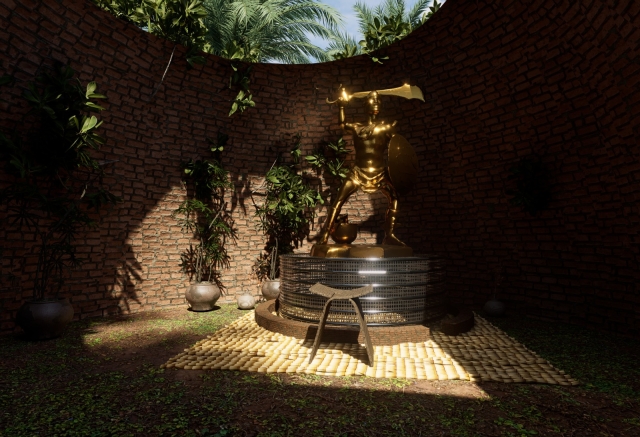
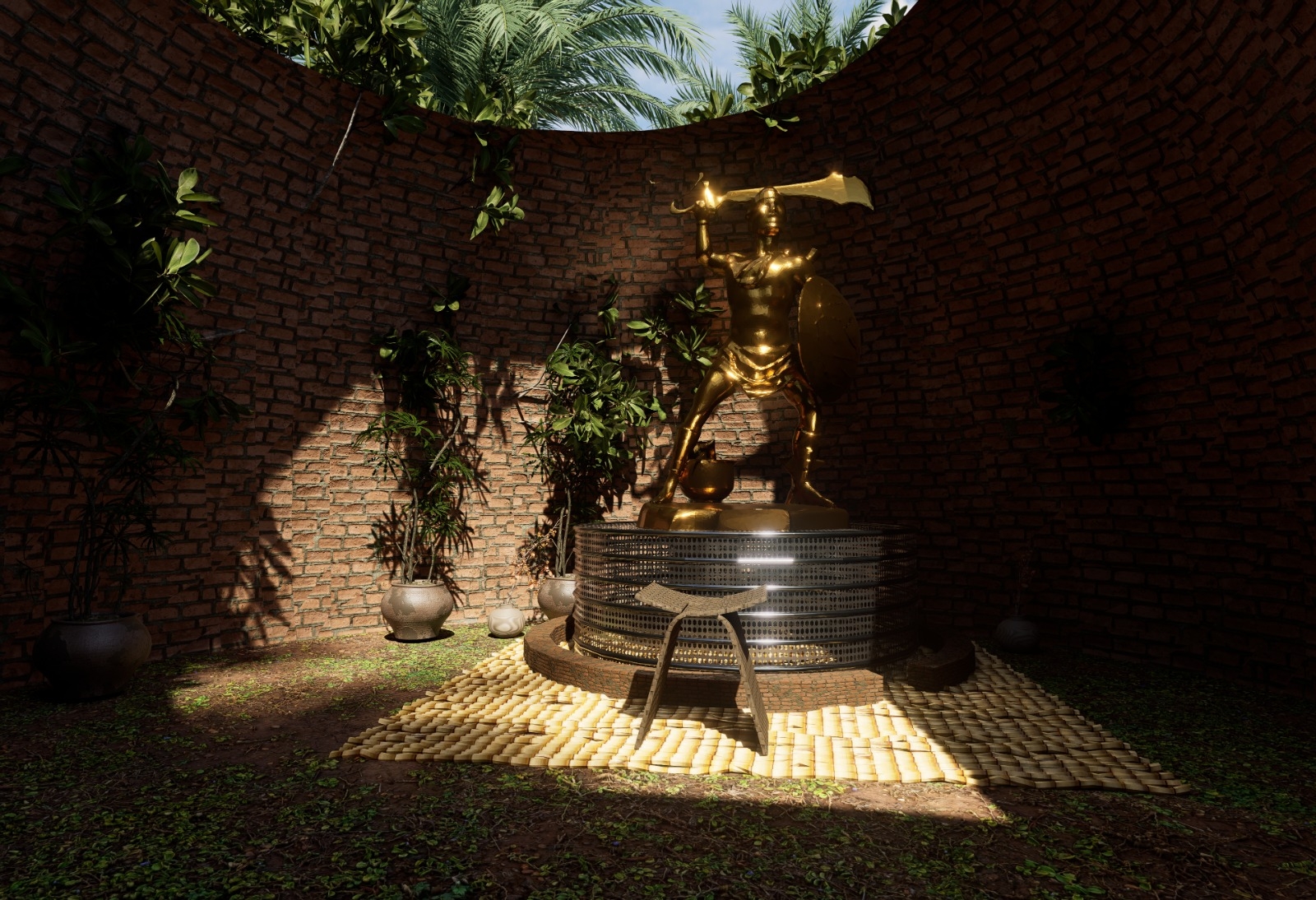
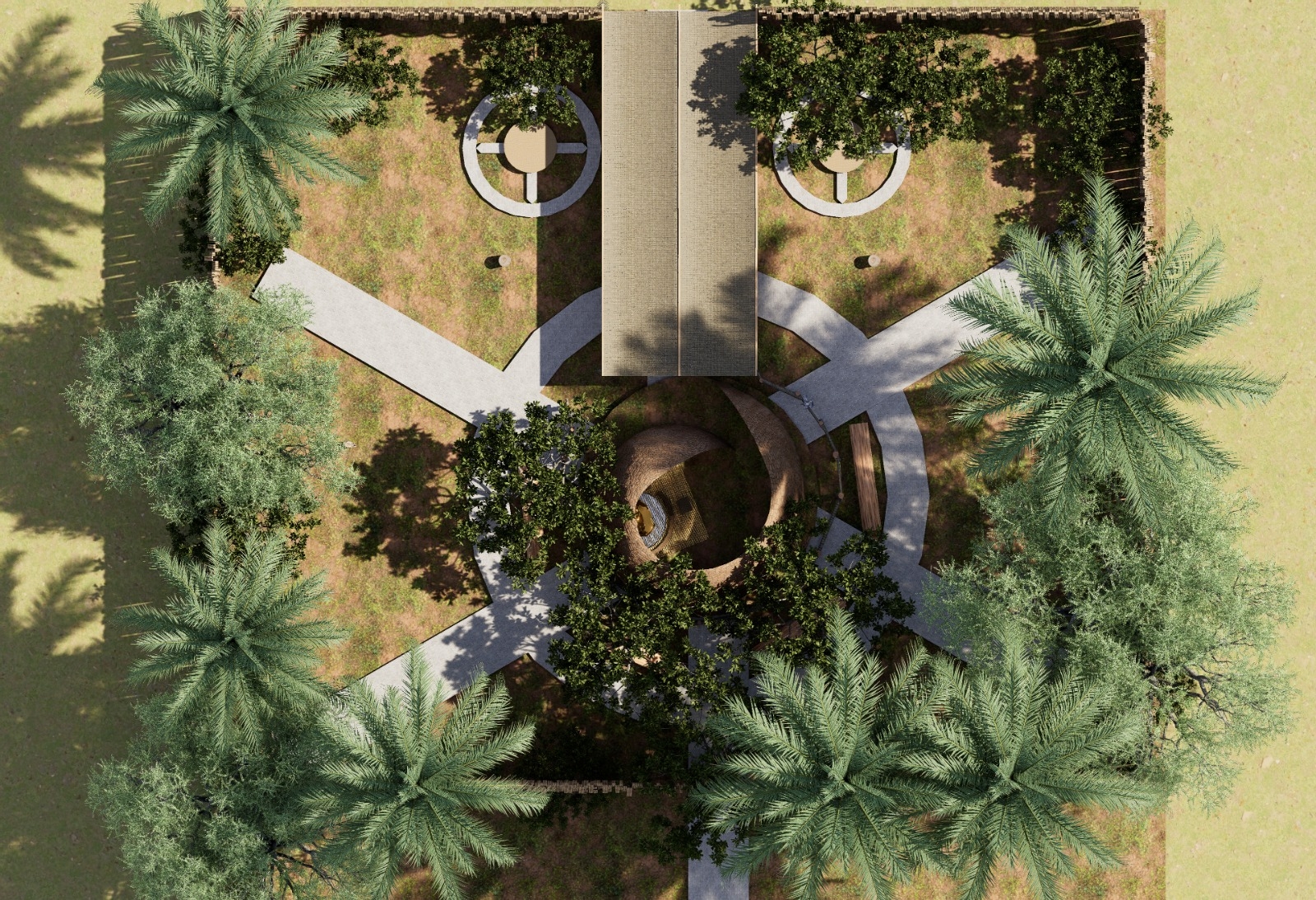
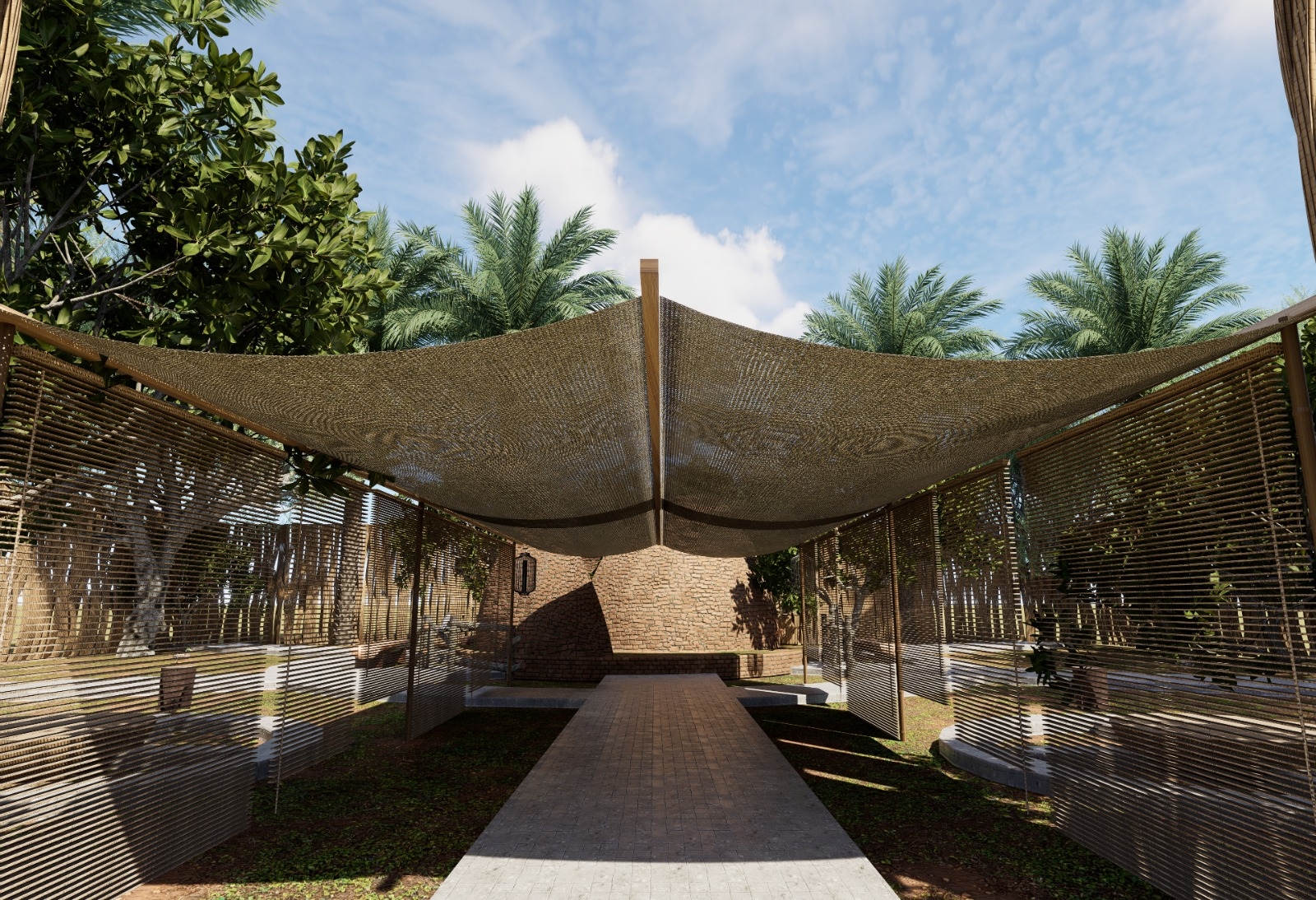
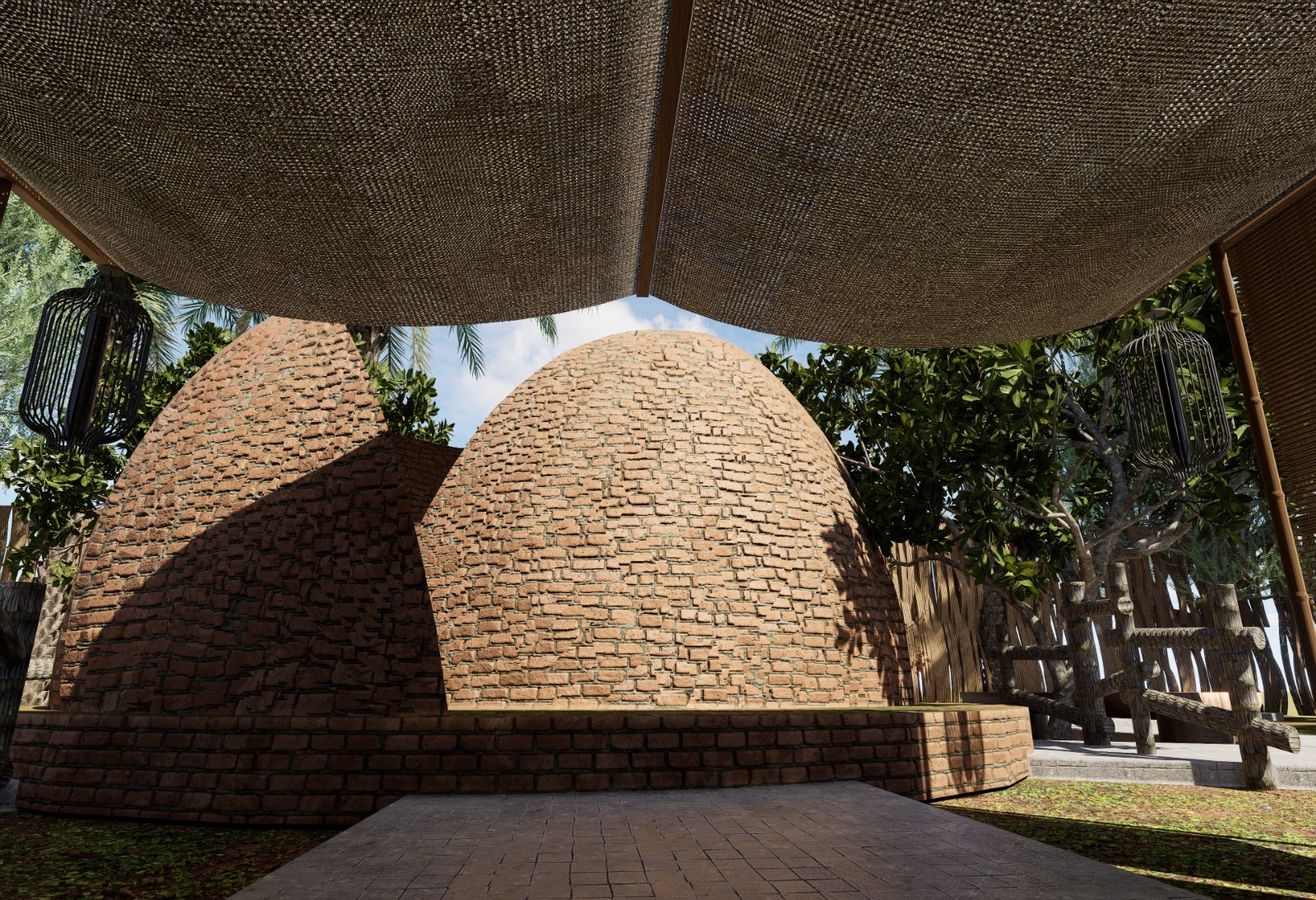
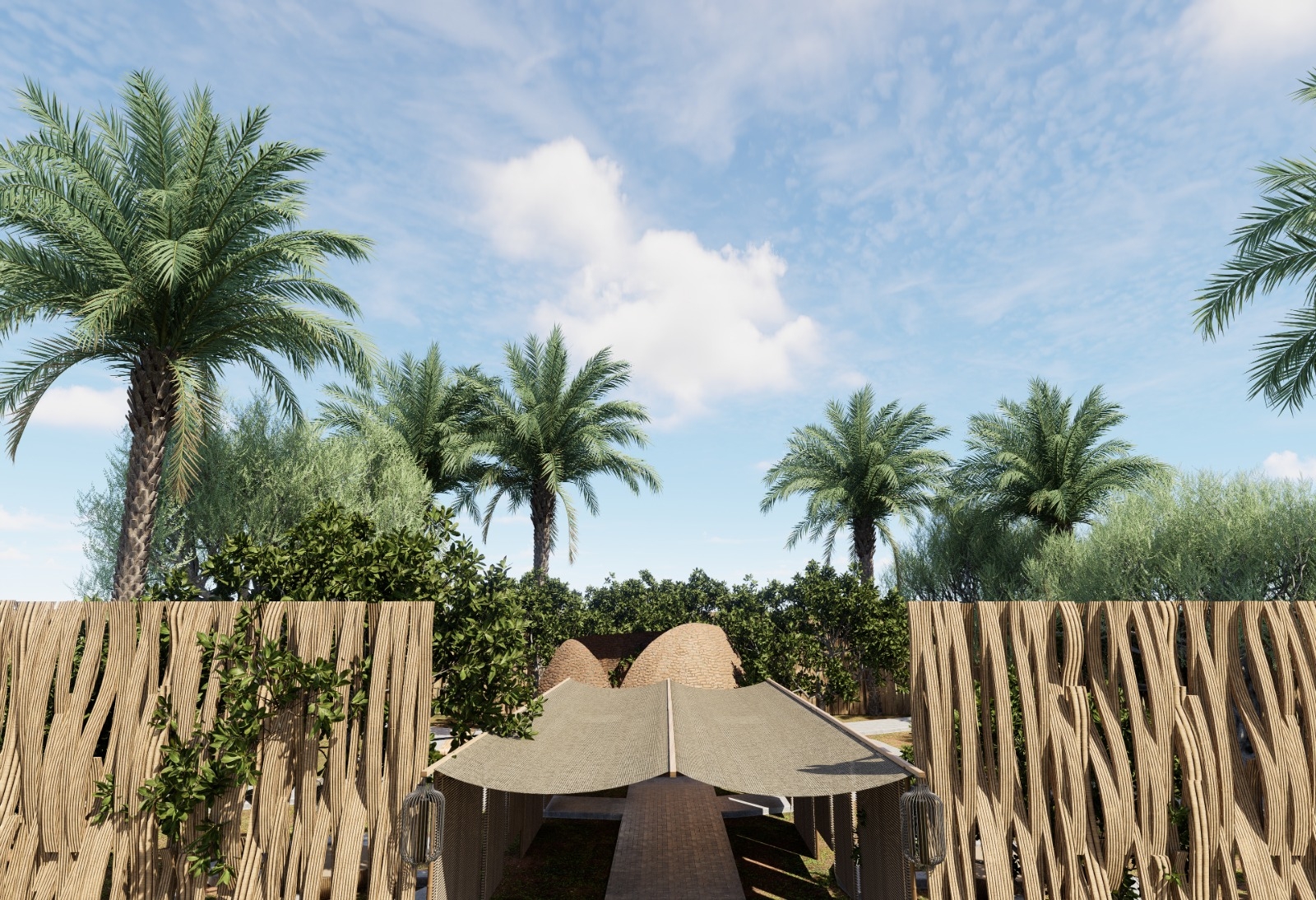
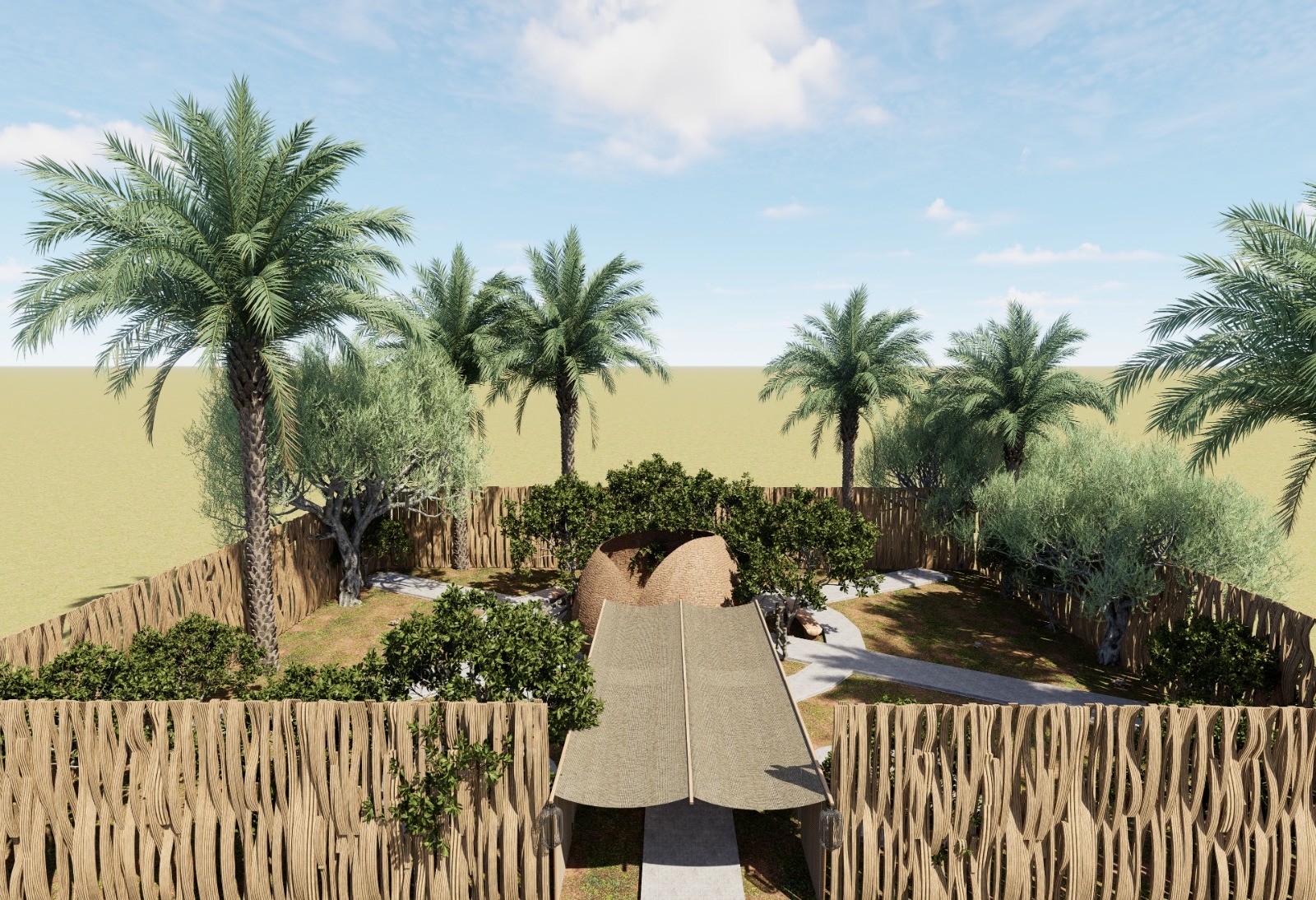
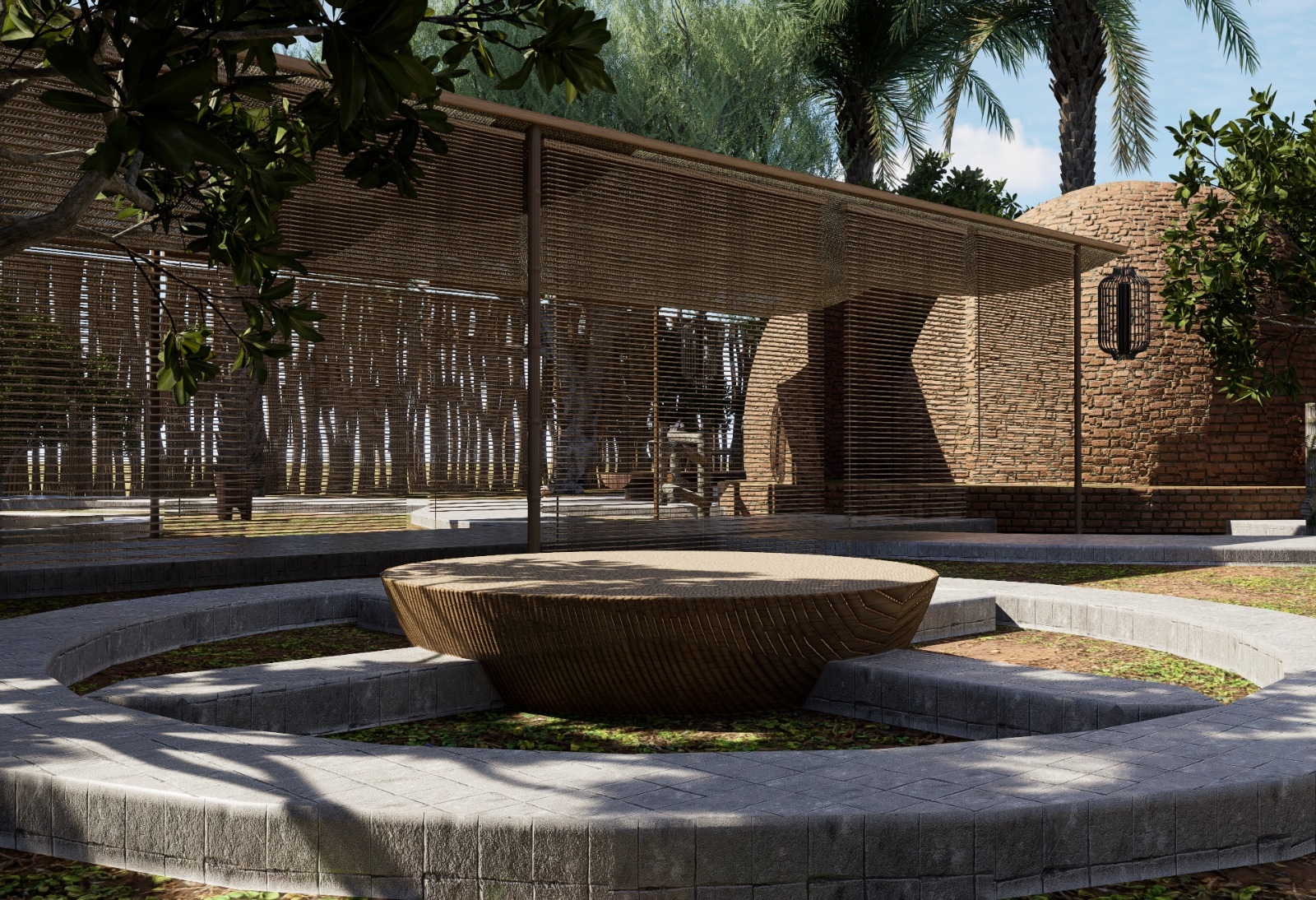
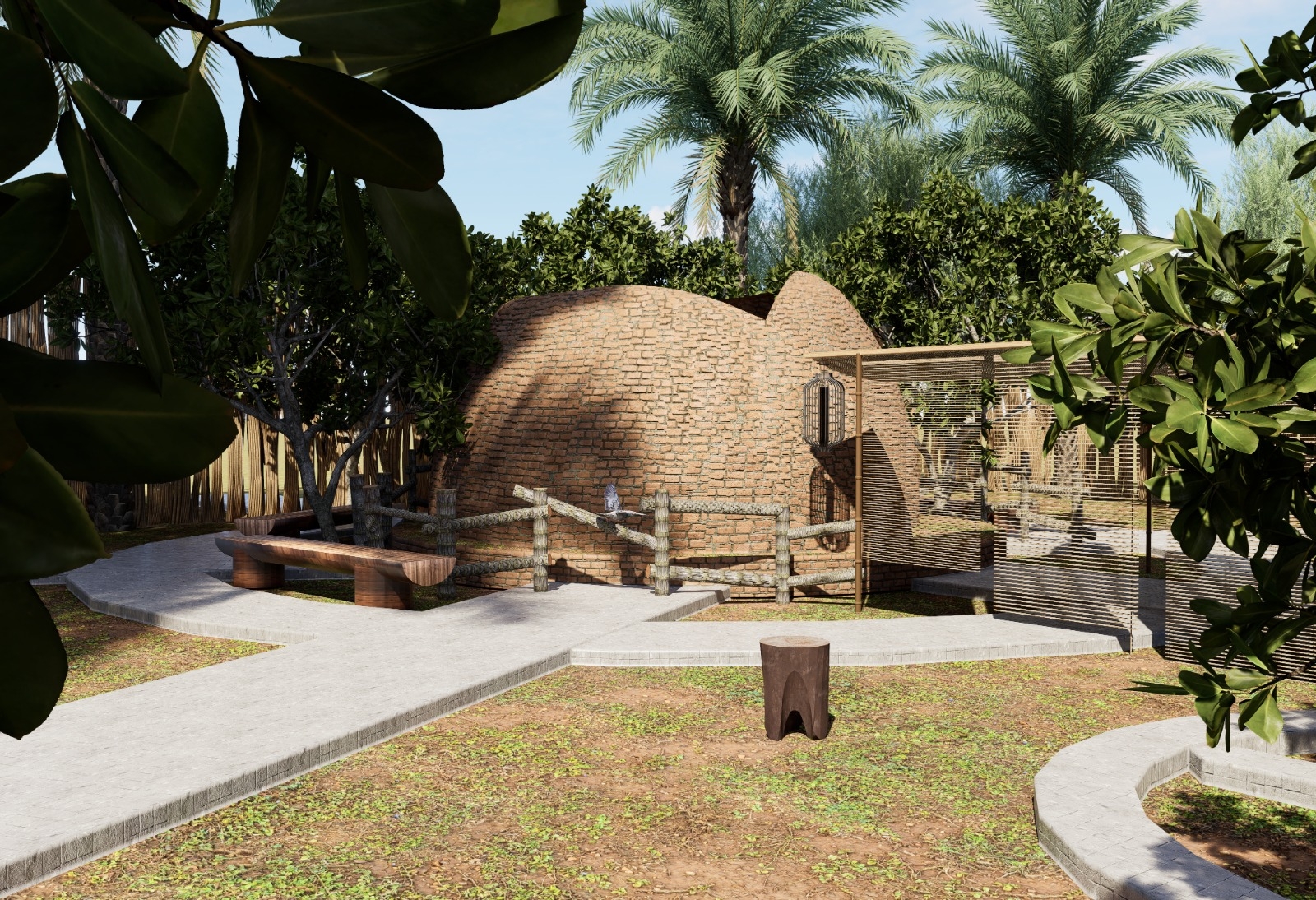
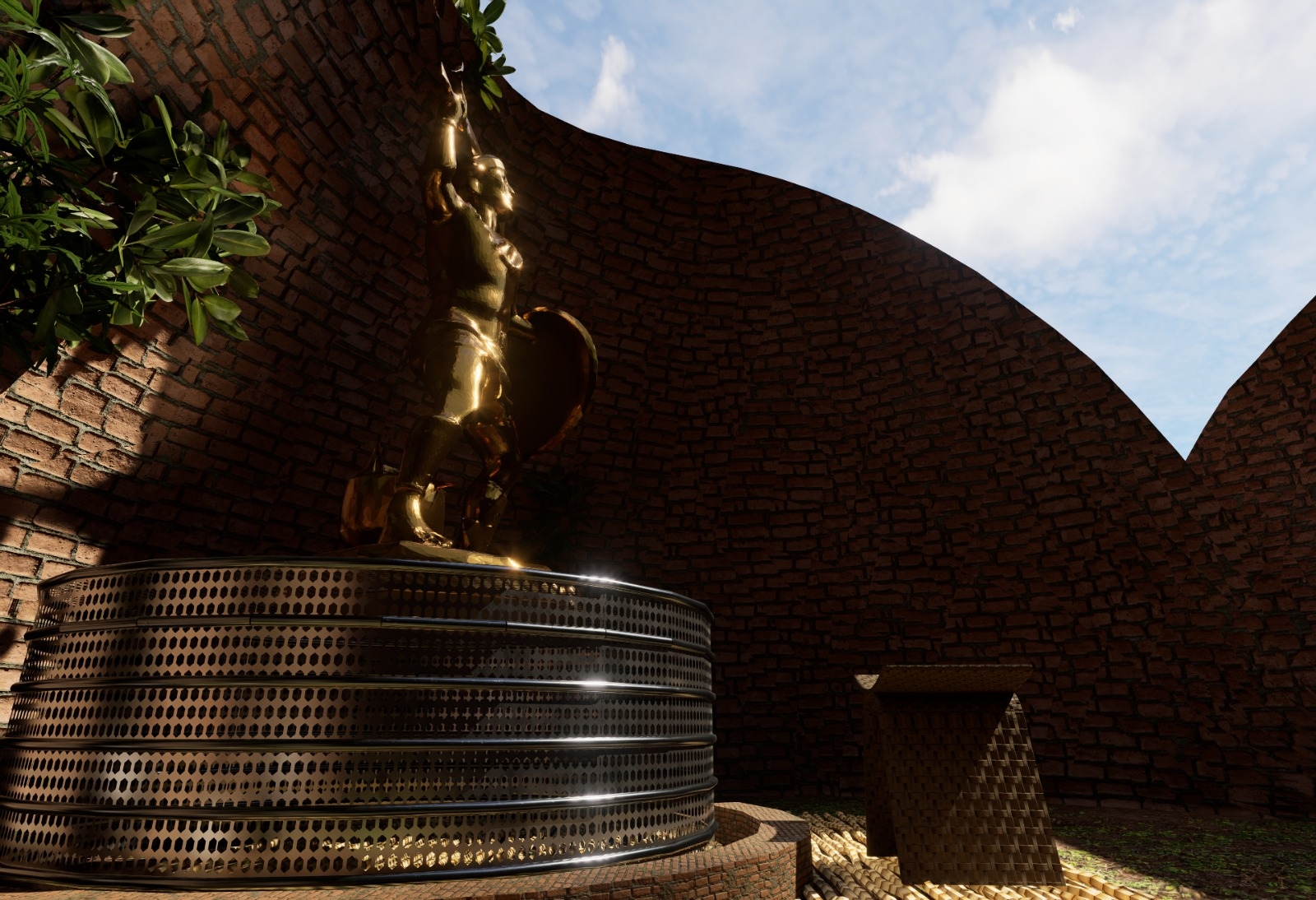
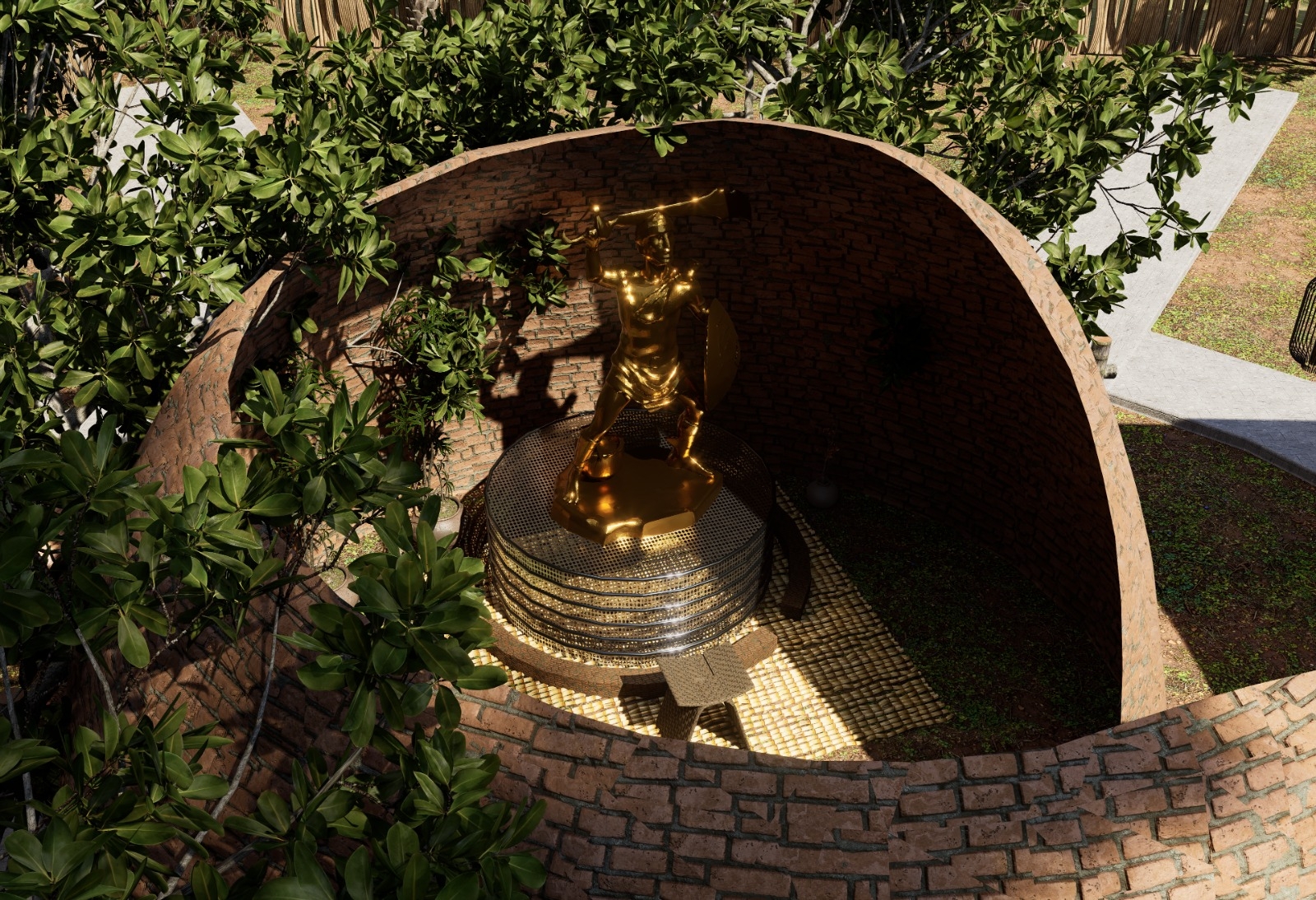
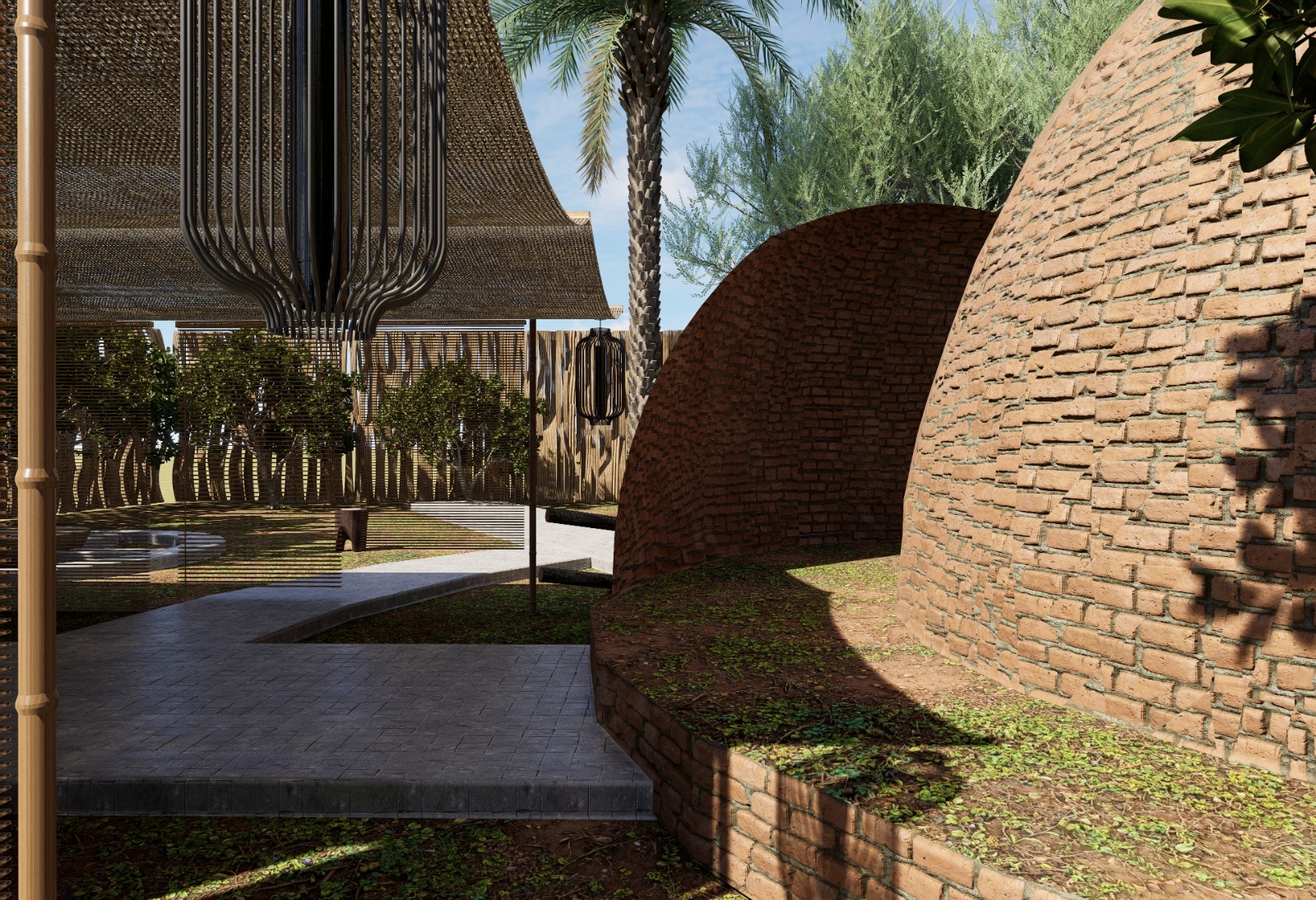
This project proposes a contemporary reinterpretation of a temple dedicated to Ogoun, the Vodoun deity associated with iron, strength, and transformation. The space is organized around a central circular sanctuary, enclosed by a brick wall that creates an intimate and sacred atmosphere. At the center, the statue of Ogoun is highlighted by a natural light opening, symbolizing the connection between the spiritual and earthly worlds. The project integrates vegetation and landscape pathways, creating a gradual transition from the outside environment to the sacred space. Materials such as brick, metal, and natural textures reference Ogoun’s domain of forge, energy, and power. Through this approach, the project aims to modernize the place of worship while respecting the symbolic and cultural identity of Vodoun traditions.
This project proposes a contemporary reinterpretation of a temple dedicated to Ogoun, the Vodoun deity associated with iron, strength, and transformation. The space is organized around a central circular sanctuary, enclosed by a brick wall that creates an intimate and sacred atmosphere. At the center, the statue of Ogoun is highlighted by a natural light opening, symbolizing the connection between the spiritual and earthly worlds. The project integrates vegetation and landscape pathways, creating a gradual transition from the outside environment to the sacred space. Materials such as brick, metal, and natural textures reference Ogoun’s domain of forge, energy, and power. Through this approach, the project aims to modernize the place of worship while respecting the symbolic and cultural identity of Vodoun traditions.
Project Innovation / Specification:
This project introduces a contemporary interpretation of a temple dedicated to Ogoun, a central figure in Vodun spirituality associated with iron, strength, protection, and transformation. The design seeks to bridge tradition and modern architectural expression while maintaining the spiritual essence of Vodoun worship. The temple is structured around a central circular sanctuary, a spatial form that symbolizes unity, protection, and continuity. This circular organization reinforces the sacred nature of the space while guiding visitors naturally toward the spiritual core of the temple. A peripheral brick enclosure defines the sacred boundary of the site, creating an intimate and contemplative atmosphere. The use of brick not only references traditional construction methods but also evokes a sense of permanence and groundedness within the landscape. At the heart of the sanctuary, the statue of Ogoun is illuminated by a zenithal opening, allowing natural light to enter from above. This architectural gesture symbolizes the connection between the spiritual realm and the earthly world, reinforcing the sacred presence of the deity.
This project introduces a contemporary interpretation of a temple dedicated to Ogoun, a central figure in Vodun spirituality associated with iron, strength, protection, and transformation. The design seeks to bridge tradition and modern architectural expression while maintaining the spiritual essence of Vodoun worship. The temple is structured around a central circular sanctuary, a spatial form that symbolizes unity, protection, and continuity. This circular organization reinforces the sacred nature of the space while guiding visitors naturally toward the spiritual core of the temple. A peripheral brick enclosure defines the sacred boundary of the site, creating an intimate and contemplative atmosphere. The use of brick not only references traditional construction methods but also evokes a sense of permanence and groundedness within the landscape. At the heart of the sanctuary, the statue of Ogoun is illuminated by a zenithal opening, allowing natural light to enter from above. This architectural gesture symbolizes the connection between the spiritual realm and the earthly world, reinforcing the sacred presence of the deity.
Project Sustainability Approach:
The project adopts a sustainable design strategy that combines environmental responsiveness, the use of local materials, and respect for cultural practices linked to Vodun worship dedicated to Ogoun. First, the architectural layout promotes passive environmental strategies. The circular sanctuary and open pathways encourage natural ventilation, allowing air to circulate freely through the space and reducing the need for mechanical cooling. The central opening above the sanctuary introduces natural daylight into the core of the temple, minimizing artificial lighting during the day. The project also prioritizes the use of local and durable materials. Brick and natural textures are selected for their thermal performance, availability, and low environmental impact. These materials help regulate indoor temperatures while supporting local construction techniques and reducing transportation-related carbon emissions. Vegetation plays an important role in the sustainability strategy. Integrated landscaping and planted areas contribute to microclimate regulation by providing shade, reducing heat accumulation, and improving overall environmental comfort.
The project adopts a sustainable design strategy that combines environmental responsiveness, the use of local materials, and respect for cultural practices linked to Vodun worship dedicated to Ogoun. First, the architectural layout promotes passive environmental strategies. The circular sanctuary and open pathways encourage natural ventilation, allowing air to circulate freely through the space and reducing the need for mechanical cooling. The central opening above the sanctuary introduces natural daylight into the core of the temple, minimizing artificial lighting during the day. The project also prioritizes the use of local and durable materials. Brick and natural textures are selected for their thermal performance, availability, and low environmental impact. These materials help regulate indoor temperatures while supporting local construction techniques and reducing transportation-related carbon emissions. Vegetation plays an important role in the sustainability strategy. Integrated landscaping and planted areas contribute to microclimate regulation by providing shade, reducing heat accumulation, and improving overall environmental comfort.
Local and Regional Impacts of the Project:
The project contributes to both local and regional development by strengthening cultural identity, supporting local economies, and promoting sustainable architectural practices connected to Vodun traditions and the worship of Ogoun. At the local level, the temple creates a meaningful spiritual and community space where rituals, gatherings, and cultural practices can take place. By reinterpreting the place of worship in a contemporary way, the project helps preserve and valorize Vodoun heritage while making it accessible to younger generations. The use of local materials and construction techniques also supports local artisans and builders, encouraging knowledge transmission and strengthening the local economy.
The project contributes to both local and regional development by strengthening cultural identity, supporting local economies, and promoting sustainable architectural practices connected to Vodun traditions and the worship of Ogoun. At the local level, the temple creates a meaningful spiritual and community space where rituals, gatherings, and cultural practices can take place. By reinterpreting the place of worship in a contemporary way, the project helps preserve and valorize Vodoun heritage while making it accessible to younger generations. The use of local materials and construction techniques also supports local artisans and builders, encouraging knowledge transmission and strengthening the local economy.