


BEAK! THE CITRUS SQUEEZER
Prize(s):
WINNER 2026 PRODUCT DESIGN / Industrial Product | PRODUCT DESIGN / Homeware & Decoration
Lead Designer(s) Name(s):Larry TCHOGNINOU
Manufacturer Name:Larry TCHOGNINOU
Distributors Name:Ruptur Vision
Photo Credit:PIO MIO STUDIO (@piomiostudio)
Project Location:Cotonou (Benin)
Design Status:Commercialized
Website: View
Video URL:View
Product Description:
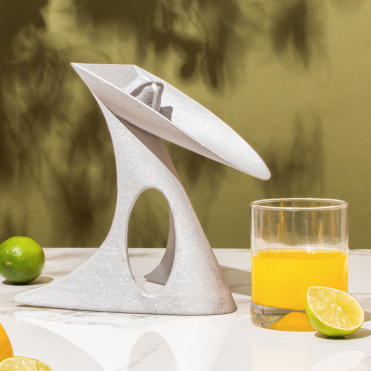
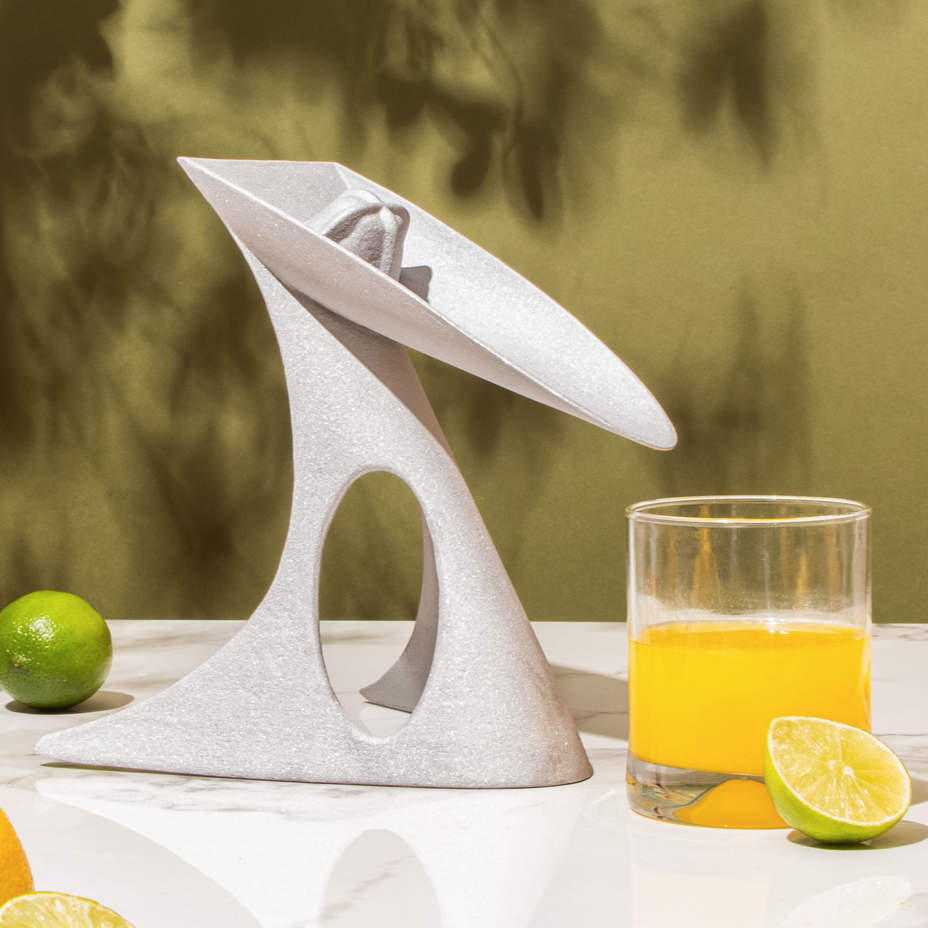
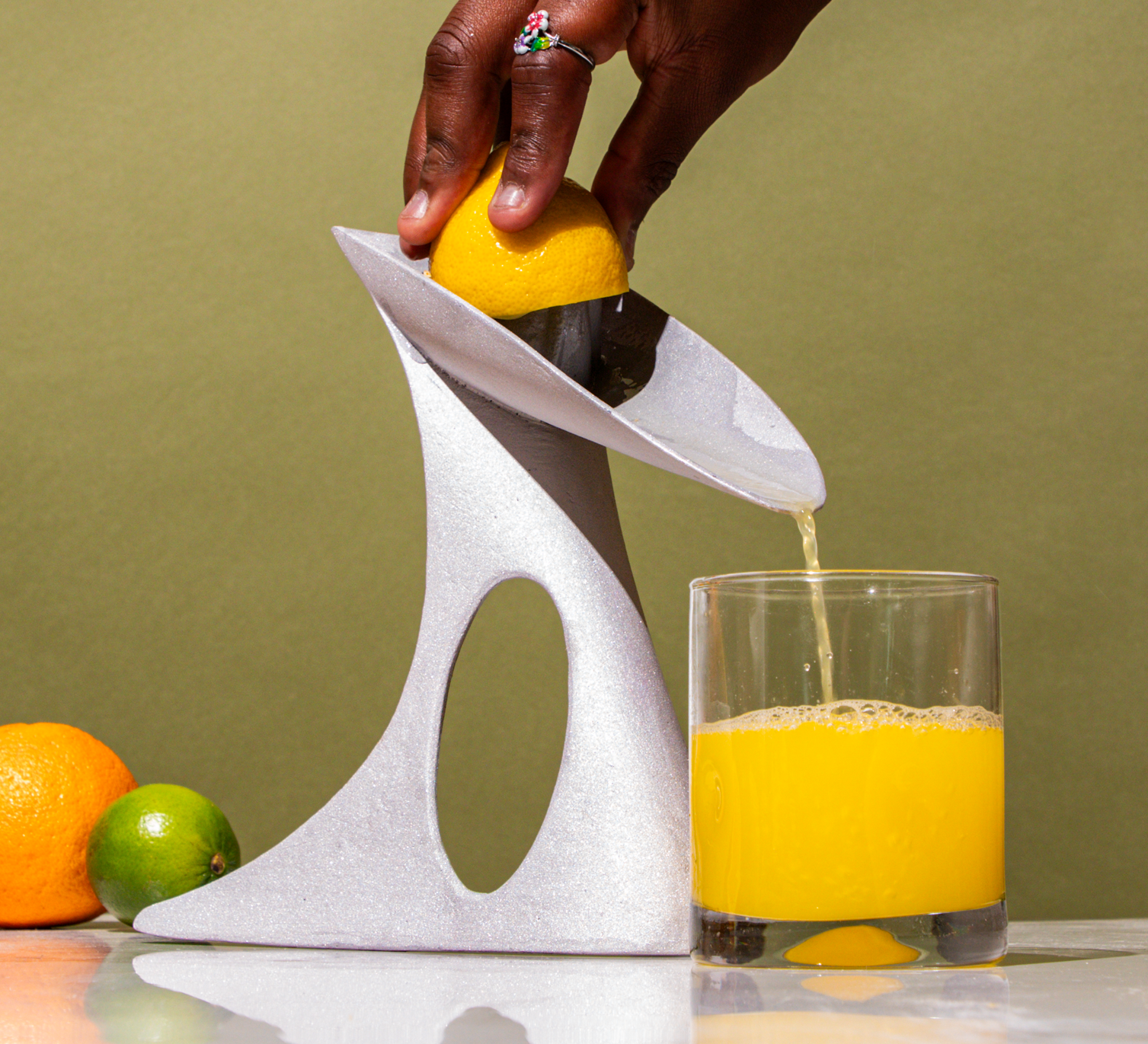
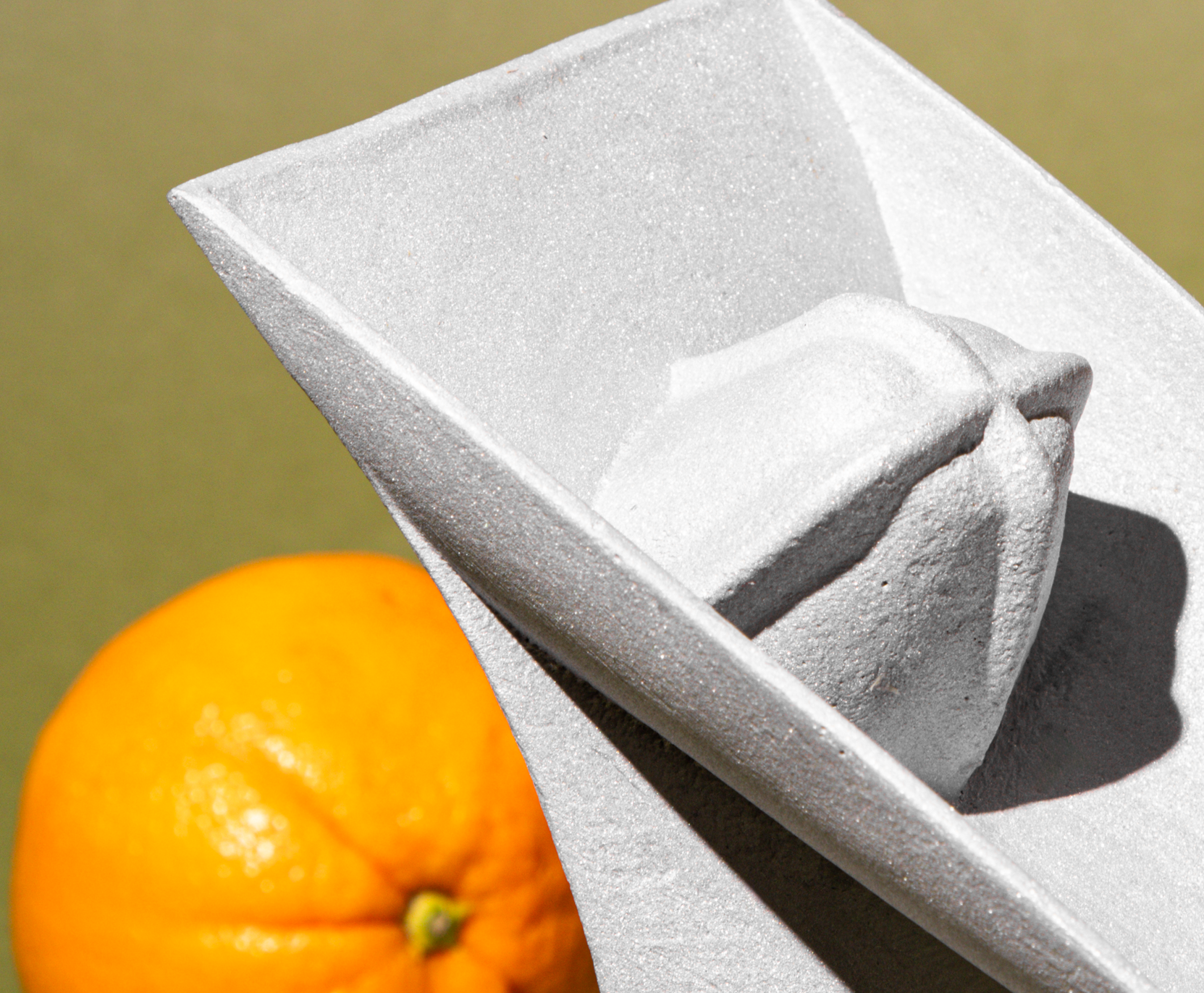
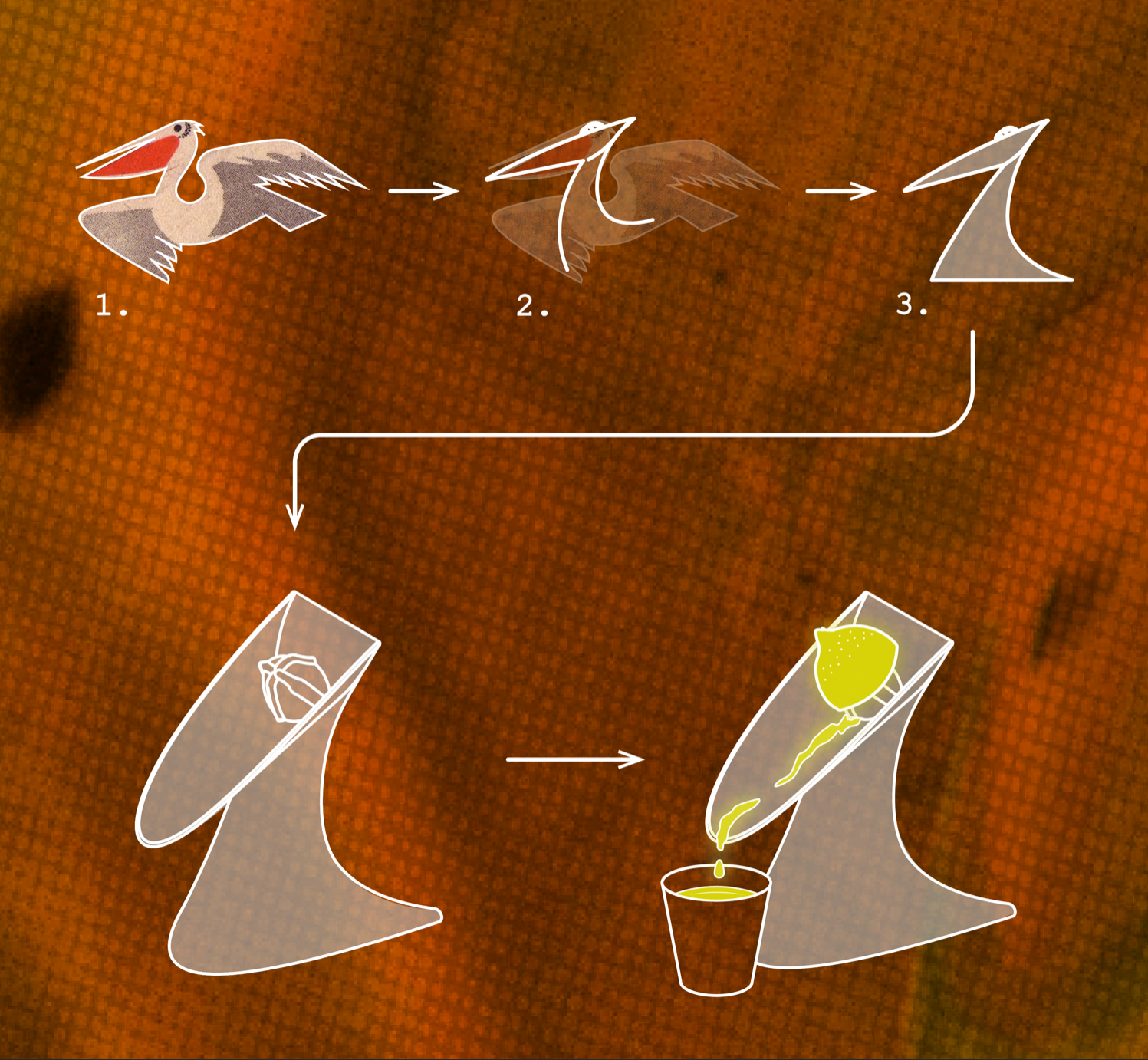
I was truly tired to press citruses without a proper tool. As a result, the need came to design something to transform the task into a pleasure: A Citrus Squeezer. There is something so beautiful, and sensual with the "S" that a bird's neck forms with its beak. I saw a vessel in that expression, and I captured it in this object. Made to squeeze any citrus (lemon, lime, oranges...etc), this object aims to blend art, design, emotion, and utility in unexpected ways. A decorative veil exploring the contradiction between function and expression. It can sit in a kitchen as utensil or on a stand as art. You decide what it is! The material is sand casted aluminium, which makes each squeezer unique. Crafted, casted and produced in Cotonou, Benin by local artisan with an incredible and high level of savoir-faire.
I was truly tired to press citruses without a proper tool. As a result, the need came to design something to transform the task into a pleasure: A Citrus Squeezer. There is something so beautiful, and sensual with the "S" that a bird's neck forms with its beak. I saw a vessel in that expression, and I captured it in this object. Made to squeeze any citrus (lemon, lime, oranges...etc), this object aims to blend art, design, emotion, and utility in unexpected ways. A decorative veil exploring the contradiction between function and expression. It can sit in a kitchen as utensil or on a stand as art. You decide what it is! The material is sand casted aluminium, which makes each squeezer unique. Crafted, casted and produced in Cotonou, Benin by local artisan with an incredible and high level of savoir-faire.
Product Innovation / Specification:
The citrus squeezer reinterprets a functional kitchen tool as a sculptural object, merging ergonomic performance with expressive form. Designed to accommodate multiple citrus sizes (lemon, lime, orange), its geometry enables efficient juice extraction through controlled pressure and fluid flow, while allowing the object to function equally as a utensil or a display piece. The product is manufactured using traditional sand-casting techniques in Cotonou, Benin, a process rooted in local metalworking expertise. Molten aluminum is poured into hand-prepared sand molds, creating subtle surface variations and dimensional uniqueness in each piece. This artisanal method ensures structural integrity while preserving the visible traces of craftsmanship. Cast aluminum is selected for its durability, corrosion resistance, and lightweight properties, making the squeezer suitable for repeated culinary use. Each piece is manually refined and inspected by local artisans before being sandblasted and finished in Chicago, balancing raw material expression with contemporary design standards. The result is a functional object where local casting savoir-faire is integral to identity.
The citrus squeezer reinterprets a functional kitchen tool as a sculptural object, merging ergonomic performance with expressive form. Designed to accommodate multiple citrus sizes (lemon, lime, orange), its geometry enables efficient juice extraction through controlled pressure and fluid flow, while allowing the object to function equally as a utensil or a display piece. The product is manufactured using traditional sand-casting techniques in Cotonou, Benin, a process rooted in local metalworking expertise. Molten aluminum is poured into hand-prepared sand molds, creating subtle surface variations and dimensional uniqueness in each piece. This artisanal method ensures structural integrity while preserving the visible traces of craftsmanship. Cast aluminum is selected for its durability, corrosion resistance, and lightweight properties, making the squeezer suitable for repeated culinary use. Each piece is manually refined and inspected by local artisans before being sandblasted and finished in Chicago, balancing raw material expression with contemporary design standards. The result is a functional object where local casting savoir-faire is integral to identity.
Product Sustainability Approach:
The product’s sustainability approach is rooted in material choice, production methods, and cultural longevity. The squeezer is made from recycled aluminum cans, selected for their durability, corrosion resistance, and full recyclability. This choice reduces the demand for virgin material while ensuring a long product lifespan and the ability to be reintroduced into the material cycle at end of life. Production relies on small-scale, local sand-casting practices in Cotonou, Benin, minimizing industrial waste and energy consumption compared to mass manufacturing. Sand molds are reusable, and excess aluminum from the casting process is remelted and reused, further reducing material loss. By collaborating with skilled local artisans, the project supports local craft economies and preserves traditional metalworking knowledge, embedding social sustainability into the product’s lifecycle. Finishing processes are intentionally minimal, avoiding unnecessary treatments and prioritizing material honesty. Sustainability is approached holistically—through recycled materials, low-waste production, durability, and cultural relevance—encouraging long-term use over disposability.
The product’s sustainability approach is rooted in material choice, production methods, and cultural longevity. The squeezer is made from recycled aluminum cans, selected for their durability, corrosion resistance, and full recyclability. This choice reduces the demand for virgin material while ensuring a long product lifespan and the ability to be reintroduced into the material cycle at end of life. Production relies on small-scale, local sand-casting practices in Cotonou, Benin, minimizing industrial waste and energy consumption compared to mass manufacturing. Sand molds are reusable, and excess aluminum from the casting process is remelted and reused, further reducing material loss. By collaborating with skilled local artisans, the project supports local craft economies and preserves traditional metalworking knowledge, embedding social sustainability into the product’s lifecycle. Finishing processes are intentionally minimal, avoiding unnecessary treatments and prioritizing material honesty. Sustainability is approached holistically—through recycled materials, low-waste production, durability, and cultural relevance—encouraging long-term use over disposability.
Local and Regional Impacts of the Product:
This product empowers local craft in Cotonou, Benin, using recycled aluminum cans and traditional sand-casting. It supports skilled artisans, preserves generational metalworking, and turns local waste into high-value objects, keeping streets clean and activating circular economy practices. By providing steady income and celebrating regional craftsmanship, it creates social and environmental impact. Finished in Chicago, it brings international visibility and economic value back to Beninese traditions, showing how design can transform local materials and knowledge into globally recognized work.
This product empowers local craft in Cotonou, Benin, using recycled aluminum cans and traditional sand-casting. It supports skilled artisans, preserves generational metalworking, and turns local waste into high-value objects, keeping streets clean and activating circular economy practices. By providing steady income and celebrating regional craftsmanship, it creates social and environmental impact. Finished in Chicago, it brings international visibility and economic value back to Beninese traditions, showing how design can transform local materials and knowledge into globally recognized work.

Lead Designer(s) Name(s):Larry TCHOGNINOU
Profile Description:
Larry TCHOGNINOU is a Beninese designer and architect living in Chicago, United States. He holds a degree in architecture from the Illinois Institute of Technology. "RUPTUR VISION" by Larry TCHOGNINOU is a design reflection approach based on 6 principal points. Larry has worked extensively in the field of sports equipment and accessory design. In 2021, he collaborated with NIKE on athlete SERENA WILLIAMS’ collection. He has also participated in several mentorship programs led by the late VIRGIL ABLOH, artistic director of Louis Vuitton.
Larry TCHOGNINOU is a Beninese designer and architect living in Chicago, United States. He holds a degree in architecture from the Illinois Institute of Technology. "RUPTUR VISION" by Larry TCHOGNINOU is a design reflection approach based on 6 principal points. Larry has worked extensively in the field of sports equipment and accessory design. In 2021, he collaborated with NIKE on athlete SERENA WILLIAMS’ collection. He has also participated in several mentorship programs led by the late VIRGIL ABLOH, artistic director of Louis Vuitton.