Matsaraba typeface : regenerating arabico-malagasy script system
Prize(s):
Honorable Mention 2026 Print & Digital / Other Graphics
Lead Designer(s) Name(s):domi sanji
Design Status:Prototype
Project Description:
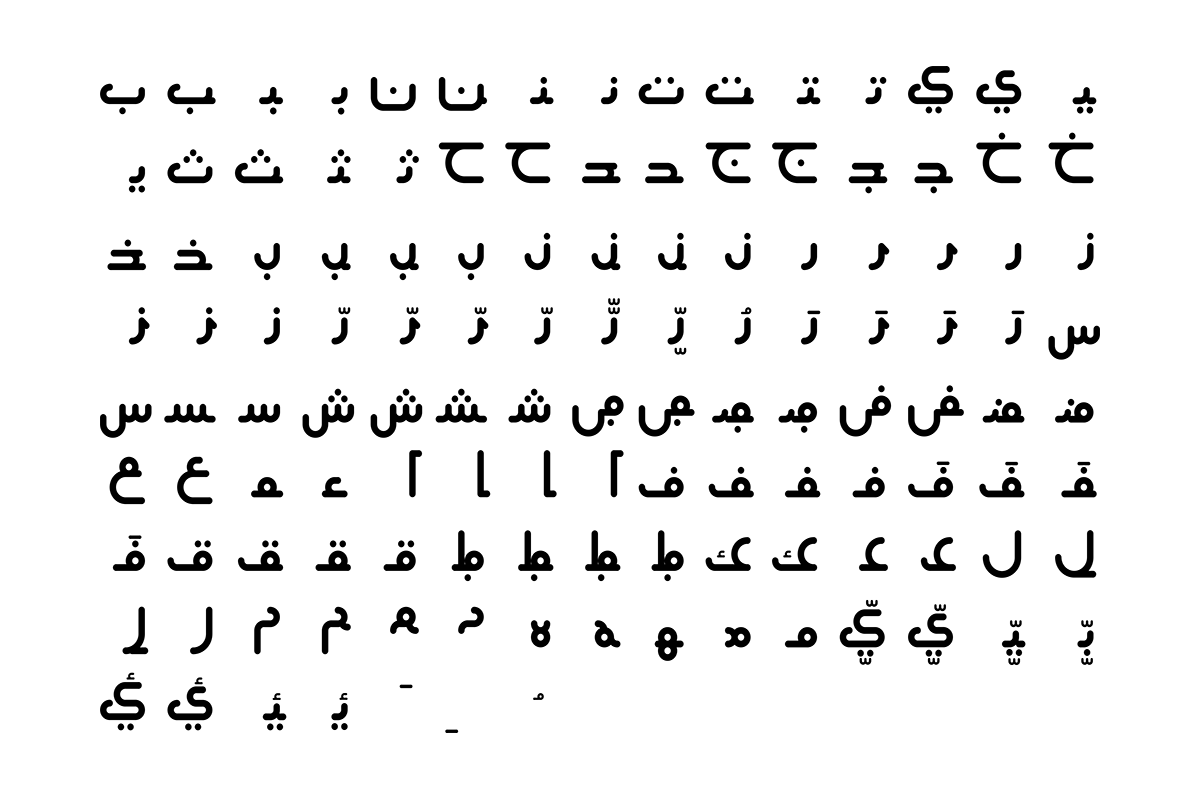
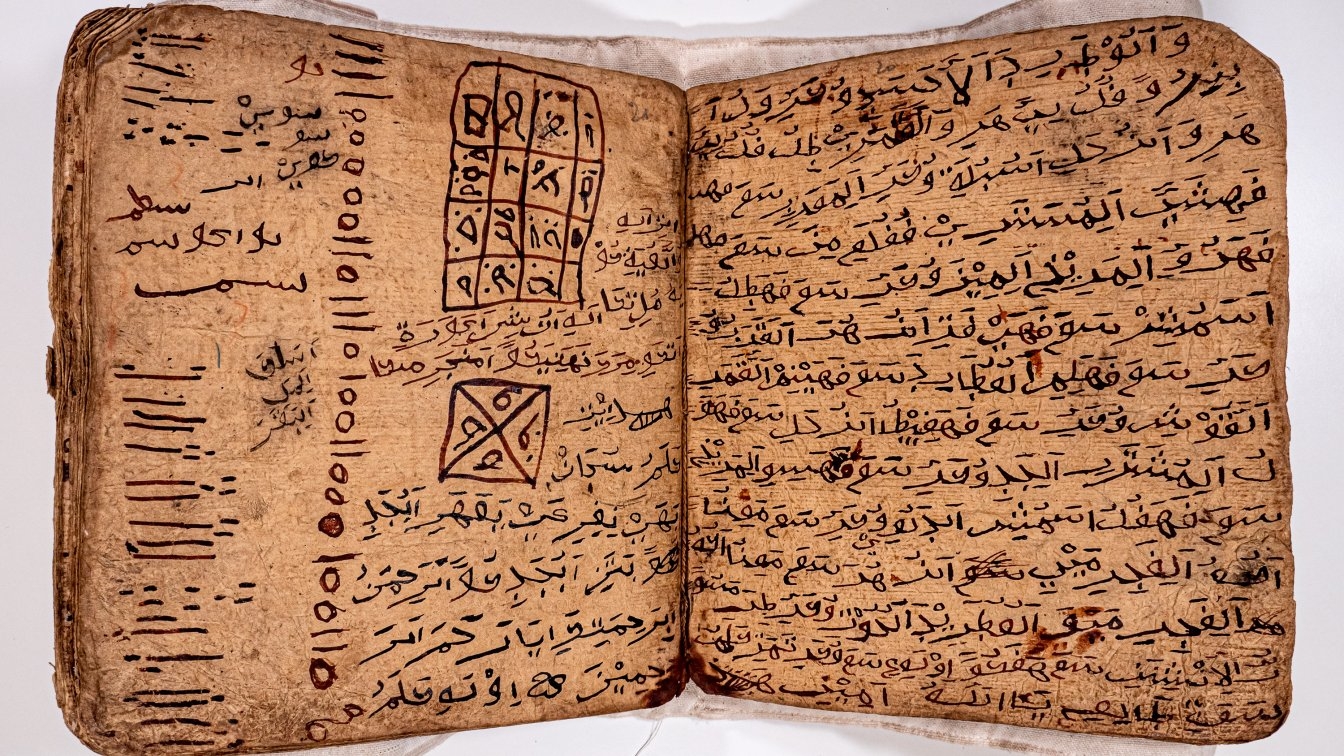
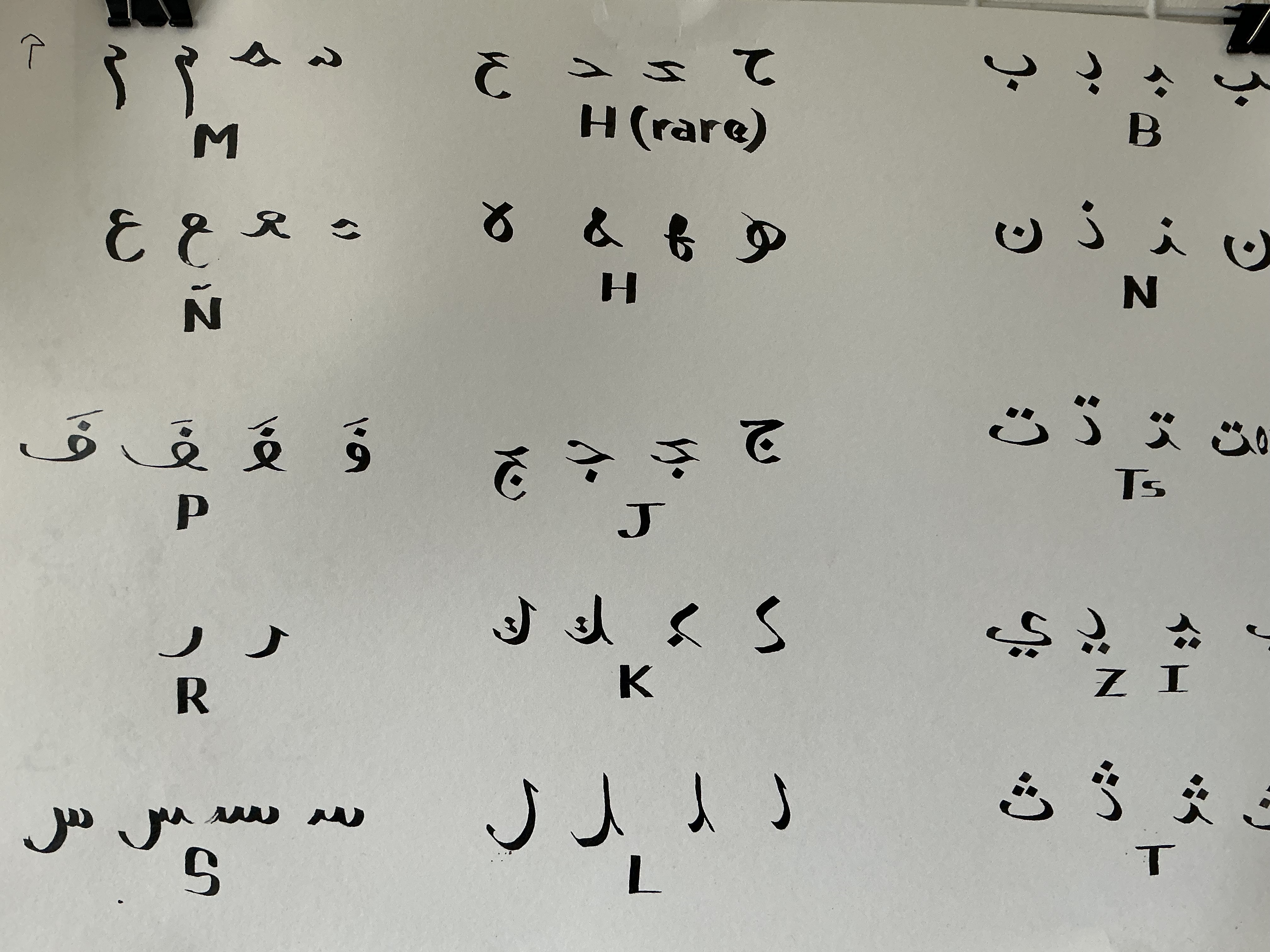
Matsaraba is a comprehensive design project focused on the digitization and revitalization of the Arabico-Malagasy script. Rooted in a doctoral framework, this project transforms a centuries-old manuscript tradition into a functional typographic infrastructure. The project adopts a multiscalar approach: it bridges the gap between the micro-structure of the individual glyph and the macro-structure of Malagasy cultural identity. Beyond mere aesthetic appeal, Matsaraba is a complete system capable of faithfully transcribing the specific phonetic requirements of modern Malagasy (such as the TR, TS, and DR combinations) while strictly respecting the cursive and contextual grammar (initial, medial, and final forms) inherited from the Katibo (Antemoro scribes).
Matsaraba is a comprehensive design project focused on the digitization and revitalization of the Arabico-Malagasy script. Rooted in a doctoral framework, this project transforms a centuries-old manuscript tradition into a functional typographic infrastructure. The project adopts a multiscalar approach: it bridges the gap between the micro-structure of the individual glyph and the macro-structure of Malagasy cultural identity. Beyond mere aesthetic appeal, Matsaraba is a complete system capable of faithfully transcribing the specific phonetic requirements of modern Malagasy (such as the TR, TS, and DR combinations) while strictly respecting the cursive and contextual grammar (initial, medial, and final forms) inherited from the Katibo (Antemoro scribes).
Project Innovation / Specification:
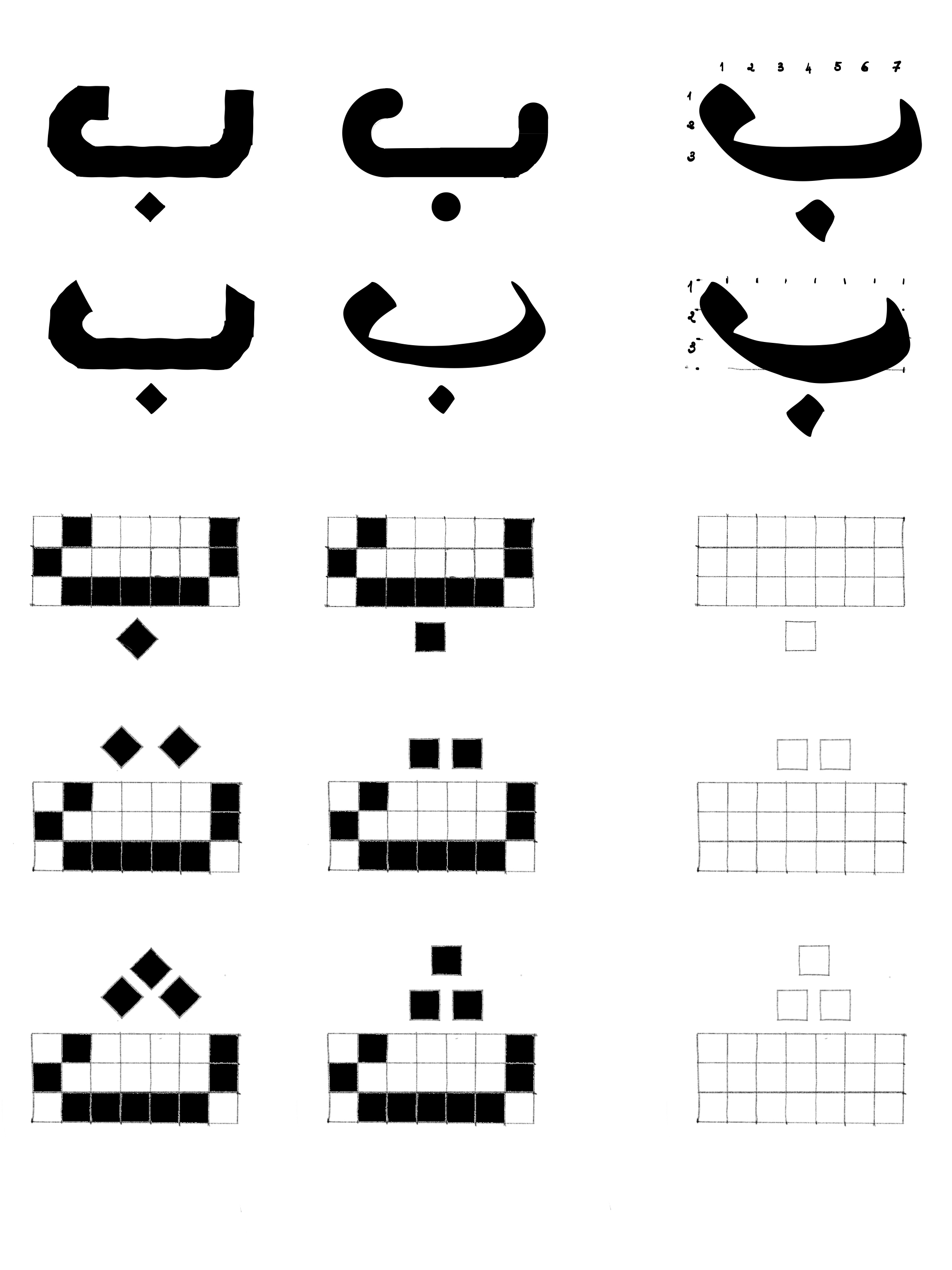
The innovation of the Matsaraba typeface lies in its unique synthesis of traditional geomancy and modern algorithmic rigor: The "Original Pixel" Technological Metaphor: The core innovation is the use of the Magic Square (Sikidy) as a design matrix rather than a mere esoteric symbol. By basing each letter on a 7x7 modular grid, the project transforms the ancestral sign into a unit of scalar exploration, comparable to the digital pixel. Design-Driven Mediation: Unlike standard Arabic fonts, Matsaraba is the first typographic solution specifically engineered for the Malagasy language. It resolves complex legibility issues by creating original glyphs for phonemes that do not exist in classical Arabic, providing an unprecedented graphic sovereignty to the Arabico-Malagasy script. Morphological Synthesis: The project stabilizes once-variable handwritten forms into a geometric system of "droplets" and perfect circles. This rationalization allows for seamless integration into Desktop Publishing (DTP) tools while preserving the organic "breath" and soul of the traditional reed pen (qalam).
The innovation of the Matsaraba typeface lies in its unique synthesis of traditional geomancy and modern algorithmic rigor: The "Original Pixel" Technological Metaphor: The core innovation is the use of the Magic Square (Sikidy) as a design matrix rather than a mere esoteric symbol. By basing each letter on a 7x7 modular grid, the project transforms the ancestral sign into a unit of scalar exploration, comparable to the digital pixel. Design-Driven Mediation: Unlike standard Arabic fonts, Matsaraba is the first typographic solution specifically engineered for the Malagasy language. It resolves complex legibility issues by creating original glyphs for phonemes that do not exist in classical Arabic, providing an unprecedented graphic sovereignty to the Arabico-Malagasy script. Morphological Synthesis: The project stabilizes once-variable handwritten forms into a geometric system of "droplets" and perfect circles. This rationalization allows for seamless integration into Desktop Publishing (DTP) tools while preserving the organic "breath" and soul of the traditional reed pen (qalam).
Project Sustainability Approach:
The sustainability of MATSARABA relies on active resilience to ensure the survival of the Arabico-Malagasy script through three pillars: 1. Cultural Revitalization By transforming fragile manuscripts into a robust digital infrastructure, the project prevents "museumification." It serves as a bridge between ancestral Katibo knowledge and modern users. The development of specific glyphs for Malagasy phonemes (TR, TS, DR) fosters graphic sovereignty and long-term cultural autonomy. 2. Systemic Resilience Using a multiscalar methodology, the project connects the infinitesimal (the sign) to the infinite (cultural systems). The 7x7 modular grid, inspired by the "magic square" as an original pixel, creates a future-proof infrastructure technically adaptable to evolving display technologies. 3. Ethical Stewardship To preserve the intellectual value of Malagasy sign production, the project strictly prohibits AI training usage, protecting it from digital extraction. Rooted in doctoral research and a rigorous scientific bibliography (Beaujard, Dahl), Matsaraba is shielded from the obsolescence of fleeting graphic trends.
The sustainability of MATSARABA relies on active resilience to ensure the survival of the Arabico-Malagasy script through three pillars: 1. Cultural Revitalization By transforming fragile manuscripts into a robust digital infrastructure, the project prevents "museumification." It serves as a bridge between ancestral Katibo knowledge and modern users. The development of specific glyphs for Malagasy phonemes (TR, TS, DR) fosters graphic sovereignty and long-term cultural autonomy. 2. Systemic Resilience Using a multiscalar methodology, the project connects the infinitesimal (the sign) to the infinite (cultural systems). The 7x7 modular grid, inspired by the "magic square" as an original pixel, creates a future-proof infrastructure technically adaptable to evolving display technologies. 3. Ethical Stewardship To preserve the intellectual value of Malagasy sign production, the project strictly prohibits AI training usage, protecting it from digital extraction. Rooted in doctoral research and a rigorous scientific bibliography (Beaujard, Dahl), Matsaraba is shielded from the obsolescence of fleeting graphic trends.
Local and Regional Impacts of the Project:
Matsaraba generates structural impacts across Madagascar and the Indian Ocean: 1. Cultural & Social Impact (Madagascar) By making the Arabico-Malagasy script digitally accessible, the project fosters identity reappropriation. It transforms esoteric knowledge, long reserved for initiates (Katibo), into an educational common good. Locally, this enables the publication of pedagogical content that promotes national history, strengthening social cohesion through a rediscovered written heritage. 2. Academic & Scientific Impact (Regional) The project positions Madagascar as a hub for design-research innovation in the Indian Ocean. As a mediation tool, Matsaraba provides regional researchers with a typographic infrastructure for archiving and studying manuscripts, thereby facilitating scientific
Matsaraba generates structural impacts across Madagascar and the Indian Ocean: 1. Cultural & Social Impact (Madagascar) By making the Arabico-Malagasy script digitally accessible, the project fosters identity reappropriation. It transforms esoteric knowledge, long reserved for initiates (Katibo), into an educational common good. Locally, this enables the publication of pedagogical content that promotes national history, strengthening social cohesion through a rediscovered written heritage. 2. Academic & Scientific Impact (Regional) The project positions Madagascar as a hub for design-research innovation in the Indian Ocean. As a mediation tool, Matsaraba provides regional researchers with a typographic infrastructure for archiving and studying manuscripts, thereby facilitating scientific
Lead Designer(s) Name(s):domi sanji
Profile Description:
As an expert in Cultural Regeneration Engineering and a PhD candidate in Design, I operate at the intersection of design, applied anthropology, and public policy. My mission is to transform intangible heritage into strategic assets for the companies, institutions, and ecosystems of tomorrow. With dual expertise in systems design and the enhancement of vernacular craftsmanship, I have collaborated with international organizations such as UNIDO and UNESCO to redefine the concept of local development. My holistic approach facilitates the shift from mere "conservation" to disruptive innovation.
As an expert in Cultural Regeneration Engineering and a PhD candidate in Design, I operate at the intersection of design, applied anthropology, and public policy. My mission is to transform intangible heritage into strategic assets for the companies, institutions, and ecosystems of tomorrow. With dual expertise in systems design and the enhancement of vernacular craftsmanship, I have collaborated with international organizations such as UNIDO and UNESCO to redefine the concept of local development. My holistic approach facilitates the shift from mere "conservation" to disruptive innovation.
Environmental Practices:
My approach transcends traditional conservation to focus on Regenerative Design. By integrating Indigenous intelligence with next-generation bio-sourced materials, I design production systems that do more than minimize footprint—they actively restore local ecosystems. Through High-craft engineering and circular economy principles, I transform vernacular know-how into low-impact, high-value strategic assets. This methodology ensures that every project contributes to ecosystemic resilience, bridging the gap between ancestral material wisdom and the urgent demands of global climate sovereignty.
My approach transcends traditional conservation to focus on Regenerative Design. By integrating Indigenous intelligence with next-generation bio-sourced materials, I design production systems that do more than minimize footprint—they actively restore local ecosystems. Through High-craft engineering and circular economy principles, I transform vernacular know-how into low-impact, high-value strategic assets. This methodology ensures that every project contributes to ecosystemic resilience, bridging the gap between ancestral material wisdom and the urgent demands of global climate sovereignty.