Amazon Heritage: From Monument to Digital Ecosystem
Prize(s):
WINNER 2026 Multimedia Design / Other Multimedia Designs | Honorable Mention 2026 Print & Digital / Sign and Exhibit
Lead Designer(s) Name(s):K. V. Jean-Paul Haziel DJIBOM
Other Contributor(s):WeLoveEya Festival (Stage Scenography & Large-scale Fabrication) Sèmè City Open Park - (Prototype)
Client Name:Self-initiated / Cultural Institutions
Photo Credit:Digital renders and product photography by [Haziel ]. Event photography courtesy of WeLoveEya Festiv
Project Location:Cotonou, Benin
Design Status:Commercialized
Project Description:
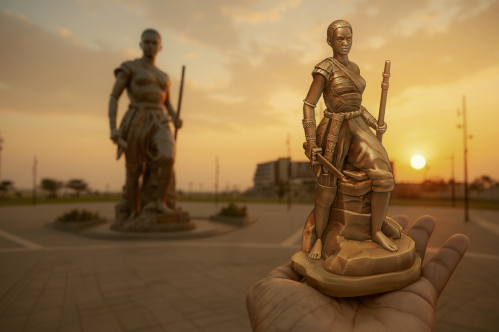
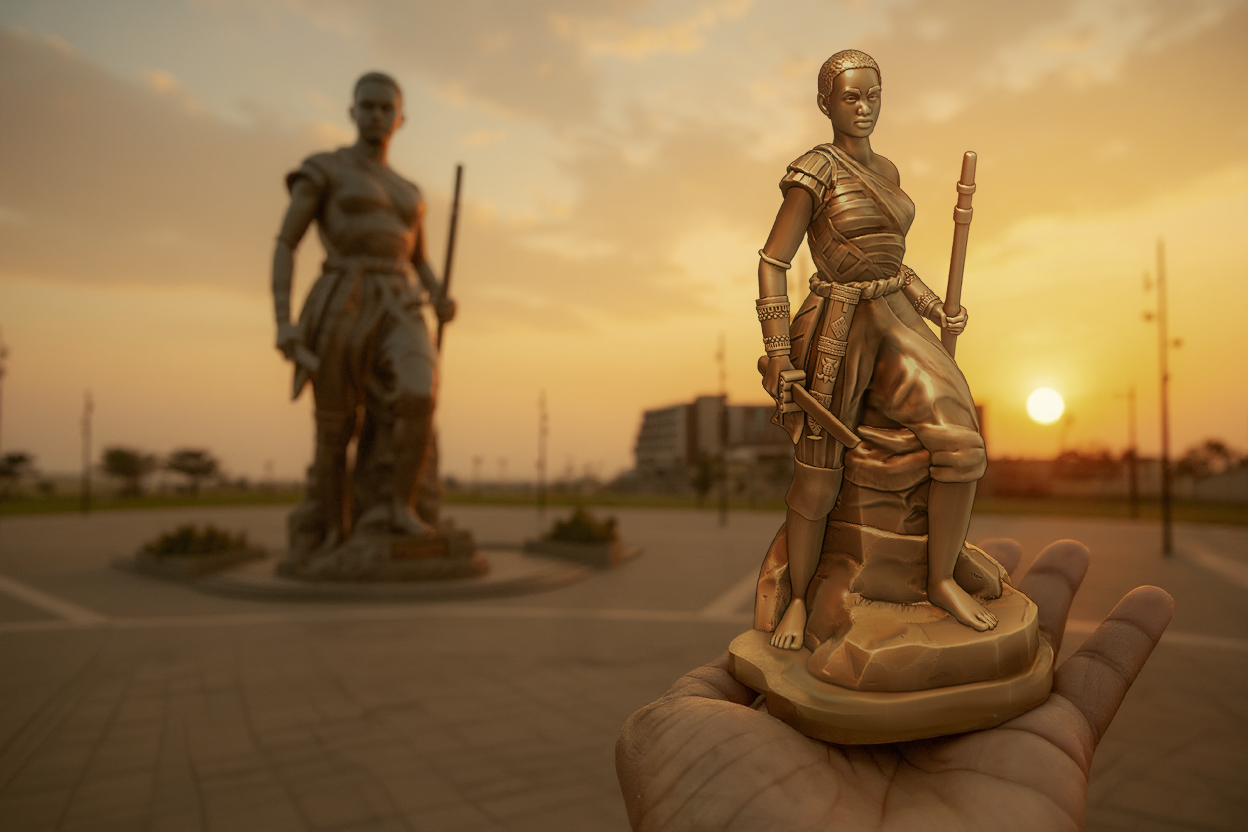
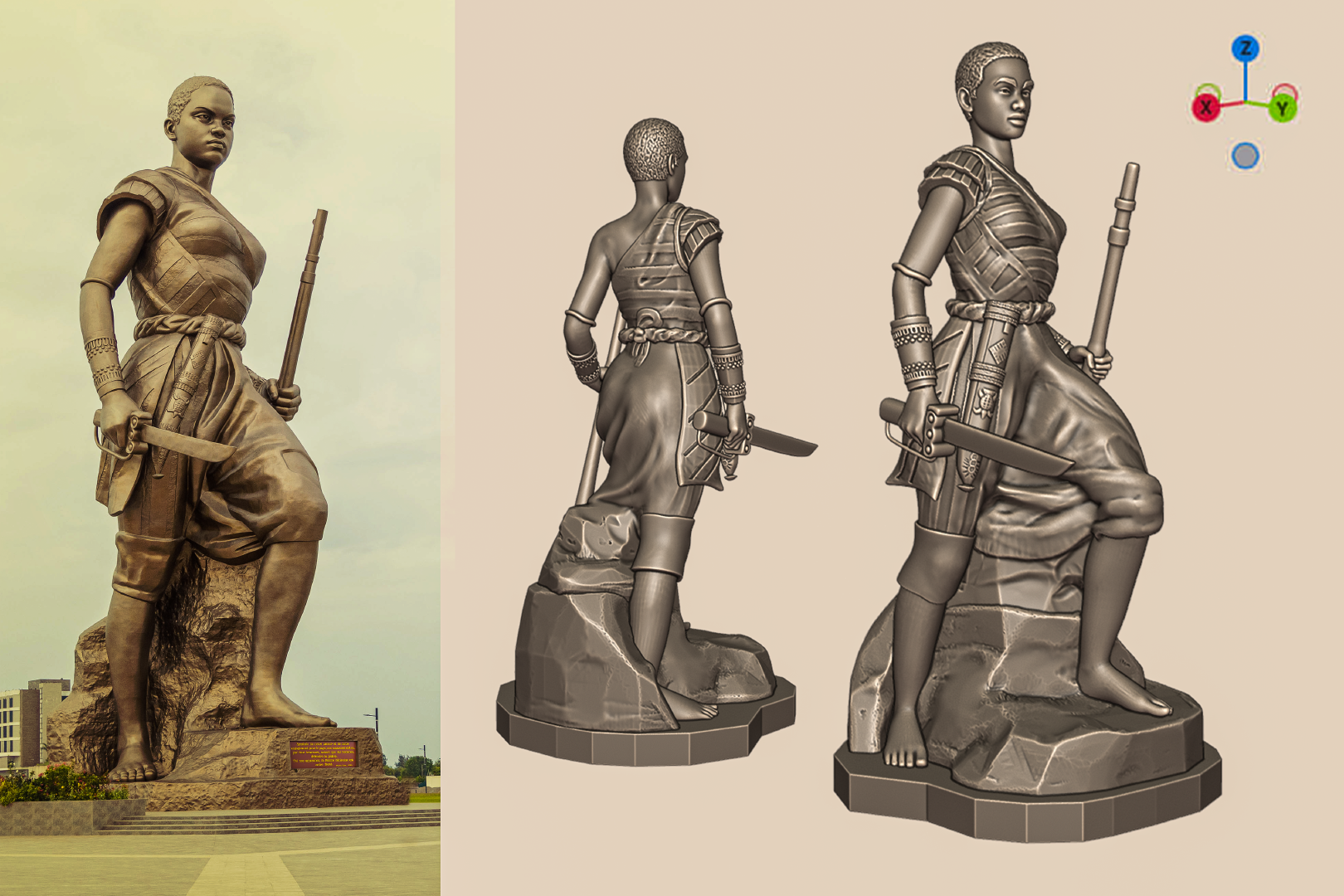
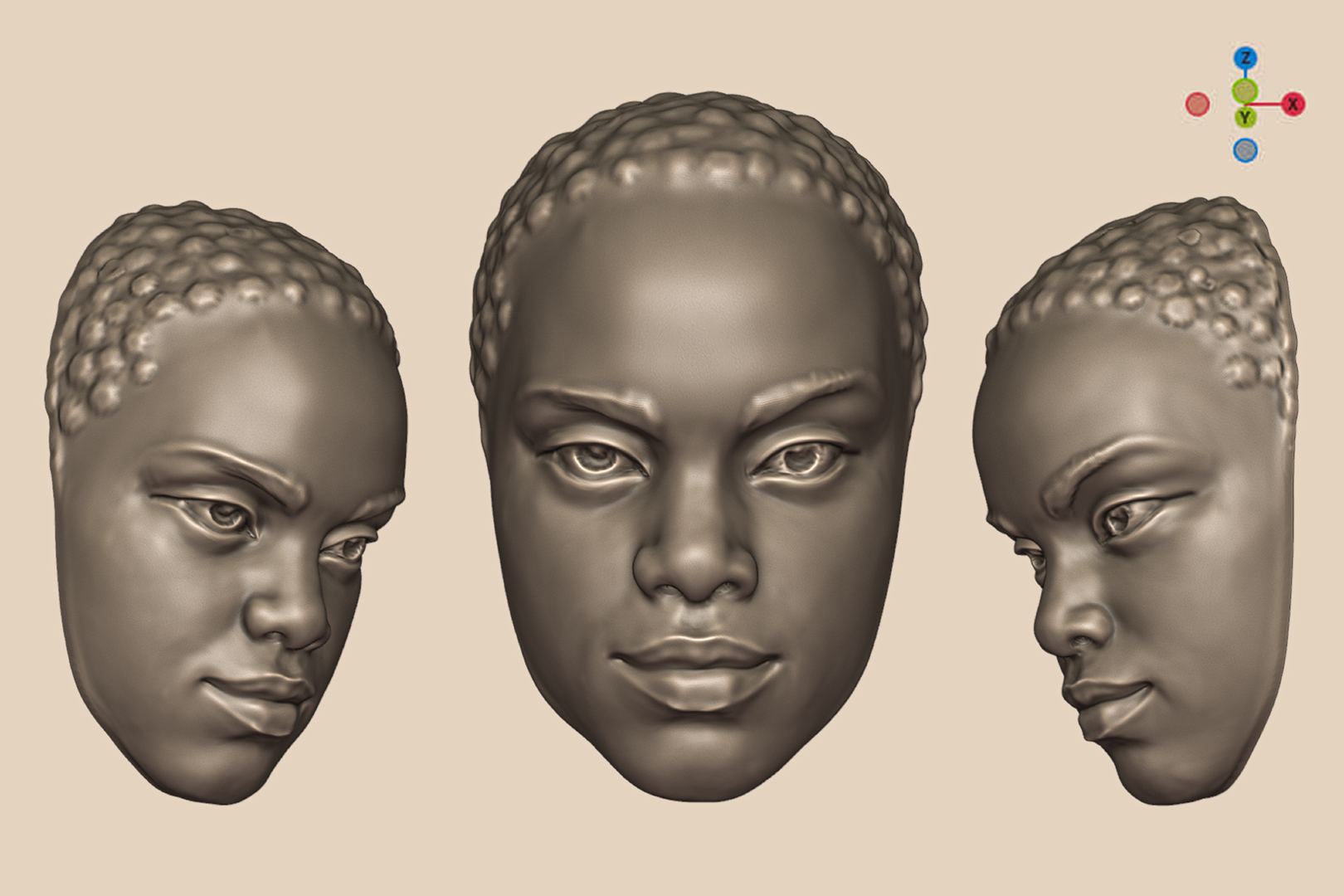
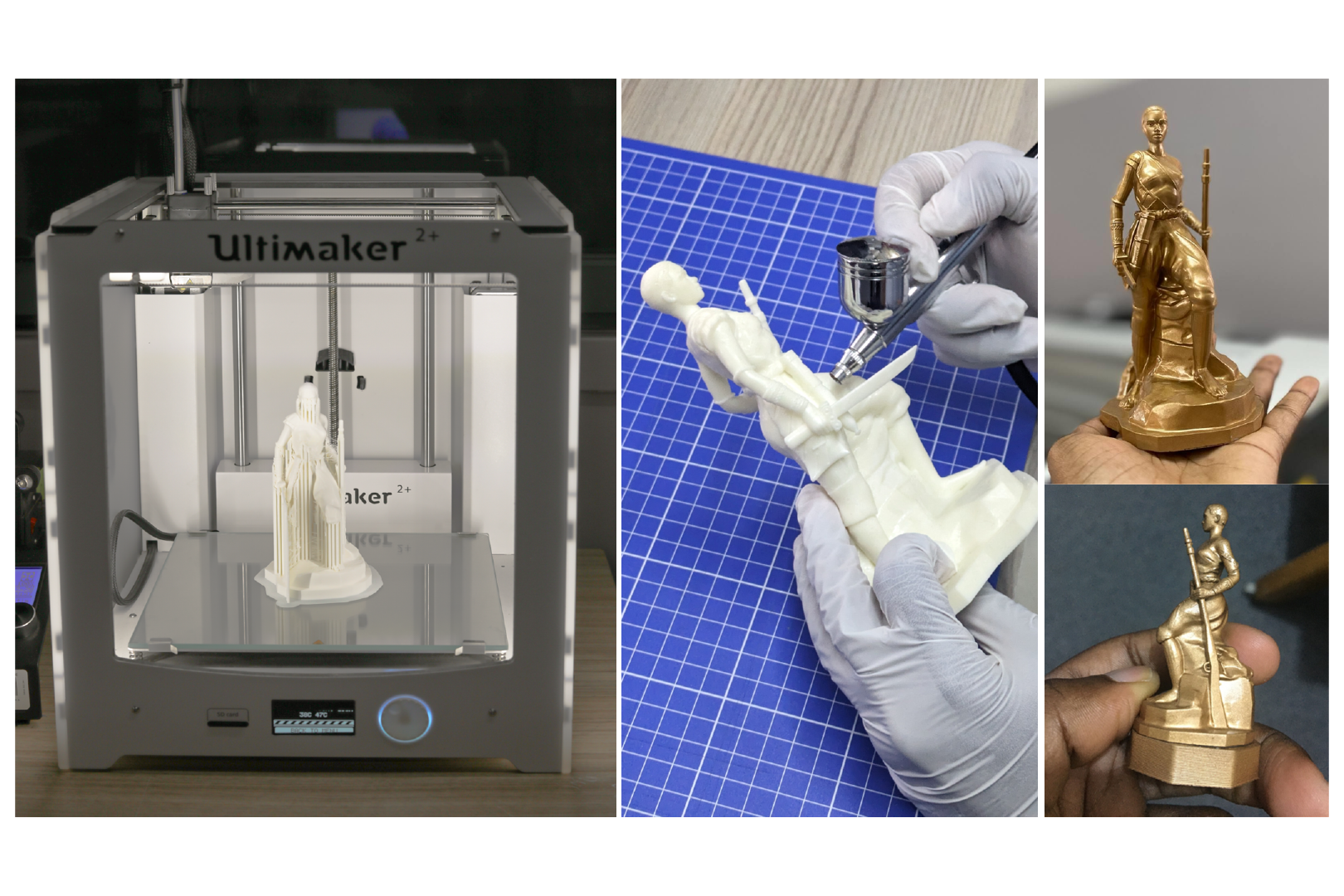
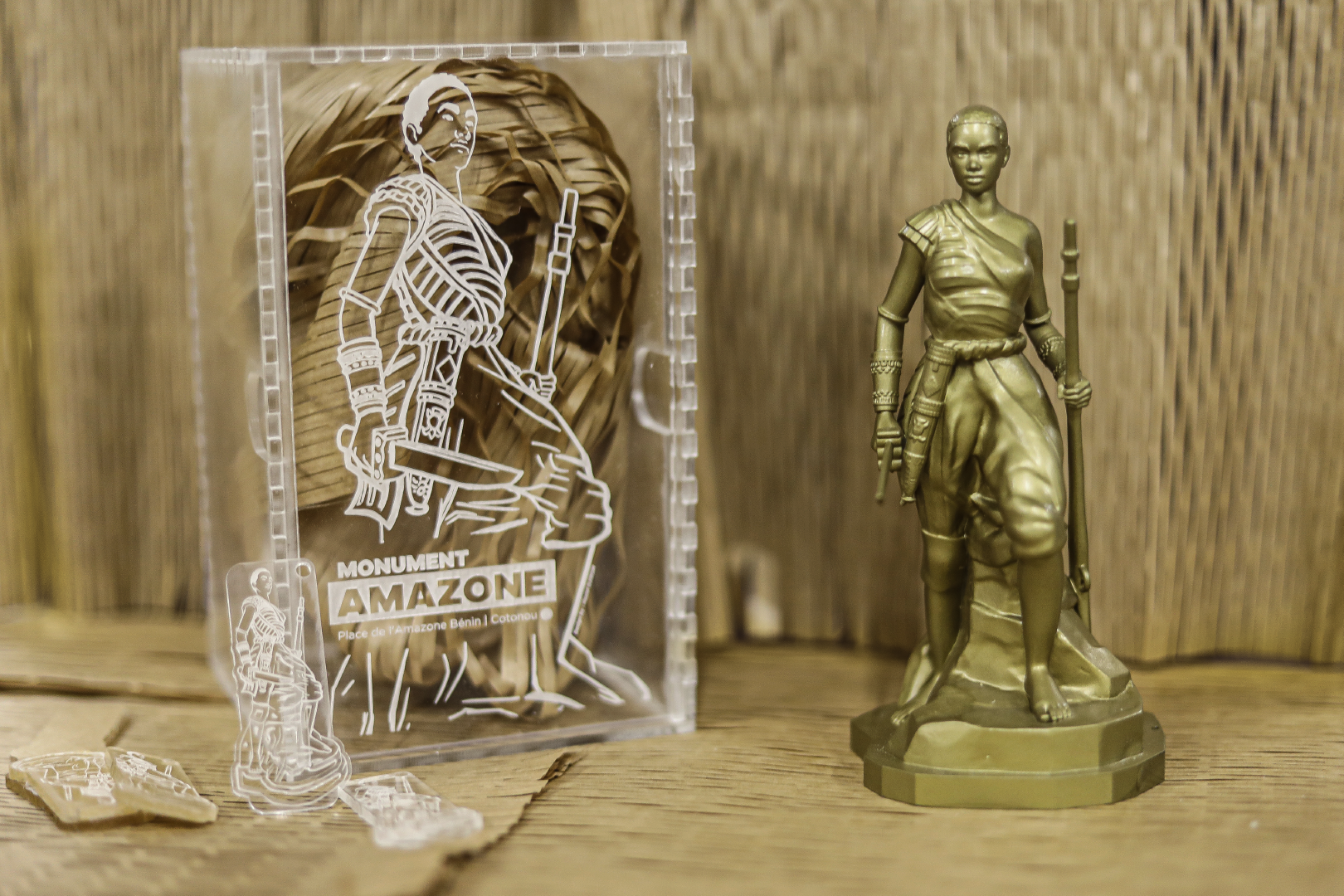
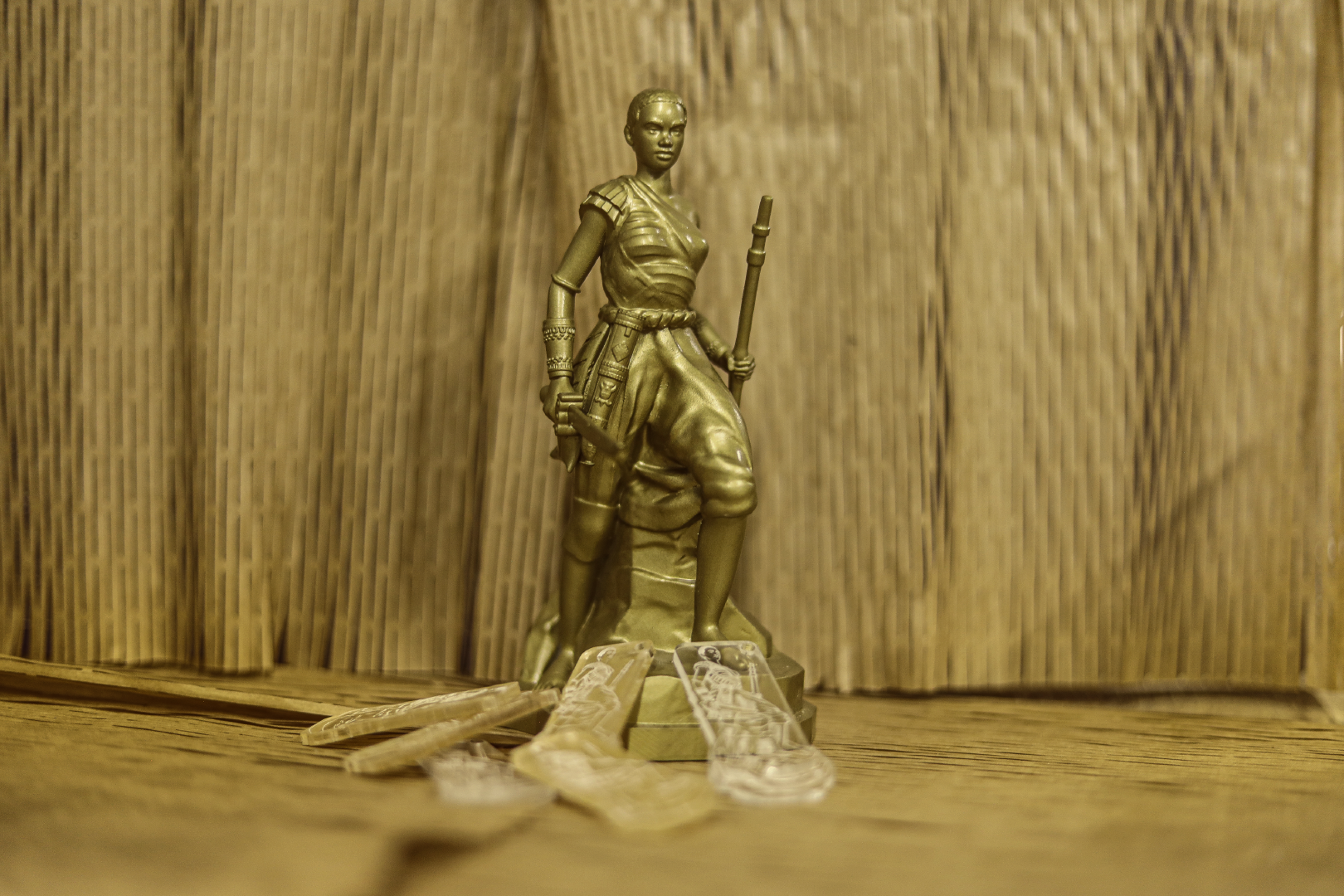
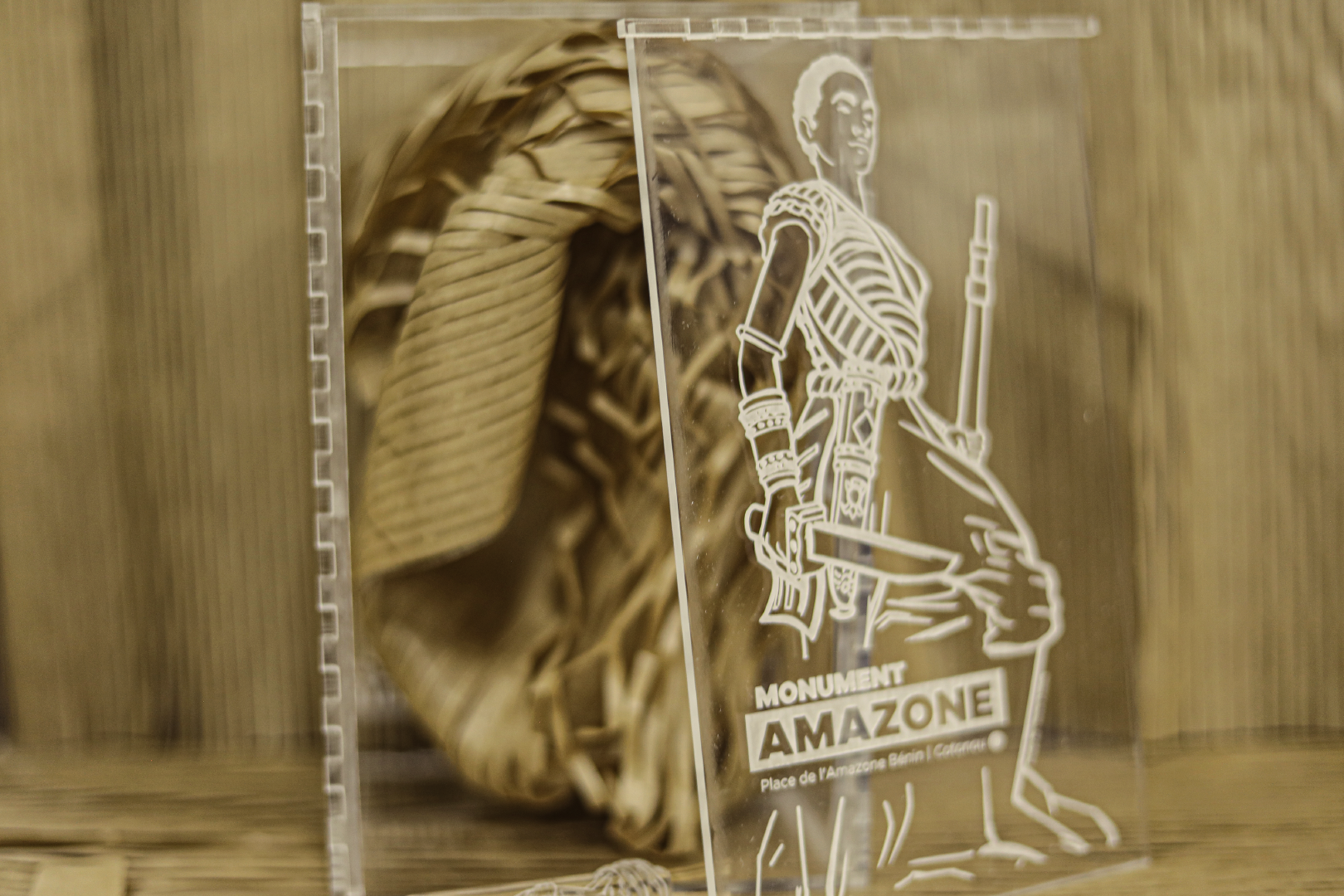
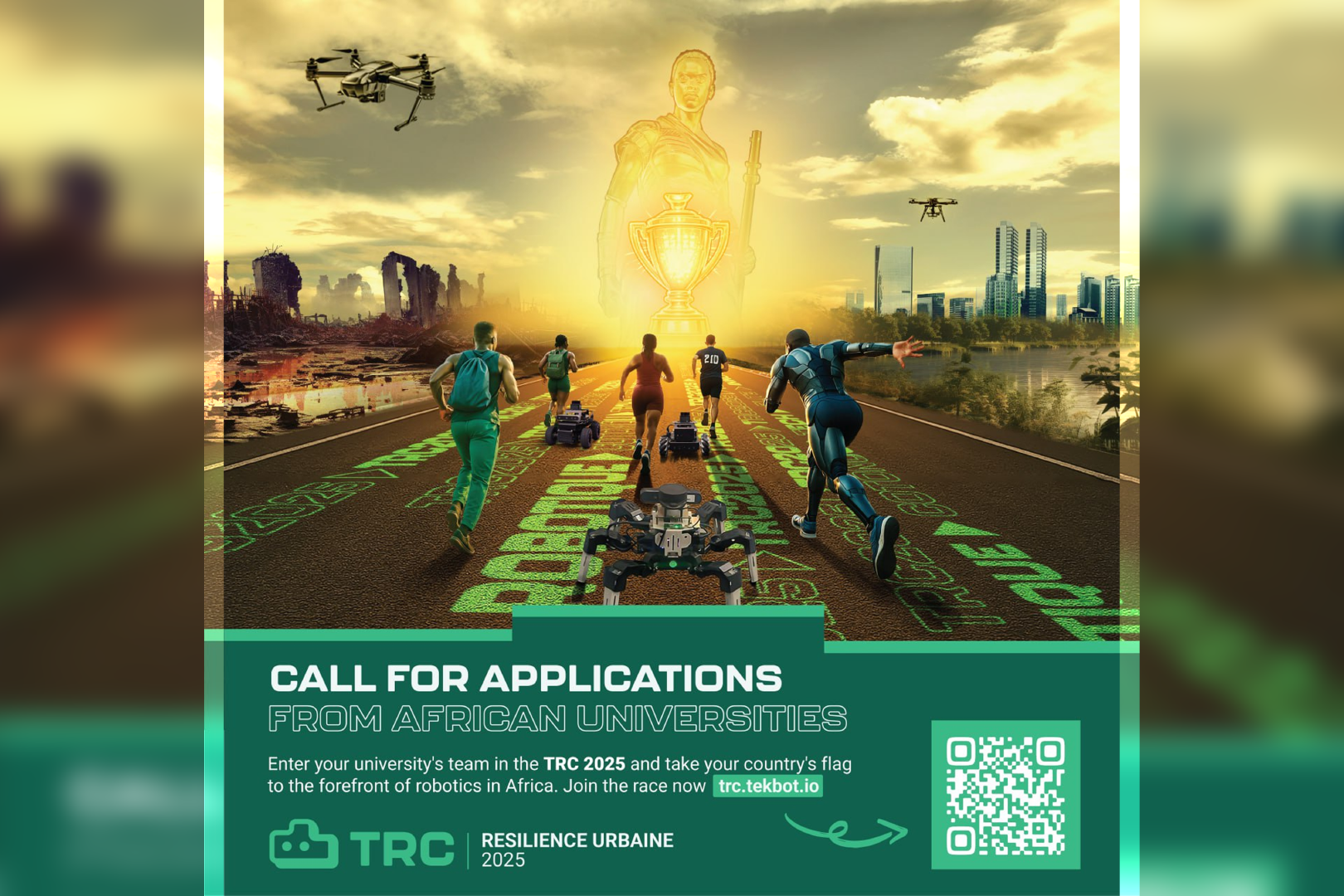
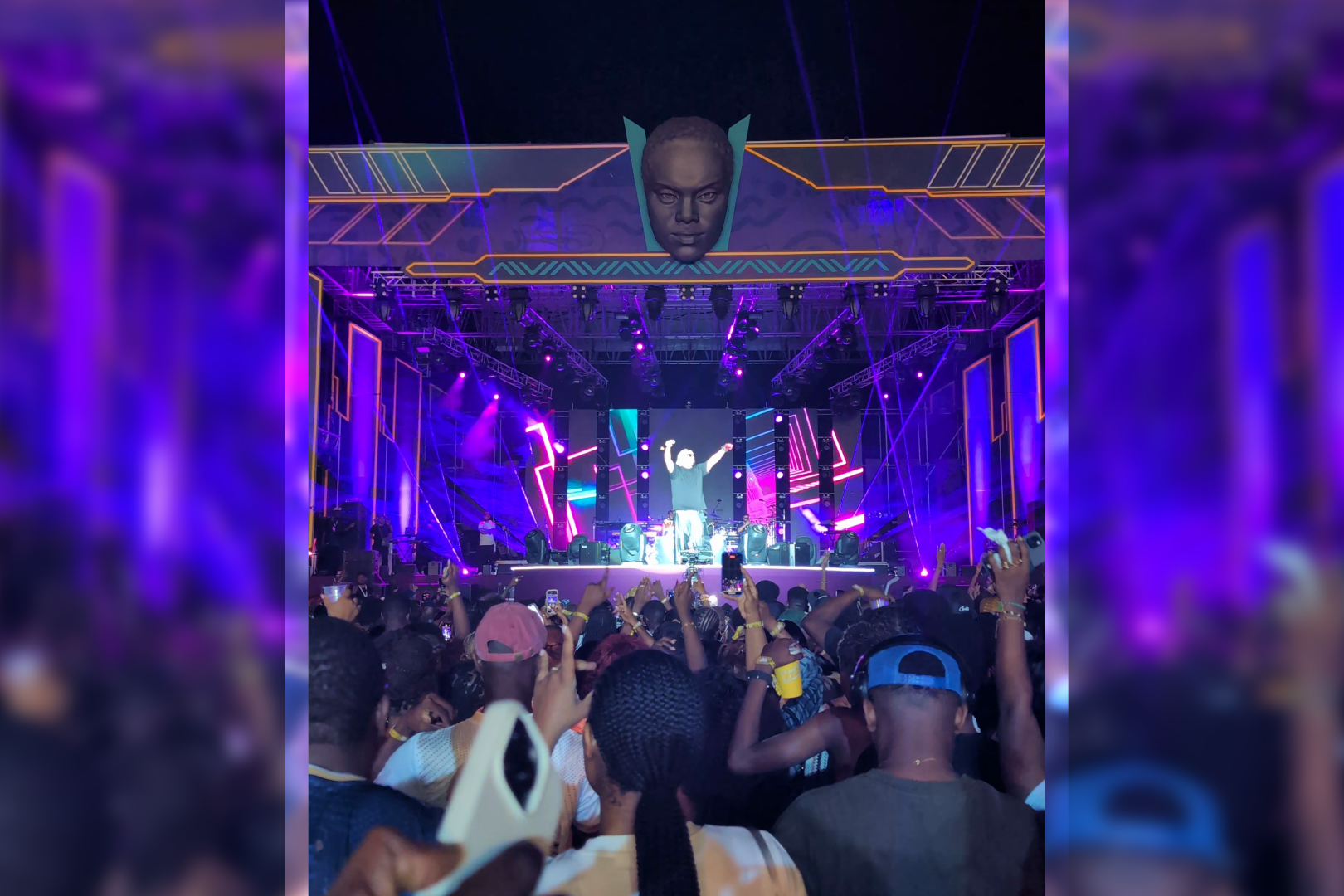
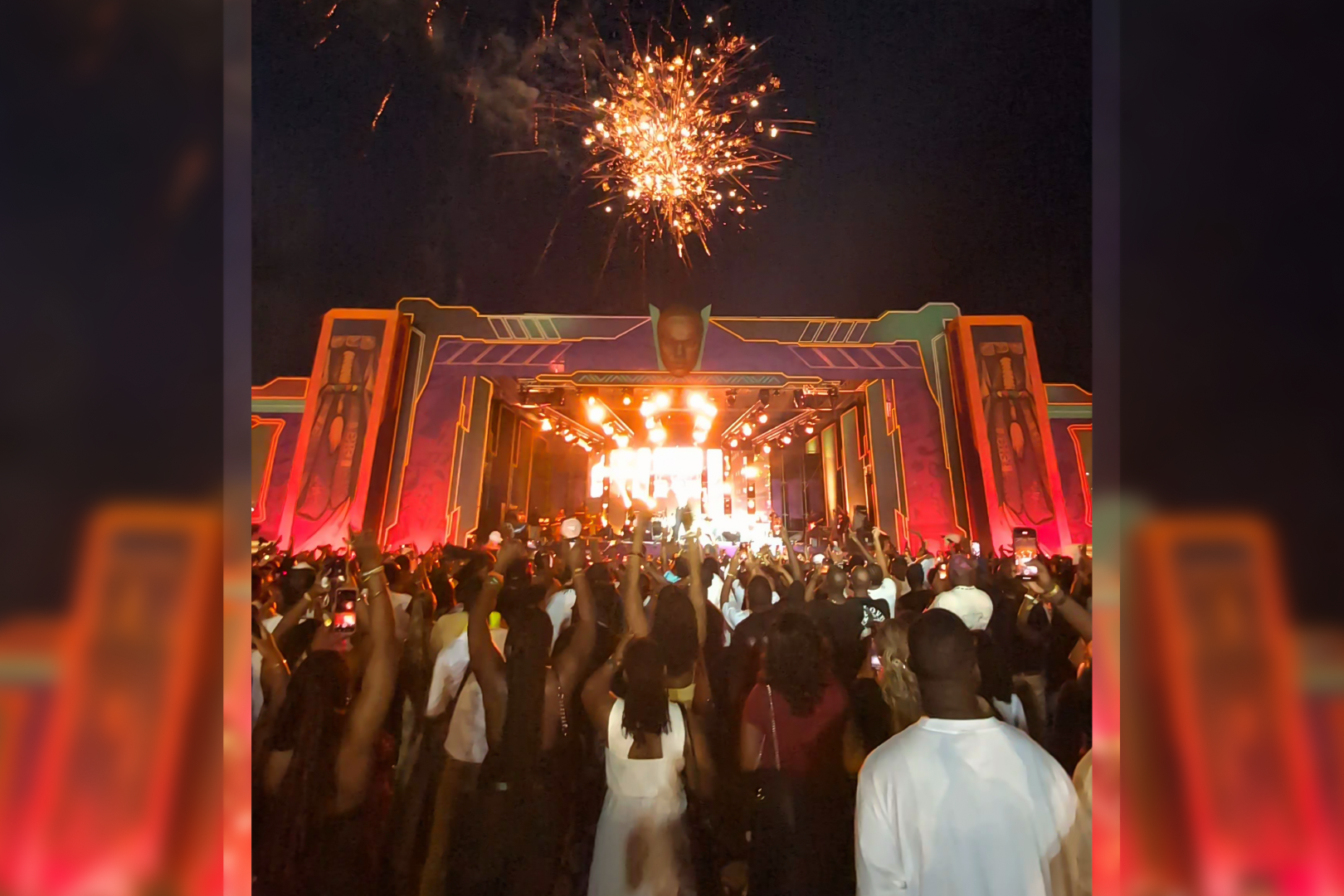
This project establishes a "Digital Heritage Ecosystem" through the reimagining of Benin’s iconic Amazon Monument. The journey began with a High-Fidelity Digital Sculpture, modeled from scratch to serve as a versatile master asset. This digital foundation led directly to the creation of Market-Ready Figurines, where the sculpture was optimized for professional 3D printing (SLA and FDM) and integrated into curated packaging for cultural retail. Moving into visual communication, the asset was then deployed as a Key Narrative Element for the TRC2025 Robotics Challenge, bridging the gap between ancestral heritage and future technology in regional media campaigns. Finally, the project reached its maximum social and scale impact during the WeLoveEya Festival 2025, where the digital model was scaled for large-format fabrication as a central stage design element. By evolving from a single 3D file into physical products, digital art, and monumental scenography, this initiative proves that "Digital Craft" can revitalize historical symbols, making them portable, interactive, and relevant for the 21st-century African creative industry.
This project establishes a "Digital Heritage Ecosystem" through the reimagining of Benin’s iconic Amazon Monument. The journey began with a High-Fidelity Digital Sculpture, modeled from scratch to serve as a versatile master asset. This digital foundation led directly to the creation of Market-Ready Figurines, where the sculpture was optimized for professional 3D printing (SLA and FDM) and integrated into curated packaging for cultural retail. Moving into visual communication, the asset was then deployed as a Key Narrative Element for the TRC2025 Robotics Challenge, bridging the gap between ancestral heritage and future technology in regional media campaigns. Finally, the project reached its maximum social and scale impact during the WeLoveEya Festival 2025, where the digital model was scaled for large-format fabrication as a central stage design element. By evolving from a single 3D file into physical products, digital art, and monumental scenography, this initiative proves that "Digital Craft" can revitalize historical symbols, making them portable, interactive, and relevant for the 21st-century African creative industry.
Project Innovation / Specification:
The innovation lies in the Hybrid Workflow combining digital craftsmanship and rapid prototyping. Unlike traditional souvenirs, the sculpture was optimized for two distinct 3D printing technologies: FDM (filament) for structural durability and SLA (resin) for intricate detail. A specific technical challenge was met in "Stage Design" optimization, where the high-poly digital sculpt was adapted for large-scale fabrication. This bridge between "Digital Craft" and "Physical Manufacturing" allows for an unprecedented flexibility in how cultural heritage is manifested, making the monument portable, scalable, and interactive.
The innovation lies in the Hybrid Workflow combining digital craftsmanship and rapid prototyping. Unlike traditional souvenirs, the sculpture was optimized for two distinct 3D printing technologies: FDM (filament) for structural durability and SLA (resin) for intricate detail. A specific technical challenge was met in "Stage Design" optimization, where the high-poly digital sculpt was adapted for large-scale fabrication. This bridge between "Digital Craft" and "Physical Manufacturing" allows for an unprecedented flexibility in how cultural heritage is manifested, making the monument portable, scalable, and interactive.
Project Sustainability Approach:
Sustainability is integrated through On-Demand Manufacturing and local production. By using 3D printing (FDM and SLA), the project eliminates the need for mass-produced plastic molds and long-distance shipping. Production is scaled to actual demand, reducing waste. Furthermore, the digital nature of the project provides a "Perpetual Archive": a digital twin of the heritage that can be repaired, updated, or repurposed indefinitely without further extraction of raw materials for prototyping. The focus is on quality over quantity, promoting artisanal 3D printing as a sustainable alternative to industrial imports.
Sustainability is integrated through On-Demand Manufacturing and local production. By using 3D printing (FDM and SLA), the project eliminates the need for mass-produced plastic molds and long-distance shipping. Production is scaled to actual demand, reducing waste. Furthermore, the digital nature of the project provides a "Perpetual Archive": a digital twin of the heritage that can be repaired, updated, or repurposed indefinitely without further extraction of raw materials for prototyping. The focus is on quality over quantity, promoting artisanal 3D printing as a sustainable alternative to industrial imports.
Local and Regional Impacts of the Project:
Locally, the project strengthens the "Soft Power" of Benin by making national history tangible for the youth through modern technology and popular events. It transforms a monument into a portable symbol of pride. Regionally, it serves as a blueprint for Digital Heritage Reclamation in West Africa, demonstrating that African designers can own and digitize their narratives using Industry 4.0 tools. By integrating these assets into major regional platforms like the WeLoveEya Festival and the TRC2025, the project fosters a new visual language for the continent—one where traditional icons are seamlessly woven into the fabric of technological and cultural innovation.
Locally, the project strengthens the "Soft Power" of Benin by making national history tangible for the youth through modern technology and popular events. It transforms a monument into a portable symbol of pride. Regionally, it serves as a blueprint for Digital Heritage Reclamation in West Africa, demonstrating that African designers can own and digitize their narratives using Industry 4.0 tools. By integrating these assets into major regional platforms like the WeLoveEya Festival and the TRC2025, the project fosters a new visual language for the continent—one where traditional icons are seamlessly woven into the fabric of technological and cultural innovation.
Profile Description:
I’m a multidisciplinary creative working at the intersection of narrative design, immersive technologies and digital craft. I design original formats — 2D/3D visuals, short films, and culturally anchored objects, to convey meaning, memory, and style. I contribute to the visual development and prototyping of cultural creations with an approach rooted in African narratives. My work connects technique, storytelling, and visual identity to produce sensitive, relevant, and distinctive creations.
I’m a multidisciplinary creative working at the intersection of narrative design, immersive technologies and digital craft. I design original formats — 2D/3D visuals, short films, and culturally anchored objects, to convey meaning, memory, and style. I contribute to the visual development and prototyping of cultural creations with an approach rooted in African narratives. My work connects technique, storytelling, and visual identity to produce sensitive, relevant, and distinctive creations.
Environmental Practices:
My workflow prioritizes Digital-First Prototyping. By utilizing high-fidelity 3D sculpting and virtual simulations (Blender/ZBrush), I significantly reduce the physical waste generated during the trial-and-error phases of design. This 'digital twin' approach ensures that physical resources are only used for the final, optimized version."
My workflow prioritizes Digital-First Prototyping. By utilizing high-fidelity 3D sculpting and virtual simulations (Blender/ZBrush), I significantly reduce the physical waste generated during the trial-and-error phases of design. This 'digital twin' approach ensures that physical resources are only used for the final, optimized version."
Previous Awards Won:
none
none