UMOYA
Prize(s):
WINNER 2026 ARCHITECTURE / Cultural Building Architecture
School / University Name:Vega School at Emeris
Lead Designer(s) Name(s):Taylor Jordaan & Stephanie Waugh
Professor Name(s):Musarath Sader
Photo Credit:Taylor Jordaan & Stephanie Waugh
Project Location:Durban Beach Front, KZN
Design Status:Concept
Video URL:View
Project Description:
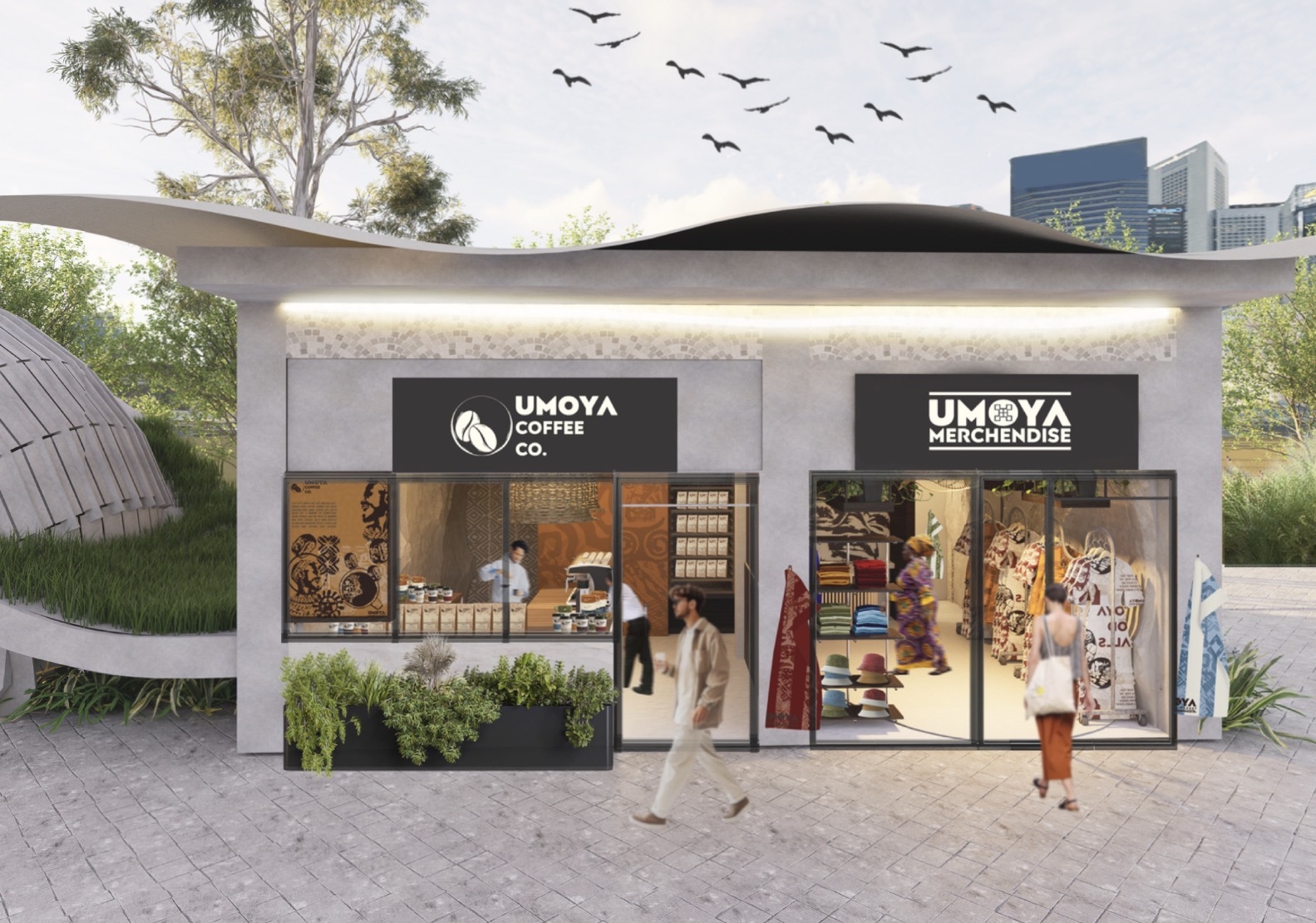
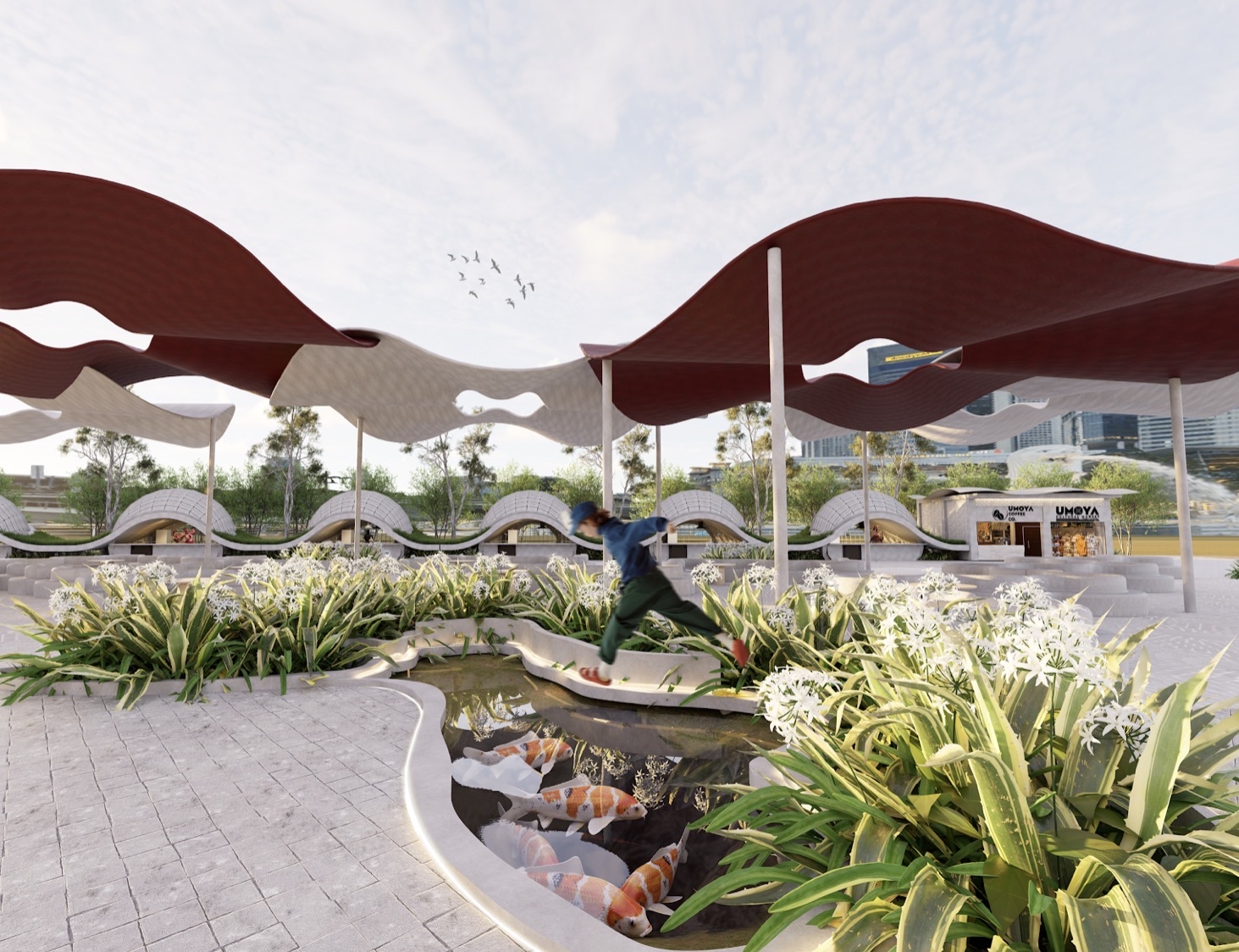
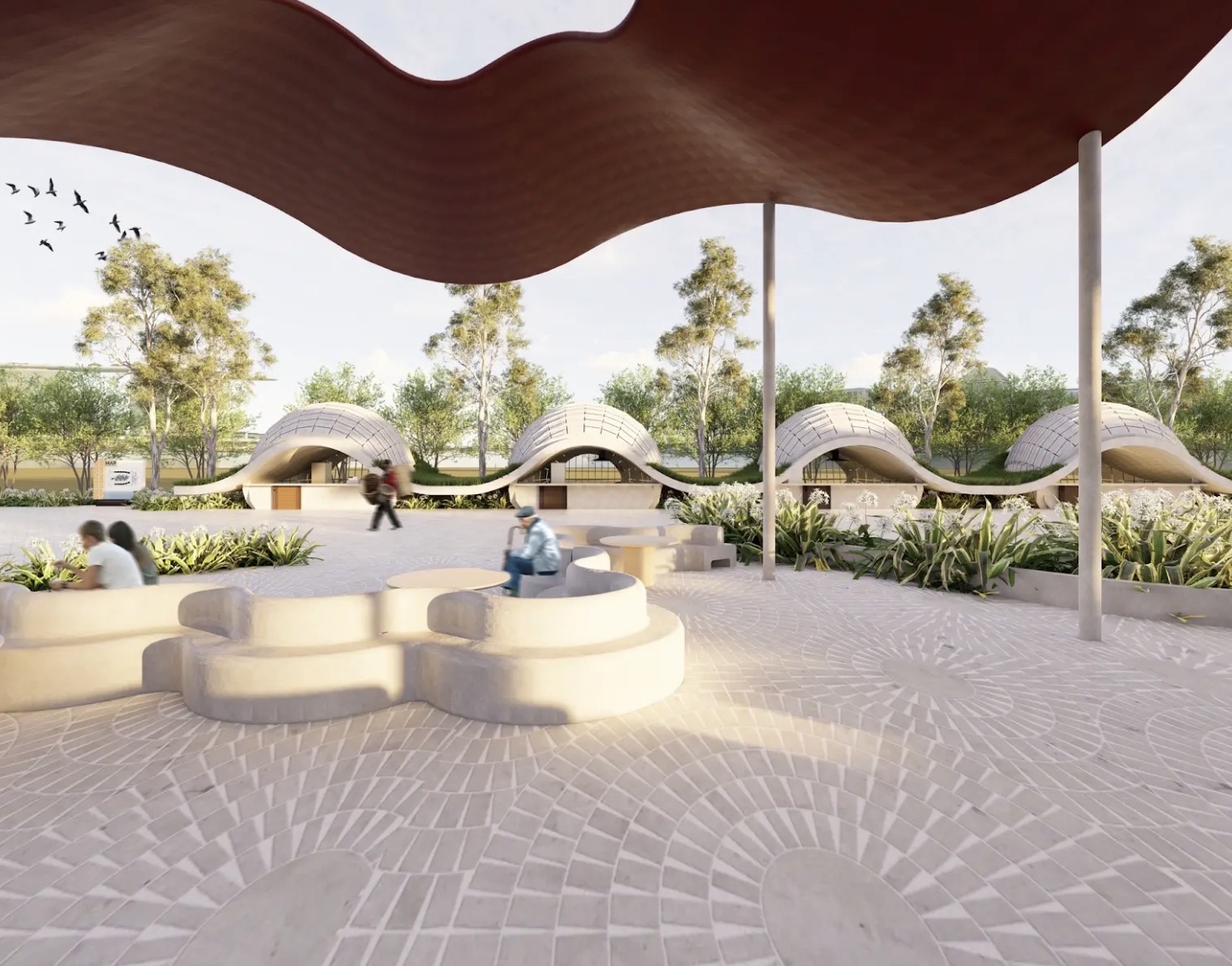
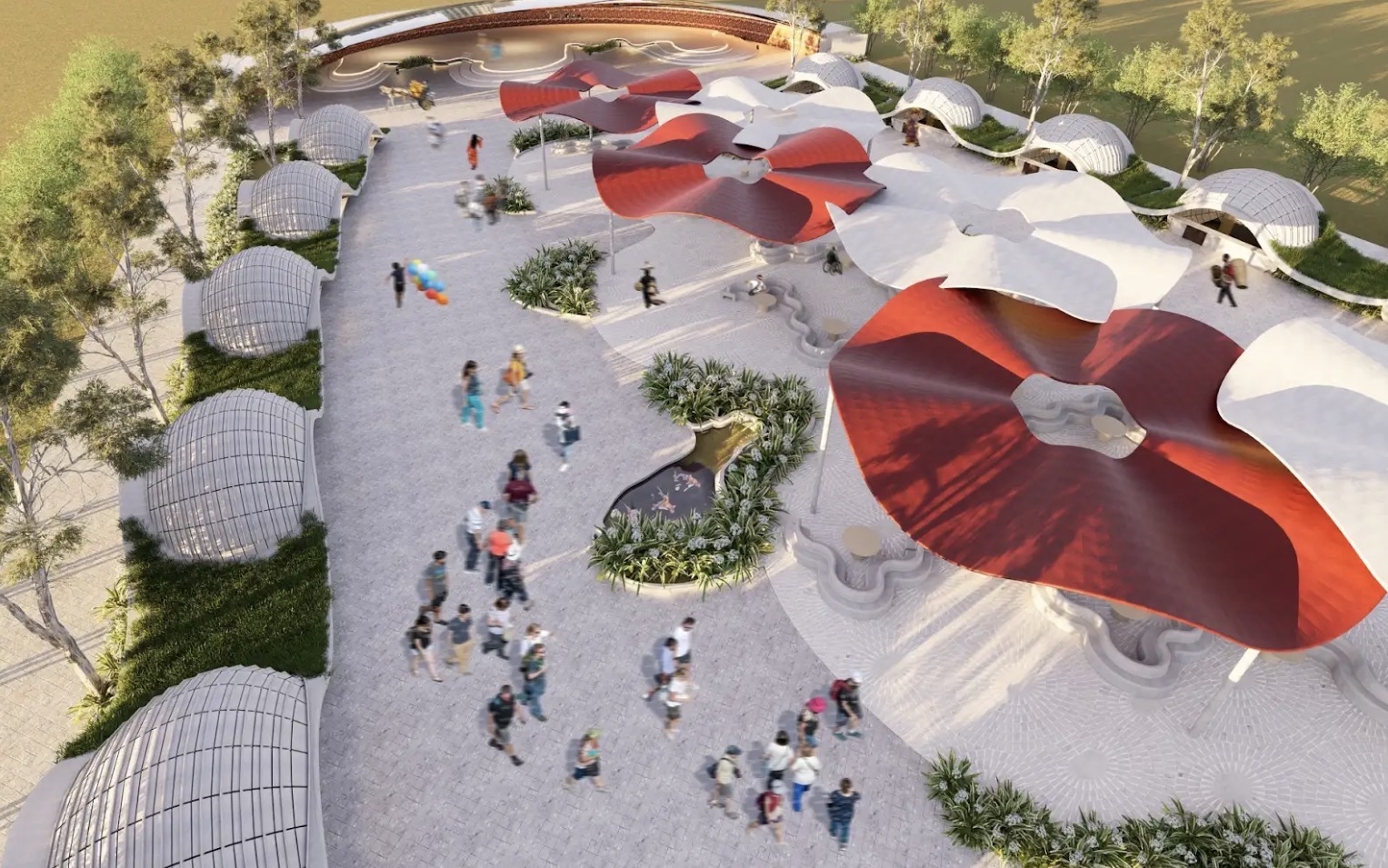
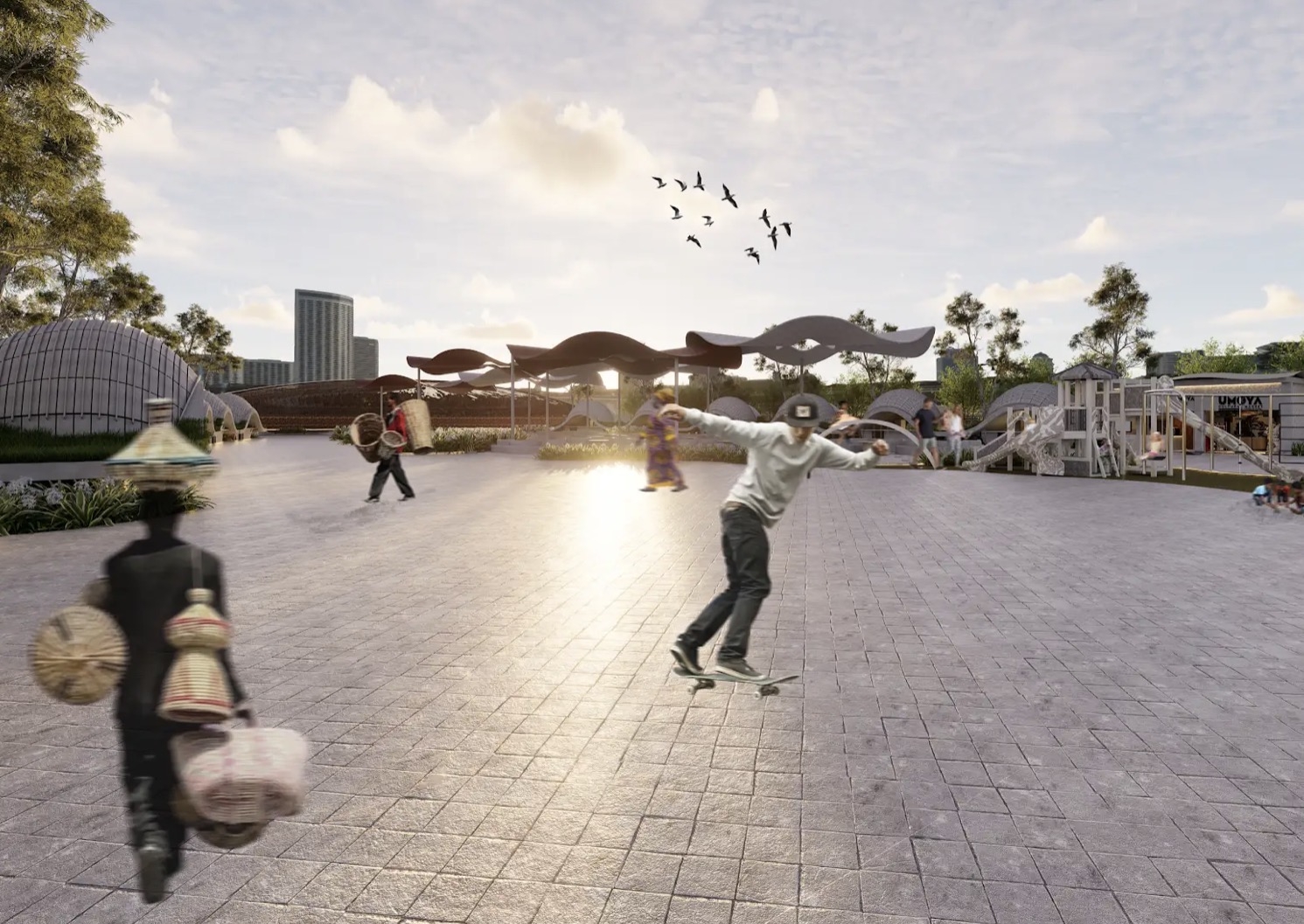
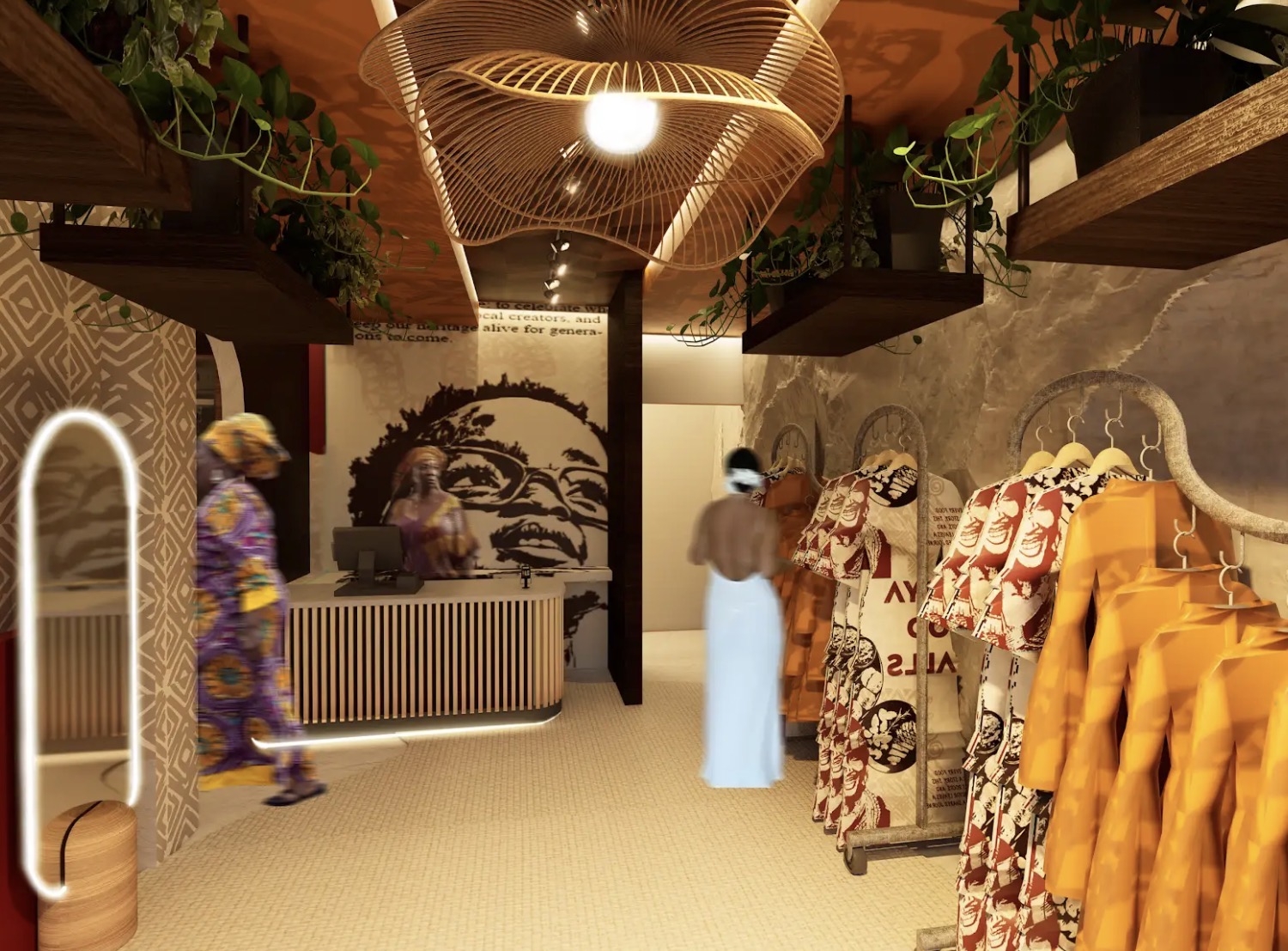
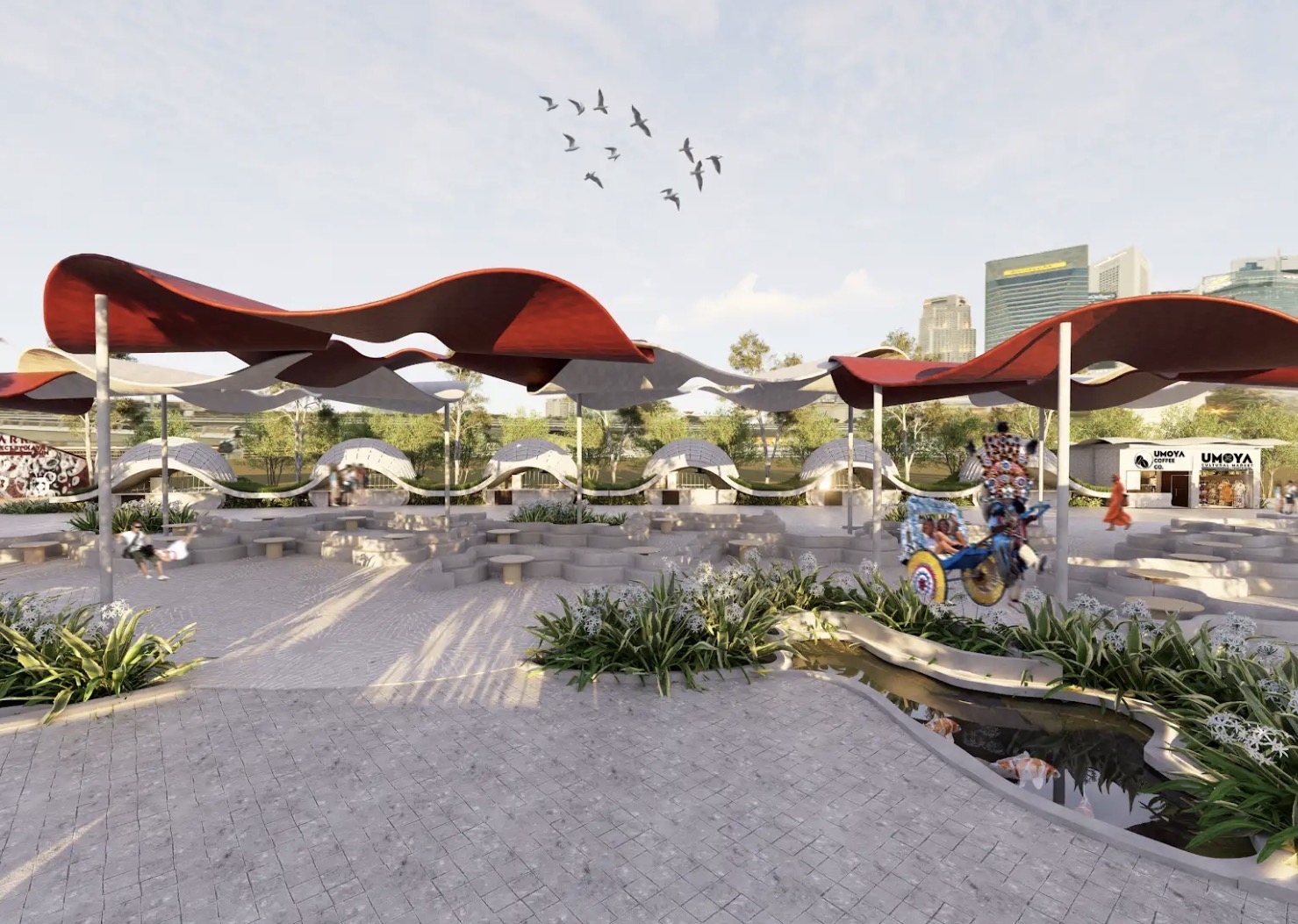
The Umoya Cultural Market is a community centred public space located along the Durban beachfront, designed to celebrate the living spirit of South African culture through everyday experience. “Umoya,” meaning spirit or breath in isiZulu, reflects the energy of gathering, exchange, and shared identity that defines the market.The design brings together food, art, storytelling, and performance to create an environment where culture is not displayed it is lived. Local traders operate from rondavel-inspired stalls, honouring traditional architectural forms while supporting informal economic activity.At the heart of the space is an open amphitheatre for performances, storytelling, and community dialogue, reinforcing oral traditions and collective memory.By blending heritage forms with a contemporary coastal identity, the market becomes a cultural meeting ground where Durban’s diversity is expressed through creativity, entrepreneurship, and shared social space.
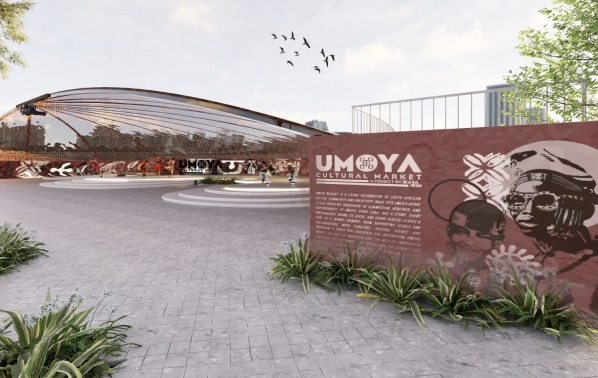
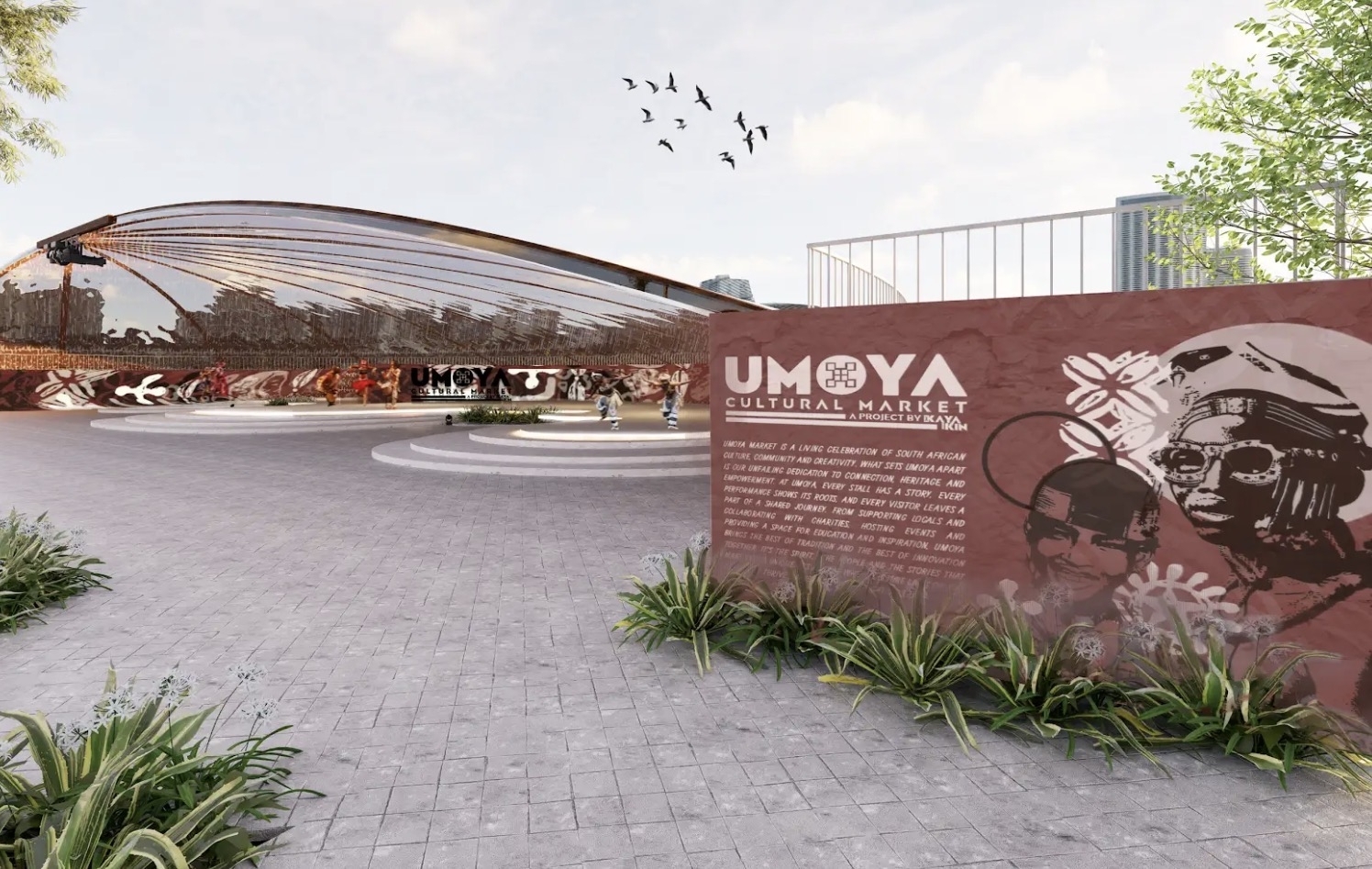
The Umoya Cultural Market is a community centred public space located along the Durban beachfront, designed to celebrate the living spirit of South African culture through everyday experience. “Umoya,” meaning spirit or breath in isiZulu, reflects the energy of gathering, exchange, and shared identity that defines the market.The design brings together food, art, storytelling, and performance to create an environment where culture is not displayed it is lived. Local traders operate from rondavel-inspired stalls, honouring traditional architectural forms while supporting informal economic activity.At the heart of the space is an open amphitheatre for performances, storytelling, and community dialogue, reinforcing oral traditions and collective memory.By blending heritage forms with a contemporary coastal identity, the market becomes a cultural meeting ground where Durban’s diversity is expressed through creativity, entrepreneurship, and shared social space.
Project Innovation / Specification:
The innovation of the Umoya Cultural Market lies in how it reimagines traditional African spatial language within a contemporary urban setting. Rather than treating culture as decorative, the design embeds heritage into the structure and function of the space. Rondavel-style stalls provide culturally recognisable forms that empower local traders, while modern materials such as concrete, steel, and glass reflect Durban’s evolving urban identity.The layout is organised around an open amphitheatre not simply as an event venue, but as a cultural anchor that supports live performance, storytelling, and intergenerational exchange. Flowing forms inspired by wind and movement reflect the meaning of Umoya, creating spatial continuity between built form, landscape, and the coastal environment.This fusion of tradition, commerce, and social gathering transforms the market into an immersive cultural infrastructure one that actively produces cultural experience rather than merely hosting it.
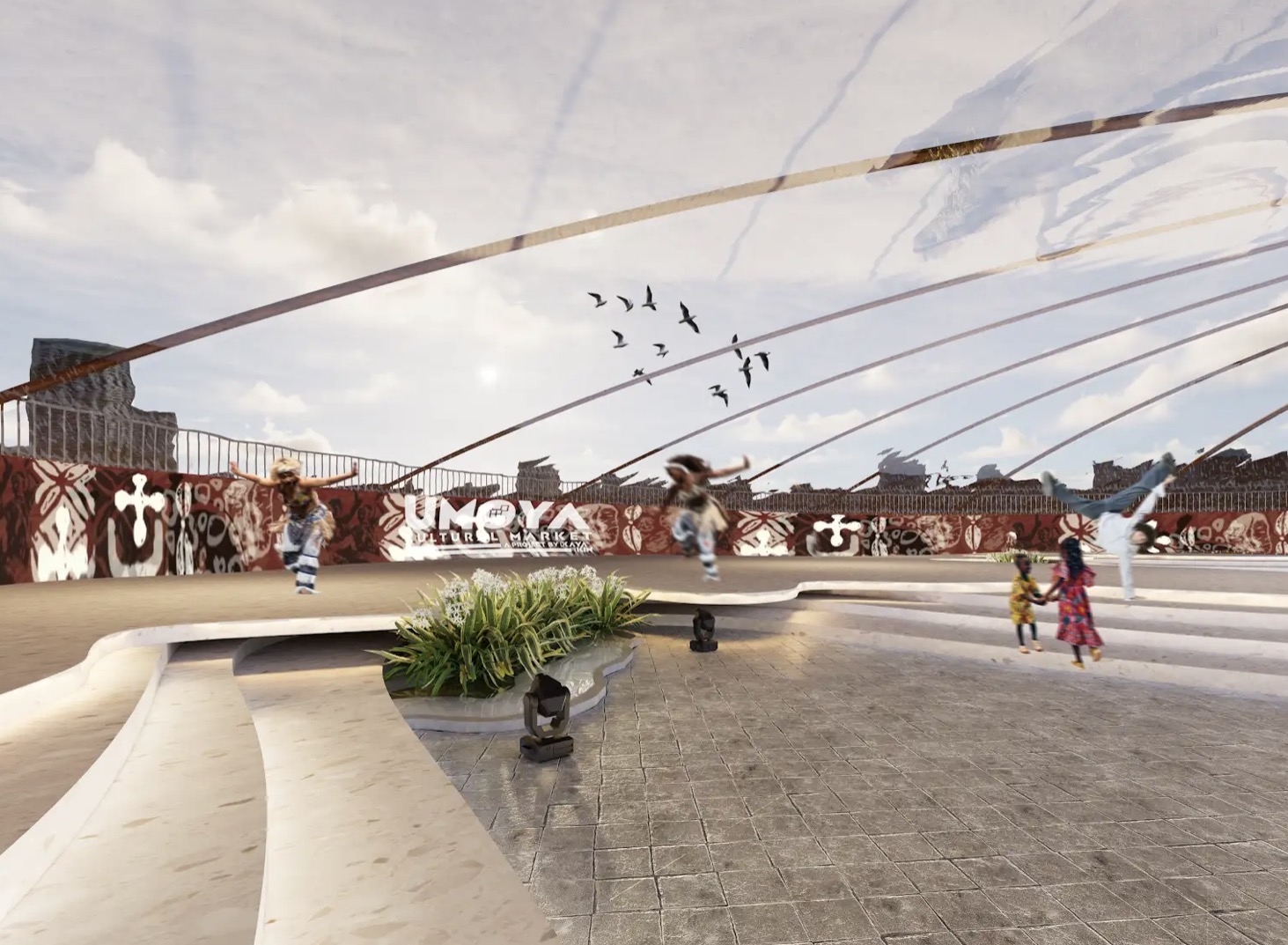
The innovation of the Umoya Cultural Market lies in how it reimagines traditional African spatial language within a contemporary urban setting. Rather than treating culture as decorative, the design embeds heritage into the structure and function of the space. Rondavel-style stalls provide culturally recognisable forms that empower local traders, while modern materials such as concrete, steel, and glass reflect Durban’s evolving urban identity.The layout is organised around an open amphitheatre not simply as an event venue, but as a cultural anchor that supports live performance, storytelling, and intergenerational exchange. Flowing forms inspired by wind and movement reflect the meaning of Umoya, creating spatial continuity between built form, landscape, and the coastal environment.This fusion of tradition, commerce, and social gathering transforms the market into an immersive cultural infrastructure one that actively produces cultural experience rather than merely hosting it.
Project Sustainability Approach:
Sustainability in the Umoya Cultural Market is approached holistically socially, culturally, and environmentally. The project strengthens cultural sustainability by providing permanent infrastructure for local traders, performers, and makers, ensuring that traditional practices remain economically viable and socially visible. By centring local enterprise, the market supports community resilience and inclusive economic participation.Sustainability in the Umoya Cultural Market is approached holistically socially, culturally, and environmentally. The project strengthens cultural sustainability by providing permanent infrastructure for local traders, performers, and makers, ensuring that traditional practices remain economically viable and socially visible. By centring local enterprise, the market supports community resilience and inclusive economic participation. Social sustainability is reinforced through shared public space — areas designed for gathering, performance, and rest fostering belonging, dialogue, and cultural continuity. The result is a living environment that sustains both people and place through everyday interaction.
Sustainability in the Umoya Cultural Market is approached holistically socially, culturally, and environmentally. The project strengthens cultural sustainability by providing permanent infrastructure for local traders, performers, and makers, ensuring that traditional practices remain economically viable and socially visible. By centring local enterprise, the market supports community resilience and inclusive economic participation.Sustainability in the Umoya Cultural Market is approached holistically socially, culturally, and environmentally. The project strengthens cultural sustainability by providing permanent infrastructure for local traders, performers, and makers, ensuring that traditional practices remain economically viable and socially visible. By centring local enterprise, the market supports community resilience and inclusive economic participation. Social sustainability is reinforced through shared public space — areas designed for gathering, performance, and rest fostering belonging, dialogue, and cultural continuity. The result is a living environment that sustains both people and place through everyday interaction.
Local and Regional Impacts of the Project:
Locally, the Umoya Cultural Market strengthens community identity by providing a vibrant platform for cultural expression, small-scale entrepreneurship, and social gathering. It supports livelihoods by equipping local traders with functional, culturally meaningful spaces, while the amphitheater promotes artistic visibility and community storytelling. Regionally, the market enhances Durban’s beachfront as a cultural destination, positioning the city as a place where heritage and contemporary creativity coexist. By celebrating indigenous forms, local design, and shared public life, the project contributes to cultural tourism and regional economic activity. More broadly, the market models how urban development in South Africa can honour tradition while embracing modernity demonstrating that c
Locally, the Umoya Cultural Market strengthens community identity by providing a vibrant platform for cultural expression, small-scale entrepreneurship, and social gathering. It supports livelihoods by equipping local traders with functional, culturally meaningful spaces, while the amphitheater promotes artistic visibility and community storytelling. Regionally, the market enhances Durban’s beachfront as a cultural destination, positioning the city as a place where heritage and contemporary creativity coexist. By celebrating indigenous forms, local design, and shared public life, the project contributes to cultural tourism and regional economic activity. More broadly, the market models how urban development in South Africa can honour tradition while embracing modernity demonstrating that c
Profile Description:
We (Taylor Jordaan & Stephanie Waugh) are Interior Design students at Emeries University (IIE VEGA) Durban with a strong passion for design and using design to make South Africa a better space.
We (Taylor Jordaan & Stephanie Waugh) are Interior Design students at Emeries University (IIE VEGA) Durban with a strong passion for design and using design to make South Africa a better space.