AbriS.U.R.
Prize(s):
WINNER 2026 ARCHITECTURE / Emergency and Temporary housing
School / University Name:Africa Design School
Lead Designer(s) Name(s):Kassandra Daboutou
Professor Name(s):Djimey SANGARE
Design Status:Concept
Project Description:
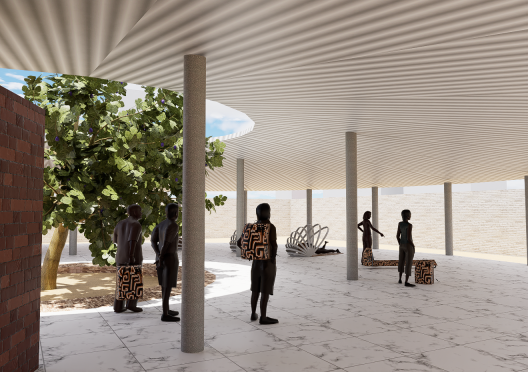
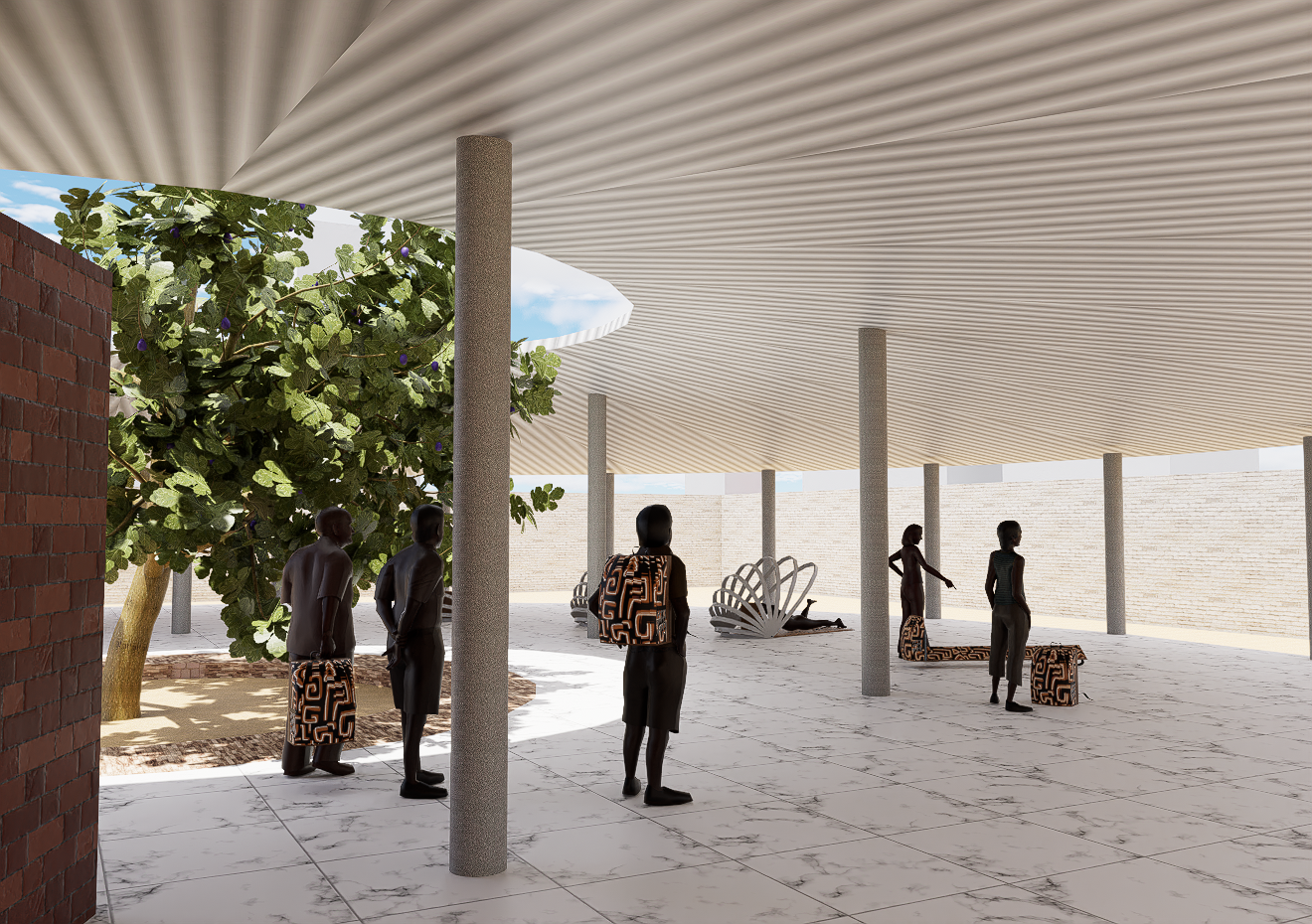
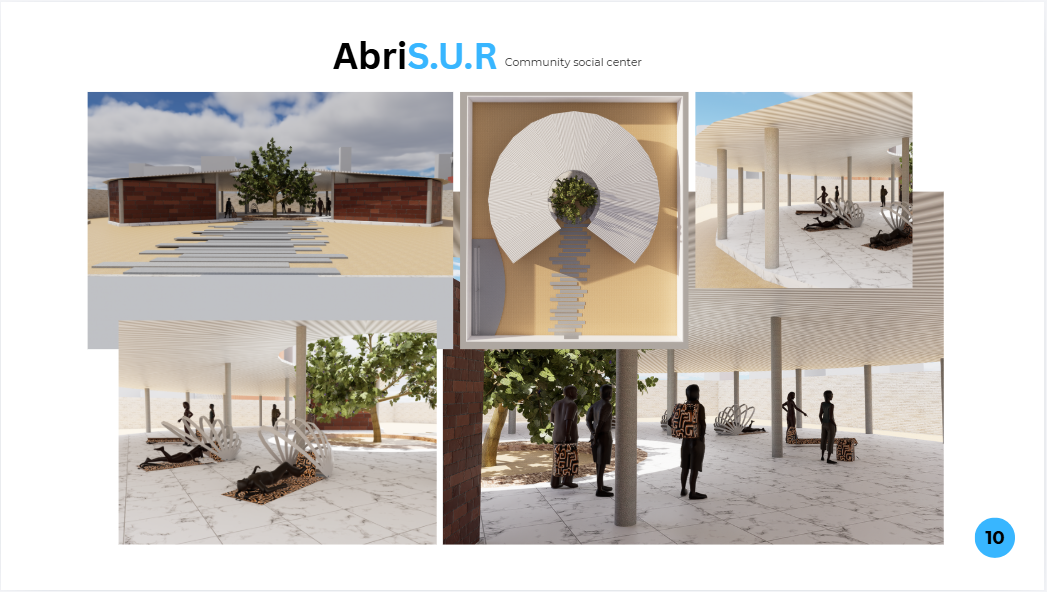
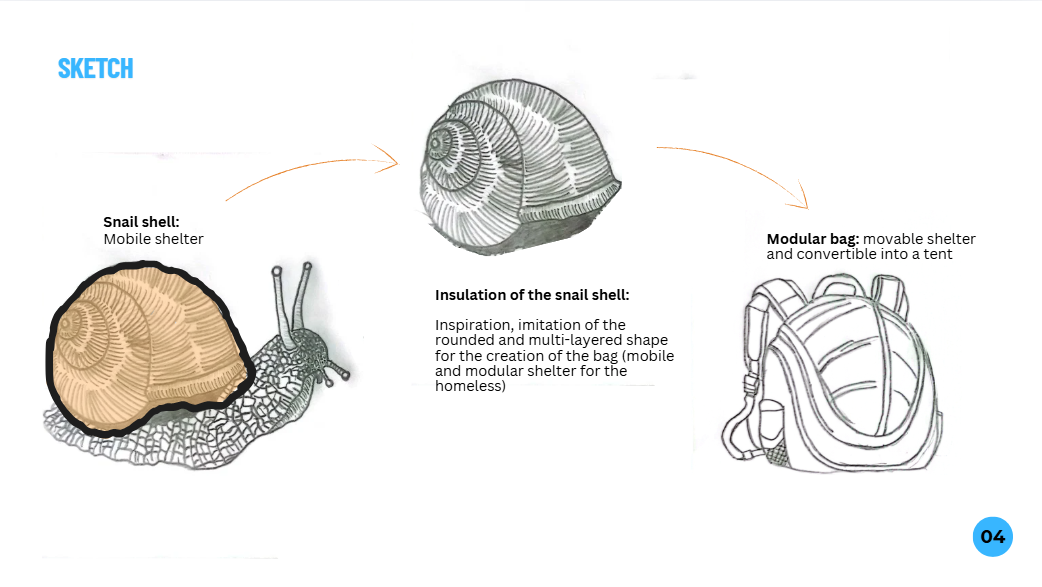
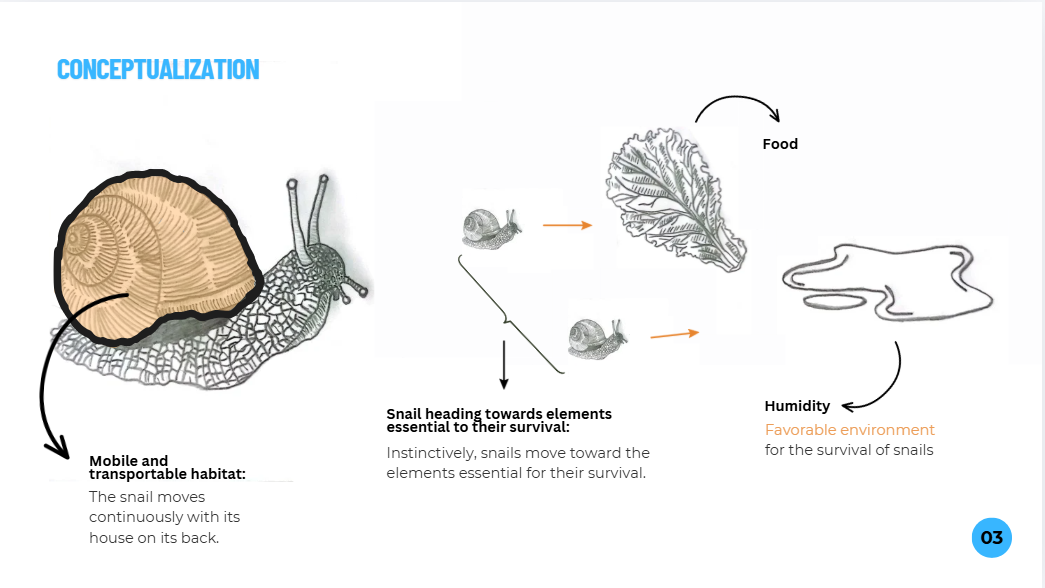
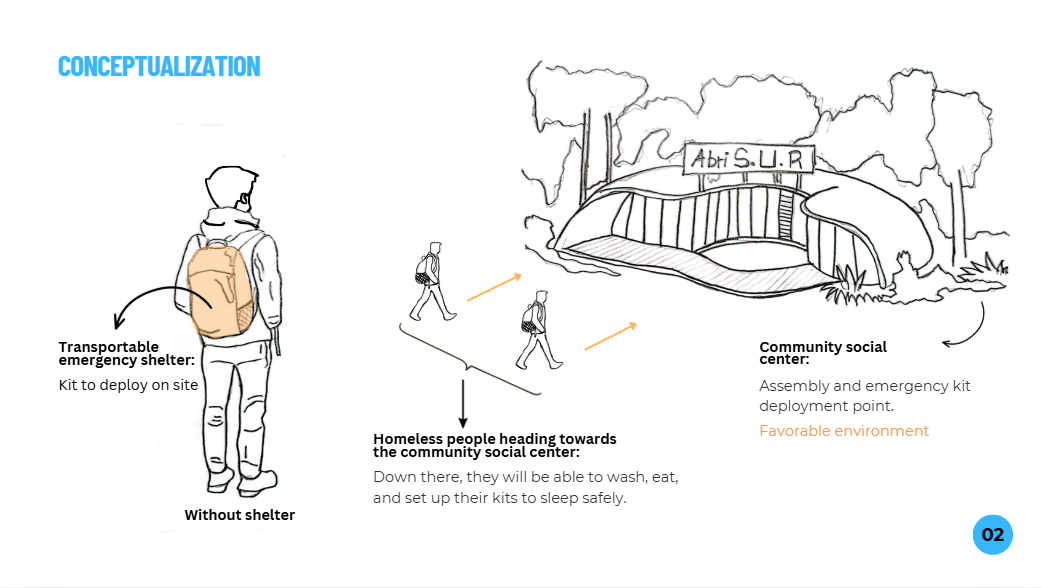
According to UN-Habitat and the OECD, the global homeless population increased from approximately 1.45% in 2010 (117 million) to 3.93% in 2025 (318 million), revealing a global housing crisis. In Africa, nearly 54 million people are affected. The phenomenon is largely explained by rural exodus: attracted by the hope of a better life, many people migrate to large cities but are confronted with a lack of jobs and housing. In Benin, this phenomenon is particularly observed in Cotonou. In response to this reality, this project proposes the design of a portable device combining a transport bag and a lightweight, deployable individual shelter. Inspired by the protective logic of the snail, which carries its shelter on its back, this device aims to offer a temporary solution allowing protection from rain, sun, and prying eyes, while facilitating the transport of personal belongings. At the same time, the project also envisages the creation of a community social center where these shelters could be deployed in a secure space, promoting both protection, dignity, and social connection.
According to UN-Habitat and the OECD, the global homeless population increased from approximately 1.45% in 2010 (117 million) to 3.93% in 2025 (318 million), revealing a global housing crisis. In Africa, nearly 54 million people are affected. The phenomenon is largely explained by rural exodus: attracted by the hope of a better life, many people migrate to large cities but are confronted with a lack of jobs and housing. In Benin, this phenomenon is particularly observed in Cotonou. In response to this reality, this project proposes the design of a portable device combining a transport bag and a lightweight, deployable individual shelter. Inspired by the protective logic of the snail, which carries its shelter on its back, this device aims to offer a temporary solution allowing protection from rain, sun, and prying eyes, while facilitating the transport of personal belongings. At the same time, the project also envisages the creation of a community social center where these shelters could be deployed in a secure space, promoting both protection, dignity, and social connection.
Project Innovation / Specification:
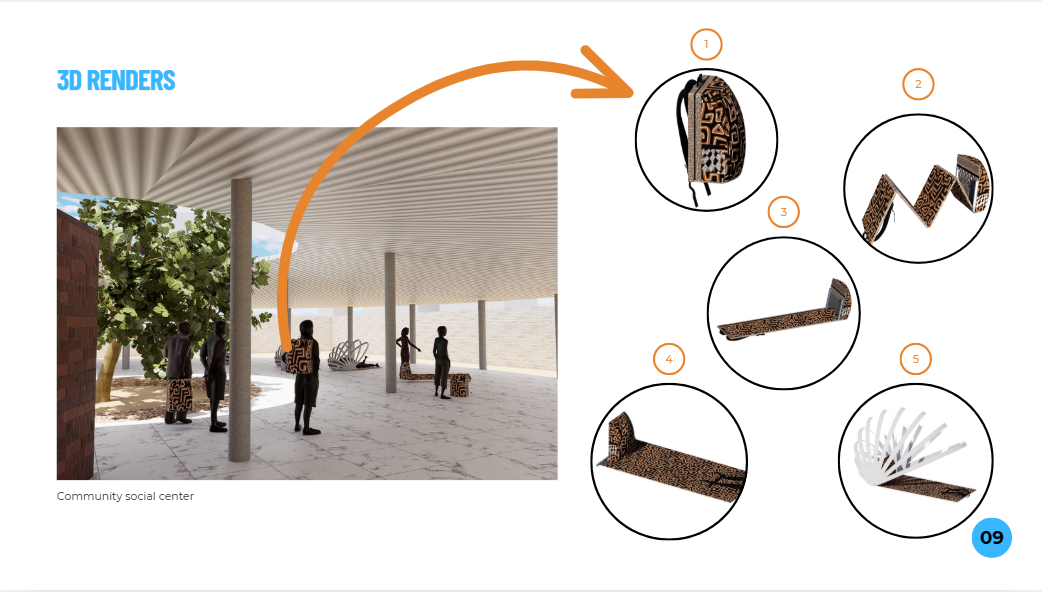
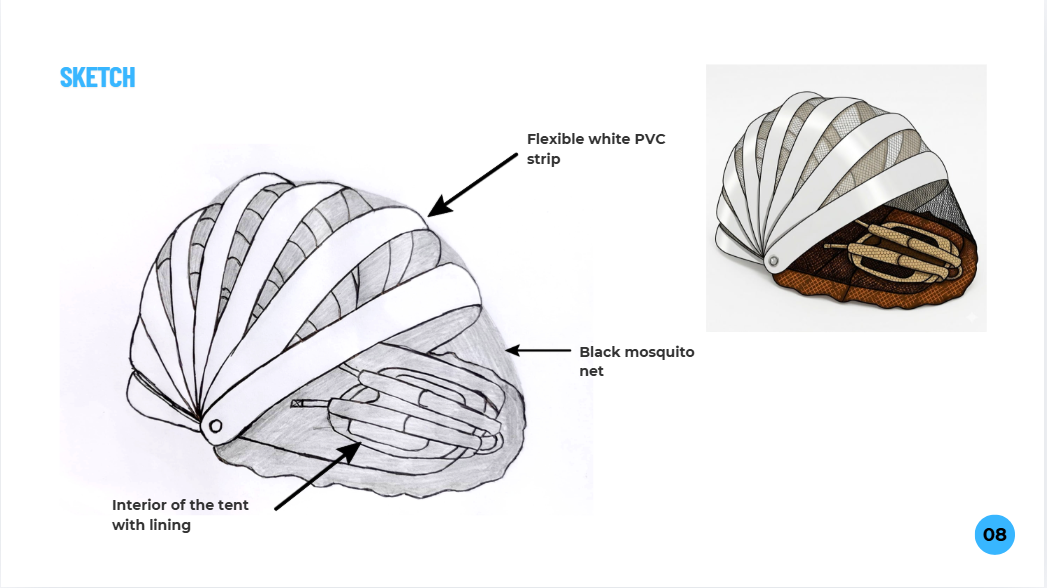
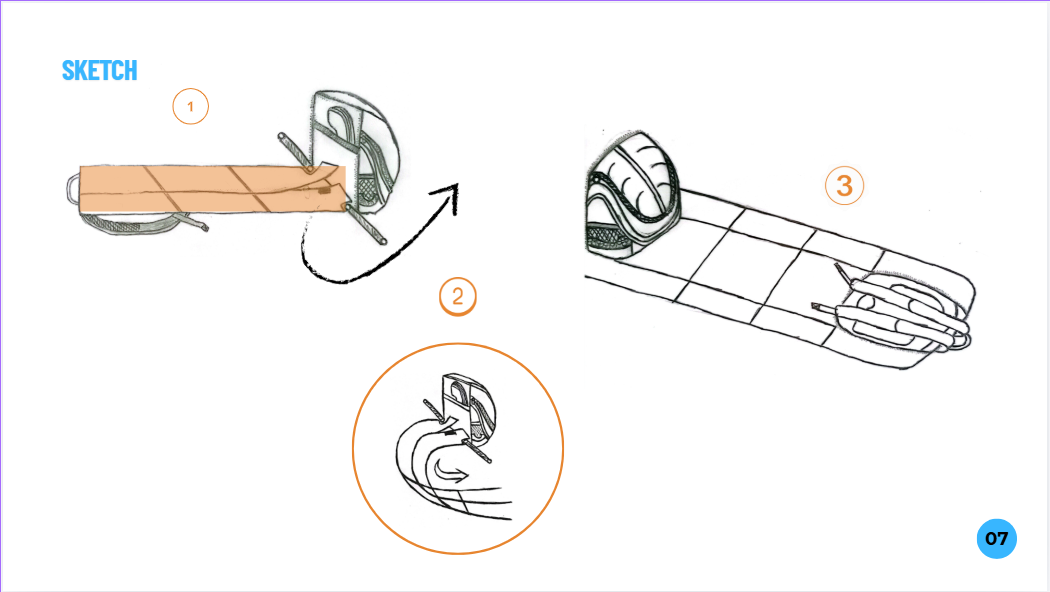
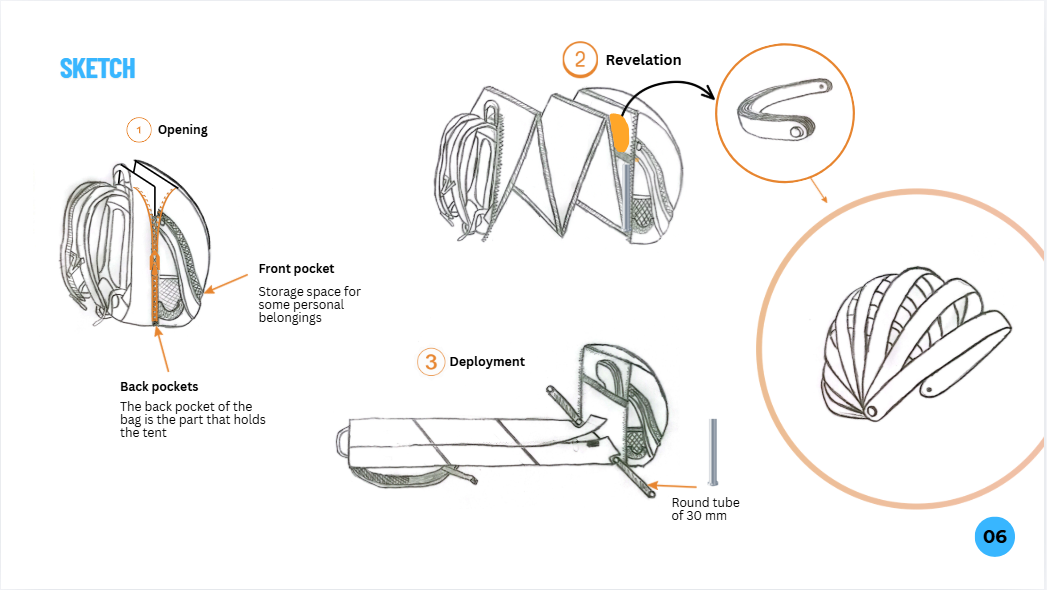
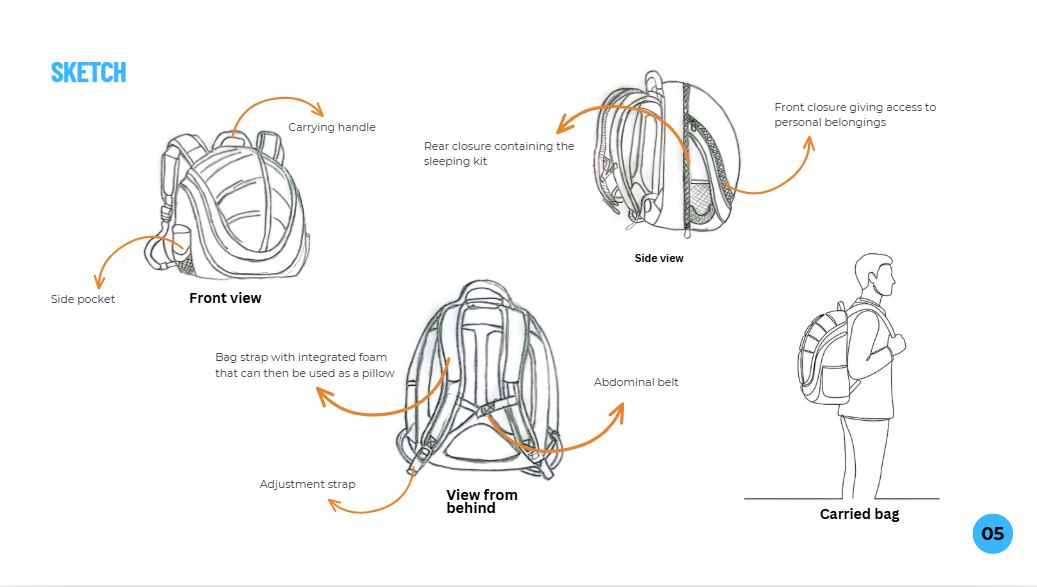
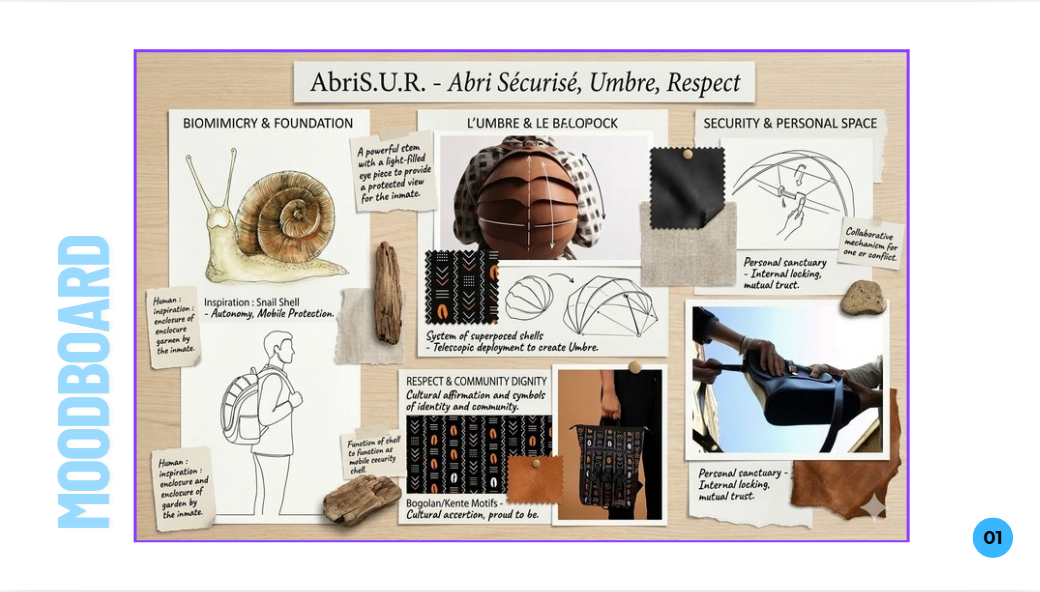
AbriS.U.R. aims to be innovative as it combines social design, mobility, and individual protection to provide a secure social and community shelter, within which each homeless person will have UMBRE (a Latin word meaning protection against sun and rain) by deploying their portable emergency habitat to regain human dignity and social respect. It offers a hybrid device combining a functional backpack and a deployable personal shelter, allowing the user to carry personal belongings while having immediate protection against the elements. Inspired by the logic of a snail carrying its home on its back, the project is based on the principle of a mobile refuge that is lightweight and easily assembled or disassembled. The shelter is designed with a foldable structure and a protective canvas incorporating a mosquito net, ensuring ventilation and protection against insects. Furthermore, the innovation of the project also lies in its social dimension: it is accompanied by the creation of a community center where users can set up their shelter in a secure environment. This arrangement thus aims to improve living conditions while promoting dignity, safety, and social connection.
AbriS.U.R. aims to be innovative as it combines social design, mobility, and individual protection to provide a secure social and community shelter, within which each homeless person will have UMBRE (a Latin word meaning protection against sun and rain) by deploying their portable emergency habitat to regain human dignity and social respect. It offers a hybrid device combining a functional backpack and a deployable personal shelter, allowing the user to carry personal belongings while having immediate protection against the elements. Inspired by the logic of a snail carrying its home on its back, the project is based on the principle of a mobile refuge that is lightweight and easily assembled or disassembled. The shelter is designed with a foldable structure and a protective canvas incorporating a mosquito net, ensuring ventilation and protection against insects. Furthermore, the innovation of the project also lies in its social dimension: it is accompanied by the creation of a community center where users can set up their shelter in a secure environment. This arrangement thus aims to improve living conditions while promoting dignity, safety, and social connection.
Project Sustainability Approach:
AbriS.U.R. reinvents access to dignified housing by placing sustainability at the heart of every aspect. Socially, it provides homeless individuals with secure and adaptable protection, restoring their autonomy and dignity. Economically, it promotes local industries, creates jobs, and supports African craftsmanship by incorporating fabrics with traditional patterns, transformed into interior and exterior coverings. Between these layers, a flexible tarpaulin makes the shelter completely waterproof, ensuring comfort and durability against the elements. Environmentally, the project prioritizes responsible and reusable materials, reducing its ecological footprint while celebrating local cultural richness. Each AbriS.U.R. is thus far more than a mere shelter: it is a space of dignity, protection, and African creativity, designed to endure and transform the daily lives of those who need it most.
AbriS.U.R. reinvents access to dignified housing by placing sustainability at the heart of every aspect. Socially, it provides homeless individuals with secure and adaptable protection, restoring their autonomy and dignity. Economically, it promotes local industries, creates jobs, and supports African craftsmanship by incorporating fabrics with traditional patterns, transformed into interior and exterior coverings. Between these layers, a flexible tarpaulin makes the shelter completely waterproof, ensuring comfort and durability against the elements. Environmentally, the project prioritizes responsible and reusable materials, reducing its ecological footprint while celebrating local cultural richness. Each AbriS.U.R. is thus far more than a mere shelter: it is a space of dignity, protection, and African creativity, designed to endure and transform the daily lives of those who need it most.
Local and Regional Impacts of the Project:
The production and maintenance of AbriS.U.R. bags create genuine opportunities for local artisans, turning textile manufacturing into a profitable and rewarding activity. The management of the center generates stable employment while highlighting traditional skills and African creativity. At the regional level, the project stimulates the circular economy and textile sectors, while promoting an innovative and sustainable model of emergency housing. By inspiring other similar initiatives, AbriS.U.R. contributes to strengthening community resilience and fostering a sustainable market where social innovation and cultural heritage come together.
The production and maintenance of AbriS.U.R. bags create genuine opportunities for local artisans, turning textile manufacturing into a profitable and rewarding activity. The management of the center generates stable employment while highlighting traditional skills and African creativity. At the regional level, the project stimulates the circular economy and textile sectors, while promoting an innovative and sustainable model of emergency housing. By inspiring other similar initiatives, AbriS.U.R. contributes to strengthening community resilience and fostering a sustainable market where social innovation and cultural heritage come together.

Lead Designer(s) Name(s):Kassandra Daboutou