BambooKiosk
Prize(s):
Honorable Mention 2026 ARCHITECTURE / Commercial & Retail Architecture
School / University Name:Africa Design School
Lead Designer(s) Name(s):Maëlys Djenontin
Design Team / Other designer(s):Individual project
Professor Name(s):Mr Djimey SANGARE
Photo Credit:DJENONTIN Maelys
Project Location:Benin
Design Status:Concept
Project Description:
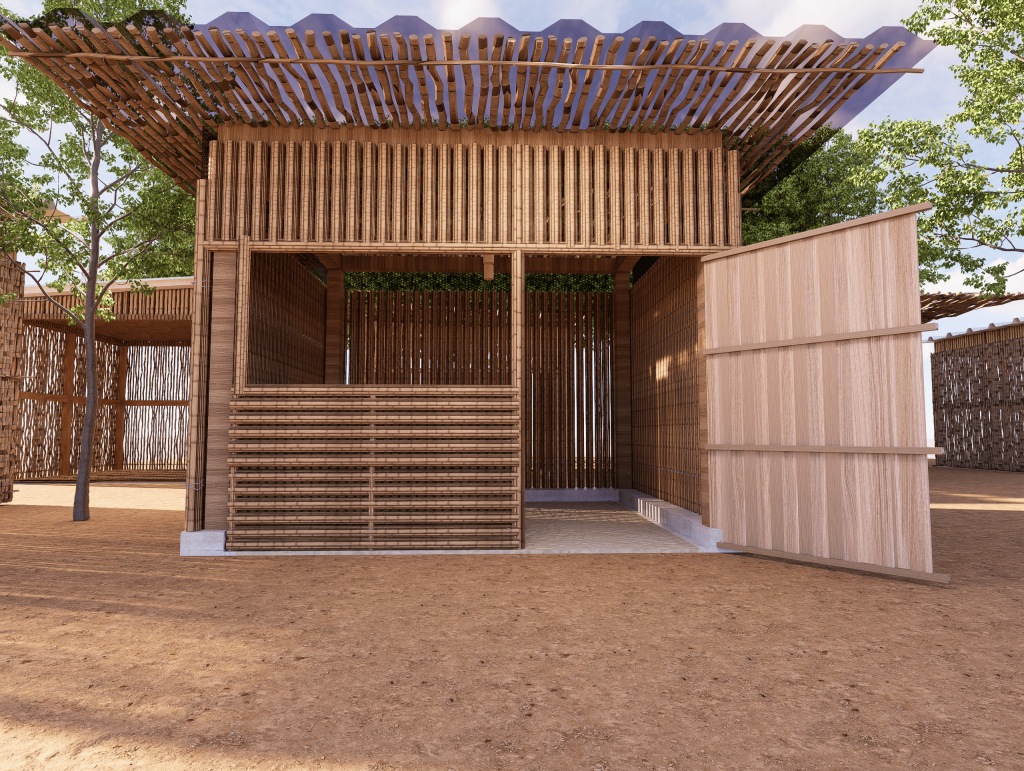
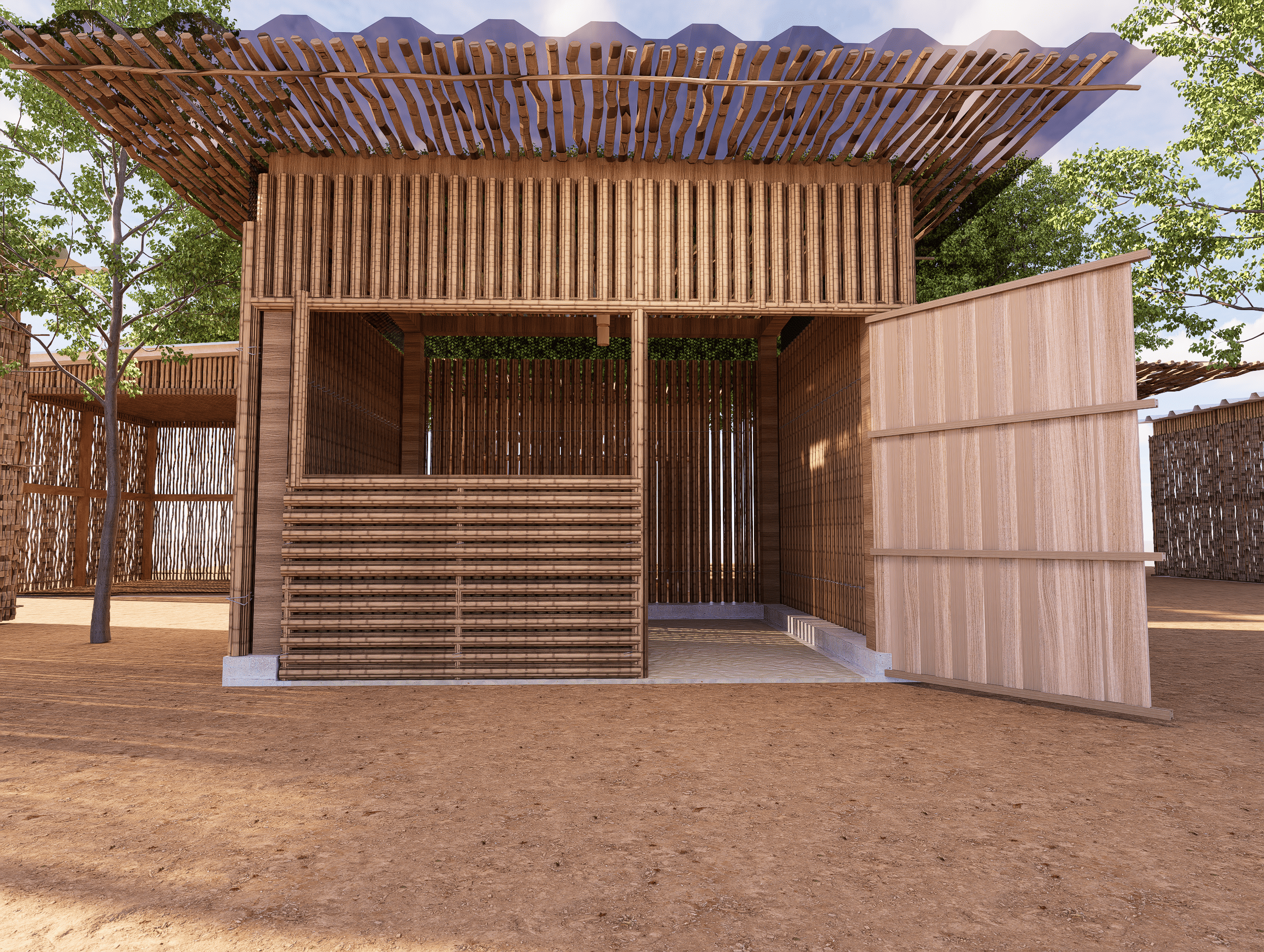
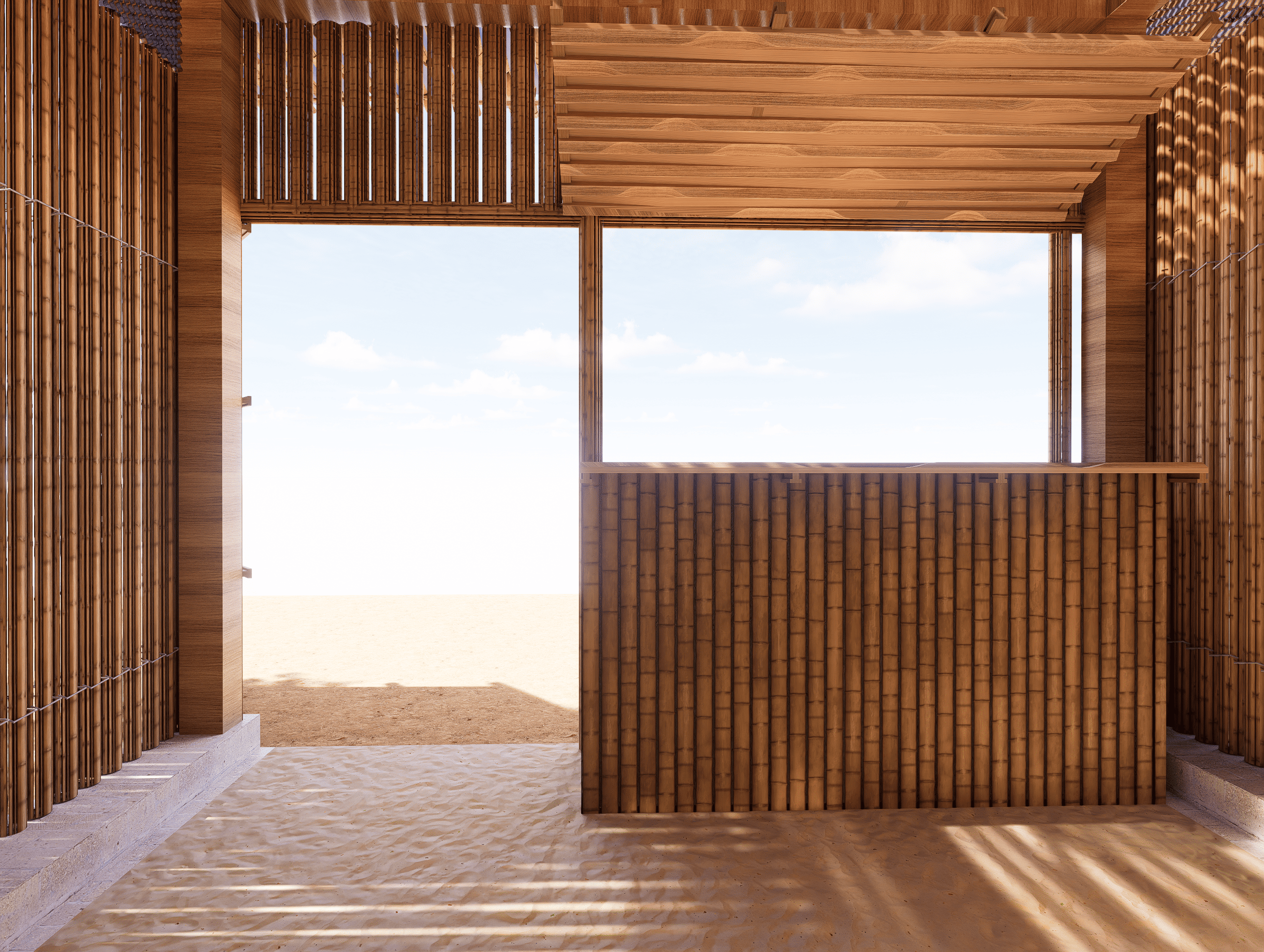
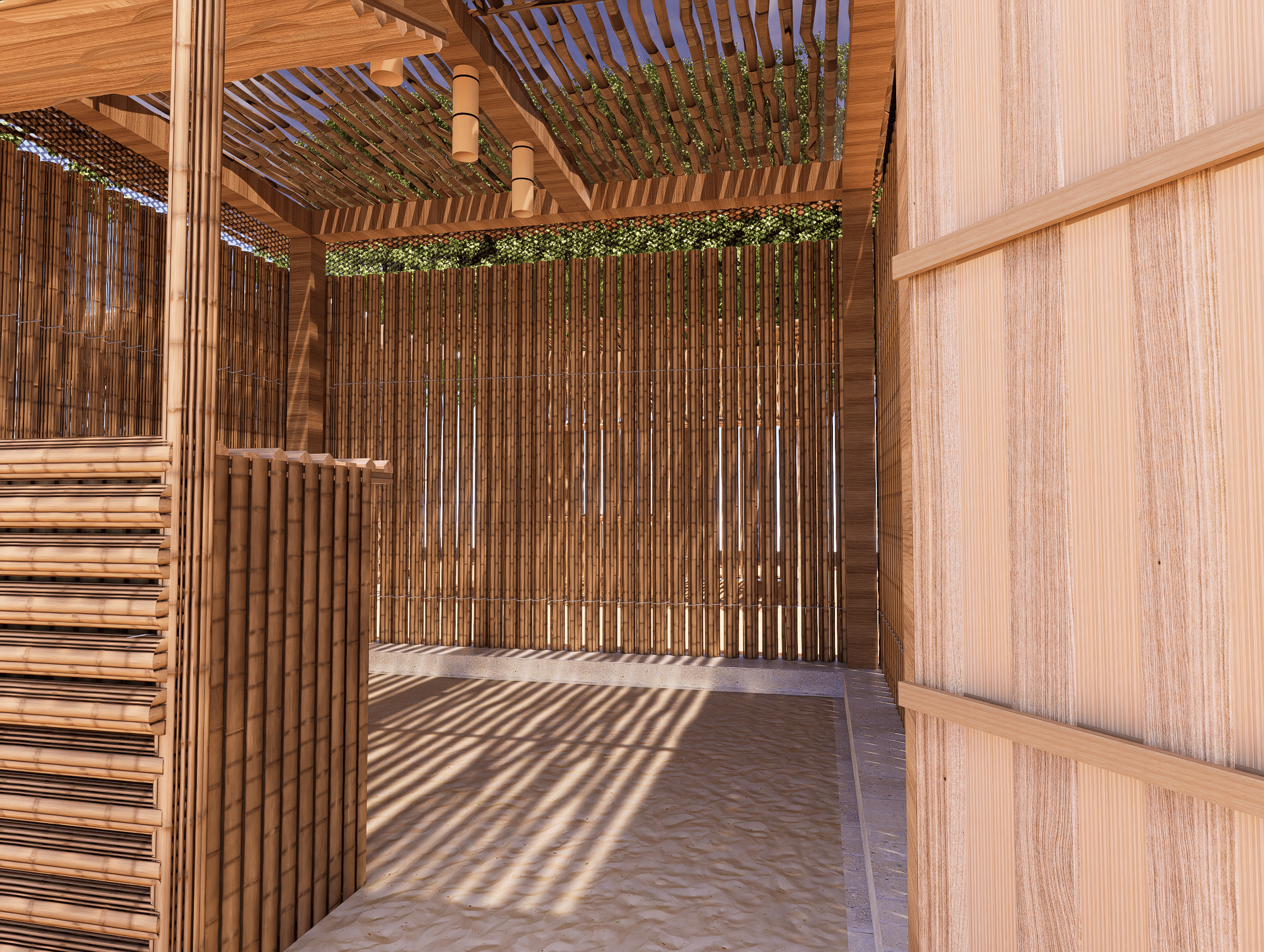
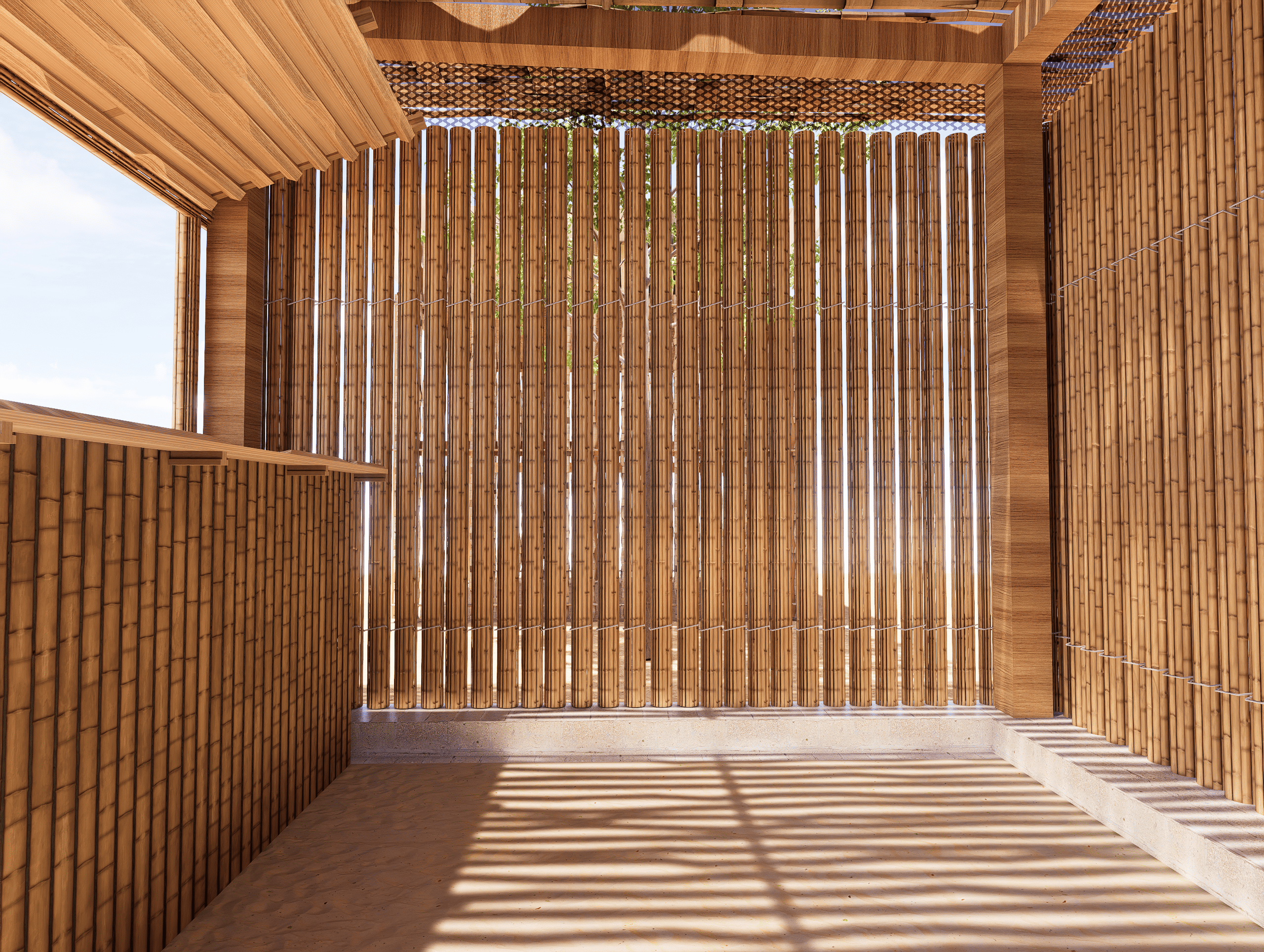
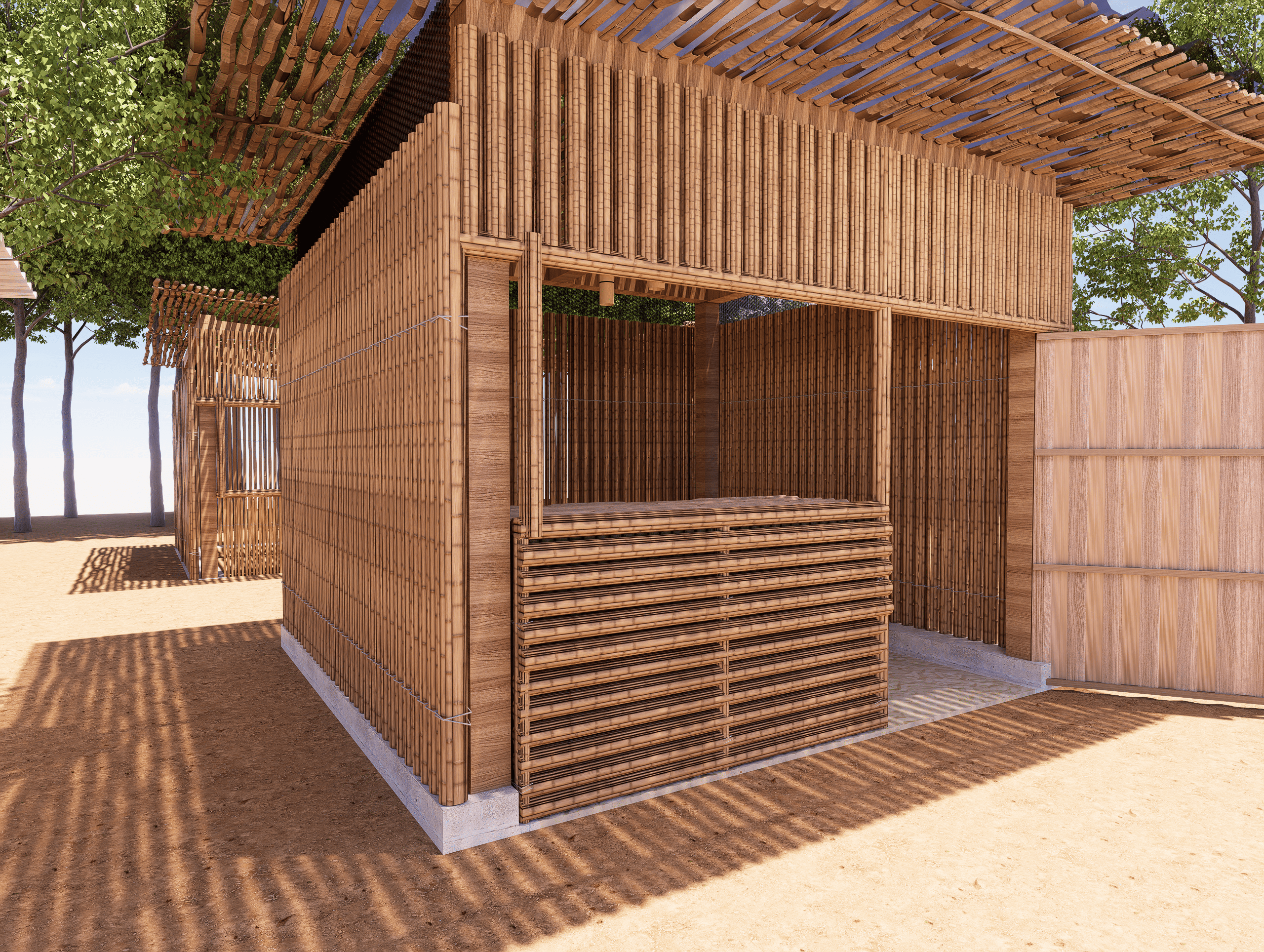
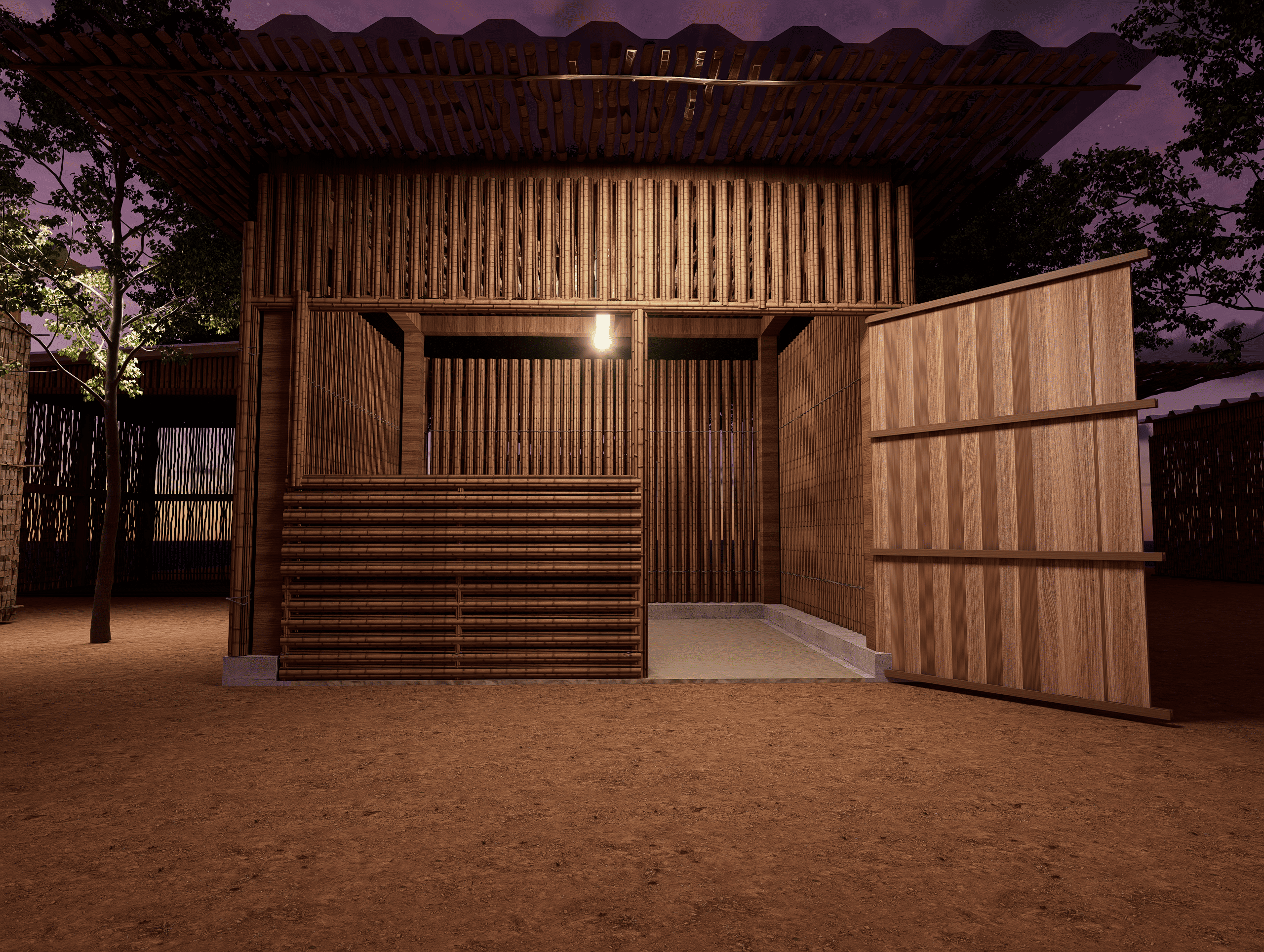
In the streets of Cotonou and Abomey-Calavi, many small traders operate in makeshift shops built from wood, metal sheets, or other recycled materials. These structures are fragile, poorly resist the weather, and often collapse due to weak construction and inadequate foundations, putting both the traders and their goods at risk. BambooKiosk was created in response to this situation: it reuses the same local materials but optimizes them to provide a more durable, stable, and secure structure, while remaining affordable and accessible for small-scale traders. By transforming informal setups into solid and visually coherent points of commerce, BambooKiosk offers a practical, long-lasting alternative that meets economic constraints, strengthens urban organization, and preserves the local identity of the cities. It is a thoughtful solution that bridges necessity, sustainability, and resilience for everyday commerce.
In the streets of Cotonou and Abomey-Calavi, many small traders operate in makeshift shops built from wood, metal sheets, or other recycled materials. These structures are fragile, poorly resist the weather, and often collapse due to weak construction and inadequate foundations, putting both the traders and their goods at risk. BambooKiosk was created in response to this situation: it reuses the same local materials but optimizes them to provide a more durable, stable, and secure structure, while remaining affordable and accessible for small-scale traders. By transforming informal setups into solid and visually coherent points of commerce, BambooKiosk offers a practical, long-lasting alternative that meets economic constraints, strengthens urban organization, and preserves the local identity of the cities. It is a thoughtful solution that bridges necessity, sustainability, and resilience for everyday commerce.
Project Innovation / Specification:
BambooKiosk innovates by rethinking informal street shops in Cotonou and Abomey-Calavi. Small traders often rely on fragile structures made of wood, metal sheets, or recycled materials that collapse easily, offering little protection from weather or time. BambooKiosk uses the same local materials but optimizes them, creating durable, stable, and secure structures that remain affordable and accessible. The innovation lies in enhancing the performance of familiar materials, turning precarious setups into resilient, visually coherent, and harmonious points of commerce. By improving urban integration and supporting small-scale traders, BambooKiosk offers a practical, sustainable, and replicable solution that respects the local identity while demonstrating that everyday commerce can be both accessible and long-lasting.
BambooKiosk innovates by rethinking informal street shops in Cotonou and Abomey-Calavi. Small traders often rely on fragile structures made of wood, metal sheets, or recycled materials that collapse easily, offering little protection from weather or time. BambooKiosk uses the same local materials but optimizes them, creating durable, stable, and secure structures that remain affordable and accessible. The innovation lies in enhancing the performance of familiar materials, turning precarious setups into resilient, visually coherent, and harmonious points of commerce. By improving urban integration and supporting small-scale traders, BambooKiosk offers a practical, sustainable, and replicable solution that respects the local identity while demonstrating that everyday commerce can be both accessible and long-lasting.
Project Sustainability Approach:
BambooKiosk promotes sustainability by combining local, recycled, and renewable materials with a carefully thought-out design. Rather than relying on imported or expensive resources, the project optimizes bamboo, wood, metal sheets, and other recovered materials to create structures that are durable, low-impact, and resistant over time. Its construction reduces urban waste and encourages the reuse of materials often discarded by the community. The kiosks are designed for longevity, limiting the need for frequent repairs or replacements while remaining affordable for small traders. By improving the performance of locally available resources, BambooKiosk fosters environmental responsibility and economic resilience. This approach proves that sustainable design can be practical, cost-effective, and replicable, providing a model for small-scale commerce that supports both the environment and local communities.
BambooKiosk promotes sustainability by combining local, recycled, and renewable materials with a carefully thought-out design. Rather than relying on imported or expensive resources, the project optimizes bamboo, wood, metal sheets, and other recovered materials to create structures that are durable, low-impact, and resistant over time. Its construction reduces urban waste and encourages the reuse of materials often discarded by the community. The kiosks are designed for longevity, limiting the need for frequent repairs or replacements while remaining affordable for small traders. By improving the performance of locally available resources, BambooKiosk fosters environmental responsibility and economic resilience. This approach proves that sustainable design can be practical, cost-effective, and replicable, providing a model for small-scale commerce that supports both the environment and local communities.
Local and Regional Impacts of the Project:
BambooKiosk strengthens local economies by giving small traders durable, affordable, and safe structures, reducing losses from fragile shops. By reusing local and recycled materials, it cuts urban waste and promotes sustainable practices. Its visually cohesive kiosks enhance streetscapes, encourage community organization, and foster social interaction. Regionally, BambooKiosk offers a replicable model for West African cities facing informal commerce challenges, showing how small-scale, low-cost interventions can boost economic resilience, environmental responsibility, and inclusive urban development, creating long-lasting benefits for both traders and communities.
BambooKiosk strengthens local economies by giving small traders durable, affordable, and safe structures, reducing losses from fragile shops. By reusing local and recycled materials, it cuts urban waste and promotes sustainable practices. Its visually cohesive kiosks enhance streetscapes, encourage community organization, and foster social interaction. Regionally, BambooKiosk offers a replicable model for West African cities facing informal commerce challenges, showing how small-scale, low-cost interventions can boost economic resilience, environmental responsibility, and inclusive urban development, creating long-lasting benefits for both traders and communities.
Previous Awards Won:
• Distinction académique – Projet individuel créatif de Design d’Espace, Africa Design School (2025) • Distinction académique – Projet de groupe de Design d’Espace, Africa Design School (2025)
• Distinction académique – Projet individuel créatif de Design d’Espace, Africa Design School (2025) • Distinction académique – Projet de groupe de Design d’Espace, Africa Design School (2025)