
Becoming a Beacon
Prize(s):
EMERGING COMMUNICATION DESIGNER OF THE YEAR 2026 | WINNER 2026 Print & Digital / Book and Magazine
School / University Name:Greenside Design Center
Lead Designer(s) Name(s):Annabelle Armstrong
Professor Name(s):Robin Turner, Carla Saunders, Caitlin Paige, Nicola Lourens
Project Location:Johannesburg, South Africa
Design Status:Prototype
Project Description:
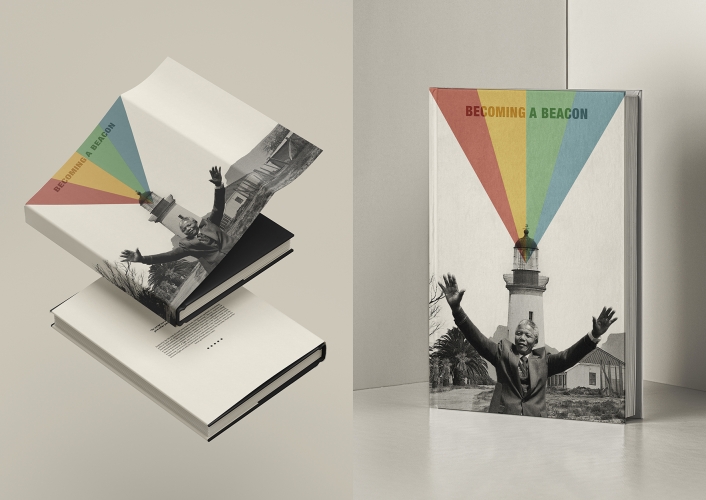
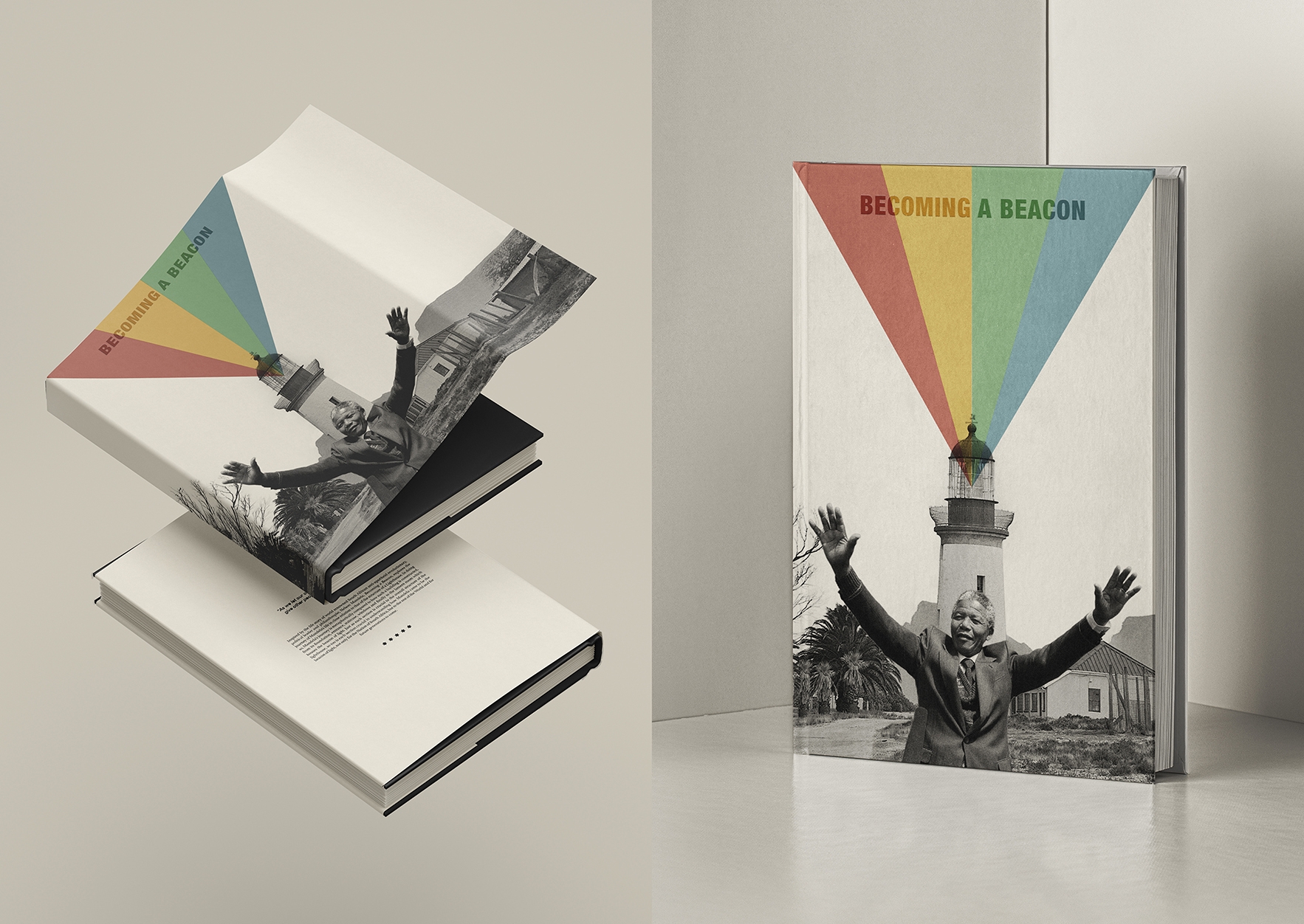
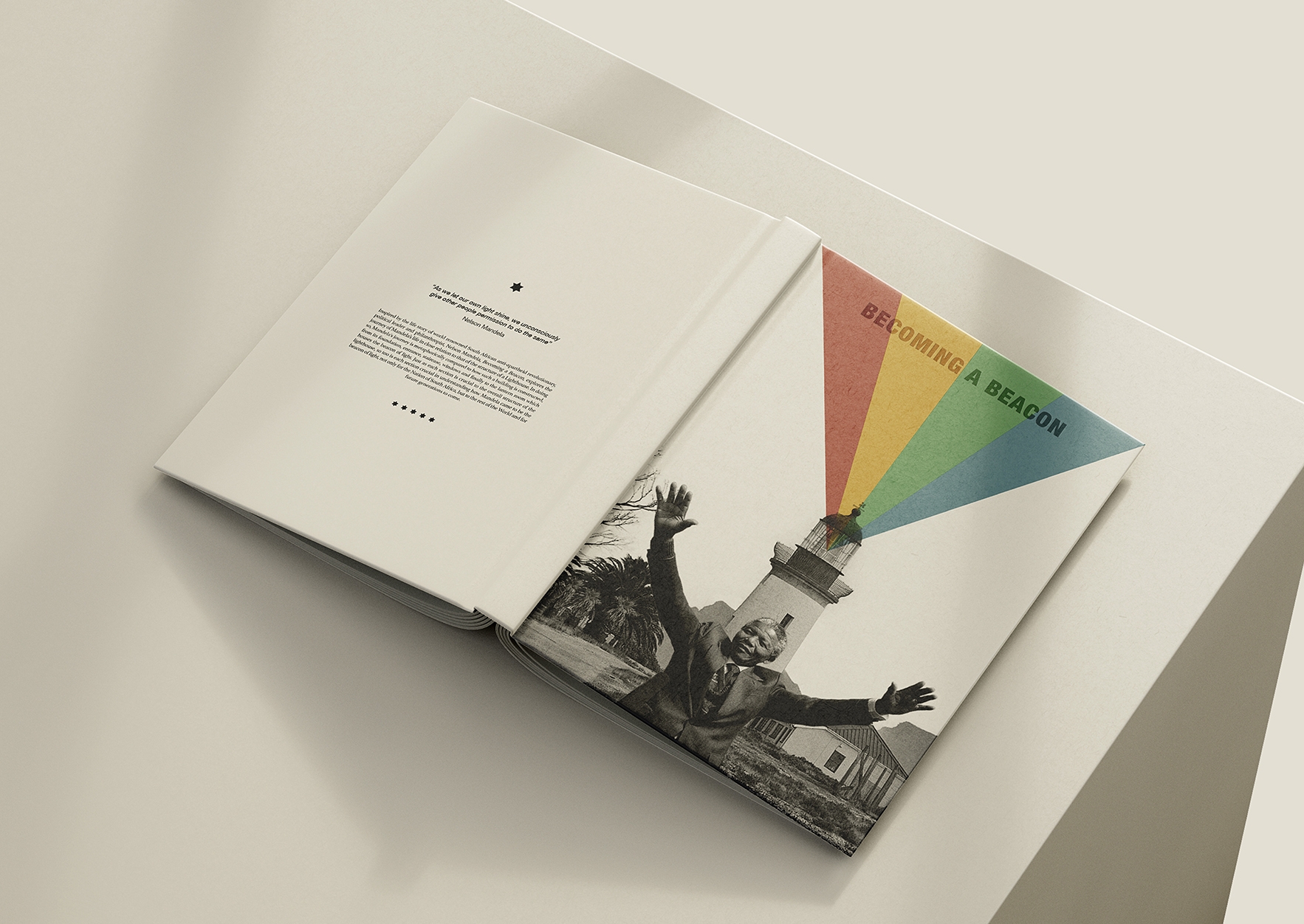
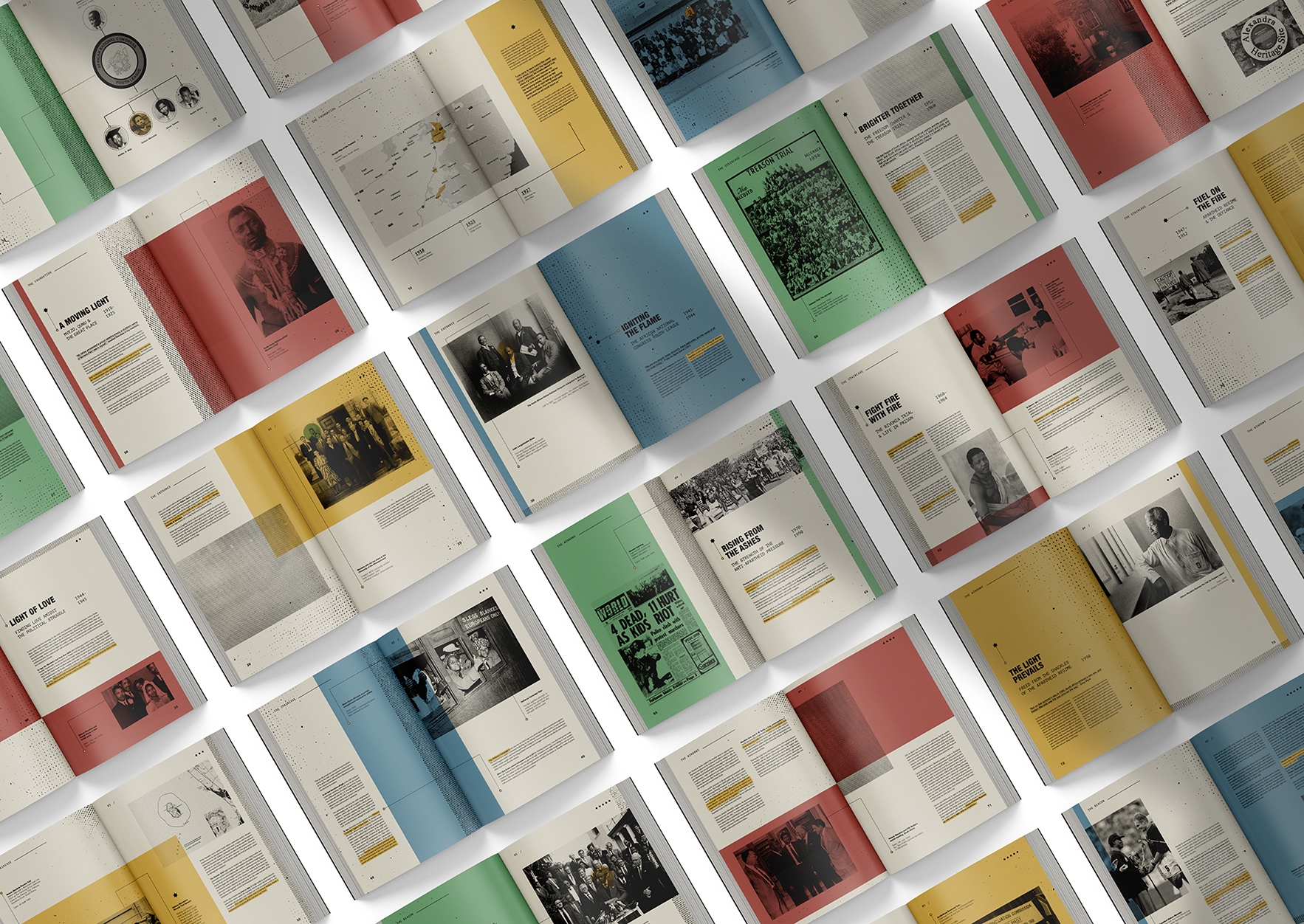
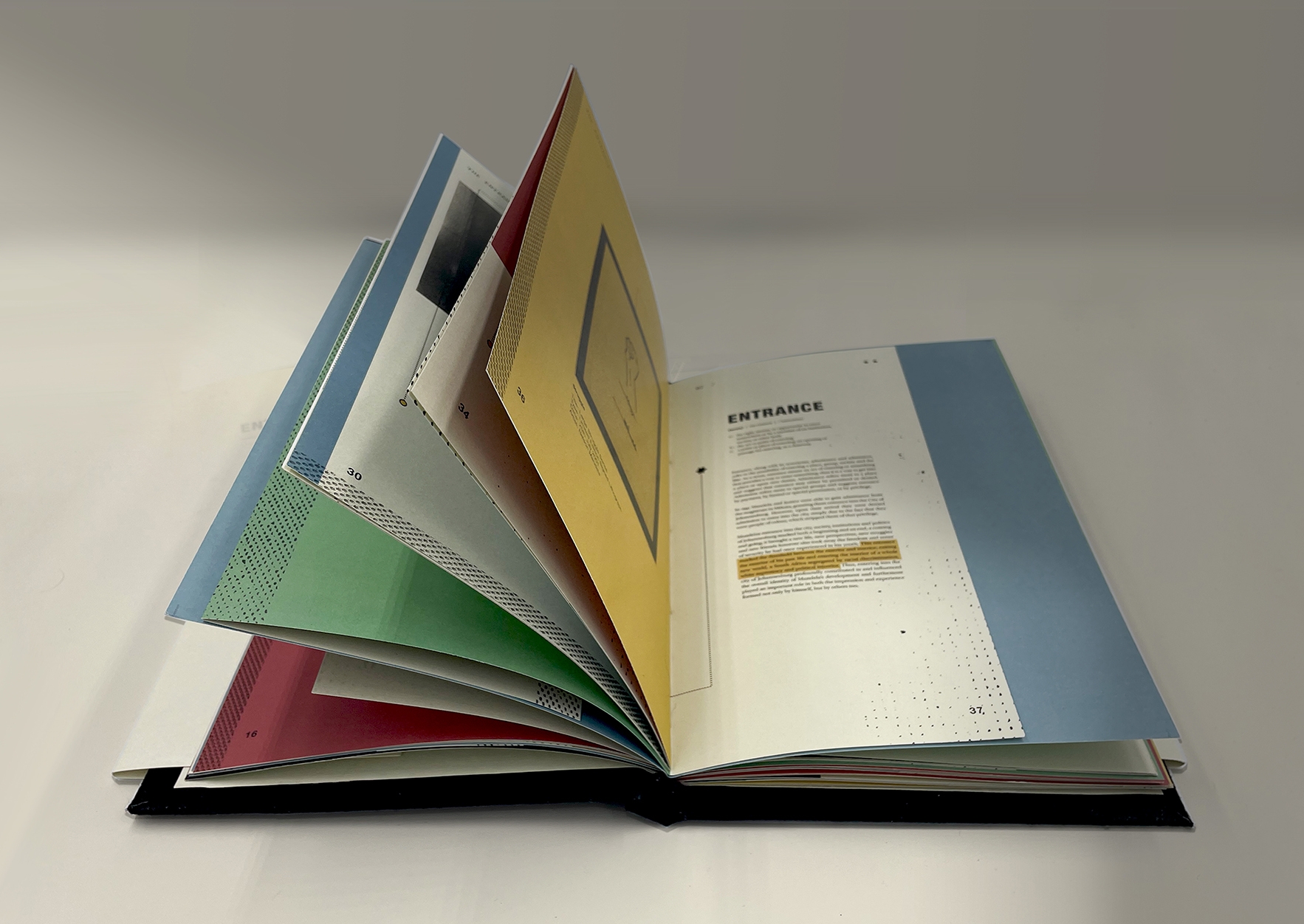
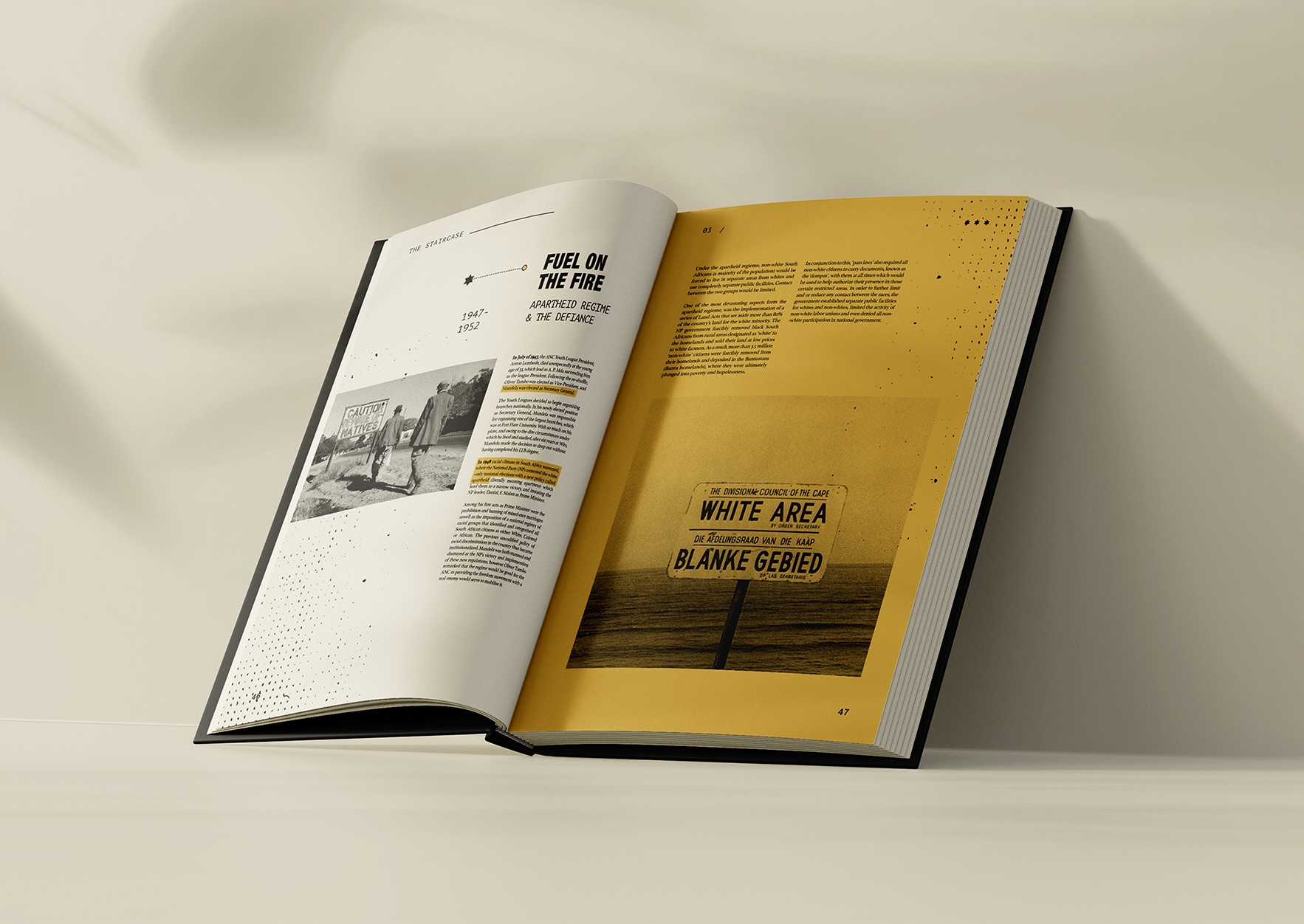
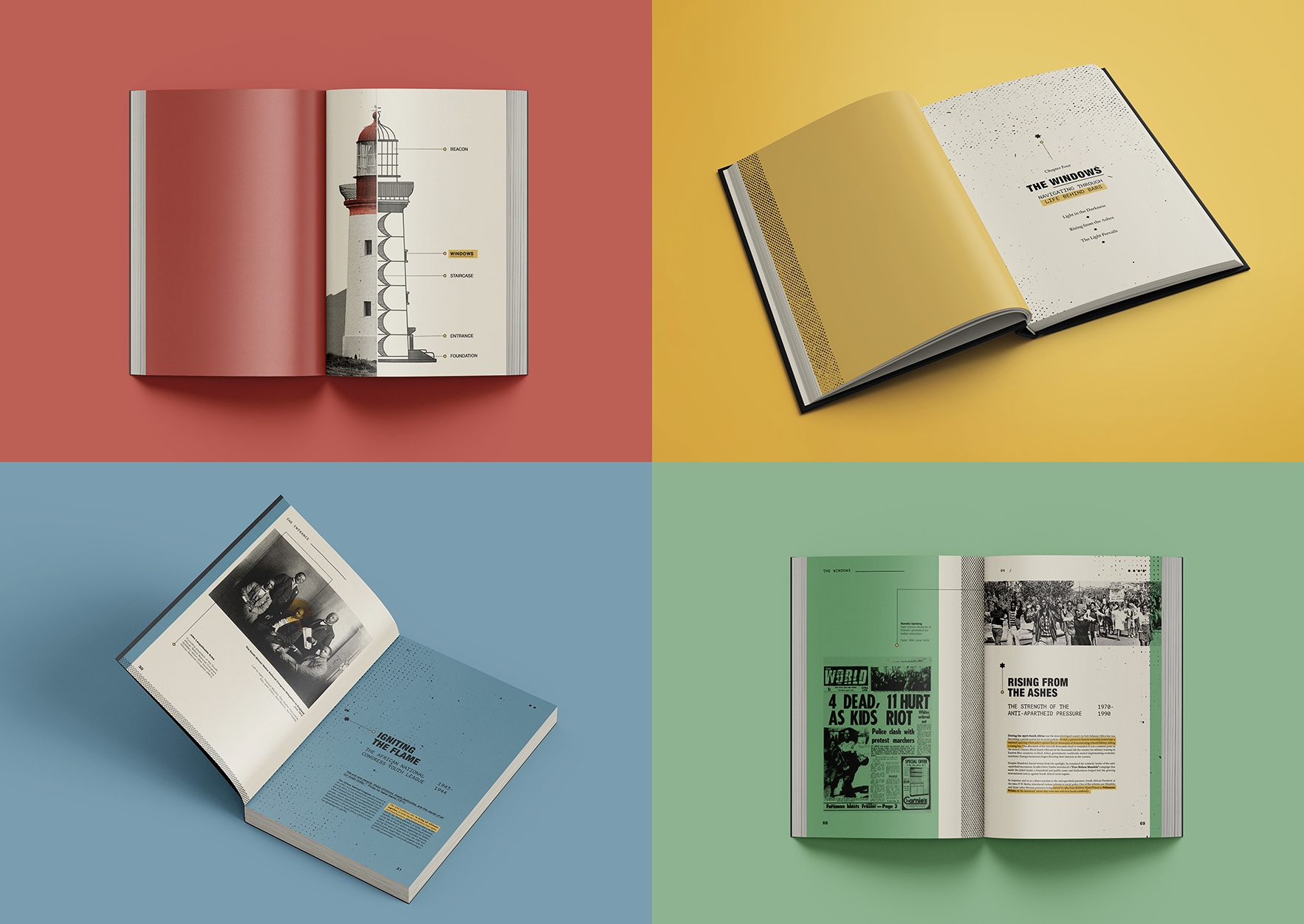
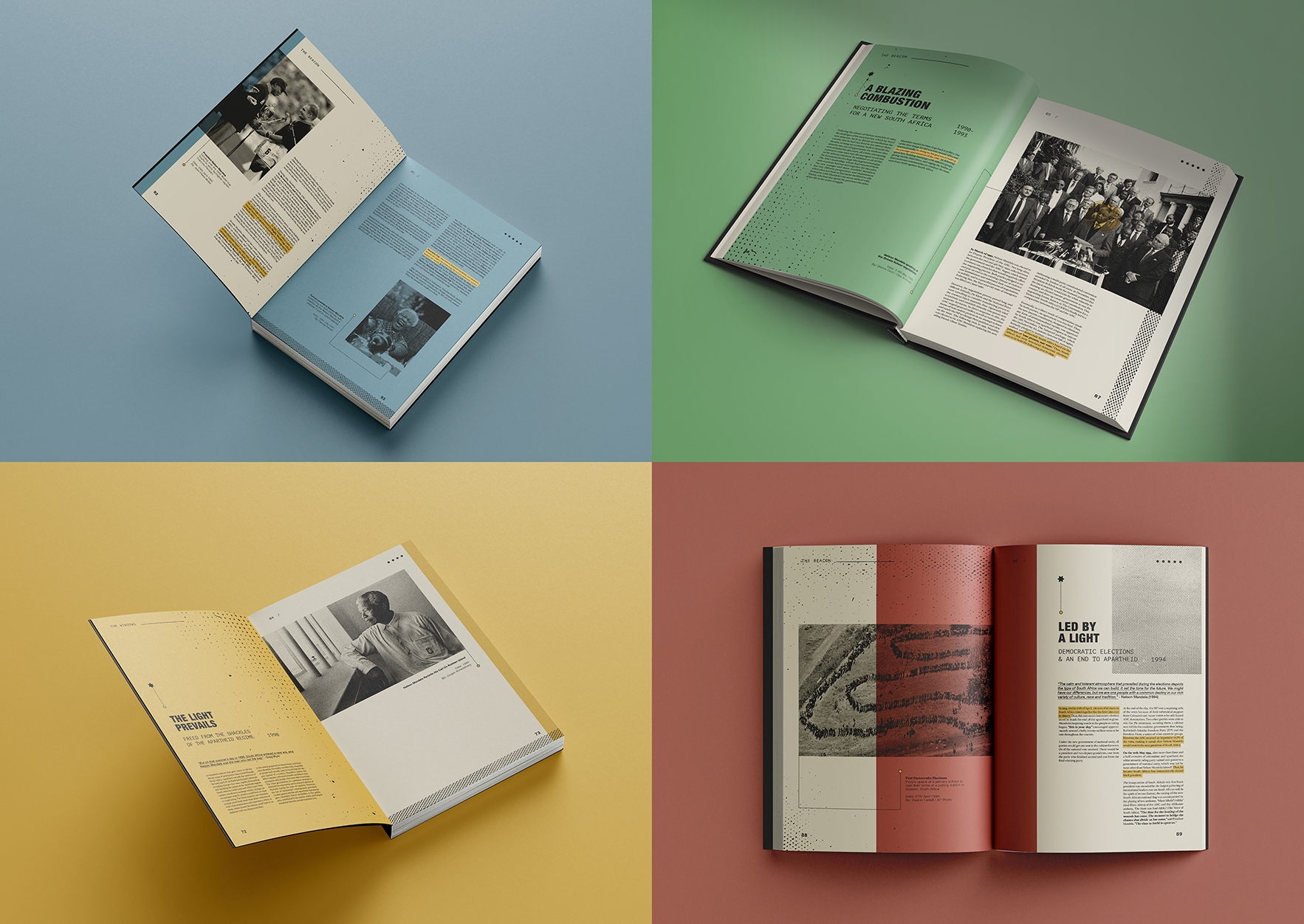
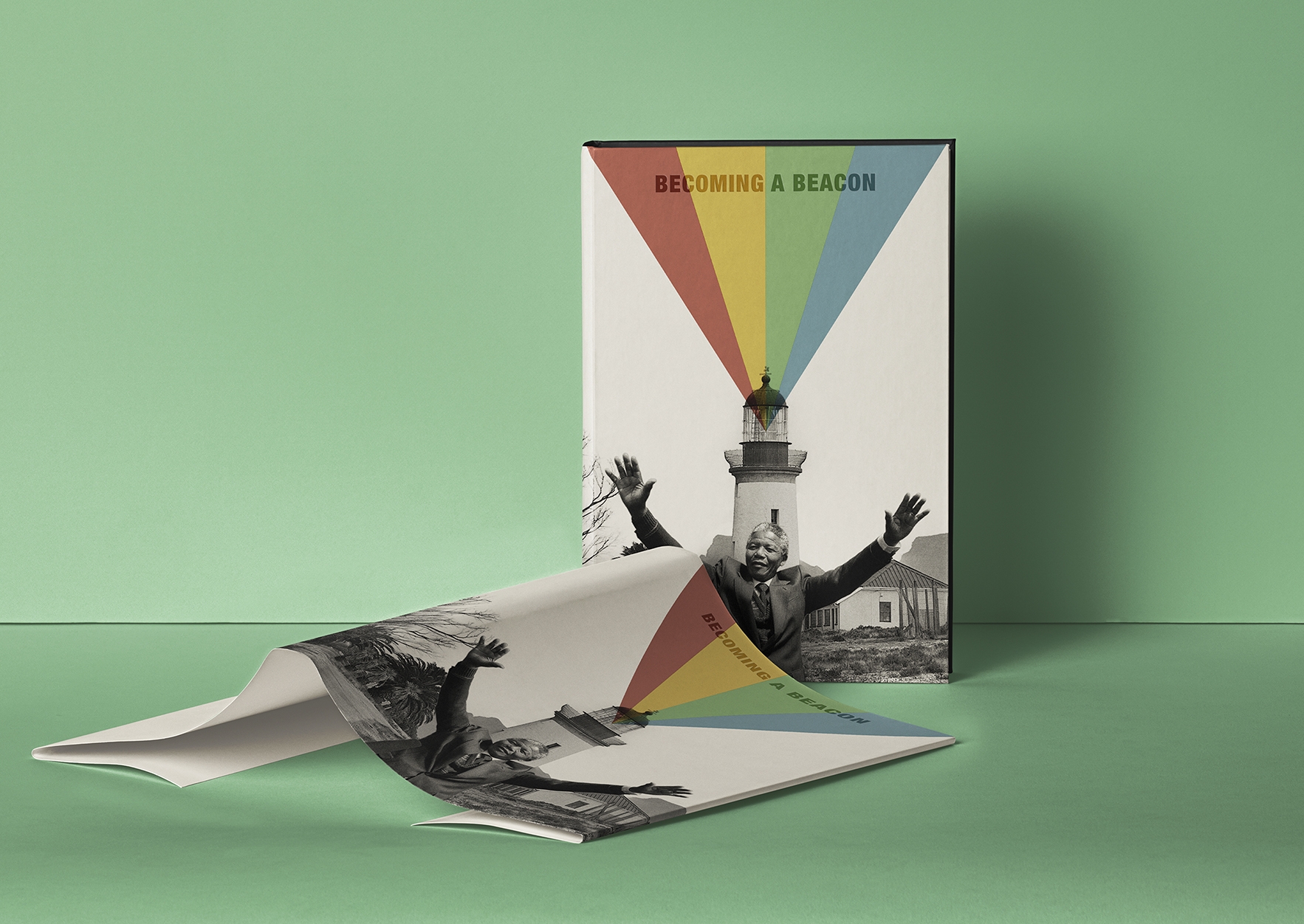
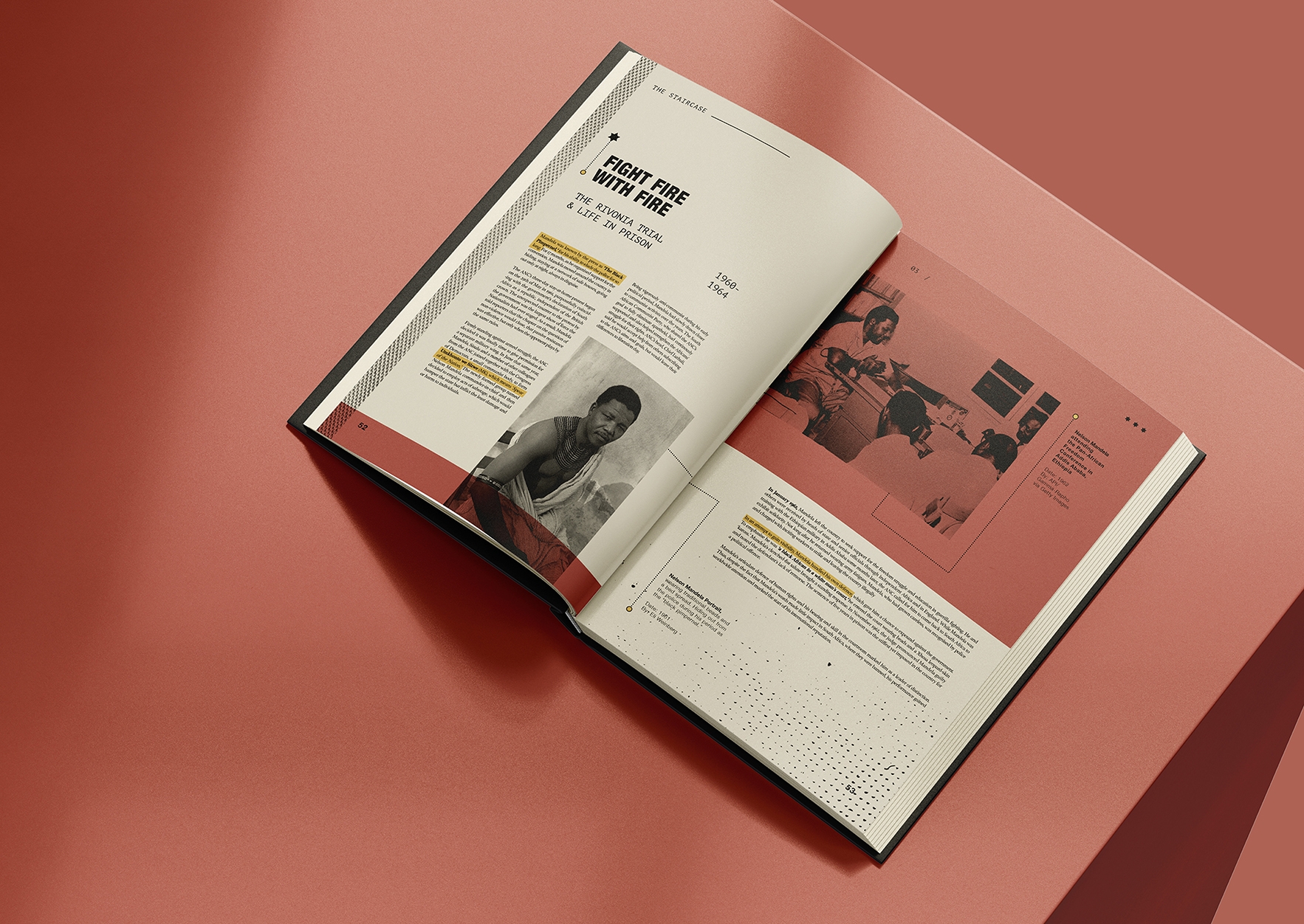
Inspired by the true life story of world renowned, South African anti-apartheid revolutionary,political leader and philanthropist, Nelson Mandela, Becoming a Beacon unpacks the journey of Mandela’s life in close relation to that of the structure of a Lighthouse. In doing so, Mandela’s journey is metaphorically compared to how such a building is constructed, from its foundation, entrance, staircase, windows and finally to the lantern room which houses the beacon of light. Just as each section is crucial to the overall structure of the lighthouse, so too is each section crucial in understanding how Mandela came to be a beacon of light, not only to the Nation of South Africa, but to the rest of the World and for future generations to come. To tell the story of Nelson Mandela’s life by metaphorically comparing it to the literal construction and function of a lighthouse. By using the structure of a lighthouse to structure the narrative, I am able to effectively and efficiently communicate how both Mandela and the lighthouse originally came from nothing, but built on their foundation until construction was complete and their beacons of light turned on.
Inspired by the true life story of world renowned, South African anti-apartheid revolutionary,political leader and philanthropist, Nelson Mandela, Becoming a Beacon unpacks the journey of Mandela’s life in close relation to that of the structure of a Lighthouse. In doing so, Mandela’s journey is metaphorically compared to how such a building is constructed, from its foundation, entrance, staircase, windows and finally to the lantern room which houses the beacon of light. Just as each section is crucial to the overall structure of the lighthouse, so too is each section crucial in understanding how Mandela came to be a beacon of light, not only to the Nation of South Africa, but to the rest of the World and for future generations to come. To tell the story of Nelson Mandela’s life by metaphorically comparing it to the literal construction and function of a lighthouse. By using the structure of a lighthouse to structure the narrative, I am able to effectively and efficiently communicate how both Mandela and the lighthouse originally came from nothing, but built on their foundation until construction was complete and their beacons of light turned on.
Project Innovation / Specification:
The project is innovative in the way it fuses architectural research with biographical storytelling, using the physical structure of a lighthouse as a narrative framework for understanding Nelson Mandela’s life. Rather than presenting history in a conventional linear or factual manner, it translates complex social, political, and personal developments into spatial and symbolic elements that audiences can intuitively grasp. This metaphor-driven approach bridges past and present, making historical knowledge more accessible and engaging in a digital age where attention is fragmented. By reinterpreting both heritage architecture and a celebrated historical figure through a single, cohesive lens, the project offers a fresh, interdisciplinary way of preserving memory and meaning.
The project is innovative in the way it fuses architectural research with biographical storytelling, using the physical structure of a lighthouse as a narrative framework for understanding Nelson Mandela’s life. Rather than presenting history in a conventional linear or factual manner, it translates complex social, political, and personal developments into spatial and symbolic elements that audiences can intuitively grasp. This metaphor-driven approach bridges past and present, making historical knowledge more accessible and engaging in a digital age where attention is fragmented. By reinterpreting both heritage architecture and a celebrated historical figure through a single, cohesive lens, the project offers a fresh, interdisciplinary way of preserving memory and meaning.
Project Sustainability Approach:
he project approaches sustainability by focusing on keeping history, values, and cultural identity alive rather than letting them fade in a fast-moving digital world. By connecting the story of Nelson Mandela with South Africa’s lighthouses, it encourages appreciation for heritage and shows how the past can still guide the future. Instead of relying on new materials or heavy production, the project uses storytelling and research as its core tools, making it low-impact and meaningful. Most importantly, it supports social sustainability by passing on lessons of resilience, leadership, and hope, helping future generations stay connected to the people and stories that shaped the world they live in.
he project approaches sustainability by focusing on keeping history, values, and cultural identity alive rather than letting them fade in a fast-moving digital world. By connecting the story of Nelson Mandela with South Africa’s lighthouses, it encourages appreciation for heritage and shows how the past can still guide the future. Instead of relying on new materials or heavy production, the project uses storytelling and research as its core tools, making it low-impact and meaningful. Most importantly, it supports social sustainability by passing on lessons of resilience, leadership, and hope, helping future generations stay connected to the people and stories that shaped the world they live in.
Local and Regional Impacts of the Project:
At a local and regional level, the project strengthens awareness and appreciation of South Africa’s cultural and historical heritage. By highlighting local lighthouses and linking them to the life of Nelson Mandela, it encourages communities to reconnect with places and stories that may be overlooked or taken for granted. The project has the potential to spark interest in heritage sites, supporting education, tourism, and local pride. Regionally, it contributes to a shared understanding of South Africa’s history and values, promoting reflection on leadership, resilience, and unity. By making history more relatable and engaging, the project helps ensure that important local and regional narratives remain relevant and meaningful for future generations.
At a local and regional level, the project strengthens awareness and appreciation of South Africa’s cultural and historical heritage. By highlighting local lighthouses and linking them to the life of Nelson Mandela, it encourages communities to reconnect with places and stories that may be overlooked or taken for granted. The project has the potential to spark interest in heritage sites, supporting education, tourism, and local pride. Regionally, it contributes to a shared understanding of South Africa’s history and values, promoting reflection on leadership, resilience, and unity. By making history more relatable and engaging, the project helps ensure that important local and regional narratives remain relevant and meaningful for future generations.