Falling Stars
Prize(s):
Honorable Mention 2026 ARCHITECTURE / Landscape Architecture
School / University Name:Drexel University
Lead Designer(s) Name(s):Adeniyi Onanuga
Professor Name(s):Wolfram Arendt
Photo Credit:Adeniyi Onanuga
Project Location:Botrivier, Theewaterskloof, South Africa
Design Status:Concept
Website: View
Video URL:View
Project Description:
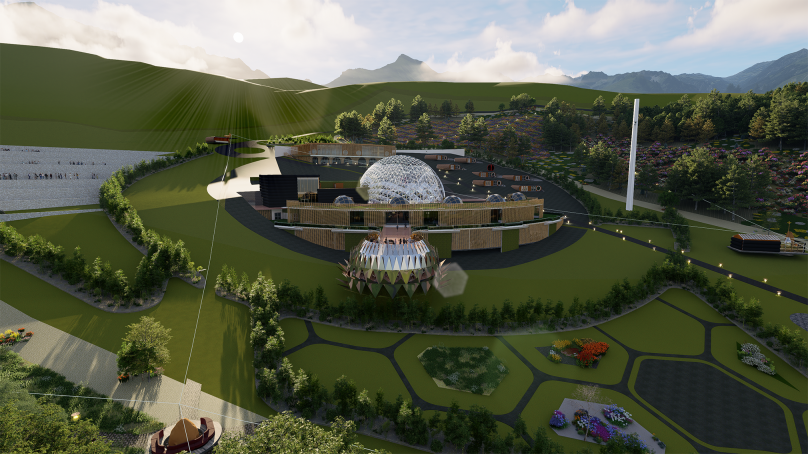
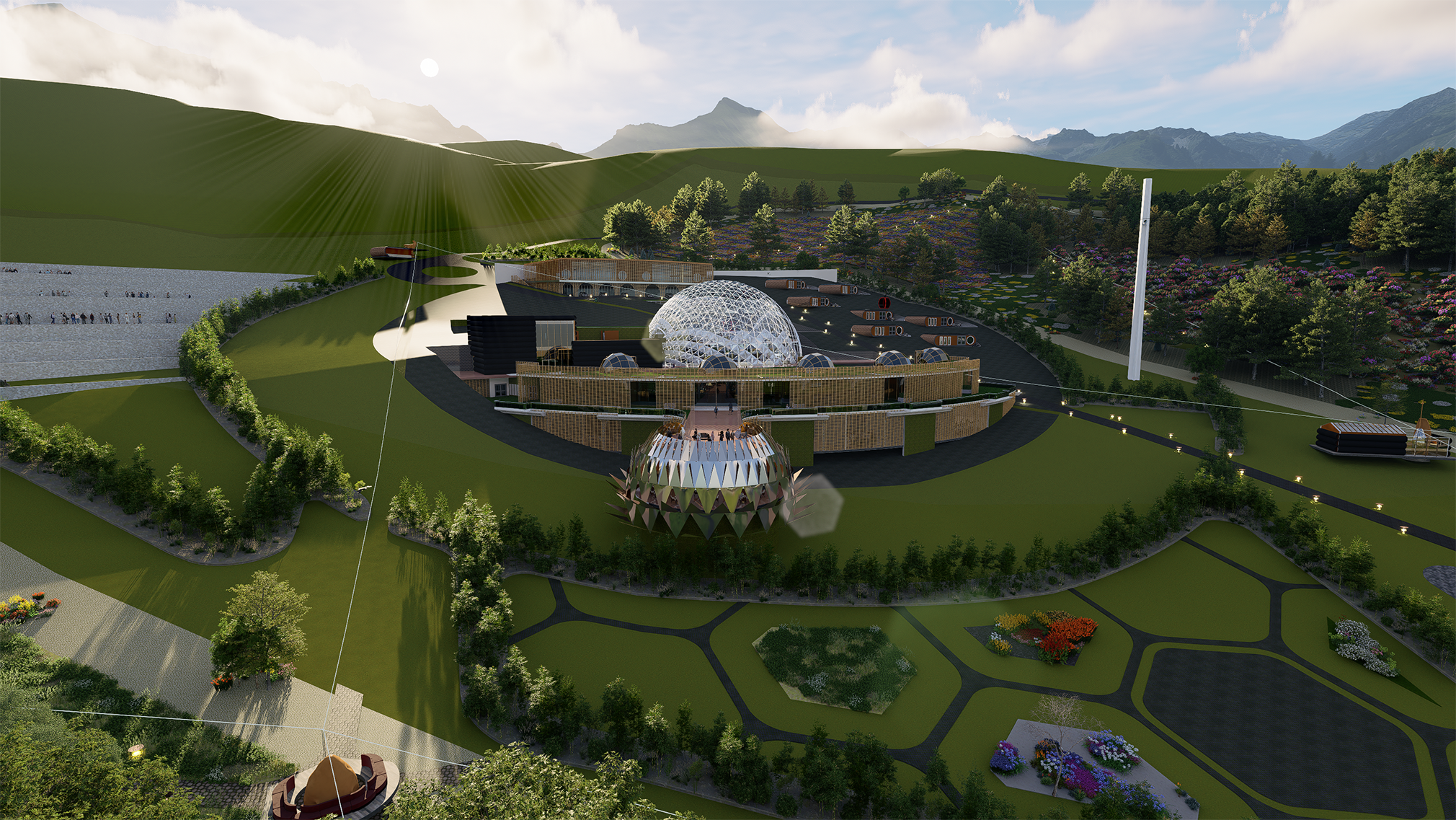
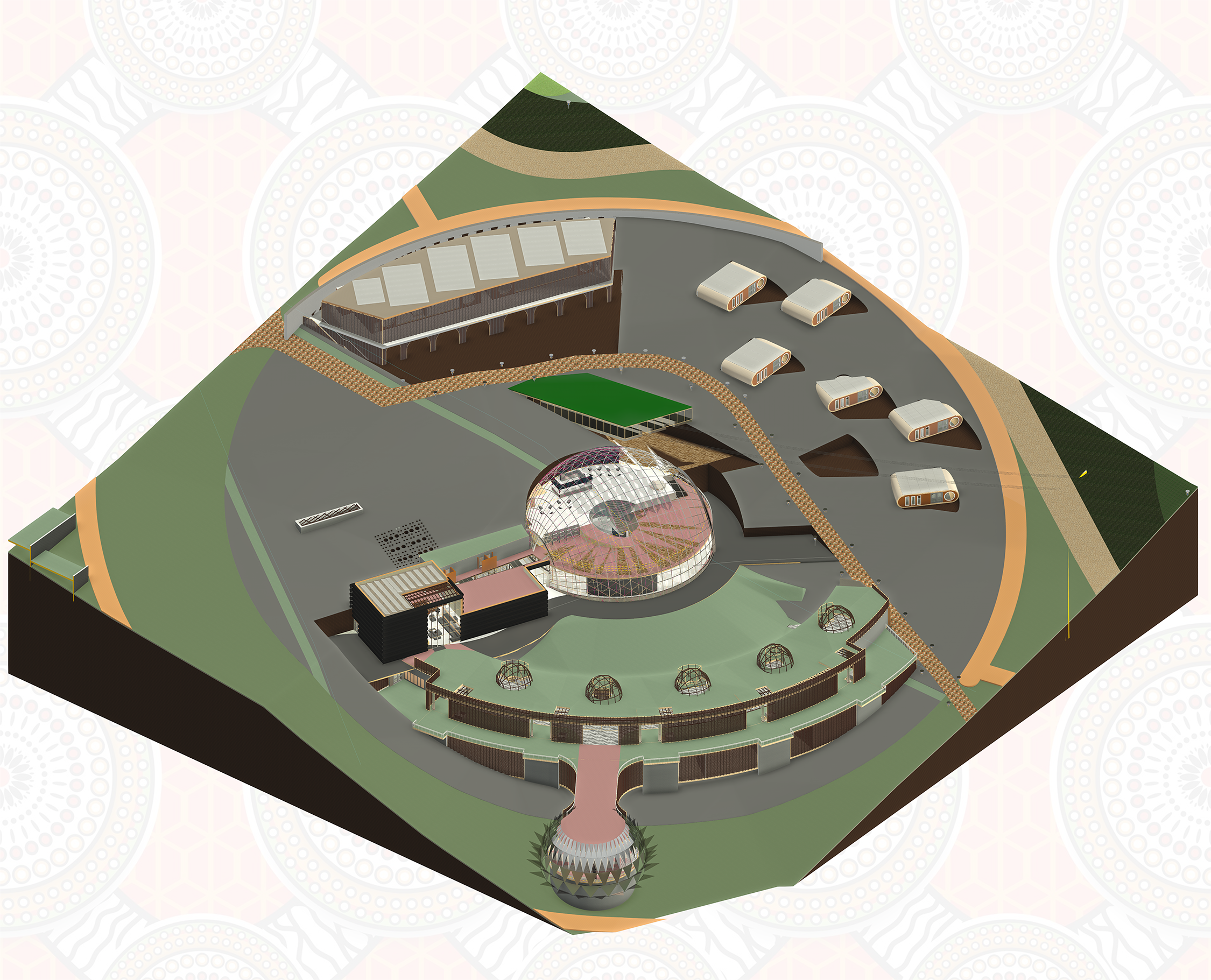
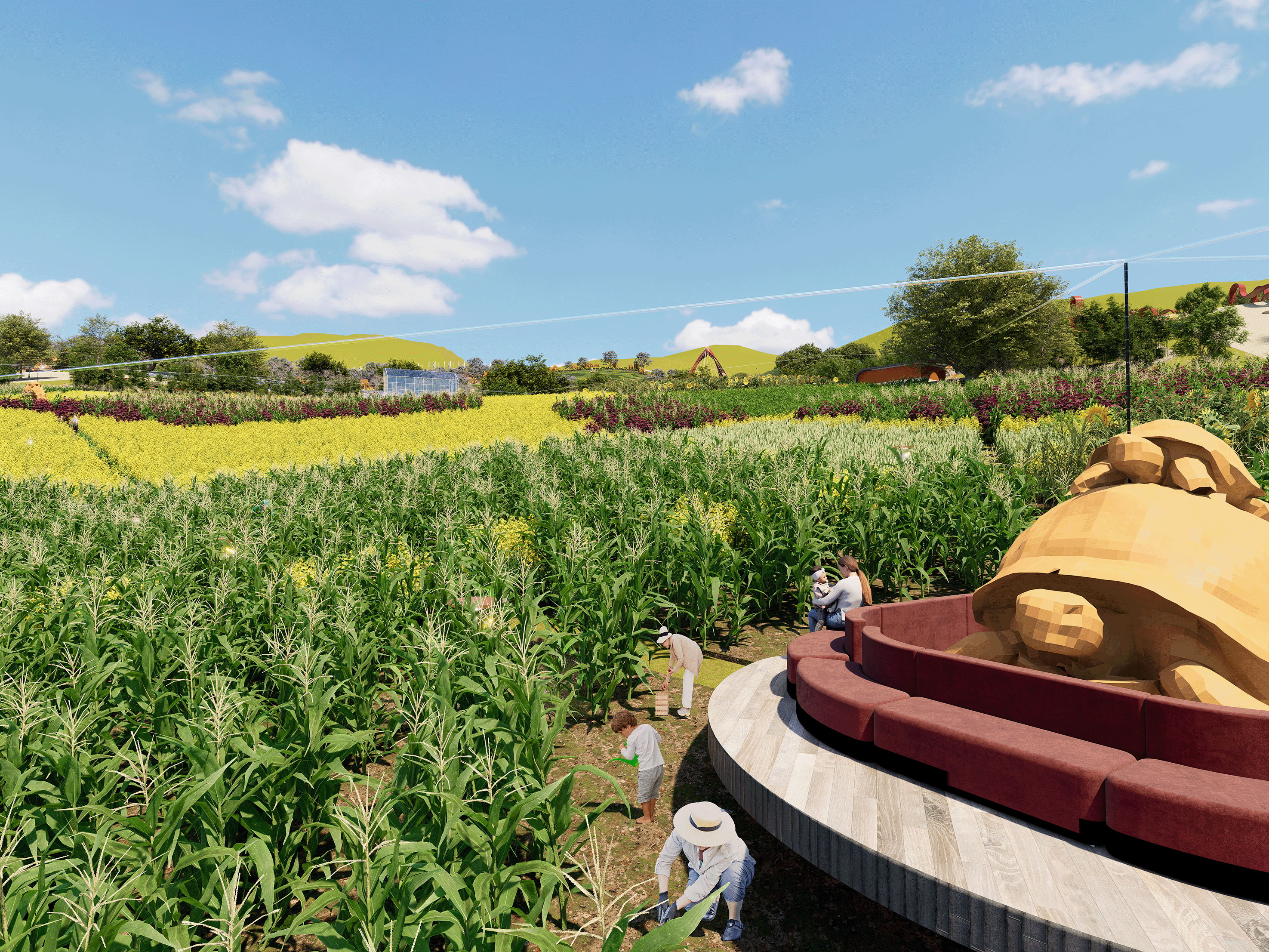
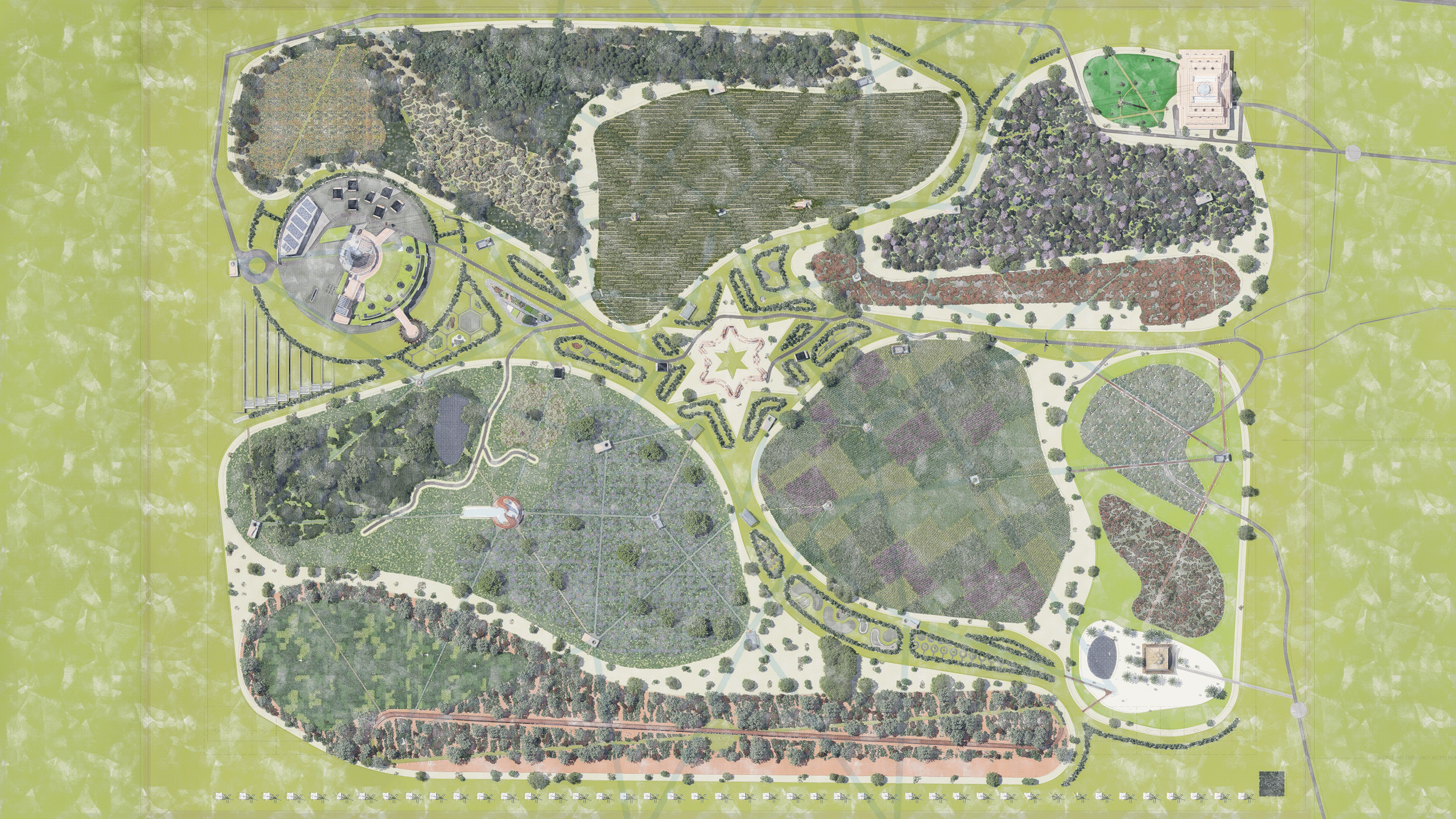
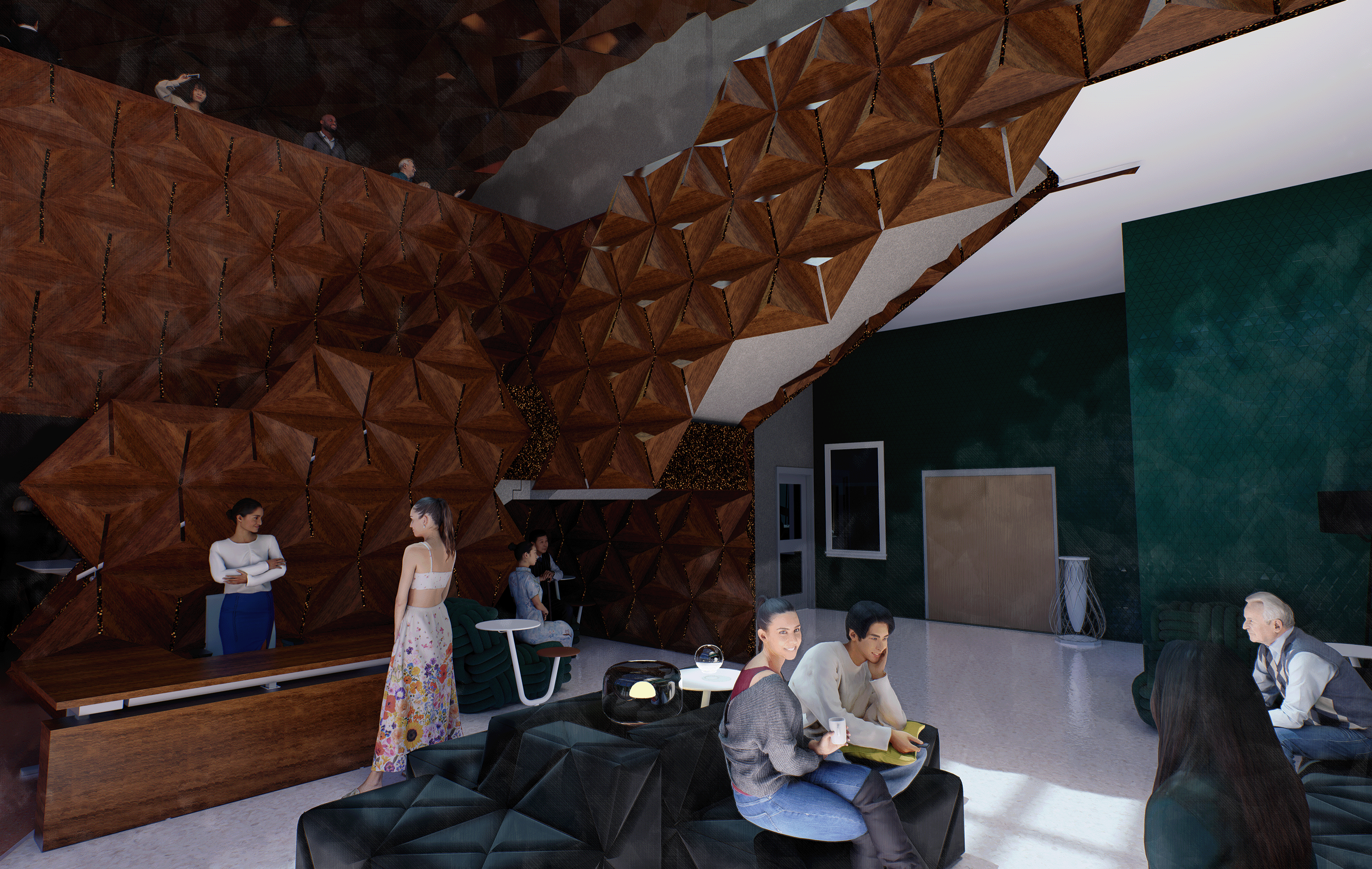
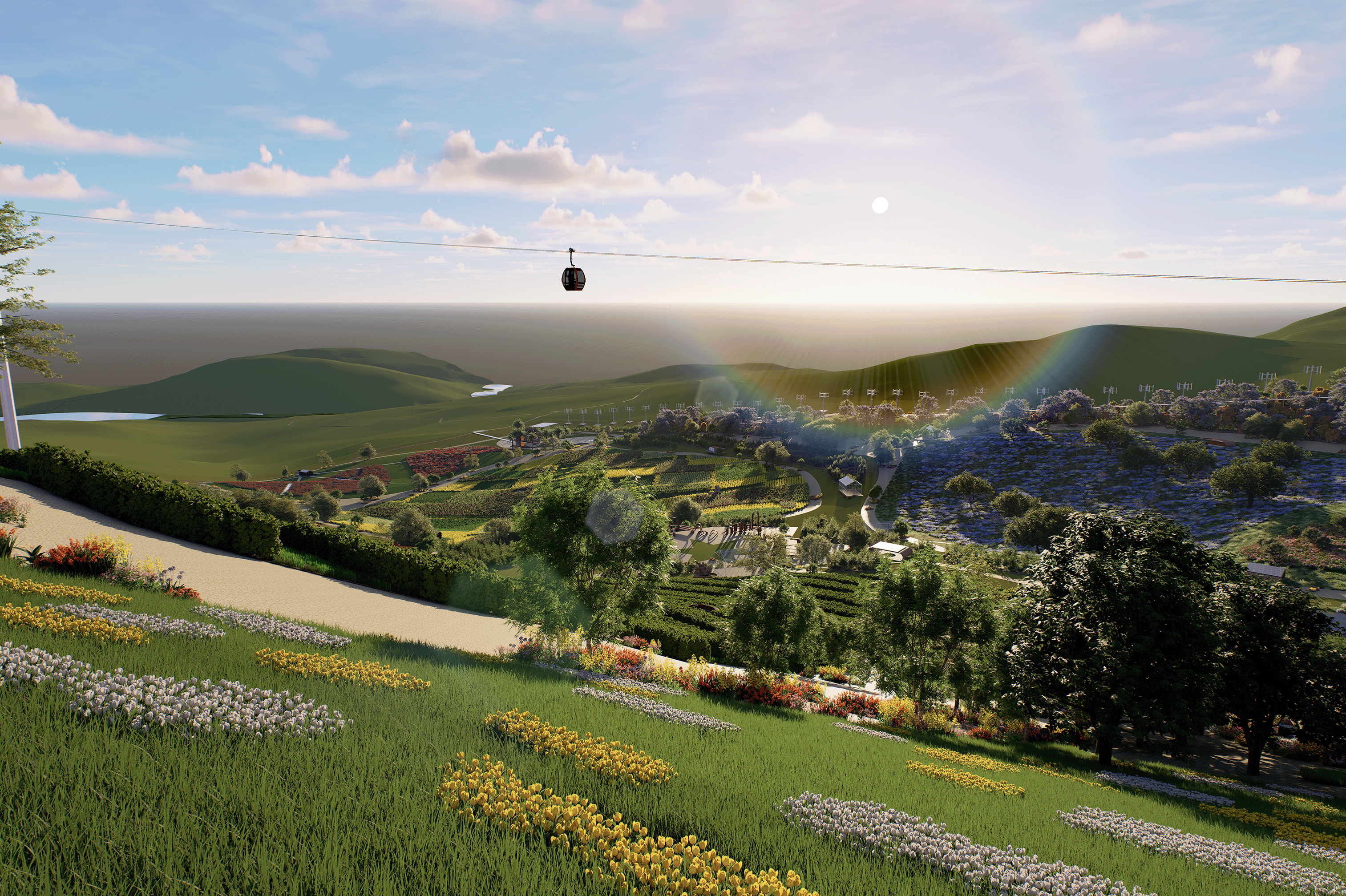
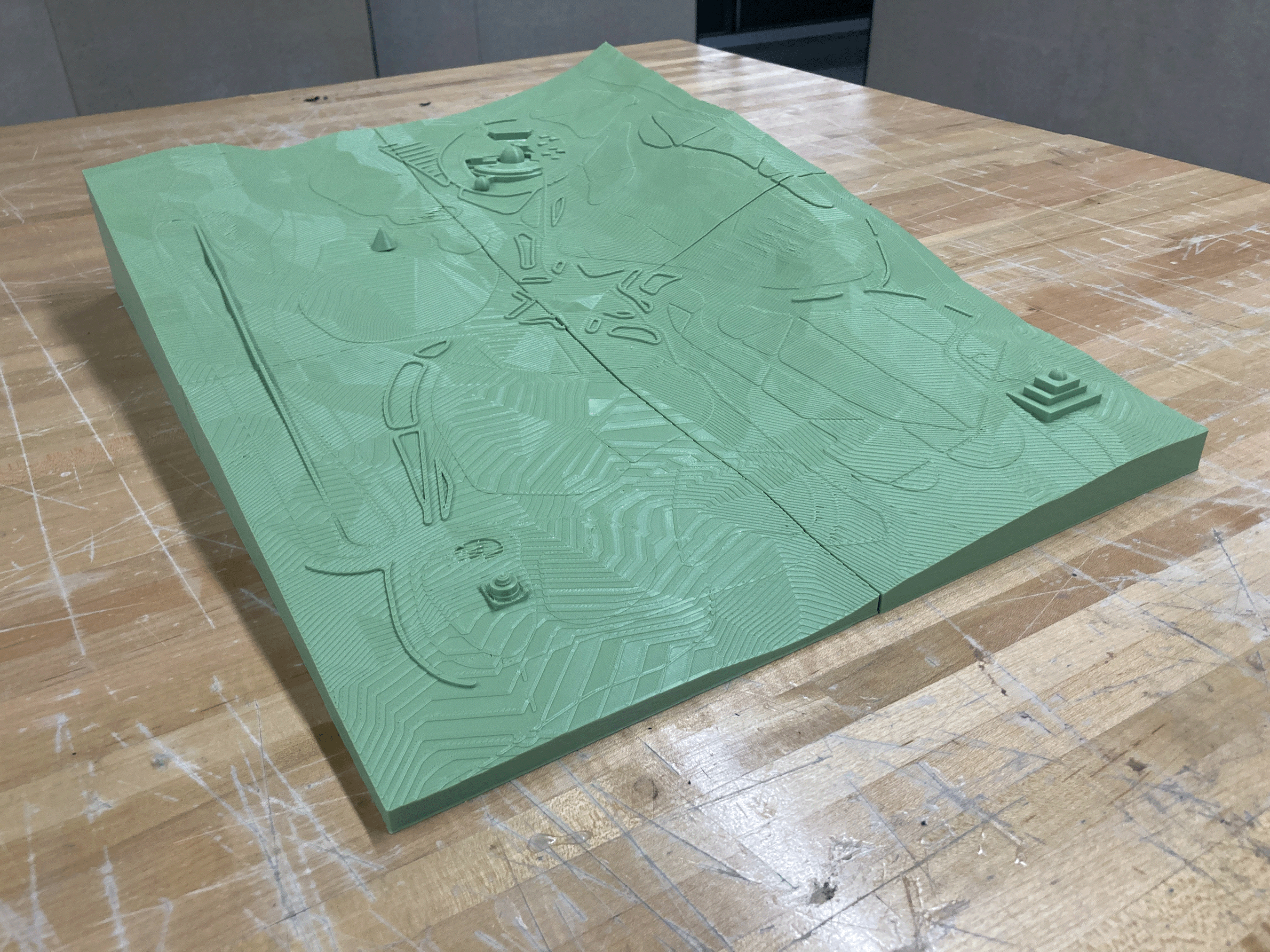
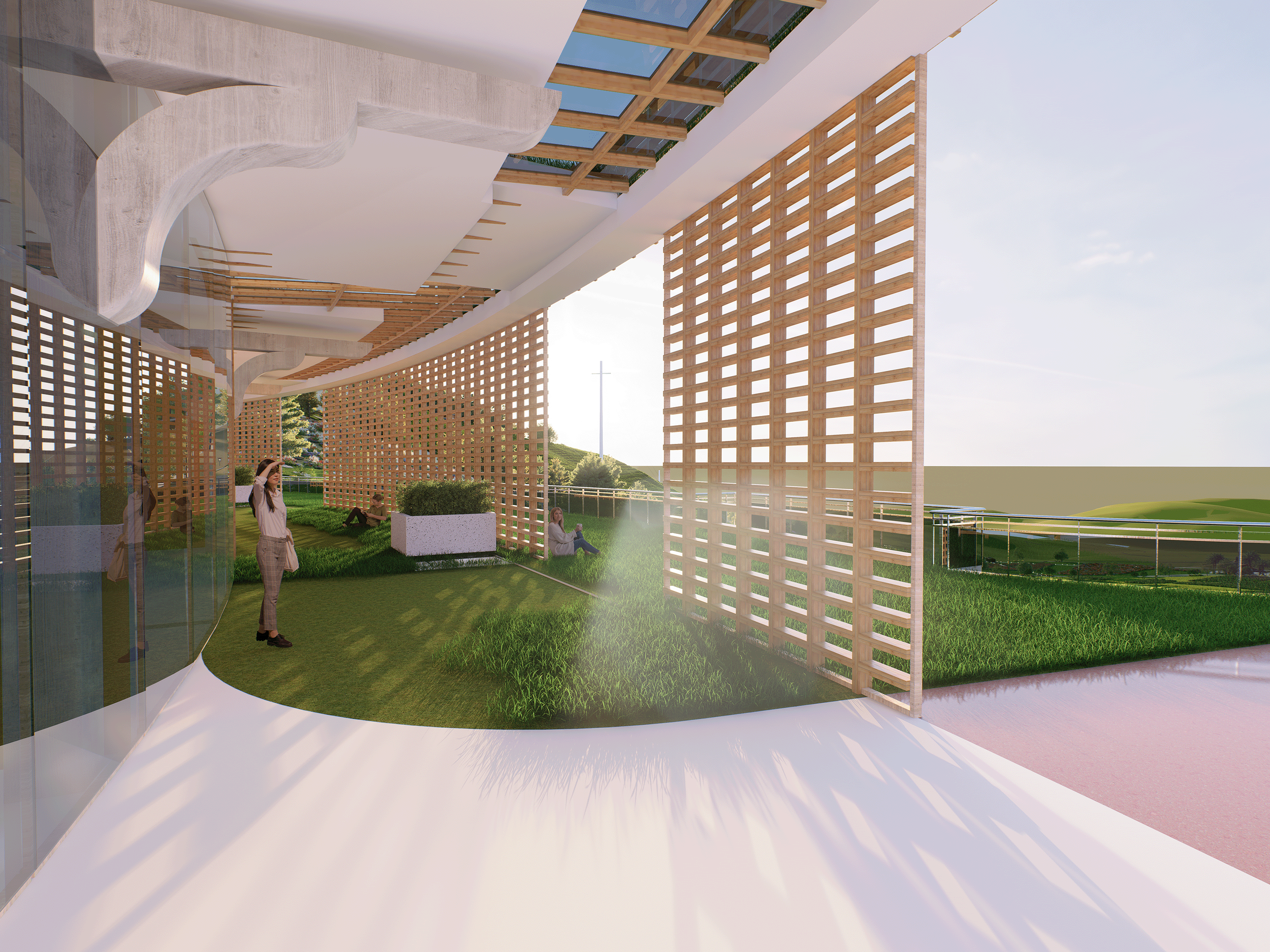
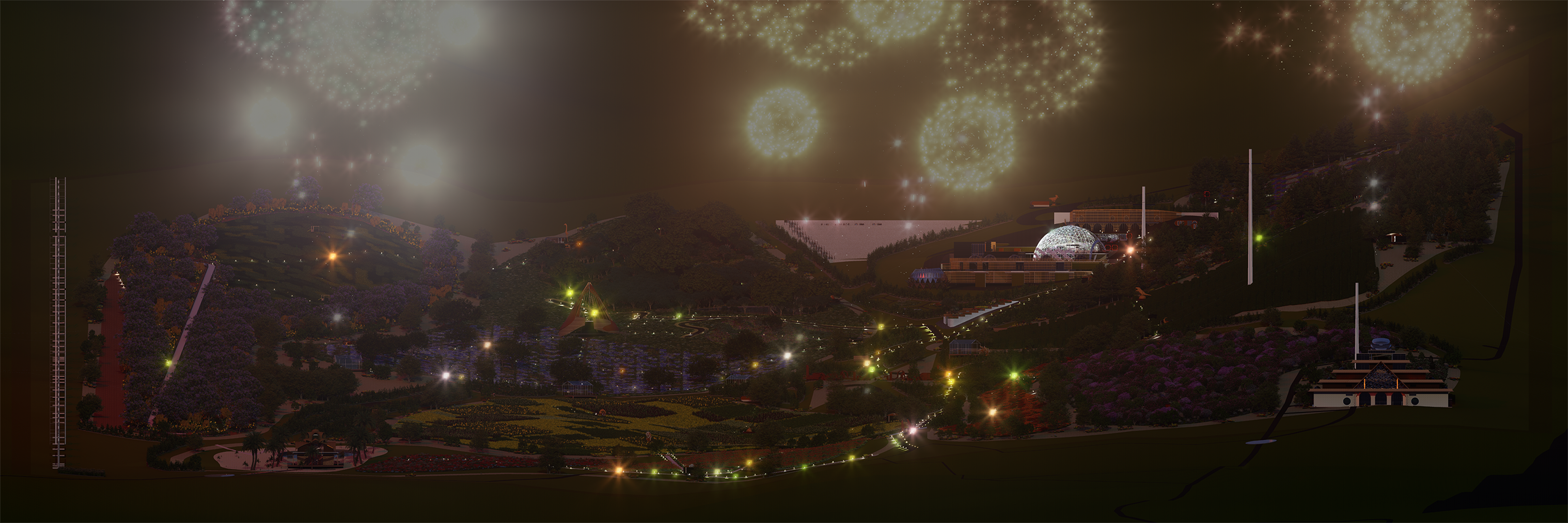
Falling Stars is an Afro futurist ecological sciences campus in the Cape Floristic Region of South Africa. It works as a cultural landmark and a research ground. A geodesic dome houses public galleries that explain seed banking, climate risk, and indigenous stewardship through exhibitions and live labs. Around it, a learning landscape of indigenous gardens, pollinator corridors, and a restored wetland turns the site into an open air classroom. The campus program combines a seed bank, cold rooms and labs, a culture and learning center, classrooms, maker spaces, and short stay housing for visiting scientists. Circulation follows a river delta logic with primary, secondary, and tertiary paths plus informal desire lines that encourage exploration. Form and material choices reference local craft while using contemporary performance standards. The masterplan is a kit of parts that can be built in phases with local labor, so the project can start small, serve the public, and grow as research and community needs expand.
Falling Stars is an Afro futurist ecological sciences campus in the Cape Floristic Region of South Africa. It works as a cultural landmark and a research ground. A geodesic dome houses public galleries that explain seed banking, climate risk, and indigenous stewardship through exhibitions and live labs. Around it, a learning landscape of indigenous gardens, pollinator corridors, and a restored wetland turns the site into an open air classroom. The campus program combines a seed bank, cold rooms and labs, a culture and learning center, classrooms, maker spaces, and short stay housing for visiting scientists. Circulation follows a river delta logic with primary, secondary, and tertiary paths plus informal desire lines that encourage exploration. Form and material choices reference local craft while using contemporary performance standards. The masterplan is a kit of parts that can be built in phases with local labor, so the project can start small, serve the public, and grow as research and community needs expand.
Project Innovation / Specification:
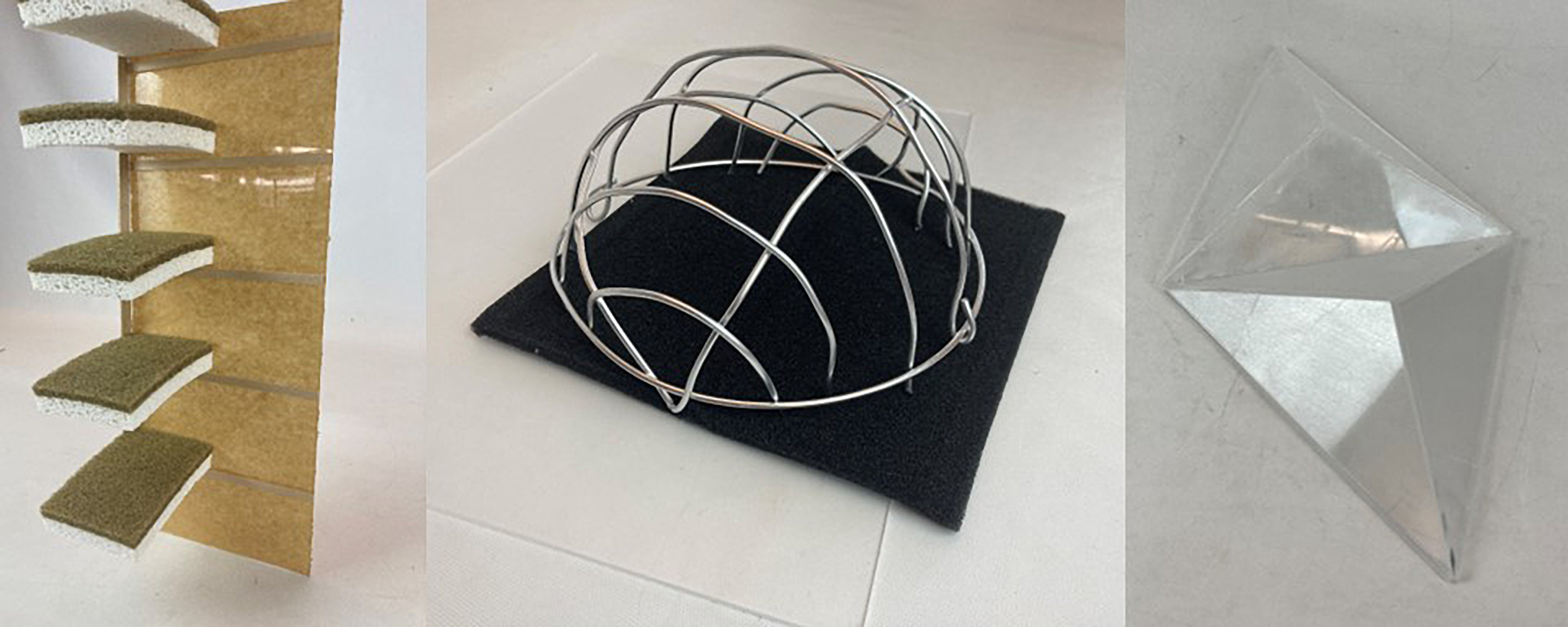
Design translates local ecology and culture into clear, testable systems. The geodesic dome spans large volumes with minimal material. Its glass uses micro textures to create structural coloration that cuts glare and solar gain while producing a subtle iridescent signal for entry. Ventilation mixes cross flow and stack effect with automated vents, aided by hygro responsive baffles that open as humidity rises. Seed vaults target minus 18 to minus 25 Celsius for orthodox storage; solid state and magnetic cooling are studied to reduce refrigerants and maintenance. Primary structures favor mass timber and earth based composites that nod to matjieshuis craft yet meet fire and moisture performance. A modular lab bar, prefabricated service spines, and raised floors allow phased growth and easy swap out of equipment. Landscape systems restore wetland hydrology and distribute visitors along a branching path network to prevent congestion and protect sensitive habitats.
Design translates local ecology and culture into clear, testable systems. The geodesic dome spans large volumes with minimal material. Its glass uses micro textures to create structural coloration that cuts glare and solar gain while producing a subtle iridescent signal for entry. Ventilation mixes cross flow and stack effect with automated vents, aided by hygro responsive baffles that open as humidity rises. Seed vaults target minus 18 to minus 25 Celsius for orthodox storage; solid state and magnetic cooling are studied to reduce refrigerants and maintenance. Primary structures favor mass timber and earth based composites that nod to matjieshuis craft yet meet fire and moisture performance. A modular lab bar, prefabricated service spines, and raised floors allow phased growth and easy swap out of equipment. Landscape systems restore wetland hydrology and distribute visitors along a branching path network to prevent congestion and protect sensitive habitats.
Project Sustainability Approach:
The project treats biodiversity, carbon, water, and culture as one brief. Passive first: compact massing, shading, tuned glazing, night flush, and earth contact lower loads before adding active systems. Energy is supplied by roof and ground mounted photovoltaics with batteries that keep critical research and cold rooms running during outages. Targets include net positive energy for public spaces and island mode resilience for 48 hours on essential labs. Materials are chosen for low embodied carbon and repairability. Mass timber, earth based composites, and recycled stone are detailed for disassembly and reuse. Cold rooms prioritize tight envelopes, heat recovery, and natural refrigerants; alternative solid state cooling is evaluated as it matures. Water strategies restore a seasonal wetland, slow runoff with swales, and use captured rain for irrigation. Public education is built into every path so visitors leave with practical steps they can apply at home and on farms.
The project treats biodiversity, carbon, water, and culture as one brief. Passive first: compact massing, shading, tuned glazing, night flush, and earth contact lower loads before adding active systems. Energy is supplied by roof and ground mounted photovoltaics with batteries that keep critical research and cold rooms running during outages. Targets include net positive energy for public spaces and island mode resilience for 48 hours on essential labs. Materials are chosen for low embodied carbon and repairability. Mass timber, earth based composites, and recycled stone are detailed for disassembly and reuse. Cold rooms prioritize tight envelopes, heat recovery, and natural refrigerants; alternative solid state cooling is evaluated as it matures. Water strategies restore a seasonal wetland, slow runoff with swales, and use captured rain for irrigation. Public education is built into every path so visitors leave with practical steps they can apply at home and on farms.
Local and Regional Impacts of the Project:
Locally, the campus creates skilled jobs in construction, horticulture, and laboratory support. It trains stewards, hosts school visits, and supplies native seed and plant material for nearby farms, parks, and town projects. Restored habitat patches and pollinator corridors improve water quality, soil health, and urban cooling while offering safe routes for species. Regionally, the seed bank and field trials backstop climate risk for the Cape Floristic Region and share methods with universities, conservation groups, and agri hubs. The site also builds cultural pride by linking indigenous knowledge with contemporary design, strengthening tourism and year round learning.
Locally, the campus creates skilled jobs in construction, horticulture, and laboratory support. It trains stewards, hosts school visits, and supplies native seed and plant material for nearby farms, parks, and town projects. Restored habitat patches and pollinator corridors improve water quality, soil health, and urban cooling while offering safe routes for species. Regionally, the seed bank and field trials backstop climate risk for the Cape Floristic Region and share methods with universities, conservation groups, and agri hubs. The site also builds cultural pride by linking indigenous knowledge with contemporary design, strengthening tourism and year round learning.

Lead Designer(s) Name(s):Adeniyi Onanuga
Profile Description:
Adeniyi Onanuga is a Nigerian American architect, climate science researcher, artist, and educator based in Philadelphia. A recent graduate of Drexel University, his alma mater and current teaching home, he now serves as adjunct faculty while continuing research at the intersection of architecture, ecology, and climate resilience. His work combines biophilia, biomimicry, Afrofuturist storytelling, and evidence-based research to design systems that help communities understand, protect, and restore fragile environments.
Adeniyi Onanuga is a Nigerian American architect, climate science researcher, artist, and educator based in Philadelphia. A recent graduate of Drexel University, his alma mater and current teaching home, he now serves as adjunct faculty while continuing research at the intersection of architecture, ecology, and climate resilience. His work combines biophilia, biomimicry, Afrofuturist storytelling, and evidence-based research to design systems that help communities understand, protect, and restore fragile environments.
Environmental Practices:
My practice centers on climate-disaster prevention, ecological stewardship, and material responsibility. I prioritize passive design, biodiversity support, water-sensitive landscapes, low-impact assemblies, and Red List-aware material research. Recent work has explored seed banking, biomarker monitoring, renewable energy planning, fynbos restoration, pollinator corridors, wetland systems, and public education as design tools for long-term resilience.
My practice centers on climate-disaster prevention, ecological stewardship, and material responsibility. I prioritize passive design, biodiversity support, water-sensitive landscapes, low-impact assemblies, and Red List-aware material research. Recent work has explored seed banking, biomarker monitoring, renewable energy planning, fynbos restoration, pollinator corridors, wetland systems, and public education as design tools for long-term resilience.
Previous Awards Won:
AIA Medal for Academic Excellence, Drexel University, 2025 Bronze Alpha Rho Chi Medal, 2025 Material Bank Spring 2025 Student Design Competition, 3rd Prize, 2025 Gensler Rising Black Designer Scholarship, 2024
AIA Medal for Academic Excellence, Drexel University, 2025 Bronze Alpha Rho Chi Medal, 2025 Material Bank Spring 2025 Student Design Competition, 3rd Prize, 2025 Gensler Rising Black Designer Scholarship, 2024