66 Greatmore
Prize(s):
WINNER 2026 ARCHITECTURE / Cultural Building Architecture
Company Name:Wolff Architects
Lead Designer(s) Name(s):Ilze Wolff and Heinrich Wolff
Design Team / Other designer(s):Wolff Architects
Architecture Firm:Wolff Architects
Client Name:University of the Western Cape: Centre for Humanities Research
Photo Credit:Heinrich Wolff
Project Location:66 Greatmore Street, Woodstock, Cape Town
Design Status:Completed
Website: View
Project Description:
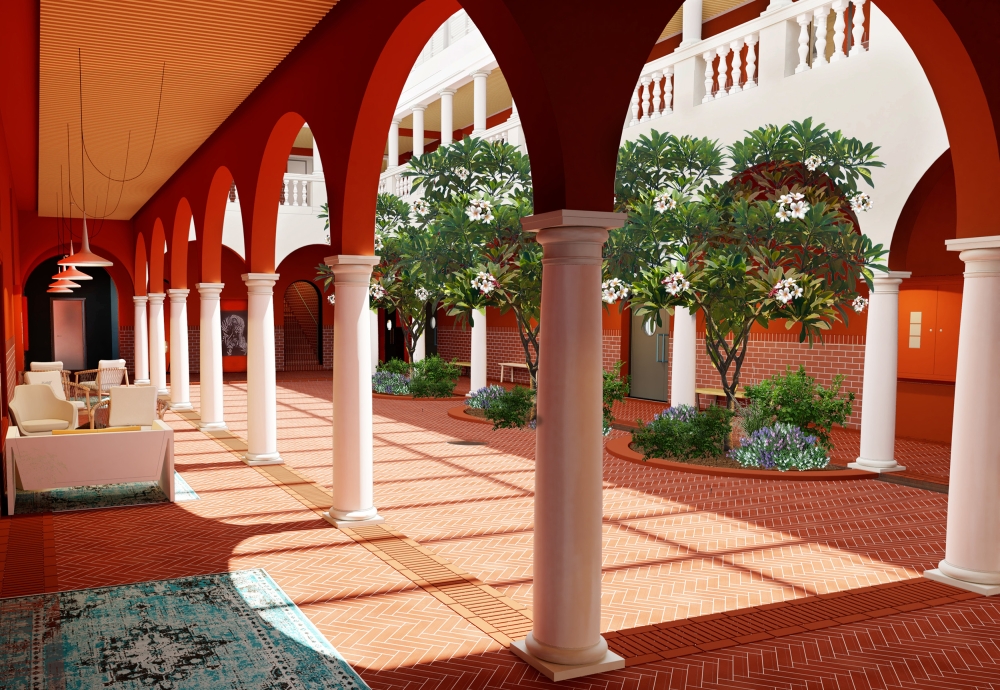
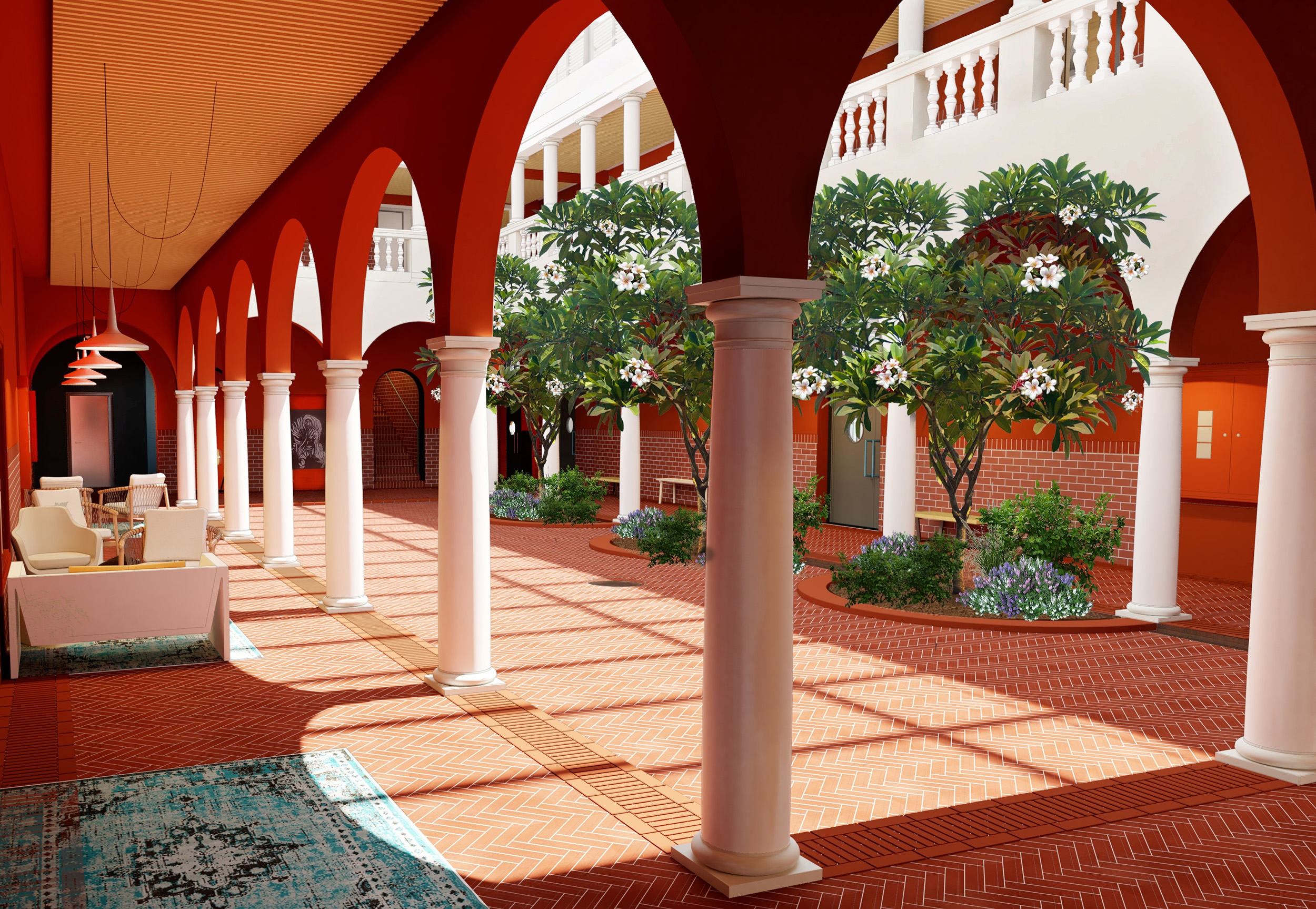
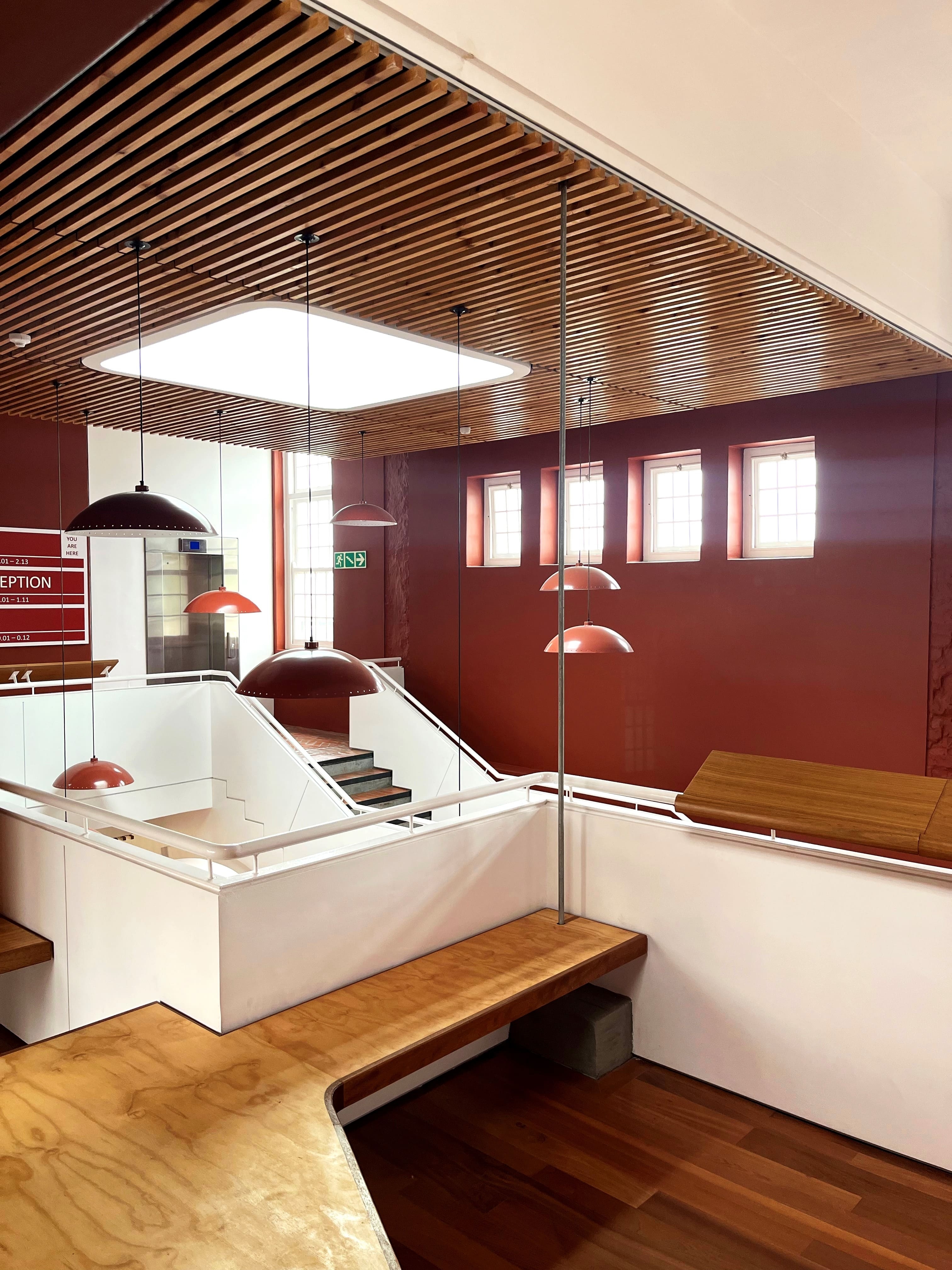
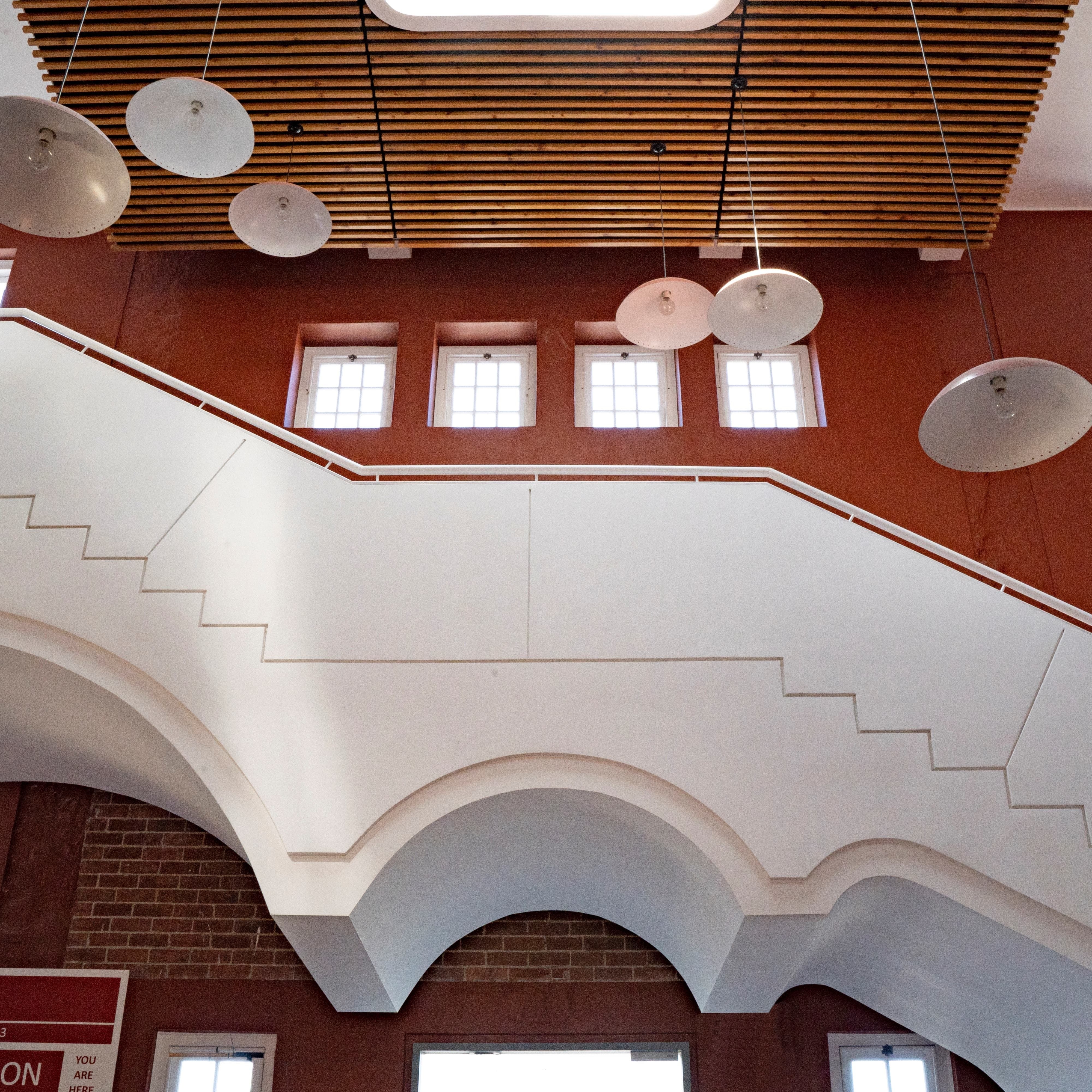
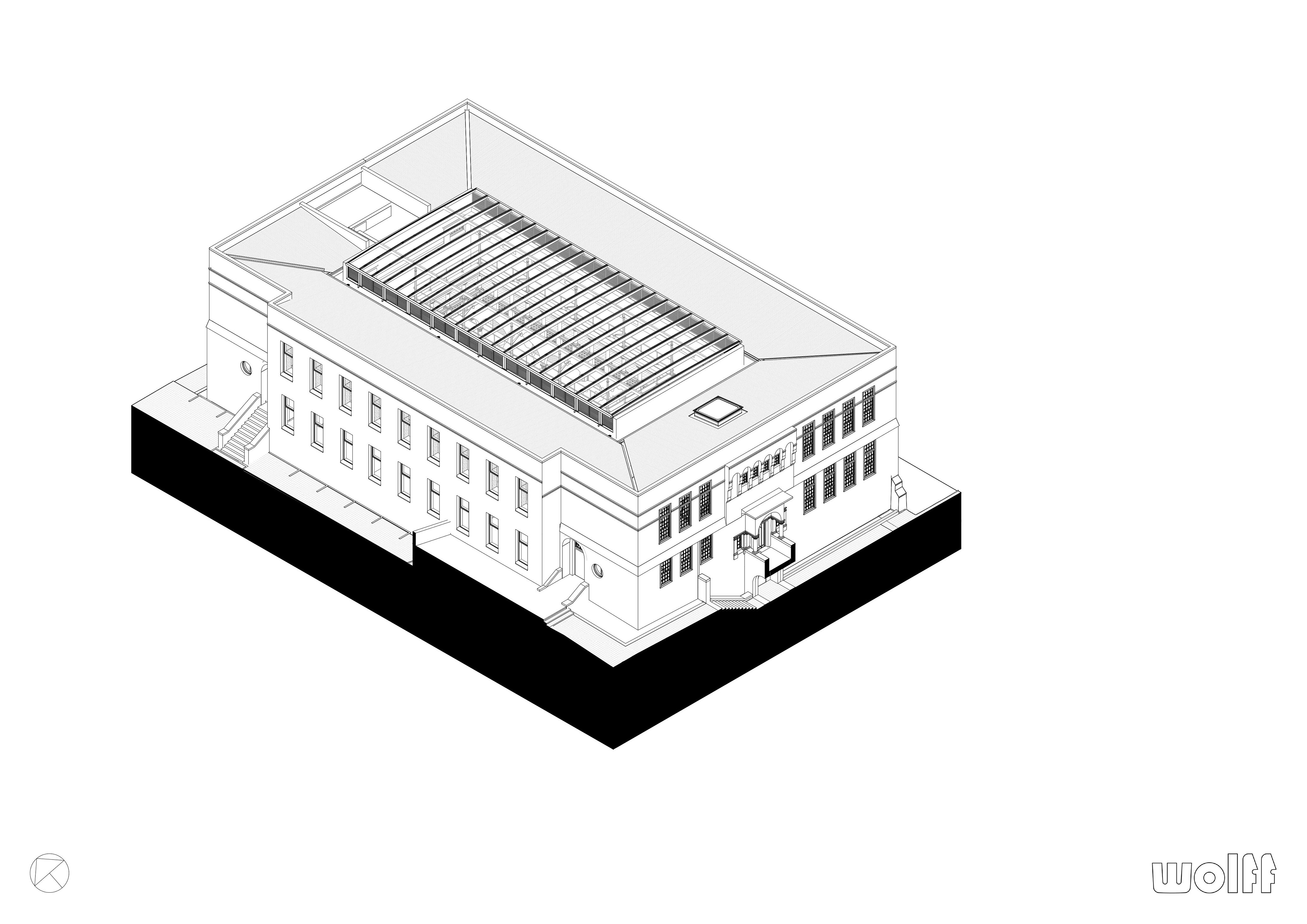
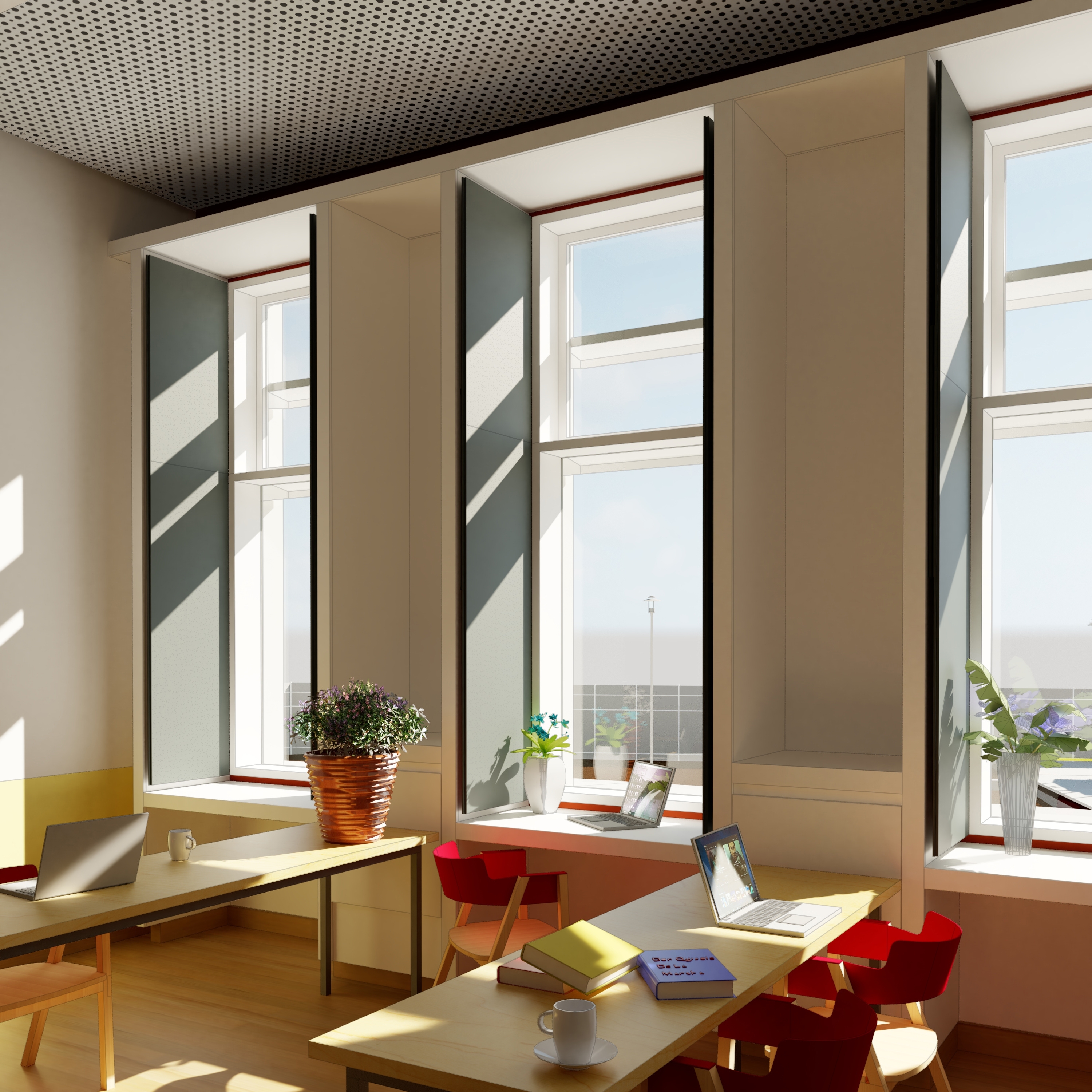
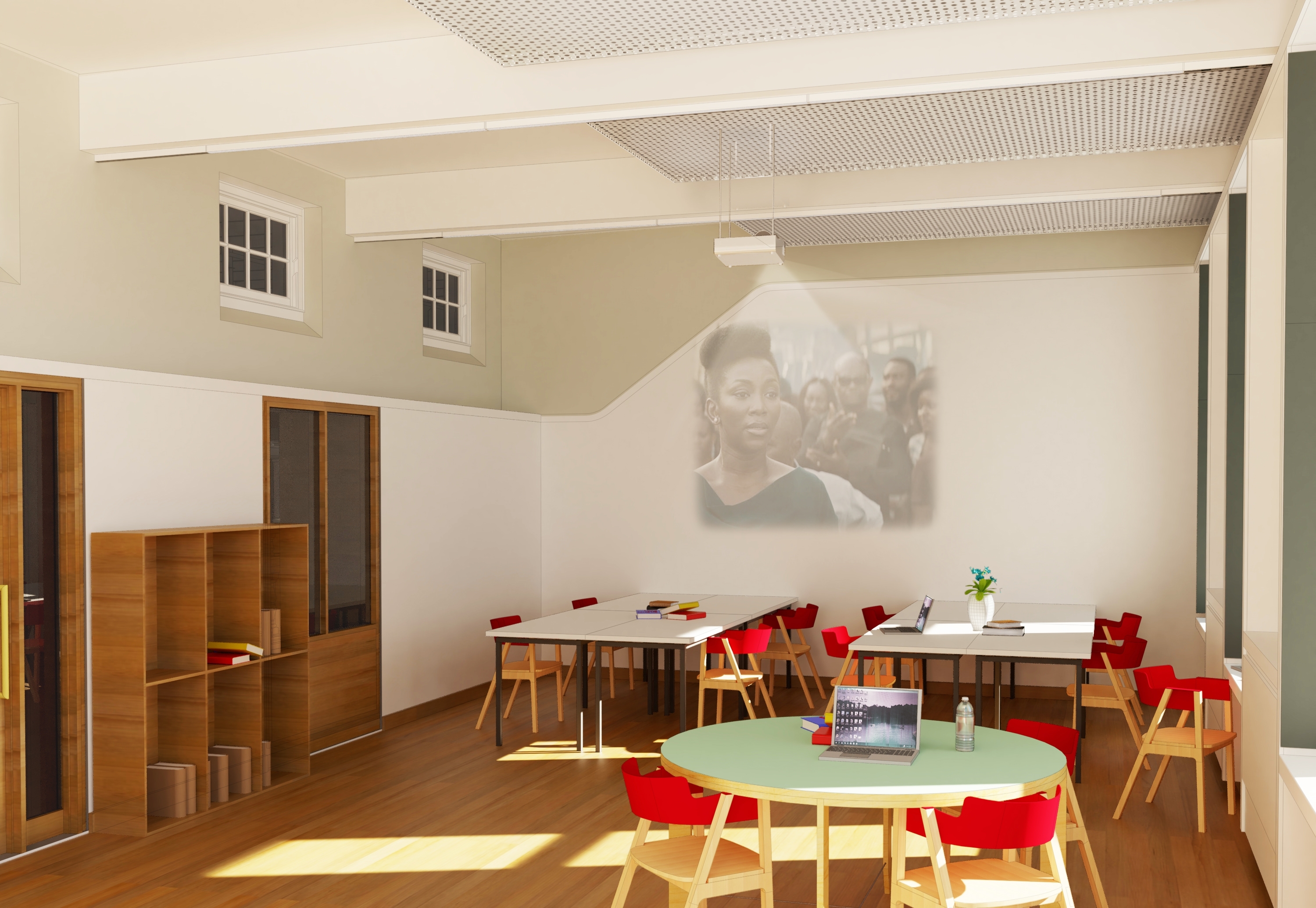
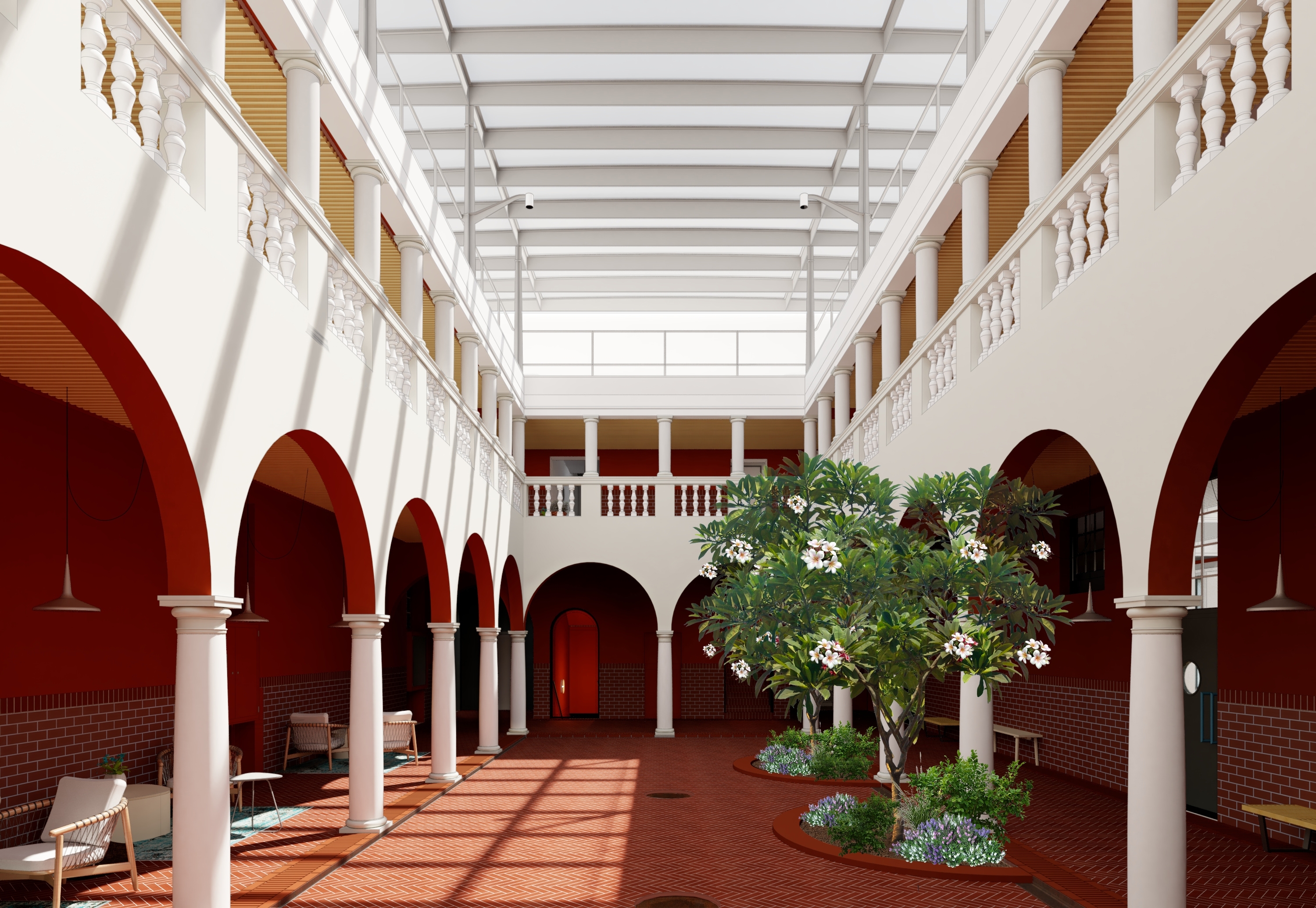
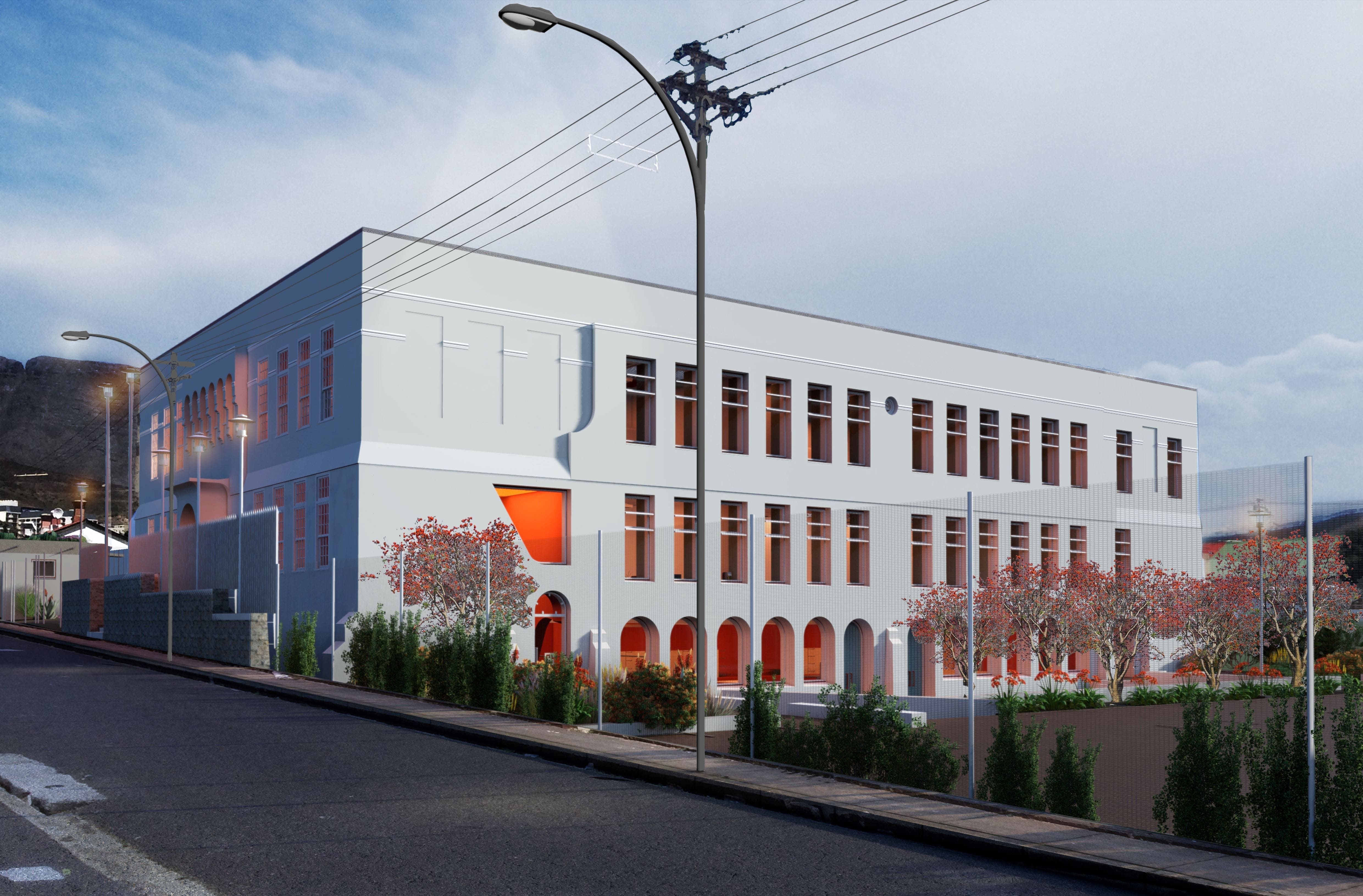
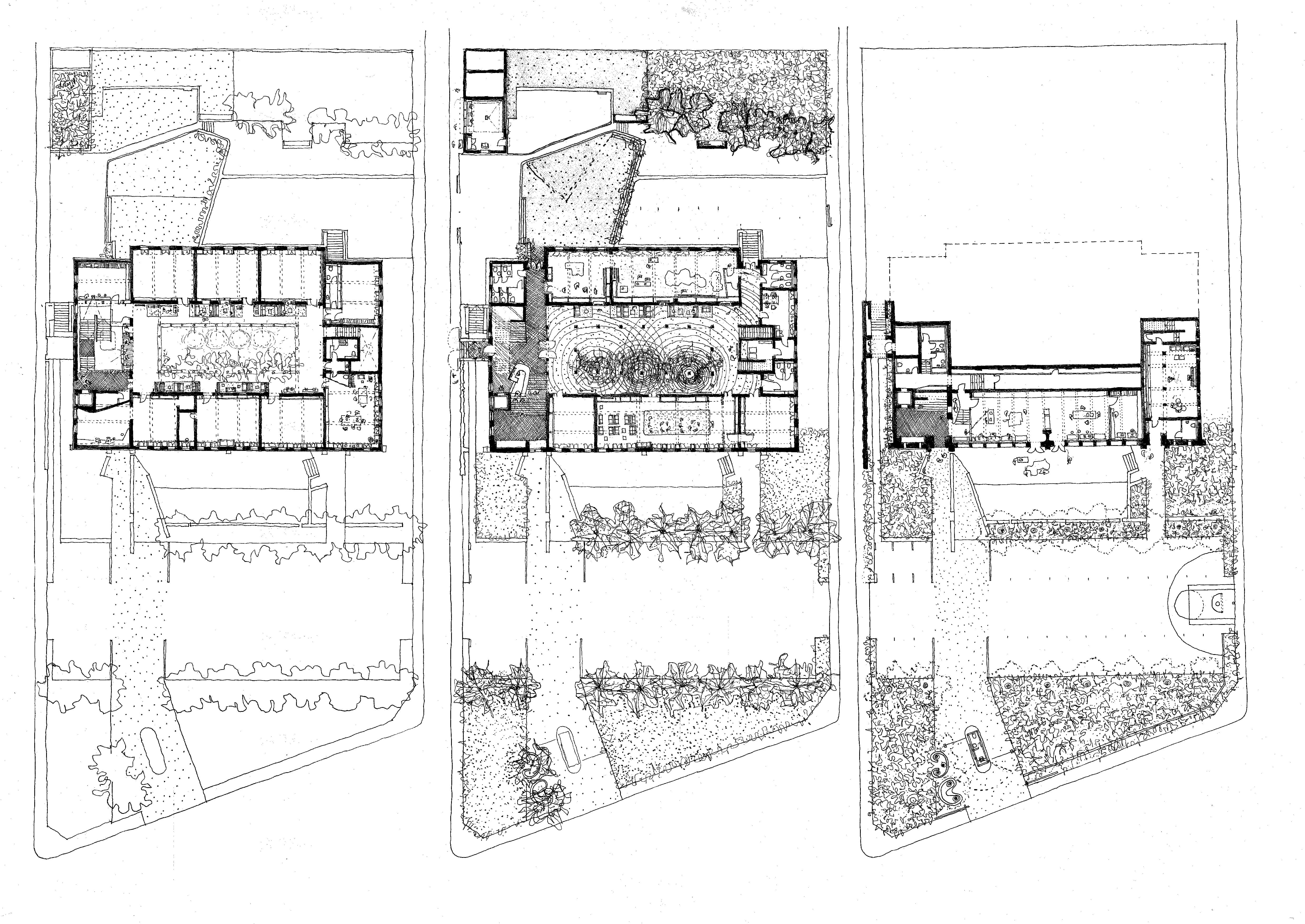
The project at 66 Greatmore Street in Woodstock, Cape Town, refurbishes and adaptively reuses a historic 1916 school building as a contemporary arts-based higher education facility. Originally built as the Regent Street School and later altered during the apartheid era, the building retains key heritage elements, including its courtyard, arched walkways, and generous classroom volumes. It is now under long-term lease to the University of the Western Cape and will house the Centre for Humanities Research. The architectural intervention prioritises heritage sensitivity, accessibility, and modern performance. A new roof will cover the central courtyard to provide weather protection while preserving its spatial character. An elevator will be installed to ensure universal access. Classrooms will be refurbished to support flexible, arts-based teaching, and the building will be upgraded to meet current safety and regulatory standards. Most steel-framed windows will be replaced with aluminium for improved durability and efficiency, while original timber windows will be restored. The project carefully balances conservation with contemporary functionality.
The project at 66 Greatmore Street in Woodstock, Cape Town, refurbishes and adaptively reuses a historic 1916 school building as a contemporary arts-based higher education facility. Originally built as the Regent Street School and later altered during the apartheid era, the building retains key heritage elements, including its courtyard, arched walkways, and generous classroom volumes. It is now under long-term lease to the University of the Western Cape and will house the Centre for Humanities Research. The architectural intervention prioritises heritage sensitivity, accessibility, and modern performance. A new roof will cover the central courtyard to provide weather protection while preserving its spatial character. An elevator will be installed to ensure universal access. Classrooms will be refurbished to support flexible, arts-based teaching, and the building will be upgraded to meet current safety and regulatory standards. Most steel-framed windows will be replaced with aluminium for improved durability and efficiency, while original timber windows will be restored. The project carefully balances conservation with contemporary functionality.
Project Innovation / Specification:
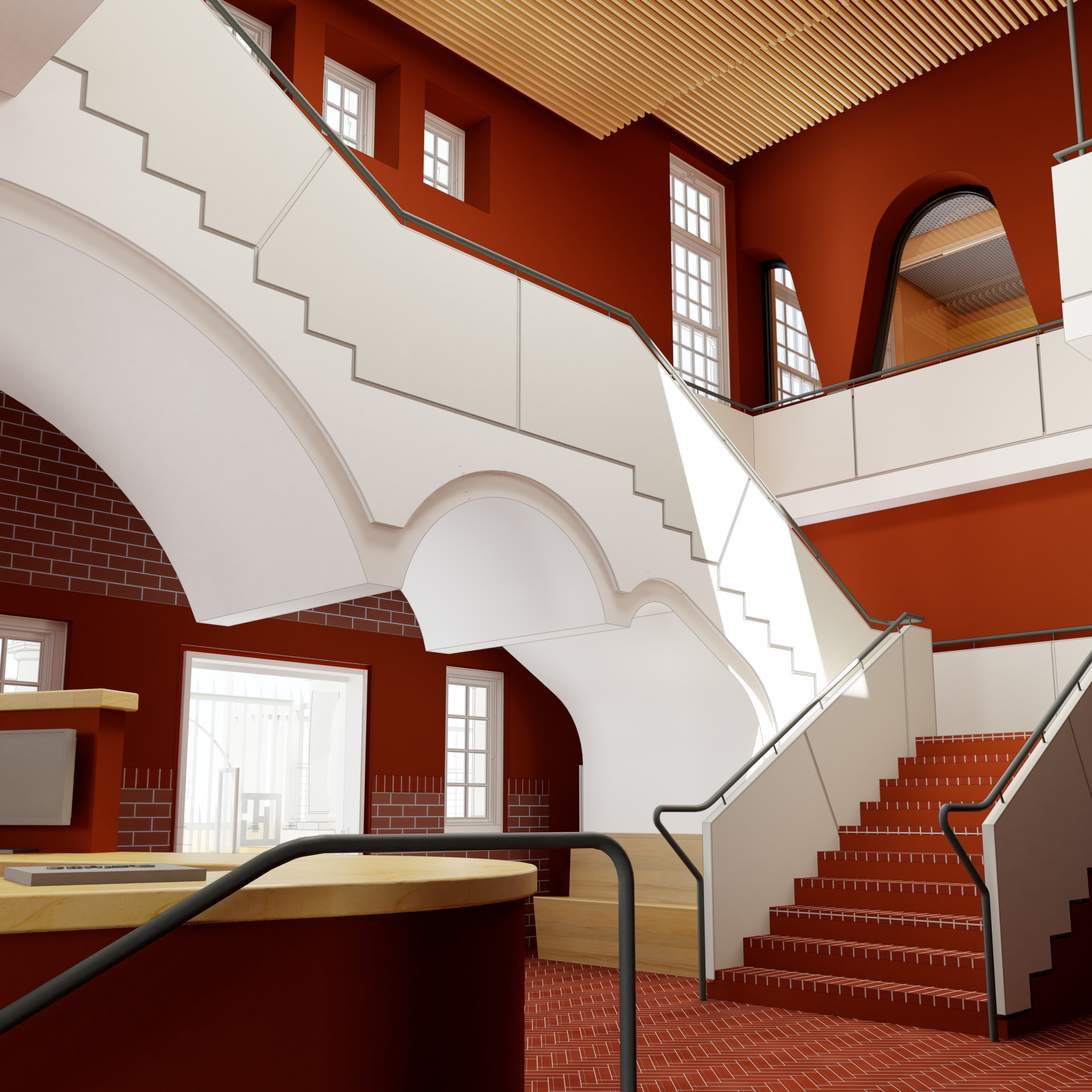
The project innovatively adapts the 1916 school at 66 Greatmore Street for arts-based higher education while preserving its heritage. Key interventions include a new circulation core with an elevator and compliant stairs for universal access, lowering the basement floor for workshop use, and installing a high-level transparent courtyard roof for all-weather use without altering the building’s character. Steel windows are replaced with aluminium for climate and acoustic performance, while original timber windows are restored. Upgrades also address safety, services, and interior fit-out to meet UWC standards. Grounded in ethical redevelopment and social redress, the project transforms a historically segregated educational space into an inclusive, functional environment without new structural additions.
The project innovatively adapts the 1916 school at 66 Greatmore Street for arts-based higher education while preserving its heritage. Key interventions include a new circulation core with an elevator and compliant stairs for universal access, lowering the basement floor for workshop use, and installing a high-level transparent courtyard roof for all-weather use without altering the building’s character. Steel windows are replaced with aluminium for climate and acoustic performance, while original timber windows are restored. Upgrades also address safety, services, and interior fit-out to meet UWC standards. Grounded in ethical redevelopment and social redress, the project transforms a historically segregated educational space into an inclusive, functional environment without new structural additions.
Project Sustainability Approach:
The project’s sustainability approach prioritises environmental, social, and cultural responsibility. By refurbishing and adaptively reusing the existing 1916 building, it minimises material waste and avoids the embodied carbon of new construction. Upgrades, including energy-efficient aluminium windows, improved natural ventilation, and a transparent courtyard roof, enhance thermal comfort and daylighting while reducing energy demand. Water and service systems are upgraded for efficiency and compliance. Social sustainability is embedded through ethical redevelopment, ensuring the building serves the community, promotes accessibility, and supports inclusive arts-based education. The approach aligns heritage conservation with long-term functional resilience, demonstrating how adaptive reuse can deliver low-impact, socially responsible, and culturally meaningful outcomes.
The project’s sustainability approach prioritises environmental, social, and cultural responsibility. By refurbishing and adaptively reusing the existing 1916 building, it minimises material waste and avoids the embodied carbon of new construction. Upgrades, including energy-efficient aluminium windows, improved natural ventilation, and a transparent courtyard roof, enhance thermal comfort and daylighting while reducing energy demand. Water and service systems are upgraded for efficiency and compliance. Social sustainability is embedded through ethical redevelopment, ensuring the building serves the community, promotes accessibility, and supports inclusive arts-based education. The approach aligns heritage conservation with long-term functional resilience, demonstrating how adaptive reuse can deliver low-impact, socially responsible, and culturally meaningful outcomes.
Local and Regional Impacts of the Project:
The project revitalises a derelict historic school in Woodstock, creating the Iyatsiba Lab for UWC’s Centre for Humanities Research. By integrating arts-based programmes and advanced research, it actively challenges apartheid-era spatial legacies and fosters post-apartheid social cohesion. The lab’s design enhances Cape Town’s urban fabric, providing a publicly engaged, accessible space that supports cultural production, interdisciplinary learning, and innovative research. Nationally recognised and internationally cited, it positions humanities scholarship as a catalyst for community impact and reimagines the university’s role in the city.
The project revitalises a derelict historic school in Woodstock, creating the Iyatsiba Lab for UWC’s Centre for Humanities Research. By integrating arts-based programmes and advanced research, it actively challenges apartheid-era spatial legacies and fosters post-apartheid social cohesion. The lab’s design enhances Cape Town’s urban fabric, providing a publicly engaged, accessible space that supports cultural production, interdisciplinary learning, and innovative research. Nationally recognised and internationally cited, it positions humanities scholarship as a catalyst for community impact and reimagines the university’s role in the city.
Company Name:Wolff Architects
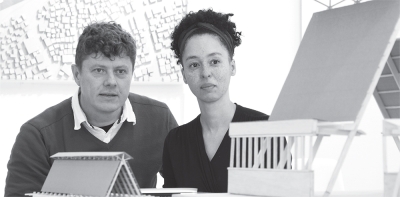
Lead Designer(s) Name(s):Ilze Wolff and Heinrich Wolff