Pongwe Beach Resort
Prize(s):
Honorable Mention 2026 ARCHITECTURE / Hospitality Architecture
Company Name:Boogertman + Partners
Lead Designer(s) Name(s):Heleen Grimsehl
Design Team / Other designer(s):Anthony Opil, Lila Gouws, Andrew Kilonzi, Quintus van Eck, Leon Gathecha, Sakina Kagalwala
Architecture Firm:Boogertman + Partners
Interior Designer:Boogertman + Partners
Client Name:Trident Estates and LUX* Resorts & Hotels
Photo Credit:Boogertman + Partners
Project Location:Pongwe, Zanzibar
Design Status:Concept
Project Description:
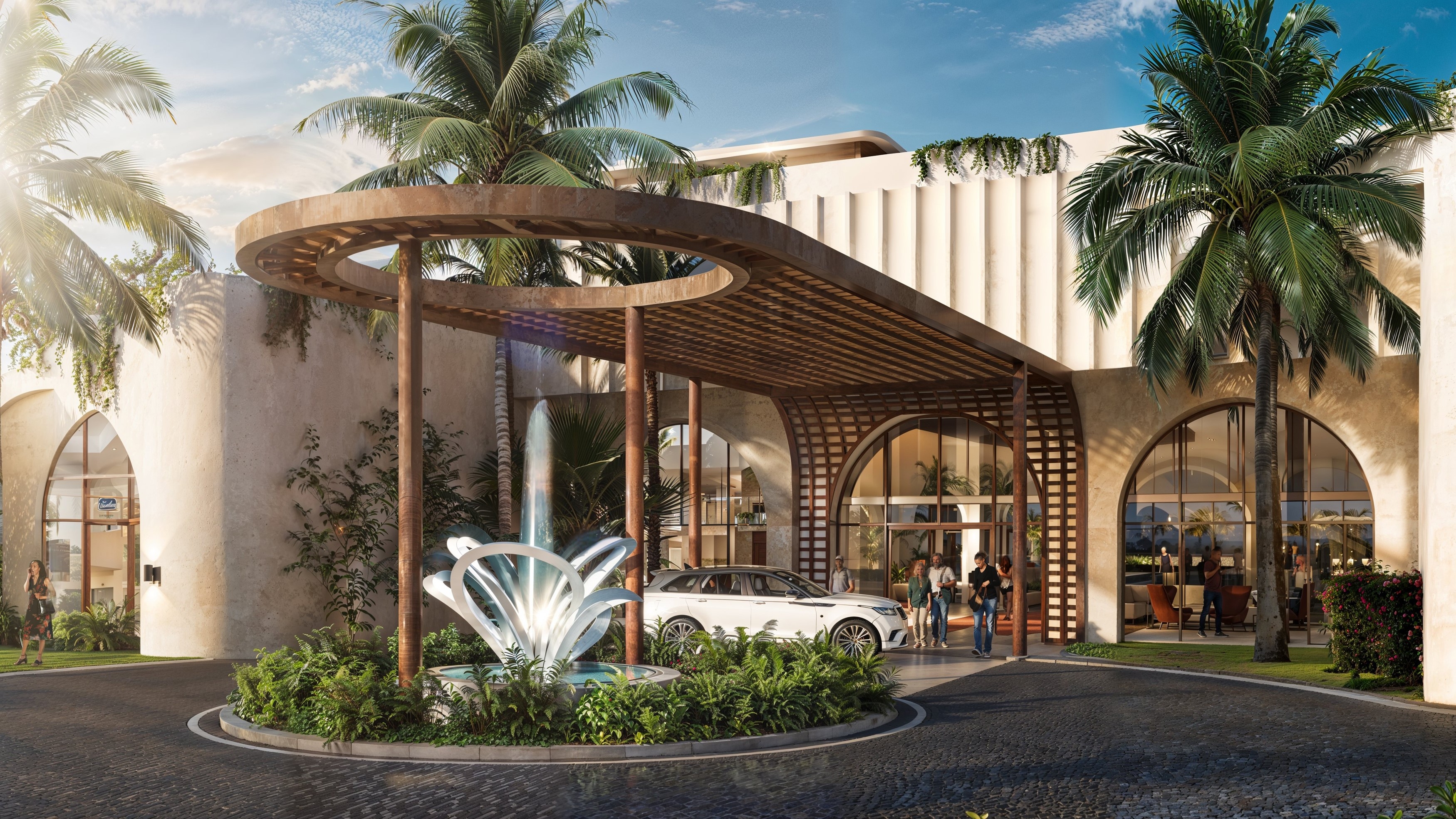
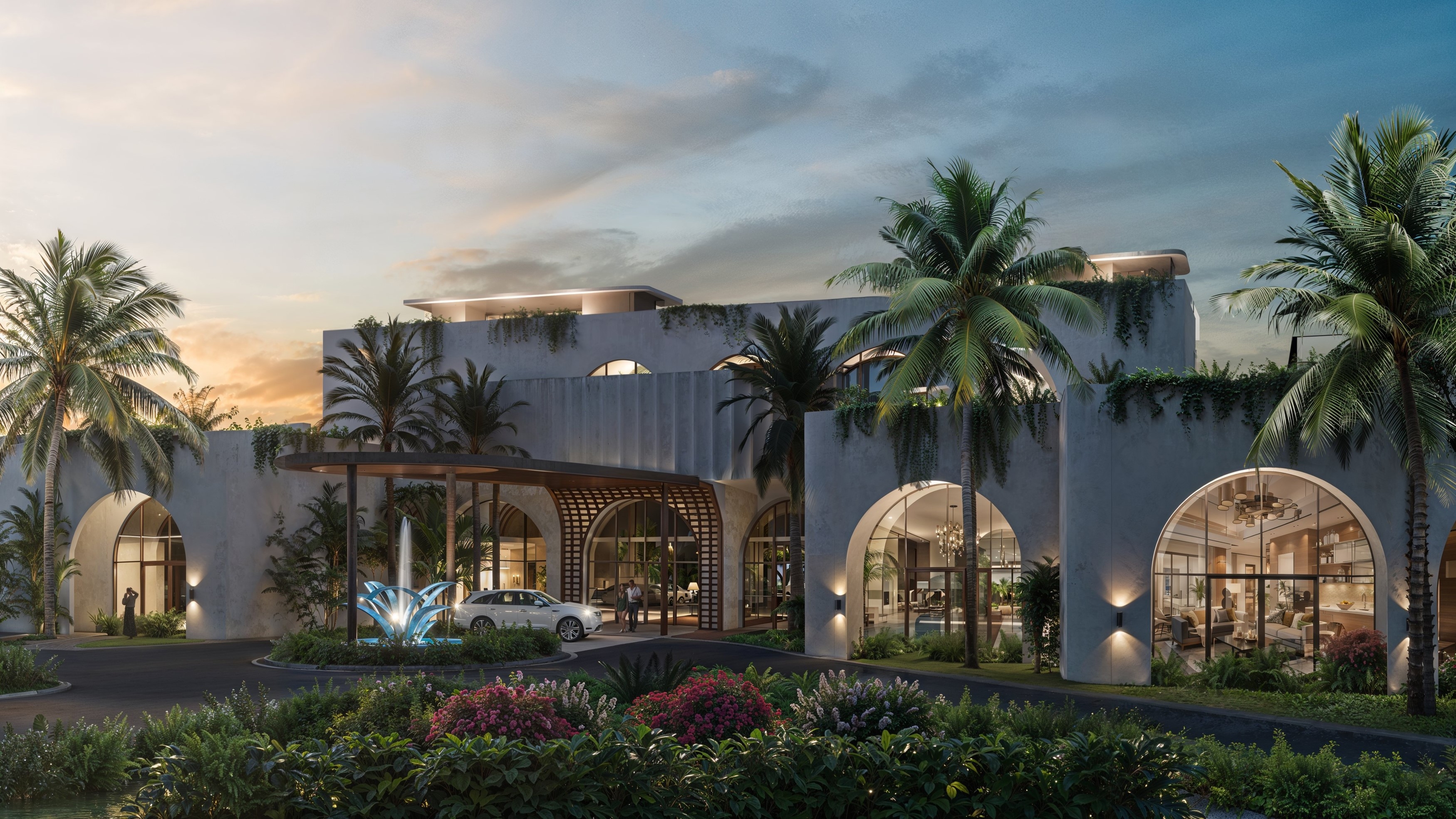
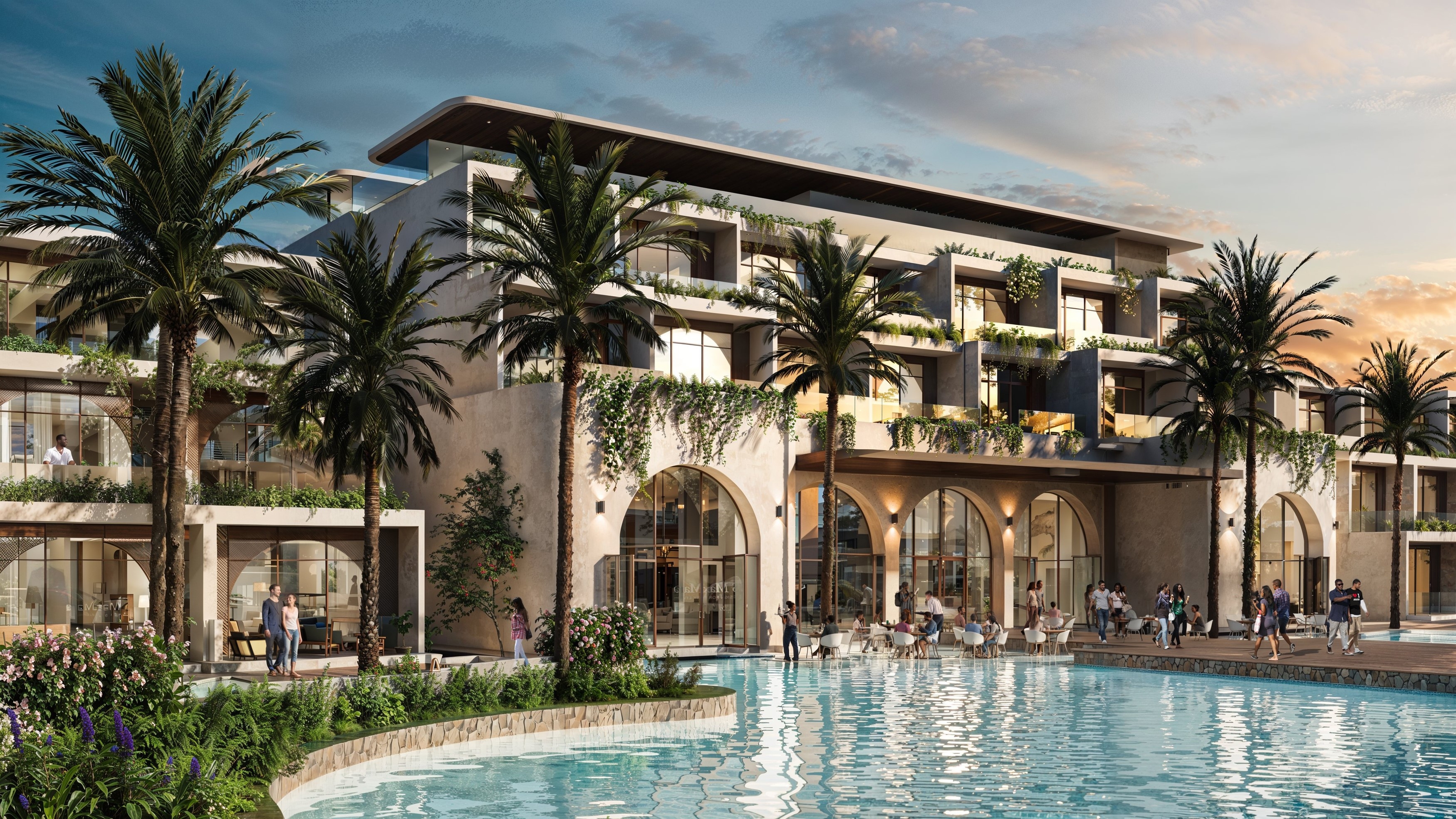
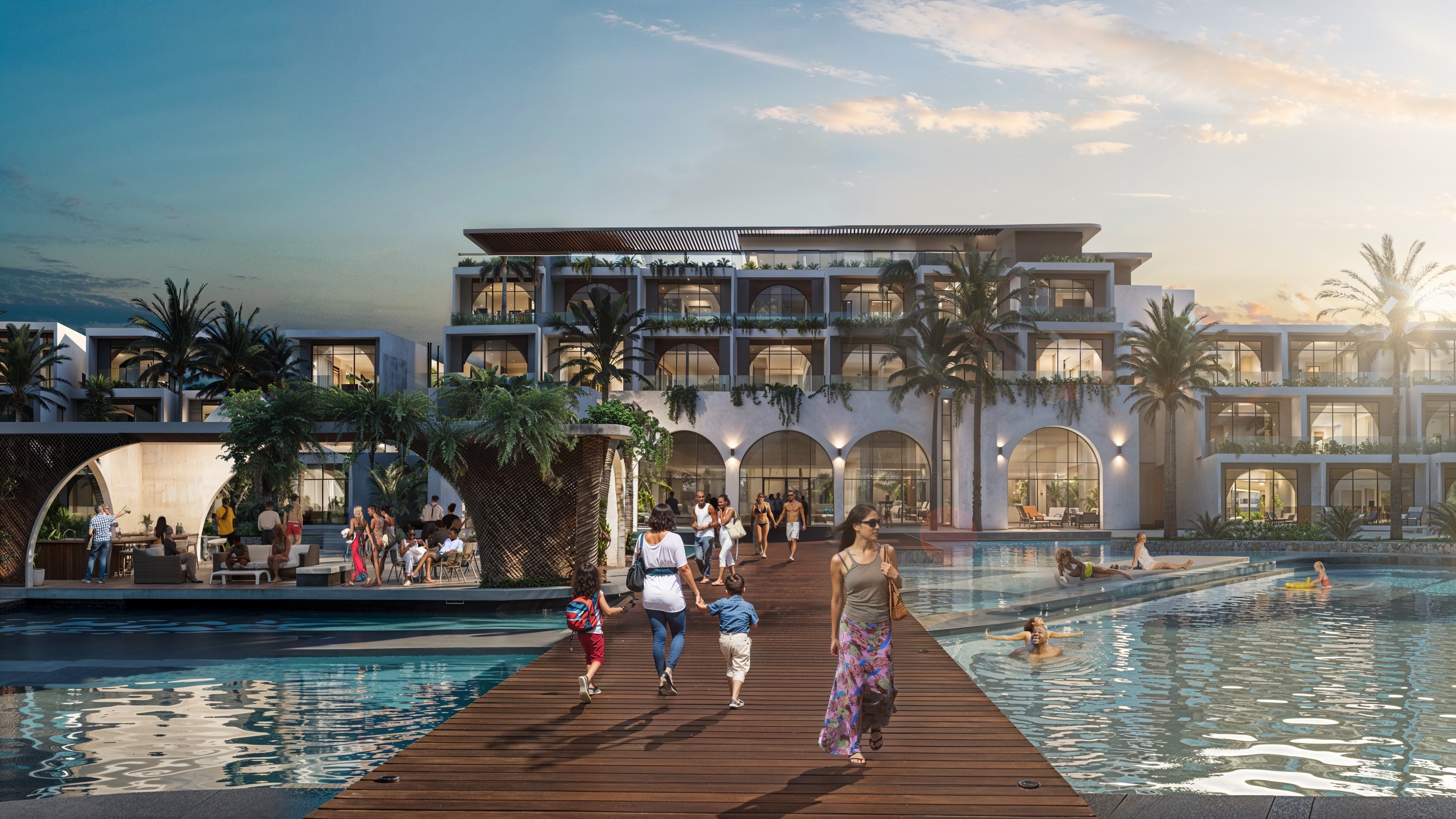
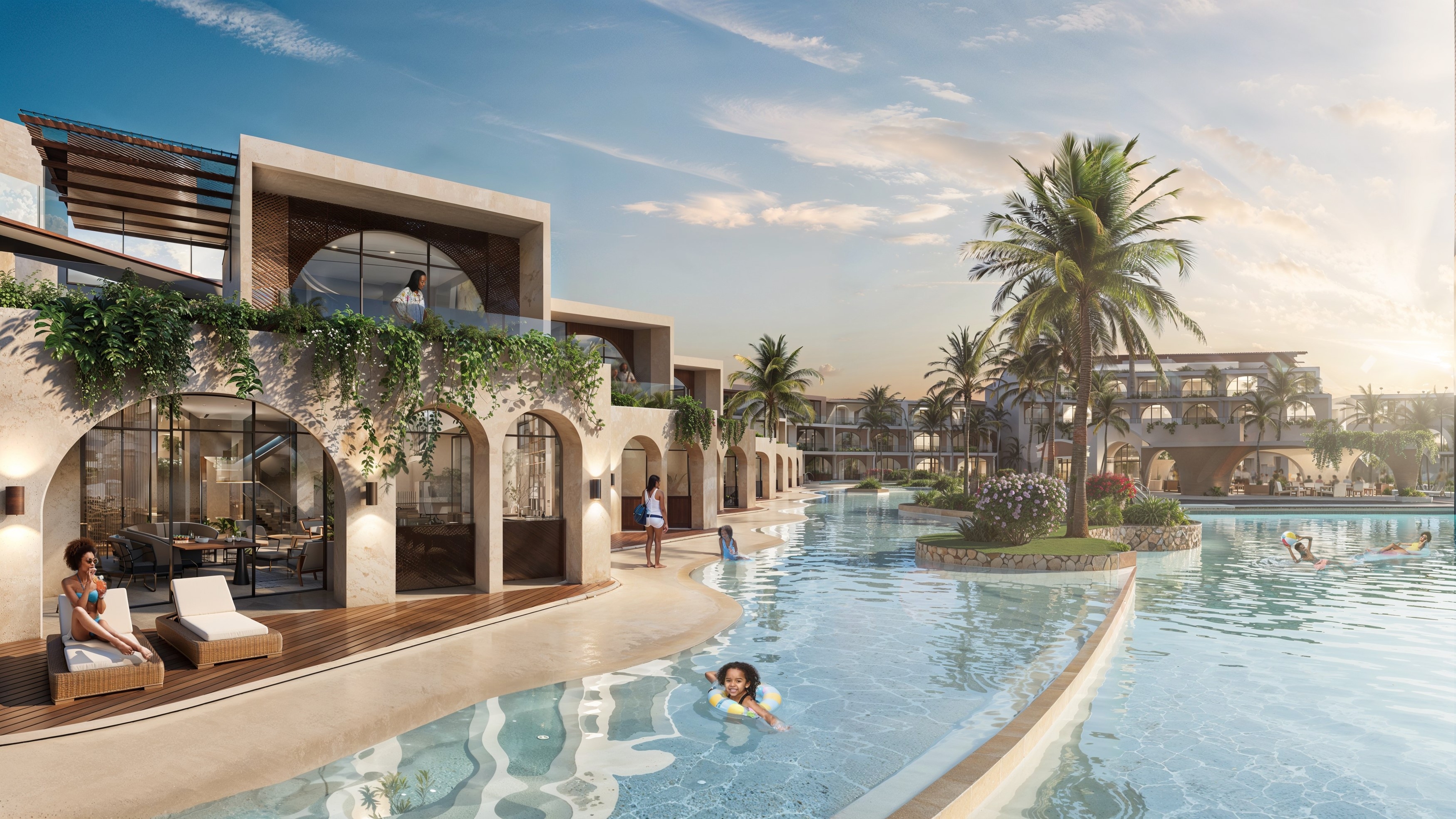
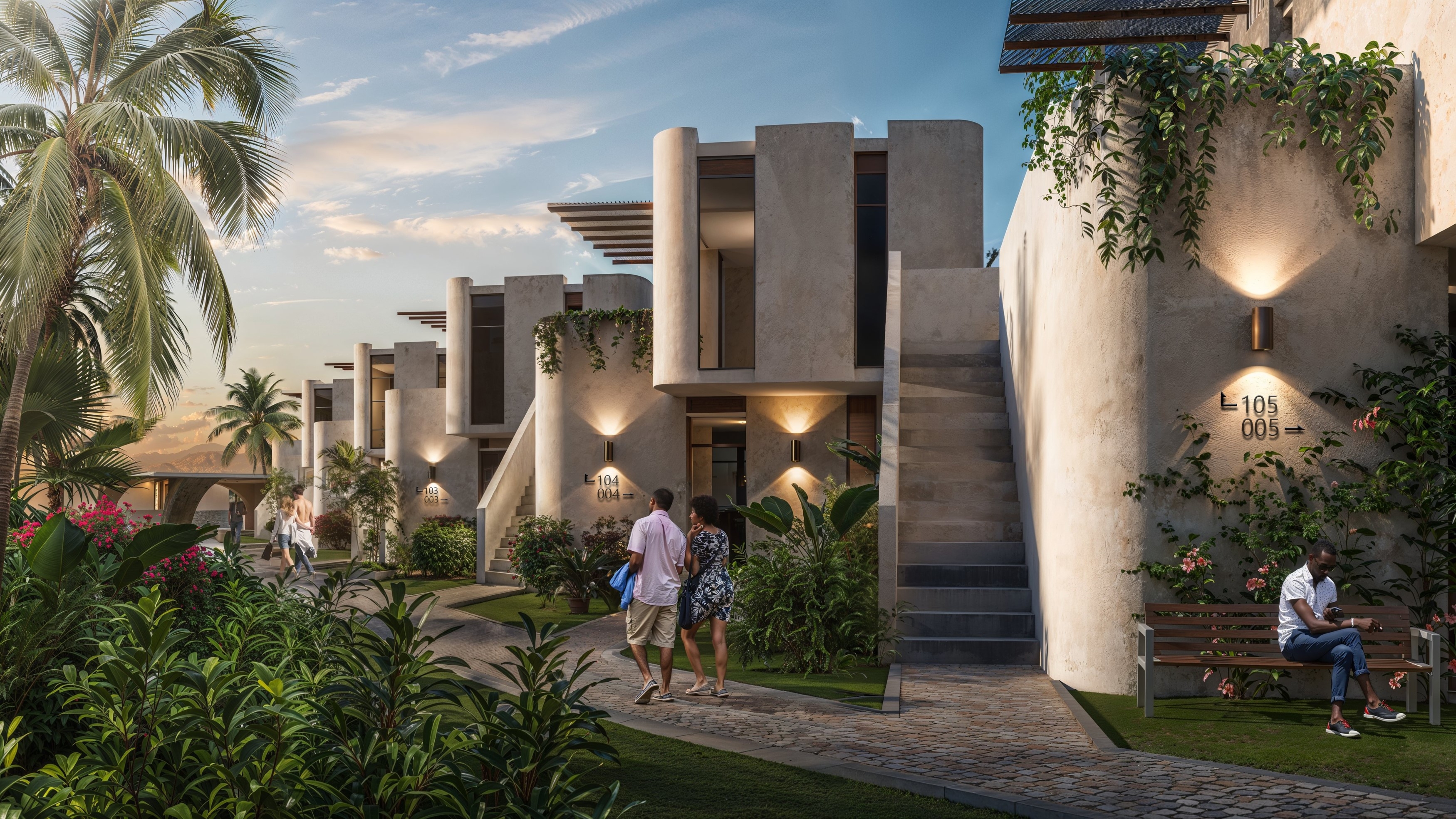
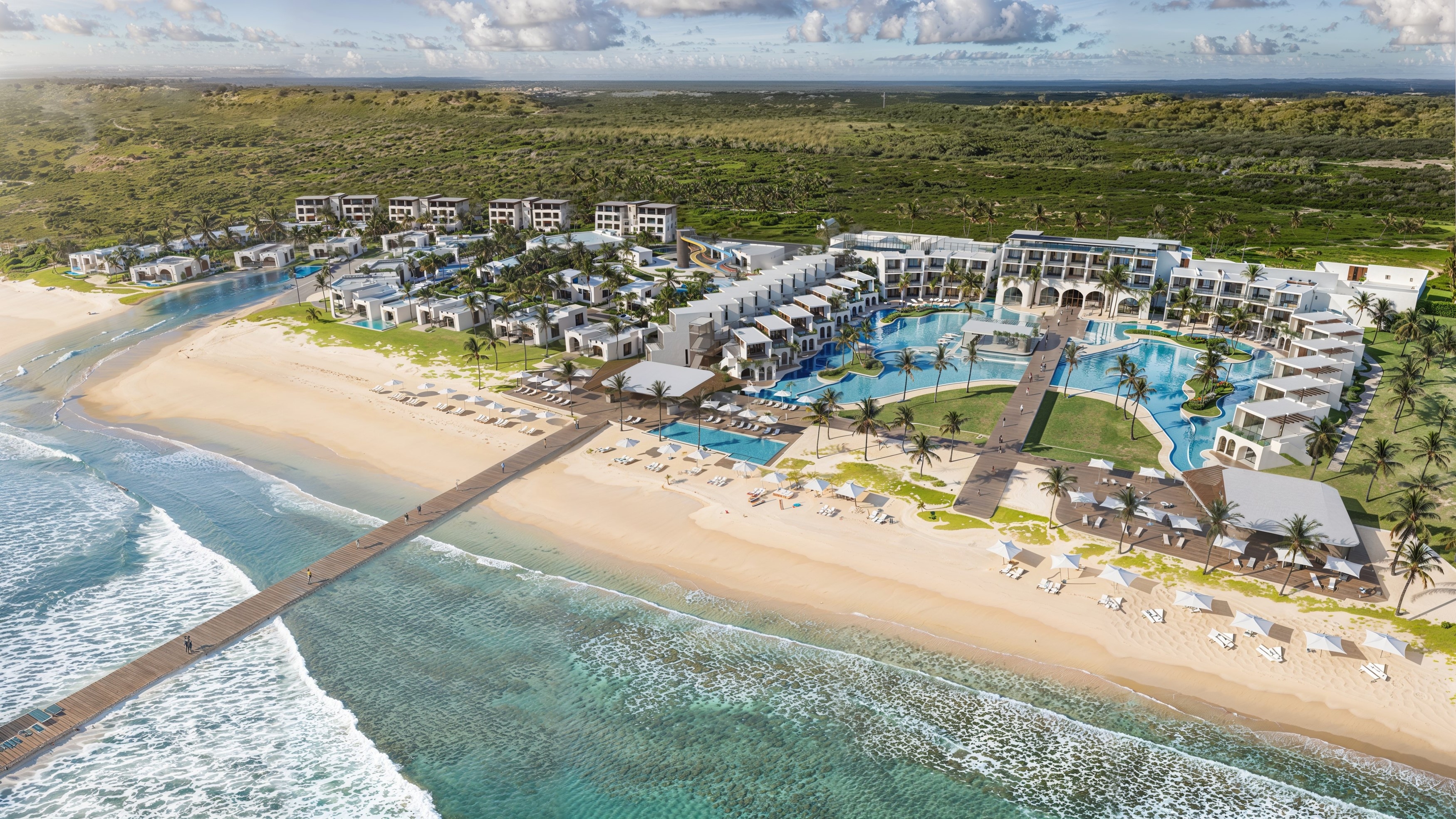
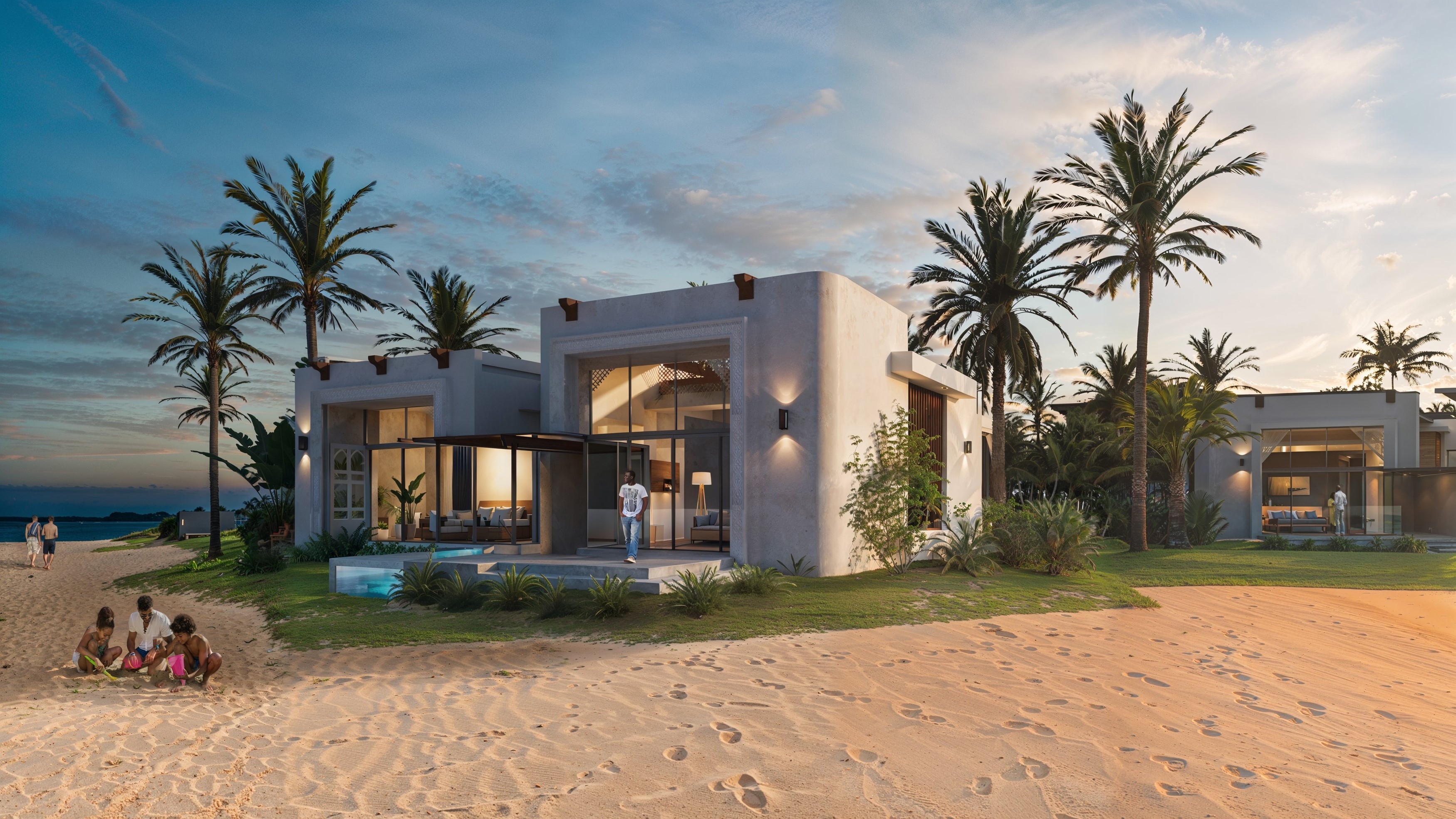
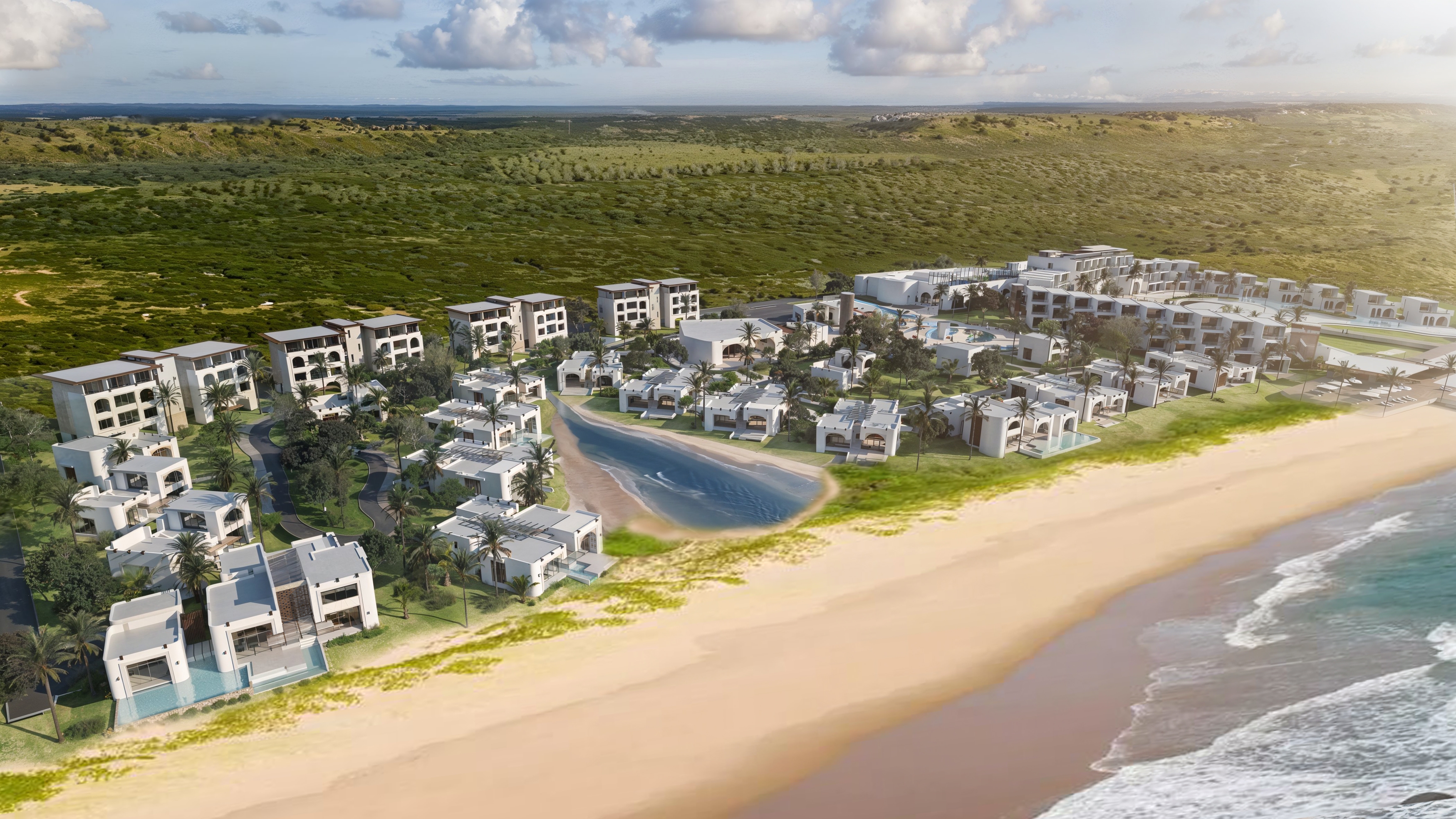
Located on the east coast of Zanzibar, Pongwe Beach Resort is conceived as a secluded coastal retreat immersed in tropical landscape and ocean views. The development includes a 100-room hotel, 120 apartments, seven private villas and a presidential villa. Set along turquoise waters protected by a coral reef, the resort balances privacy with shared experience. Villas are discreetly positioned within lush vegetation, while a network of pathways connects guests to a central cluster of amenities, including a clubhouse, beach club, restaurants, wellness pavilions and recreational facilities. The design fosters a sense of calm escape while remaining connected to the cultural and ecological richness of the island. Located within easy reach of Jozani Chwaka Bay National Park, historic Stone Town and local spice farms, the resort offers both retreat and exploration. Less commercialised than other coastal areas, Pongwe provides an authentic setting where architecture, landscape and experience are carefully integrated to create a destination rooted in place.
Located on the east coast of Zanzibar, Pongwe Beach Resort is conceived as a secluded coastal retreat immersed in tropical landscape and ocean views. The development includes a 100-room hotel, 120 apartments, seven private villas and a presidential villa. Set along turquoise waters protected by a coral reef, the resort balances privacy with shared experience. Villas are discreetly positioned within lush vegetation, while a network of pathways connects guests to a central cluster of amenities, including a clubhouse, beach club, restaurants, wellness pavilions and recreational facilities. The design fosters a sense of calm escape while remaining connected to the cultural and ecological richness of the island. Located within easy reach of Jozani Chwaka Bay National Park, historic Stone Town and local spice farms, the resort offers both retreat and exploration. Less commercialised than other coastal areas, Pongwe provides an authentic setting where architecture, landscape and experience are carefully integrated to create a destination rooted in place.
Project Innovation / Specification:
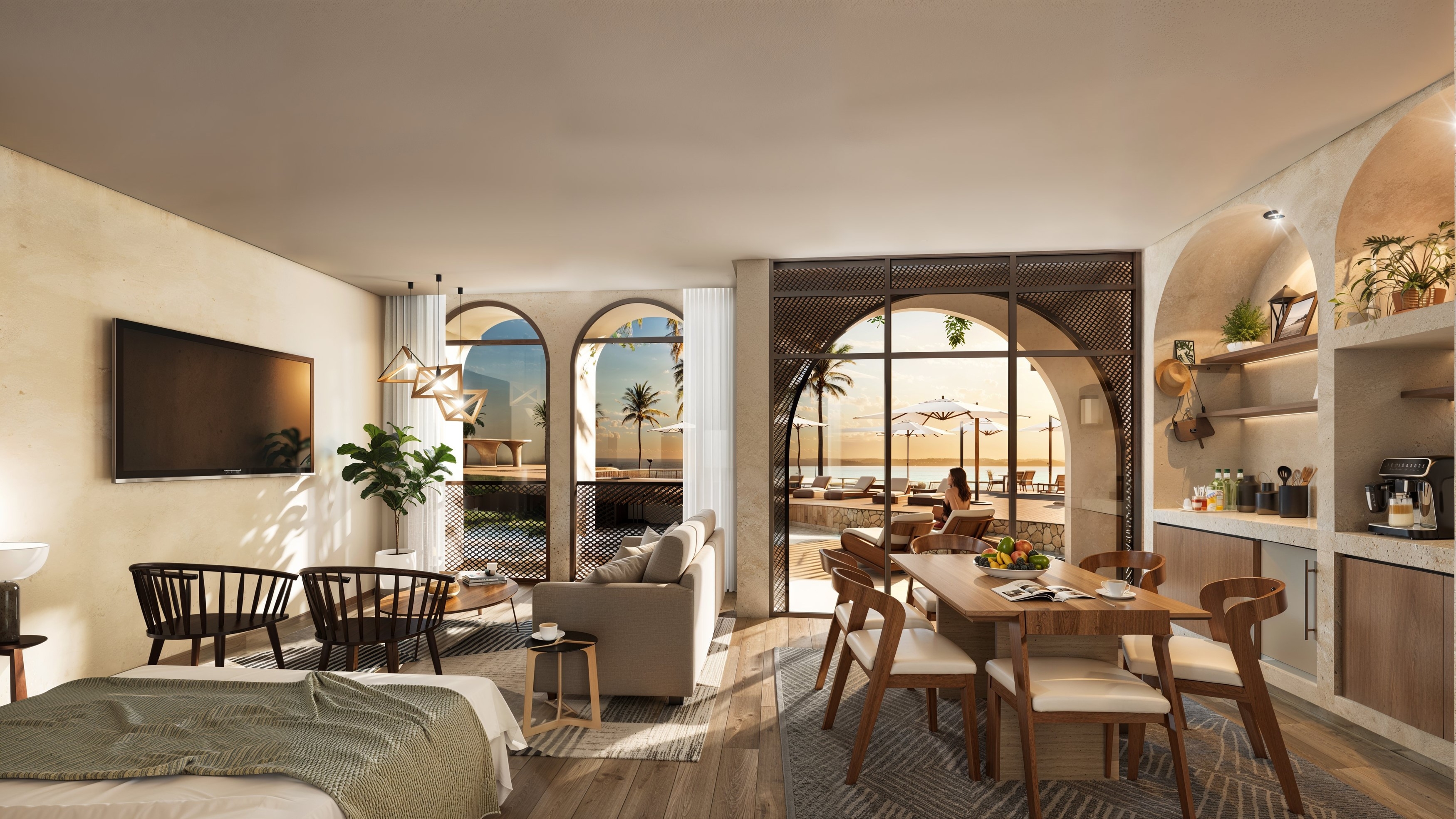
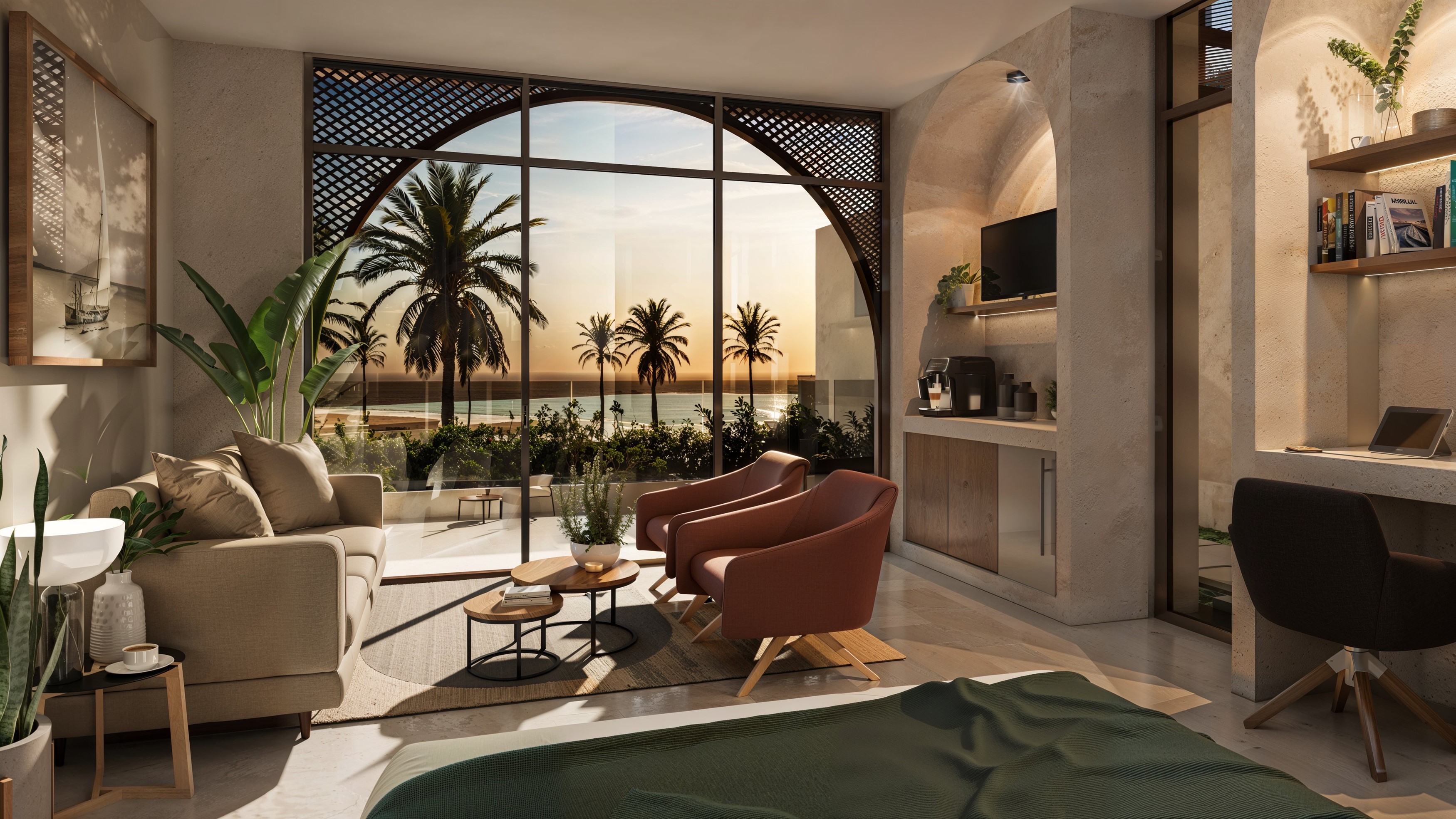
The architecture reinterprets the layered cultural heritage of Zanzibar, drawing on African, Arab and South Asian influences. Traditional elements – limewashed coral stone, carved timber screens, vidaka niches and mangrove pole ceilings – are expressed through a contemporary resort language that balances authenticity with comfort. The masterplan is shaped by the natural contours of the coastline and the rhythms of the ocean. Fluid, undulating forms echo the coral reef and tidal patterns, creating a spatial experience that dissolves boundaries between land and sea. Lagoon-like pools extend the presence of water inland, reinforcing this connection. A clear axial framework organises the hotel’s shared spaces, establishing legibility and orientation. In contrast, the villa precinct adopts a more informal, village-like grain, with meandering paths and intimate spatial sequences. This duality – formal and organic – creates a dynamic guest journey that is both structured and exploratory, enhancing the overall experience of place.
The architecture reinterprets the layered cultural heritage of Zanzibar, drawing on African, Arab and South Asian influences. Traditional elements – limewashed coral stone, carved timber screens, vidaka niches and mangrove pole ceilings – are expressed through a contemporary resort language that balances authenticity with comfort. The masterplan is shaped by the natural contours of the coastline and the rhythms of the ocean. Fluid, undulating forms echo the coral reef and tidal patterns, creating a spatial experience that dissolves boundaries between land and sea. Lagoon-like pools extend the presence of water inland, reinforcing this connection. A clear axial framework organises the hotel’s shared spaces, establishing legibility and orientation. In contrast, the villa precinct adopts a more informal, village-like grain, with meandering paths and intimate spatial sequences. This duality – formal and organic – creates a dynamic guest journey that is both structured and exploratory, enhancing the overall experience of place.
Project Sustainability Approach:
The design is guided by a low-impact, climate-responsive approach suited to the coastal environment of Tanzania. Buildings are oriented to maximise natural ventilation and reduce heat gain, while deep overhangs, shaded walkways and permeable structures provide passive cooling. The integration of vegetation enhances microclimates and supports biodiversity across the site. Locally inspired materials and construction techniques reduce embodied energy and reinforce regional identity. The use of durable, natural finishes ensures longevity in a marine environment while minimising maintenance requirements. Water-sensitive design strategies, including lagoon-style pools and landscape integration, respond to the site’s hydrological patterns. Beyond environmental performance, the resort is designed for long-term adaptability, supporting a range of uses and seasonal variations, ensuring sustained relevance and reduced lifecycle impact.
The design is guided by a low-impact, climate-responsive approach suited to the coastal environment of Tanzania. Buildings are oriented to maximise natural ventilation and reduce heat gain, while deep overhangs, shaded walkways and permeable structures provide passive cooling. The integration of vegetation enhances microclimates and supports biodiversity across the site. Locally inspired materials and construction techniques reduce embodied energy and reinforce regional identity. The use of durable, natural finishes ensures longevity in a marine environment while minimising maintenance requirements. Water-sensitive design strategies, including lagoon-style pools and landscape integration, respond to the site’s hydrological patterns. Beyond environmental performance, the resort is designed for long-term adaptability, supporting a range of uses and seasonal variations, ensuring sustained relevance and reduced lifecycle impact.
Local and Regional Impacts of the Project:
The project contributes to the sustainable growth of tourism in Zanzibar by offering a destination that is both high-quality and contextually grounded. By drawing on local architectural traditions and craftsmanship, the development supports cultural continuity and creates opportunities for local artisans and skills development. Its design celebrates the island’s diverse heritage, reinforcing a strong sense of identity. Economically, it supports job creation and local enterprise, while its sensitive integration into the landscape sets a precedent for responsible coastal development. Overall, the project demonstrates how tourism infrastructure can enhance, rather than erode, the environmental and cultural value of its setting.
The project contributes to the sustainable growth of tourism in Zanzibar by offering a destination that is both high-quality and contextually grounded. By drawing on local architectural traditions and craftsmanship, the development supports cultural continuity and creates opportunities for local artisans and skills development. Its design celebrates the island’s diverse heritage, reinforcing a strong sense of identity. Economically, it supports job creation and local enterprise, while its sensitive integration into the landscape sets a precedent for responsible coastal development. Overall, the project demonstrates how tourism infrastructure can enhance, rather than erode, the environmental and cultural value of its setting.