Maamba Private School
Prize(s):
WINNER 2026 ARCHITECTURE / Sustainable & Energy Saving Building | ARCHITECTURE / Landscape Architecture | ARCHITECTURE / Public building Architecture | Honorable Mention 2026 ARCHITECTURE / Others Architectural Projects
Company Name:Lucid Concept Design
Lead Designer(s) Name(s):Isaac Maambo
Design Team / Other designer(s):Structural Eng: Design Links, MEP: Dexterity Systems Solutions, QS: KV Siwale Associates
Architecture Firm:Lucid Concept Design
Interior Designer:Lucid Concept Design
Construction Company:Vertu Construction
Client Name:Maamba Development Trust
Photo Credit:Lucid Concept Design
Project Location:Maamba, Sinazongwe District , Southern Province , Zambia
Design Status:In Progress
Website: View
Project Description:
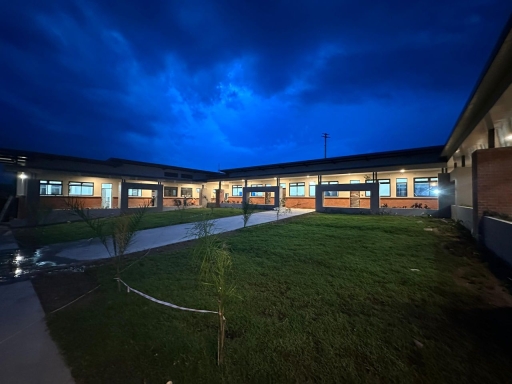
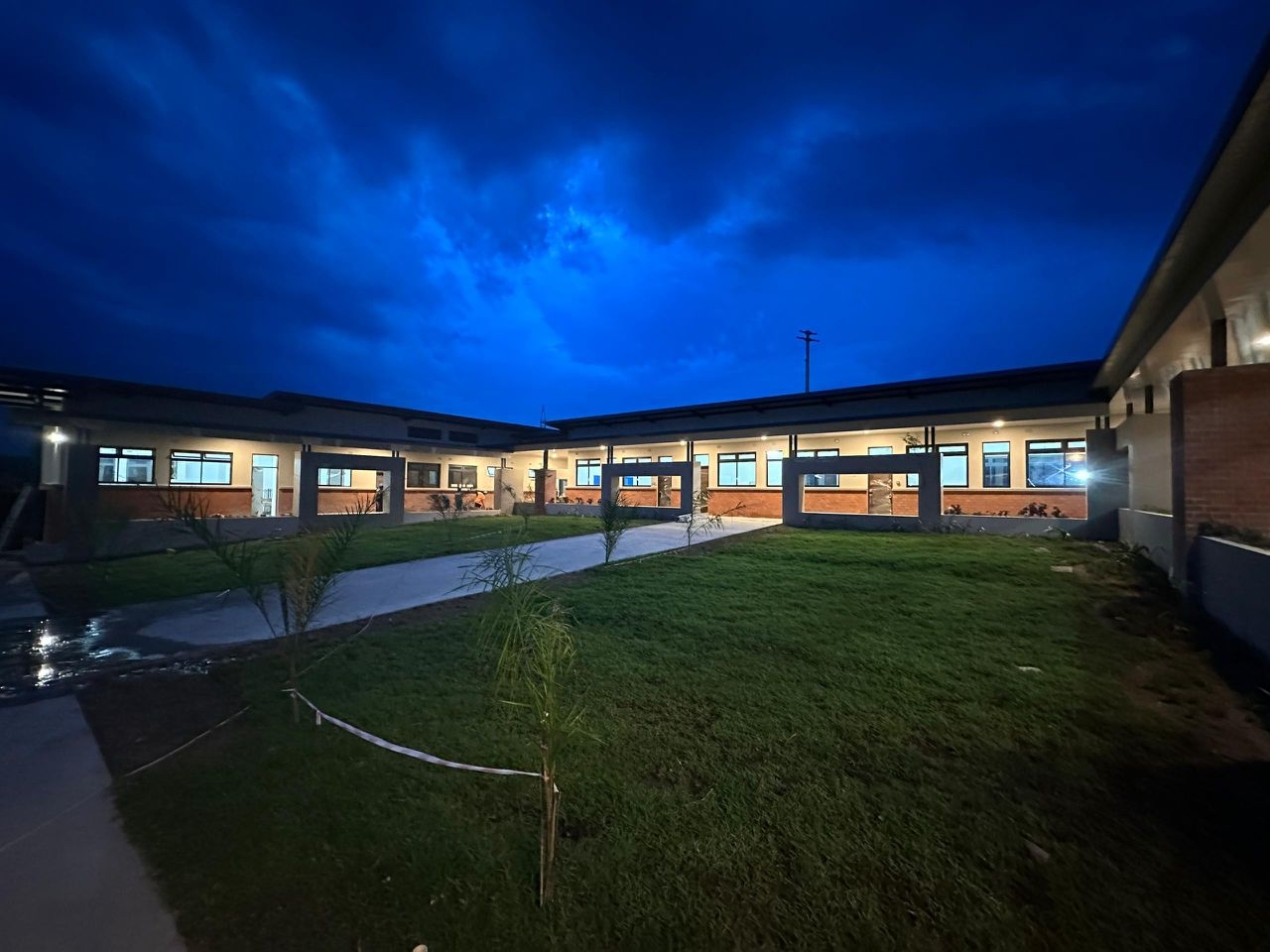
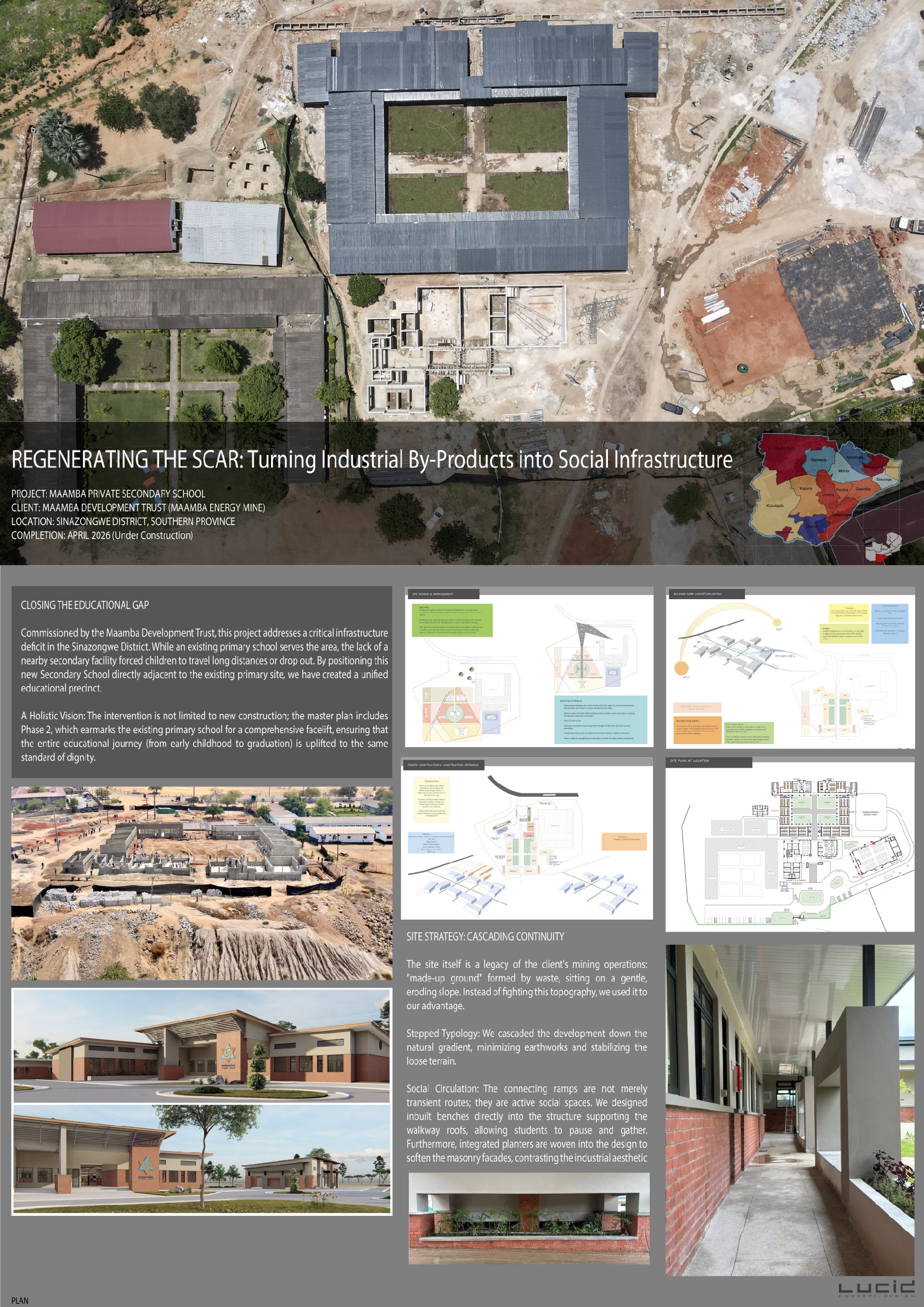
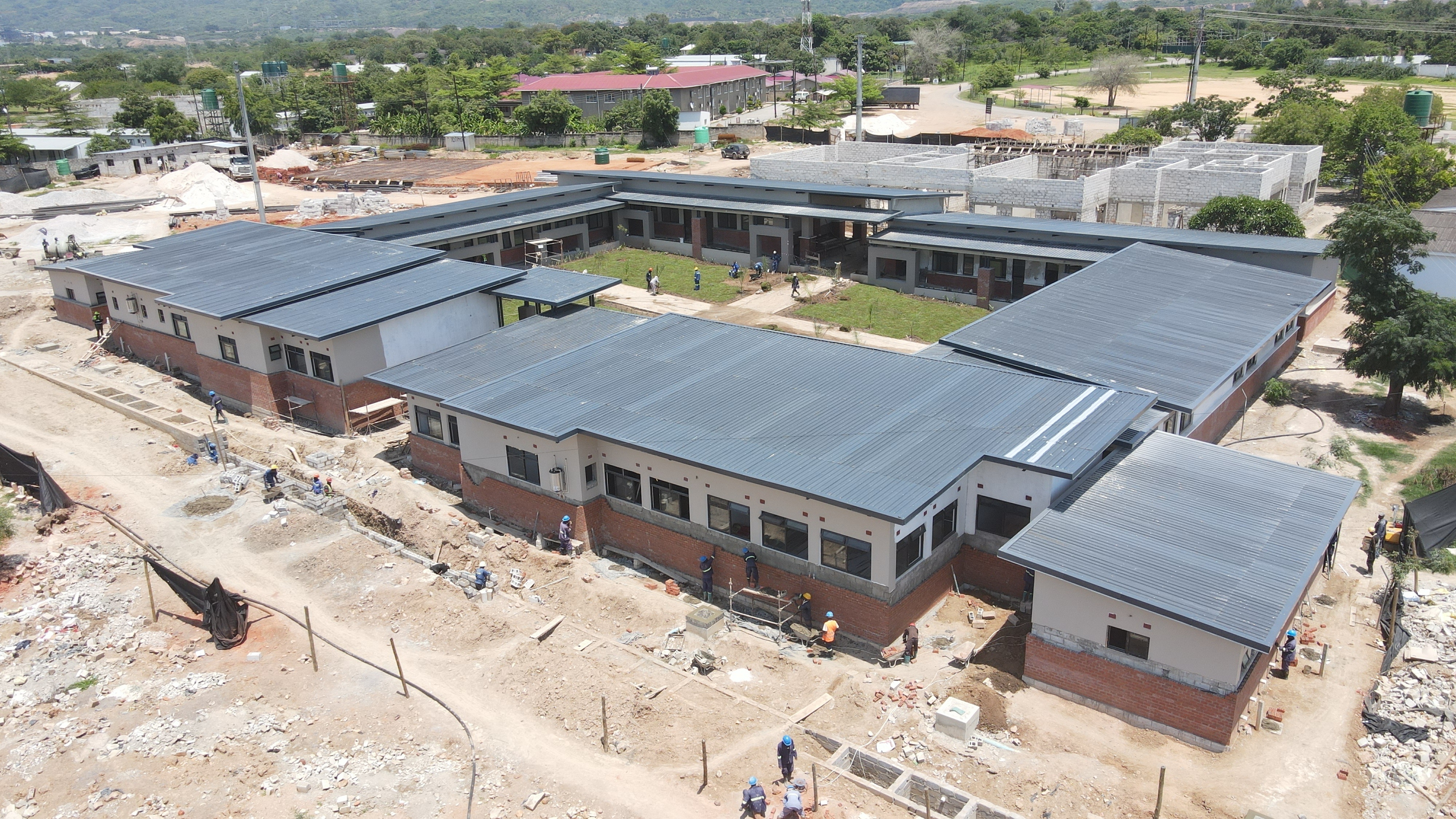
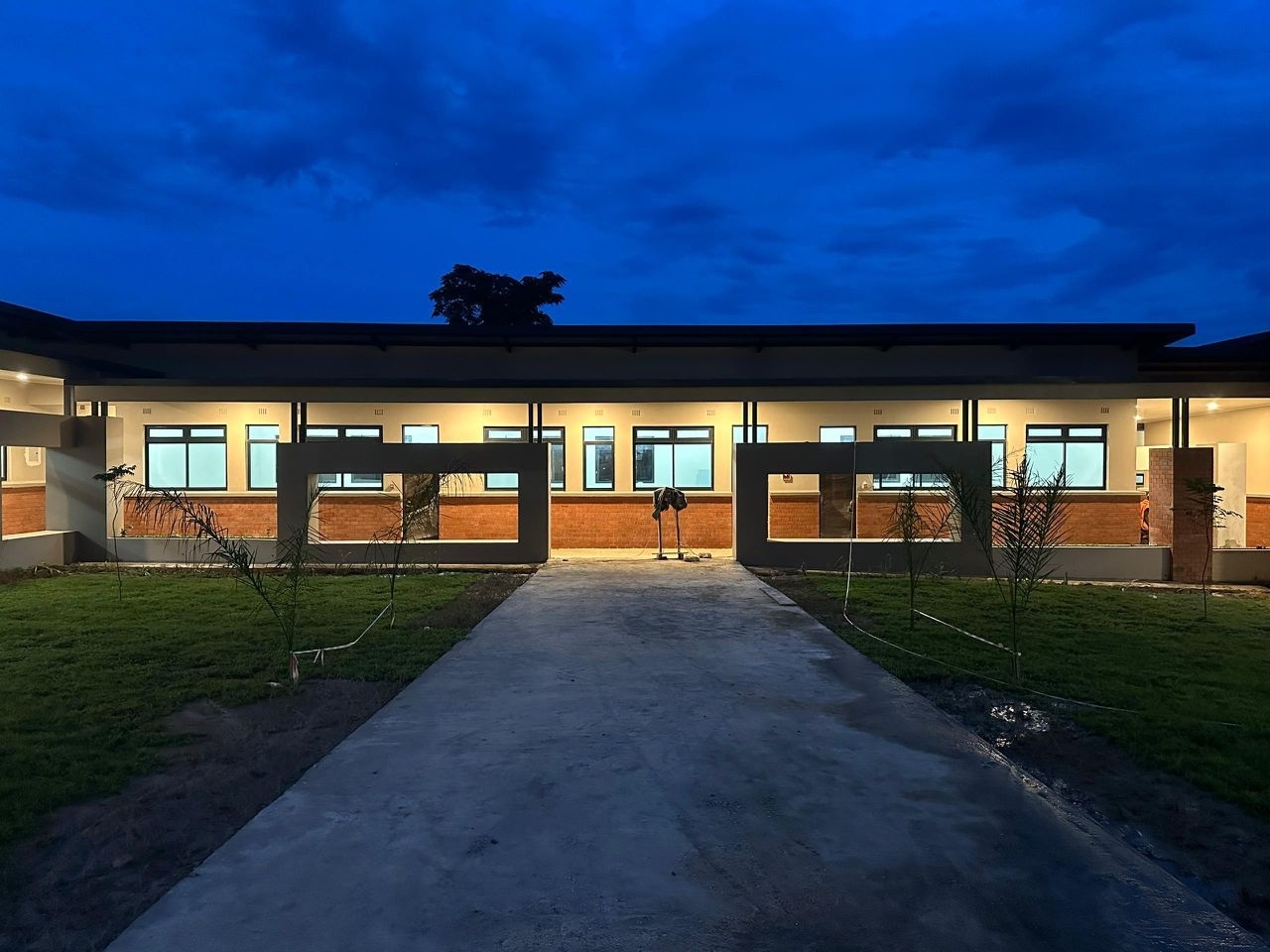
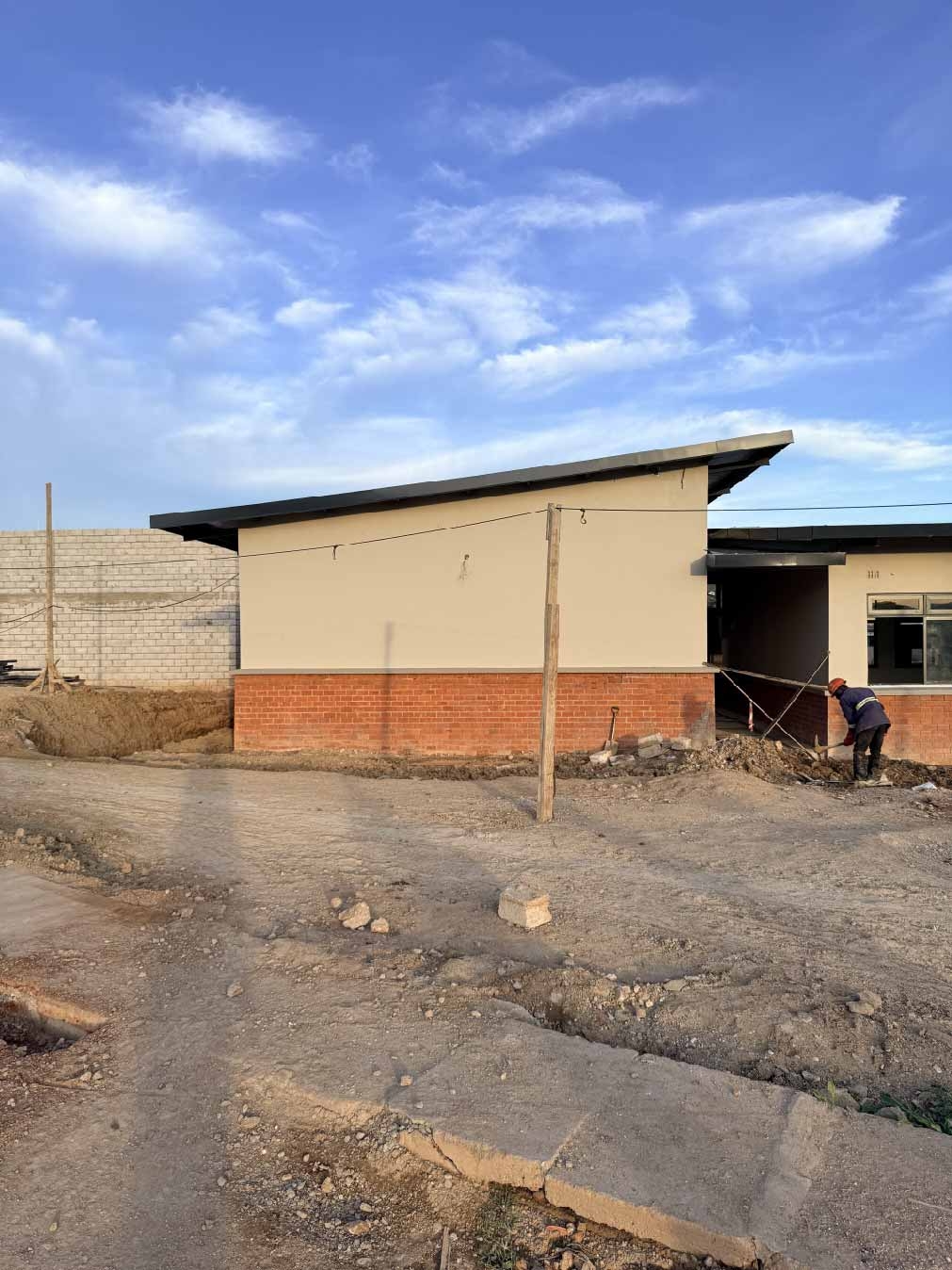
Commissioned by the Maamba Development Trust, this project addresses a critical infrastructure deficit in the Sinazongwe District. While an existing primary school serves the area, the lack of a nearby secondary facility forced children to travel long distances or drop out. By positioning this new secondary school directly adjacent to the existing primary site, we have created a unified educational precinct. A Holistic Vision: The intervention is not limited to new construction; the master plan includes Phase 2, which earmarks the existing primary school for a comprehensive facelift, ensuring that the entire educational journey (from early childhood to graduation) is uplifted to the same standard of dignity.
Commissioned by the Maamba Development Trust, this project addresses a critical infrastructure deficit in the Sinazongwe District. While an existing primary school serves the area, the lack of a nearby secondary facility forced children to travel long distances or drop out. By positioning this new secondary school directly adjacent to the existing primary site, we have created a unified educational precinct. A Holistic Vision: The intervention is not limited to new construction; the master plan includes Phase 2, which earmarks the existing primary school for a comprehensive facelift, ensuring that the entire educational journey (from early childhood to graduation) is uplifted to the same standard of dignity.
Project Innovation / Specification:
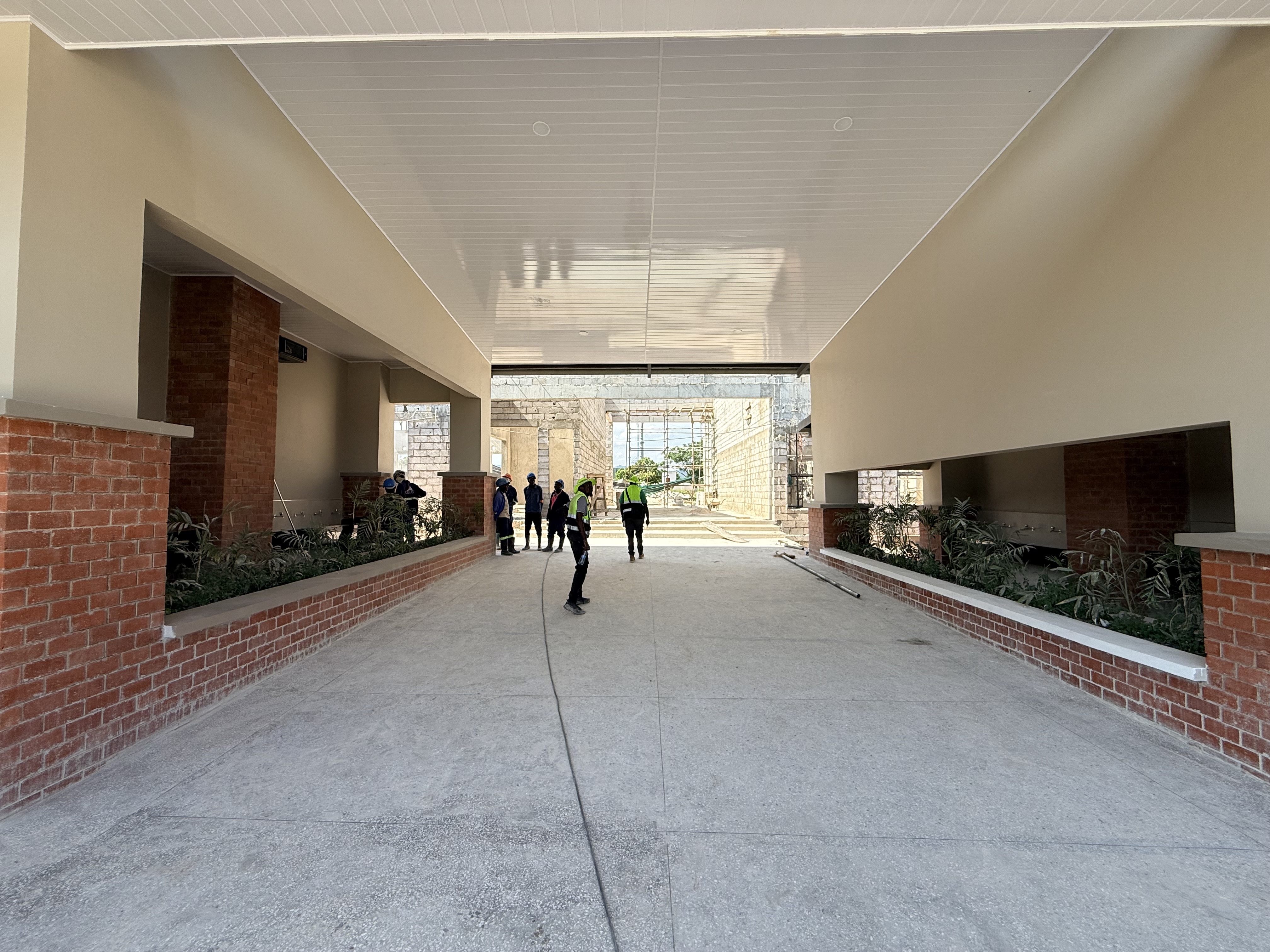
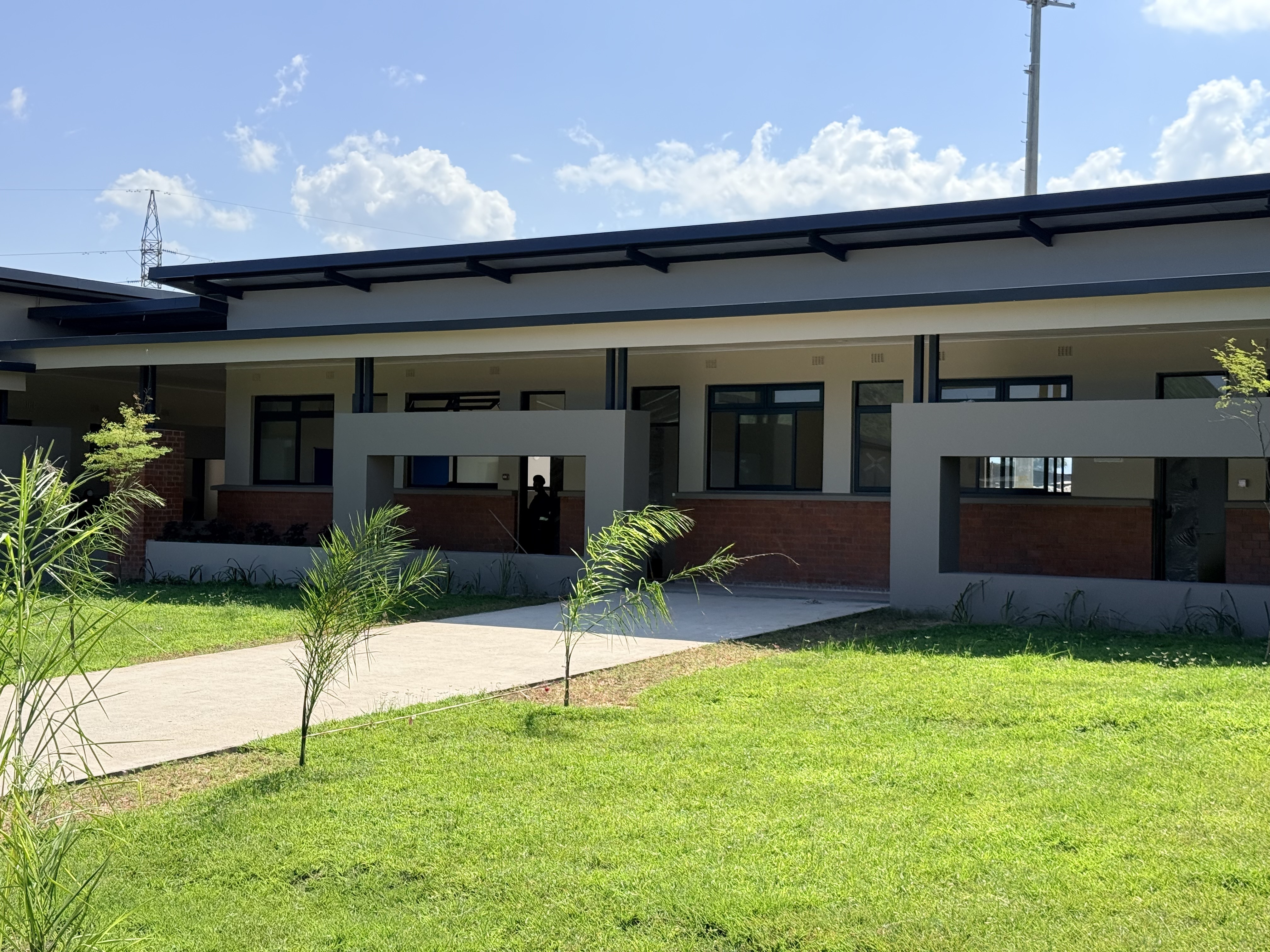
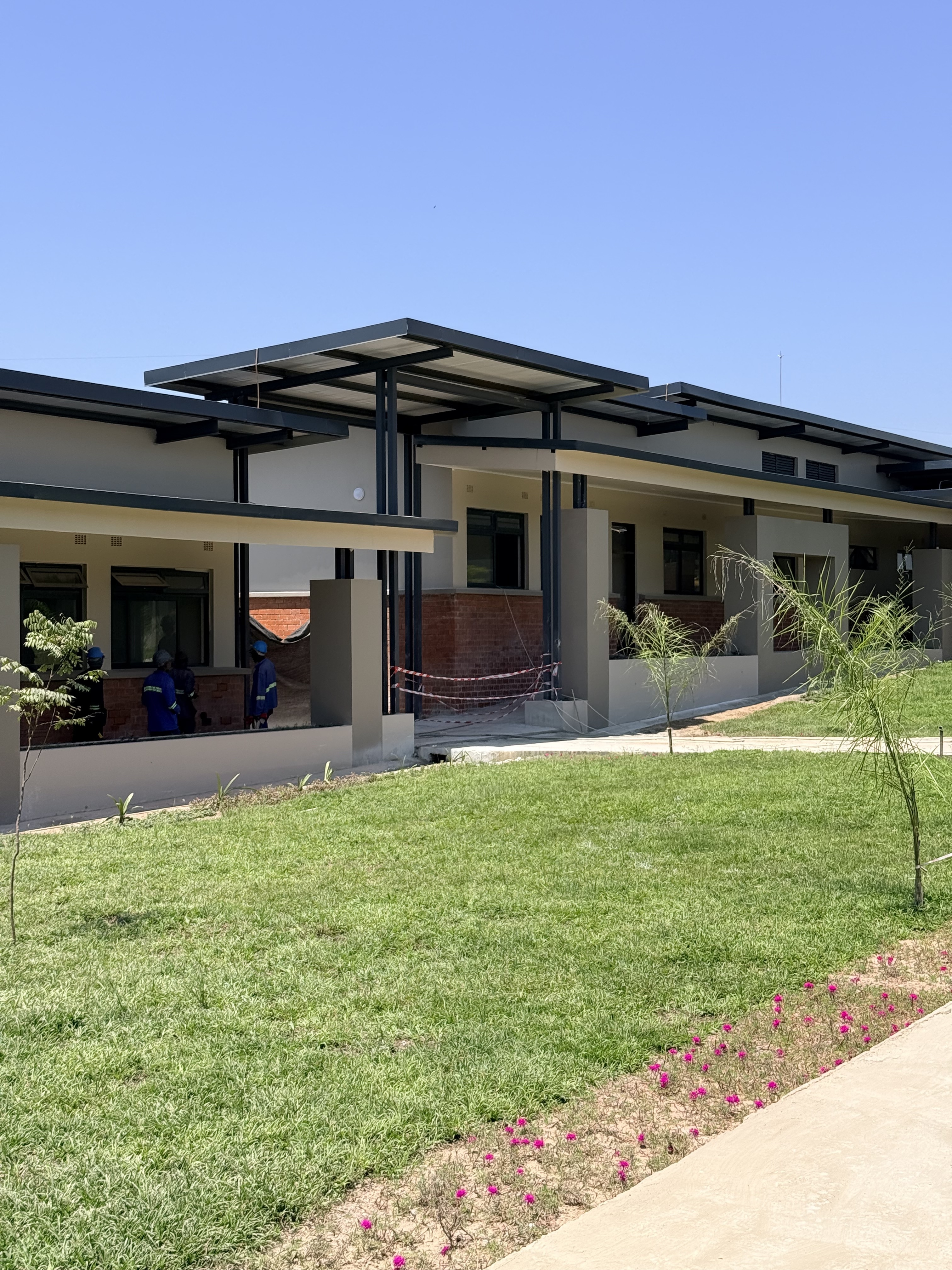
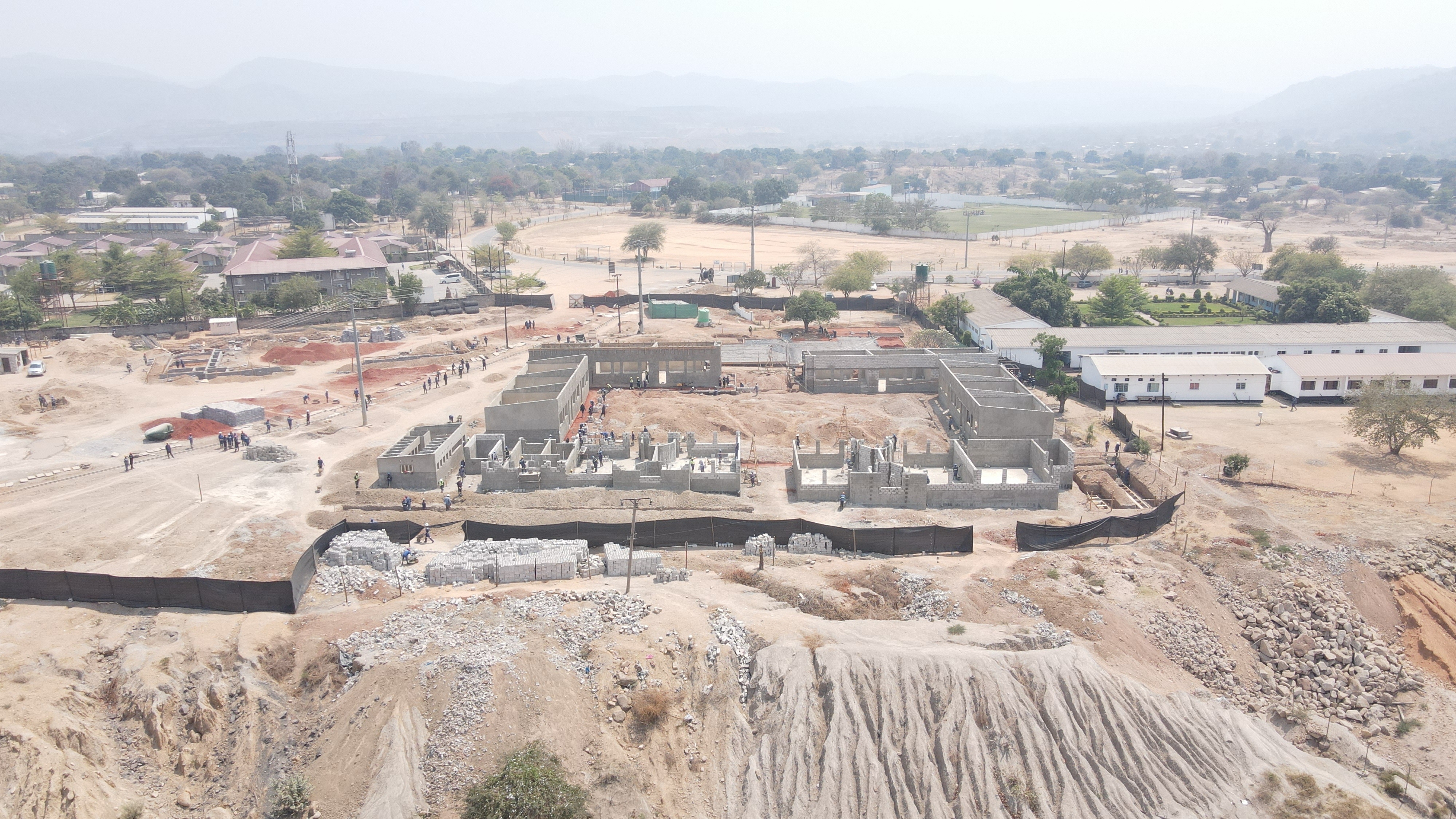
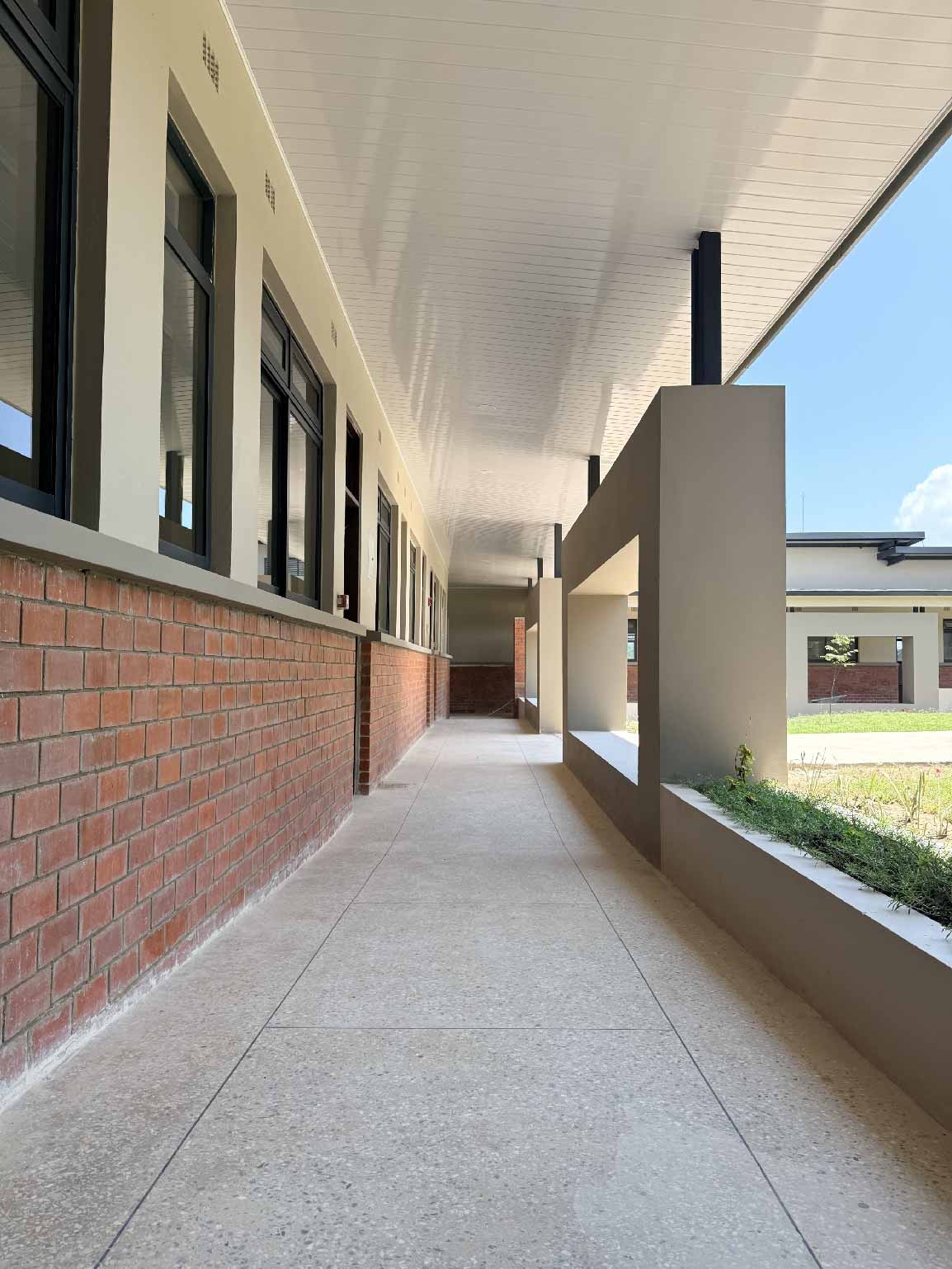
The site itself is a legacy of the client's mining operations: "made-up ground" formed by waste, sitting on a gentle, eroding slope. Instead of fighting this topography, we used it to our advantage. Stepped Typology: We cascaded the development down the natural gradient, minimizing earthworks and stabilizing the loose terrain. The connecting ramps are not merely transient routes; they are active social spaces. We designed inbuilt benches directly into the structure supporting the walkway roofs, allowing students to pause and gather. Furthermore, integrated planters are woven into the design to soften the masonry facades and contrast with the industrial aesthetic.
The site itself is a legacy of the client's mining operations: "made-up ground" formed by waste, sitting on a gentle, eroding slope. Instead of fighting this topography, we used it to our advantage. Stepped Typology: We cascaded the development down the natural gradient, minimizing earthworks and stabilizing the loose terrain. The connecting ramps are not merely transient routes; they are active social spaces. We designed inbuilt benches directly into the structure supporting the walkway roofs, allowing students to pause and gather. Furthermore, integrated planters are woven into the design to soften the masonry facades and contrast with the industrial aesthetic.
Project Sustainability Approach:
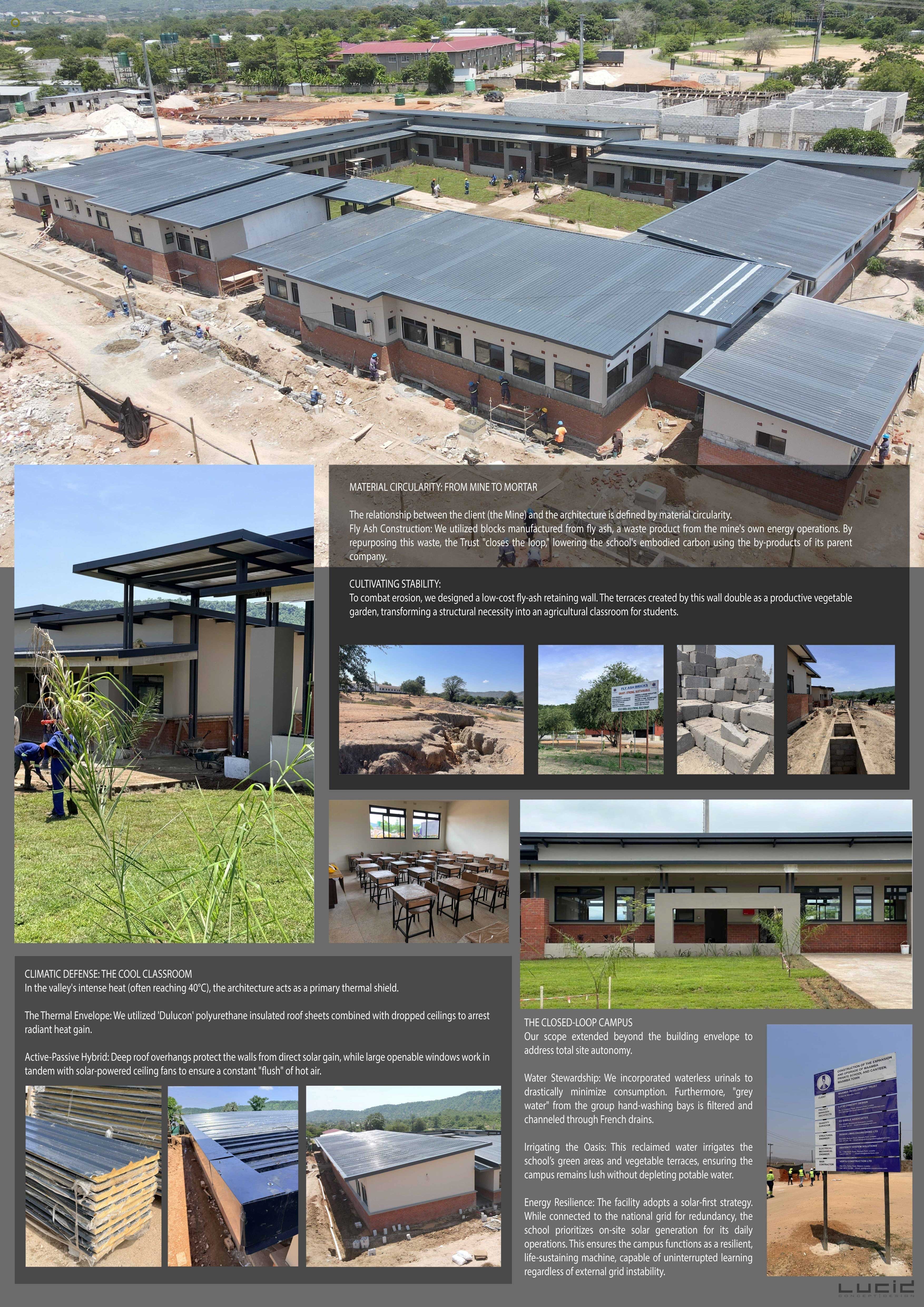
MATERIAL CIRCULARITY: FROM MINE TO MORTAR The relationship between the client (the mine) and the architecture is defined by material circularity. Fly Ash Construction: We utilised blocks manufactured from fly ash, a waste product from the mine's own energy operations. By repurposing this waste, the Trust "closes the loop," lowering the school's embodied carbon using the by-products of its parent company. Our scope extended beyond the building envelope to address total site autonomy. Water Stewardship: We incorporated waterless urinals to drastically minimise consumption. Furthermore, "grey water" from the group hand-washing bays is filtered and channelled through French drains. Irrigating the Oasis: This reclaimed water irrigates the school’s green areas, ensuring the campus remains lush without depleting potable water. Energy Resilience: The facility adopts a solar-first strategy. While connected to the national grid for redundancy, the school prioritizes on-site solar generation for its daily operations. This ensures the campus functions as a resilient, life-sustaining machine, capable of uninterrupted learning regardless of external grid instability.
MATERIAL CIRCULARITY: FROM MINE TO MORTAR The relationship between the client (the mine) and the architecture is defined by material circularity. Fly Ash Construction: We utilised blocks manufactured from fly ash, a waste product from the mine's own energy operations. By repurposing this waste, the Trust "closes the loop," lowering the school's embodied carbon using the by-products of its parent company. Our scope extended beyond the building envelope to address total site autonomy. Water Stewardship: We incorporated waterless urinals to drastically minimise consumption. Furthermore, "grey water" from the group hand-washing bays is filtered and channelled through French drains. Irrigating the Oasis: This reclaimed water irrigates the school’s green areas, ensuring the campus remains lush without depleting potable water. Energy Resilience: The facility adopts a solar-first strategy. While connected to the national grid for redundancy, the school prioritizes on-site solar generation for its daily operations. This ensures the campus functions as a resilient, life-sustaining machine, capable of uninterrupted learning regardless of external grid instability.
Local and Regional Impacts of the Project:
This project in Sinazongwe District transforms mining by-products into social infrastructure. By "regenerating the scar," it addresses educational gaps through a unified campus. It leads in material circularity by using fly-ash blocks from mine waste, lowering embodied carbon.The architecture repairs the landscape, using a stepped typology to stabilize eroding slopes of industrial waste. In 40°C heat, it acts as a thermal shield with insulated roofing. A solar-first strategy and greywater irrigation ensure resource autonomy. Ultimately, it proves architecture is a tool for restoration, protecting resources and healing the land.
This project in Sinazongwe District transforms mining by-products into social infrastructure. By "regenerating the scar," it addresses educational gaps through a unified campus. It leads in material circularity by using fly-ash blocks from mine waste, lowering embodied carbon.The architecture repairs the landscape, using a stepped typology to stabilize eroding slopes of industrial waste. In 40°C heat, it acts as a thermal shield with insulated roofing. A solar-first strategy and greywater irrigation ensure resource autonomy. Ultimately, it proves architecture is a tool for restoration, protecting resources and healing the land.
Company Name:Lucid Concept Design
Lead Designer(s) Name(s):Isaac Maambo
Profile Description:
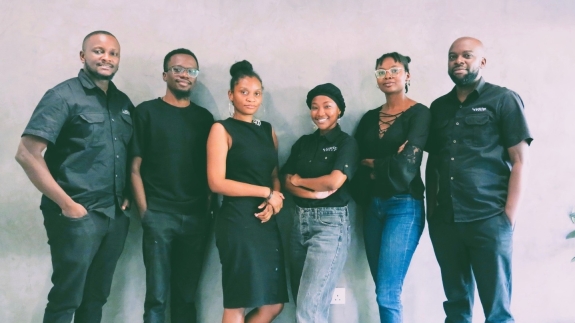
At Lucid Concept Design, we approach every project by listening first. Understanding your vision, priorities, and unique story allows us to craft tailored design and management solutions that bring your ideas to life. Collaboration is at the core of our process, ensuring that every decision reflects your goals and aspirations.We endeavour to work closely with clients through a unique participatory design process that allows them to build the project, not brick by brick, but decision by decision.
At Lucid Concept Design, we approach every project by listening first. Understanding your vision, priorities, and unique story allows us to craft tailored design and management solutions that bring your ideas to life. Collaboration is at the core of our process, ensuring that every decision reflects your goals and aspirations.We endeavour to work closely with clients through a unique participatory design process that allows them to build the project, not brick by brick, but decision by decision.
Environmental Practices:
We are dedicated to crafting impact-driven, sustainable, and cost-efficient design solutions that not only meet client expectations but also enhance community well-being. Our ethos is built on Sustainability at the Core, integrating passive design strategies, clean energy solutions, & resource-efficient materials to minimize environmental impact. Cost-Conscious Innovation that balances affordability with arch excellence by optimizing construction techniques and material selection. We design for resilience, adaptability, & community enrichment, ensuring our projects stand the test of time.
We are dedicated to crafting impact-driven, sustainable, and cost-efficient design solutions that not only meet client expectations but also enhance community well-being. Our ethos is built on Sustainability at the Core, integrating passive design strategies, clean energy solutions, & resource-efficient materials to minimize environmental impact. Cost-Conscious Innovation that balances affordability with arch excellence by optimizing construction techniques and material selection. We design for resilience, adaptability, & community enrichment, ensuring our projects stand the test of time.
Previous Awards Won:
BEZA AWARD - Residential Building of the year 2023- Zambia BEZA AWARD - Commercial Building of the year 2023- Zambia
BEZA AWARD - Residential Building of the year 2023- Zambia BEZA AWARD - Commercial Building of the year 2023- Zambia