The new village for toddlers
Prize(s):
Honorable Mention 2026 ARCHITECTURE / Public building Architecture
School / University Name:Africa Design School
Lead Designer(s) Name(s):Shekina Briand DATINON
Design Team / Other designer(s):Astride KIDJO Félicia BROWN Adonai MEDEDJI
Professor Name(s):Djimey SANGARE
Photo Credit:Shekina DATINON
Project Location:Coubanao, Sénégal
Design Status:Concept
Project Description:
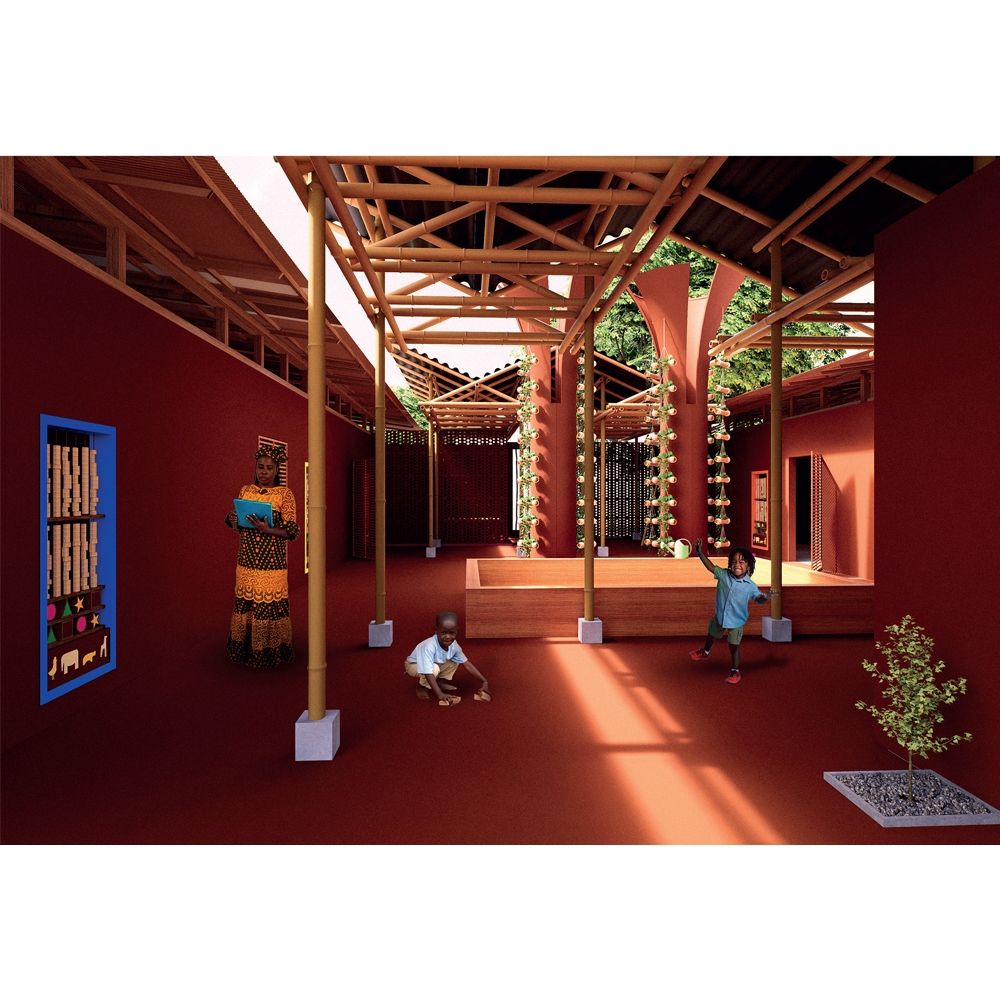
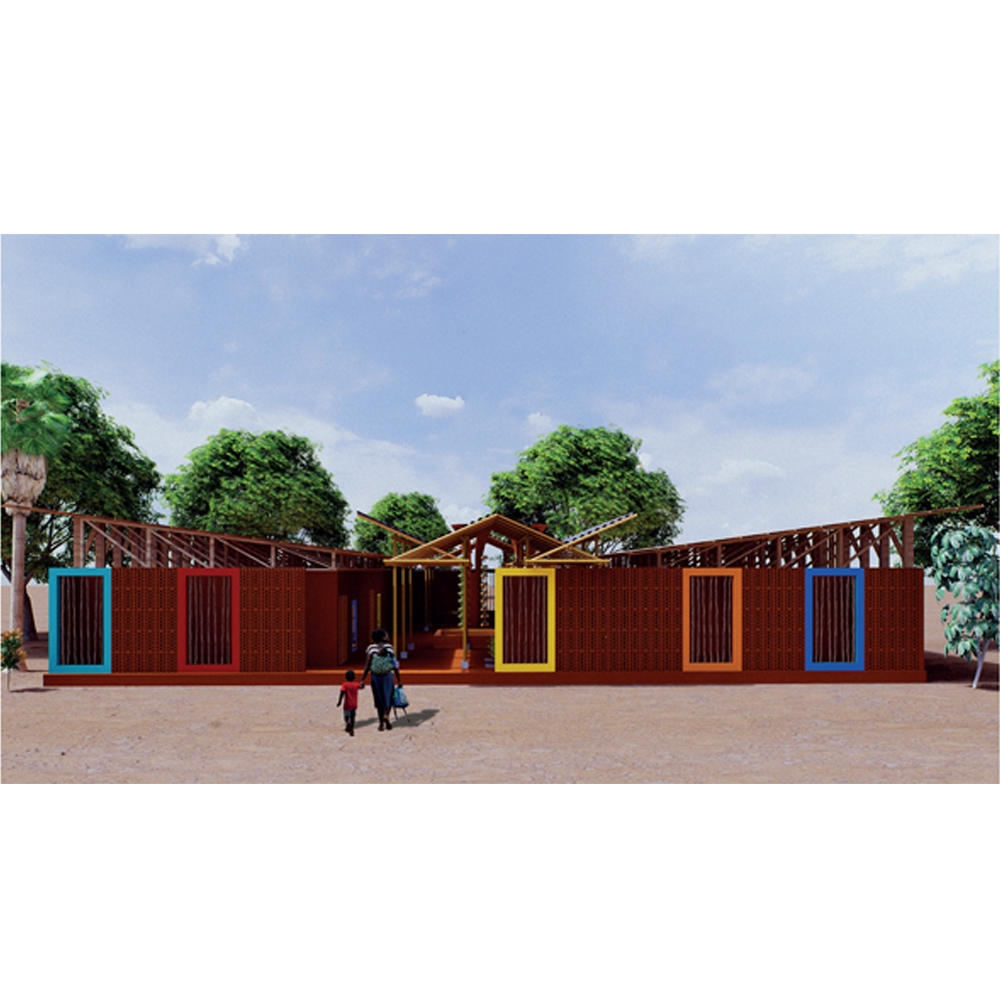
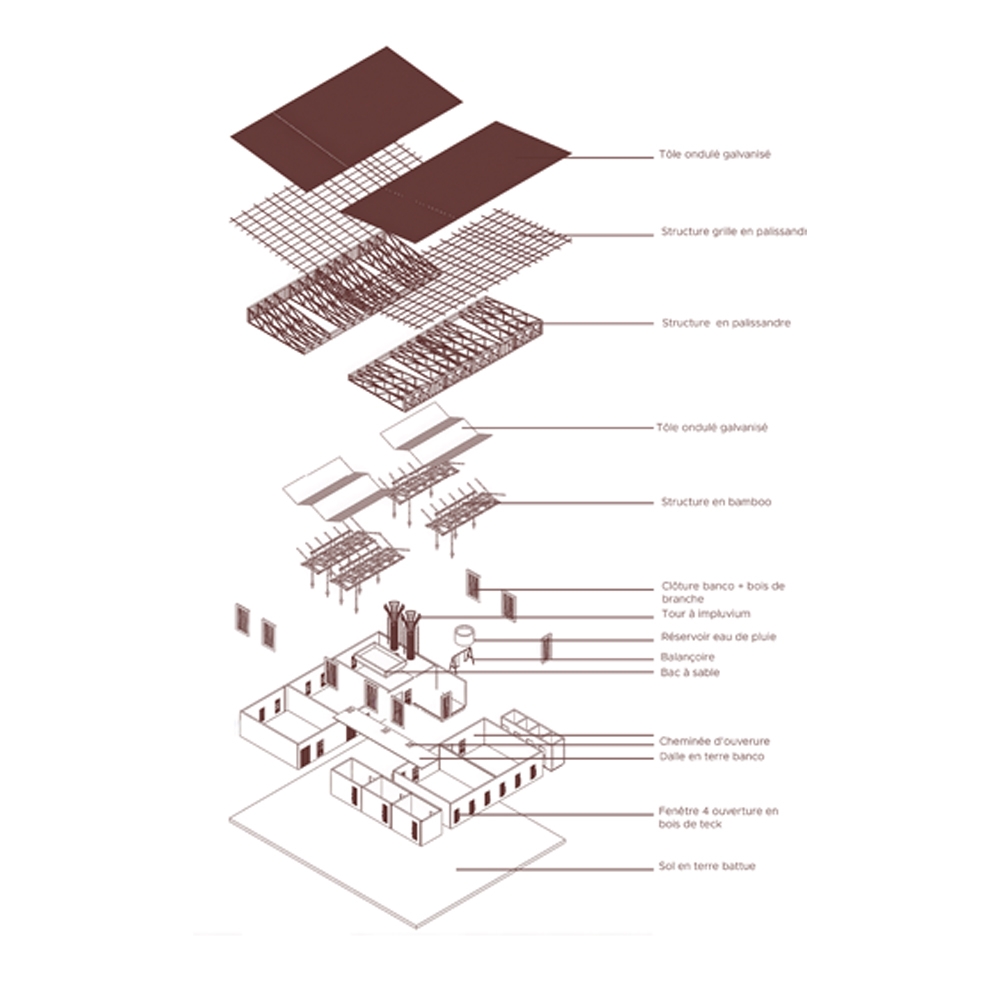
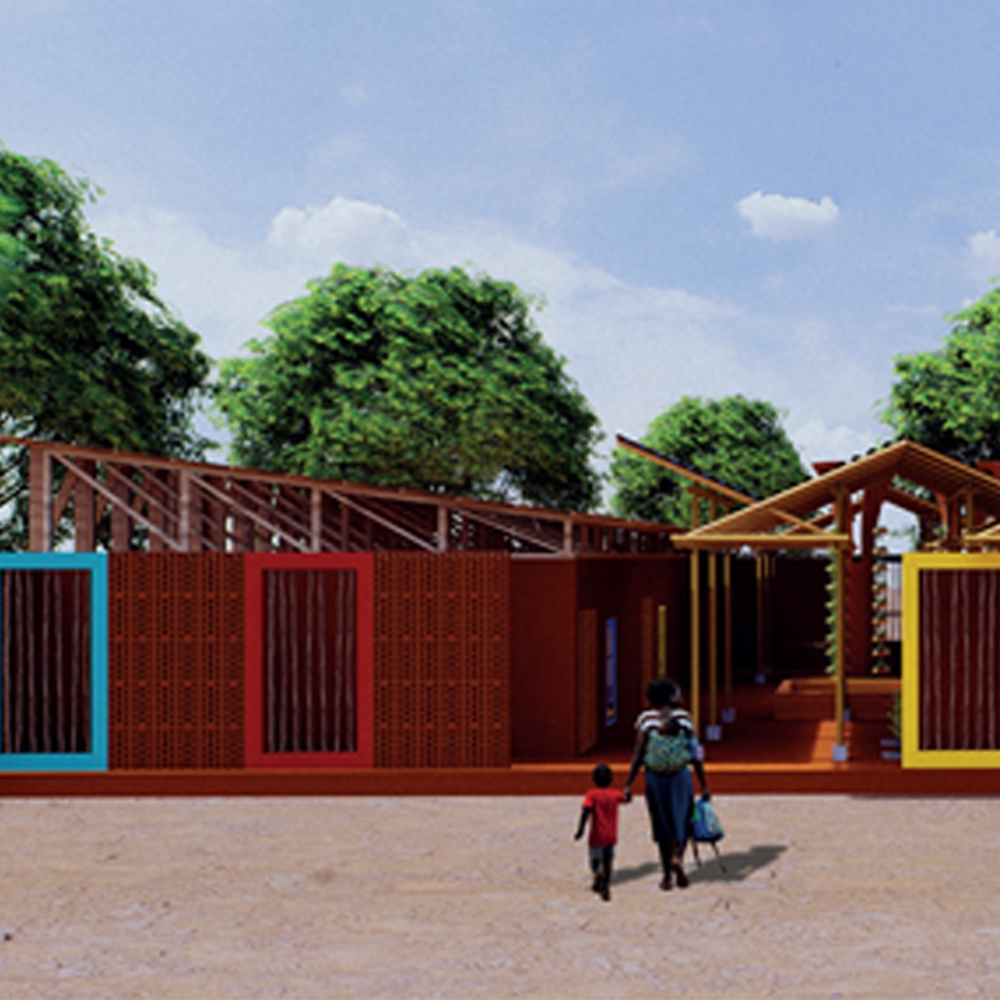
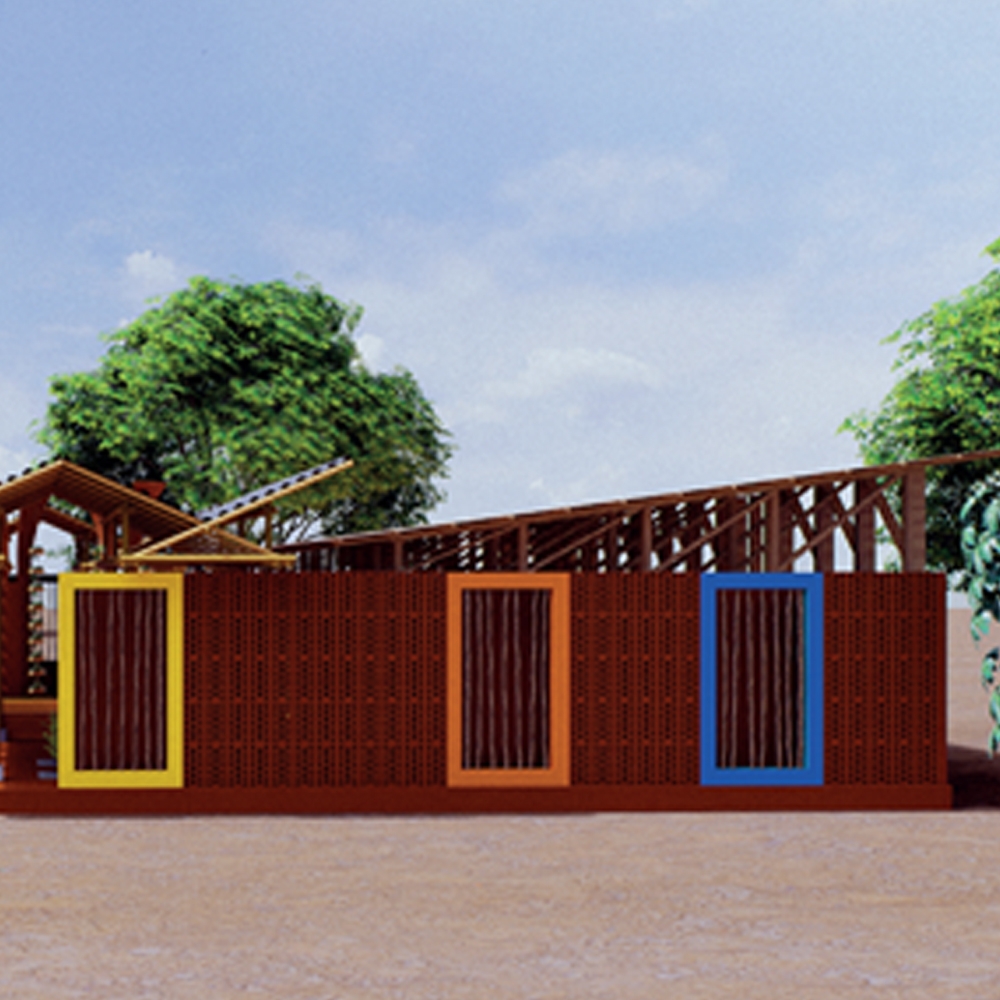
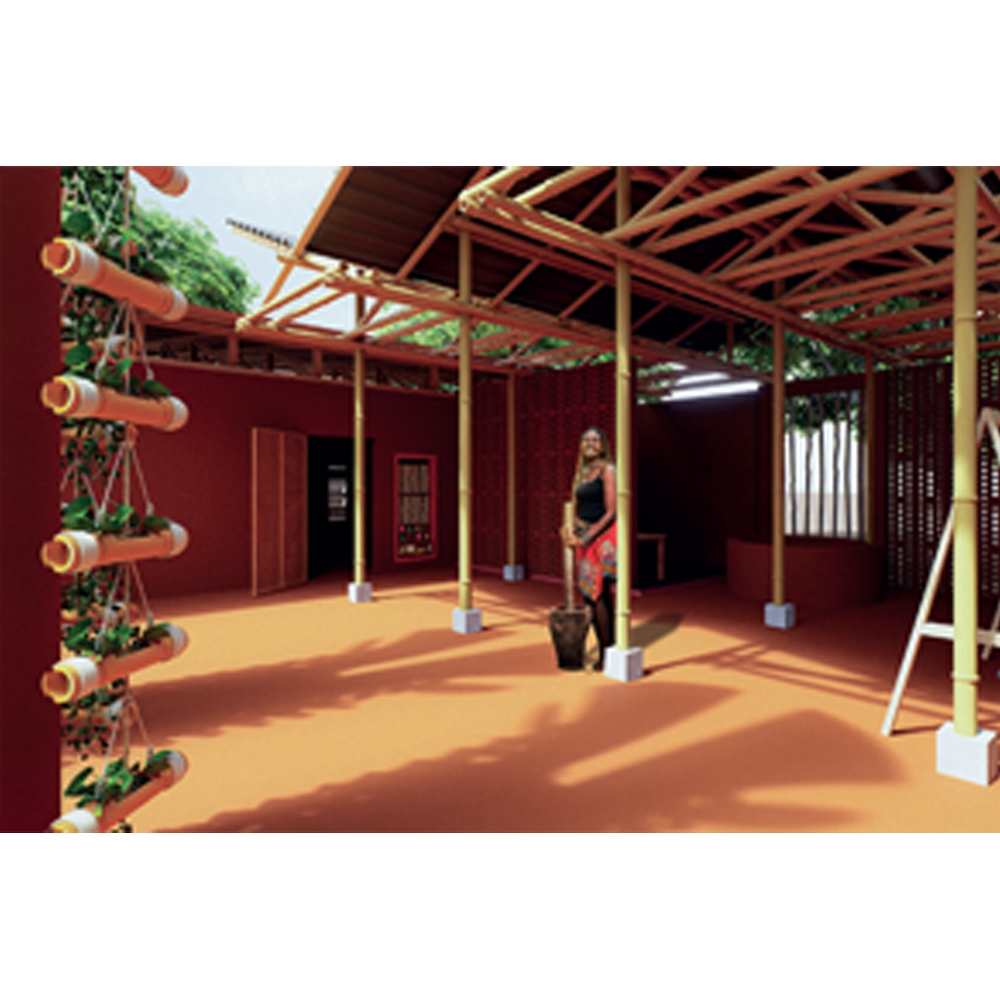
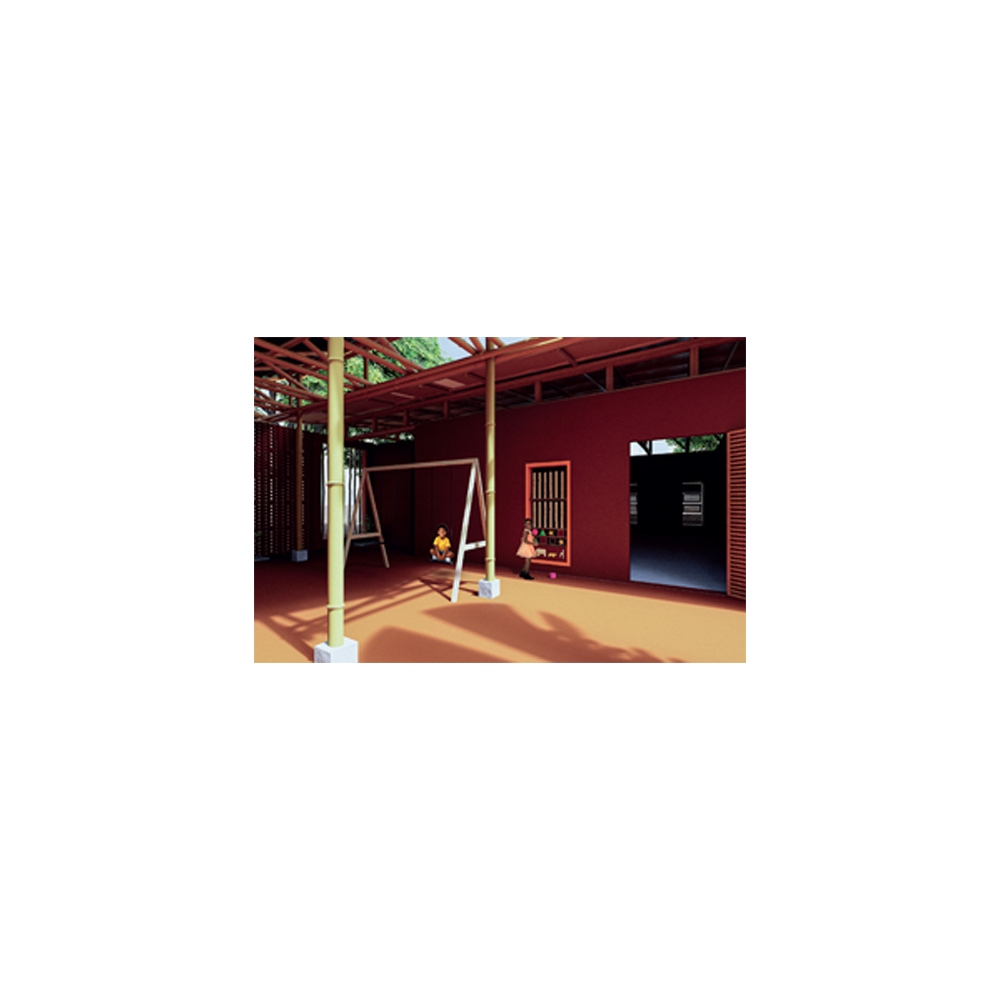
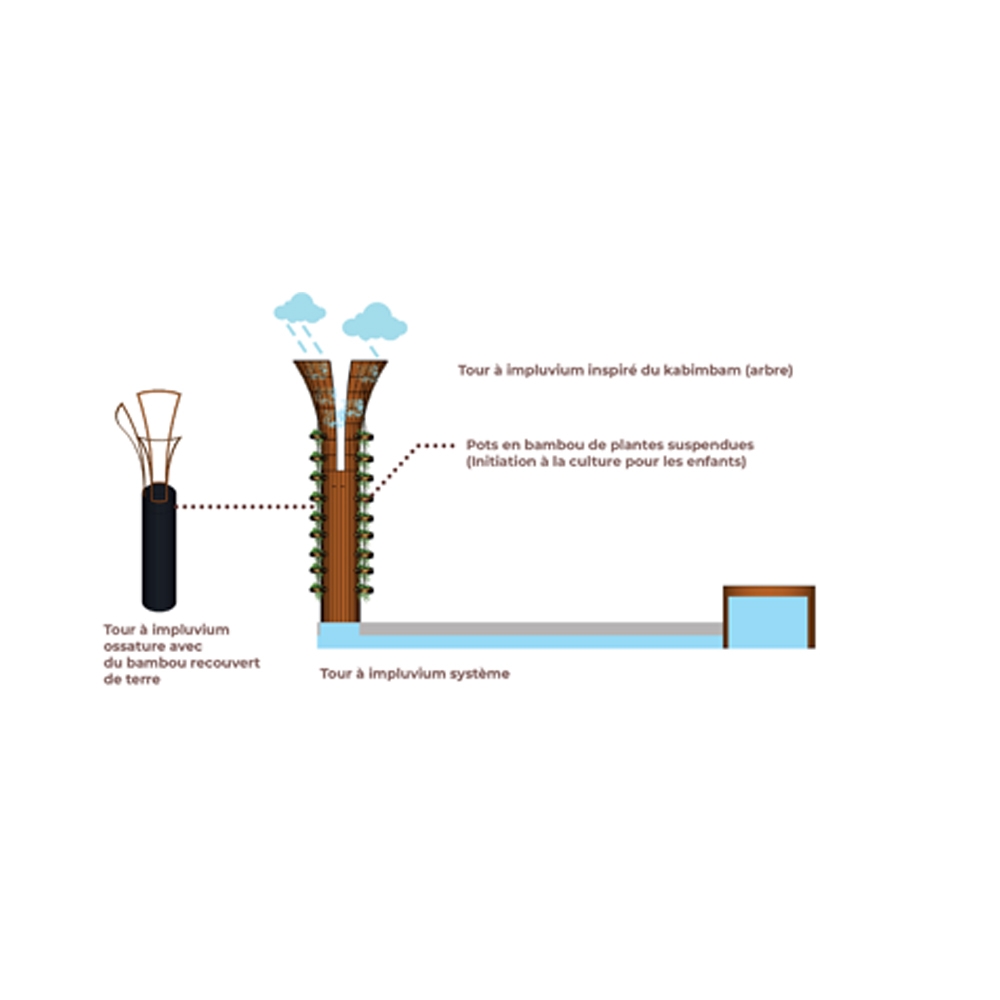
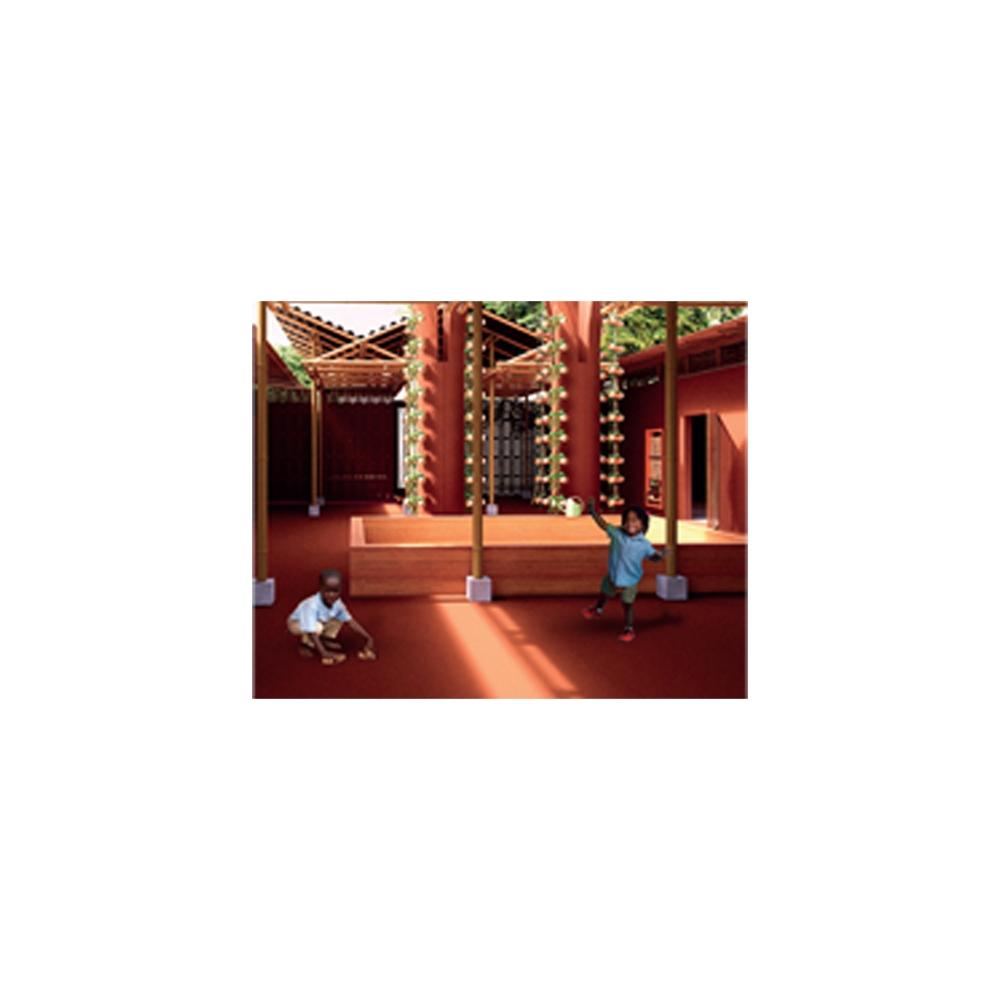
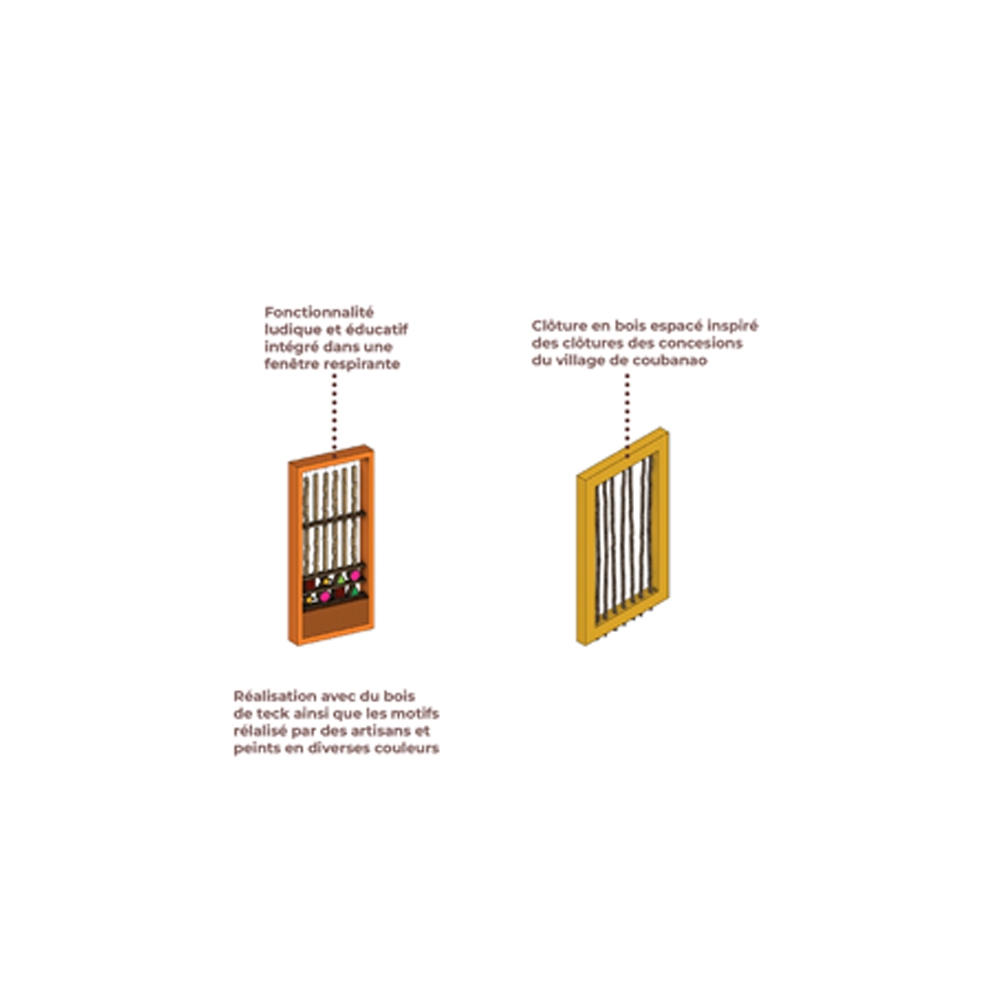
The “New Toddler Village” in Coubanao redefines preschool education in Lower Casamance. Drawing inspiration from the “Kabimbam,” the traditional palaver tree, the project scales down the village to a child’s size. The architecture reinterprets the local urban grid to optimize natural ventilation and the flow of movement, thereby minimizing the impact of winds. The project bridges heritage and modernity: the fences evoke village plots, while symbolic rainwater towers filter light and collect water. More than just a building, it is an educational ecosystem of 45-square-meter classrooms where windows become tools for learning (math, wildlife) and the courtyard a multipurpose space for the community (cafeteria, meetings, storytelling). By grounding younger generations in their cultural identity, this initiative sows the seeds of a sustainable future where education becomes the driving force behind local prosperity.
The “New Toddler Village” in Coubanao redefines preschool education in Lower Casamance. Drawing inspiration from the “Kabimbam,” the traditional palaver tree, the project scales down the village to a child’s size. The architecture reinterprets the local urban grid to optimize natural ventilation and the flow of movement, thereby minimizing the impact of winds. The project bridges heritage and modernity: the fences evoke village plots, while symbolic rainwater towers filter light and collect water. More than just a building, it is an educational ecosystem of 45-square-meter classrooms where windows become tools for learning (math, wildlife) and the courtyard a multipurpose space for the community (cafeteria, meetings, storytelling). By grounding younger generations in their cultural identity, this initiative sows the seeds of a sustainable future where education becomes the driving force behind local prosperity.
Project Innovation / Specification:
The major innovation lies in the architectural interpretation of intangible heritage. The concept of the “impluvium tree” is more than just a structural feat; it serves as a bioclimatic and educational hub, housing hanging gardens designed to introduce children to plant cultivation. Furthermore, the integration of learning features directly into the facade’s design (play-windows) transforms the building’s envelope into an active educational tool, blurring the line between play area and classroom.
The major innovation lies in the architectural interpretation of intangible heritage. The concept of the “impluvium tree” is more than just a structural feat; it serves as a bioclimatic and educational hub, housing hanging gardens designed to introduce children to plant cultivation. Furthermore, the integration of learning features directly into the facade’s design (play-windows) transforms the building’s envelope into an active educational tool, blurring the line between play area and classroom.
Project Sustainability Approach:
The project employs a rigorous passive bioclimatic strategy: the layout of the blocks promotes natural cross-ventilation, which is essential in the Casamance climate. Water management is integrated into the design through rainwater catchment systems that feed the growing beds. By prioritizing local construction techniques and low-carbon materials for fences and landscaping, the project supports the circular economy and ensures that maintenance can be easily carried out by local artisans.
The project employs a rigorous passive bioclimatic strategy: the layout of the blocks promotes natural cross-ventilation, which is essential in the Casamance climate. Water management is integrated into the design through rainwater catchment systems that feed the growing beds. By prioritizing local construction techniques and low-carbon materials for fences and landscaping, the project supports the circular economy and ensures that maintenance can be easily carried out by local artisans.
Local and Regional Impacts of the Project:
Locally, the school strengthens social cohesion by providing a multipurpose space for families and promoting the crafts of Coubanao. Regionally, it offers a replicable model for school infrastructure that reconciles modern urbanization with cultural identity. By fostering citizens who are proud of their heritage from early childhood, the project acts as a lever against rural exodus, proving that design can transform the rural living environment into a center of excellence.
Locally, the school strengthens social cohesion by providing a multipurpose space for families and promoting the crafts of Coubanao. Regionally, it offers a replicable model for school infrastructure that reconciles modern urbanization with cultural identity. By fostering citizens who are proud of their heritage from early childhood, the project acts as a lever against rural exodus, proving that design can transform the rural living environment into a center of excellence.

Lead Designer(s) Name(s):Shekina Briand DATINON