Film Continuum – Taxi Talk
Prize(s):
WINNER 2026 Multimedia Design / Multimedia Animation
School / University Name:Greenside Design Center
Lead Designer(s) Name(s):Jaco van Dyk
Design Team / Other designer(s): Blessing Mukome, Helen Daly, Gabriella Pieterse
Other Contributor(s):2nd Year Multimedia Design 2024
Professor Name(s):Evan Reyneke
Project Location:Johannesburg, South Africa
Design Status:Prototype
Website: View
Video URL:View
Project Description:
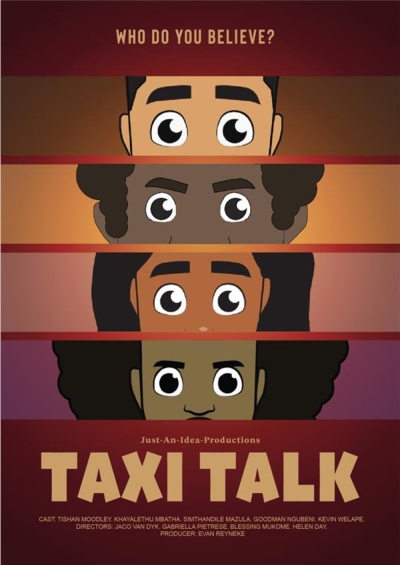
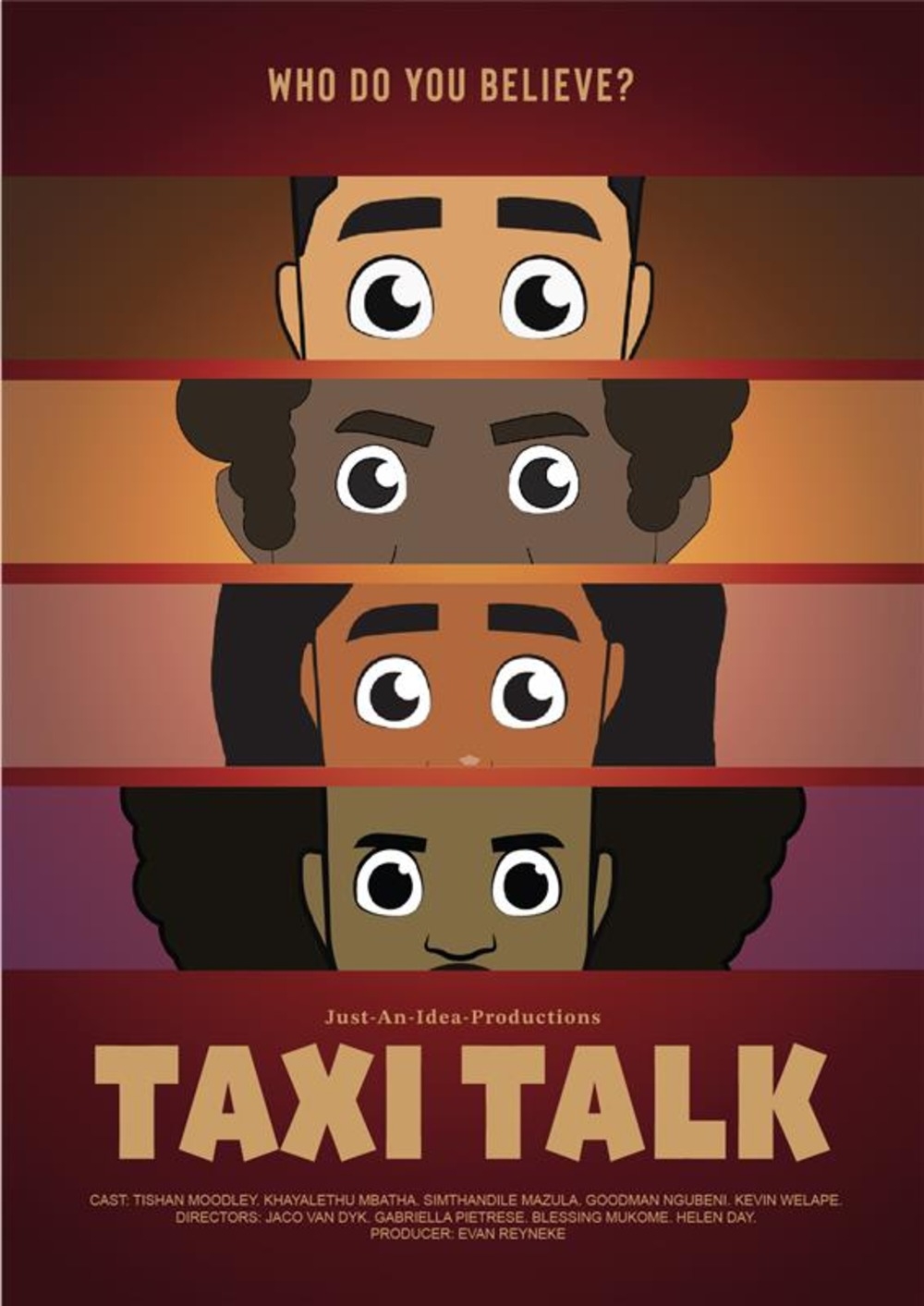
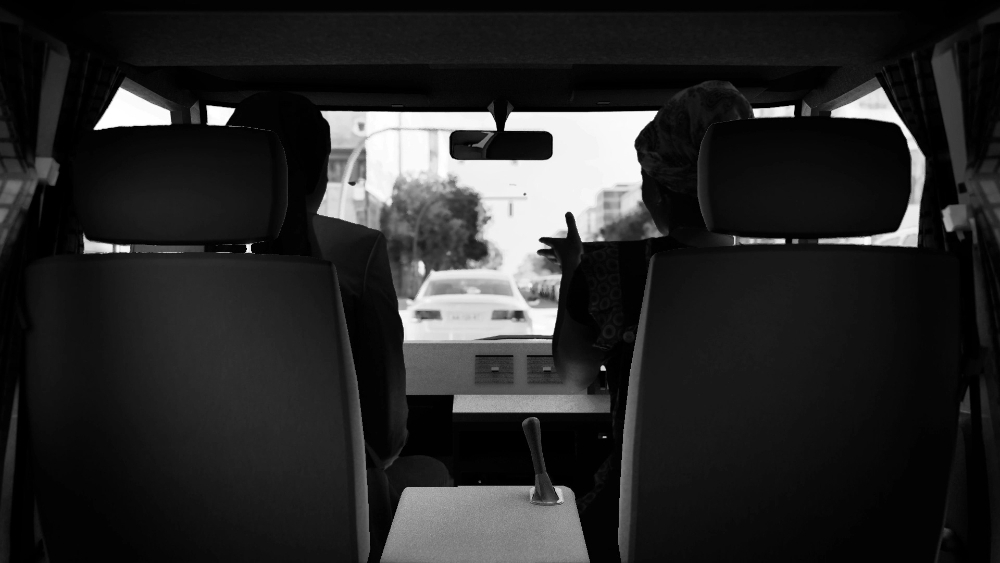
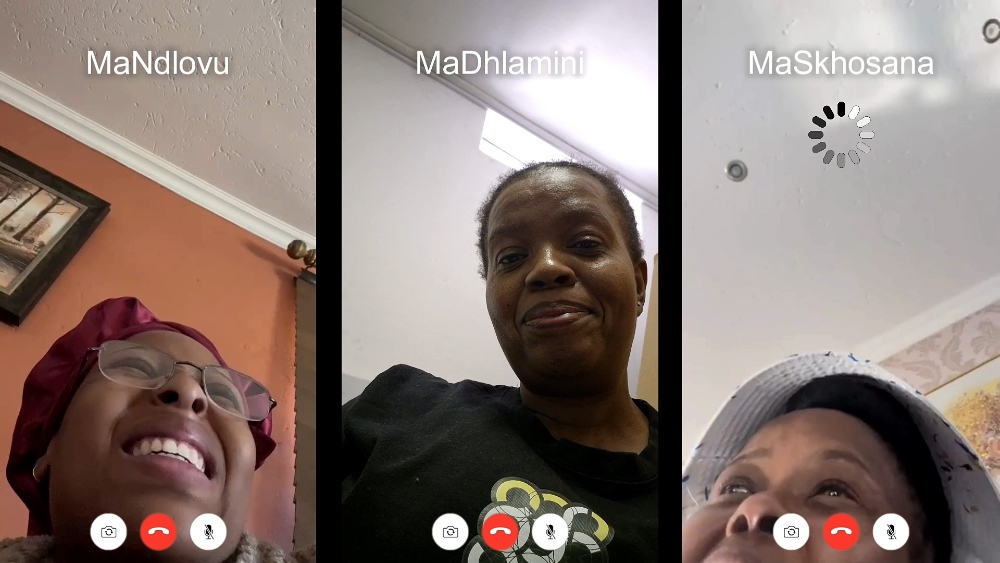
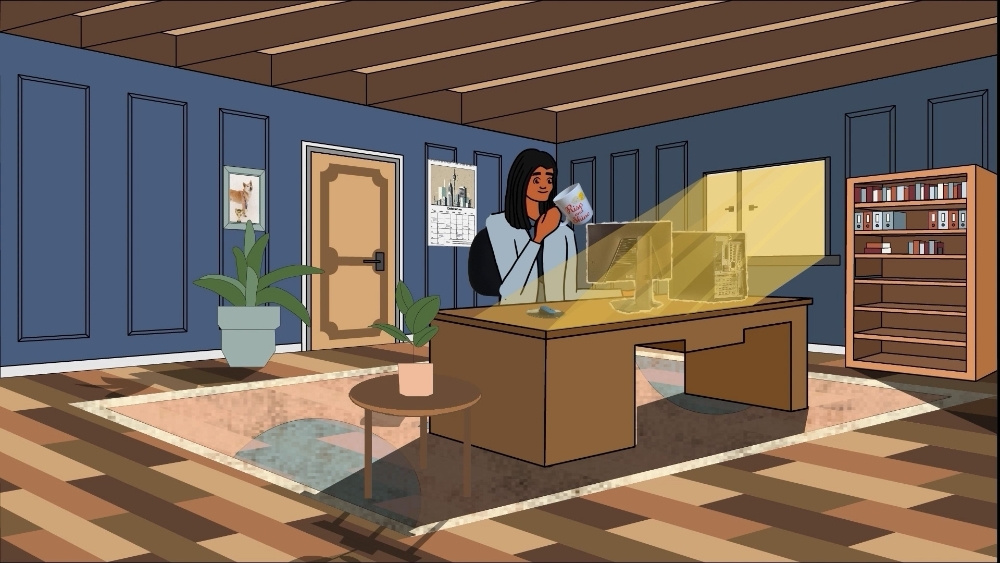
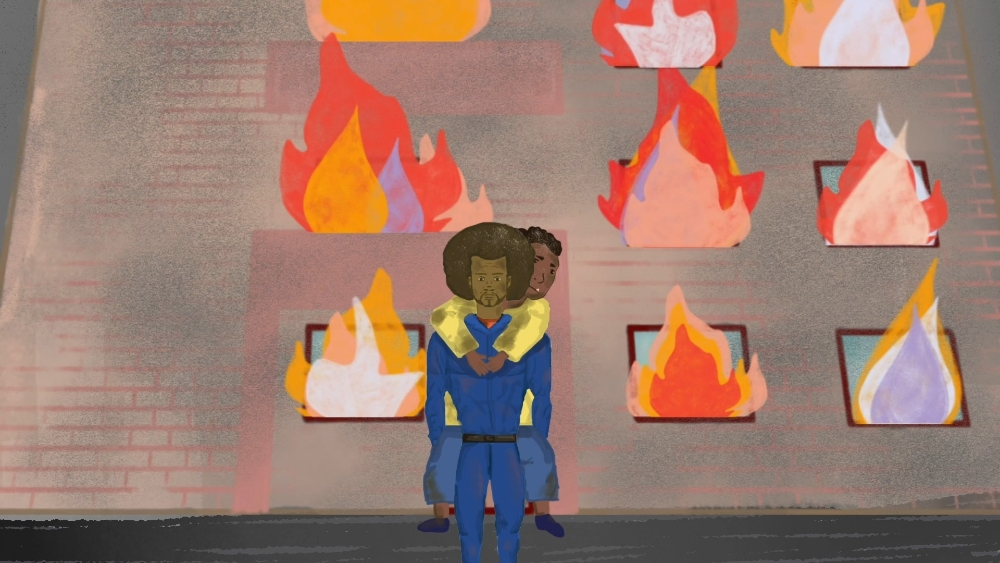
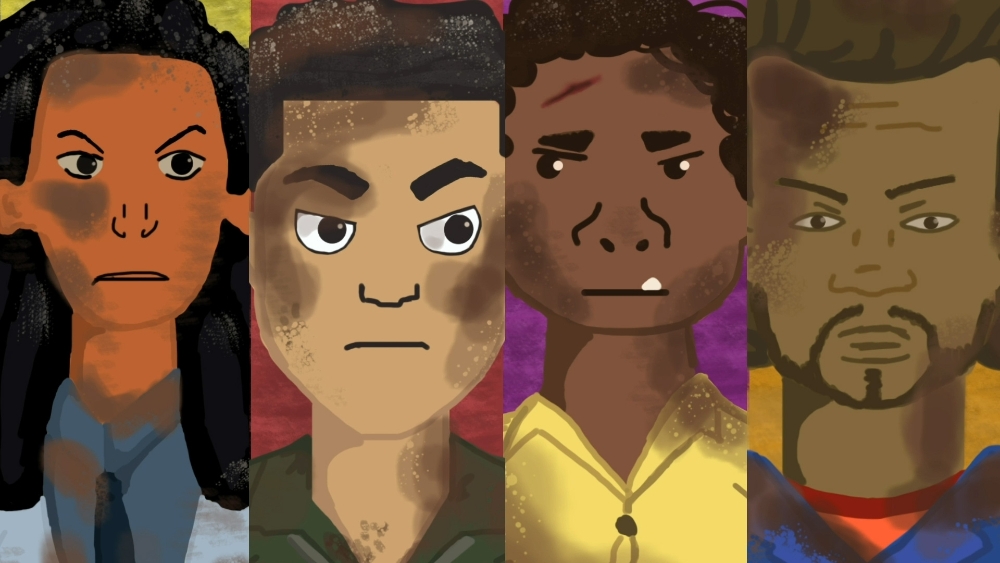
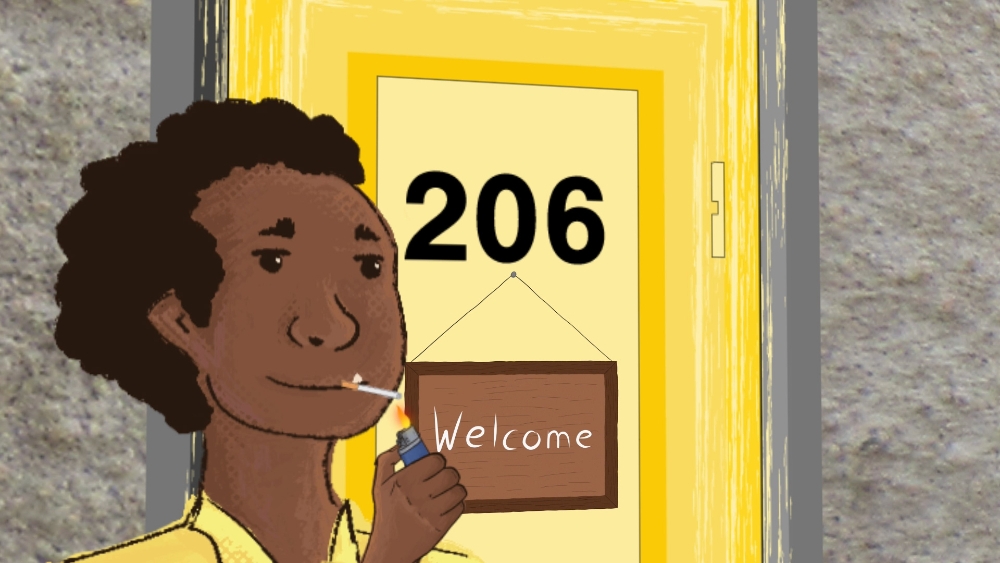
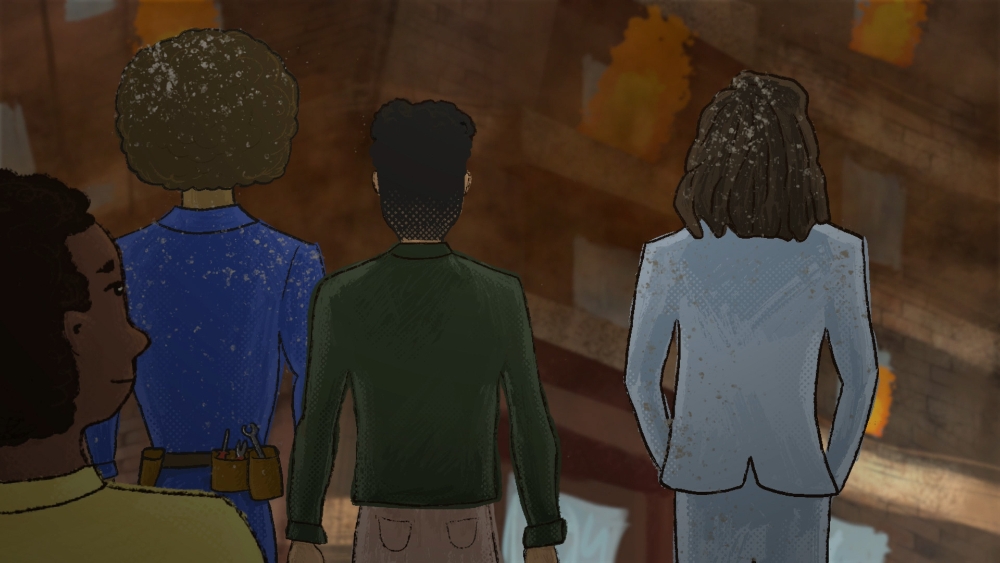
Taxi Talk is a collaborative short film that investigates how truth is shaped through perspective, memory, and cultural storytelling. The project combines the Rashomon Effect, a well-established narrative method based on conflicting recollections, with African oral storytelling traditions to create a cross-cultural communication framework that is both familiar and innovative. The film unfolds across three narrative layers. The present is grounded in everyday conversation, where Gogo, an taxi driver, recounts unusual encounters to her friends in relation to a recent tragedy in Johannesburg. The past operates as an intermediary space, visualising Gogo’s memories of the passengers she transported and the tensions surrounding their lives. The final layer, the passengers’ own recollections, removes dialogue entirely, relying on visual language, sound, and motion to communicate subjective truth. Each recollection is rendered in a distinct animation style aligned to the character’s worldview and moral position.
Taxi Talk is a collaborative short film that investigates how truth is shaped through perspective, memory, and cultural storytelling. The project combines the Rashomon Effect, a well-established narrative method based on conflicting recollections, with African oral storytelling traditions to create a cross-cultural communication framework that is both familiar and innovative. The film unfolds across three narrative layers. The present is grounded in everyday conversation, where Gogo, an taxi driver, recounts unusual encounters to her friends in relation to a recent tragedy in Johannesburg. The past operates as an intermediary space, visualising Gogo’s memories of the passengers she transported and the tensions surrounding their lives. The final layer, the passengers’ own recollections, removes dialogue entirely, relying on visual language, sound, and motion to communicate subjective truth. Each recollection is rendered in a distinct animation style aligned to the character’s worldview and moral position.
Project Innovation / Specification:
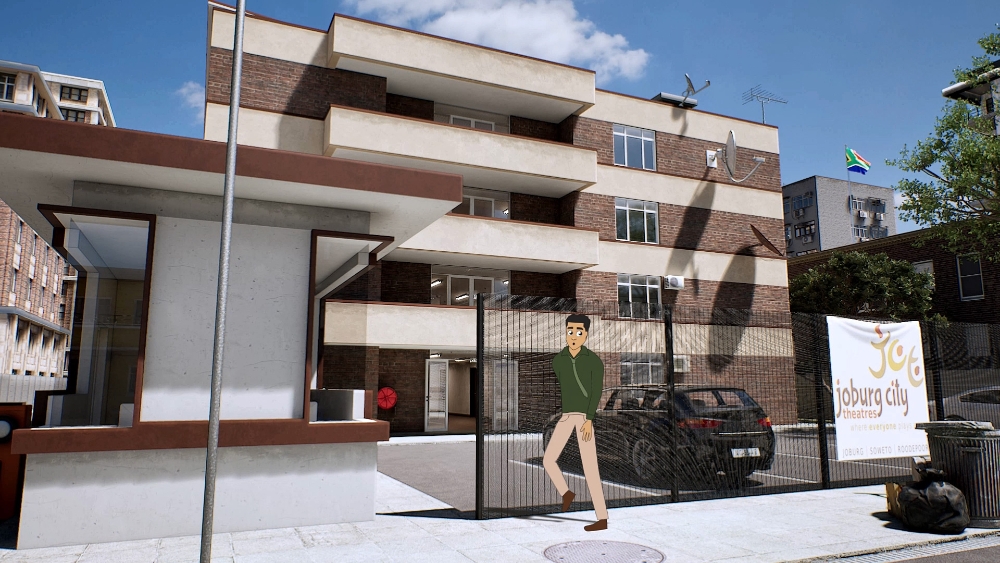
The innovation of Taxi Talk lies in its strategic fusion of a globally recognised narrative framework with African storytelling traditions, using communication design to bridge cultural contexts. The project applies the Rashomon Effect as a structural system rather than a stylistic reference, allowing multiple subjective truths to coexist without resolution. This method is combined with African folktale archetypes to create a hybrid narrative language that is both locally grounded and internationally legible. Technical innovation emerges through constraint-led production. Created with no budget, the project integrates cellphone footage, student-operated cameras, greenscreen compositing, and 3D environments into a unified visual system. These techniques are not hidden but leveraged to differentiate temporal layers and perspectives. By combining cross-cultural narrative theory, multi-style animation, and resource-aware production, Taxi Talk demonstrates how communication design can produce complex, layered storytelling using accessible tools and collaborative ingenuity.
The innovation of Taxi Talk lies in its strategic fusion of a globally recognised narrative framework with African storytelling traditions, using communication design to bridge cultural contexts. The project applies the Rashomon Effect as a structural system rather than a stylistic reference, allowing multiple subjective truths to coexist without resolution. This method is combined with African folktale archetypes to create a hybrid narrative language that is both locally grounded and internationally legible. Technical innovation emerges through constraint-led production. Created with no budget, the project integrates cellphone footage, student-operated cameras, greenscreen compositing, and 3D environments into a unified visual system. These techniques are not hidden but leveraged to differentiate temporal layers and perspectives. By combining cross-cultural narrative theory, multi-style animation, and resource-aware production, Taxi Talk demonstrates how communication design can produce complex, layered storytelling using accessible tools and collaborative ingenuity.
Project Sustainability Approach:
The sustainability of Taxi Talk is embedded in its cultural relevance, social intent, and resource-conscious production model. Culturally, the project sustains African storytelling traditions by translating folktales into a contemporary urban narrative framework. By integrating Zulu moral archetypes within a modern Johannesburg setting, the film ensures that indigenous knowledge systems remain active, adaptive, and accessible to new audiences. From a production standpoint, sustainability is achieved through the strategic use of accessible technologies. With no financial budget, the project relied on cellphones, shared equipment, greenscreen techniques, and digital 3D environments, reducing material consumption while maximising creative output. Student and staff participation fostered a collaborative, skills-sharing ecosystem that prioritised learning, adaptability, and reuse over disposable production. Together, these approaches position Taxi Talk as a sustainable communication design project, one that preserves cultural narratives, promotes social reflection, and demonstrates how impactful storytelling can be achieved through low-resource, digitally efficient production method
The sustainability of Taxi Talk is embedded in its cultural relevance, social intent, and resource-conscious production model. Culturally, the project sustains African storytelling traditions by translating folktales into a contemporary urban narrative framework. By integrating Zulu moral archetypes within a modern Johannesburg setting, the film ensures that indigenous knowledge systems remain active, adaptive, and accessible to new audiences. From a production standpoint, sustainability is achieved through the strategic use of accessible technologies. With no financial budget, the project relied on cellphones, shared equipment, greenscreen techniques, and digital 3D environments, reducing material consumption while maximising creative output. Student and staff participation fostered a collaborative, skills-sharing ecosystem that prioritised learning, adaptability, and reuse over disposable production. Together, these approaches position Taxi Talk as a sustainable communication design project, one that preserves cultural narratives, promotes social reflection, and demonstrates how impactful storytelling can be achieved through low-resource, digitally efficient production method
Local and Regional Impacts of the Project:
Taxi Talk engages local audiences by centring its narrative within the taxi, a familiar and shared social space in South African urban life. By using everyday conversation, recognisable environments, and community storytelling, the film reflects how stories are exchanged, interpreted, and reshaped within local contexts, allowing viewers to see their own experiences mirrored on screen. Regionally, the project demonstrates how African storytelling traditions can be reinterpreted through contemporary communication design without losing cultural integrity. The use of non-verbal recollection sequences enables the film to transcend language barriers, making it accessible across diverse African regions.
Taxi Talk engages local audiences by centring its narrative within the taxi, a familiar and shared social space in South African urban life. By using everyday conversation, recognisable environments, and community storytelling, the film reflects how stories are exchanged, interpreted, and reshaped within local contexts, allowing viewers to see their own experiences mirrored on screen. Regionally, the project demonstrates how African storytelling traditions can be reinterpreted through contemporary communication design without losing cultural integrity. The use of non-verbal recollection sequences enables the film to transcend language barriers, making it accessible across diverse African regions.