
Mongolo wa kgotso | Writing of peace
Prize(s):
WINNER 2026 Print & Digital / Other Graphics
School / University Name:Greenside Design Center
Lead Designer(s) Name(s):Michael Poyner
Design Team / Other designer(s):Lesedi Philips, Nadia Rodrigues, Thato Finger, Eleni Kousiakis, Julia Campbell
Professor Name(s):Juliet Kavishe, Carla Saunders, Caitlin Paige
Project Location:Johannesburg, South Africa
Design Status:Concept
Video URL:View
Project Description:
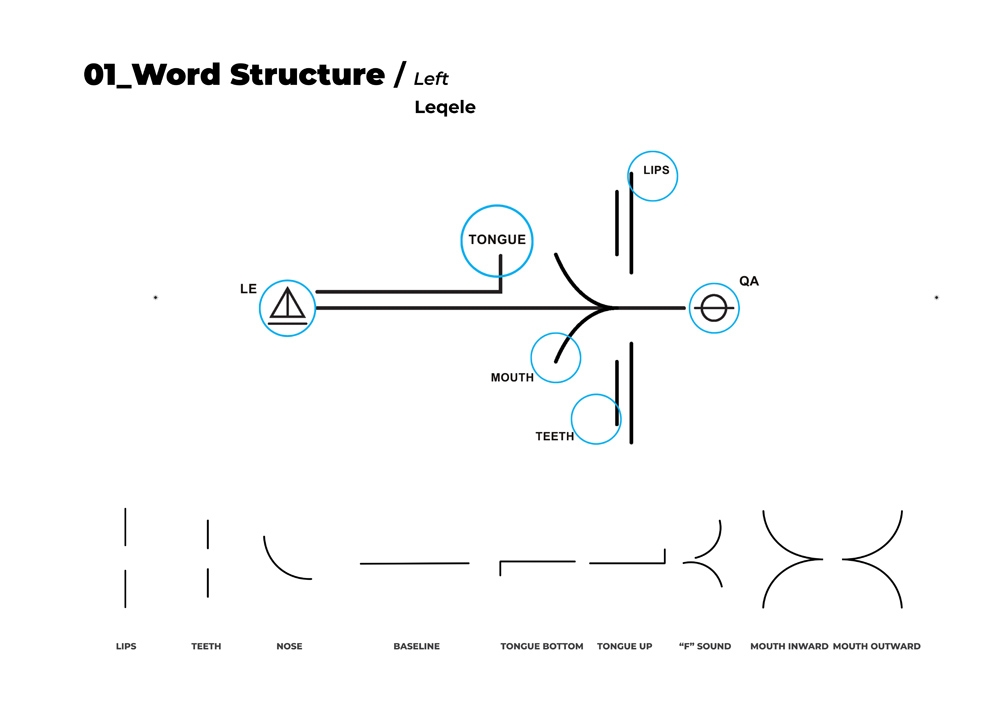
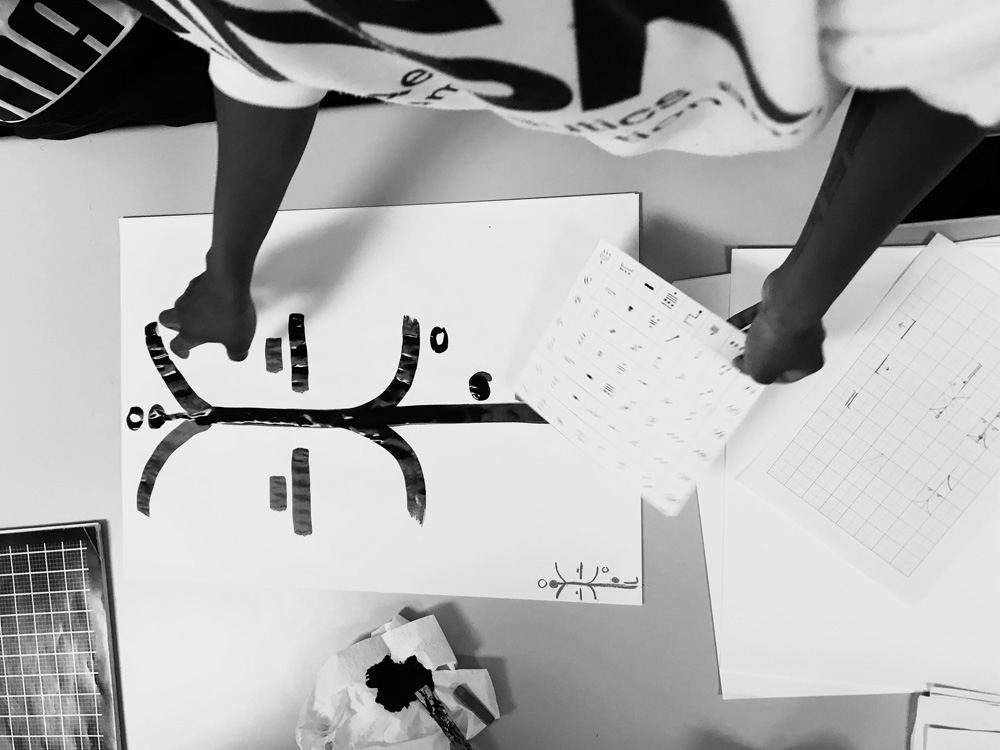
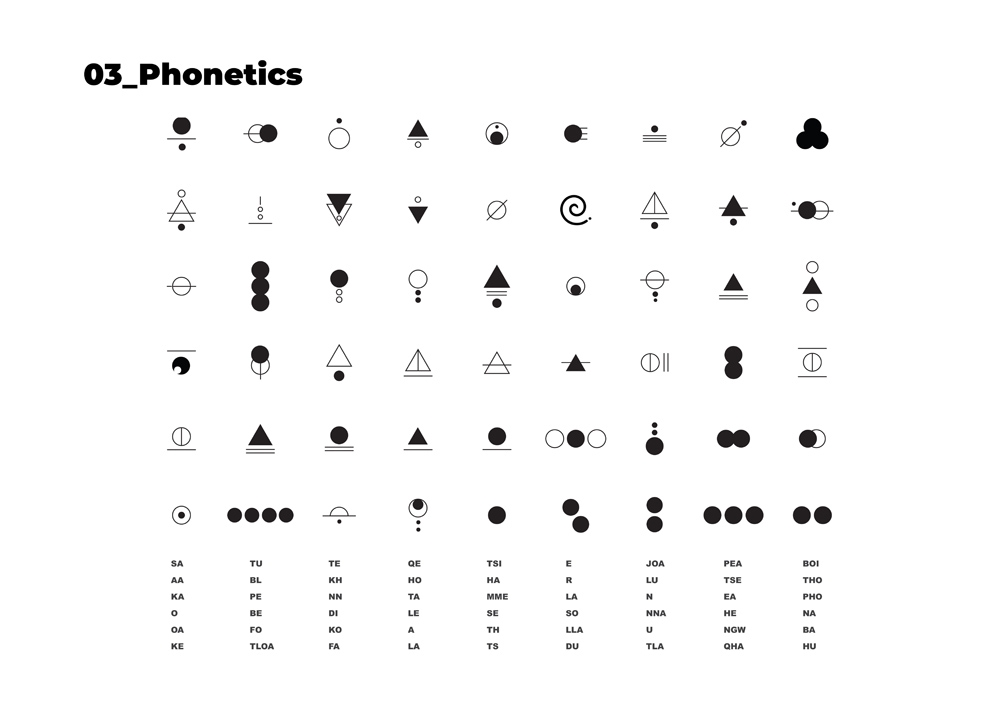
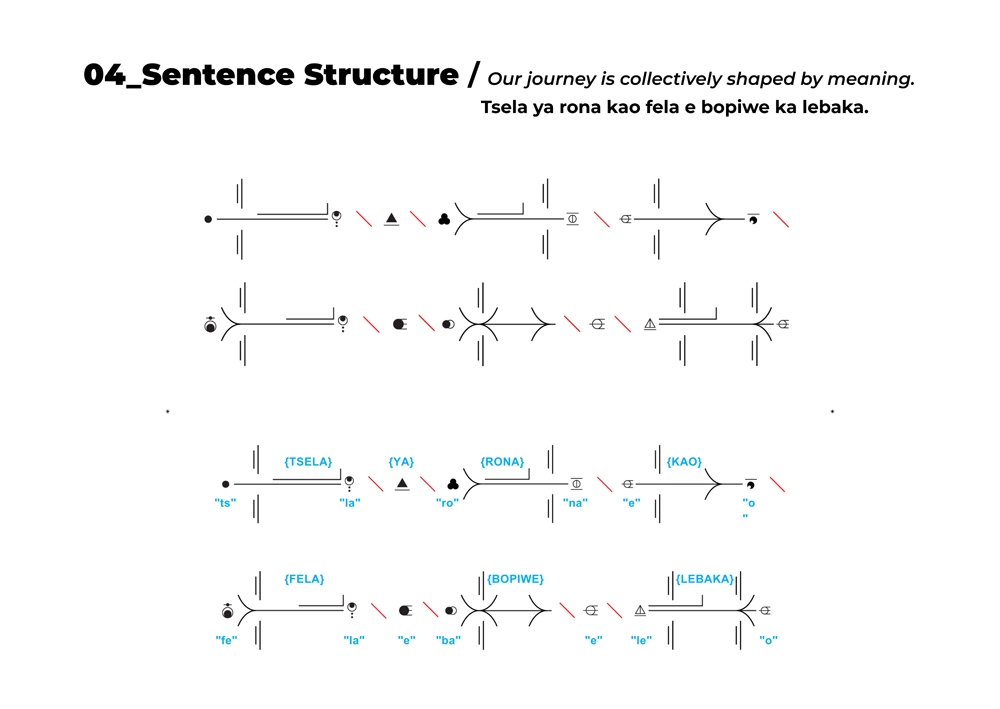
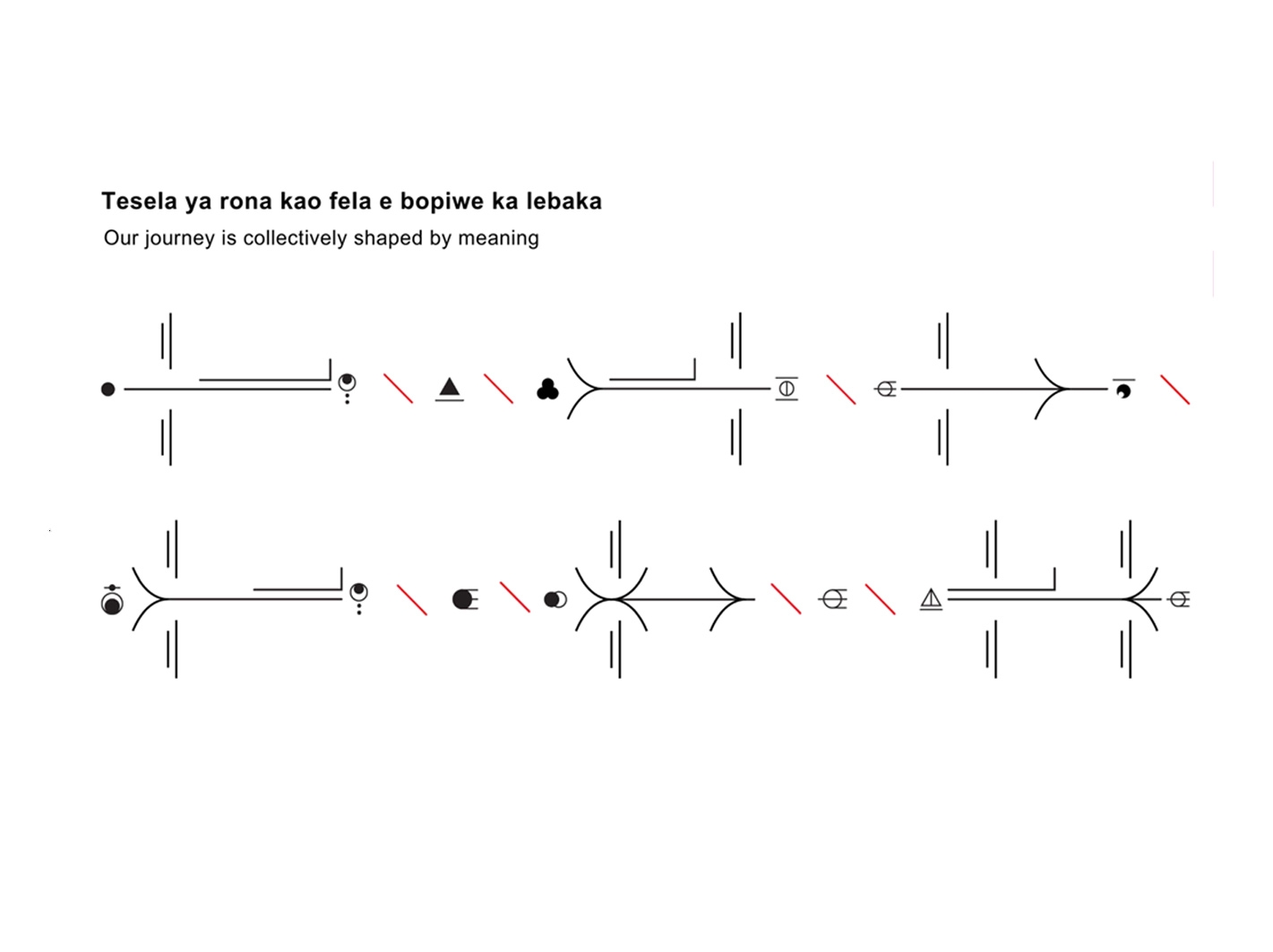
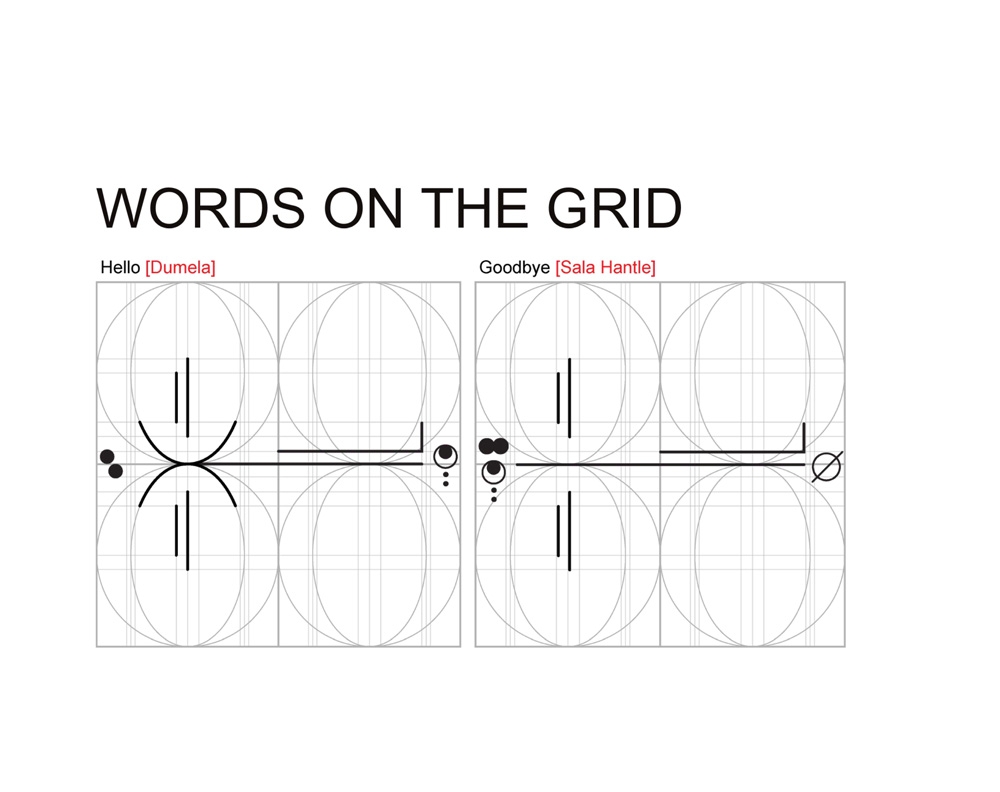
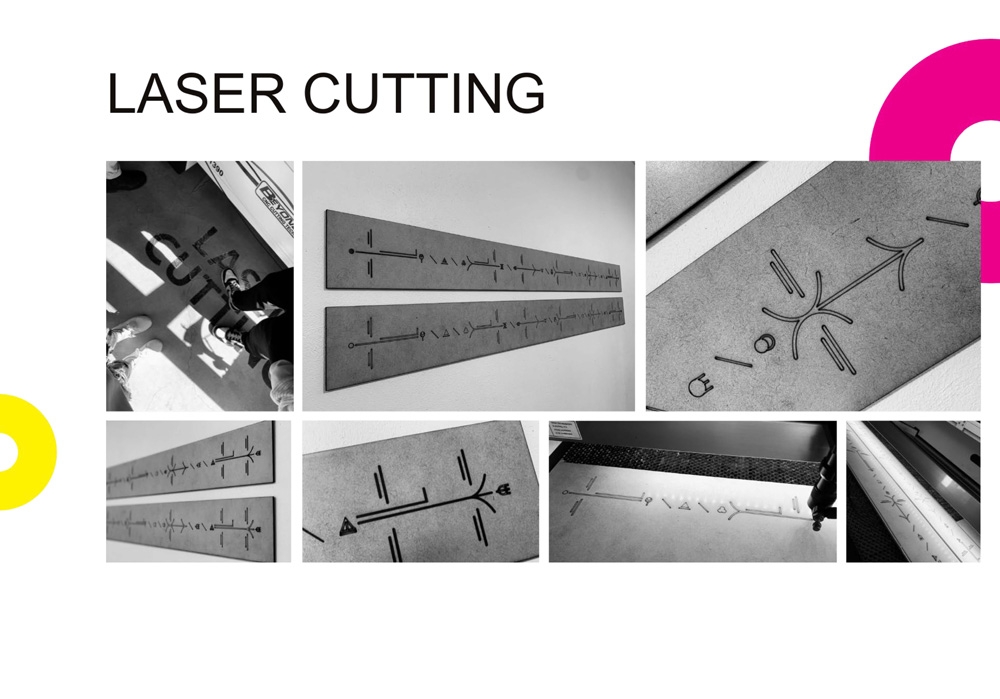
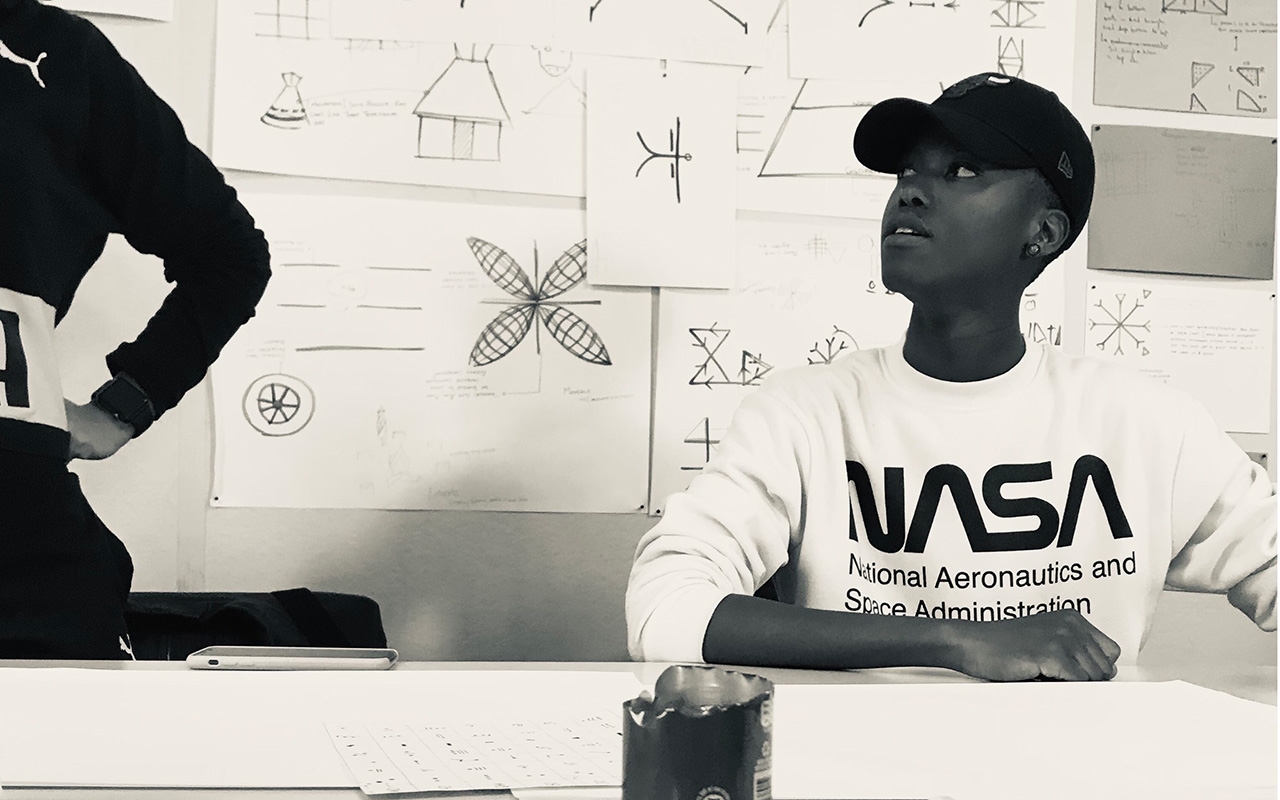
The objective of this project is to explore the hidden history of our local spoken languages by selecting one of South Africa’s languages and creating hypothetical written scripts that emphasize cultural identity and inclusiveness. Through research, we designed characters that reflect the cultural heritage of Sesotho. Our goal was to develop a phonetic writing script inspired by Sesotho's symbolism and traditional blankets. How can we create a comprehensive written communication system that acknowledges and celebrates the rich cultural heritage and linguistic nuances of Sesotho, while honoring its deeply rooted values and beliefs? As we explored the Sesotho community, we discovered strong incorporation of circles and triangles in architecture, designs, and attire. To enhance cultural connection, we opted for shape-based written language instead of conventional letters or words. We combined traditional techniques and modern typeface grids to create an original writing system that incorporates Sesotho phonetics, Seshweshwe textile patterns, Sesotho hats, and traditional blankets. This is Mongolo wa kgotso a writing system specifically built for SeSotho.
The objective of this project is to explore the hidden history of our local spoken languages by selecting one of South Africa’s languages and creating hypothetical written scripts that emphasize cultural identity and inclusiveness. Through research, we designed characters that reflect the cultural heritage of Sesotho. Our goal was to develop a phonetic writing script inspired by Sesotho's symbolism and traditional blankets. How can we create a comprehensive written communication system that acknowledges and celebrates the rich cultural heritage and linguistic nuances of Sesotho, while honoring its deeply rooted values and beliefs? As we explored the Sesotho community, we discovered strong incorporation of circles and triangles in architecture, designs, and attire. To enhance cultural connection, we opted for shape-based written language instead of conventional letters or words. We combined traditional techniques and modern typeface grids to create an original writing system that incorporates Sesotho phonetics, Seshweshwe textile patterns, Sesotho hats, and traditional blankets. This is Mongolo wa kgotso a writing system specifically built for SeSotho.
Project Innovation / Specification:
Mongolo wa kgotso is innovative in its reimagining of written communication as a culturally driven system rather than a conventional alphabet. By developing a shape-based, phonetic script inspired by Sesotho architecture, textiles, and symbolism, the project centres cultural identity within language design. The fusion of traditional visual elements with modern typographic structures and digital systems results in an inclusive writing system that honours Sesotho’s linguistic nuances while offering a contemporary approach to preserving and celebrating indigenous heritage.
Mongolo wa kgotso is innovative in its reimagining of written communication as a culturally driven system rather than a conventional alphabet. By developing a shape-based, phonetic script inspired by Sesotho architecture, textiles, and symbolism, the project centres cultural identity within language design. The fusion of traditional visual elements with modern typographic structures and digital systems results in an inclusive writing system that honours Sesotho’s linguistic nuances while offering a contemporary approach to preserving and celebrating indigenous heritage.
Project Sustainability Approach:
The project is grounded in sustainability by prioritising cultural preservation, knowledge continuity, and responsible design practices. By drawing from existing Sesotho visual traditions, oral histories, and symbolic systems, the writing script sustains indigenous knowledge and supports linguistic longevity. The use of a modular, grid-based system allows the script to evolve and adapt across both physical and digital platforms, reducing the need for constant redesign. Rather than extracting or replacing cultural meaning, the project sustains its positioning design as a long-term, regenerative practice that respects heritage, community values, and cultural resilience.
The project is grounded in sustainability by prioritising cultural preservation, knowledge continuity, and responsible design practices. By drawing from existing Sesotho visual traditions, oral histories, and symbolic systems, the writing script sustains indigenous knowledge and supports linguistic longevity. The use of a modular, grid-based system allows the script to evolve and adapt across both physical and digital platforms, reducing the need for constant redesign. Rather than extracting or replacing cultural meaning, the project sustains its positioning design as a long-term, regenerative practice that respects heritage, community values, and cultural resilience.
Local and Regional Impacts of the Project:
This project is focused on lifelong learning and cultural significance to design education. Its impact is focused on the learner engaging with more local design problems that require design thinking to reimagine a world where Afrikan Design and Afrikan Languages are celebrated, and not lost to history.
This project is focused on lifelong learning and cultural significance to design education. Its impact is focused on the learner engaging with more local design problems that require design thinking to reimagine a world where Afrikan Design and Afrikan Languages are celebrated, and not lost to history.
Lead Designer(s) Name(s):Michael Poyner