Eco Congelo
Prize(s):
Honorable Mention 2026 PRODUCT DESIGN / Eco Design
School / University Name:Africa Design School
Lead Designer(s) Name(s):Viakinnou Juvanis
Design Team / Other designer(s):Design Team
Professor Name(s):Miss Coraline GUERIAUX
Project Location:Cotonou
Design Status:Prototype
Product Description:
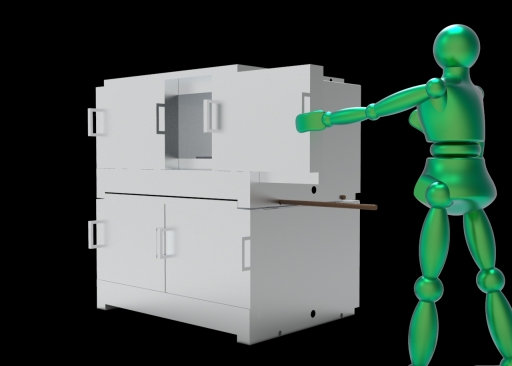
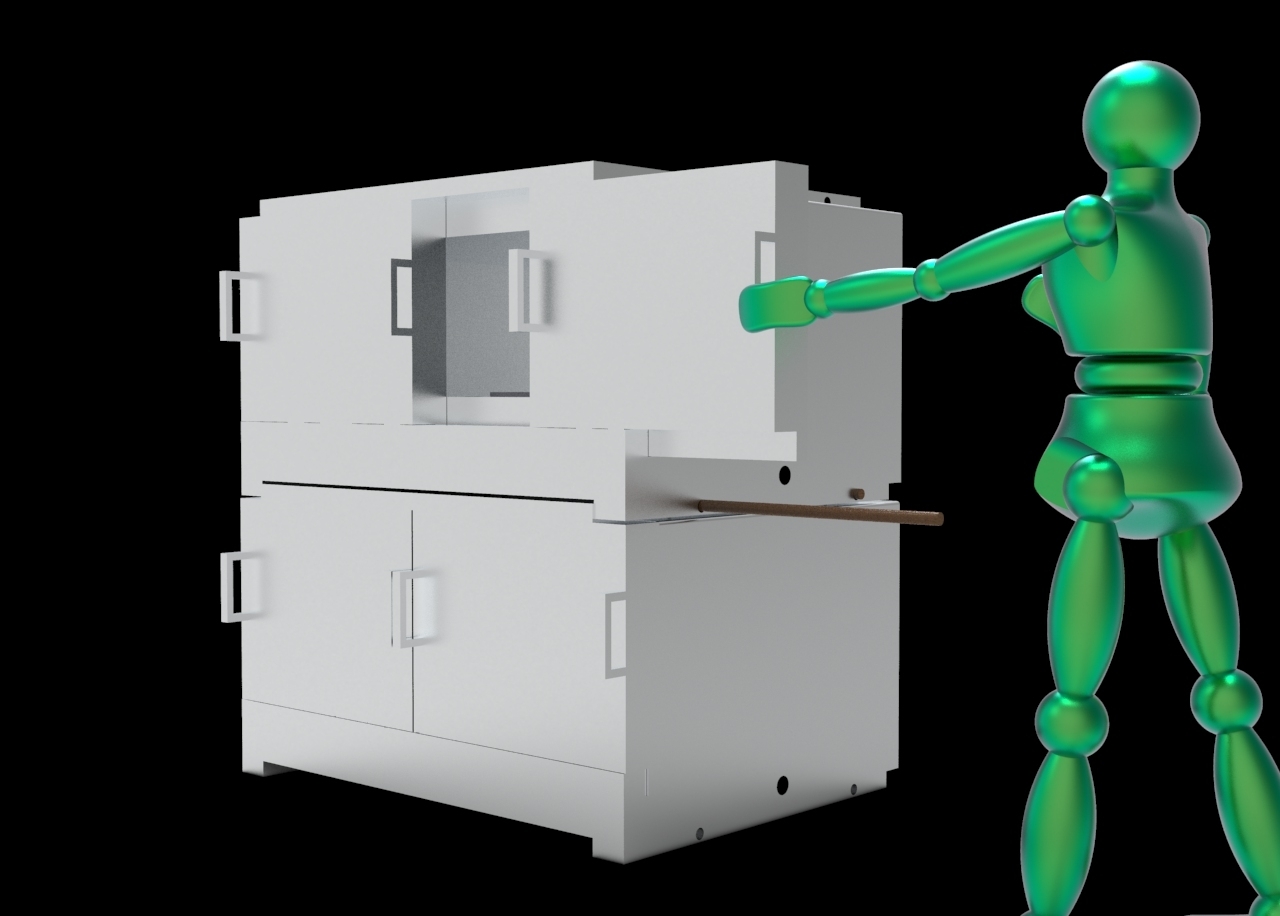
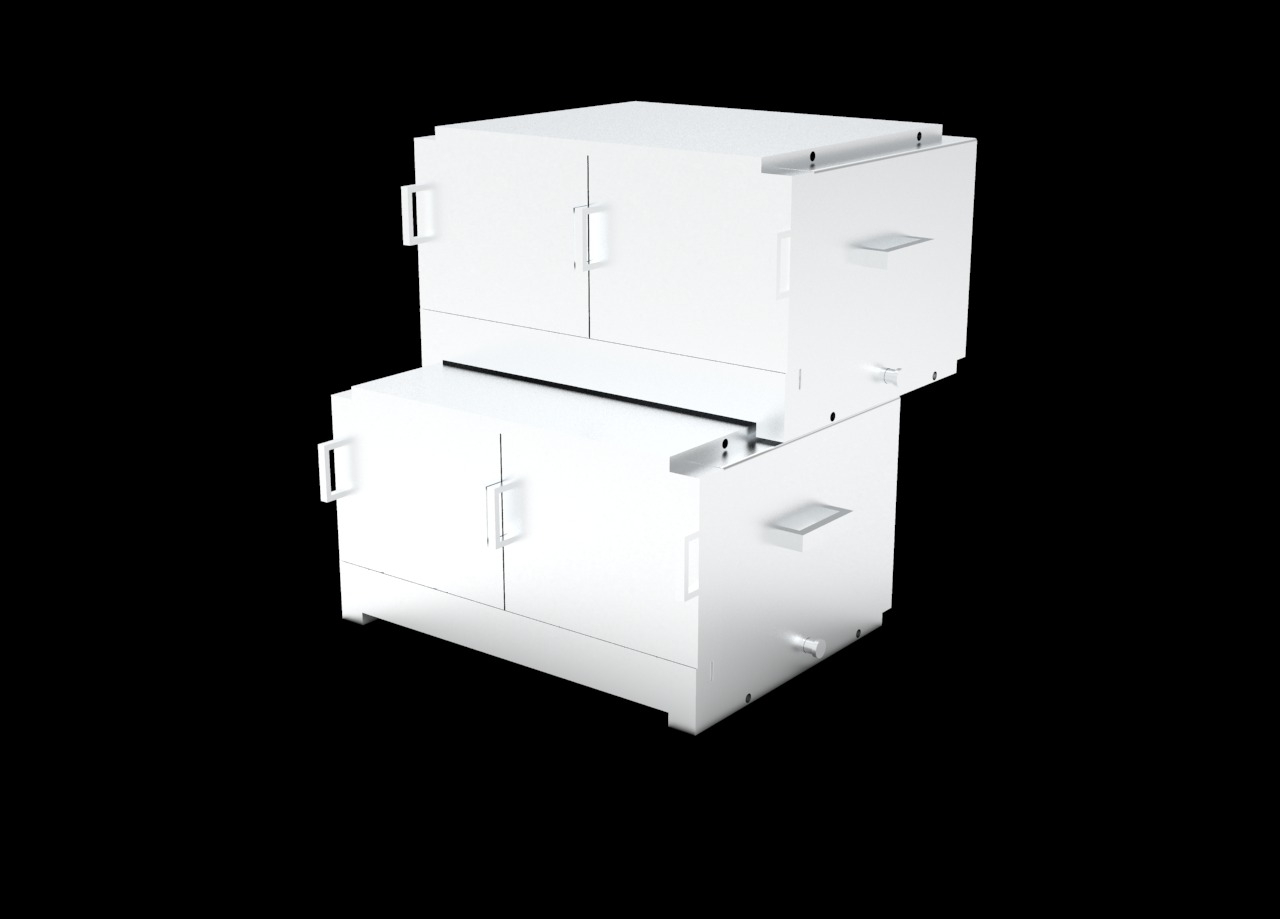
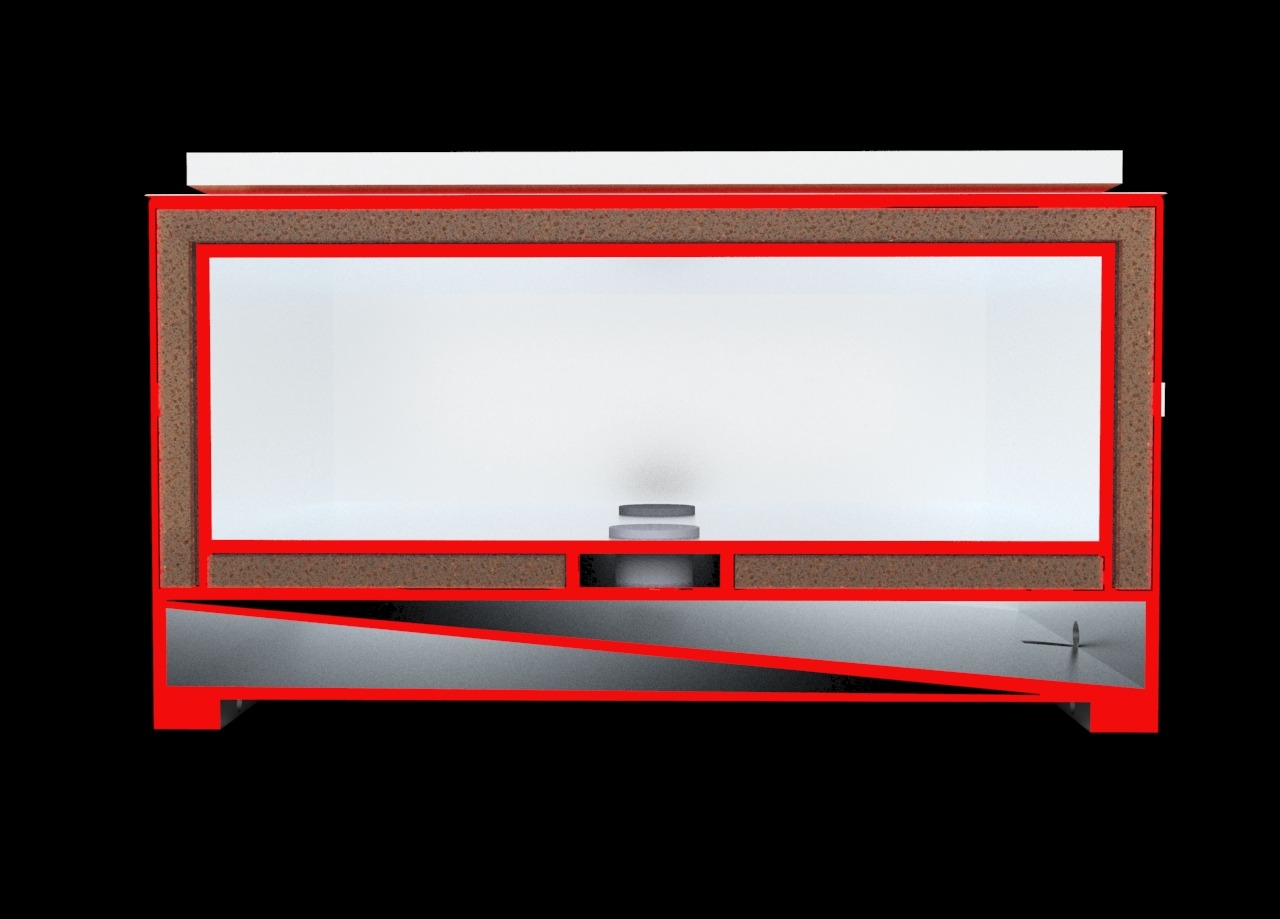
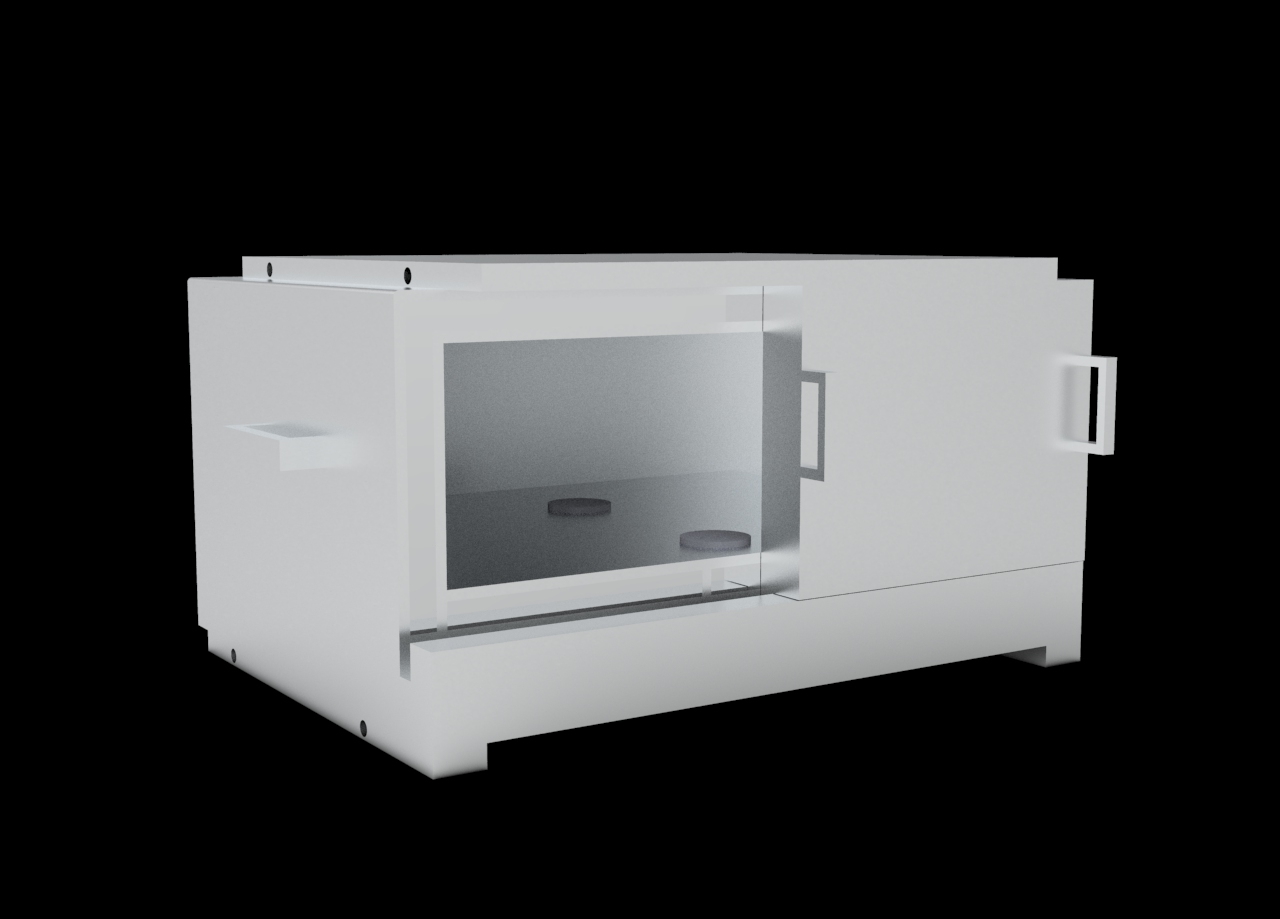
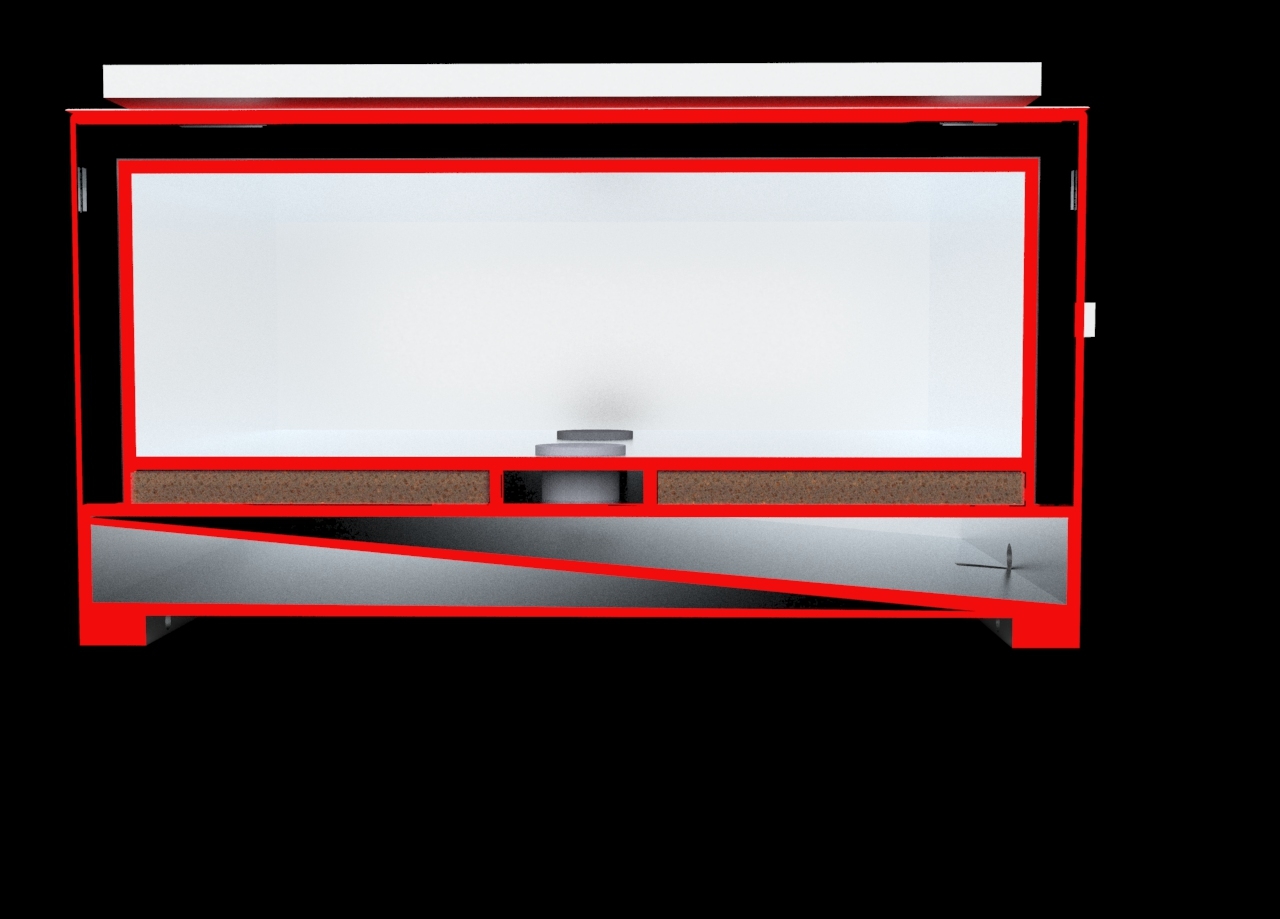
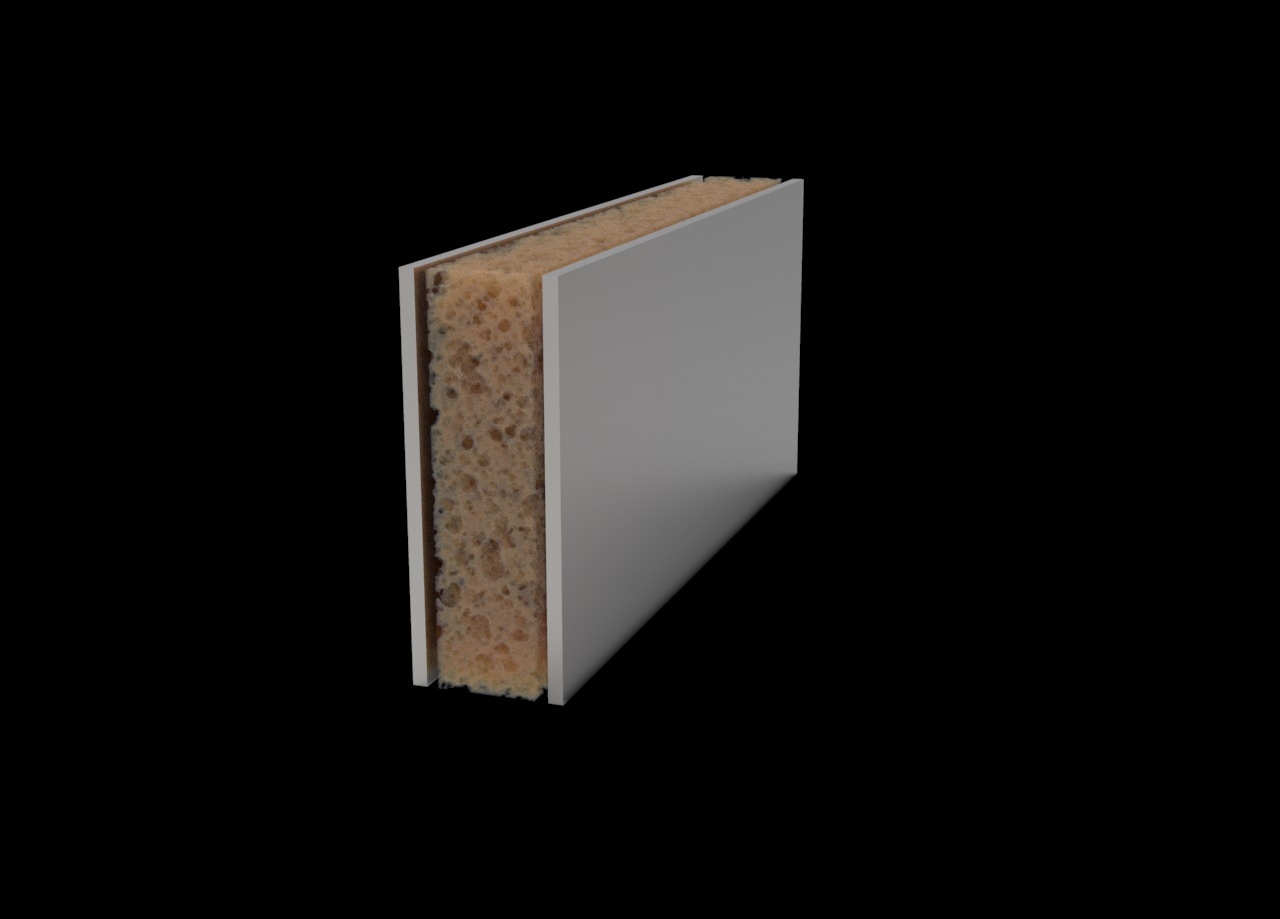
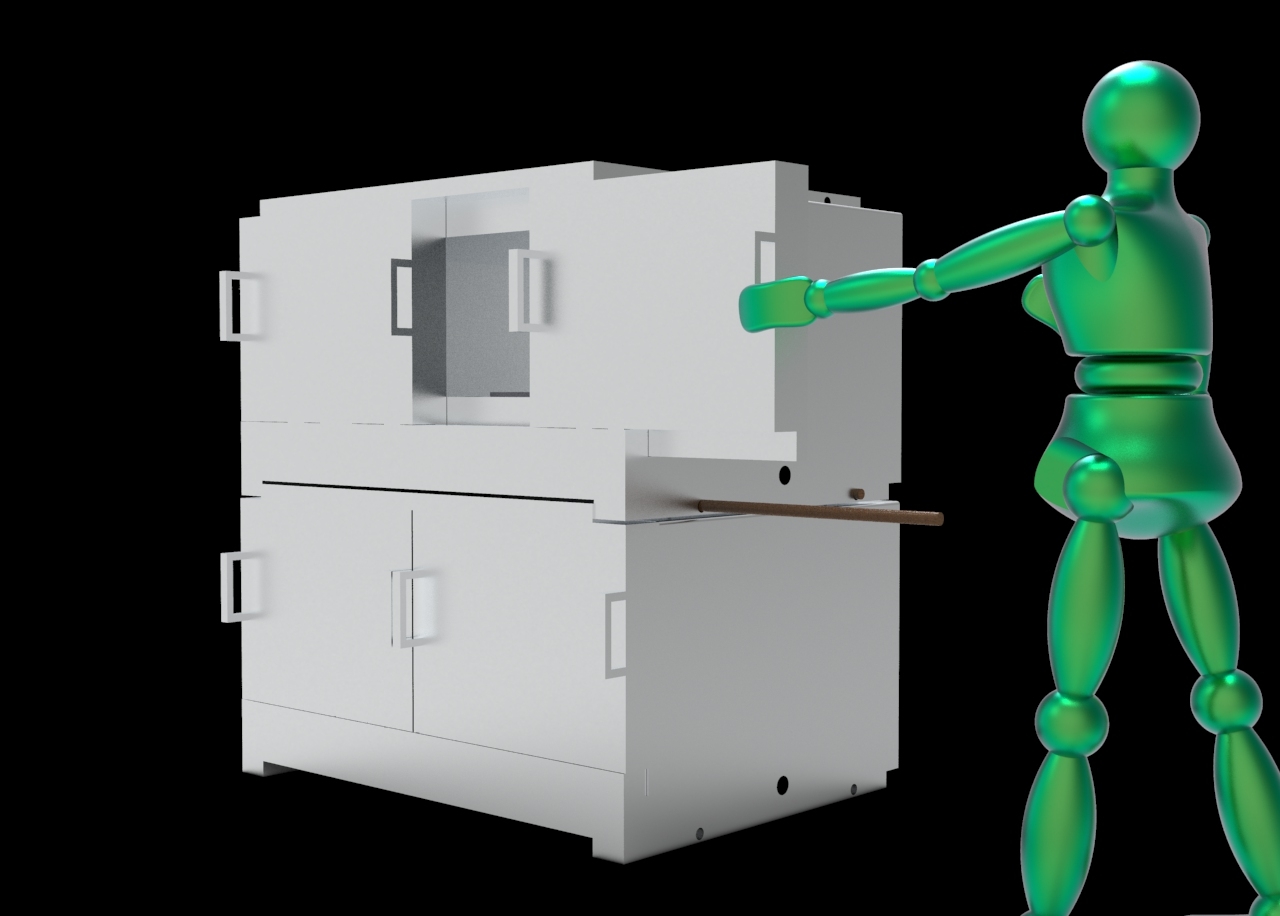
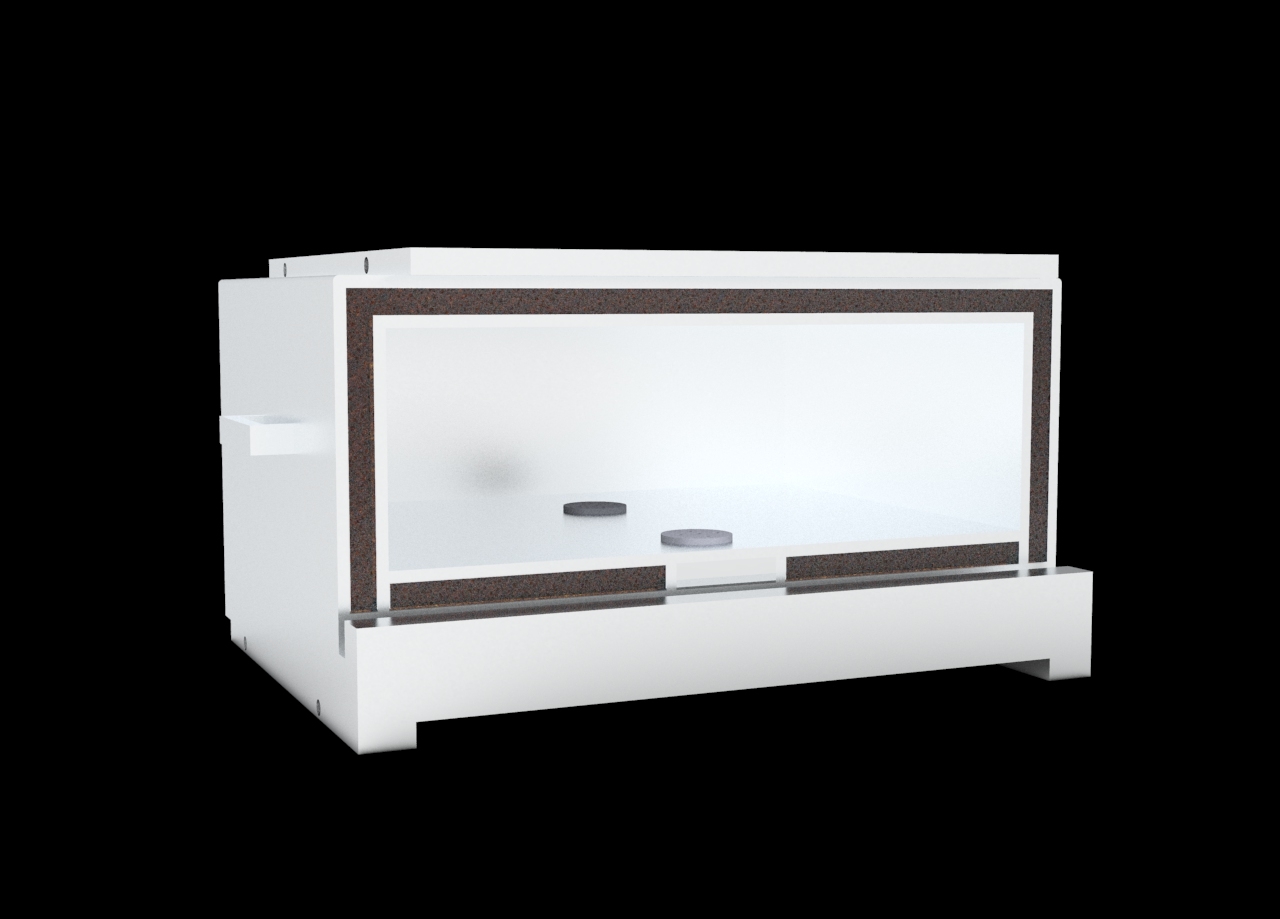
Eco Congelo is a stackable artisanal fish preservation crate designed for fish vendors at the Autonomous Port of Cotonou. The product responds to a major economic problem faced by vendors who rely on traditional wooden freezers that require large quantities of ice and must be rebuilt every 6 months to a year. Eco Congelo improves this system by introducing a better insulated container that reduces ice consumption while maintaining the freshness of fish for up to three days. The structure is made from plywood reinforced with aluminum sheets to protect the wood from humidity and mold. Inside, a 5 cm layer of coconut fiber provides natural thermal insulation. The crate also includes a drainage system that removes melted ice water, maintaining hygiene and improving preservation conditions. Its stackable design allows vendors to optimize space in crowded markets and fishing ports. Eco Congelo offers a practical, affordable, and locally adaptable solution to improve fish storage while increasing the daily profit of fish vendors.
Eco Congelo is a stackable artisanal fish preservation crate designed for fish vendors at the Autonomous Port of Cotonou. The product responds to a major economic problem faced by vendors who rely on traditional wooden freezers that require large quantities of ice and must be rebuilt every 6 months to a year. Eco Congelo improves this system by introducing a better insulated container that reduces ice consumption while maintaining the freshness of fish for up to three days. The structure is made from plywood reinforced with aluminum sheets to protect the wood from humidity and mold. Inside, a 5 cm layer of coconut fiber provides natural thermal insulation. The crate also includes a drainage system that removes melted ice water, maintaining hygiene and improving preservation conditions. Its stackable design allows vendors to optimize space in crowded markets and fishing ports. Eco Congelo offers a practical, affordable, and locally adaptable solution to improve fish storage while increasing the daily profit of fish vendors.
Product Innovation / Specification:
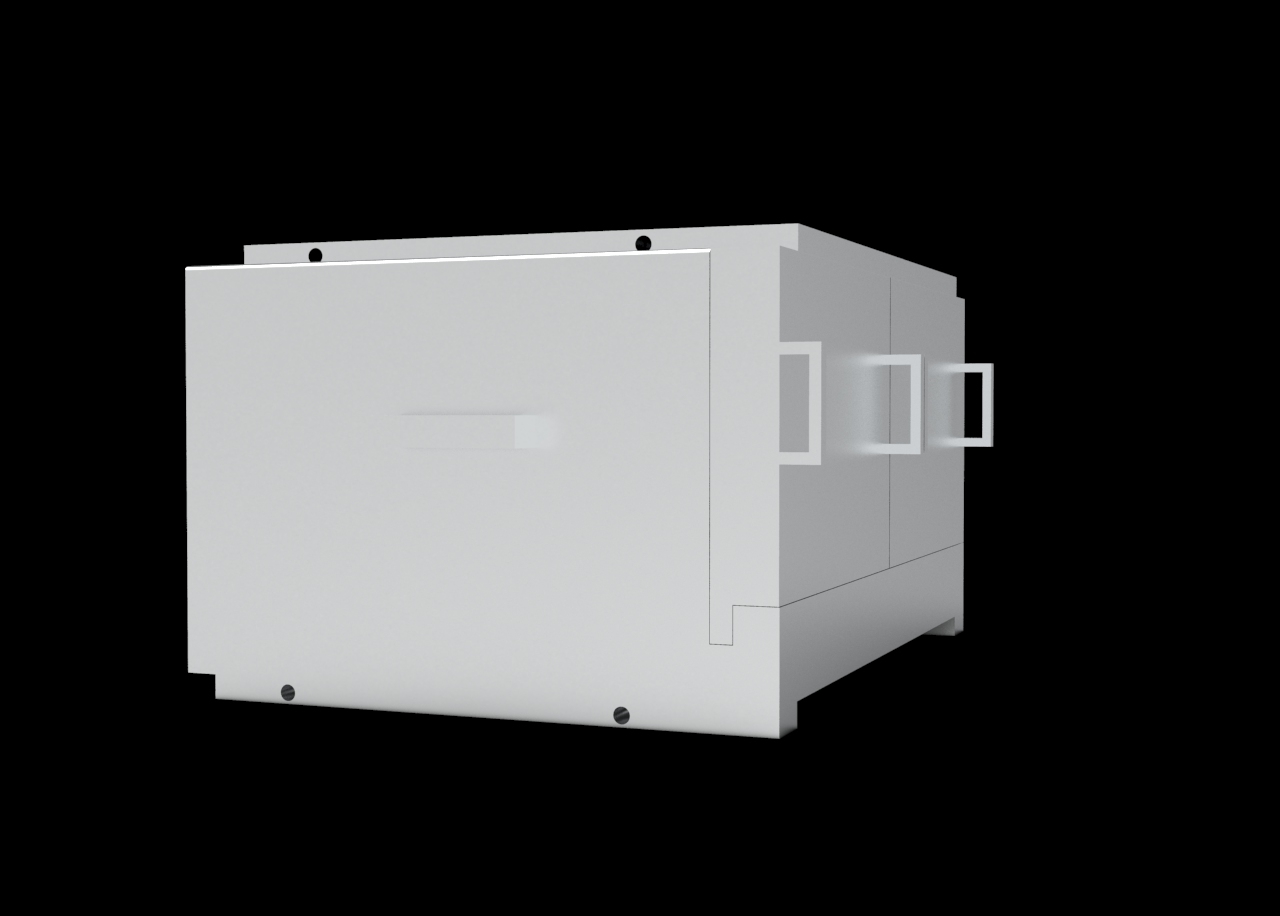
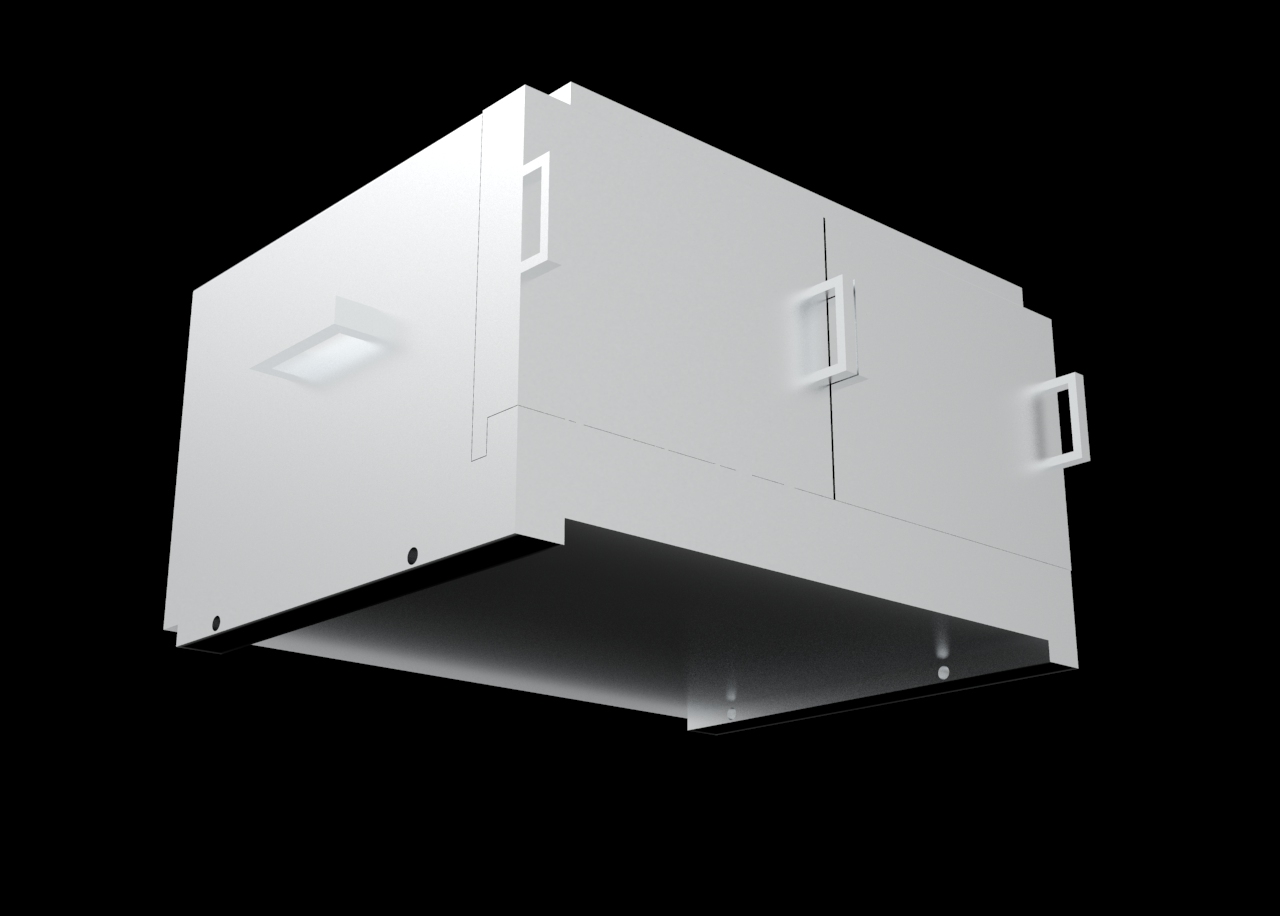
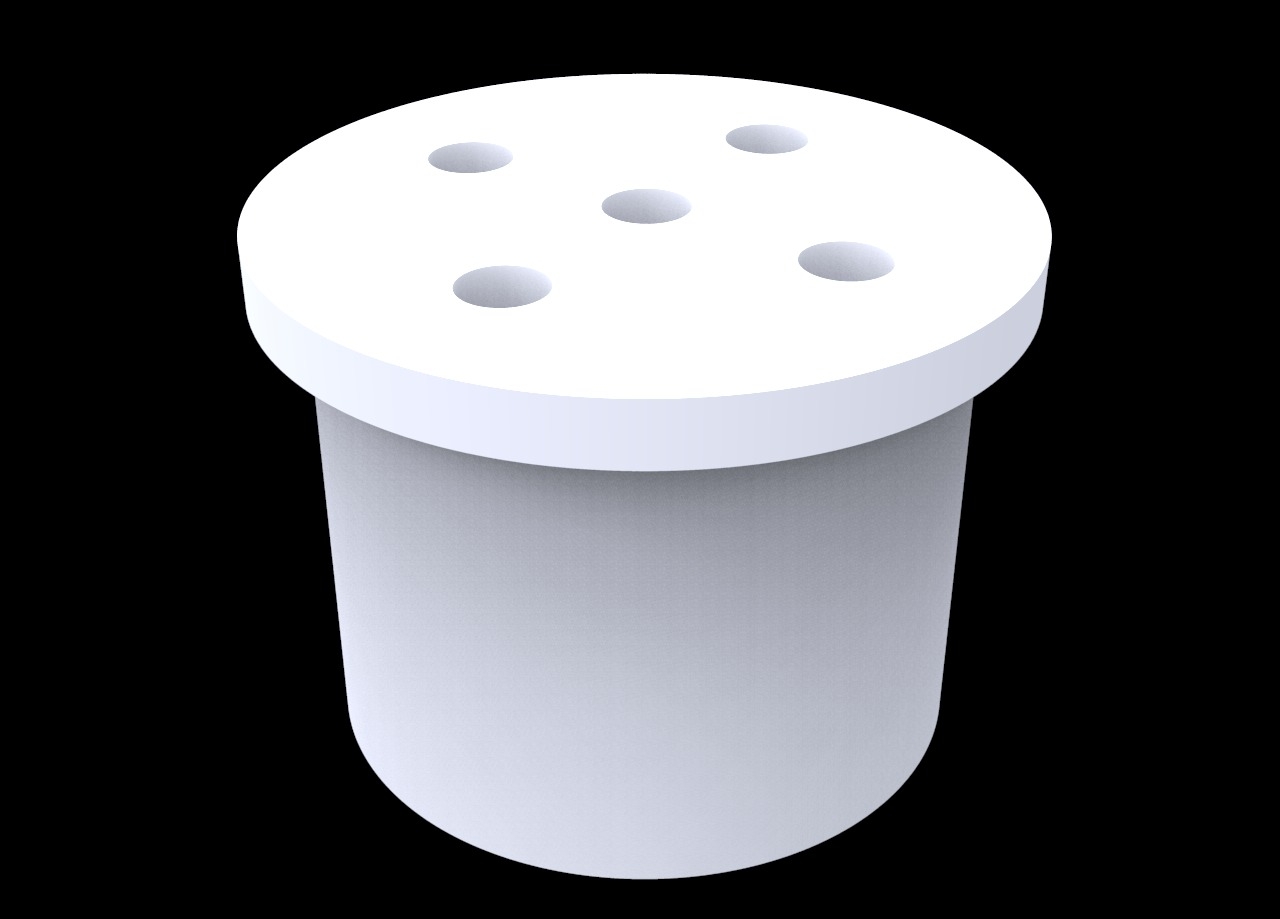
Eco Congelo introduces several innovations that improve the performance of traditional fish storage crates. The main innovation is the use of coconut fiber insulation, a locally available material with good thermal properties. With a thickness of 5 cm, the compacted fiber significantly slows heat transfer and helps maintain lower internal temperatures. The crate structure is built using pre-assembled plywood panels covered with aluminum sheets. This aluminum layer protects the wood from humidity, corrosion, and mold while improving durability in coastal environments. Eco Congelo also features: A sliding door that limits temperature loss during opening. A water drainage system with a drain plug to evacuate melted ice. Stackable male-female connectors that stabilize the crates when stacked. Integrated handles for easier transport. These technical improvements allow the crate to maintain fish freshness longer while reducing the quantity of ice required.
Eco Congelo introduces several innovations that improve the performance of traditional fish storage crates. The main innovation is the use of coconut fiber insulation, a locally available material with good thermal properties. With a thickness of 5 cm, the compacted fiber significantly slows heat transfer and helps maintain lower internal temperatures. The crate structure is built using pre-assembled plywood panels covered with aluminum sheets. This aluminum layer protects the wood from humidity, corrosion, and mold while improving durability in coastal environments. Eco Congelo also features: A sliding door that limits temperature loss during opening. A water drainage system with a drain plug to evacuate melted ice. Stackable male-female connectors that stabilize the crates when stacked. Integrated handles for easier transport. These technical improvements allow the crate to maintain fish freshness longer while reducing the quantity of ice required.
Product Sustainability Approach:
Eco Congelo integrates sustainability through materials, manufacturing, and long-term economic benefits for users. First, the product uses coconut fiber, an agricultural by-product often discarded in coastal areas. By transforming this waste into insulation material, the project supports circular design and reduces environmental waste. Second, the structure combines plywood and recycled aluminum sheets, which can be sourced locally and reused from existing materials such as recovered metal containers or pots. This reduces the environmental footprint compared to synthetic insulation materials. The product is also designed for repair and durability. Instead of rebuilding the entire container every few months, damaged parts can be replaced individually. This extends the lifespan of the crate and lowers long-term costs for fish vendors. Finally, Eco Congelo reduces the daily consumption of ice, which decreases energy use in ice production and transportation. This approach supports a more sustainable and economically viable cold chain for small-scale fish sellers.
Eco Congelo integrates sustainability through materials, manufacturing, and long-term economic benefits for users. First, the product uses coconut fiber, an agricultural by-product often discarded in coastal areas. By transforming this waste into insulation material, the project supports circular design and reduces environmental waste. Second, the structure combines plywood and recycled aluminum sheets, which can be sourced locally and reused from existing materials such as recovered metal containers or pots. This reduces the environmental footprint compared to synthetic insulation materials. The product is also designed for repair and durability. Instead of rebuilding the entire container every few months, damaged parts can be replaced individually. This extends the lifespan of the crate and lowers long-term costs for fish vendors. Finally, Eco Congelo reduces the daily consumption of ice, which decreases energy use in ice production and transportation. This approach supports a more sustainable and economically viable cold chain for small-scale fish sellers.
Local and Regional Impacts of the Product:
Eco Congelo improves the working conditions and profitability of fish vendors at the Autonomous Port of Cotonou. By reducing daily ice expenses, vendors can significantly increase their income and reduce financial pressure. The project also promotes the use of local materials such as coconut fiber, creating opportunities for local supply chains and small-scale production. This can encourage collaboration with artisans and local manufacturers. Regionally, Eco Congelo provides a model for affordable and sustainable fish preservation that can be replicated in other coastal fishing communities in West Africa, where similar storage challenges exist.
Eco Congelo improves the working conditions and profitability of fish vendors at the Autonomous Port of Cotonou. By reducing daily ice expenses, vendors can significantly increase their income and reduce financial pressure. The project also promotes the use of local materials such as coconut fiber, creating opportunities for local supply chains and small-scale production. This can encourage collaboration with artisans and local manufacturers. Regionally, Eco Congelo provides a model for affordable and sustainable fish preservation that can be replicated in other coastal fishing communities in West Africa, where similar storage challenges exist.

Lead Designer(s) Name(s):Viakinnou Juvanis