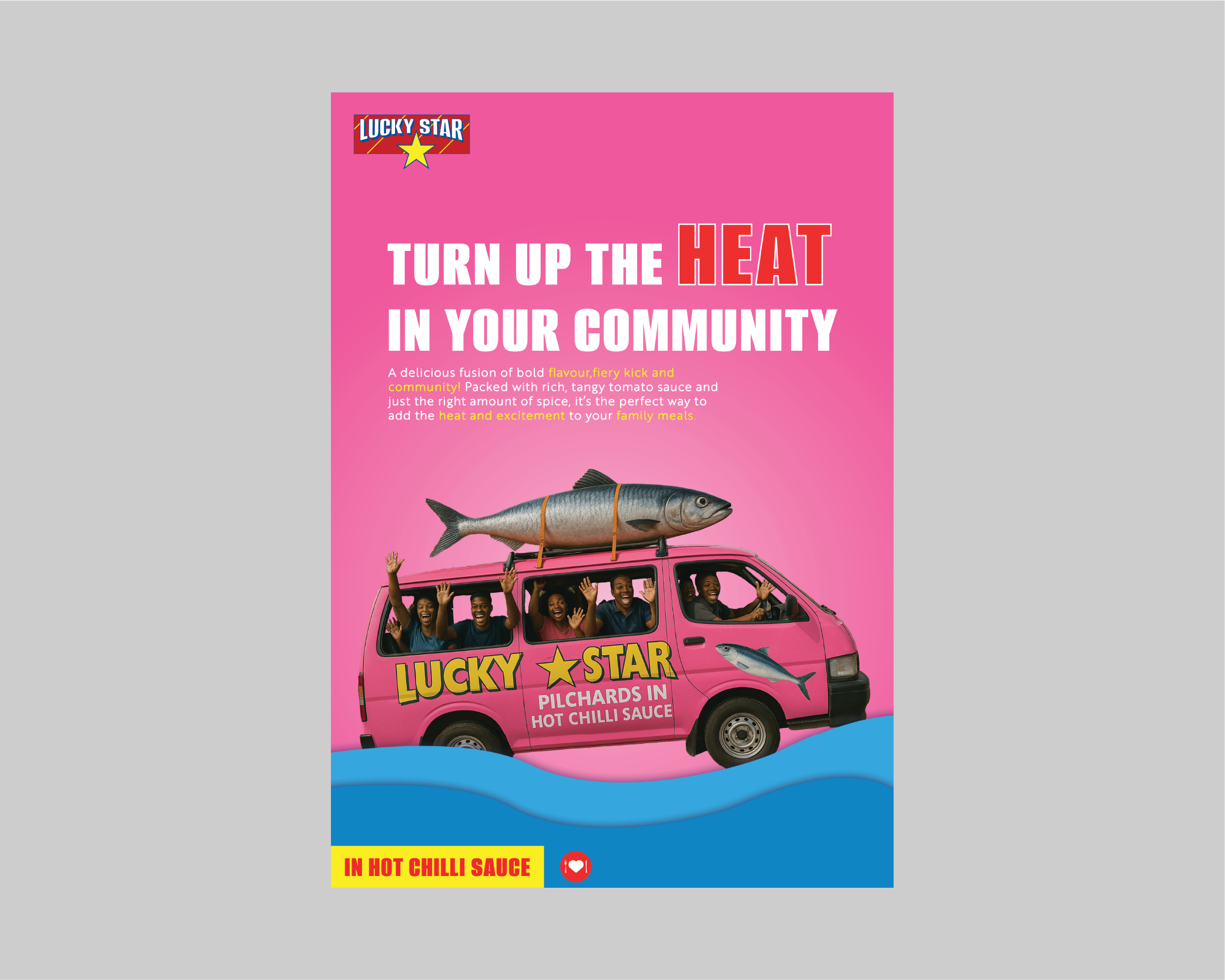
Lucky Star Pilchards in Hot Chilli Sauce Advert
Prize(s):
WINNER 2026 Print & Digital / Poster and Flyer
School / University Name:Greenside Design Center
Lead Designer(s) Name(s):Michael Land
Professor Name(s):Francéne Bekker
Project Location:Johannesburg, South Africa
Design Status:Concept
Project Description:
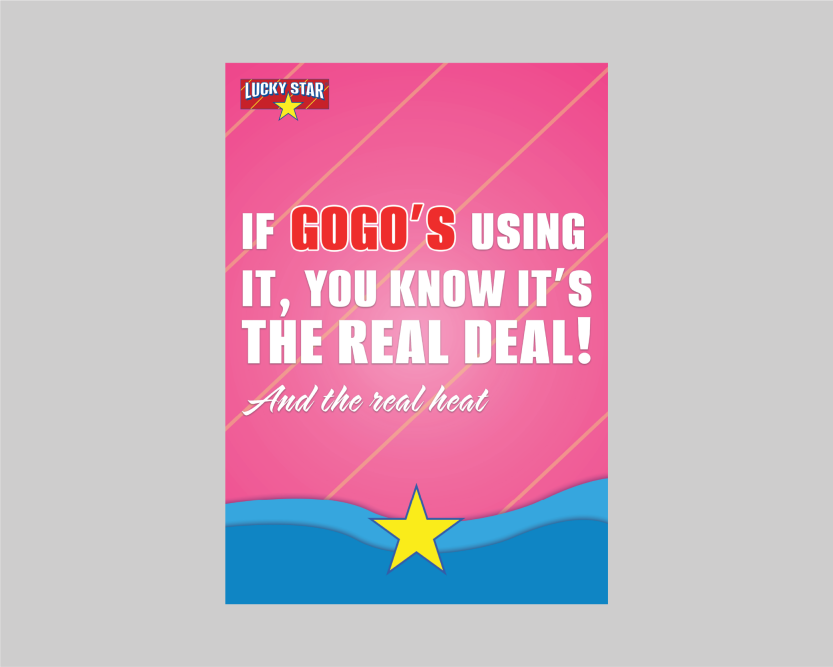
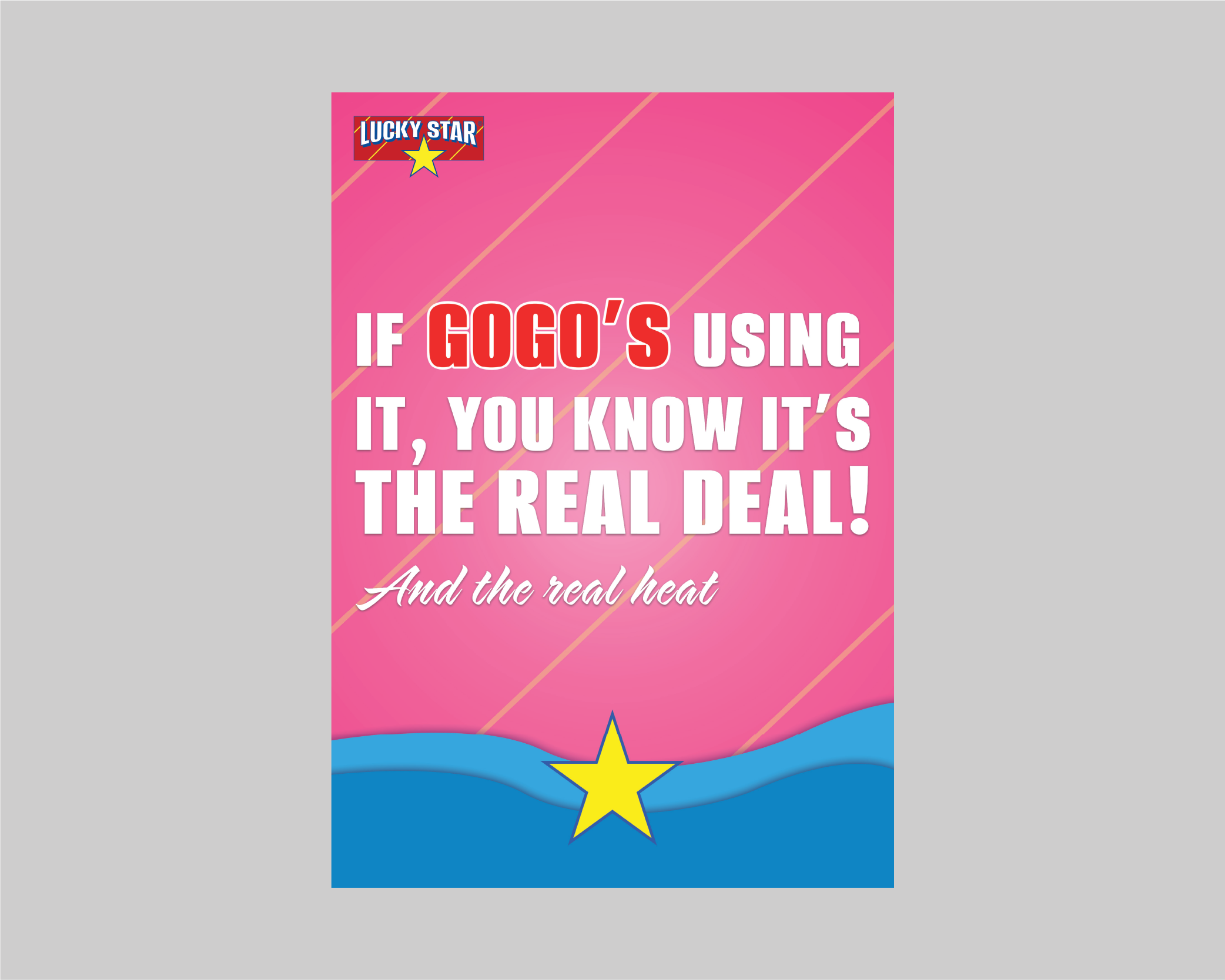
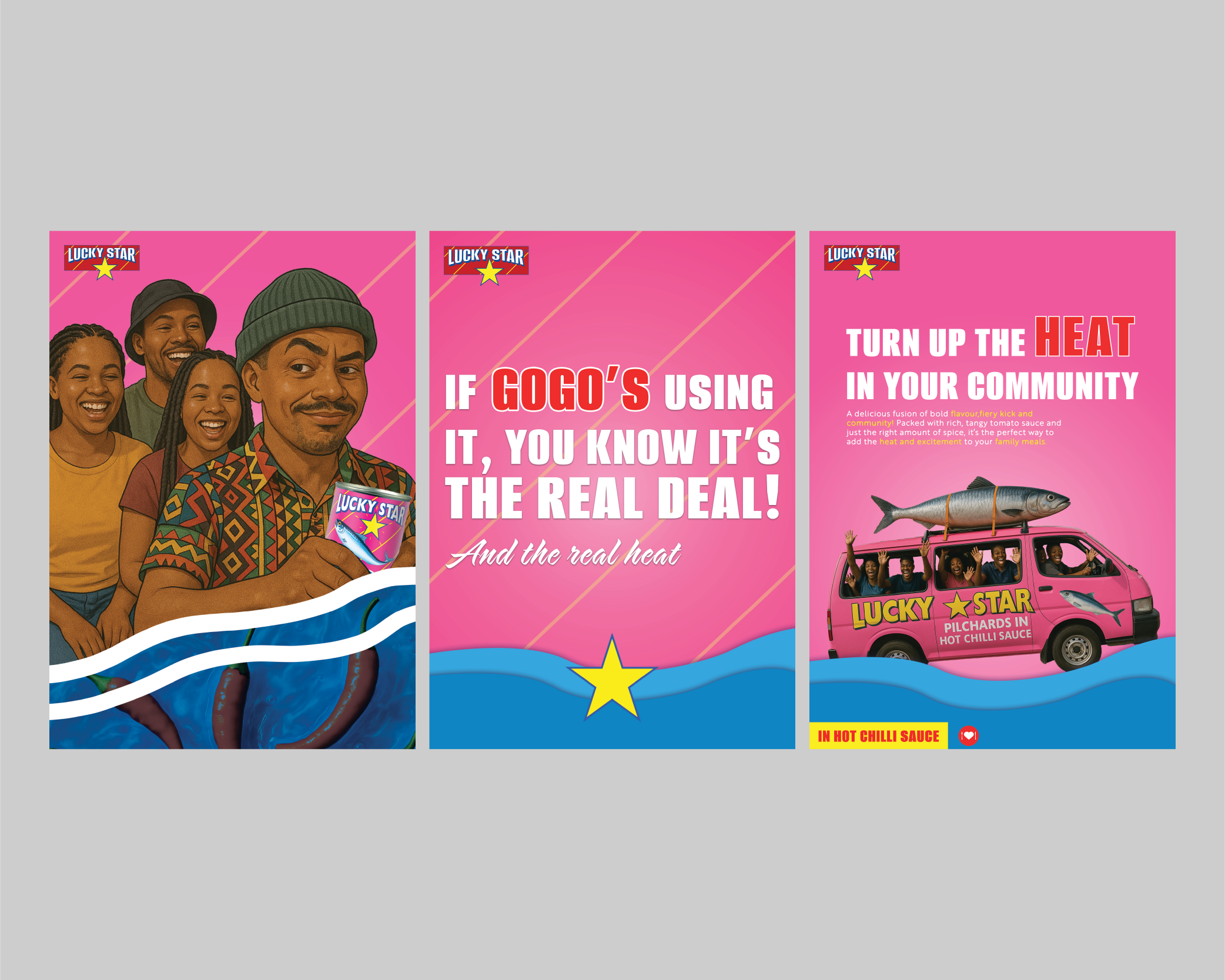
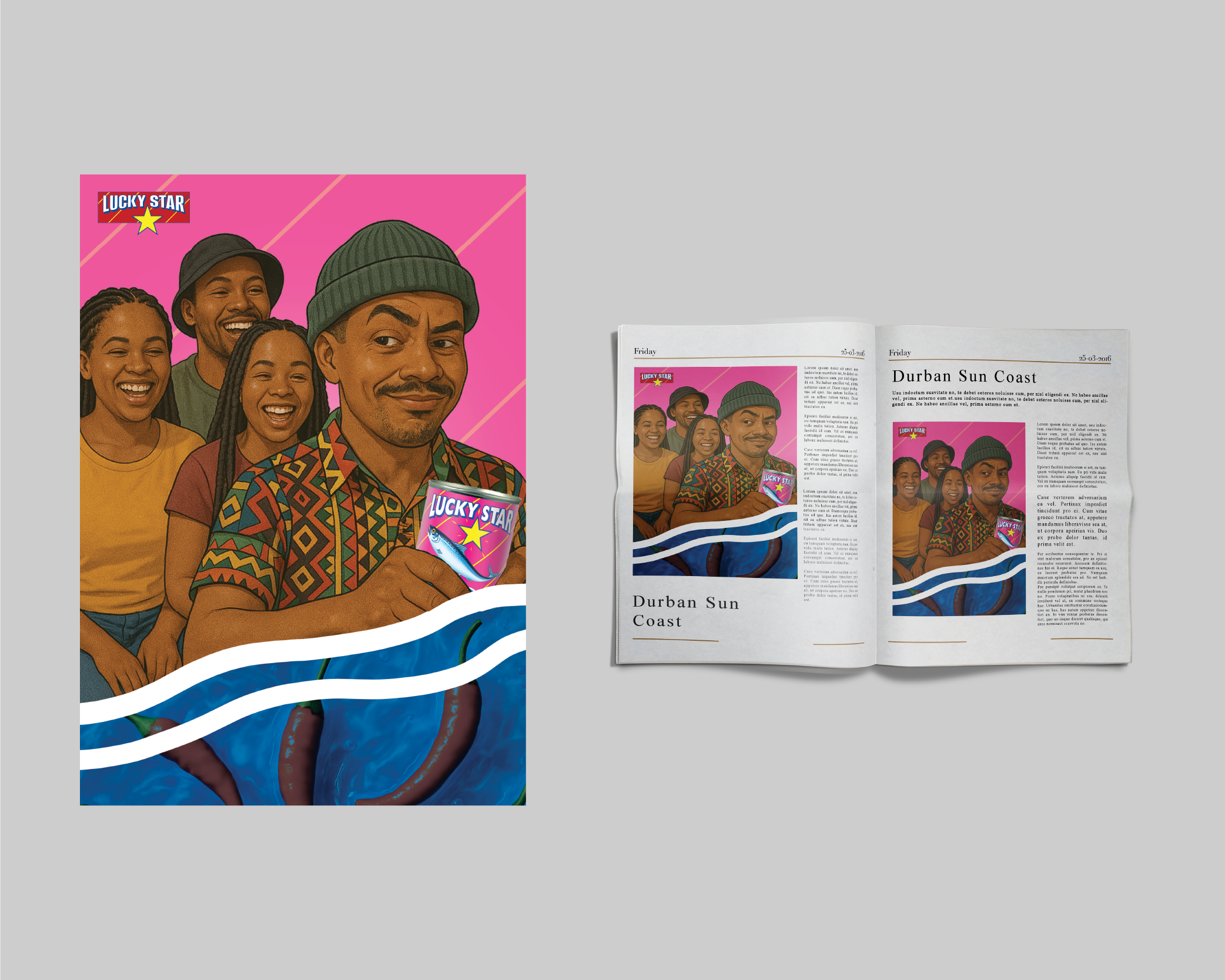
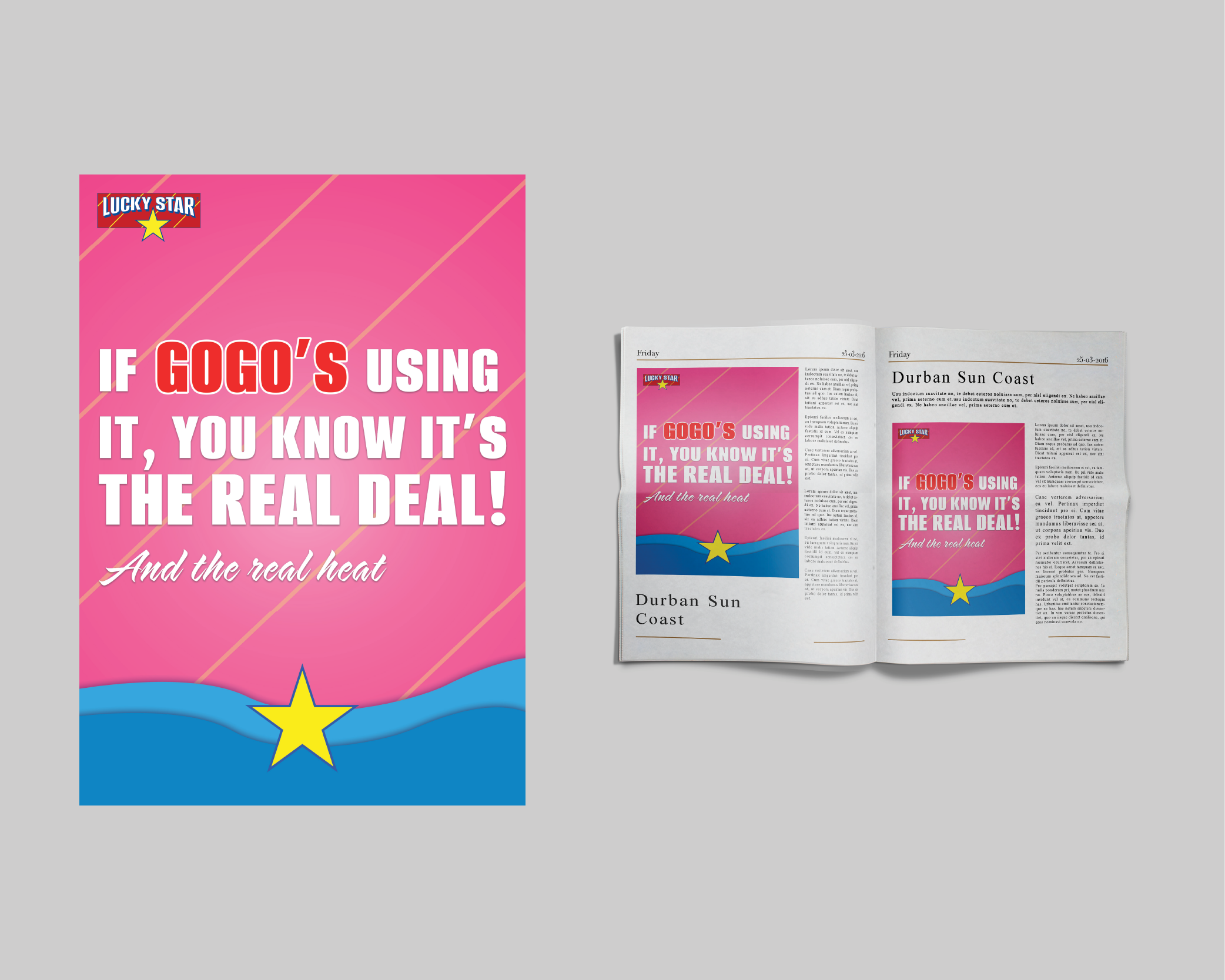
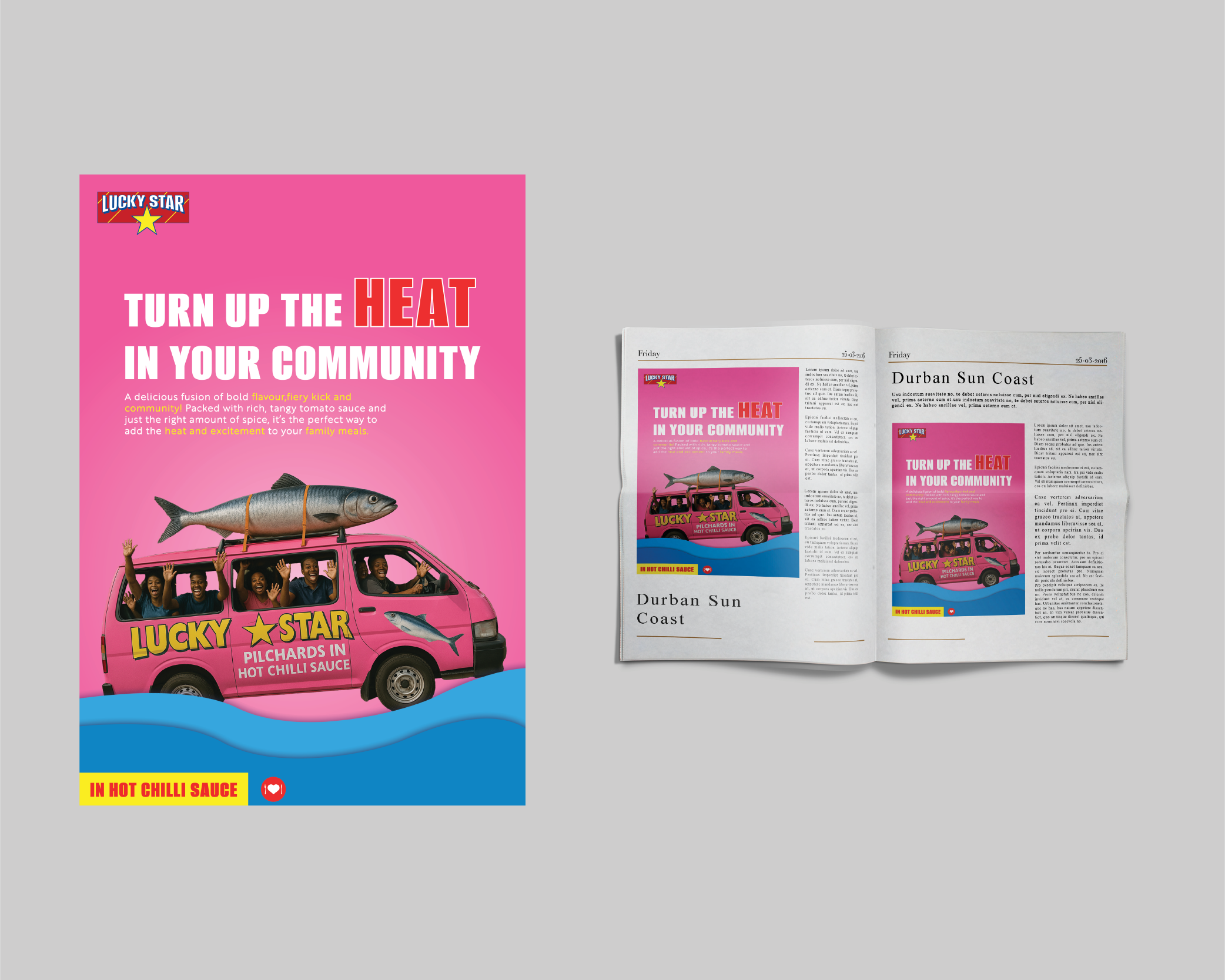
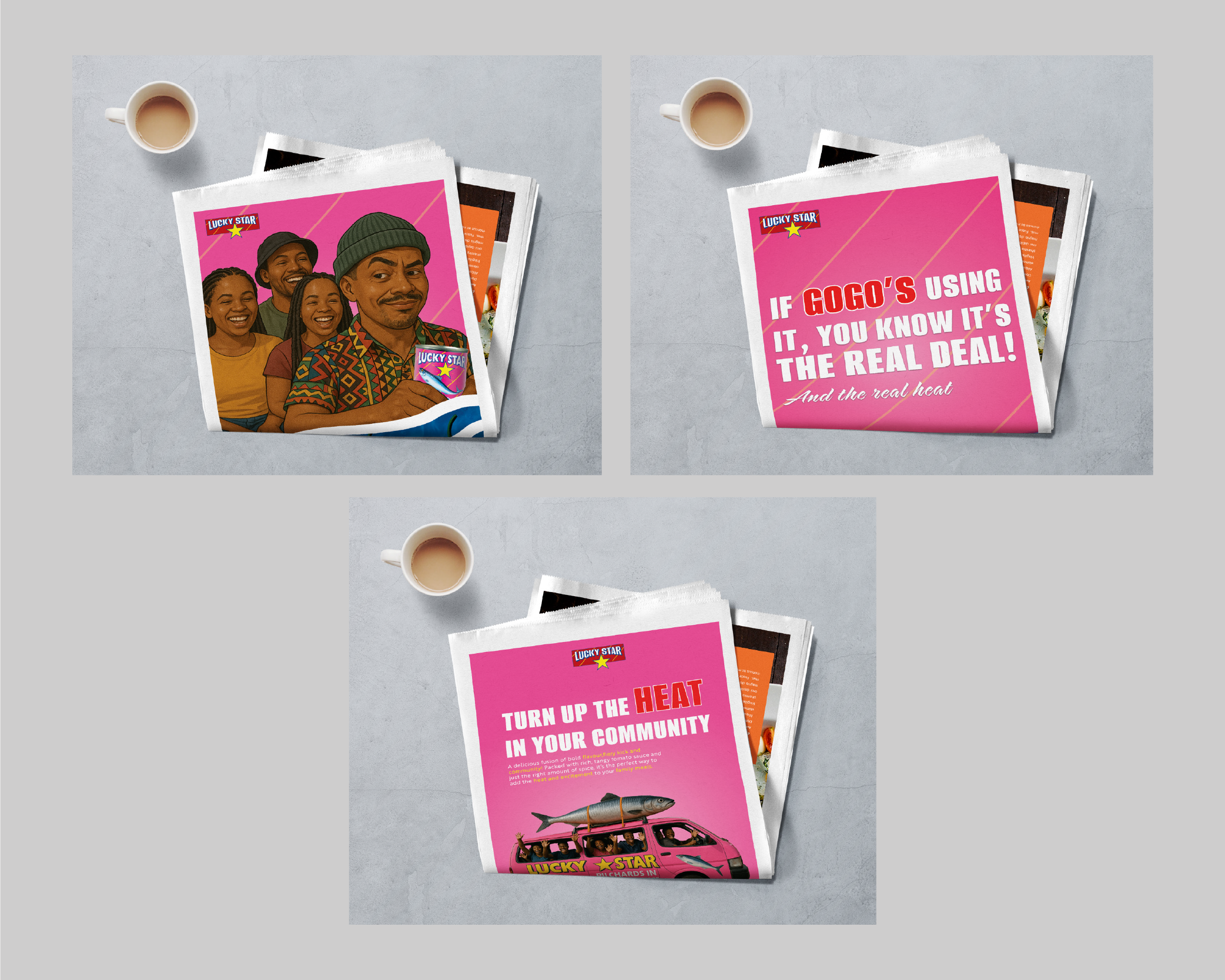
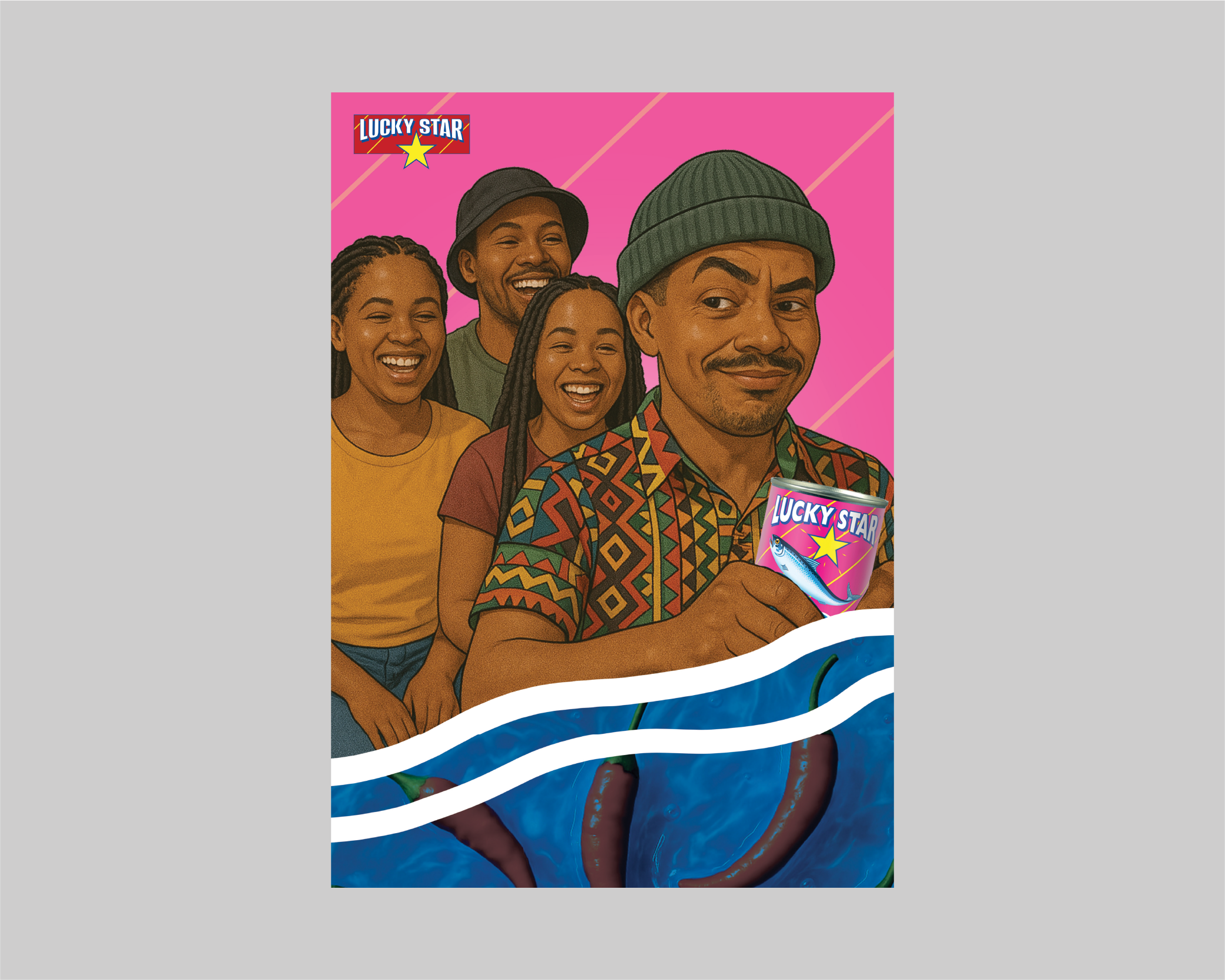
This project involved designing a print advertising campaign for Lucky Star Pilchards in Hot Chilli Sauce. Three print adverts were created using different advertising models a visual-only advert based on the FCB Grid, a headline-driven advert using the USP model, and a combination advert following the AIDA model. The aim was to demonstrate an understanding of advertising strategy, consumer insight, and design thinking. Research methods such as the 12 Universal Questions, SWOT analysis, and consumer research were used to understand the product and its target audience. Lucky Star was chosen due to its strong cultural relevance, affordability, and trusted presence in South African households. The creative direction focused on community, tradition, and togetherness and with a playful tone. The final deliverables include three print-ready adverts and supporting mock-ups that reflect both strategic thinking and brand consistency
This project involved designing a print advertising campaign for Lucky Star Pilchards in Hot Chilli Sauce. Three print adverts were created using different advertising models a visual-only advert based on the FCB Grid, a headline-driven advert using the USP model, and a combination advert following the AIDA model. The aim was to demonstrate an understanding of advertising strategy, consumer insight, and design thinking. Research methods such as the 12 Universal Questions, SWOT analysis, and consumer research were used to understand the product and its target audience. Lucky Star was chosen due to its strong cultural relevance, affordability, and trusted presence in South African households. The creative direction focused on community, tradition, and togetherness and with a playful tone. The final deliverables include three print-ready adverts and supporting mock-ups that reflect both strategic thinking and brand consistency
Project Innovation / Specification:
The innovation of this project lies in applying established advertising models to create culturally relevant and insight-driven print advertising for a familiar South African brand. Rather than focusing on novelty, the campaign uses real consumer behaviour and local food culture to reposition Lucky Star Pilchards in a more emotionally engaging way. The project specification required the design of three A3 print adverts based on the FCB Grid, USP, and AIDA models. Each advert was developed to meet a specific communication objective while maintaining brand consistency and professional print standards. The final outputs include print-ready artwork and supporting mock-ups that demonstrate both strategic thinking and creative execution
The innovation of this project lies in applying established advertising models to create culturally relevant and insight-driven print advertising for a familiar South African brand. Rather than focusing on novelty, the campaign uses real consumer behaviour and local food culture to reposition Lucky Star Pilchards in a more emotionally engaging way. The project specification required the design of three A3 print adverts based on the FCB Grid, USP, and AIDA models. Each advert was developed to meet a specific communication objective while maintaining brand consistency and professional print standards. The final outputs include print-ready artwork and supporting mock-ups that demonstrate both strategic thinking and creative execution
Project Sustainability Approach:
The sustainability approach of this project focuses on responsible communication rather than physical production. By working within a print advertising context, the project emphasises efficient design, minimal layouts, and clear messaging to reduce unnecessary ink usage and visual waste. All adverts were designed digitally and prepared for print only at final stage, limiting material consumption during the development process. In addition, the campaign promotes long-term brand sustainability by reinforcing trust, cultural relevance, and product longevity rather than encouraging overconsumption. By highlighting an affordable, shelf-stable food product, the project aligns with realistic consumer needs and responsible advertising practices within the South African context
The sustainability approach of this project focuses on responsible communication rather than physical production. By working within a print advertising context, the project emphasises efficient design, minimal layouts, and clear messaging to reduce unnecessary ink usage and visual waste. All adverts were designed digitally and prepared for print only at final stage, limiting material consumption during the development process. In addition, the campaign promotes long-term brand sustainability by reinforcing trust, cultural relevance, and product longevity rather than encouraging overconsumption. By highlighting an affordable, shelf-stable food product, the project aligns with realistic consumer needs and responsible advertising practices within the South African context
Local and Regional Impacts of the Project:
This project highlights the role of locally relevant advertising by focusing on a product that is deeply embedded in South African culture. By using familiar environments, shared traditions, and everyday experiences, the campaign reflects the realities of local communities and speaks directly to the needs of lower to middle-income consumers. This strengthens cultural representation and makes the advertising more relatable and authentic. On a regional level, the project demonstrates how established South African brands like Lucky Star can maintain relevance through thoughtful, insight-driven communication. It shows how strategic print advertising can support brand loyalty, reinforce trust, and contribute to food accessibility awareness across different regions.
This project highlights the role of locally relevant advertising by focusing on a product that is deeply embedded in South African culture. By using familiar environments, shared traditions, and everyday experiences, the campaign reflects the realities of local communities and speaks directly to the needs of lower to middle-income consumers. This strengthens cultural representation and makes the advertising more relatable and authentic. On a regional level, the project demonstrates how established South African brands like Lucky Star can maintain relevance through thoughtful, insight-driven communication. It shows how strategic print advertising can support brand loyalty, reinforce trust, and contribute to food accessibility awareness across different regions.