Claustra
Prize(s):
Honorable Mention 2026 PRODUCT DESIGN / Eco Design
School / University Name:Libre Académie Des Beaux Arts , Laba
Lead Designer(s) Name(s):Sara Mellyssa Teguia Mewa
Professor Name(s):Mr Julien Zanga MBIDA
Project Location:Douala, Cameroun
Design Status:Concept
Product Description:
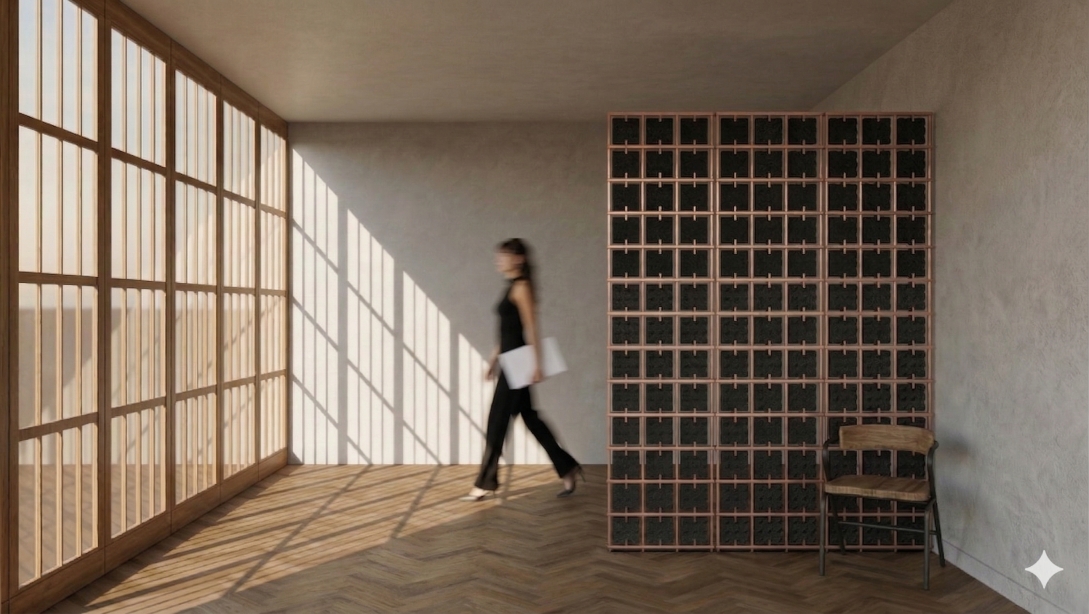
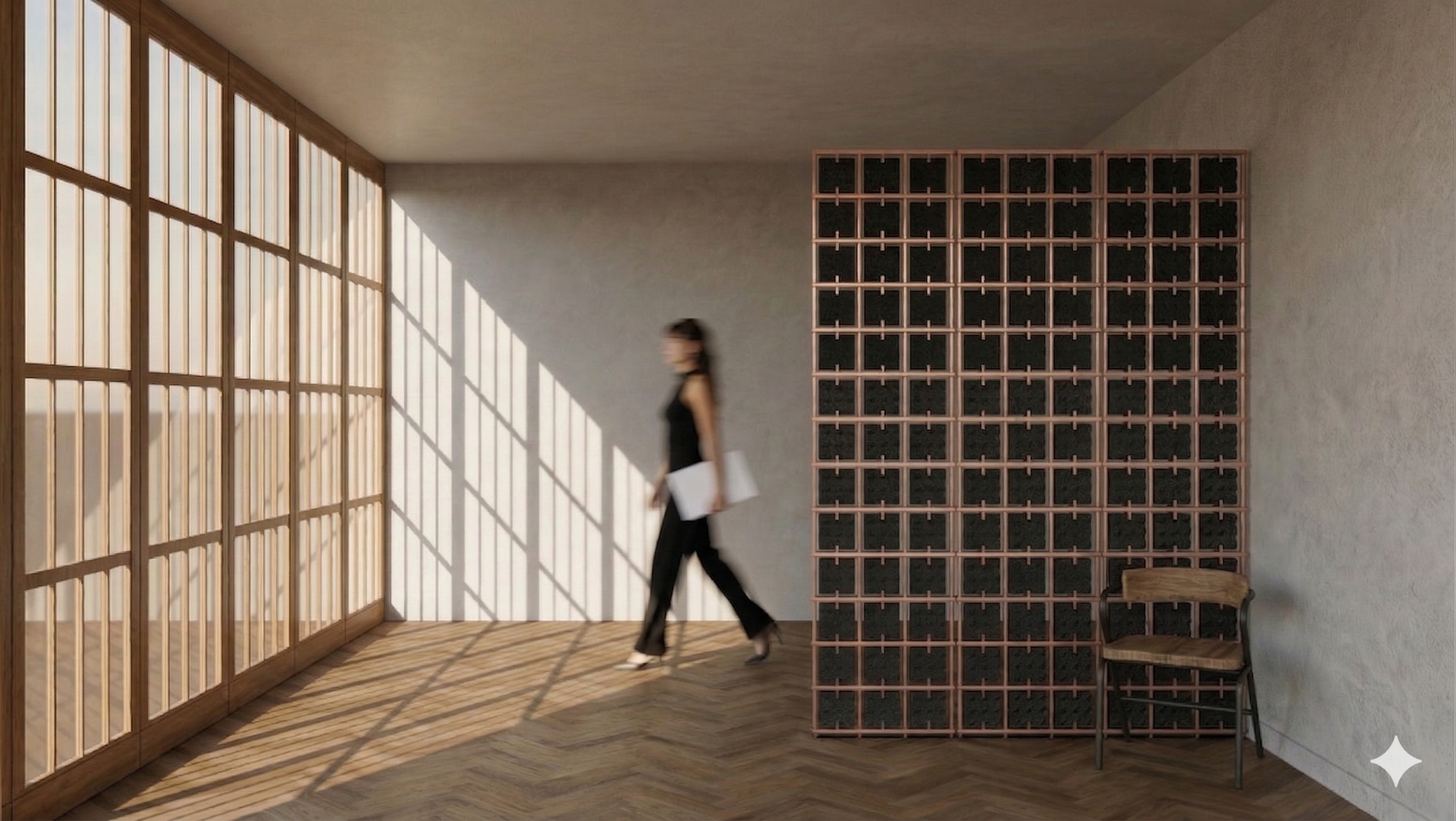
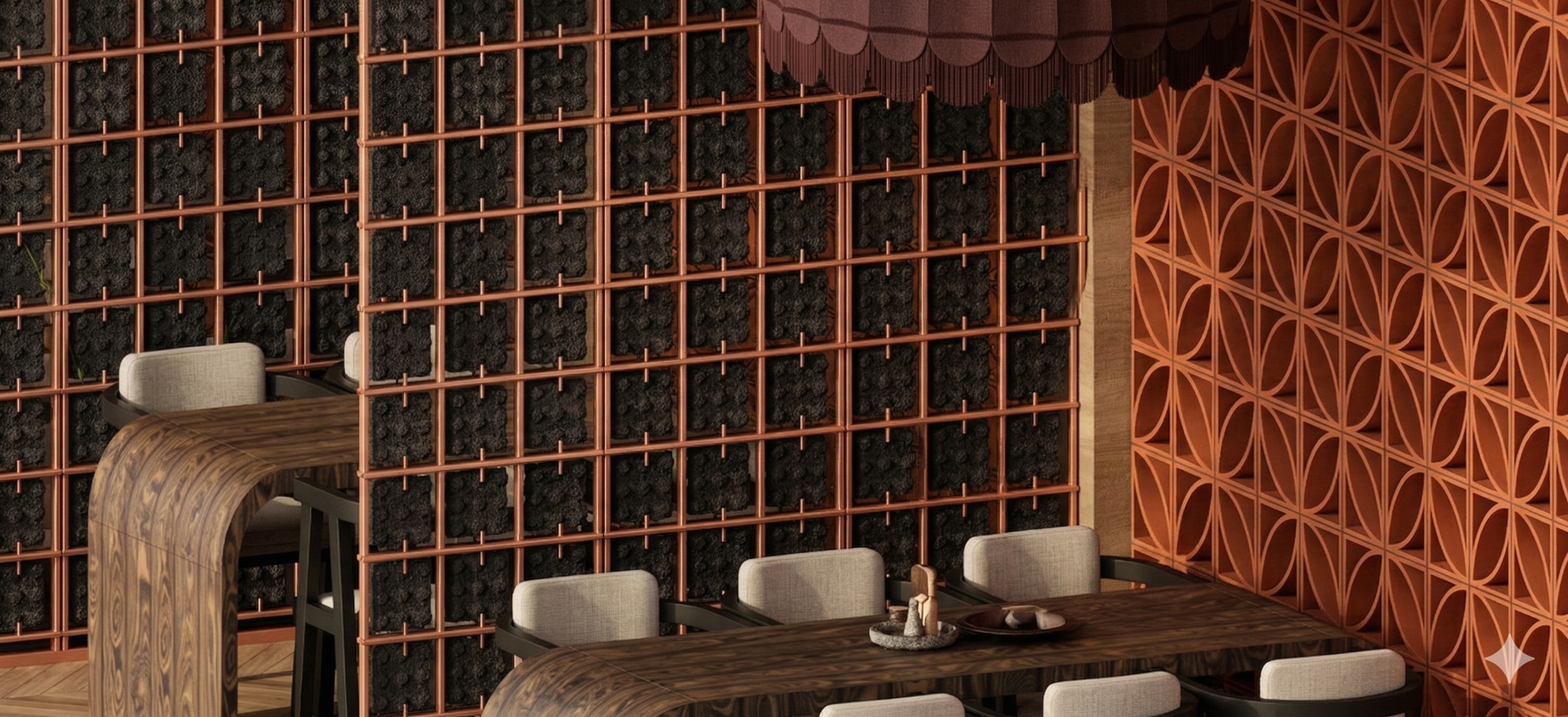
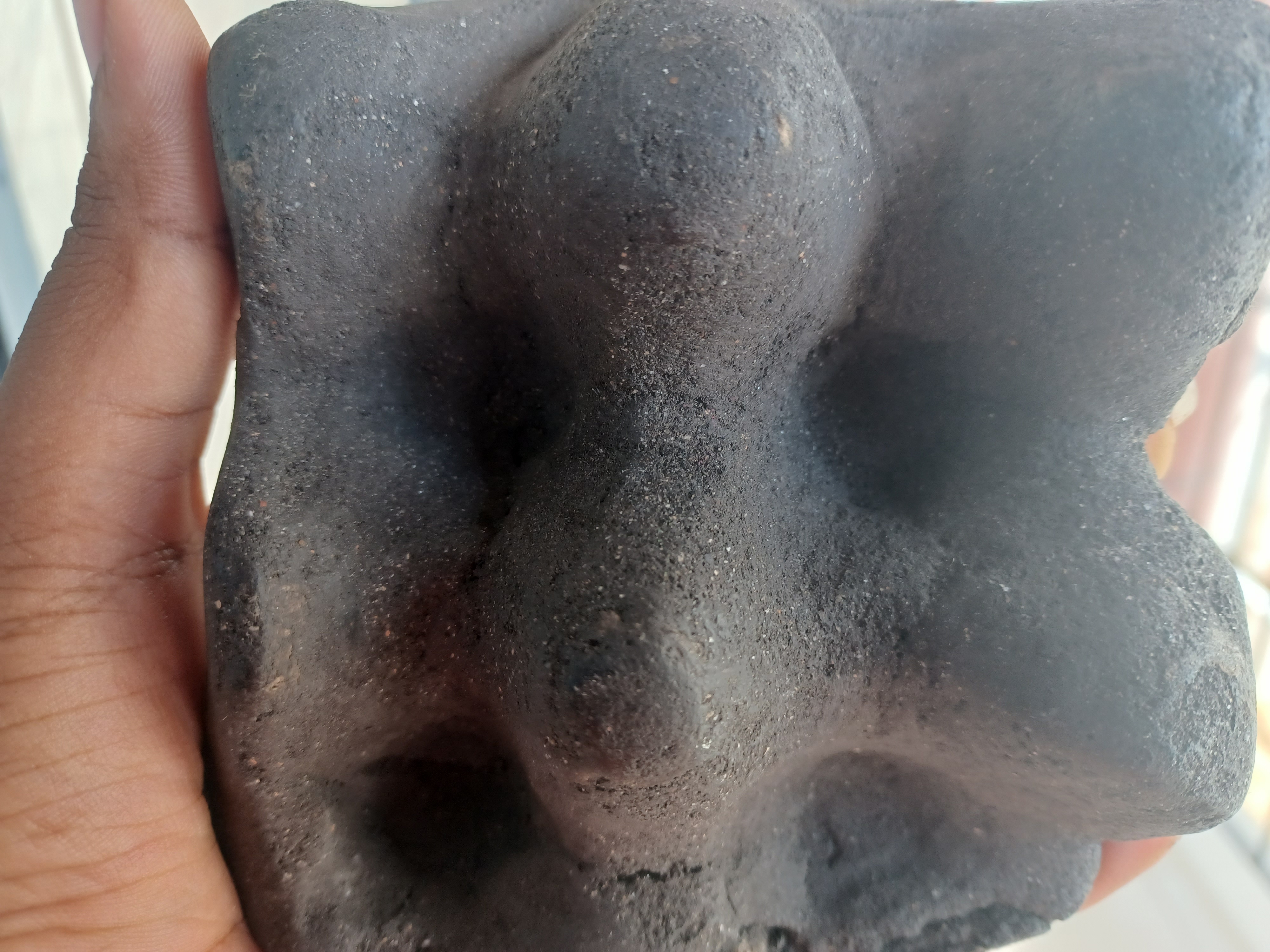
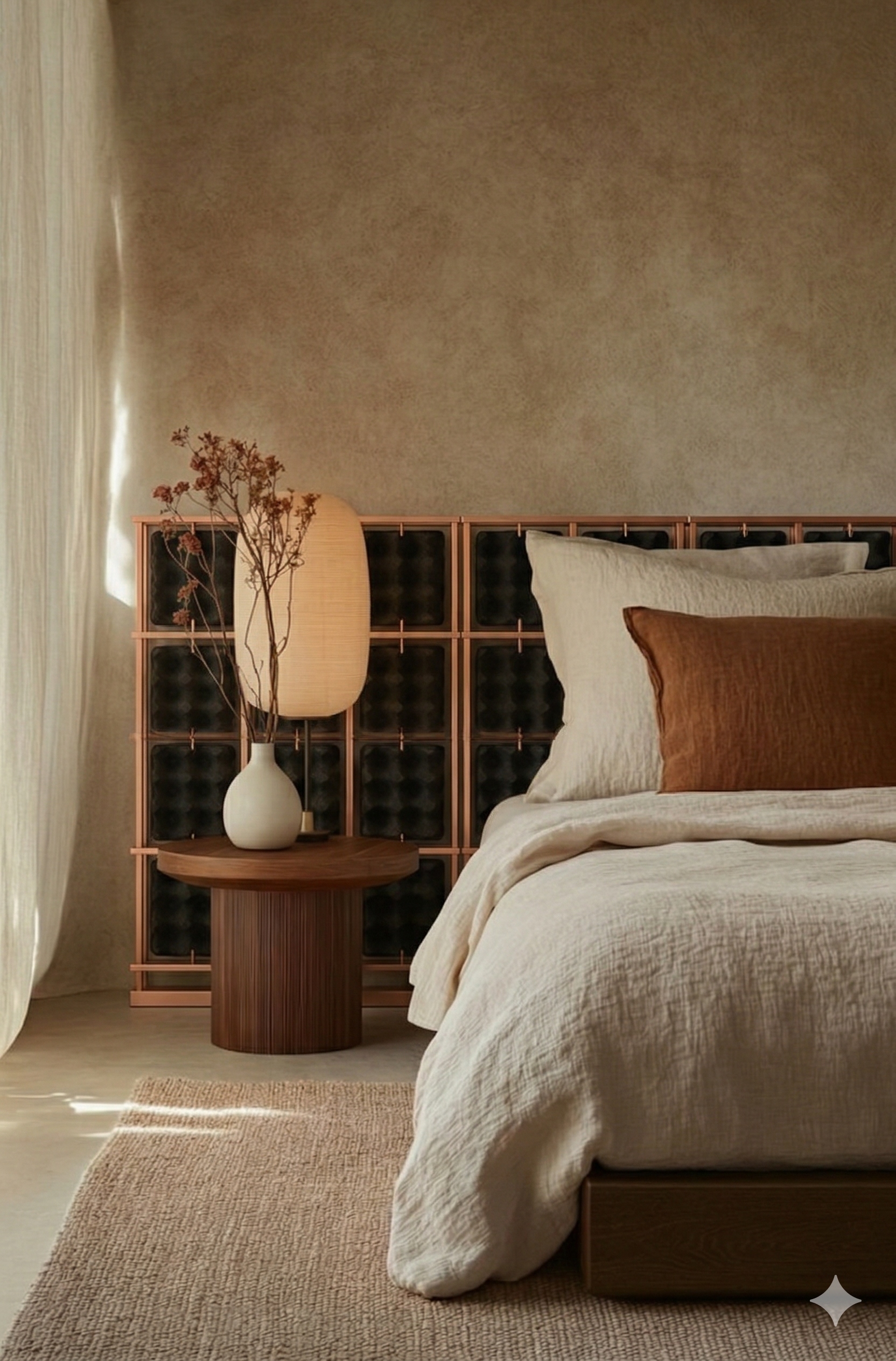
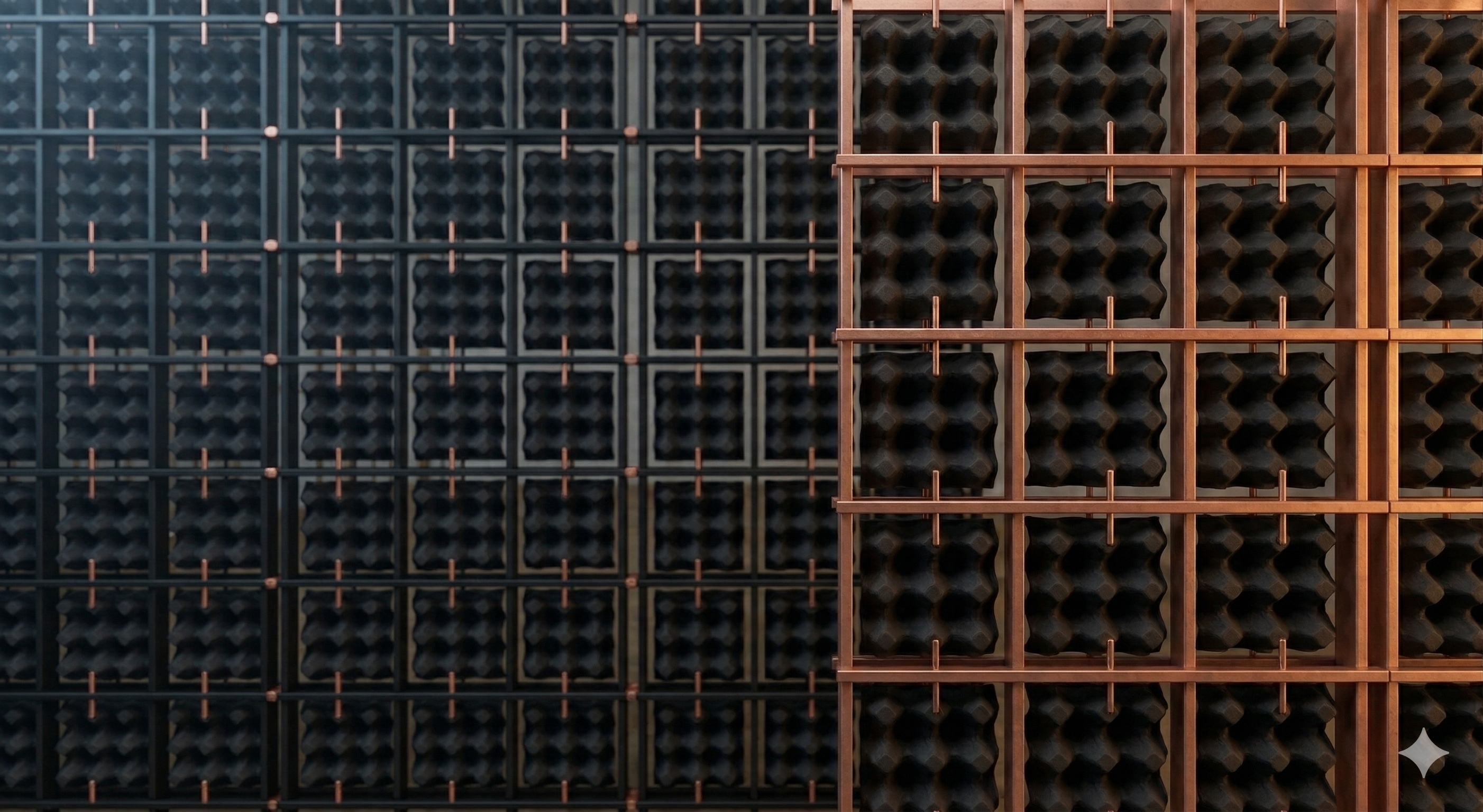
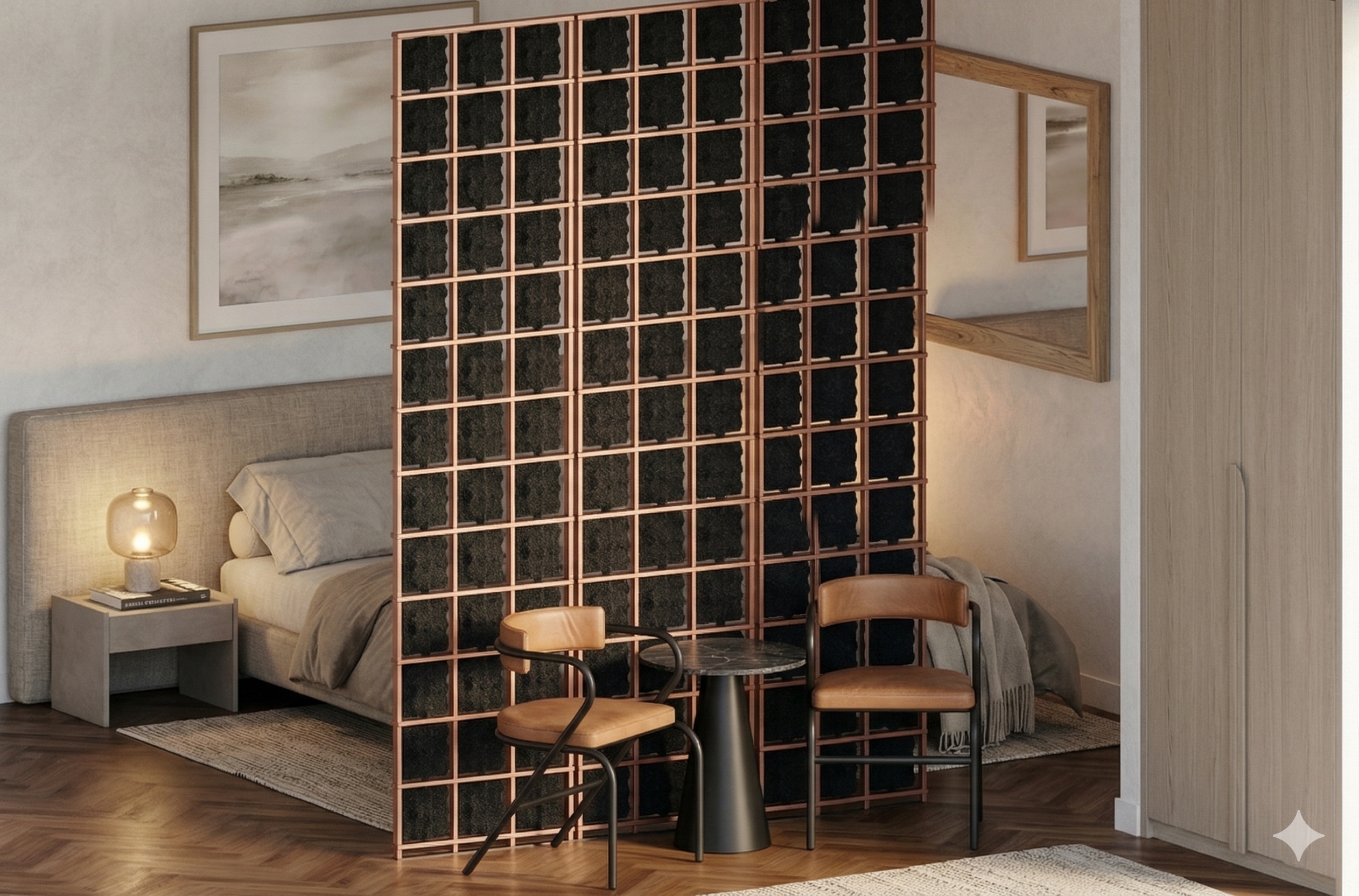
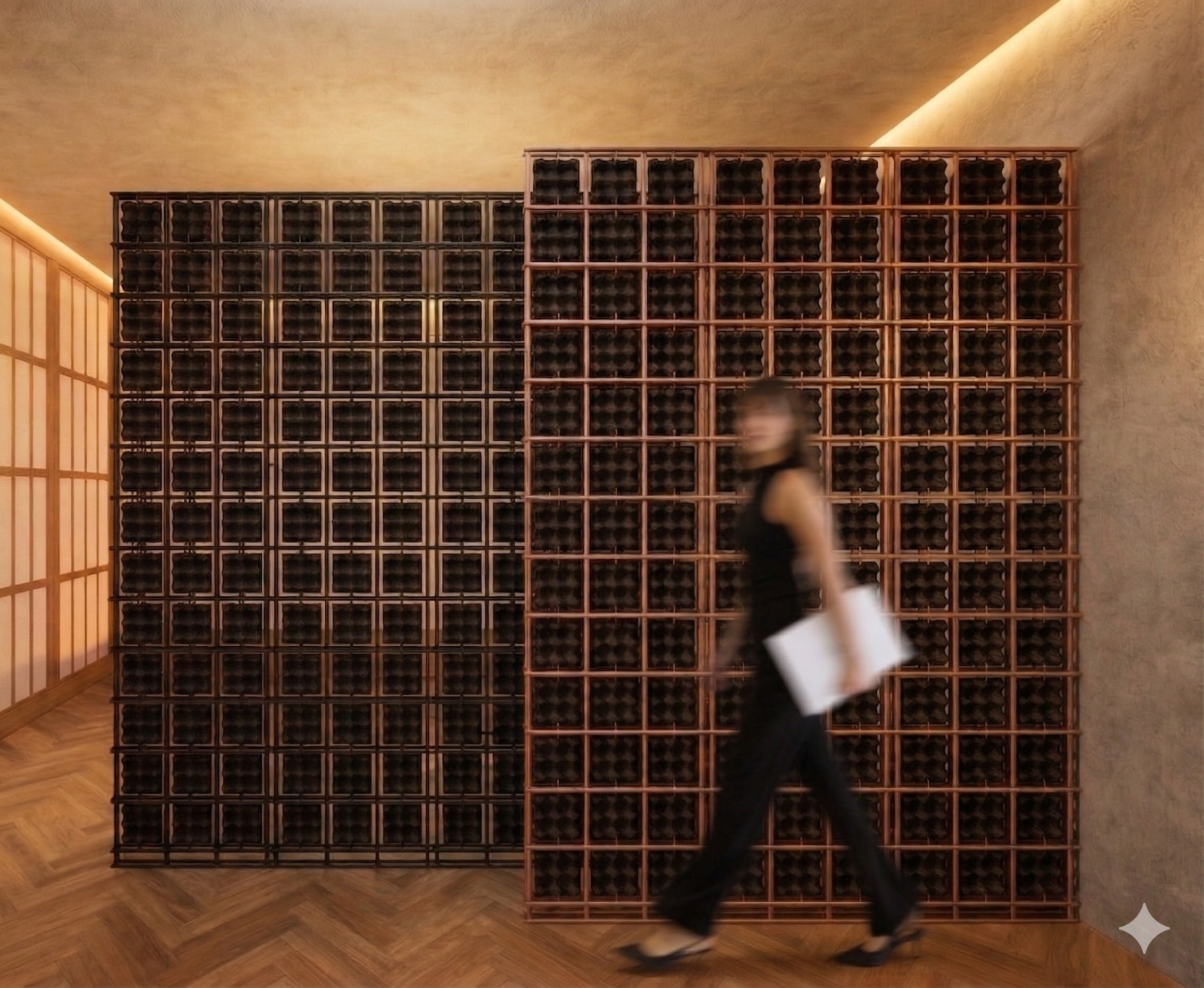
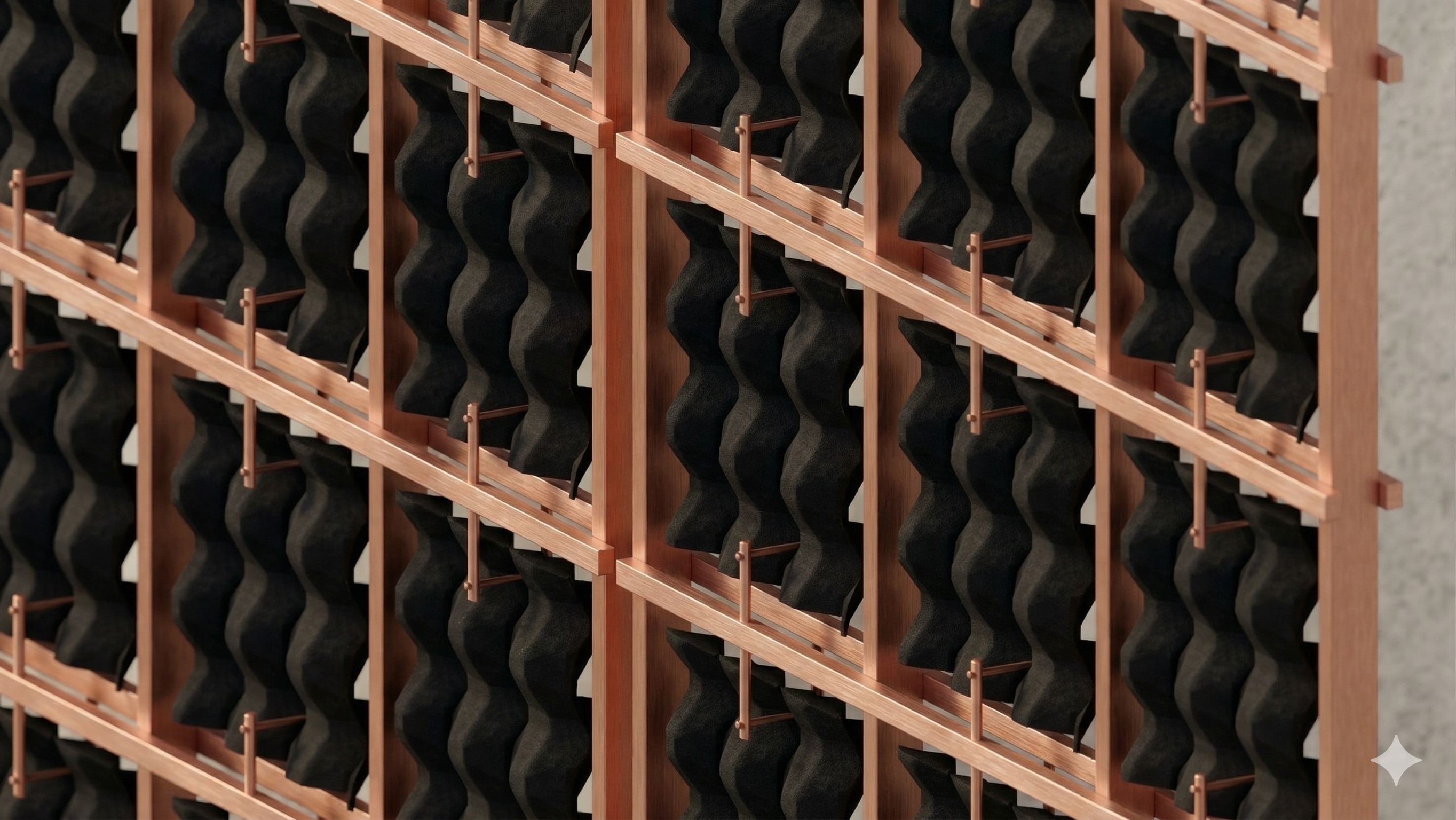
My project is a claustra: a set of egg carton modules measuring 13.5 × 13.5 cm, mounted on a self-supporting modular structure made of steel bars. The modules are attached to the steel bars using nuts and bolts. This method of fastening is a deliberate choice, intended to give the whole piece a “gallery” aesthetic. Here, nothing is hidden: the imperfection of the cardboard, caught in the ruggedness of volcanic soil, is celebrated rather than concealed. I kept the modules in black, the original shade of volcanic earth. As for the steel bars, I chose a terracotta color with a copper effect to evoke the soft, subtle hues of volcanic lava.
My project is a claustra: a set of egg carton modules measuring 13.5 × 13.5 cm, mounted on a self-supporting modular structure made of steel bars. The modules are attached to the steel bars using nuts and bolts. This method of fastening is a deliberate choice, intended to give the whole piece a “gallery” aesthetic. Here, nothing is hidden: the imperfection of the cardboard, caught in the ruggedness of volcanic soil, is celebrated rather than concealed. I kept the modules in black, the original shade of volcanic earth. As for the steel bars, I chose a terracotta color with a copper effect to evoke the soft, subtle hues of volcanic lava.
Product Innovation / Specification:
My project was born from a fascination with local artisans who combine carved wood with volcanic soil. As a design student, I sought to explore this endemic Cameroonian material through a research internship, discovering its surprising ability to shift from mineral roughness to a tactile softness reminiscent of wood. At first, I imagined a carved wooden screen, but the economic realities of my studies pushed me to search for a more accessible alternative. This challenge became a space for experimentation:I chose to repurpose a humble urban waste egg cartons as a base for volcanic soil.The innovation here is a pursuit of frugality. By coating this cardboard with soil, I attempt to transform a fragile waste into a textured, durable module, mounted on a simple steel frame. The assembly, using visible nuts and bolts, embraces the imperfections of craftsmanship with honesty. More than a simple partition, it is an ongoing study of the possibility of a Cameroonian design, finding its nobility in the dialogue between our geological resources and our reclaimed materials.
My project was born from a fascination with local artisans who combine carved wood with volcanic soil. As a design student, I sought to explore this endemic Cameroonian material through a research internship, discovering its surprising ability to shift from mineral roughness to a tactile softness reminiscent of wood. At first, I imagined a carved wooden screen, but the economic realities of my studies pushed me to search for a more accessible alternative. This challenge became a space for experimentation:I chose to repurpose a humble urban waste egg cartons as a base for volcanic soil.The innovation here is a pursuit of frugality. By coating this cardboard with soil, I attempt to transform a fragile waste into a textured, durable module, mounted on a simple steel frame. The assembly, using visible nuts and bolts, embraces the imperfections of craftsmanship with honesty. More than a simple partition, it is an ongoing study of the possibility of a Cameroonian design, finding its nobility in the dialogue between our geological resources and our reclaimed materials.
Product Sustainability Approach:
By combining this powerful geological resource with a light, compact urban waste, my project proposes a circular approach that is both economically accessible and environmentally respectful. This system is not limited to a partition; it opens the way to a new family of sustainable products (tables, benches, decorations, etc.). It is an ongoing experiment an exploration aimed at enhancing volcanic soil through craftsmanship, thereby affirming the need to modernize Cameroonian design by highlighting its local materials.
By combining this powerful geological resource with a light, compact urban waste, my project proposes a circular approach that is both economically accessible and environmentally respectful. This system is not limited to a partition; it opens the way to a new family of sustainable products (tables, benches, decorations, etc.). It is an ongoing experiment an exploration aimed at enhancing volcanic soil through craftsmanship, thereby affirming the need to modernize Cameroonian design by highlighting its local materials.
Local and Regional Impacts of the Product:
My project for volcanic soil and a recycled cardboard screen carries a simple yet genuine ambition for impact. Locally, my approach contributes to urban waste management by diverting egg cartons from landfills. This choice makes high-quality design economically accessible and less dependent on costly imported materials.By highlighting this endemic resource, I aim to promote Cameroonian craftsmanship and the unique geological identity of our country. Ultimately, if demand grows, this modular system could generate local jobs within transformation workshops. More than a mere object, it is a humble proposal for circular and sovereign design, seeking to prove that our local resources even the most modest can become drivers of sustainable development and cultural pride.
My project for volcanic soil and a recycled cardboard screen carries a simple yet genuine ambition for impact. Locally, my approach contributes to urban waste management by diverting egg cartons from landfills. This choice makes high-quality design economically accessible and less dependent on costly imported materials.By highlighting this endemic resource, I aim to promote Cameroonian craftsmanship and the unique geological identity of our country. Ultimately, if demand grows, this modular system could generate local jobs within transformation workshops. More than a mere object, it is a humble proposal for circular and sovereign design, seeking to prove that our local resources even the most modest can become drivers of sustainable development and cultural pride.
Profile Description:
As a 3rd-year design student and future interior architect, I see design as a sensory language that should speak for itself. My approach is humble and grounded, focusing on local materials like volcanic earth to promote Cameroonian craftsmanship. I create spaces designed to be lived in before being seen, prioritizing function and comfort. My ambition is to build bridges between culture and daily life, letting my sensitivity guide projects that truly serve the user.
As a 3rd-year design student and future interior architect, I see design as a sensory language that should speak for itself. My approach is humble and grounded, focusing on local materials like volcanic earth to promote Cameroonian craftsmanship. I create spaces designed to be lived in before being seen, prioritizing function and comfort. My ambition is to build bridges between culture and daily life, letting my sensitivity guide projects that truly serve the user.
Environmental Practices:
My approach bridges local resources with circular economy principles. For my shelter project, I combined the use of red earth with repurposed glass bottles, transforming this common urban waste into an aesthetic and sustainable building material. Parallel to this, I develop urban furniture made from recycled plastic waste. My goal is to address local ecological realities by turning environmental pollutants into functional solutions. I strive for a responsible design that is deeply rooted in its environment and mindful of its overall impact.
My approach bridges local resources with circular economy principles. For my shelter project, I combined the use of red earth with repurposed glass bottles, transforming this common urban waste into an aesthetic and sustainable building material. Parallel to this, I develop urban furniture made from recycled plastic waste. My goal is to address local ecological realities by turning environmental pollutants into functional solutions. I strive for a responsible design that is deeply rooted in its environment and mindful of its overall impact.
Previous Awards Won:
Awarded 3rd place in an urban design competition, I developed a public bench project aimed at breaking away from the uninspiring local standards. My goal was to rethink urban seating by adapting it to the specificities of the current context and modern user needs. By moving beyond purely functional designs, I created a piece of furniture that invites a new experience of public space. This achievement reflects my commitment to proposing bold, contextual designs that concretely improve the quality of urban life.
Awarded 3rd place in an urban design competition, I developed a public bench project aimed at breaking away from the uninspiring local standards. My goal was to rethink urban seating by adapting it to the specificities of the current context and modern user needs. By moving beyond purely functional designs, I created a piece of furniture that invites a new experience of public space. This achievement reflects my commitment to proposing bold, contextual designs that concretely improve the quality of urban life.