Project for a reception center at the Bon Samaritain University Hospital
Prize(s):
Honorable Mention 2026 ARCHITECTURE / Others Architectural Projects
Company Name:Afrostudio
Lead Designer(s) Name(s):Manga Francois Mbogo
Client Name:Agenzia Italiana per la cooperazione allo sviluppo, Fondazione Magis,
Photo Credit:AFROSTUDIO
Project Location:Ndjamena, Chad
Design Status:Completed
Project Description:
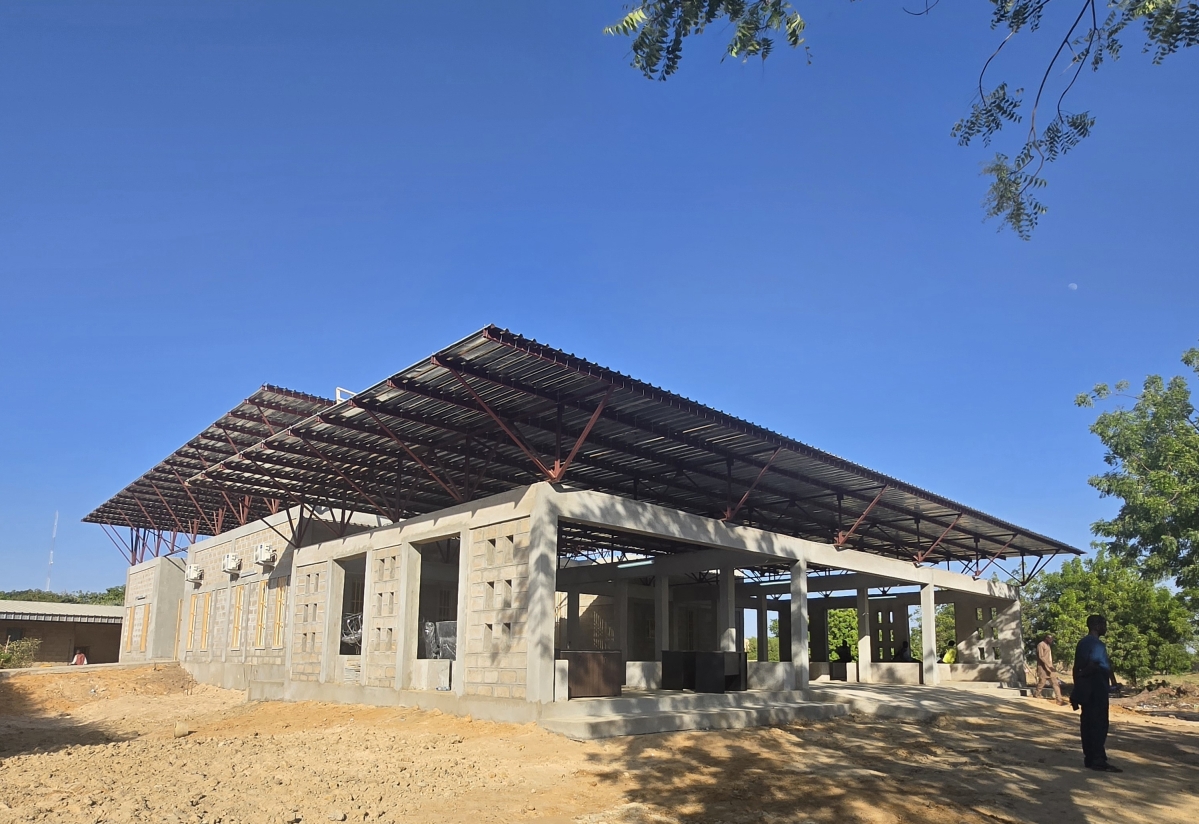
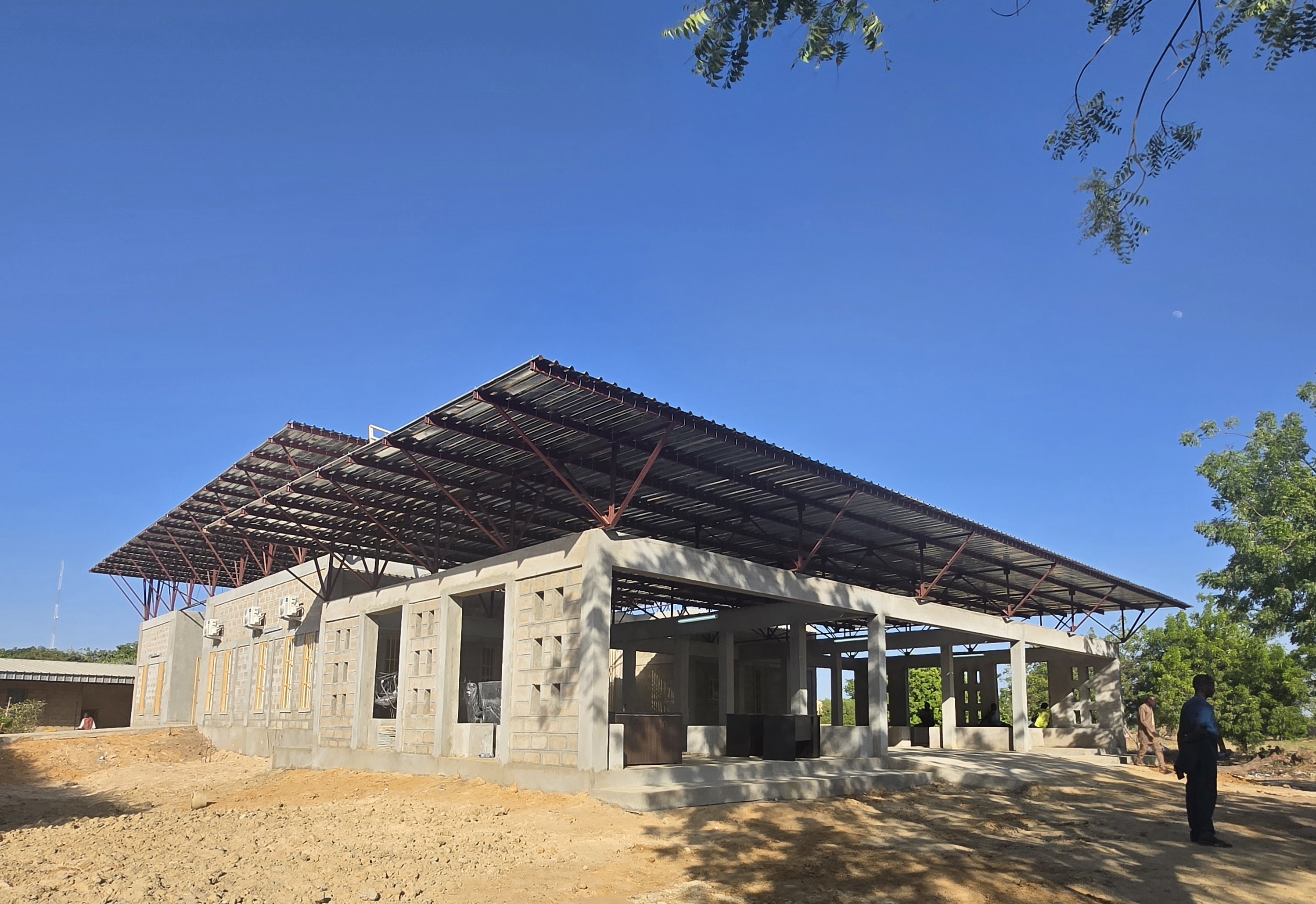
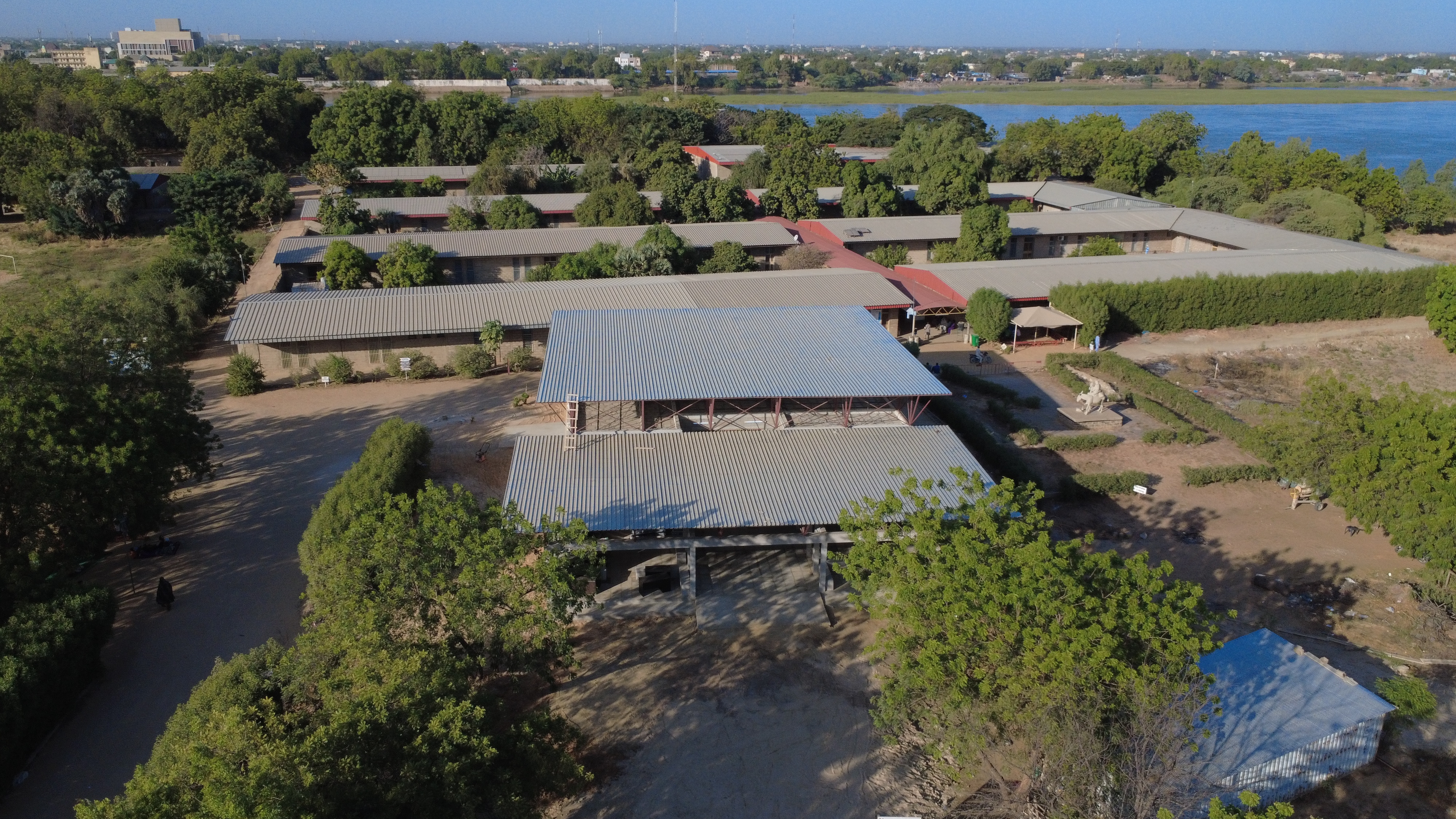
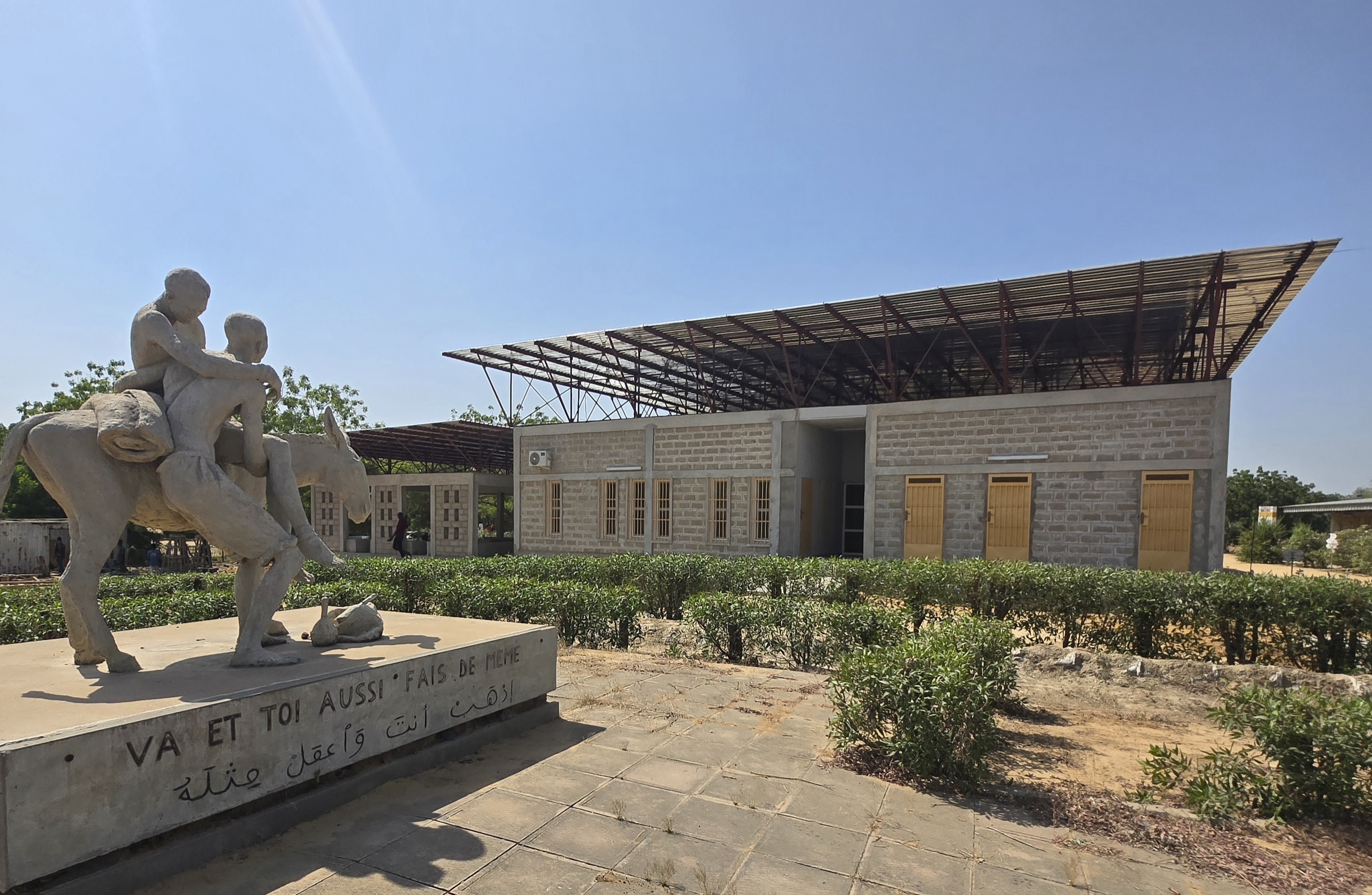
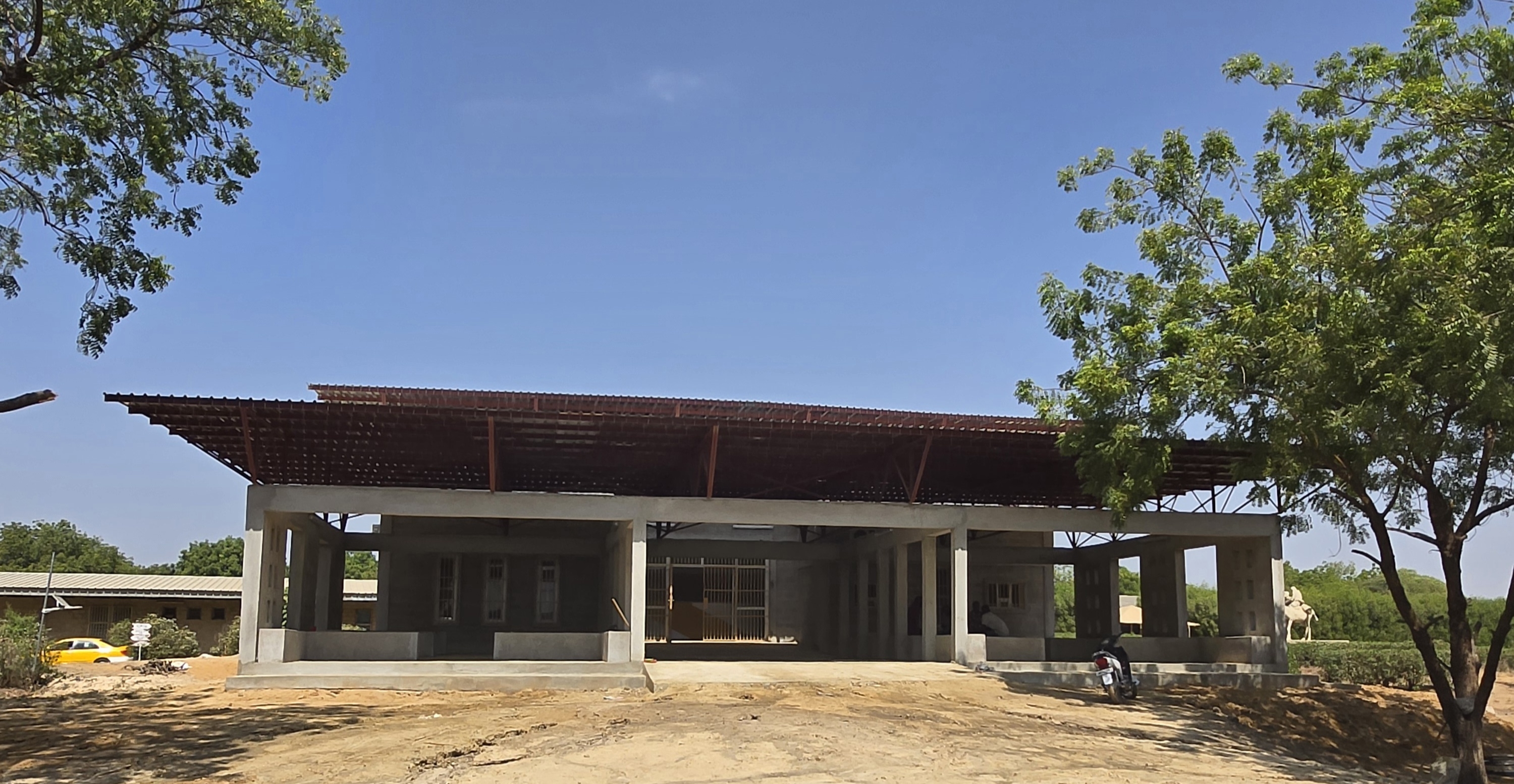
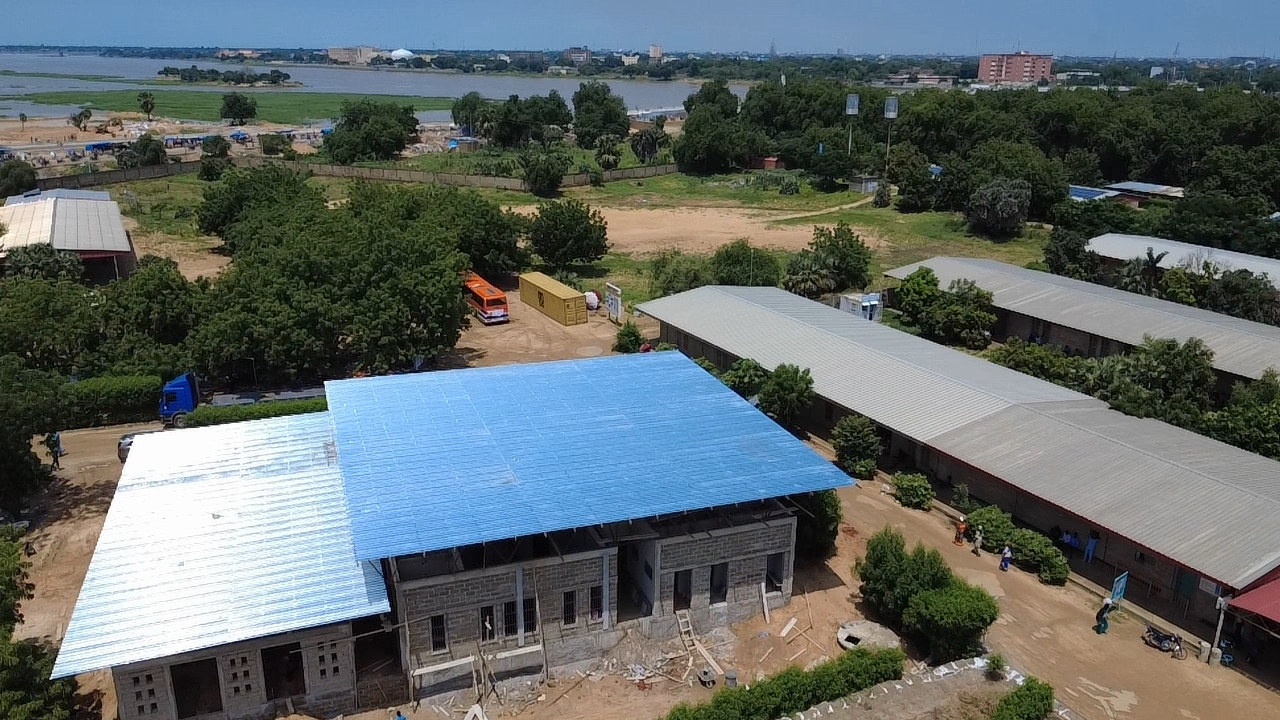
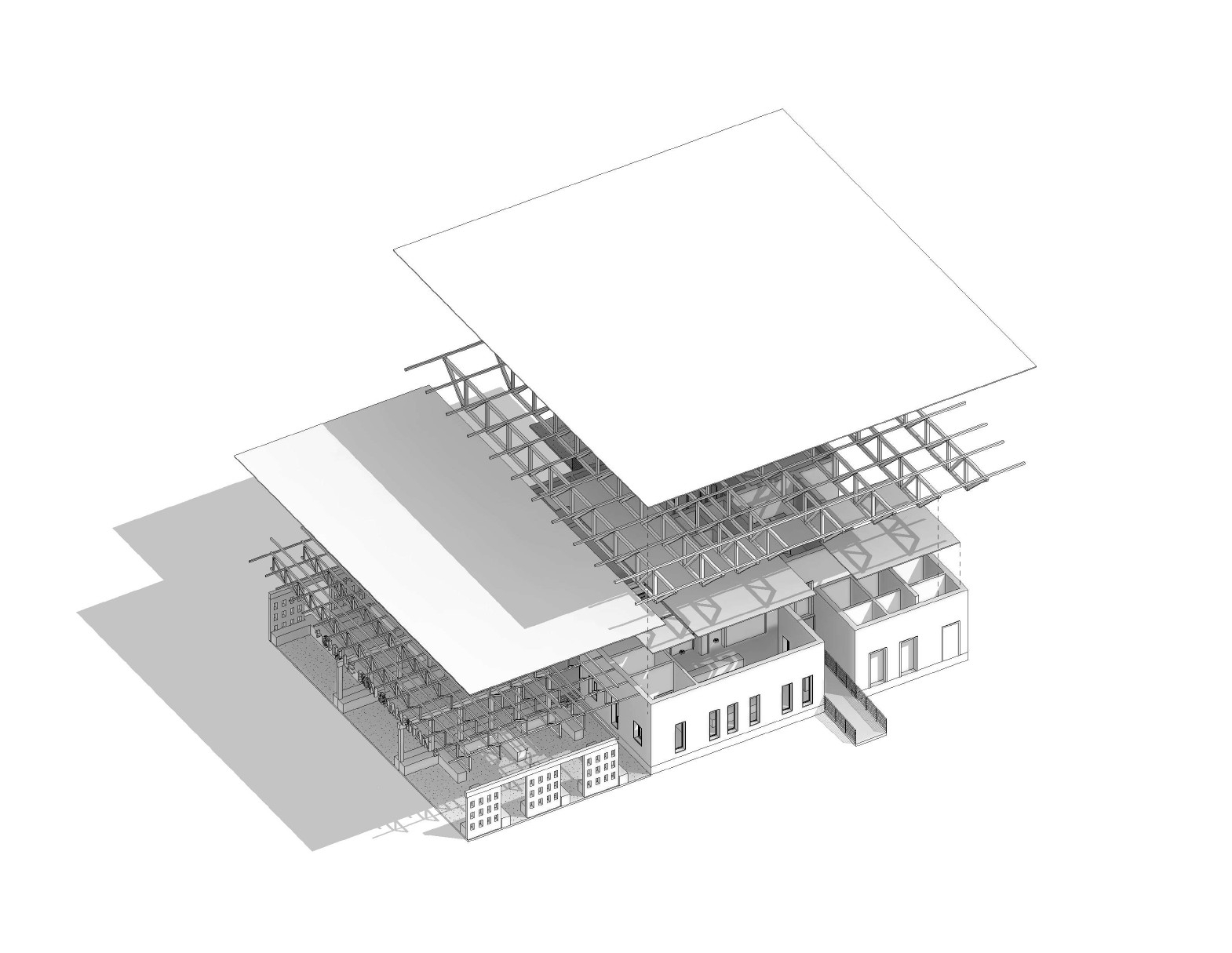
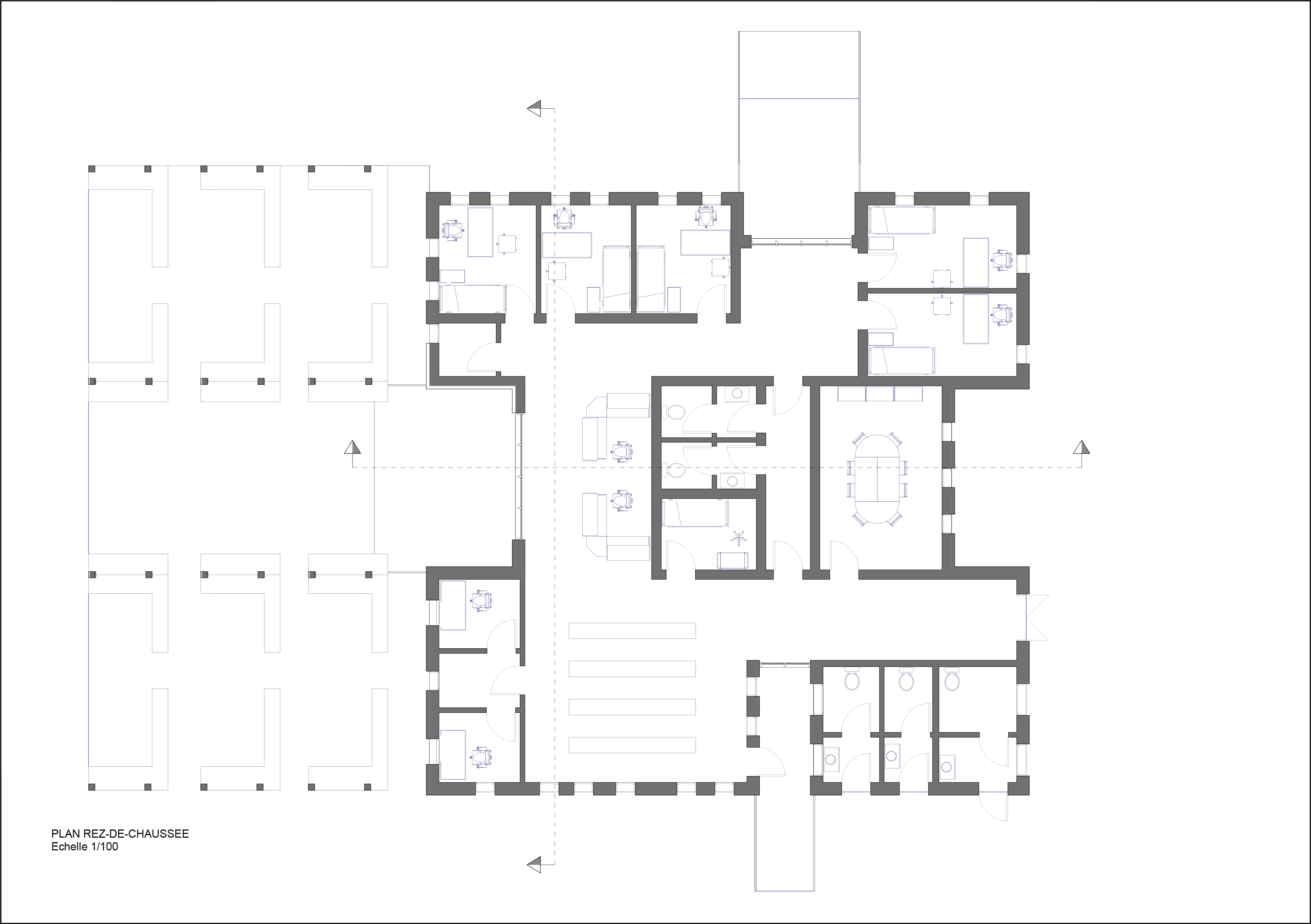
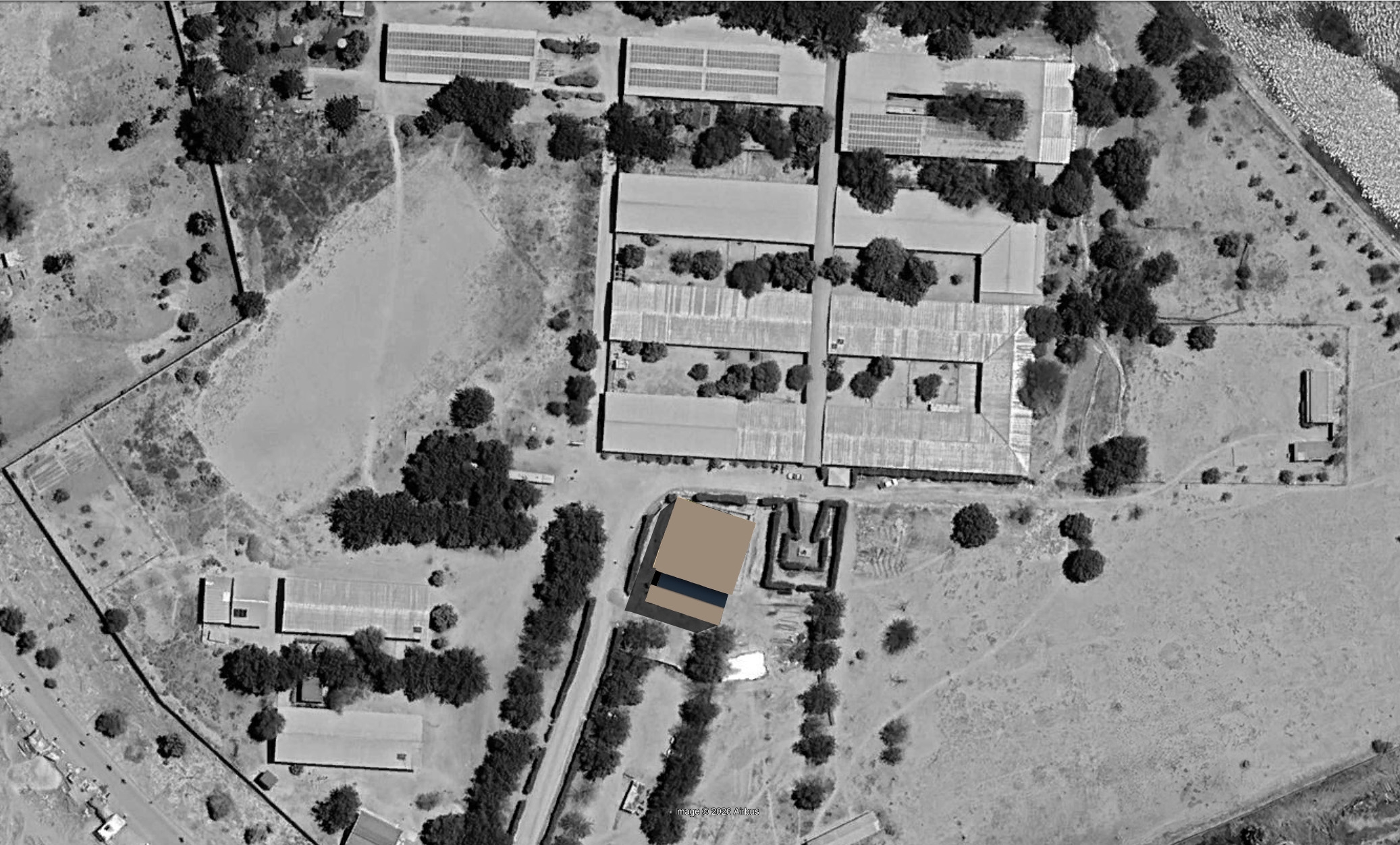
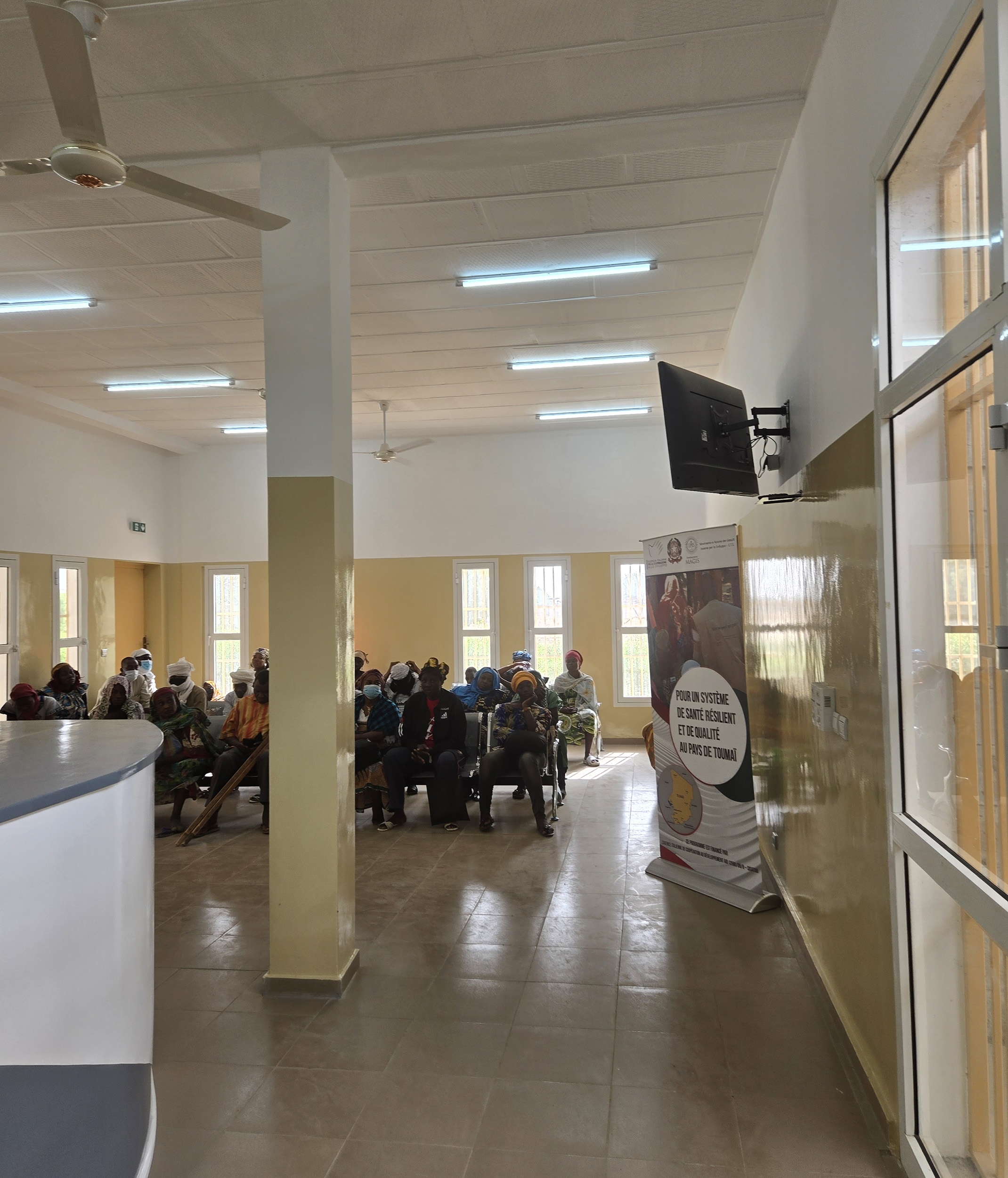
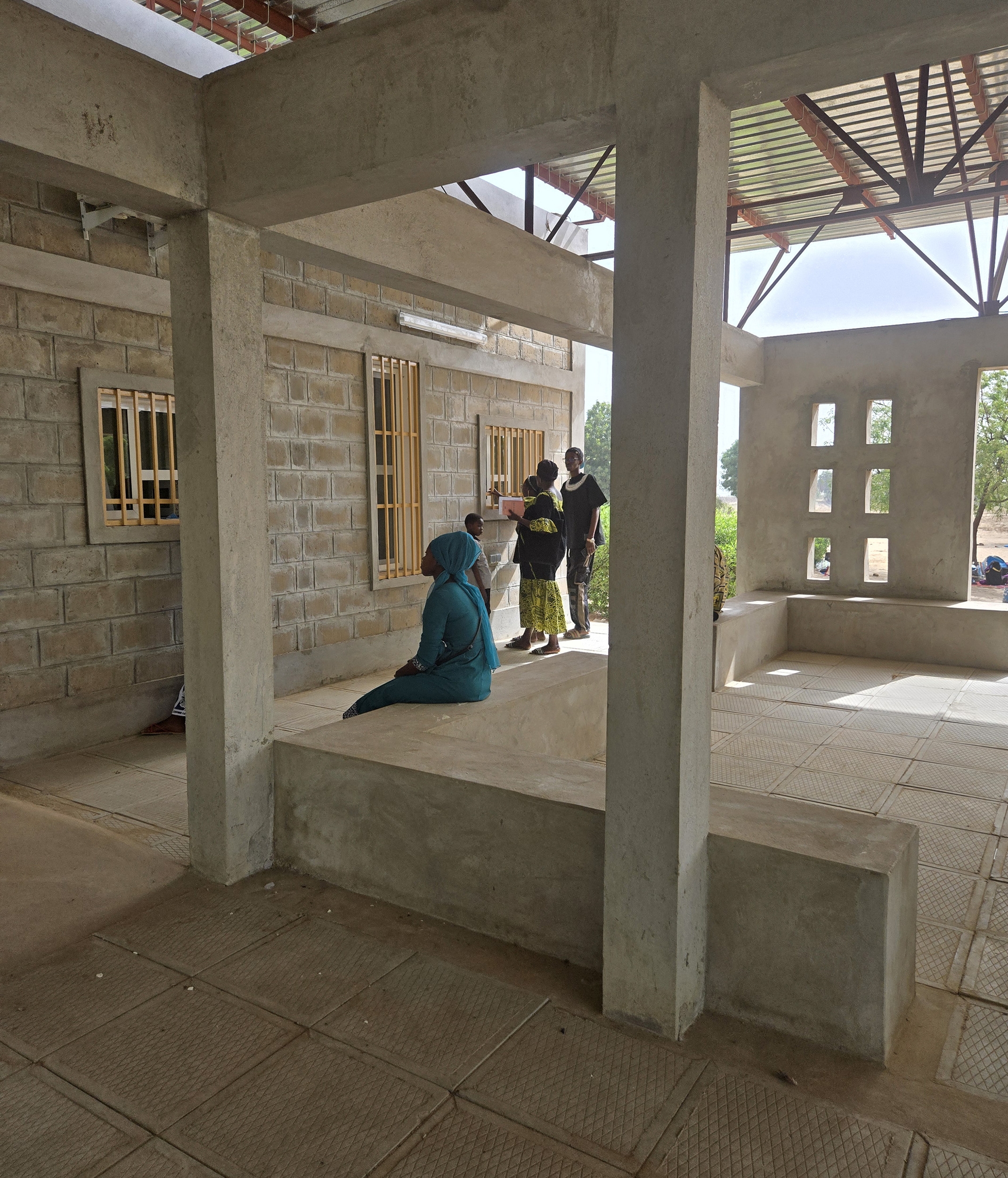
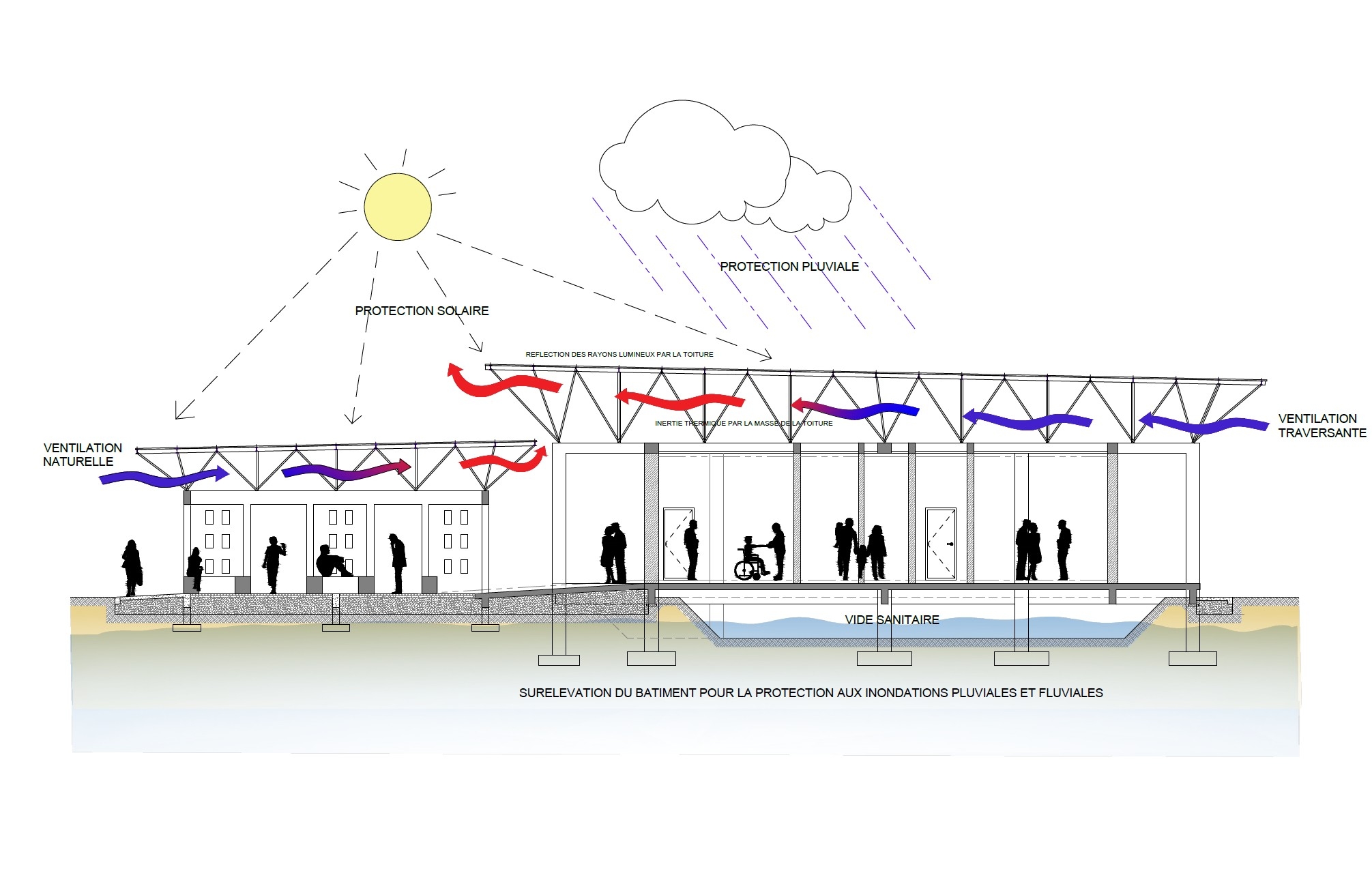
The extension of the Le Bon Samaritain University Hospital, located in the Walia district of N'Djamena, is an innovative architectural response to Chad's health and climate challenges. This new facility optimizes patient care thanks to a large triage room, private consultation spaces, and a shaded outdoor plaza, respecting local family dynamics in supporting patients. Designed according to bioclimatic principles, the building prioritizes local materials and the regional economy. Its key feature is a large overhanging roof that unifies the spaces, protects against the elements, and generates passive natural ventilation. Air circulates beneath a concrete ceiling whose interior surface, painted in reflective white, maximizes natural light. Faced with flooding exacerbated by climate change, the project incorporates proactive resilience. Raised 1.5 meters and equipped with a moisture-resistant crawl space, the building remains accessible and operational during floods thanks to multiple entrances. Finally, this project trained local craftsmen, perpetuating new construction techniques in the community.
The extension of the Le Bon Samaritain University Hospital, located in the Walia district of N'Djamena, is an innovative architectural response to Chad's health and climate challenges. This new facility optimizes patient care thanks to a large triage room, private consultation spaces, and a shaded outdoor plaza, respecting local family dynamics in supporting patients. Designed according to bioclimatic principles, the building prioritizes local materials and the regional economy. Its key feature is a large overhanging roof that unifies the spaces, protects against the elements, and generates passive natural ventilation. Air circulates beneath a concrete ceiling whose interior surface, painted in reflective white, maximizes natural light. Faced with flooding exacerbated by climate change, the project incorporates proactive resilience. Raised 1.5 meters and equipped with a moisture-resistant crawl space, the building remains accessible and operational during floods thanks to multiple entrances. Finally, this project trained local craftsmen, perpetuating new construction techniques in the community.
Project Innovation / Specification:
The major innovation of the Le Bon Samaritain University Hospital lies in its fusion of bioclimatic architecture, environmental resilience, and social impact. Faced with extreme heat, the project employs an ingenious passive strategy. A large overhanging roof acts as a thermal shield. The innovation lies in the ventilated space between this roof and the concrete ceiling: it creates a natural thermal draft that expels hot air. The interior surface of the ceiling, coated with reflective white paint, maximizes natural light, thus reducing the building's energy dependence. In Walia, an area vulnerable to flooding exacerbated by climate change, the building acts as a flood-proof refuge. Elevated 1.5 meters above the highest water levels and insulated by a crawl space that blocks moisture, it incorporates multidirectional access. This design ensures the vital continuity of care, making the hospital accessible and functional even when surrounded by water. Innovation is also human: the project directly trained local artisans in these resilient construction techniques, permanently anchoring this expertise in Chad.
The major innovation of the Le Bon Samaritain University Hospital lies in its fusion of bioclimatic architecture, environmental resilience, and social impact. Faced with extreme heat, the project employs an ingenious passive strategy. A large overhanging roof acts as a thermal shield. The innovation lies in the ventilated space between this roof and the concrete ceiling: it creates a natural thermal draft that expels hot air. The interior surface of the ceiling, coated with reflective white paint, maximizes natural light, thus reducing the building's energy dependence. In Walia, an area vulnerable to flooding exacerbated by climate change, the building acts as a flood-proof refuge. Elevated 1.5 meters above the highest water levels and insulated by a crawl space that blocks moisture, it incorporates multidirectional access. This design ensures the vital continuity of care, making the hospital accessible and functional even when surrounded by water. Innovation is also human: the project directly trained local artisans in these resilient construction techniques, permanently anchoring this expertise in Chad.
Project Sustainability Approach:
The project leverages nature to reduce its footprint. The immense overhanging roof acts as a parasol, limiting the overheating of the facades. The ventilated space between this roof and the concrete ceiling passively cools the air. Furthermore, the reflective white paint on the ceiling effectively diffuses daylight, significantly minimizing the need for artificial lighting. Resilient in the face of climate change, the Walia district, increasingly prone to flooding, requires adaptation to ensure sustainability. Elevated by 1.5 meters, the hospital becomes a refuge. Its crawl space blocks moisture and rising damp, while its multiple access points guarantee the vital continuity of medical care, even when the site is flooded. The approach is also designed to be human-centered and sustainable. By promoting local construction systems and training local artisans on-site in these new techniques, the project ensures a direct transfer of skills. This facilitates the future maintenance of the building while fostering local self-sufficiency and the local economy.
The project leverages nature to reduce its footprint. The immense overhanging roof acts as a parasol, limiting the overheating of the facades. The ventilated space between this roof and the concrete ceiling passively cools the air. Furthermore, the reflective white paint on the ceiling effectively diffuses daylight, significantly minimizing the need for artificial lighting. Resilient in the face of climate change, the Walia district, increasingly prone to flooding, requires adaptation to ensure sustainability. Elevated by 1.5 meters, the hospital becomes a refuge. Its crawl space blocks moisture and rising damp, while its multiple access points guarantee the vital continuity of medical care, even when the site is flooded. The approach is also designed to be human-centered and sustainable. By promoting local construction systems and training local artisans on-site in these new techniques, the project ensures a direct transfer of skills. This facilitates the future maintenance of the building while fostering local self-sufficiency and the local economy.
Local and Regional Impacts of the Project:
The impact of the Le Bon Samaritain University Hospital extends far beyond Walia, transforming access to healthcare for the entire outskirts of N'Djamena. Its spacious triage areas and outdoor plaza, designed for accompanying families, respect local customs while relieving pressure on other medical centers in the capital. Faced with regional flooding, this hospital, elevated 1.5 meters above ground level, acts as a vital crisis infrastructure. Its multiple access points ensure the continuity of care on a large scale, even during extreme floods. By training local artisans in bioclimatic techniques, the project creates expertise that can be replicated throughout Chad, sustainably boosting regional employment.
The impact of the Le Bon Samaritain University Hospital extends far beyond Walia, transforming access to healthcare for the entire outskirts of N'Djamena. Its spacious triage areas and outdoor plaza, designed for accompanying families, respect local customs while relieving pressure on other medical centers in the capital. Faced with regional flooding, this hospital, elevated 1.5 meters above ground level, acts as a vital crisis infrastructure. Its multiple access points ensure the continuity of care on a large scale, even during extreme floods. By training local artisans in bioclimatic techniques, the project creates expertise that can be replicated throughout Chad, sustainably boosting regional employment.
Profile Description:
Afrostudio is a professional structure created in 2015 founded by architect Mbogo that works for the integration of contemporary architecture in the historical, traditional, and cultural context of sub-Saharan Africa and more specifically in Chad, all while respecting the environment. The challenge is all the greater if we consider the urban realities and lack of infrastructure that characterize this part of the world. In an innovative architectural approach that considers all aspects of the project we seek to create sustainable built spaces that reflect our ambition as an African urban space.
Afrostudio is a professional structure created in 2015 founded by architect Mbogo that works for the integration of contemporary architecture in the historical, traditional, and cultural context of sub-Saharan Africa and more specifically in Chad, all while respecting the environment. The challenge is all the greater if we consider the urban realities and lack of infrastructure that characterize this part of the world. In an innovative architectural approach that considers all aspects of the project we seek to create sustainable built spaces that reflect our ambition as an African urban space.