Optimizing thermal comfort: analysis of the combination of compressed earth brick and coconut fiber
Prize(s):
Honorable Mention 2026 ARCHITECTURE / Sustainable & Energy Saving Building
School / University Name:Africa Design School
Lead Designer(s) Name(s):Aubine Dayato
Design Team / Other designer(s):Aubine Dayato
Professor Name(s):Mr. Djimey Ahmed Sangare - Architect ; Mr. Noukpo Houndeffo - Architect ; Mr. Rodrigue Akpovi - Doct
Project Location:Bénin - Arrondissement d'Abomey Calavi quartier Somè
Design Status:Prototype
Project Description:
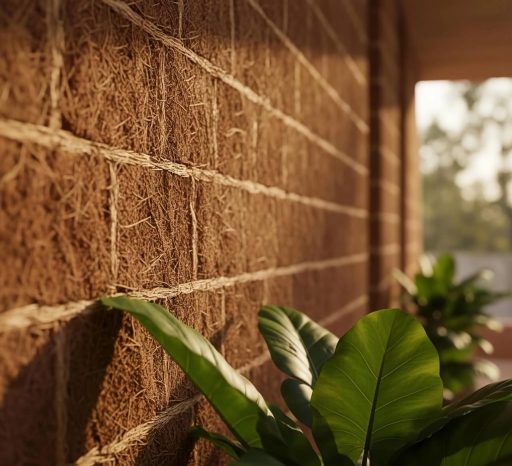
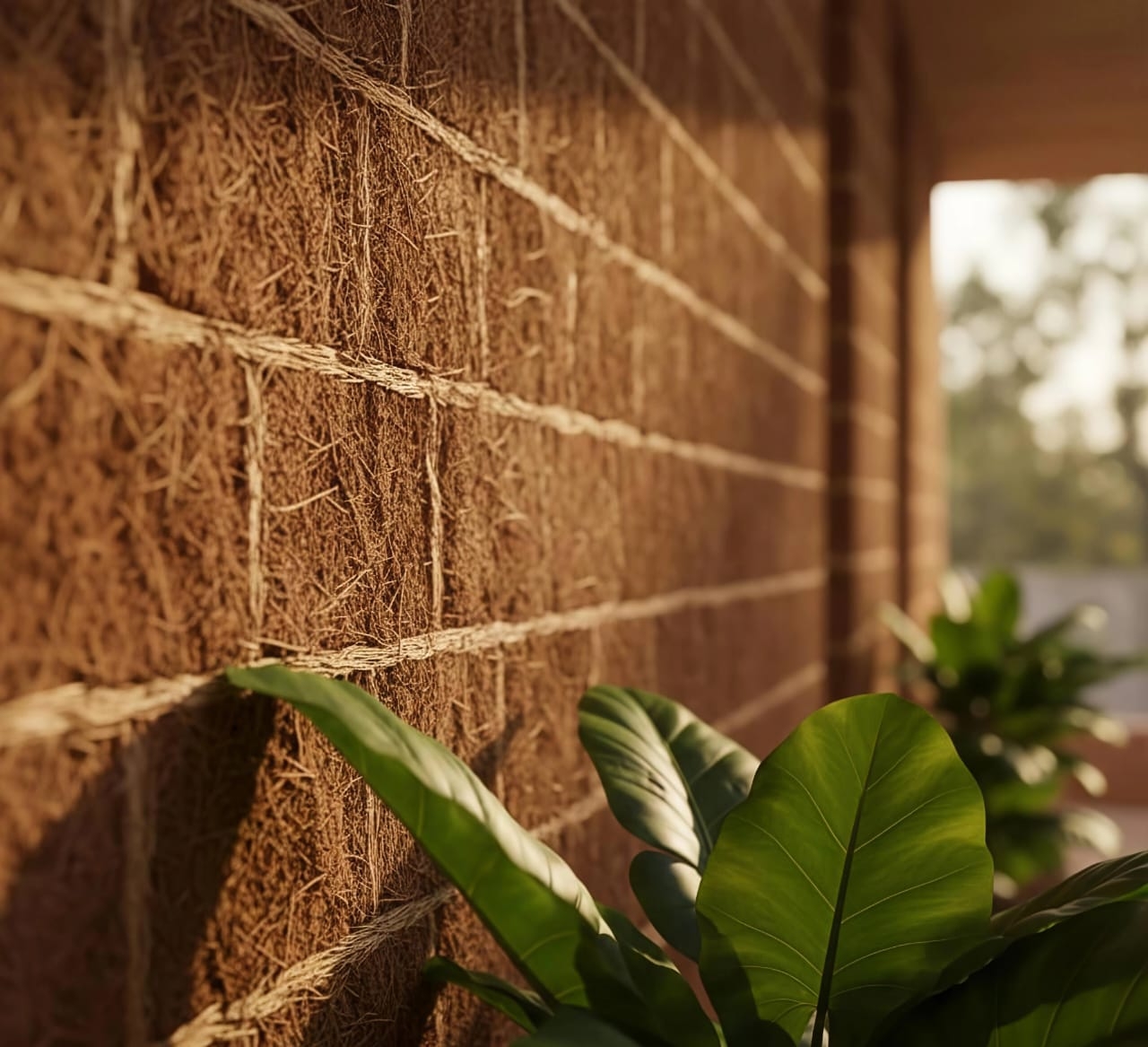
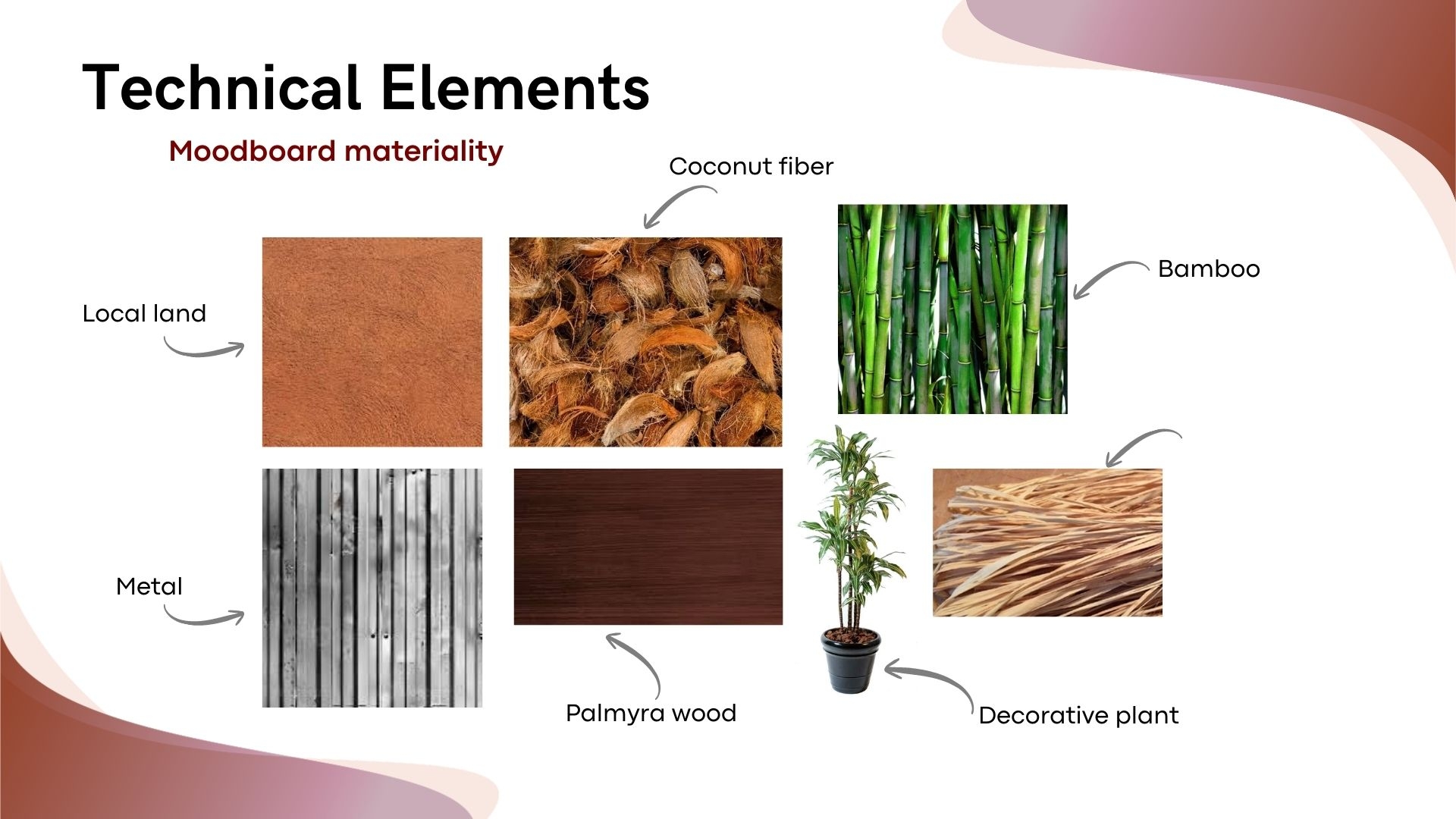
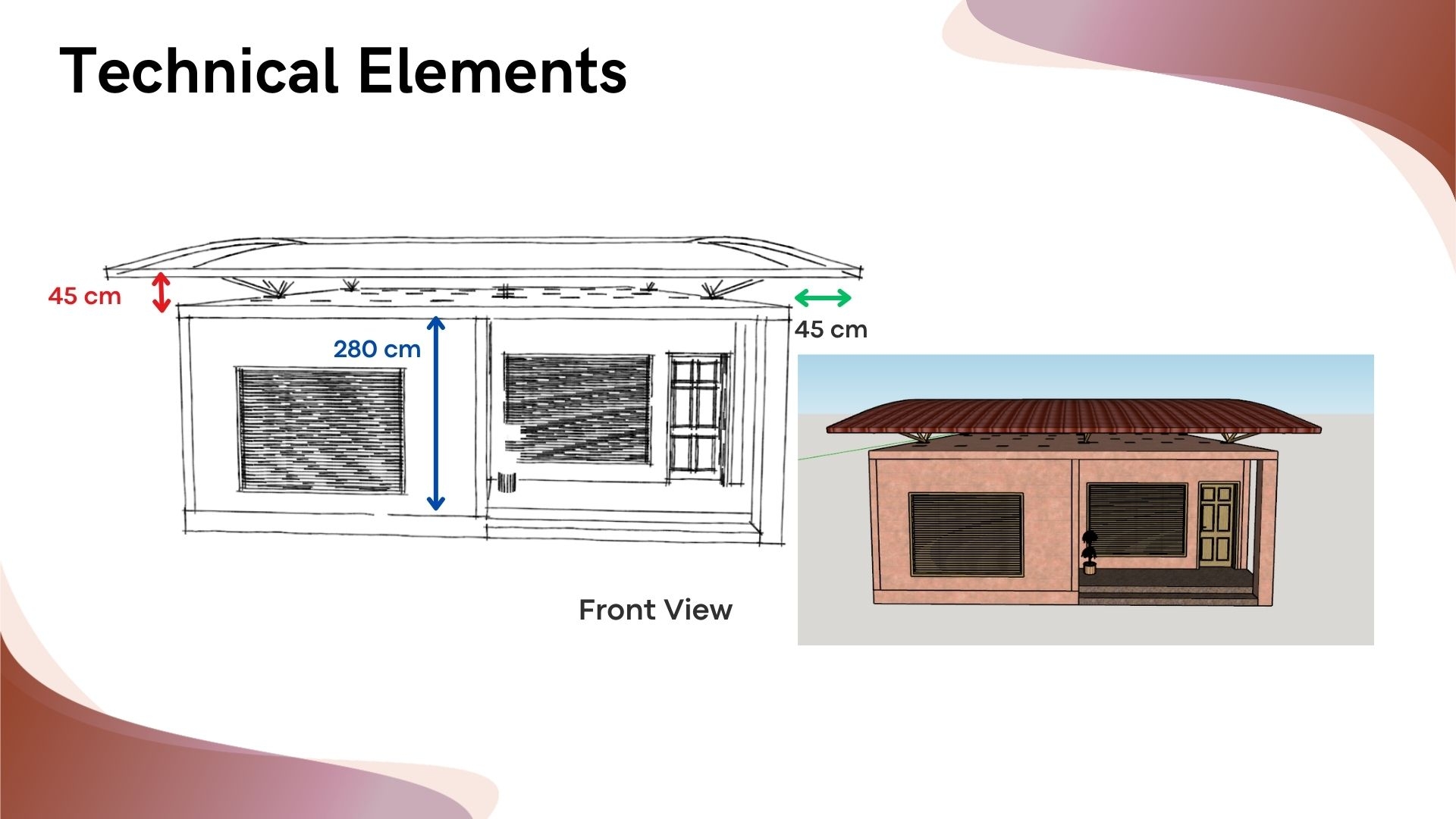
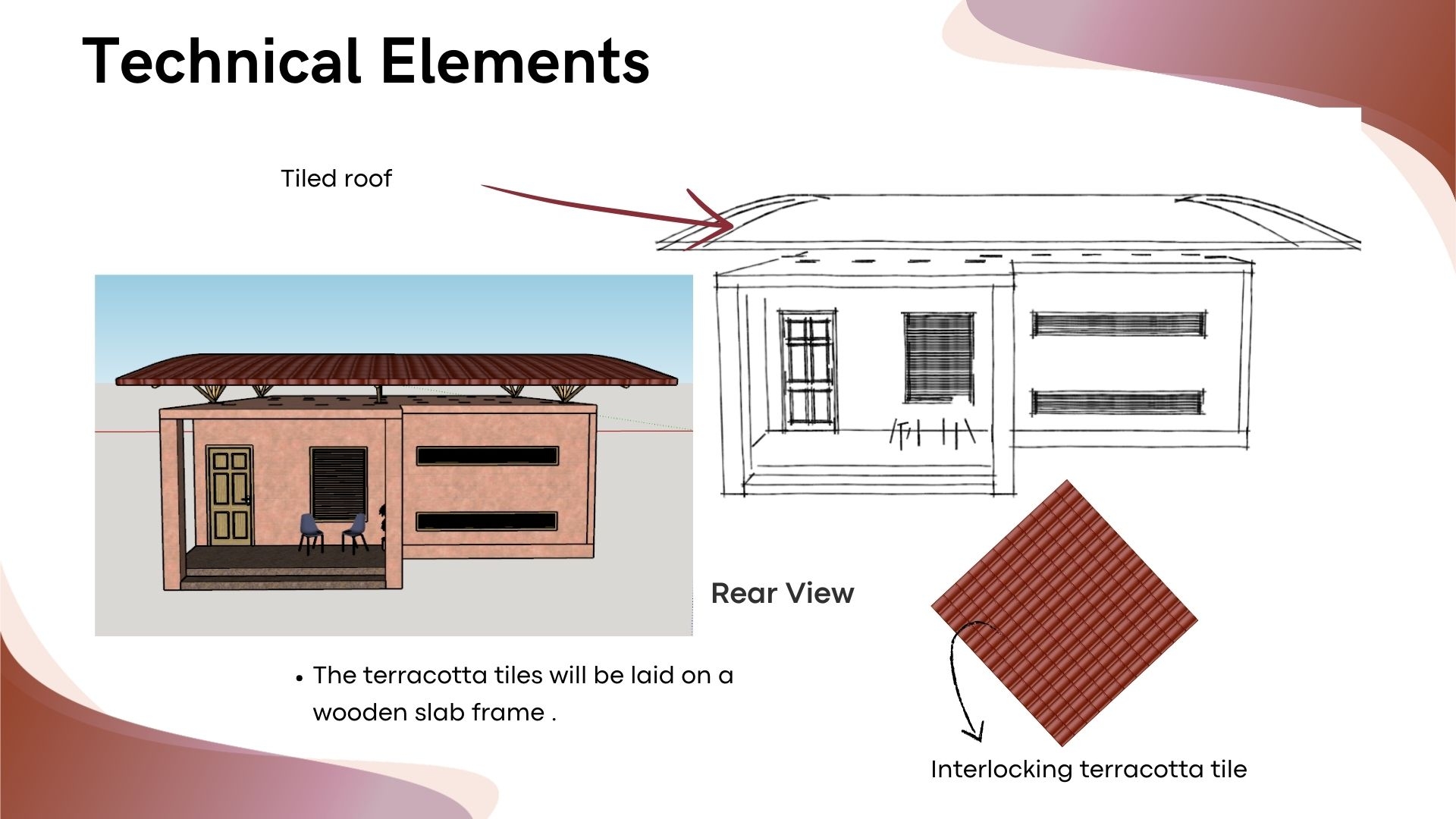
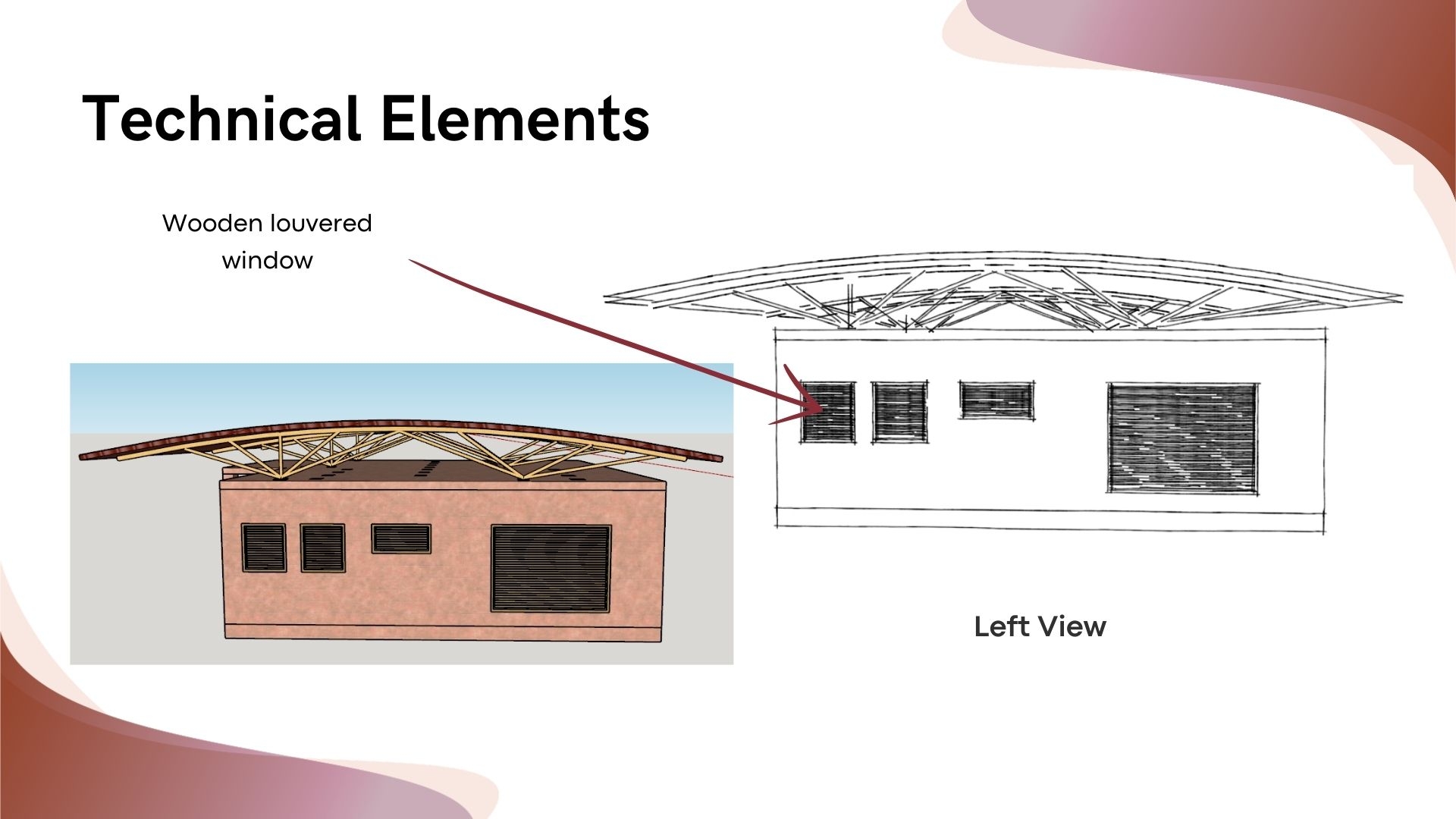
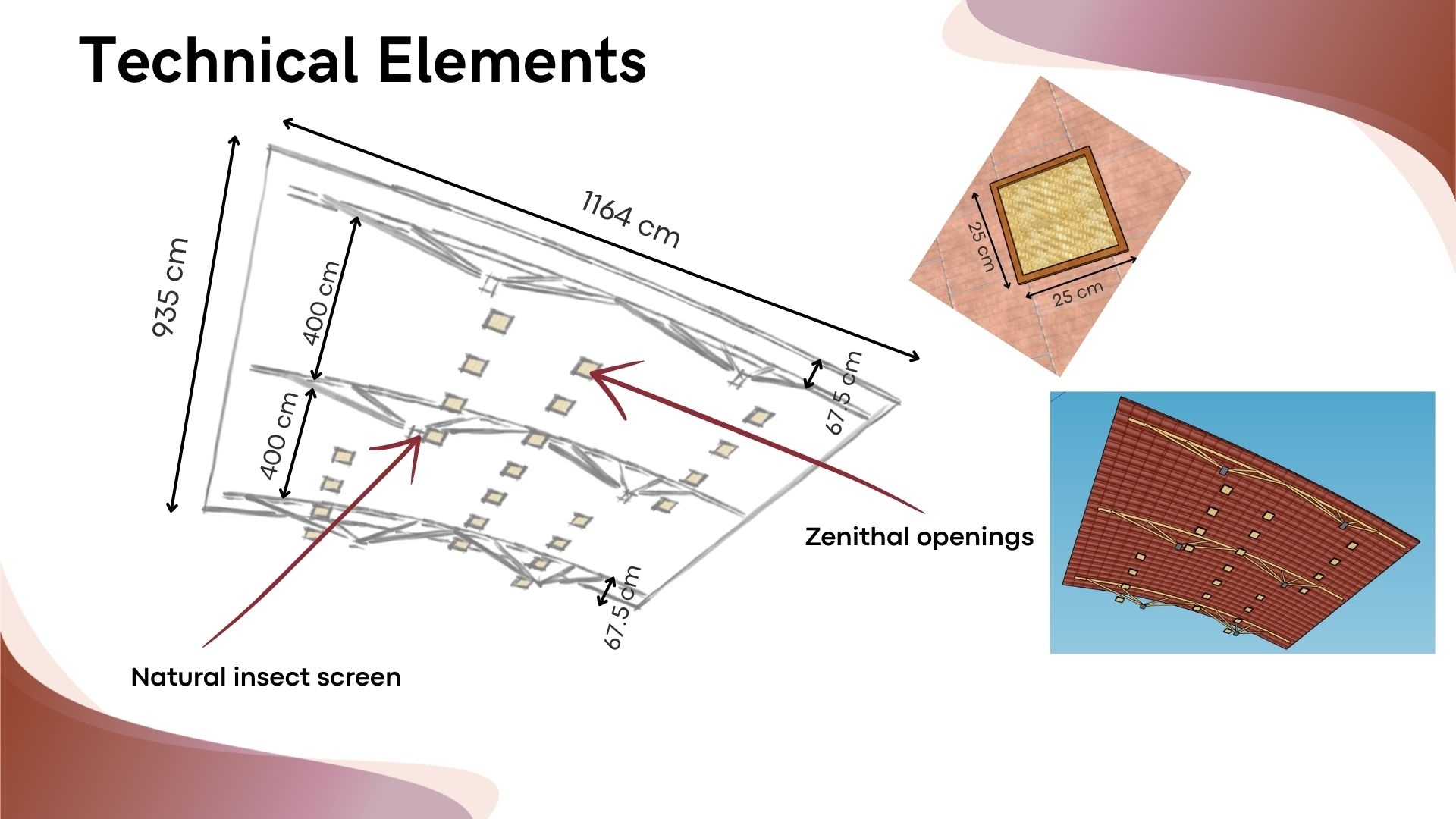
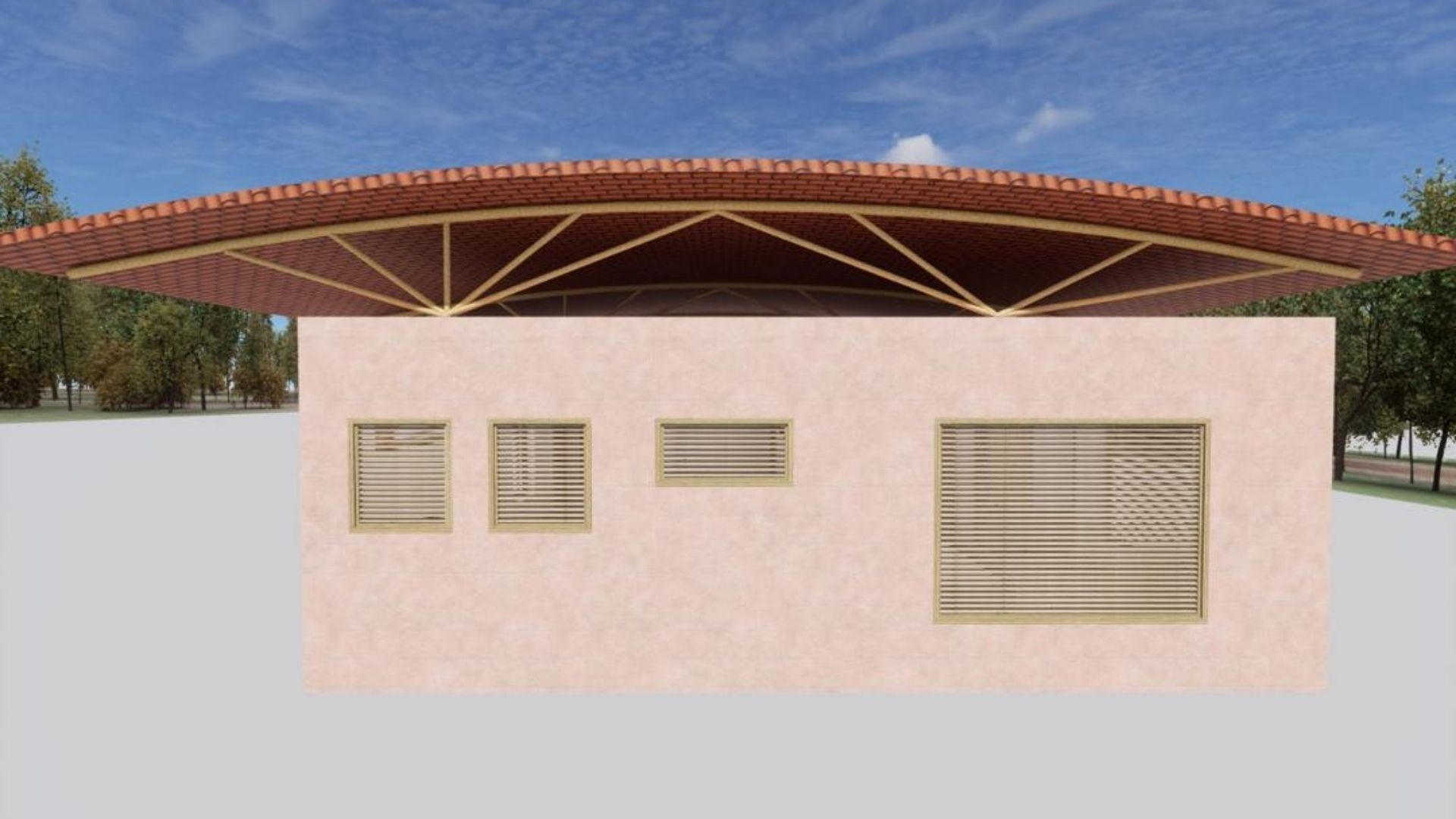
The AÏNANFA project aims to design a building using local bio-based materials for effective thermal regulation. In a world dominated by concrete blocks and all-concrete construction, it is becoming vital to address the numerous ecological, economic, and thermoregulation challenges by returning to the materials once used by our ancestors. Indeed, buildings constructed with cement blocks or concrete have a significant environmental impact. In our cities, climate change and intensive urbanization are causing temperatures inside our buildings to rise. To combat this, we resort to air conditioning indiscriminately, which leads to excessive energy consumption and consequently increases electricity bills and negative impacts on our environment. Based on studies conducted on local materials, AÏNANFA proposes an alternative that combines environmental and long-term economic benefits with the revitalization of local heritage. This involves building using compressed earth blocks (CEBs), coconut fiber, and bamboo—available, environmentally sound, and currently marginalized materials.
The AÏNANFA project aims to design a building using local bio-based materials for effective thermal regulation. In a world dominated by concrete blocks and all-concrete construction, it is becoming vital to address the numerous ecological, economic, and thermoregulation challenges by returning to the materials once used by our ancestors. Indeed, buildings constructed with cement blocks or concrete have a significant environmental impact. In our cities, climate change and intensive urbanization are causing temperatures inside our buildings to rise. To combat this, we resort to air conditioning indiscriminately, which leads to excessive energy consumption and consequently increases electricity bills and negative impacts on our environment. Based on studies conducted on local materials, AÏNANFA proposes an alternative that combines environmental and long-term economic benefits with the revitalization of local heritage. This involves building using compressed earth blocks (CEBs), coconut fiber, and bamboo—available, environmentally sound, and currently marginalized materials.
Project Innovation / Specification:
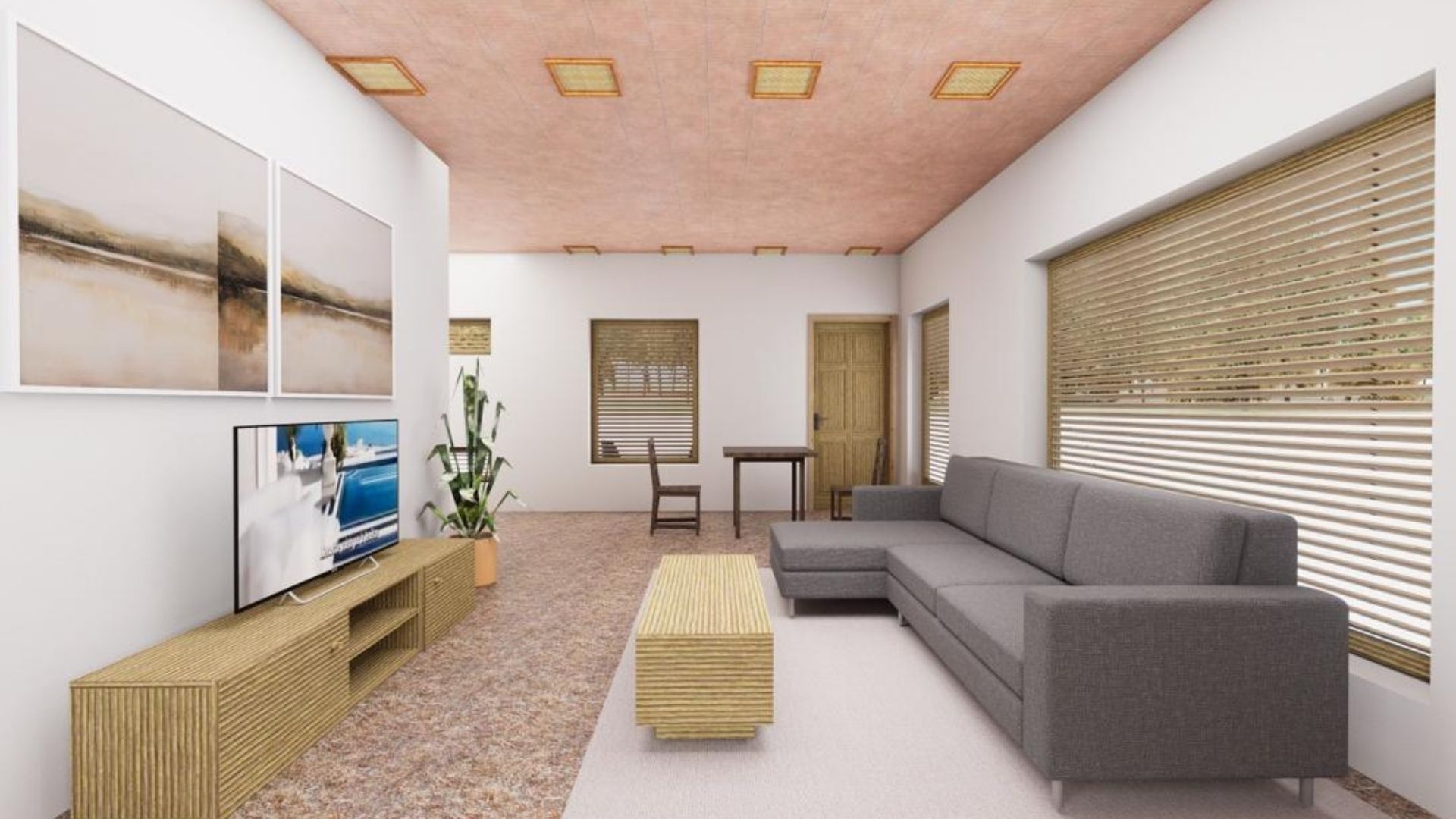
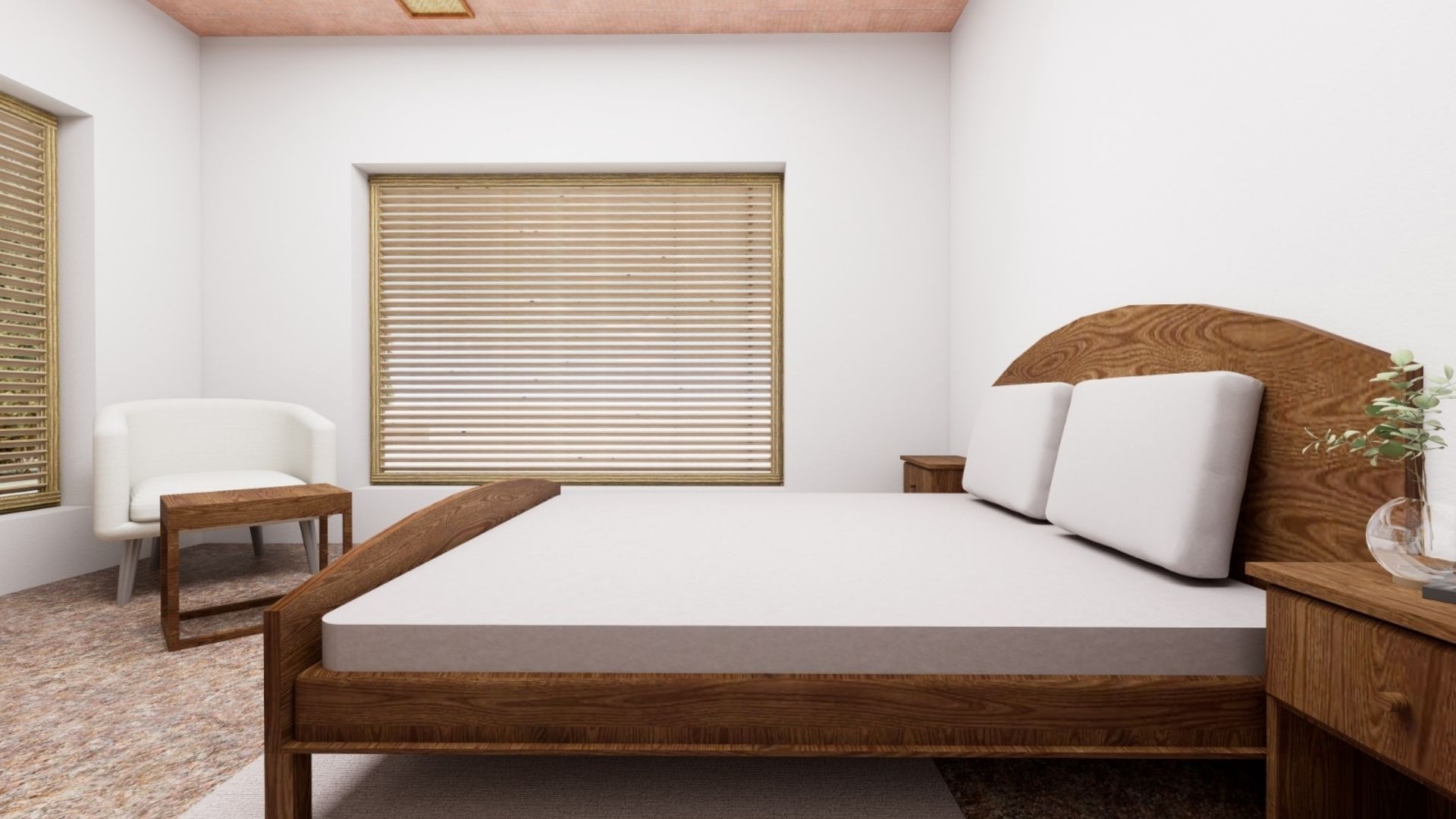
Using local materials instead of concrete blocks to improve the well-being of residents while limiting environmental and economic impact. These materials are readily available, were once used in our villages and rural areas, and are now considered "poor man's" materials. Consequently, they are marginalized and rarely used in construction today. Several studies have highlighted the intrinsic, structural, and aesthetic properties of compressed earth blocks (CEBs), coconut fiber, and bamboo. AÏNANFA innovates by combining these three bio-based materials in perfect symbiosis to create a pleasant and aesthetically pleasing living environment that reflects Benin's cultural identity. By designing a building in this way, AÏNANFA offers an alternative to traditional urban construction. This alternative provides the essential comfort for daily life while reducing environmental impact and long-term financial costs.
Using local materials instead of concrete blocks to improve the well-being of residents while limiting environmental and economic impact. These materials are readily available, were once used in our villages and rural areas, and are now considered "poor man's" materials. Consequently, they are marginalized and rarely used in construction today. Several studies have highlighted the intrinsic, structural, and aesthetic properties of compressed earth blocks (CEBs), coconut fiber, and bamboo. AÏNANFA innovates by combining these three bio-based materials in perfect symbiosis to create a pleasant and aesthetically pleasing living environment that reflects Benin's cultural identity. By designing a building in this way, AÏNANFA offers an alternative to traditional urban construction. This alternative provides the essential comfort for daily life while reducing environmental impact and long-term financial costs.
Project Sustainability Approach:
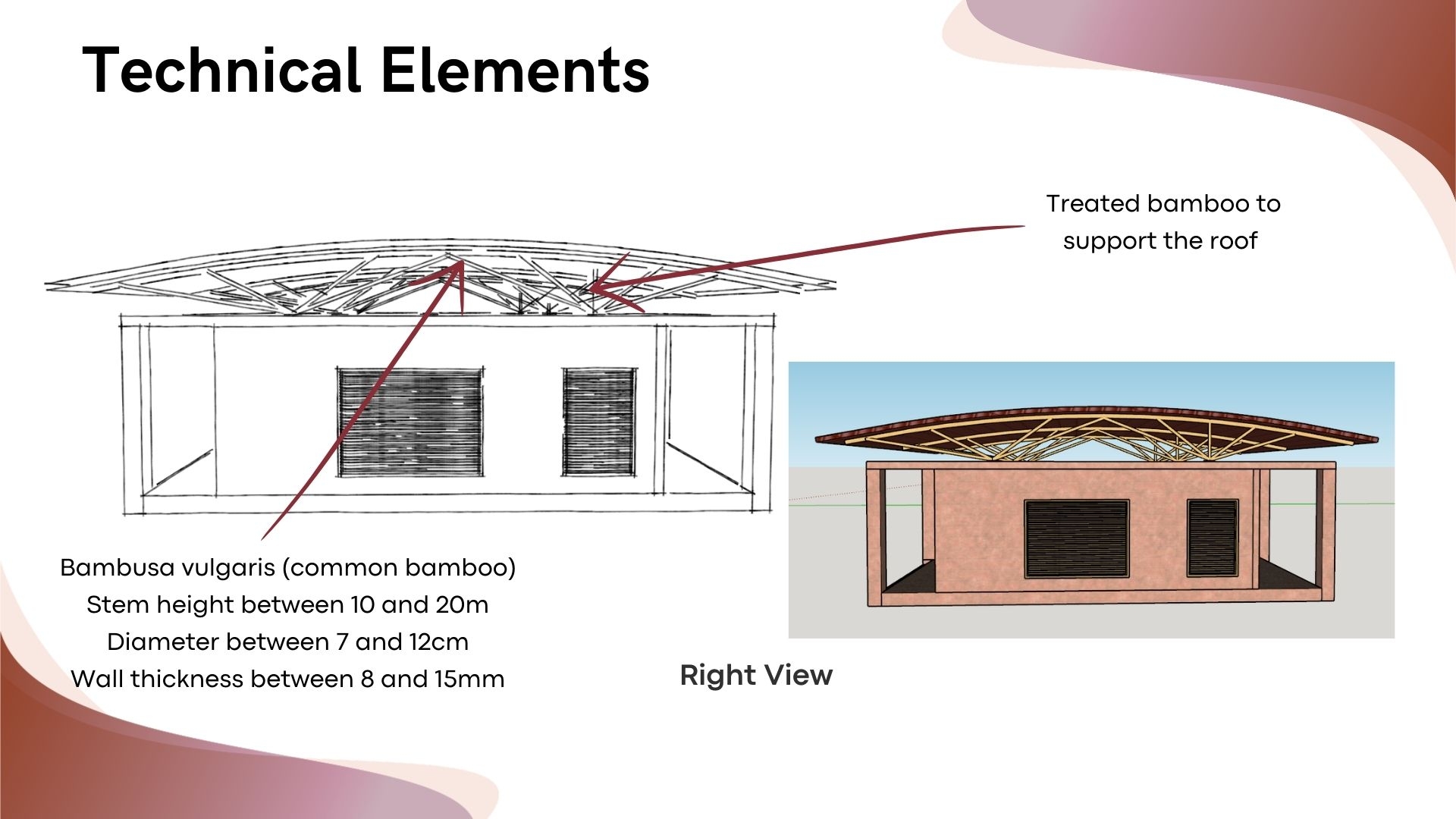
The materials offered are readily available, accessible, and reasonably priced. Compressed earth blocks (CEBs) are just as strong as cement blocks. In Benin's tropical climate, a CEB building can last for decades, even over 100 years. As for coconut fiber, it retains moisture exceptionally well, is stable over time, resistant to decomposition, and free of pathogens. It can be reused multiple times before biodegrading. Finally, bamboo is an exceptional resource. Stronger than many types of wood, it is more resistant to compression than concrete. In tension, its strength is similar to steel. Easy to work with, it is versatile (scaffolding, framing, furniture, flooring, etc.).
The materials offered are readily available, accessible, and reasonably priced. Compressed earth blocks (CEBs) are just as strong as cement blocks. In Benin's tropical climate, a CEB building can last for decades, even over 100 years. As for coconut fiber, it retains moisture exceptionally well, is stable over time, resistant to decomposition, and free of pathogens. It can be reused multiple times before biodegrading. Finally, bamboo is an exceptional resource. Stronger than many types of wood, it is more resistant to compression than concrete. In tension, its strength is similar to steel. Easy to work with, it is versatile (scaffolding, framing, furniture, flooring, etc.).
Local and Regional Impacts of the Project:
These materials are readily available. Using them in construction will create new economic sectors. For example, compressed earth block (CEB) production involves small, local industries that will employ a local workforce. Similarly, building a bamboo frame, as suggested by AÏNANFA, requires large-scale bamboo cultivation, harvesting, and processing for use in construction. Finally, the coconut husk, previously neglected, will be used to extract coconut fibers. This new artisanal sector will, in fact, largely employ local labor.
These materials are readily available. Using them in construction will create new economic sectors. For example, compressed earth block (CEB) production involves small, local industries that will employ a local workforce. Similarly, building a bamboo frame, as suggested by AÏNANFA, requires large-scale bamboo cultivation, harvesting, and processing for use in construction. Finally, the coconut husk, previously neglected, will be used to extract coconut fibers. This new artisanal sector will, in fact, largely employ local labor.

Lead Designer(s) Name(s):Aubine Dayato
Profile Description:
Étudiante passionnée en Design d’Espace, je me spécialise dans l'architecture bioclimatique et l'usage de matériaux bio-sourcés. Mon approche fusionne les principes constructifs traditionnels africains et l'esthétique contemporaine pour concevoir des habitats autonomes, durables et à haute performance thermique.
Étudiante passionnée en Design d’Espace, je me spécialise dans l'architecture bioclimatique et l'usage de matériaux bio-sourcés. Mon approche fusionne les principes constructifs traditionnels africains et l'esthétique contemporaine pour concevoir des habitats autonomes, durables et à haute performance thermique.
Environmental Practices:
La pratique environnementale commence par l'observation. Il s'agit de concevoir des bâtiments qui utilisent les ressources naturelles du site pour minimiser les besoins énergétiques. Cette pratique consiste à privilégier des matériaux à faible empreinte carbone tels que la terre crue, les fibres naturelles (Bambou, coco). Pratiquer l'environnement, c'est aussi savoir ne pas détruire. Pourrconclure, ma pratique environnementale repose sur une architecture de bon sens : elle allie la haute performance des matériaux locaux à une conception bioclimatique rigoureuse, afin d'offrir un confort.
La pratique environnementale commence par l'observation. Il s'agit de concevoir des bâtiments qui utilisent les ressources naturelles du site pour minimiser les besoins énergétiques. Cette pratique consiste à privilégier des matériaux à faible empreinte carbone tels que la terre crue, les fibres naturelles (Bambou, coco). Pratiquer l'environnement, c'est aussi savoir ne pas détruire. Pourrconclure, ma pratique environnementale repose sur une architecture de bon sens : elle allie la haute performance des matériaux locaux à une conception bioclimatique rigoureuse, afin d'offrir un confort.
Previous Awards Won:
Très heureuse d’avoir reçu une lettre de félicitations de la part des AIDA Awards pour mon projet. Voir ma réflexion sur l'architecture tropicale durable ainsi saluée par un jury international est une immense source de motivation pour la suite de mon parcours.
Très heureuse d’avoir reçu une lettre de félicitations de la part des AIDA Awards pour mon projet. Voir ma réflexion sur l'architecture tropicale durable ainsi saluée par un jury international est une immense source de motivation pour la suite de mon parcours.