Temporal Presence
Prize(s):
WINNER 2026 INTERIOR DESIGN / Cultural Building Interior
School / University Name:Greenside Design Center
Lead Designer(s) Name(s):Nicole Brzozowski
Design Team / Other designer(s):Iane Pelser, Thomas Davies, Ansa Wiid, Ditebogo Mthombeni
Professor Name(s):Juliet Kavishe, Carla Saunders, Caitlin Paige
Project Location:Johannesburg, South Africa
Design Status:Concept
Video URL:View
Project Description:
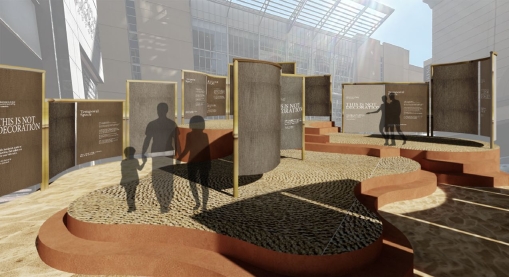
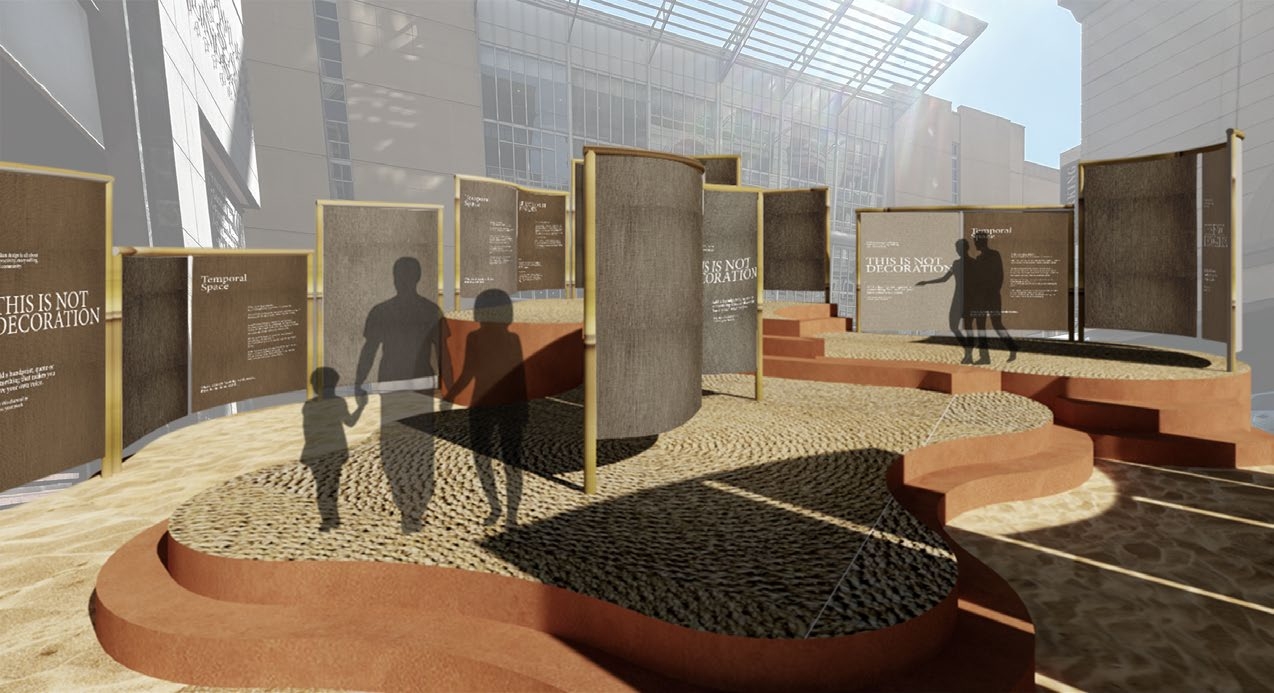
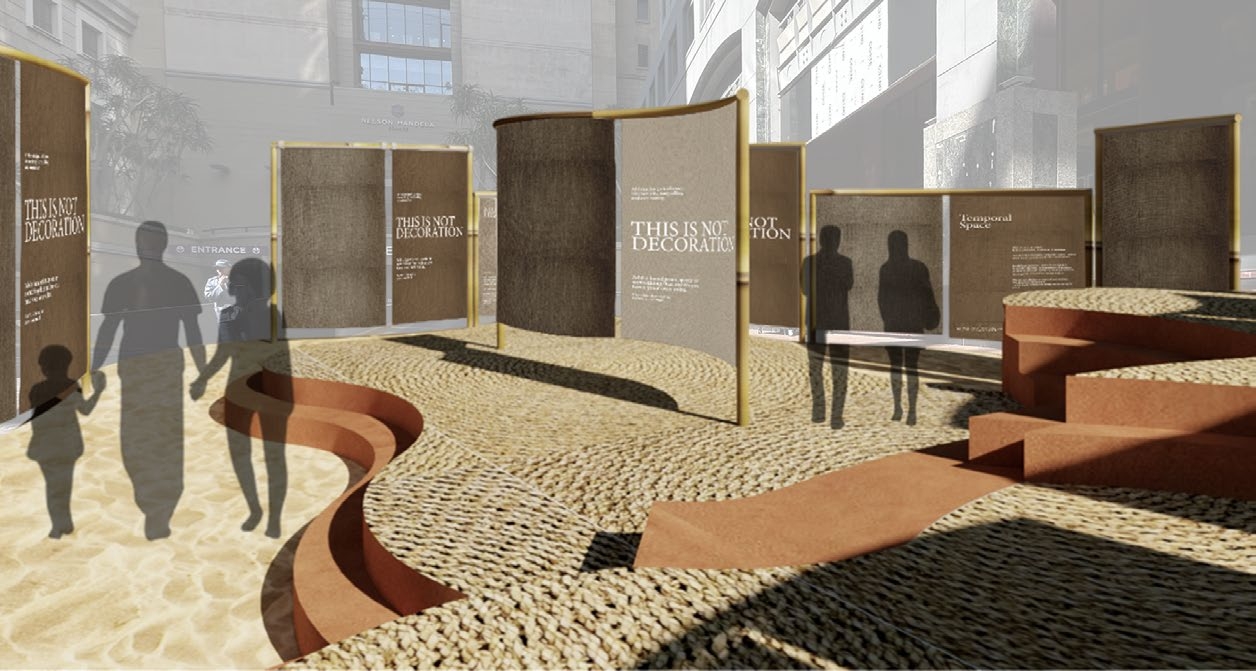
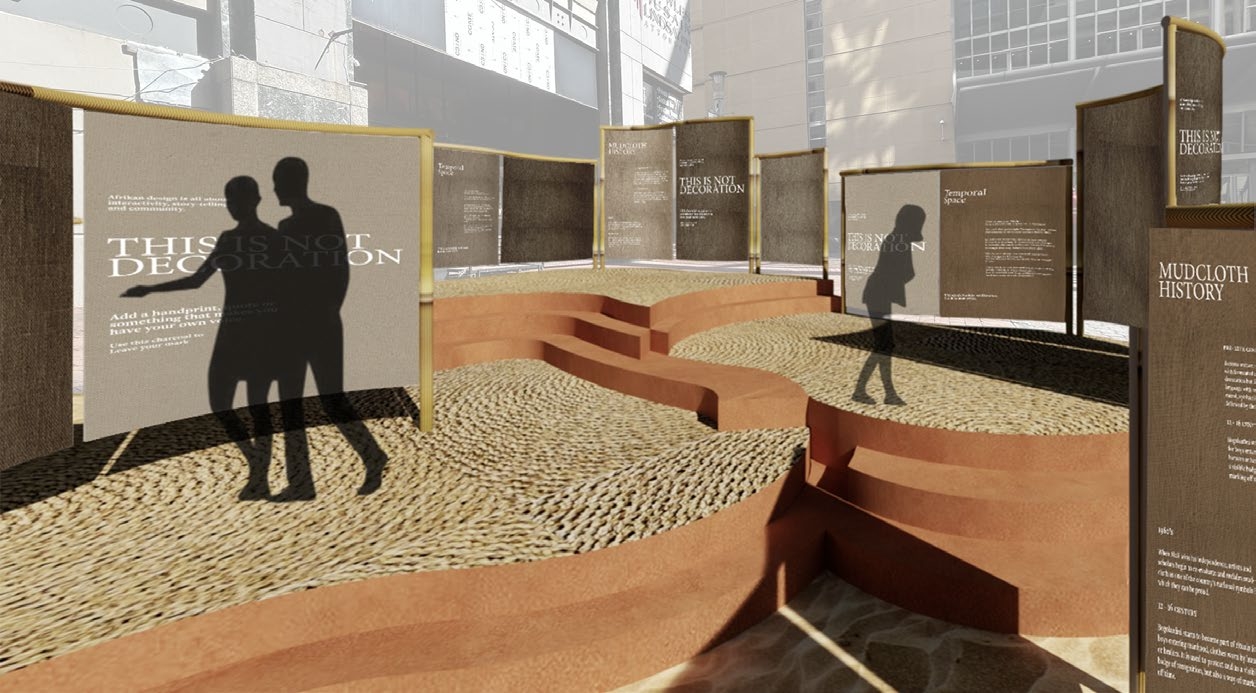
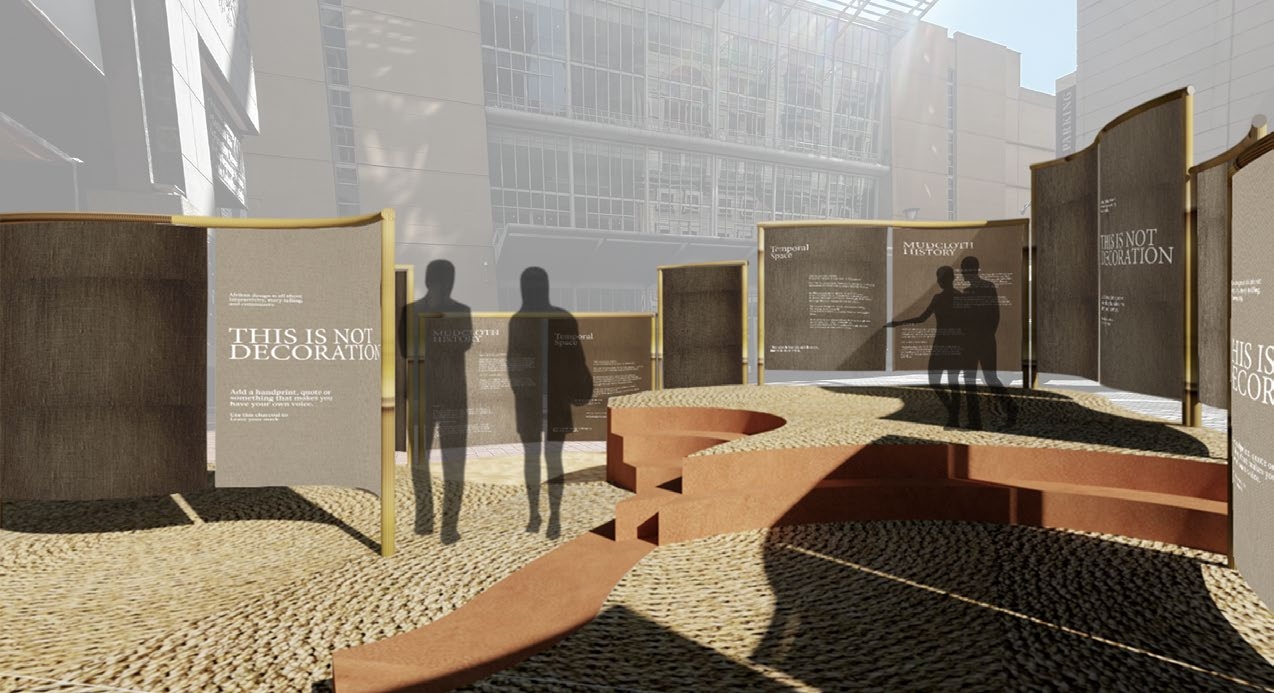
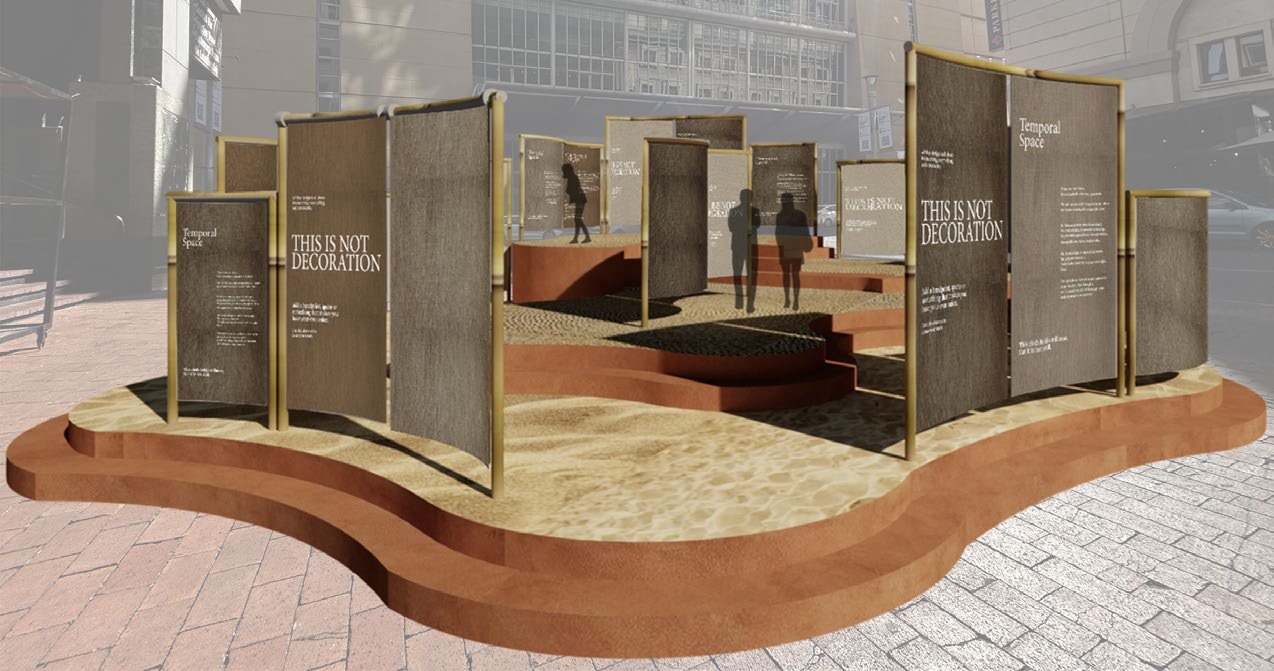
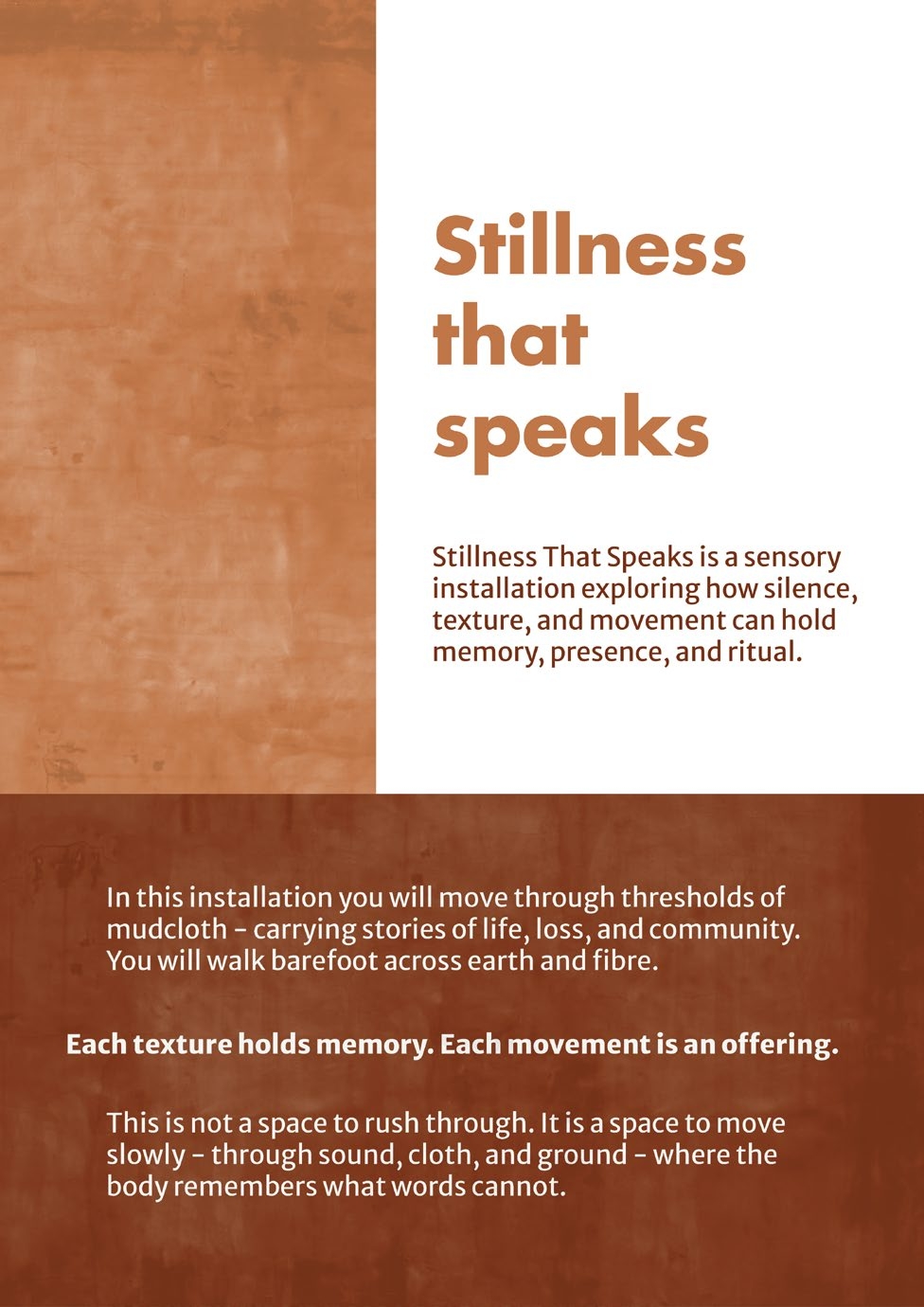
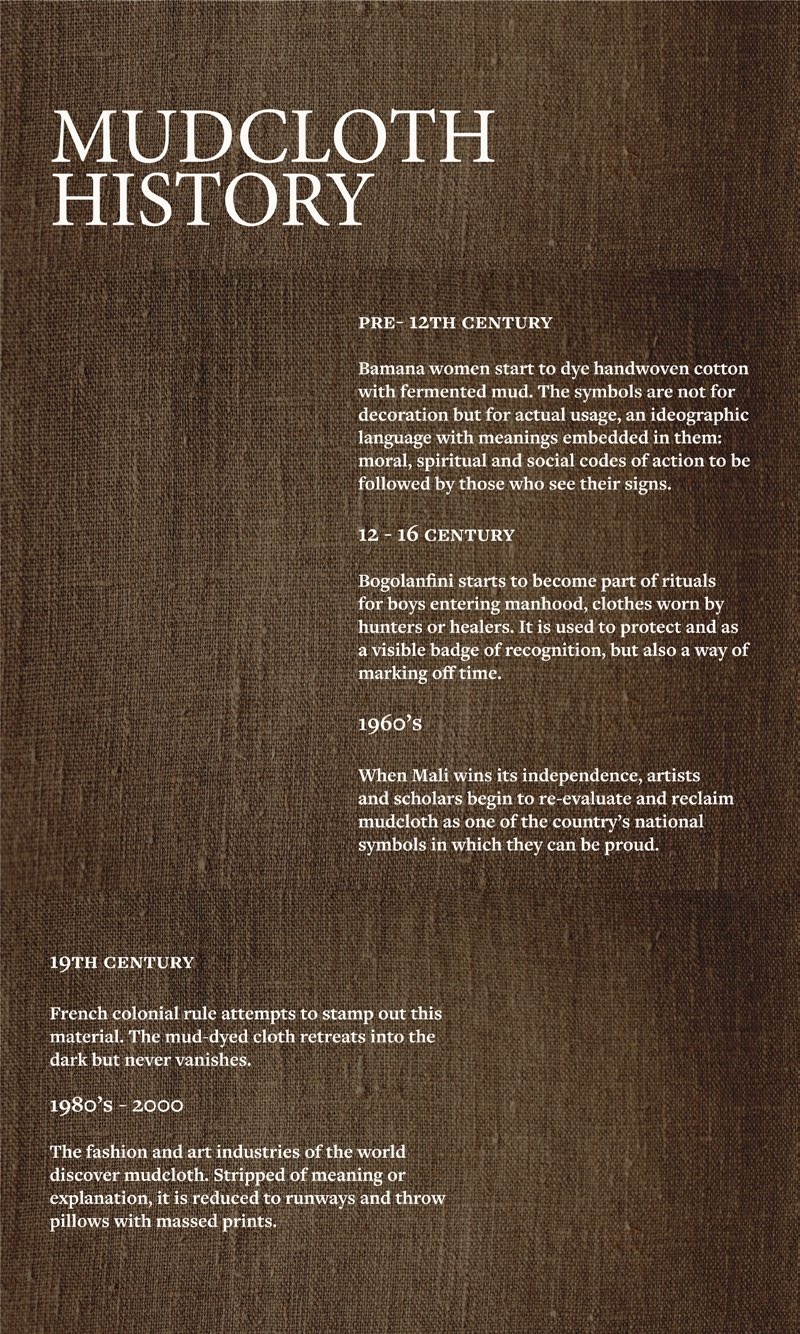
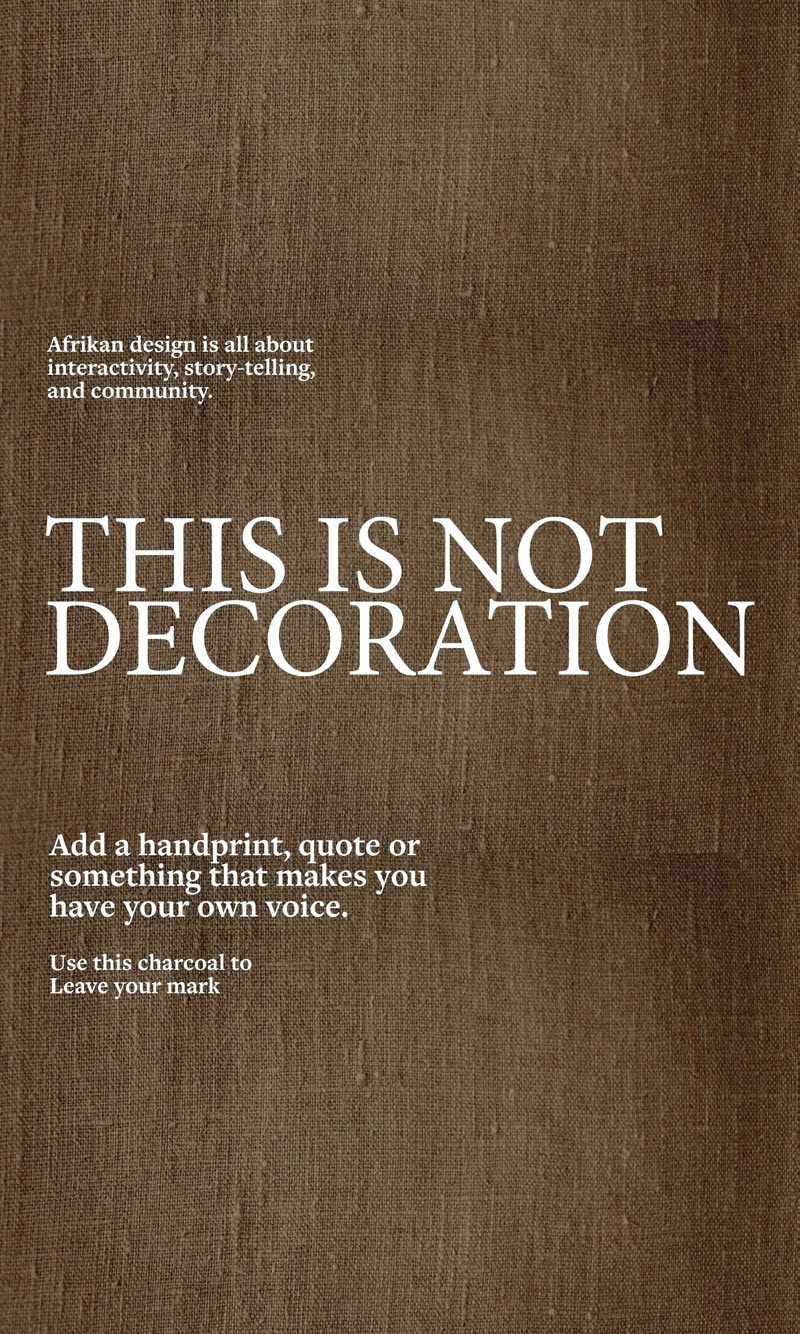
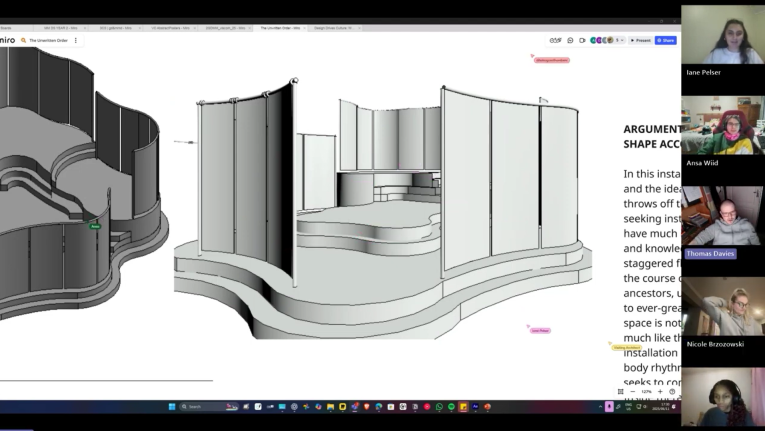
Responding to the over-westernisation of African visual culture, the project challenges reductive stereotypes that flatten African art and design into decorative or ahistorical forms. Instead of extracting meaning for consumption, the installation invites participants to experience African design as a living system of knowledge, embedded in memory, movement, sound, and collective presence. The project centres the blended principle of temporality, derived from movement and texture, as a design methodology. Temporality rejects linear Western notions of time and productivity, embracing African philosophies of slowness, rhythm, repetition, and stillness as valid and powerful modes of knowing. Through spatial flow, tactile surfaces, and immersive soundscapes, the installation encourages unlearning, asking participants to slow down, remove their shoes, and shift from observers to active participants. Learning occurs not through instruction, but through embodied experience. Mud cloth and soundscape functions as both material and metaphor, invites contribution, preserves memory, and creates space for silence and refection.
Responding to the over-westernisation of African visual culture, the project challenges reductive stereotypes that flatten African art and design into decorative or ahistorical forms. Instead of extracting meaning for consumption, the installation invites participants to experience African design as a living system of knowledge, embedded in memory, movement, sound, and collective presence. The project centres the blended principle of temporality, derived from movement and texture, as a design methodology. Temporality rejects linear Western notions of time and productivity, embracing African philosophies of slowness, rhythm, repetition, and stillness as valid and powerful modes of knowing. Through spatial flow, tactile surfaces, and immersive soundscapes, the installation encourages unlearning, asking participants to slow down, remove their shoes, and shift from observers to active participants. Learning occurs not through instruction, but through embodied experience. Mud cloth and soundscape functions as both material and metaphor, invites contribution, preserves memory, and creates space for silence and refection.
Project Innovation / Specification:
This project is innovative because it treats design as an experience and a way of learning, rather than something to simply look at. It introduces temporality as a new design principle rooted in African ways of understanding time, movement, and stillness. Slowness, rhythm, and pause are used intentionally, challenging the fast, outcome-driven nature of Western design spaces. The installation creates learning through the body and the senses. Curved forms, soft ground textures, and an immersive soundscape encourage visitors to slow down, remove their shoes, and move through the space with awareness. Rather than being told what the work means, participants discover meaning through presence, reflection, and interaction. The use of mud cloth as a living archive is another key innovation. The cloth does not only communicate ideas but holds memory and invites contribution. Through interactive elements, visitors can add their own experiences, allowing the installation to grow and change over time. This shifts design authorship from the designer alone to the community. By moving away from gallery and museum conventions, the project offers a way of engaging with African design.
This project is innovative because it treats design as an experience and a way of learning, rather than something to simply look at. It introduces temporality as a new design principle rooted in African ways of understanding time, movement, and stillness. Slowness, rhythm, and pause are used intentionally, challenging the fast, outcome-driven nature of Western design spaces. The installation creates learning through the body and the senses. Curved forms, soft ground textures, and an immersive soundscape encourage visitors to slow down, remove their shoes, and move through the space with awareness. Rather than being told what the work means, participants discover meaning through presence, reflection, and interaction. The use of mud cloth as a living archive is another key innovation. The cloth does not only communicate ideas but holds memory and invites contribution. Through interactive elements, visitors can add their own experiences, allowing the installation to grow and change over time. This shifts design authorship from the designer alone to the community. By moving away from gallery and museum conventions, the project offers a way of engaging with African design.
Project Sustainability Approach:
This project is sustainable because it prioritises cultural continuity, community participation, and long-term relevance over short-term display. The installation is designed to evolve through interaction, allowing stories, memories, and meanings to be added over time. This makes the work sustainable as a living system, not a disposable exhibition. Material choices such as mud cloth support sustainability by drawing on traditional, low-impact practices that value reuse, repair, and care. The cloth is not treated as a consumable surface but as a carrier of memory, capable of being reactivated in future spaces and contexts. This approach reduces waste while preserving cultural value. The project is also socially and educationally sustainable. By centring African knowledge systems and encouraging embodied learning, it supports cultural preservation and intergenerational knowledge sharing. Participants are not passive viewers but contributors, strengthening community ownership and responsibility for the work. Focusing instead on space, sound, movement, and participation, the project proposes a sustainable model for design practice.
This project is sustainable because it prioritises cultural continuity, community participation, and long-term relevance over short-term display. The installation is designed to evolve through interaction, allowing stories, memories, and meanings to be added over time. This makes the work sustainable as a living system, not a disposable exhibition. Material choices such as mud cloth support sustainability by drawing on traditional, low-impact practices that value reuse, repair, and care. The cloth is not treated as a consumable surface but as a carrier of memory, capable of being reactivated in future spaces and contexts. This approach reduces waste while preserving cultural value. The project is also socially and educationally sustainable. By centring African knowledge systems and encouraging embodied learning, it supports cultural preservation and intergenerational knowledge sharing. Participants are not passive viewers but contributors, strengthening community ownership and responsibility for the work. Focusing instead on space, sound, movement, and participation, the project proposes a sustainable model for design practice.
Local and Regional Impacts of the Project:
This project has local impact by creating space for South African and broader African design knowledge to be experienced on its own terms. It challenges westernised perceptions of African art by centring lived experience, memory, and participation. By using familiar materials and values such as slowness, storytelling, and communal authorship, the installation strengthens cultural identity, supports decolonial learning, and encourages pride, reflection, and dialogue within the local community.
This project has local impact by creating space for South African and broader African design knowledge to be experienced on its own terms. It challenges westernised perceptions of African art by centring lived experience, memory, and participation. By using familiar materials and values such as slowness, storytelling, and communal authorship, the installation strengthens cultural identity, supports decolonial learning, and encourages pride, reflection, and dialogue within the local community.
Lead Designer(s) Name(s):Nicole Brzozowski