Origin(e) Collection - Mirror Meriem
Prize(s):
WINNER 2026 PRODUCT DESIGN / Eco Design
Company Name:Living Design of Sweden
Lead Designer(s) Name(s):Anissa Bedoui
Distributors Name:Bedissa Design Lab
Project Location:Tunisia, North Africa
Design Status:Commercialized
Product Description:
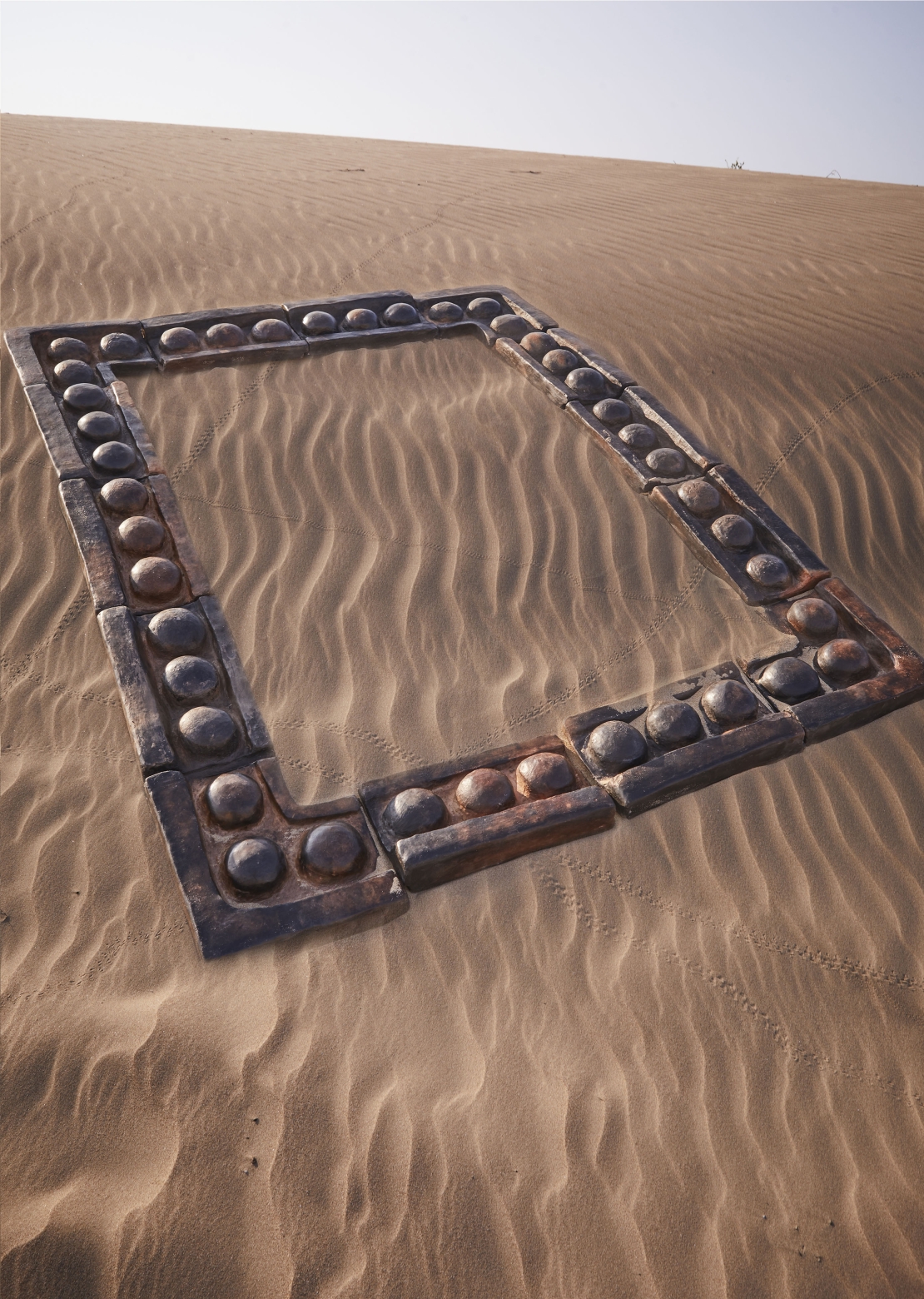
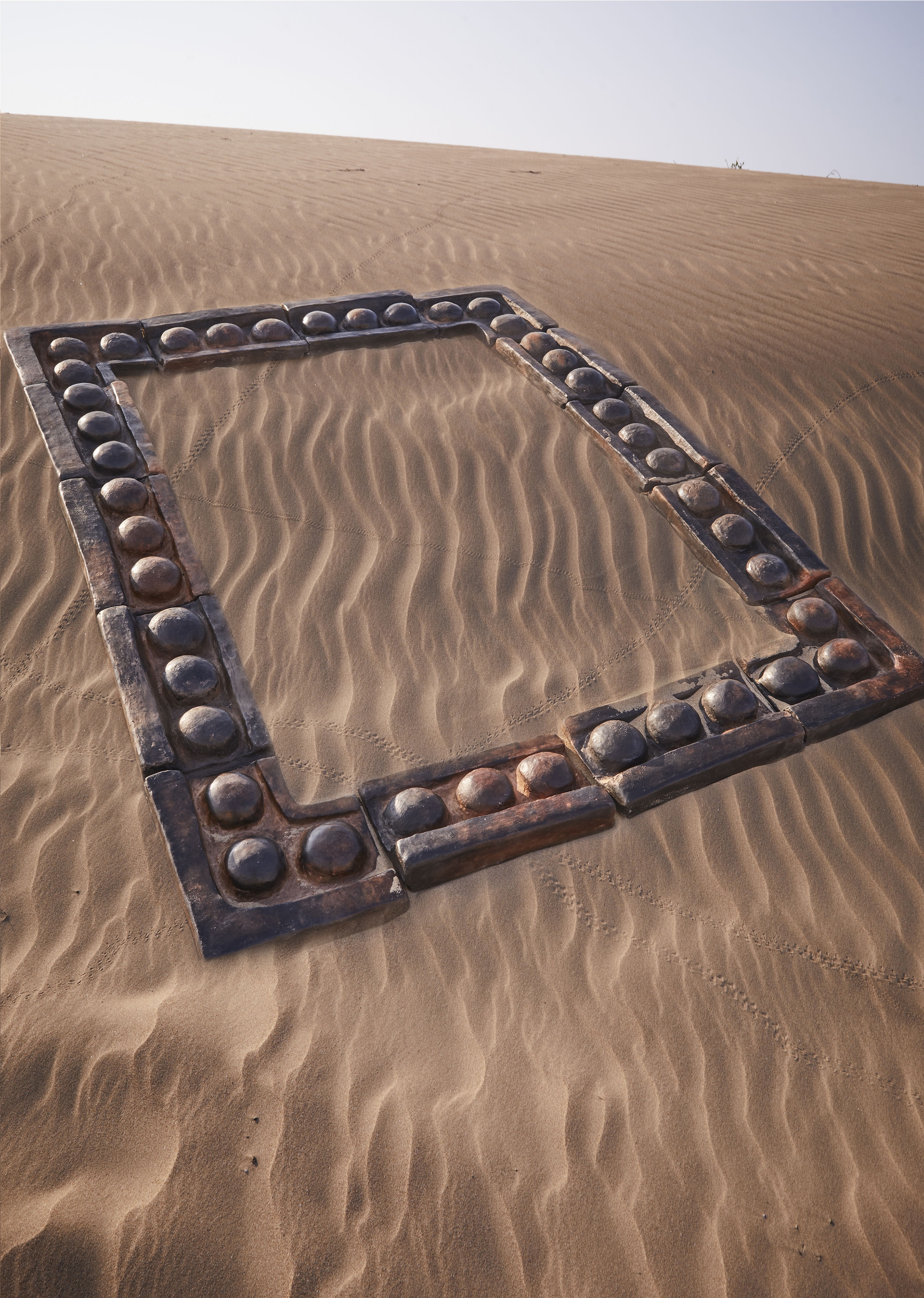
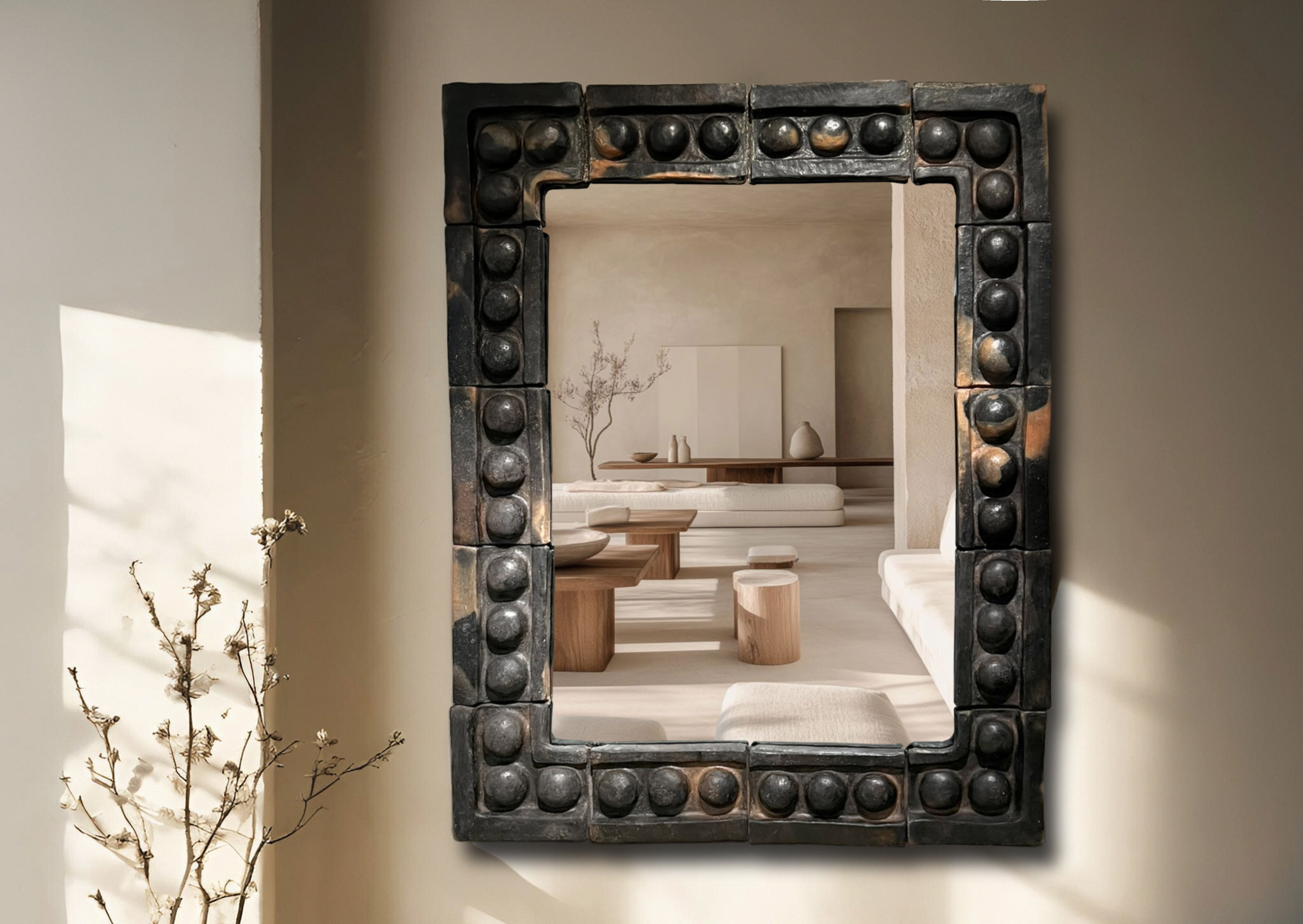
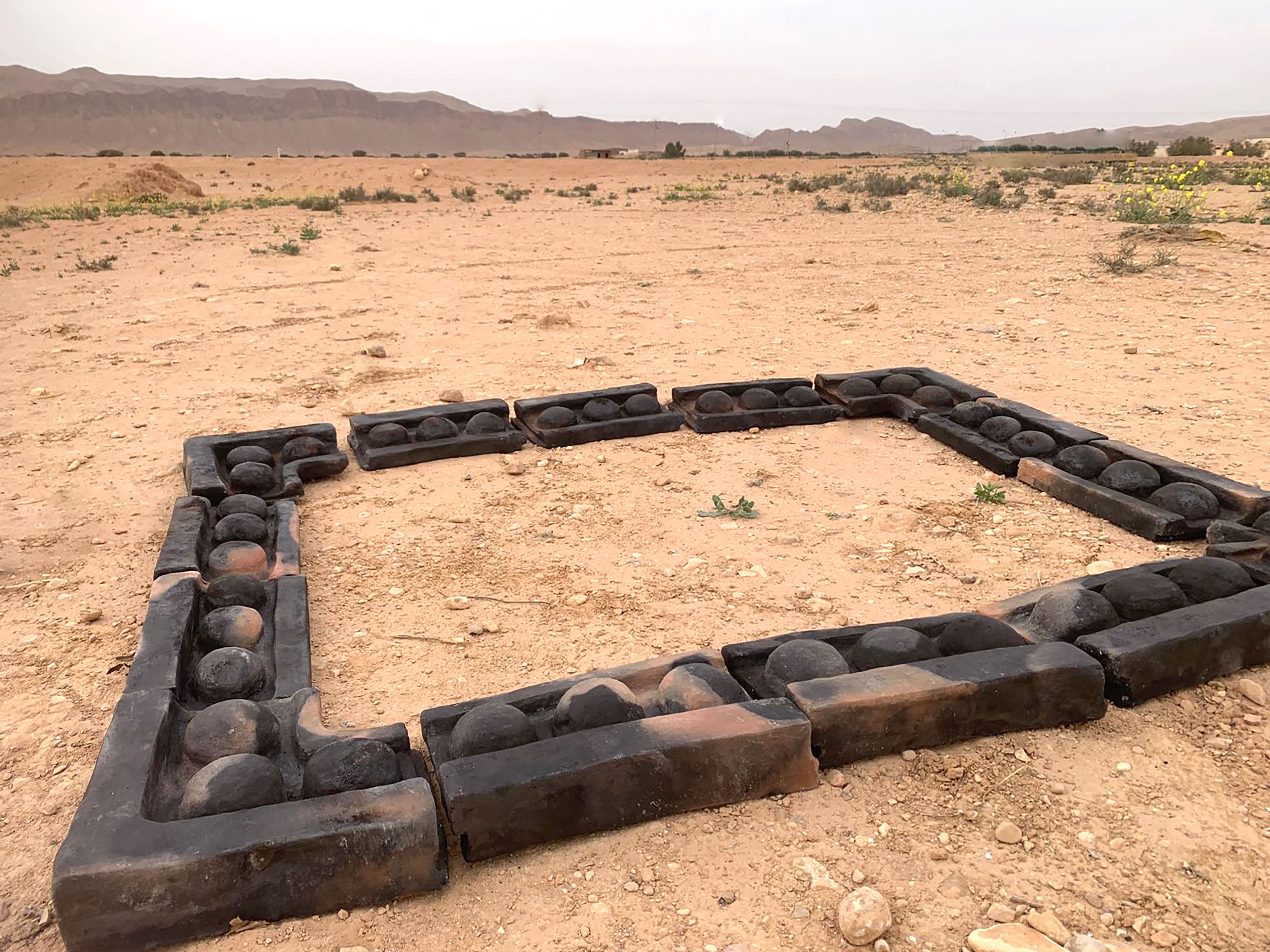
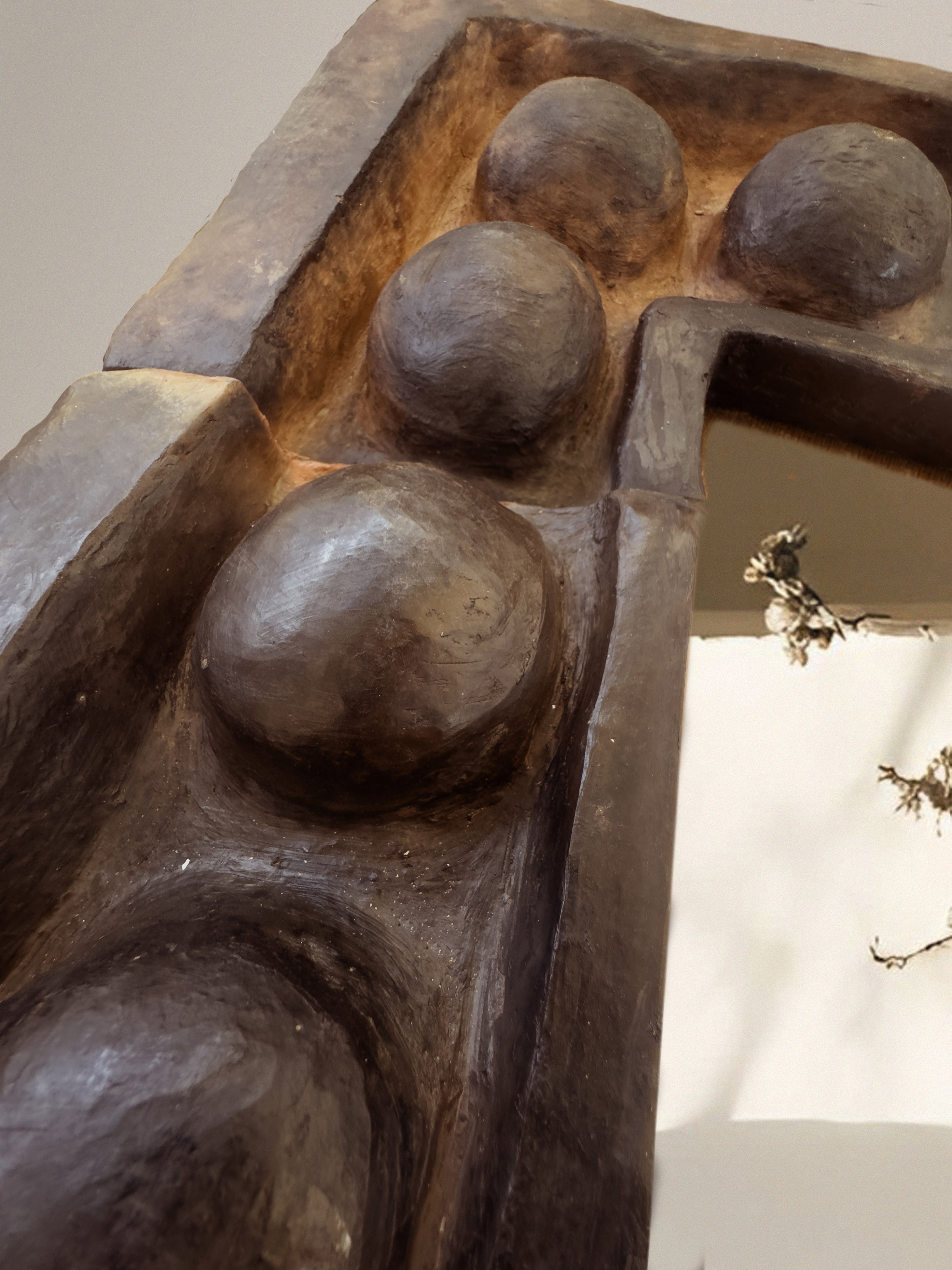
Project presented at the Antibes Art Fair - April 2025 Candidate for the Institut du Monde Arabe Award – Contemporary Craft Category - September 2025 Meriem is the inaugural piece of La Collection Origin(e), a wall mirror in primitive pottery born from an exploration of raw materials and ancestral gestures. Entirely hand-shaped from natural clay, it bridges contemporary design and Mediterranean vernacular craftsmanship, honoring ancient know-how and the rhythms of manual creation. Its frame, crafted without molds or glazing, celebrates irregularities as an aesthetic in themselves—where the trace of hand and earth prevails over industrial perfection. Every detail—roughness, relief, cracking—evokes a poetics of imperfection rooted in Southern Mediterranean culture. Positioned between functional object and wall sculpture, Meriem invites reflection on our relationship with memory and material. It quietly pays tribute to one of humanity’s oldest civilizations: the Capsian culture, which emerged in the Gafsa region over 7,000 years ago. This work is an attempt to extend and perpetuate that legacy.
Project presented at the Antibes Art Fair - April 2025 Candidate for the Institut du Monde Arabe Award – Contemporary Craft Category - September 2025 Meriem is the inaugural piece of La Collection Origin(e), a wall mirror in primitive pottery born from an exploration of raw materials and ancestral gestures. Entirely hand-shaped from natural clay, it bridges contemporary design and Mediterranean vernacular craftsmanship, honoring ancient know-how and the rhythms of manual creation. Its frame, crafted without molds or glazing, celebrates irregularities as an aesthetic in themselves—where the trace of hand and earth prevails over industrial perfection. Every detail—roughness, relief, cracking—evokes a poetics of imperfection rooted in Southern Mediterranean culture. Positioned between functional object and wall sculpture, Meriem invites reflection on our relationship with memory and material. It quietly pays tribute to one of humanity’s oldest civilizations: the Capsian culture, which emerged in the Gafsa region over 7,000 years ago. This work is an attempt to extend and perpetuate that legacy.
Product Innovation / Specification:
“Meriem” was born above all from an idea: to create a contemporary object imbued with meaning, exploring new techniques while remaining faithful to a foundation in craftsmanship. It reflects a genuine desire to establish a dialogue between innovation and tradition, between authored design and vernacular know-how. This is how the project’s initial intentions came to life.
“Meriem” was born above all from an idea: to create a contemporary object imbued with meaning, exploring new techniques while remaining faithful to a foundation in craftsmanship. It reflects a genuine desire to establish a dialogue between innovation and tradition, between authored design and vernacular know-how. This is how the project’s initial intentions came to life.
Product Sustainability Approach:
The frame is composed of 14 pieces, entirely shaped by hand without the use of a wheel, using natural local clay collected at the foothills of the Rouached region. No molds are used; each curve and irregularity is the result of a free yet controlled, living gesture. The piece is polished manually using stones and dried in the sun for several days, then fired in an open flame, outdoors, following an ancient production ritual entirely disconnected from industrial processes. Twenty-four hours of rest are required for the piece to cool, after which the material reveals its variations in tone—from light beige to deep brown—depending on its exposure to the fire, reflecting the non-uniform nature of the firing process. Each mark—crackle, chip, or shadow left by the flame—is embraced as an integral part of the work. It is not considered a flaw to be corrected, but rather a spontaneous expression of fire and material, in line with an aesthetic attuned to contemporary architectural and decorative trends.
The frame is composed of 14 pieces, entirely shaped by hand without the use of a wheel, using natural local clay collected at the foothills of the Rouached region. No molds are used; each curve and irregularity is the result of a free yet controlled, living gesture. The piece is polished manually using stones and dried in the sun for several days, then fired in an open flame, outdoors, following an ancient production ritual entirely disconnected from industrial processes. Twenty-four hours of rest are required for the piece to cool, after which the material reveals its variations in tone—from light beige to deep brown—depending on its exposure to the fire, reflecting the non-uniform nature of the firing process. Each mark—crackle, chip, or shadow left by the flame—is embraced as an integral part of the work. It is not considered a flaw to be corrected, but rather a spontaneous expression of fire and material, in line with an aesthetic attuned to contemporary architectural and decorative trends.
Local and Regional Impacts of the Product:
This project is the result of a personal journey, driven by a deep curiosity to explore the techniques of primitive pottery. It led me to undertake a full immersion in the Belkhir region, where I formed meaningful connections with remarkable women—listening to them, observing their gestures, and learning from their practice. This immersion was made possible through the support of the Creative Tunisia programme. Funded by the European Union as part of its Tounes Wijhetouna initiative, and implemented by the United Nations Industrial Development Organization (UNIDO) in collaboration with the Tunisian Ministry of Tourism and Handicrafts, the programme plays a vital role in supporting and promoting traditional crafts in Tunisia.
This project is the result of a personal journey, driven by a deep curiosity to explore the techniques of primitive pottery. It led me to undertake a full immersion in the Belkhir region, where I formed meaningful connections with remarkable women—listening to them, observing their gestures, and learning from their practice. This immersion was made possible through the support of the Creative Tunisia programme. Funded by the European Union as part of its Tounes Wijhetouna initiative, and implemented by the United Nations Industrial Development Organization (UNIDO) in collaboration with the Tunisian Ministry of Tourism and Handicrafts, the programme plays a vital role in supporting and promoting traditional crafts in Tunisia.