Kharetsa Wine Server
Prize(s):
WINNER 2026 PRODUCT DESIGN / Furniture & Lighting
Company Name:Meetlo Studio
Lead Designer(s) Name(s):Oageng Manana
Manufacturer Name:Meetlo Studio
Photo Credit:Sarah De Pina
Project Location:Johannesburg, South Africa
Design Status:Commercialized
Website: View
Video URL:View
Product Description:
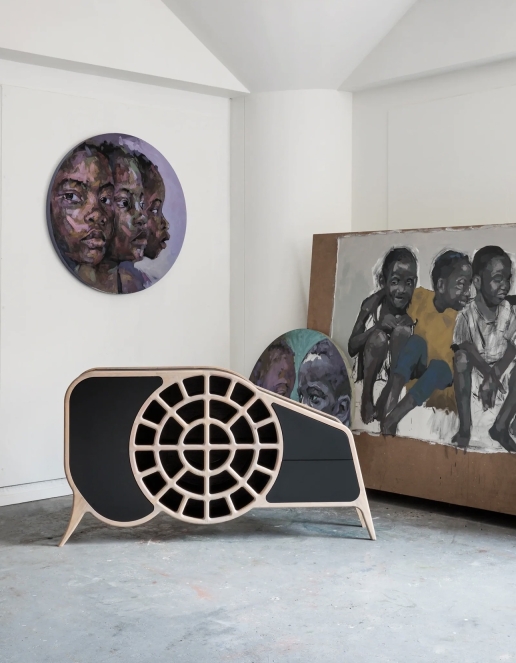
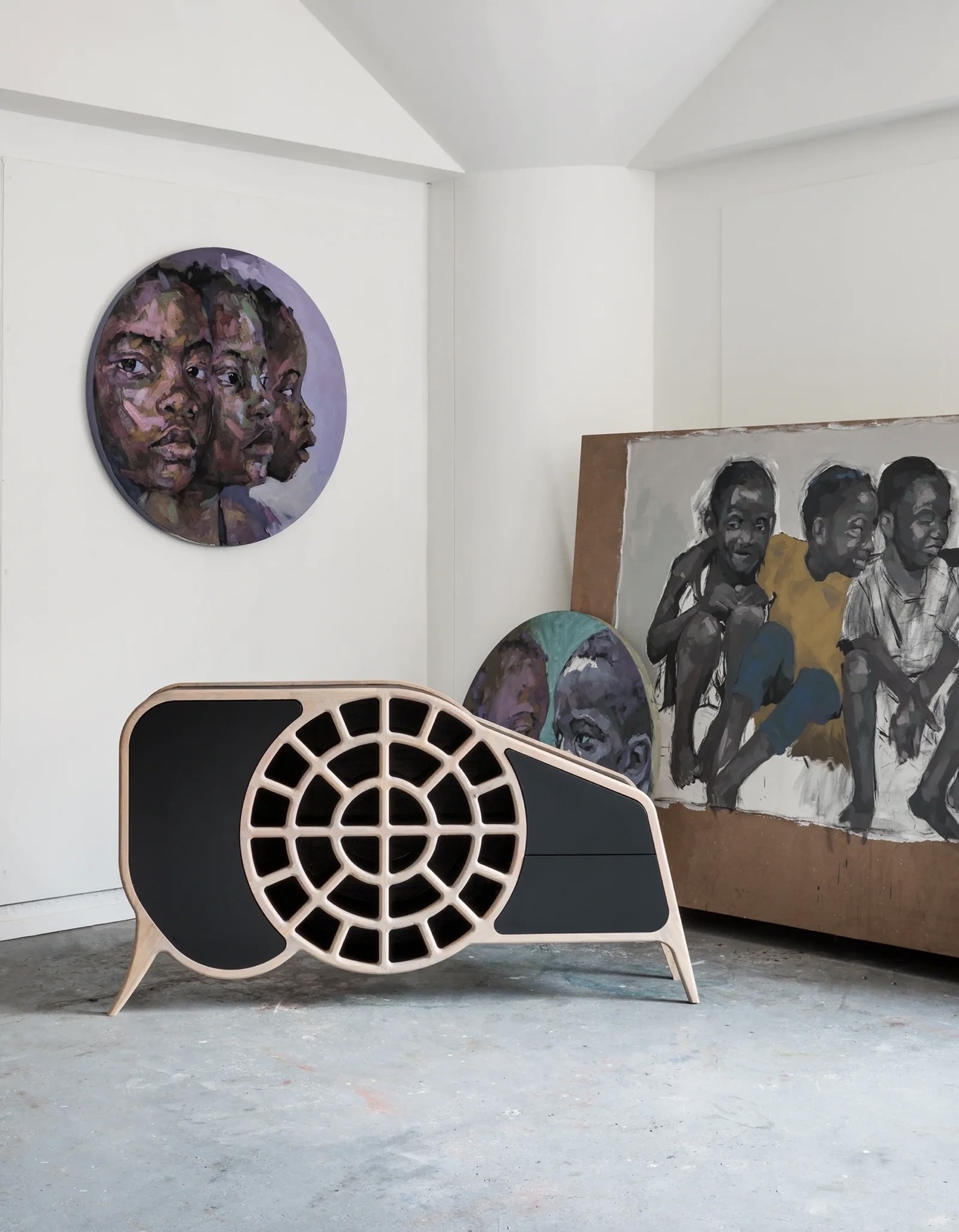
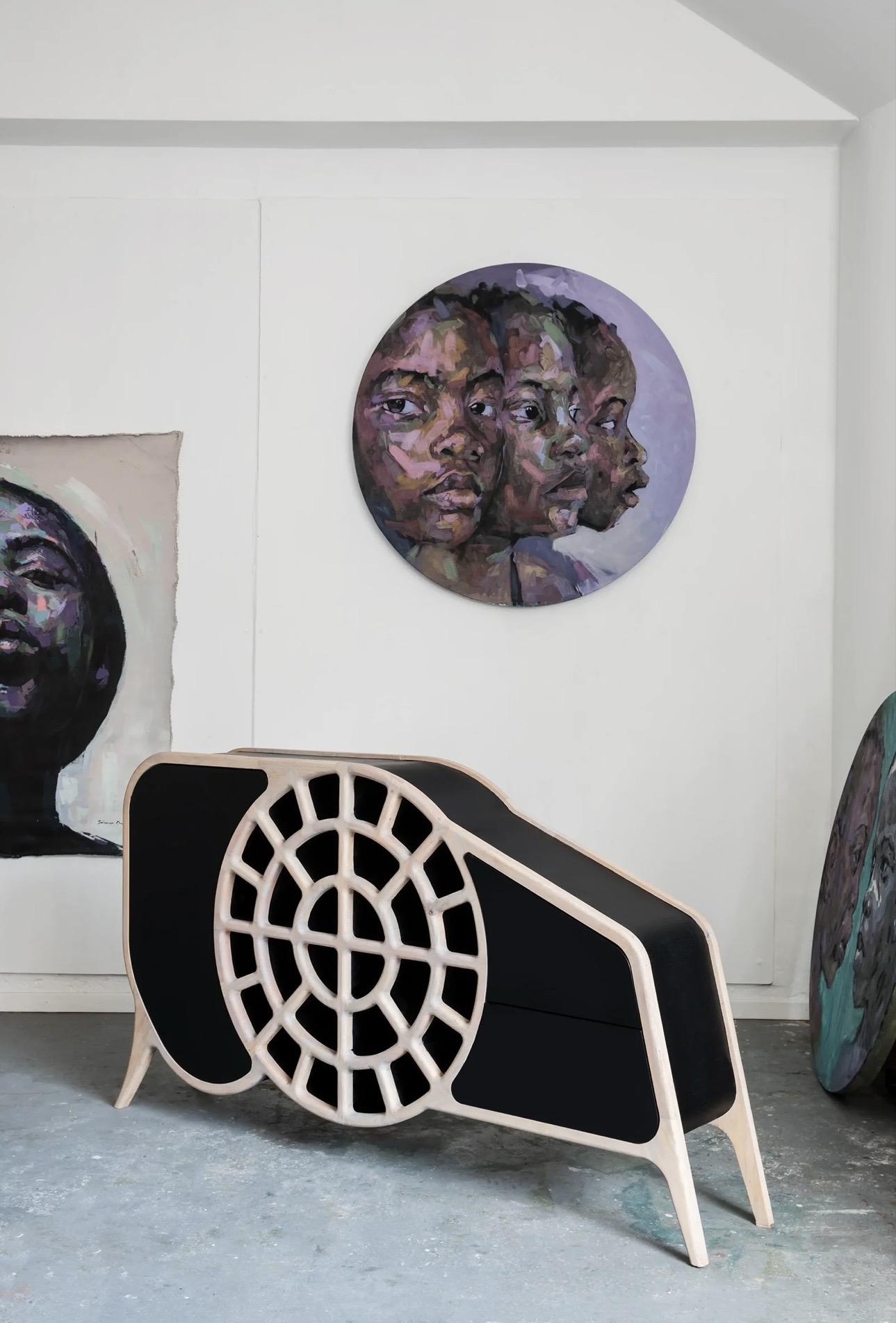
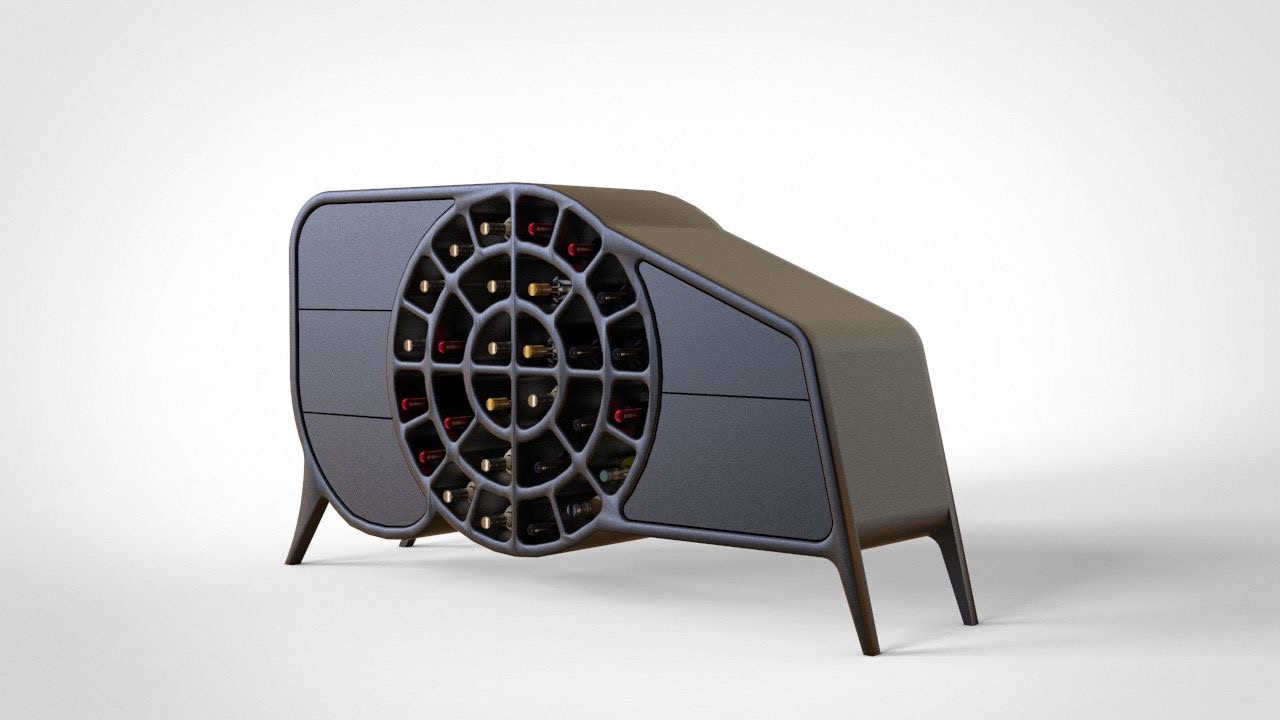
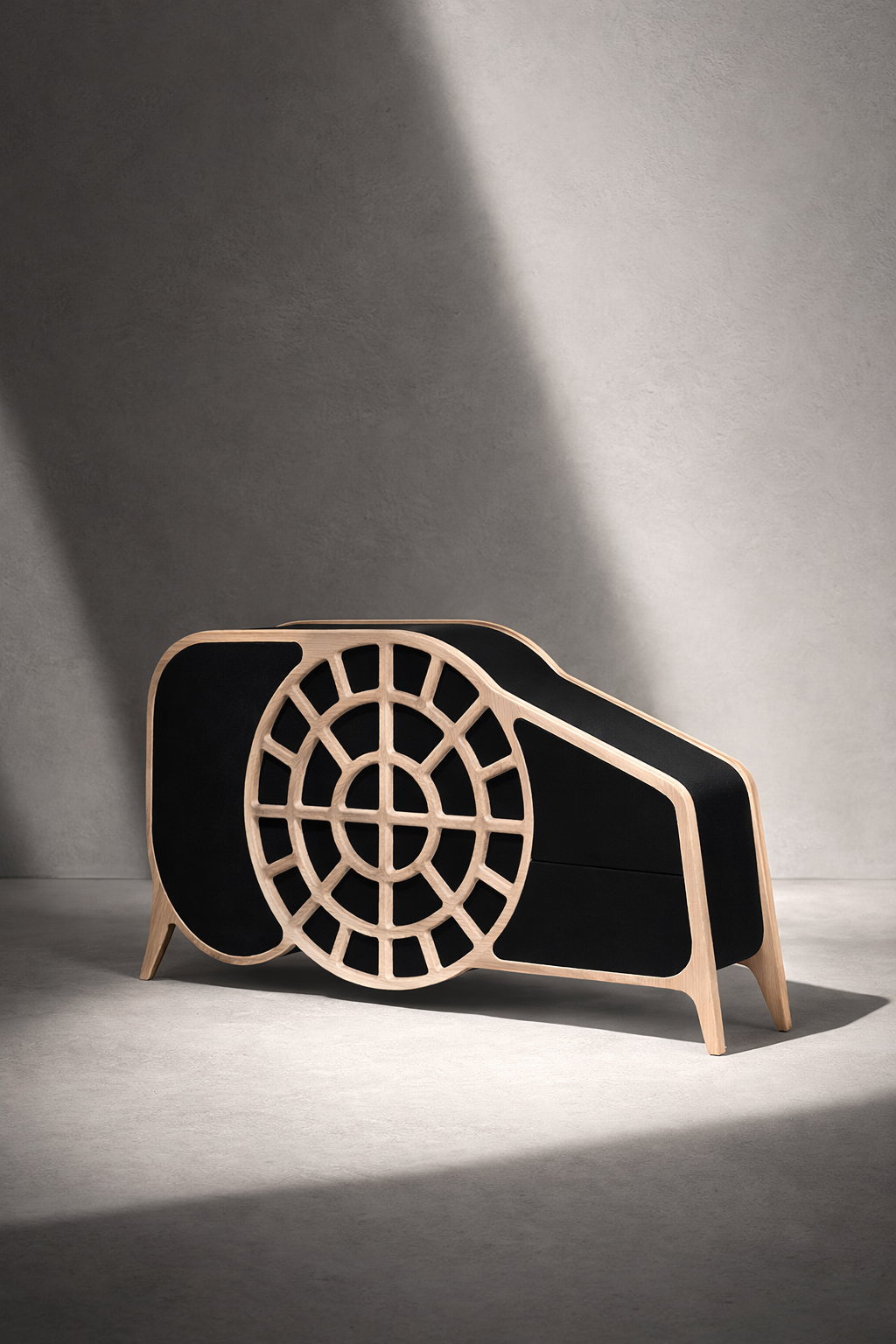
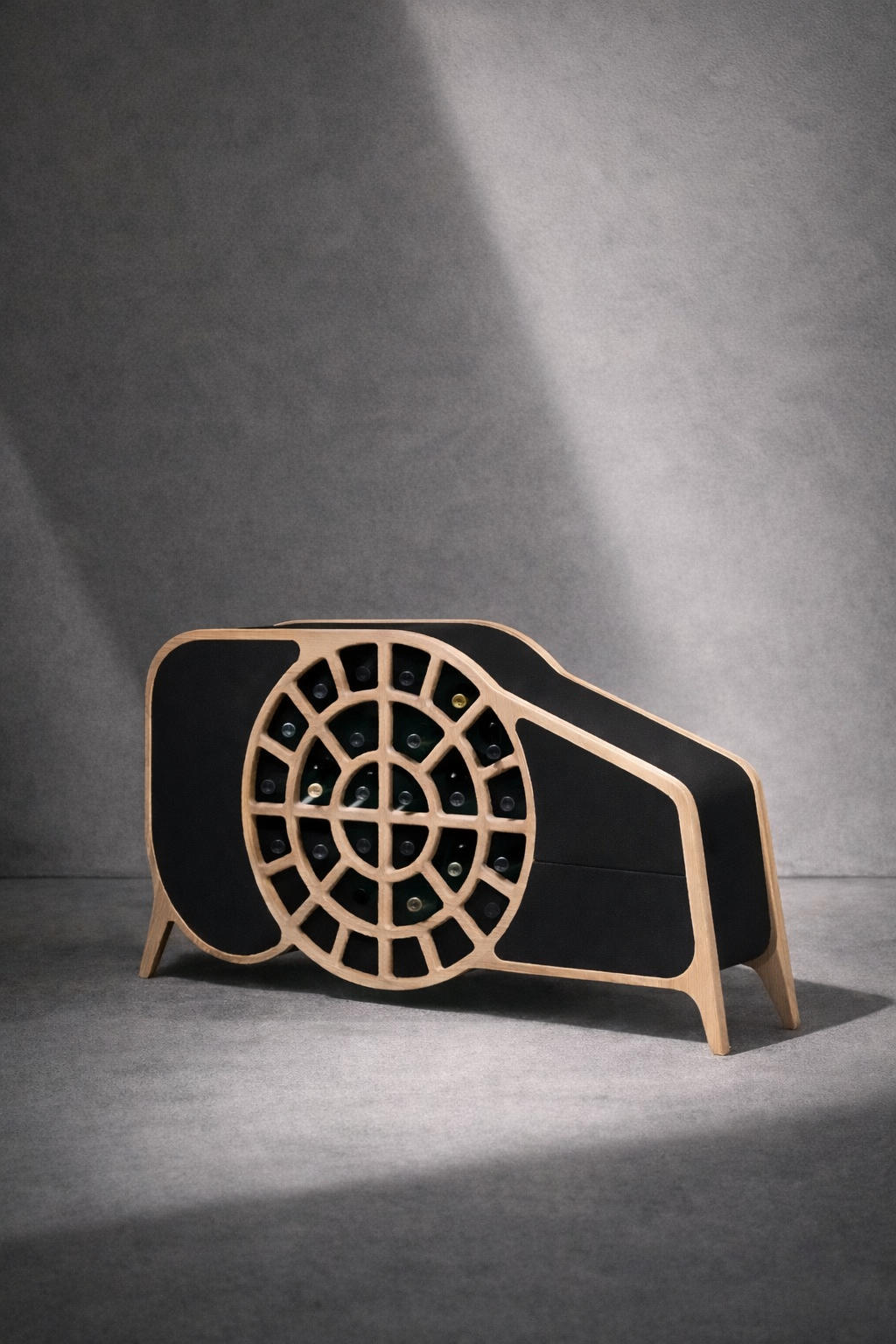
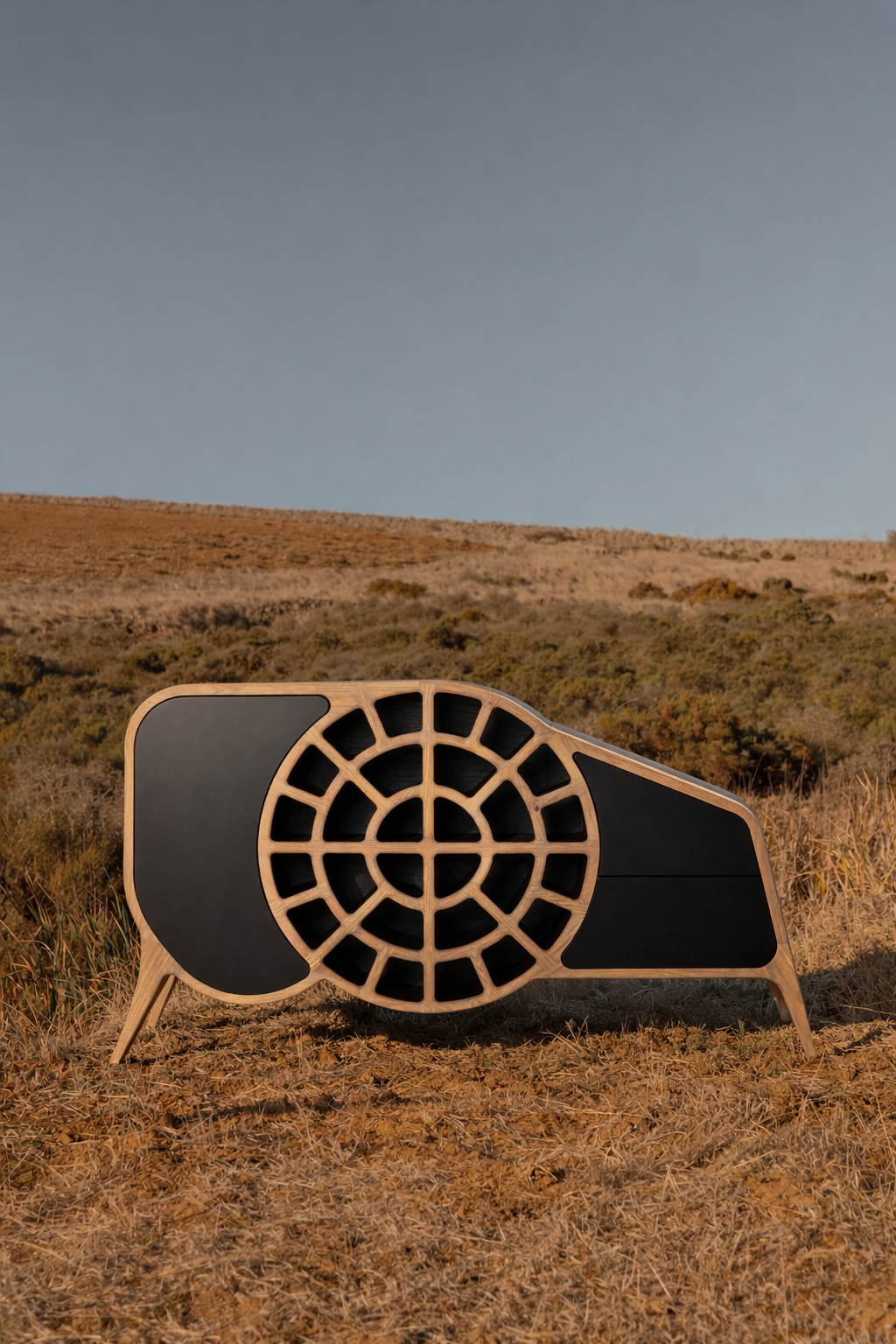
The Kharetsa Wine Server-Rack is a multifunctional server that integrates storage, display, and a wine rack within a sculptural furniture form. The design draws inspiration from the mountain landscapes of Lesotho, particularly the resilient aloe succulent that grows between rocks in the highlands. The circular formation of the wine rack references the spiral geometry of the aloe plant, translating a natural botanical structure into a contemporary architectural element. Beyond its botanical reference, the circular composition also reflects African symbolism, where the circle represents the sun, continuity, and the gathering of community. The wine rack therefore becomes more than storage, acting as a symbolic centre for moments of sharing and connection. In contrast, the outer body adopts an organic silhouette that echoes the irregular contours of the Lesotho mountains. By balancing geometric structure with natural form, Kharetsa merges nature, storytelling, and functionality into a sculptural furniture piece that celebrates landscape, community, and contemporary African design.
The Kharetsa Wine Server-Rack is a multifunctional server that integrates storage, display, and a wine rack within a sculptural furniture form. The design draws inspiration from the mountain landscapes of Lesotho, particularly the resilient aloe succulent that grows between rocks in the highlands. The circular formation of the wine rack references the spiral geometry of the aloe plant, translating a natural botanical structure into a contemporary architectural element. Beyond its botanical reference, the circular composition also reflects African symbolism, where the circle represents the sun, continuity, and the gathering of community. The wine rack therefore becomes more than storage, acting as a symbolic centre for moments of sharing and connection. In contrast, the outer body adopts an organic silhouette that echoes the irregular contours of the Lesotho mountains. By balancing geometric structure with natural form, Kharetsa merges nature, storytelling, and functionality into a sculptural furniture piece that celebrates landscape, community, and contemporary African design.
Product Innovation / Specification:
The Kharetsa Wine Server-Rack introduces an integrated radial rack system that combines wine storage, serving functionality, and sculptural furniture design within a single compact structure. Unlike conventional wine cabinets that use linear shelving, the design uses a circular rack formation that stores bottles horizontally while acting as the structural and visual centre of the piece. The radial rack distributes weight evenly across the cabinet and allows efficient bottle organization while maintaining open visual permeability through the structure. This system transforms the rack into both a functional storage mechanism and an architectural design element. The cabinet also integrates concealed storage compartments for glassware and serving accessories, allowing it to function as a complete beverage server rather than a single-purpose wine rack. A key innovation lies in the contrast between the precise circular rack geometry and the organic outer cabinet form. This combination merges structural efficiency with sculptural design, enabling the object to operate simultaneously as functional storage and as a collectible design piece within an interior environment.
The Kharetsa Wine Server-Rack introduces an integrated radial rack system that combines wine storage, serving functionality, and sculptural furniture design within a single compact structure. Unlike conventional wine cabinets that use linear shelving, the design uses a circular rack formation that stores bottles horizontally while acting as the structural and visual centre of the piece. The radial rack distributes weight evenly across the cabinet and allows efficient bottle organization while maintaining open visual permeability through the structure. This system transforms the rack into both a functional storage mechanism and an architectural design element. The cabinet also integrates concealed storage compartments for glassware and serving accessories, allowing it to function as a complete beverage server rather than a single-purpose wine rack. A key innovation lies in the contrast between the precise circular rack geometry and the organic outer cabinet form. This combination merges structural efficiency with sculptural design, enabling the object to operate simultaneously as functional storage and as a collectible design piece within an interior environment.
Product Sustainability Approach:
The product is designed with a focus on durability, responsible material use, and long-term functionality. Solid timber and high-quality materials are used to ensure structural longevity, allowing the piece to remain functional for many years and reducing the need for frequent replacement. The design prioritizes efficient material use during production, with components carefully planned to minimize waste. Offcuts generated during manufacturing are repurposed into complementary homeware products, extending the lifecycle of materials and reducing unnecessary disposal. The product’s multifunctional design also contributes to sustainability by combining storage, display, and serving functions into a single piece, reducing the need for multiple furniture items within a space. Through durable construction, material reuse, and efficient design, the product promotes a responsible approach to furniture production while encouraging long-term ownership rather than short-term consumption.
The product is designed with a focus on durability, responsible material use, and long-term functionality. Solid timber and high-quality materials are used to ensure structural longevity, allowing the piece to remain functional for many years and reducing the need for frequent replacement. The design prioritizes efficient material use during production, with components carefully planned to minimize waste. Offcuts generated during manufacturing are repurposed into complementary homeware products, extending the lifecycle of materials and reducing unnecessary disposal. The product’s multifunctional design also contributes to sustainability by combining storage, display, and serving functions into a single piece, reducing the need for multiple furniture items within a space. Through durable construction, material reuse, and efficient design, the product promotes a responsible approach to furniture production while encouraging long-term ownership rather than short-term consumption.
Local and Regional Impacts of the Product:
The product contributes to the growth of contemporary African design by translating regional landscapes, plant life, and cultural symbolism into functional furniture. Inspired by the natural environments of Southern Africa, the design demonstrates how local narratives can be expressed through modern design language with global relevance. Production supports regional manufacturing and helps empower youth by creating opportunities within the creative industry. By providing a platform for African design expression, the work contributes to shifting global perceptions of African design standards. It also encourages African creatives to draw from their cultural and spiritual experiences to create design that is timeless, visually compelling, and functional.
The product contributes to the growth of contemporary African design by translating regional landscapes, plant life, and cultural symbolism into functional furniture. Inspired by the natural environments of Southern Africa, the design demonstrates how local narratives can be expressed through modern design language with global relevance. Production supports regional manufacturing and helps empower youth by creating opportunities within the creative industry. By providing a platform for African design expression, the work contributes to shifting global perceptions of African design standards. It also encourages African creatives to draw from their cultural and spiritual experiences to create design that is timeless, visually compelling, and functional.
Company Name:Meetlo Studio
Lead Designer(s) Name(s):Oageng Manana
Profile Description:
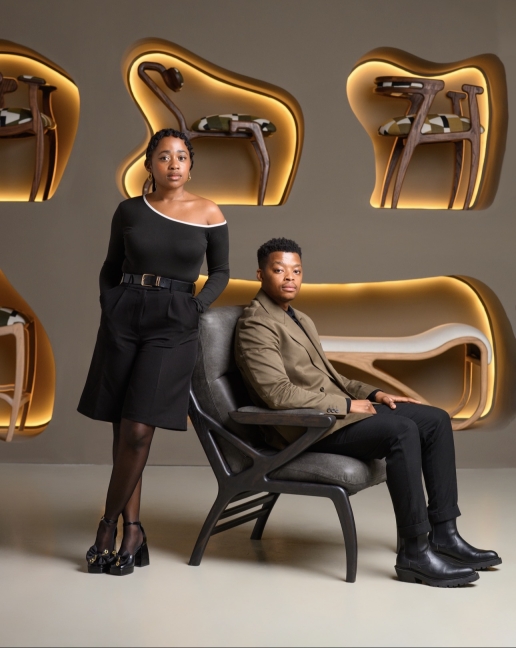
Meetlo is a contemporary African design studio creating sculptural yet highly functional furniture that merges heritage, storytelling, and modern craftsmanship. Derived from the Sesotho word meaning “customs,” Meetlo reflects a commitment to cultural identity through design. Inspired by African landscapes, natural forms, and symbolism, the studio produces objects that serve practical everyday use while also existing as collectible design pieces. As part of the CityBirds design ecosystem, Meetlo contributes to the evolving global narrative of contemporary African design.
Meetlo is a contemporary African design studio creating sculptural yet highly functional furniture that merges heritage, storytelling, and modern craftsmanship. Derived from the Sesotho word meaning “customs,” Meetlo reflects a commitment to cultural identity through design. Inspired by African landscapes, natural forms, and symbolism, the studio produces objects that serve practical everyday use while also existing as collectible design pieces. As part of the CityBirds design ecosystem, Meetlo contributes to the evolving global narrative of contemporary African design.
Environmental Practices:
Meetlo integrates environmental responsibility through durable material selection and mindful production. Furniture is designed using solid timber and quality materials to ensure longevity and reduce replacement. Production is done in small batches to limit waste and overproduction, with materials sourced locally where possible. Offcuts from furniture manufacturing are repurposed into a complementary homeware collection, transforming waste into functional design objects and extending the lifecycle of materials.
Meetlo integrates environmental responsibility through durable material selection and mindful production. Furniture is designed using solid timber and quality materials to ensure longevity and reduce replacement. Production is done in small batches to limit waste and overproduction, with materials sourced locally where possible. Offcuts from furniture manufacturing are repurposed into a complementary homeware collection, transforming waste into functional design objects and extending the lifecycle of materials.
Previous Awards Won:
Meetlo has received recognition within the South African design landscape for its distinctive approach to contemporary furniture that merges cultural storytelling, sculptural form, and functional design. In 2025, the studio received the 100% Design Award at Decorex Africa, one of the continent’s leading design exhibitions celebrating innovation in furniture and product design. Earlier recognition includes the Innibos National Craft Award (2019), presented at the Innibos National Arts Festival, acknowledging excellence in craftsmanship and contemporary design. These recognitions reflect Meetlo’s growing contribution to contemporary African design, where heritage, material exploration, and modern design language come together to create functional objects with strong cultural identity.
Meetlo has received recognition within the South African design landscape for its distinctive approach to contemporary furniture that merges cultural storytelling, sculptural form, and functional design. In 2025, the studio received the 100% Design Award at Decorex Africa, one of the continent’s leading design exhibitions celebrating innovation in furniture and product design. Earlier recognition includes the Innibos National Craft Award (2019), presented at the Innibos National Arts Festival, acknowledging excellence in craftsmanship and contemporary design. These recognitions reflect Meetlo’s growing contribution to contemporary African design, where heritage, material exploration, and modern design language come together to create functional objects with strong cultural identity.