Sama
Prize(s):
WINNER 2026 PRODUCT DESIGN / Furniture & Lighting
Lead Designer(s) Name(s):Paul Moustapha Ledron
Manufacturer Name:Jean Servais Somian's Workshop
Design Status:Commercialized
Website: View
Product Description:
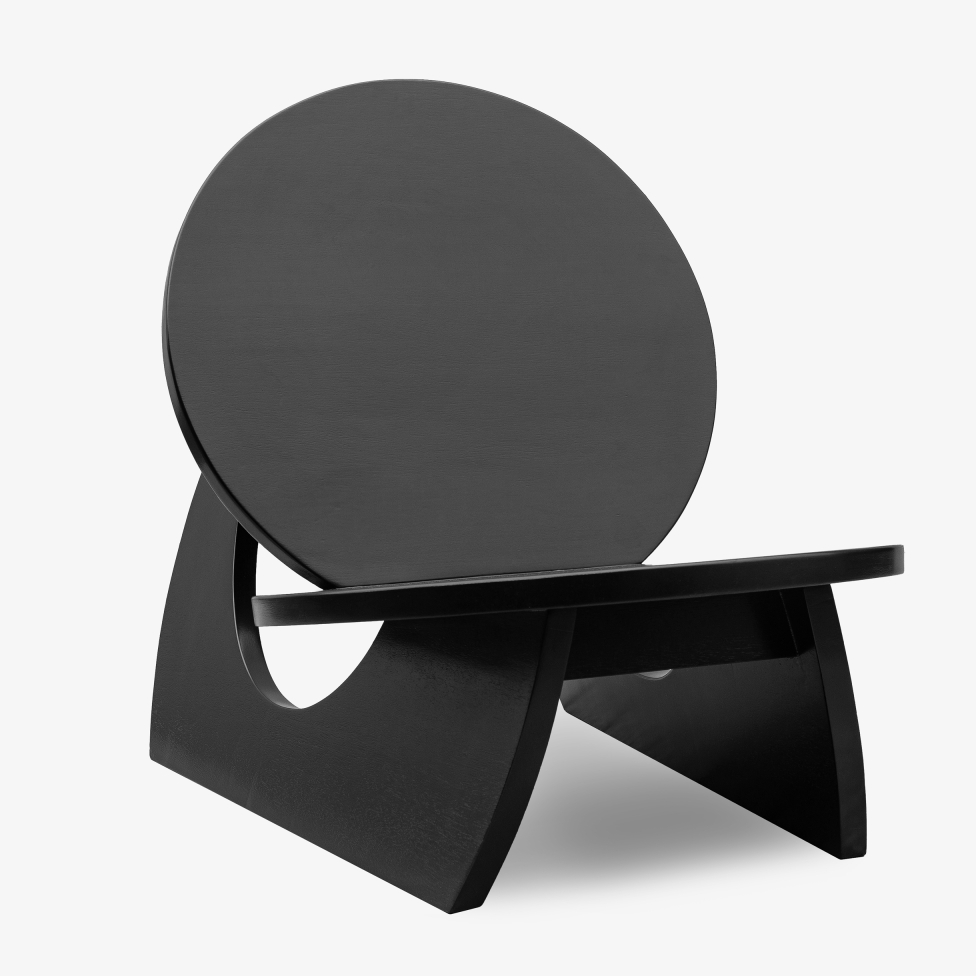
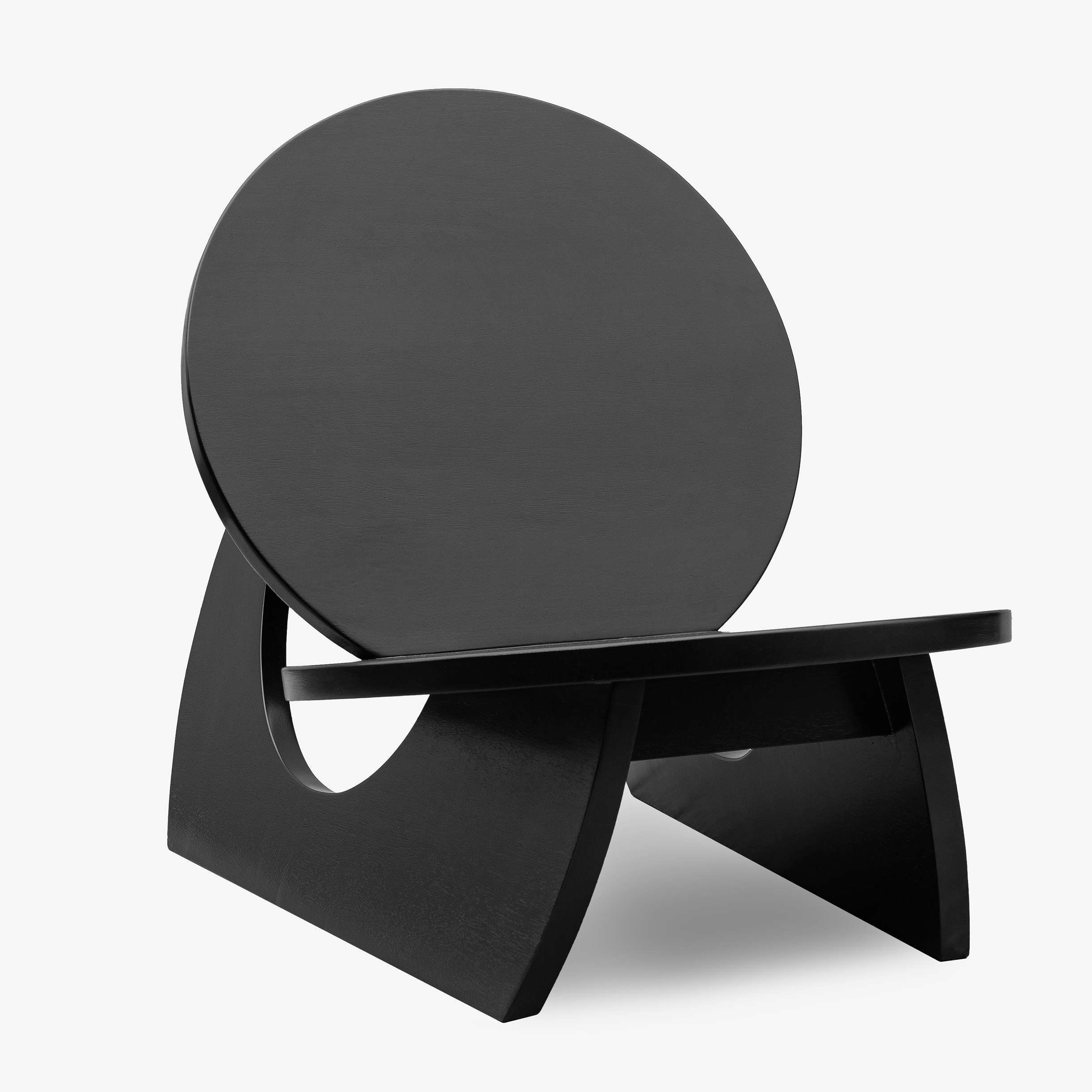
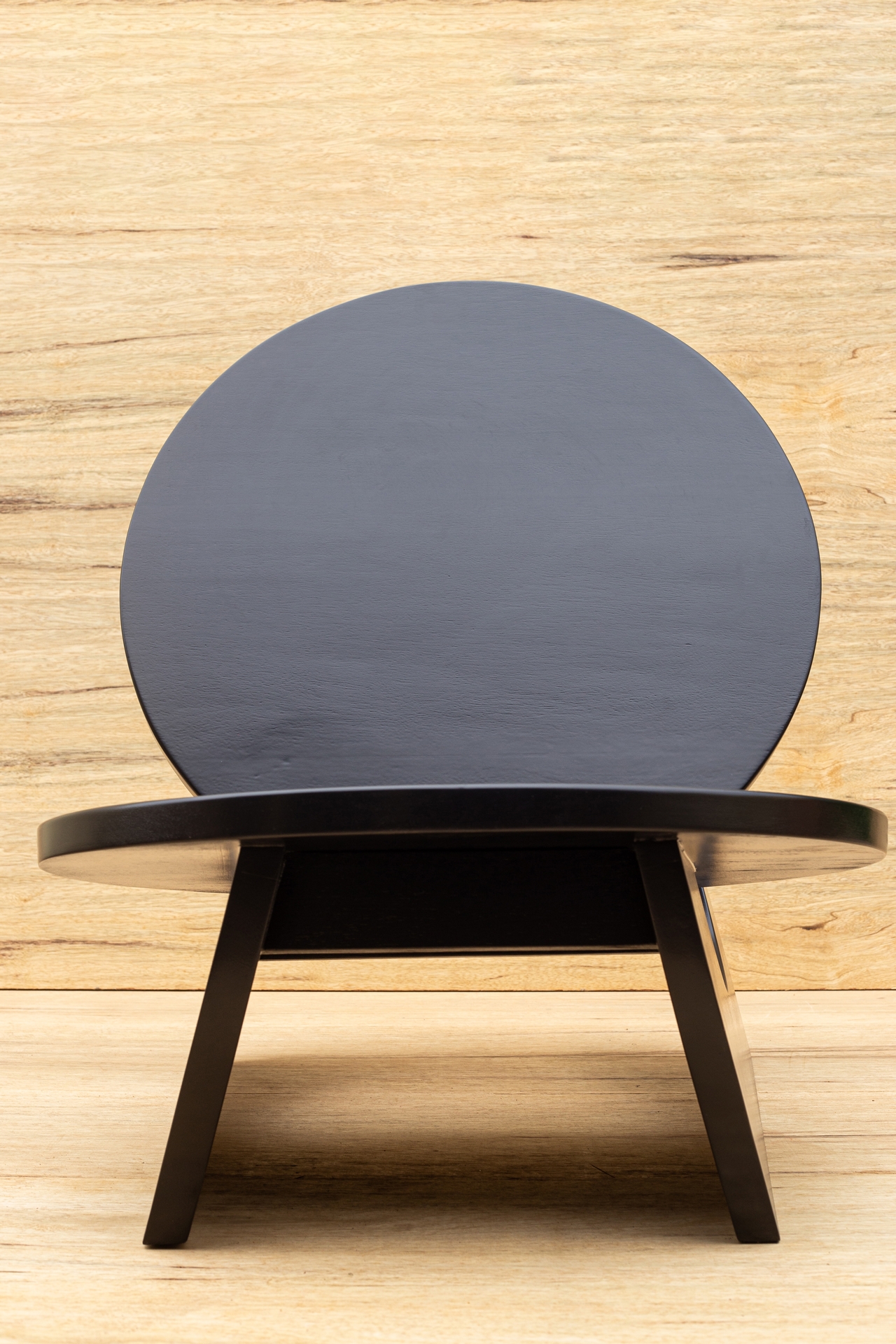
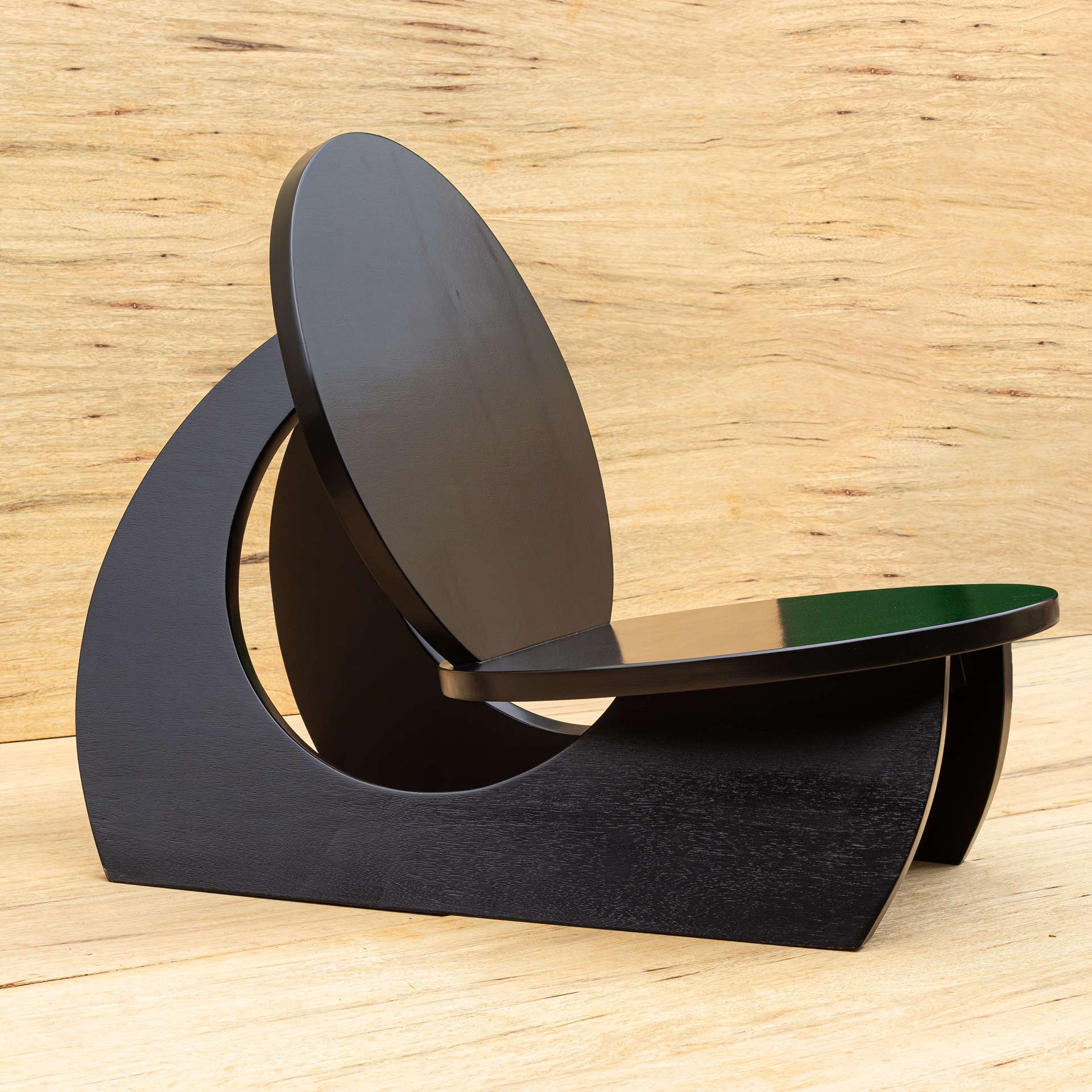
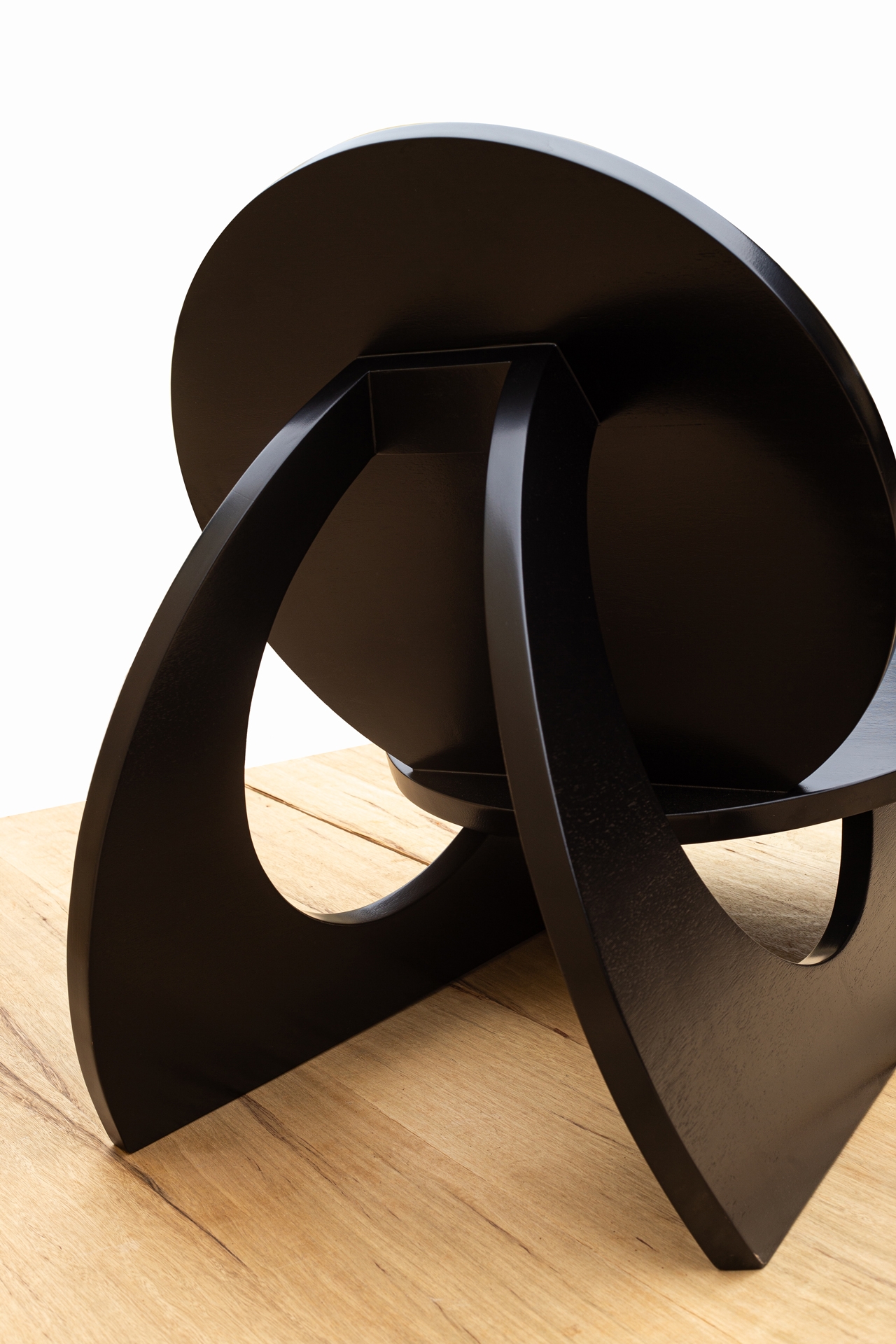
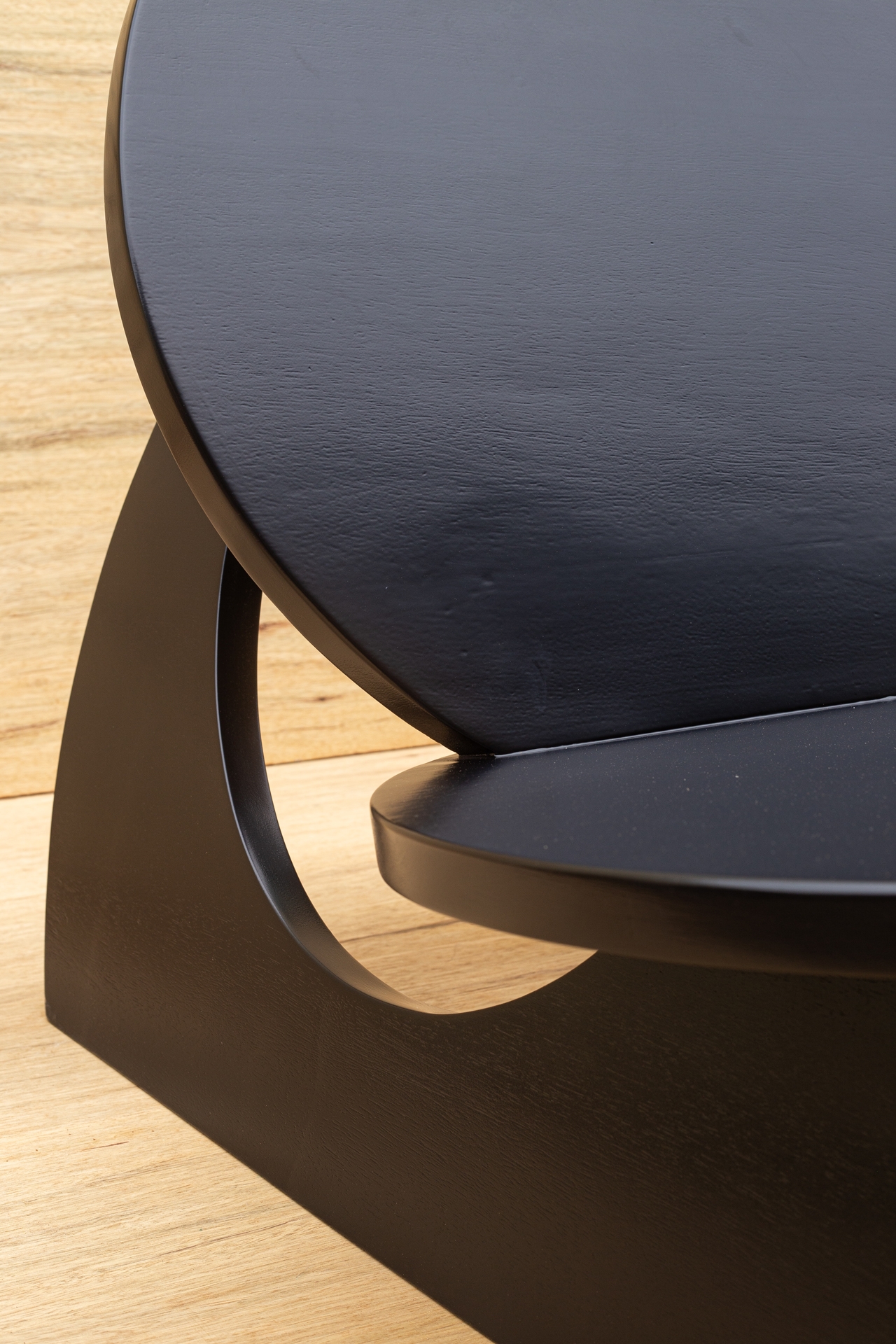
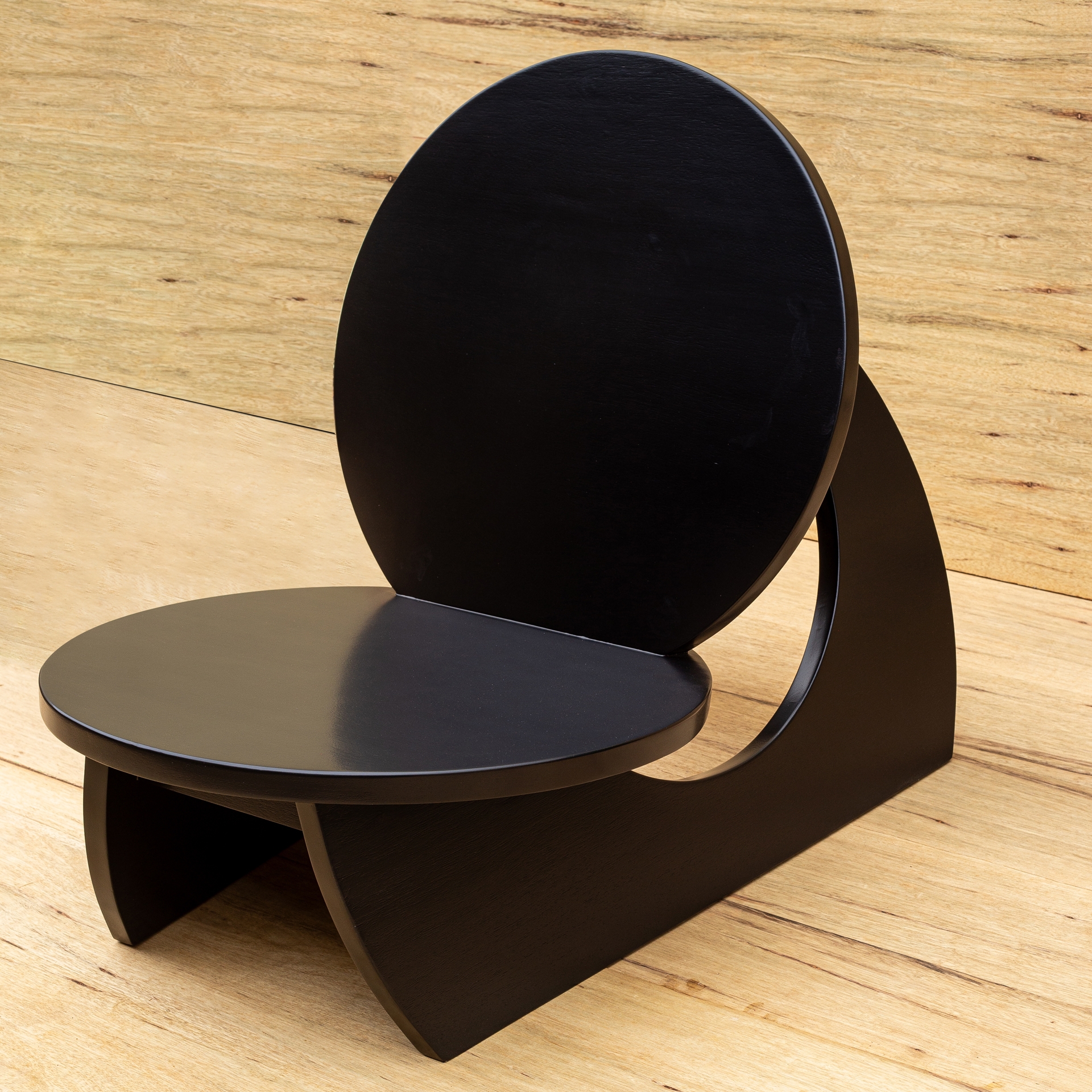
Sama is an armchair born from a personal design challenge: to create a powerful, commanding seat using only circles as a formal language. The result is an architectural piece — sophisticated, imposing, and visually magnetic. Its pure circular geometry generates a tension between restraint and boldness that draws the eye with the force of a black hole, an effect deliberately amplified by its deep black paint finish. Crafted in Fraké (Terminalia superba), a versatile West African hardwood prized for its workability, Sama is produced in a limited edition of 7. Each piece is entirely handcrafted in Côte d'Ivoire. Revealed at Galerie 110 Véronique Rieffel during Paris Design Week 2023, Sama stands as a statement on what African design can achieve when formal rigour meets local material mastery.
Sama is an armchair born from a personal design challenge: to create a powerful, commanding seat using only circles as a formal language. The result is an architectural piece — sophisticated, imposing, and visually magnetic. Its pure circular geometry generates a tension between restraint and boldness that draws the eye with the force of a black hole, an effect deliberately amplified by its deep black paint finish. Crafted in Fraké (Terminalia superba), a versatile West African hardwood prized for its workability, Sama is produced in a limited edition of 7. Each piece is entirely handcrafted in Côte d'Ivoire. Revealed at Galerie 110 Véronique Rieffel during Paris Design Week 2023, Sama stands as a statement on what African design can achieve when formal rigour meets local material mastery.
Product Innovation / Specification:
The central innovation of Sama lies in its self-imposed formal constraint: every structural and aesthetic element of the chair is derived exclusively from circular geometry. Translating this principle into a fully functional, structurally sound armchair is far from straightforward — circles resist the conventions of furniture joinery, which typically relies on straight edges and right angles. The result required significant technical invention. The manufacturing process was particularly demanding. The curved forms and compound angles involved in assembling circular components pushed the limits of traditional woodworking, requiring multiple rounds of prototyping before a viable production method was established. Each of the 7 pieces in the edition represents the accumulated knowledge of that iterative process. The black paint finish was chosen not merely for aesthetic effect, but as a deliberate compositional decision — it suppresses grain and surface detail, forcing the eye to read only the geometry. The silhouette becomes the entire statement.
The central innovation of Sama lies in its self-imposed formal constraint: every structural and aesthetic element of the chair is derived exclusively from circular geometry. Translating this principle into a fully functional, structurally sound armchair is far from straightforward — circles resist the conventions of furniture joinery, which typically relies on straight edges and right angles. The result required significant technical invention. The manufacturing process was particularly demanding. The curved forms and compound angles involved in assembling circular components pushed the limits of traditional woodworking, requiring multiple rounds of prototyping before a viable production method was established. Each of the 7 pieces in the edition represents the accumulated knowledge of that iterative process. The black paint finish was chosen not merely for aesthetic effect, but as a deliberate compositional decision — it suppresses grain and surface detail, forcing the eye to read only the geometry. The silhouette becomes the entire statement.
Product Sustainability Approach:
Sama is produced entirely by hand in Côte d'Ivoire, within the workshop of one of West Africa's most respected designer-craftsmen. This mode of production is inherently low-waste: small-batch, made-to-order manufacturing with no industrial tooling, no mass production overhead, and a direct relationship between maker and material. Fraké (Terminalia superba) is a West African timber species that, when responsibly sourced, supports regional forestry economies. Its workability makes it well-suited to the complex curved forms of Sama, reducing the material waste typically associated with achieving such geometries in denser hardwoods. The limited edition format — 7 pieces only — is itself a sustainability position: pieces conceived as lasting collectible objects rather than disposable product. Sama is designed to endure materially, aesthetically, and culturally, resisting the cycles of obsolescence that drive furniture waste.
Sama is produced entirely by hand in Côte d'Ivoire, within the workshop of one of West Africa's most respected designer-craftsmen. This mode of production is inherently low-waste: small-batch, made-to-order manufacturing with no industrial tooling, no mass production overhead, and a direct relationship between maker and material. Fraké (Terminalia superba) is a West African timber species that, when responsibly sourced, supports regional forestry economies. Its workability makes it well-suited to the complex curved forms of Sama, reducing the material waste typically associated with achieving such geometries in denser hardwoods. The limited edition format — 7 pieces only — is itself a sustainability position: pieces conceived as lasting collectible objects rather than disposable product. Sama is designed to endure materially, aesthetically, and culturally, resisting the cycles of obsolescence that drive furniture waste.
Local and Regional Impacts of the Product:
Sama was conceived and produced entirely in Côte d'Ivoire, in direct collaboration with skilled local woodworkers whose craft traditions form the backbone of the piece. By engaging this expertise for a work exhibited internationally — including at Paris Design Week 2023 — the project demonstrates that West African craftsmanship can operate at the highest levels of global design. The piece contributes to a growing visibility for Ivorian design on the world stage, reinforcing Abidjan's emergence as a creative hub on the continent and creating a tangible economic link between local artisanal production and international design markets.
Sama was conceived and produced entirely in Côte d'Ivoire, in direct collaboration with skilled local woodworkers whose craft traditions form the backbone of the piece. By engaging this expertise for a work exhibited internationally — including at Paris Design Week 2023 — the project demonstrates that West African craftsmanship can operate at the highest levels of global design. The piece contributes to a growing visibility for Ivorian design on the world stage, reinforcing Abidjan's emergence as a creative hub on the continent and creating a tangible economic link between local artisanal production and international design markets.

Lead Designer(s) Name(s):Paul Moustapha Ledron
Profile Description:
Paul Moustapha Ledron is a designer based in Abidjan, Côte d’Ivoire. His practice develops a contemporary sculptural language rooted in West African imaginaries, translating collective memory into form and material. Working across exhibition pieces, limited series and editions, he collaborates with local artisans to create objects situated between art and everyday use.
Paul Moustapha Ledron is a designer based in Abidjan, Côte d’Ivoire. His practice develops a contemporary sculptural language rooted in West African imaginaries, translating collective memory into form and material. Working across exhibition pieces, limited series and editions, he collaborates with local artisans to create objects situated between art and everyday use.
Environmental Practices:
The studio works closely with local artisans in Côte d’Ivoire, privileging small-scale production and traditional craftsmanship. Materials are selected for durability and longevity, with an emphasis on solid wood, bronze and natural fibres. By producing in limited quantities and favouring local manufacturing networks, the practice seeks to reduce transportation impact while supporting regional economies and preserving artisanal knowledge.
The studio works closely with local artisans in Côte d’Ivoire, privileging small-scale production and traditional craftsmanship. Materials are selected for durability and longevity, with an emphasis on solid wood, bronze and natural fibres. By producing in limited quantities and favouring local manufacturing networks, the practice seeks to reduce transportation impact while supporting regional economies and preserving artisanal knowledge.
Previous Awards Won:
-Top 30 Under 30 – Art, Culture & Entrepreneurship Forbes Afrique (2024) -“Prix du Jeune Créateur”, Forum des Métiers du Luxe Abidjan (2023)
-Top 30 Under 30 – Art, Culture & Entrepreneurship Forbes Afrique (2024) -“Prix du Jeune Créateur”, Forum des Métiers du Luxe Abidjan (2023)