Nègèbennan
Prize(s):
WINNER 2026 PRODUCT DESIGN / Furniture & Lighting
Lead Designer(s) Name(s):Paul Moustapha Ledron
Manufacturer Name:Jean Servais Somian's Workshop
Client Name:Jaafar Ezzeddine
Photo Credit:Pimii Pango
Project Location:Abidjan, Côte d'Ivoire
Design Status:Commercialized
Website: View
Product Description:
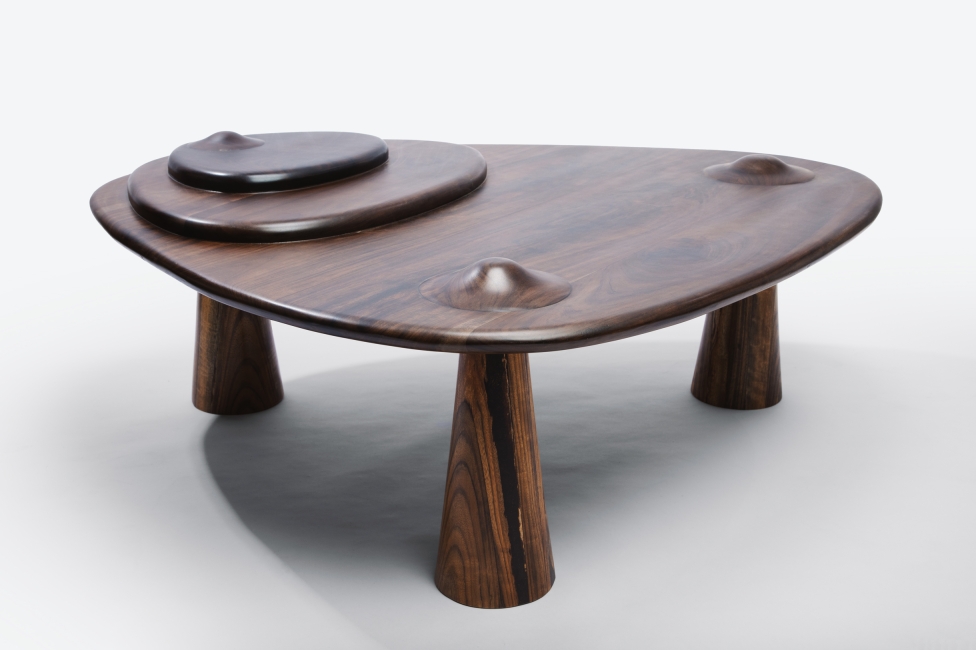
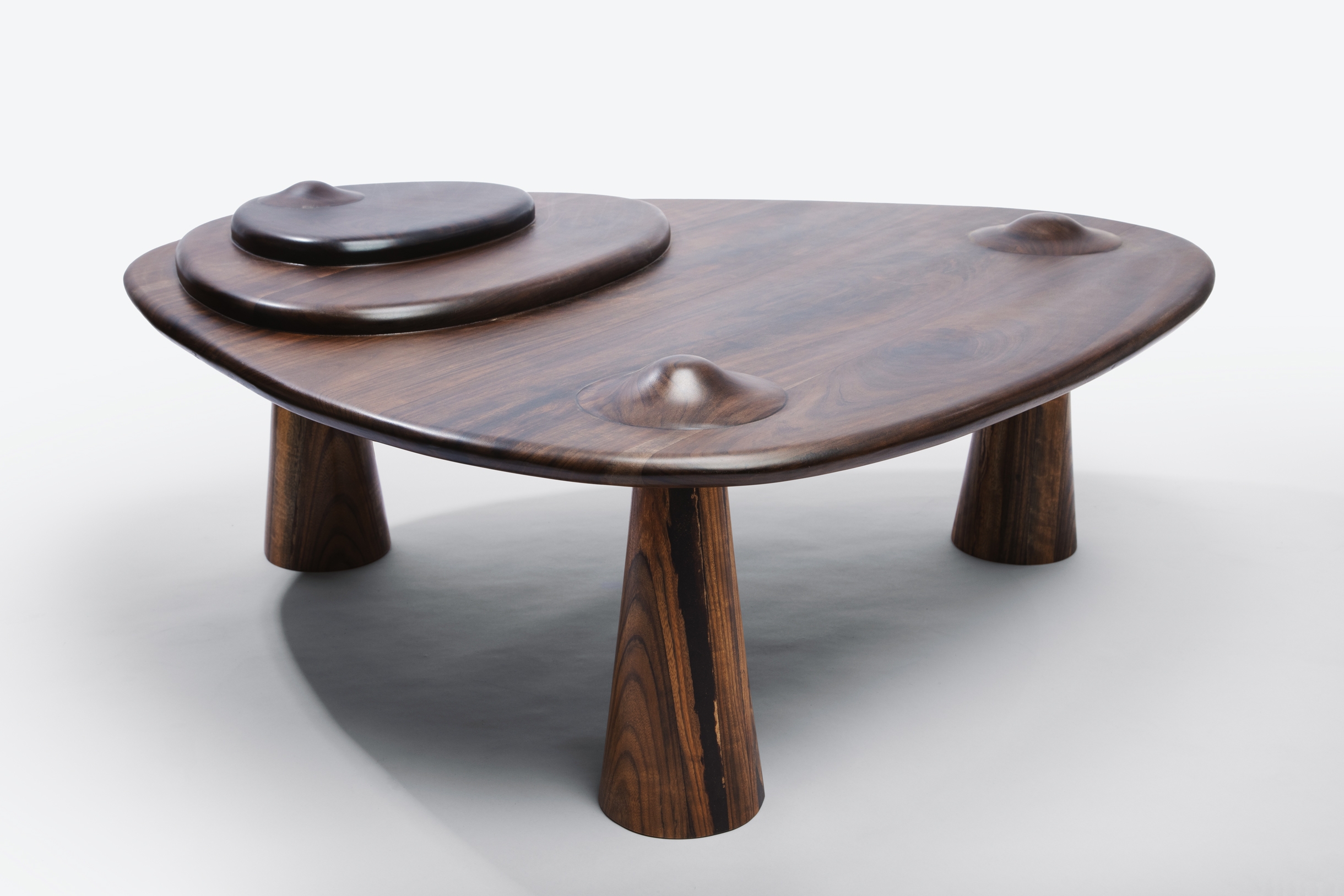
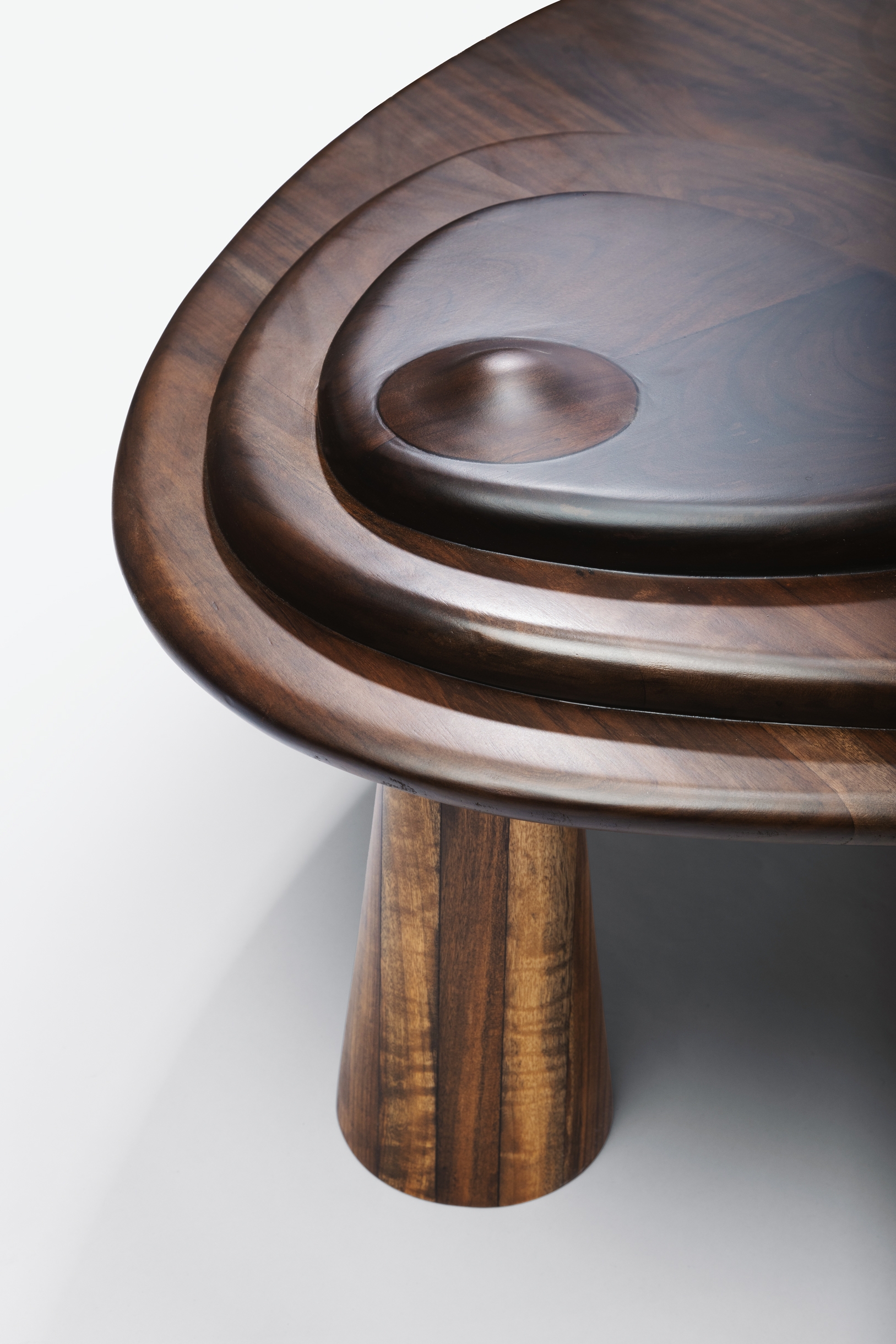
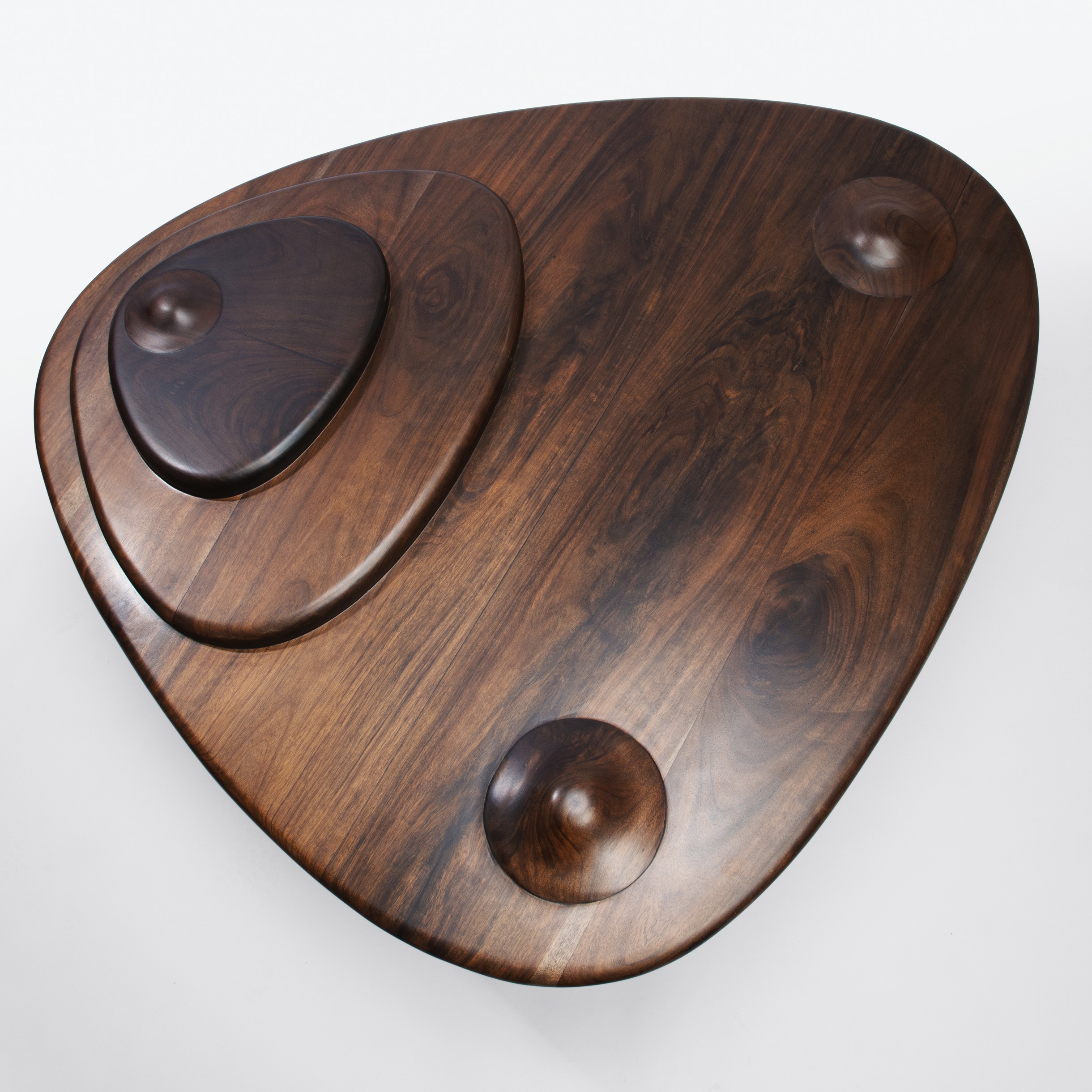
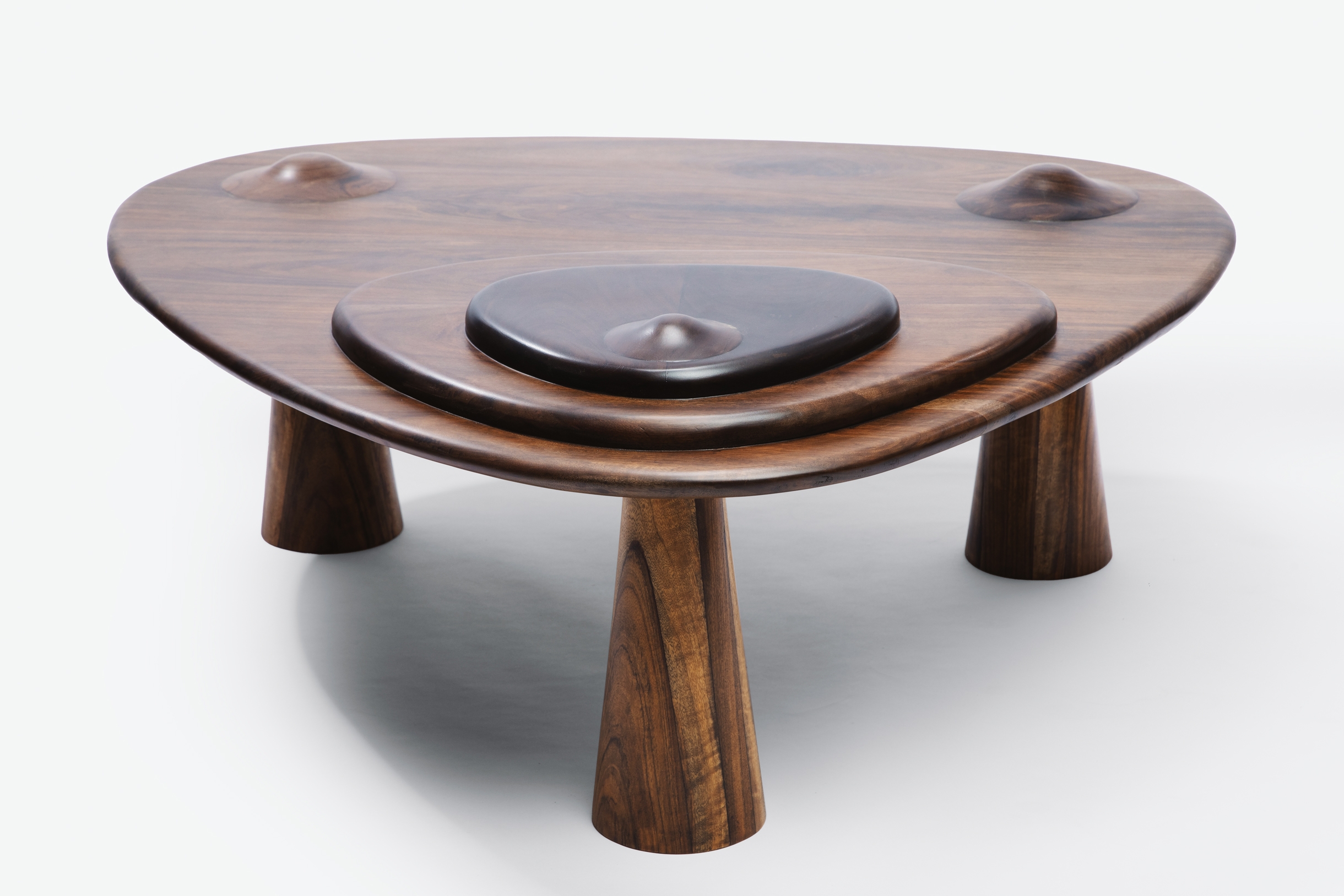
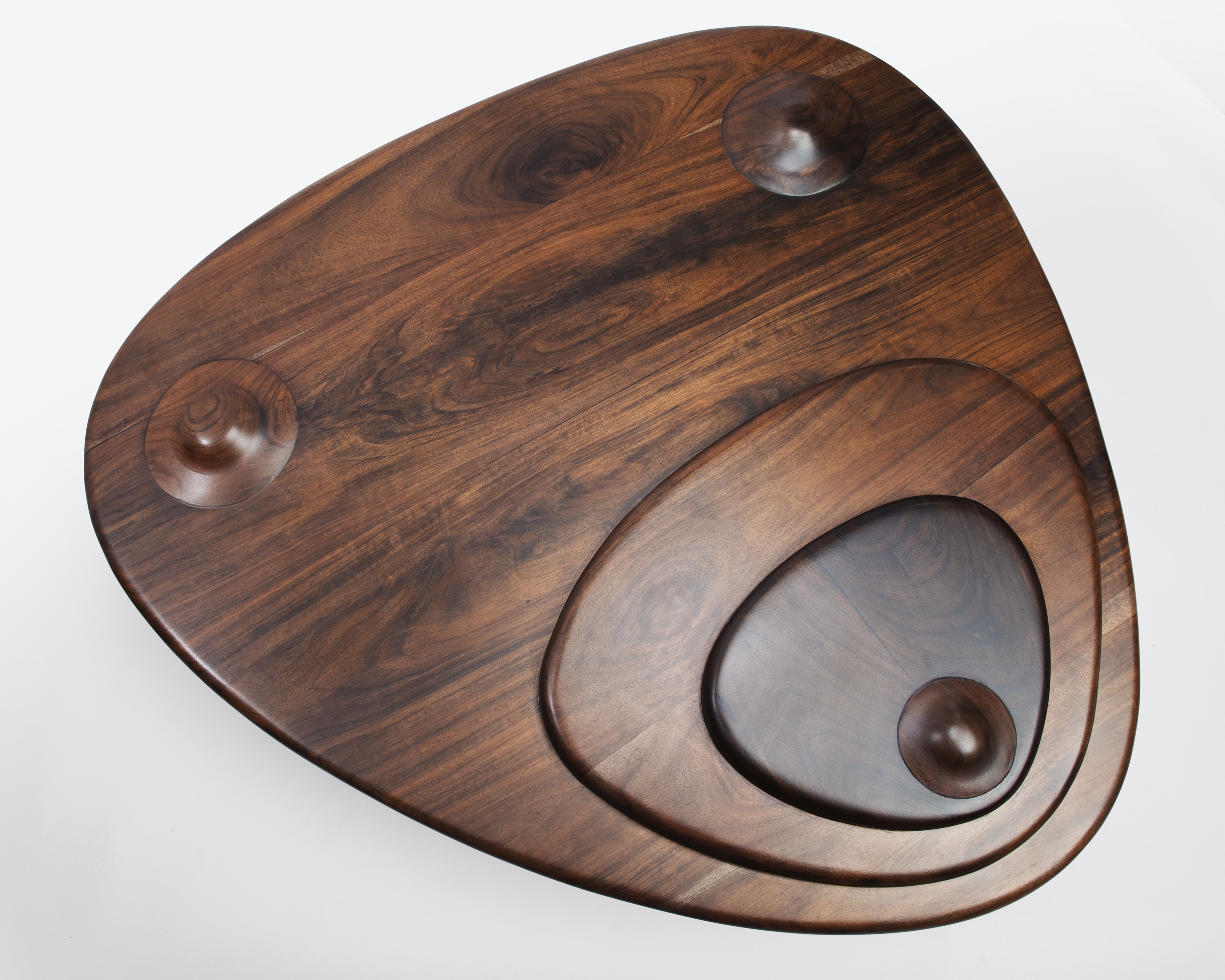
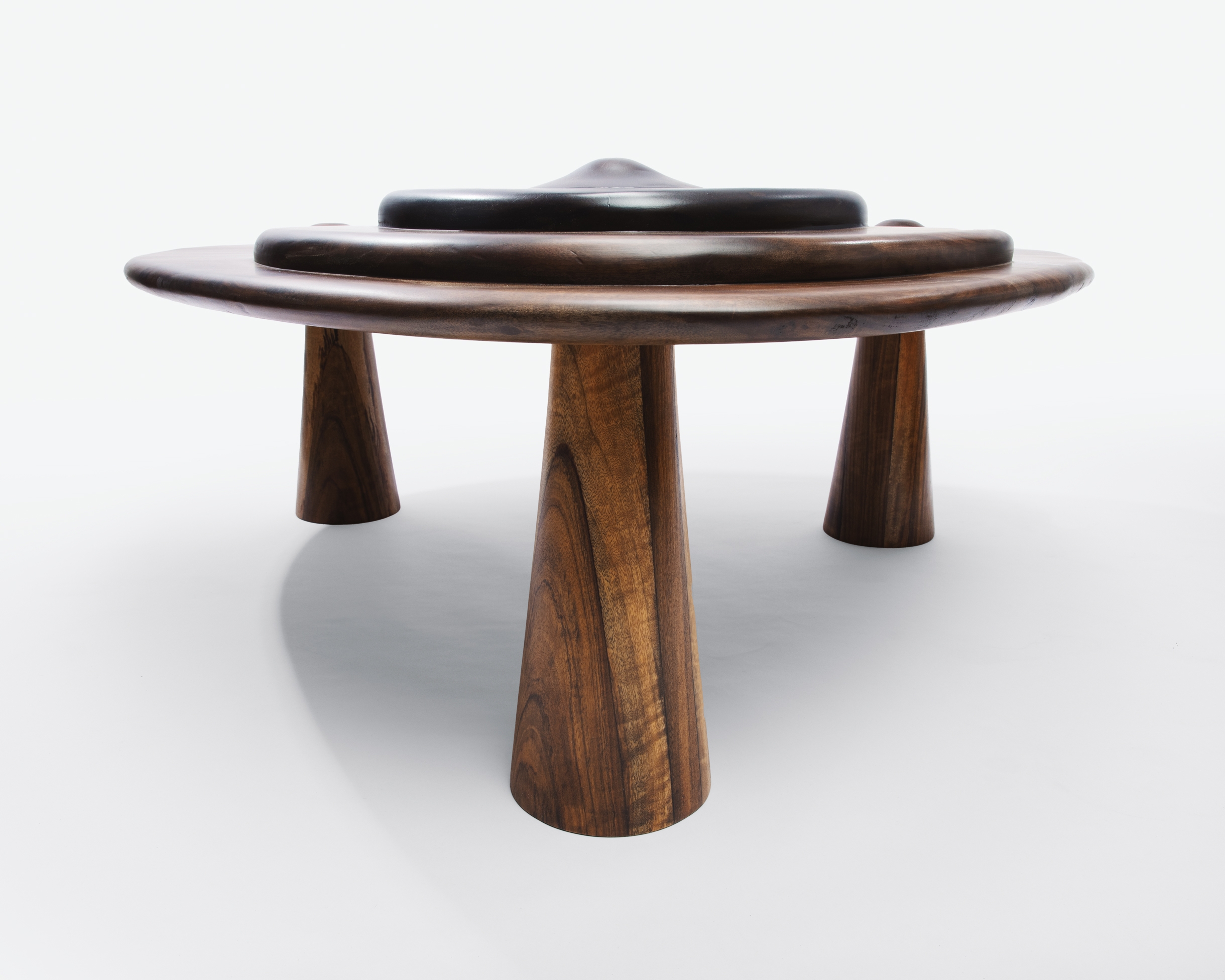
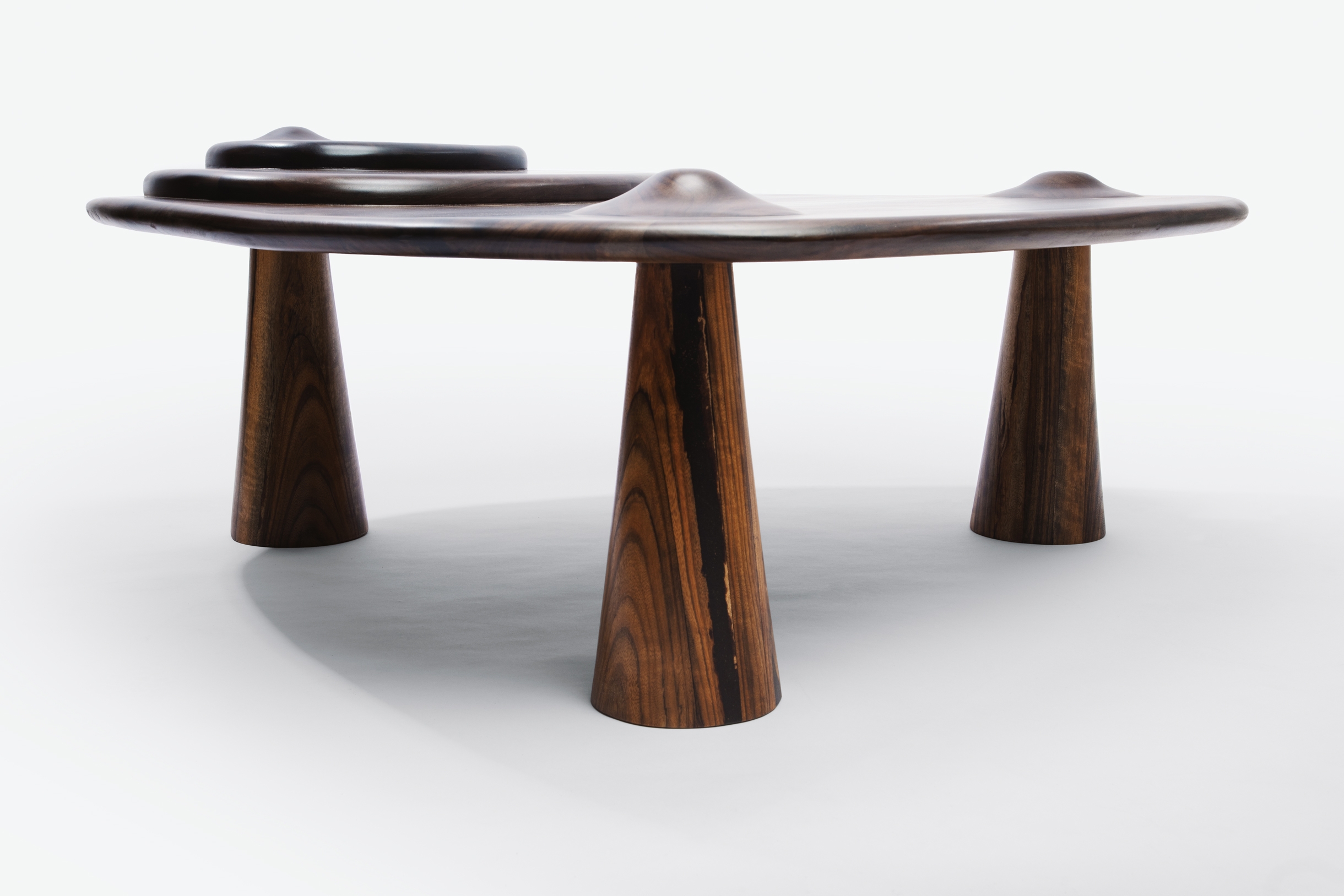
“Nègèbennan” is conceived as an ode to resilience, embodied through its layered construction and controlled surface deformation. The bulges express the impacts that shape human experience, while successive layers of solid wood evoke the gradual strengthening that comes with time and accumulated knowledge. Rooted in reflections on the resilience of the African continent — shaped by historical, social and material pressures — the piece translates endurance into sculptural form, where material depth becomes narrative structure. Unveiled at the 2024 Biennale of Contemporary African Art in Dakar, marking the return of design after sixteen years of absence, the work stands between functional object and sculptural presence. Memory, endurance and transformation are embedded directly into its material form, bridging collective history and contemporary design practice.
“Nègèbennan” is conceived as an ode to resilience, embodied through its layered construction and controlled surface deformation. The bulges express the impacts that shape human experience, while successive layers of solid wood evoke the gradual strengthening that comes with time and accumulated knowledge. Rooted in reflections on the resilience of the African continent — shaped by historical, social and material pressures — the piece translates endurance into sculptural form, where material depth becomes narrative structure. Unveiled at the 2024 Biennale of Contemporary African Art in Dakar, marking the return of design after sixteen years of absence, the work stands between functional object and sculptural presence. Memory, endurance and transformation are embedded directly into its material form, bridging collective history and contemporary design practice.
Product Innovation / Specification:
The table is constructed from stacked layers of Amazakoué wood (Guibourtia ehie), a dense West African hardwood selected for its structural resistance and tonal richness. The layered assembly technique ensures stability while defining the object’s formal identity. Each layer is individually shaped and assembled, forming a fully integrated stratified structure. The legs and bulges are turned on a lathe from solid wood, ensuring visual continuity and structural coherence. Dimensions and proportions were carefully developed to maintain usability while preserving a strong sculptural presence within space.
The table is constructed from stacked layers of Amazakoué wood (Guibourtia ehie), a dense West African hardwood selected for its structural resistance and tonal richness. The layered assembly technique ensures stability while defining the object’s formal identity. Each layer is individually shaped and assembled, forming a fully integrated stratified structure. The legs and bulges are turned on a lathe from solid wood, ensuring visual continuity and structural coherence. Dimensions and proportions were carefully developed to maintain usability while preserving a strong sculptural presence within space.
Product Sustainability Approach:
The piece is produced through small-scale craftsmanship in Côte d’Ivoire, in direct collaboration with local artisans and workshops. It is made from Amazakoué (Guibourtia ehie), also known as Ovangkol, a durable West African hardwood that remains underrepresented in international design and is not classified as endangered. By privileging locally sourced Amazakoué over heavily exploited global species, the project supports regional forestry economies and encourages the valorisation of lesser-known indigenous materials. Solid wood construction ensures longevity, while limited production reduces material waste and promotes mindful consumption. The emphasis on durability and timeless form positions the object as a long-term cultural and material investment.
The piece is produced through small-scale craftsmanship in Côte d’Ivoire, in direct collaboration with local artisans and workshops. It is made from Amazakoué (Guibourtia ehie), also known as Ovangkol, a durable West African hardwood that remains underrepresented in international design and is not classified as endangered. By privileging locally sourced Amazakoué over heavily exploited global species, the project supports regional forestry economies and encourages the valorisation of lesser-known indigenous materials. Solid wood construction ensures longevity, while limited production reduces material waste and promotes mindful consumption. The emphasis on durability and timeless form positions the object as a long-term cultural and material investment.
Local and Regional Impacts of the Product:
The project supports local artisans and woodworking workshops in Côte d’Ivoire, strengthening regional production networks and craft transmission. By foregrounding Amazakoué, a locally available yet internationally underrepresented hardwood, the piece contributes to the visibility of West African materials within global design discourse. It reinforces indigenous knowledge systems while positioning contemporary African design as an active contributor to international conversations on resilience and material culture.
The project supports local artisans and woodworking workshops in Côte d’Ivoire, strengthening regional production networks and craft transmission. By foregrounding Amazakoué, a locally available yet internationally underrepresented hardwood, the piece contributes to the visibility of West African materials within global design discourse. It reinforces indigenous knowledge systems while positioning contemporary African design as an active contributor to international conversations on resilience and material culture.

Lead Designer(s) Name(s):Paul Moustapha Ledron
Profile Description:
Paul Moustapha Ledron is a designer based in Abidjan, Côte d’Ivoire. His practice develops a contemporary sculptural language rooted in West African imaginaries, translating collective memory into form and material. Working across exhibition pieces, limited series and editions, he collaborates with local artisans to create objects situated between art and everyday use.
Paul Moustapha Ledron is a designer based in Abidjan, Côte d’Ivoire. His practice develops a contemporary sculptural language rooted in West African imaginaries, translating collective memory into form and material. Working across exhibition pieces, limited series and editions, he collaborates with local artisans to create objects situated between art and everyday use.
Environmental Practices:
The studio works closely with local artisans in Côte d’Ivoire, privileging small-scale production and traditional craftsmanship. Materials are selected for durability and longevity, with an emphasis on solid wood, bronze and natural fibres. By producing in limited quantities and favouring local manufacturing networks, the practice seeks to reduce transportation impact while supporting regional economies and preserving artisanal knowledge.
The studio works closely with local artisans in Côte d’Ivoire, privileging small-scale production and traditional craftsmanship. Materials are selected for durability and longevity, with an emphasis on solid wood, bronze and natural fibres. By producing in limited quantities and favouring local manufacturing networks, the practice seeks to reduce transportation impact while supporting regional economies and preserving artisanal knowledge.
Previous Awards Won:
-Top 30 Under 30 – Art, Culture & Entrepreneurship Forbes Afrique (2024) -“Prix du Jeune Créateur”, Forum des Métiers du Luxe Abidjan (2023)
-Top 30 Under 30 – Art, Culture & Entrepreneurship Forbes Afrique (2024) -“Prix du Jeune Créateur”, Forum des Métiers du Luxe Abidjan (2023)