From the Reject Pile
Prize(s):
WINNER 2026 PRODUCT DESIGN / Homeware & Decoration
Lead Designer(s) Name(s):Gina Nagi
Client Name:Stir Speciality Coffee
Photo Credit:Gina Nagi
Project Location:Jumeriah Village Triangle, Dubai, United Arab Emirates
Design Status:Commercialized
Website: View
Product Description:
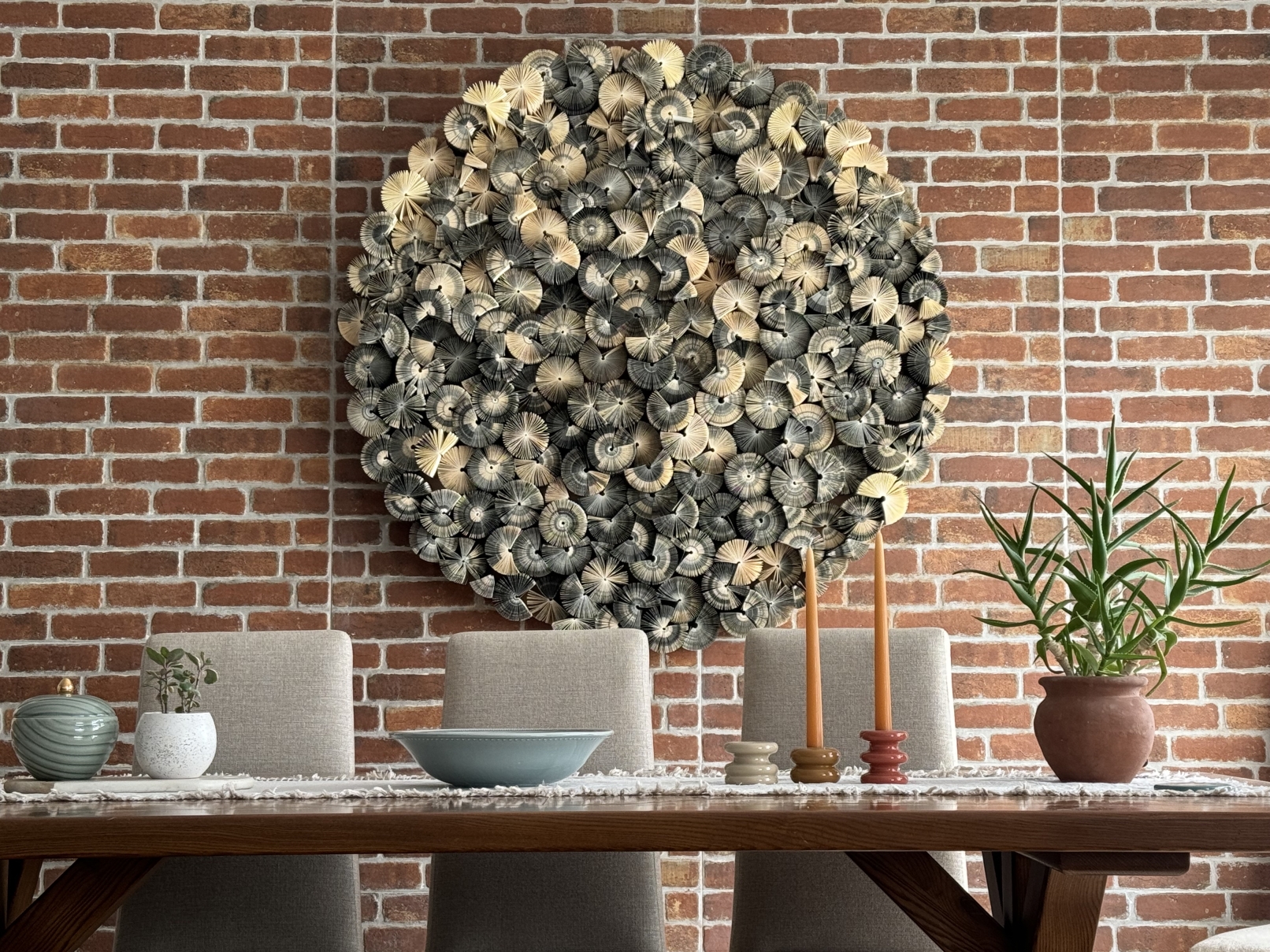
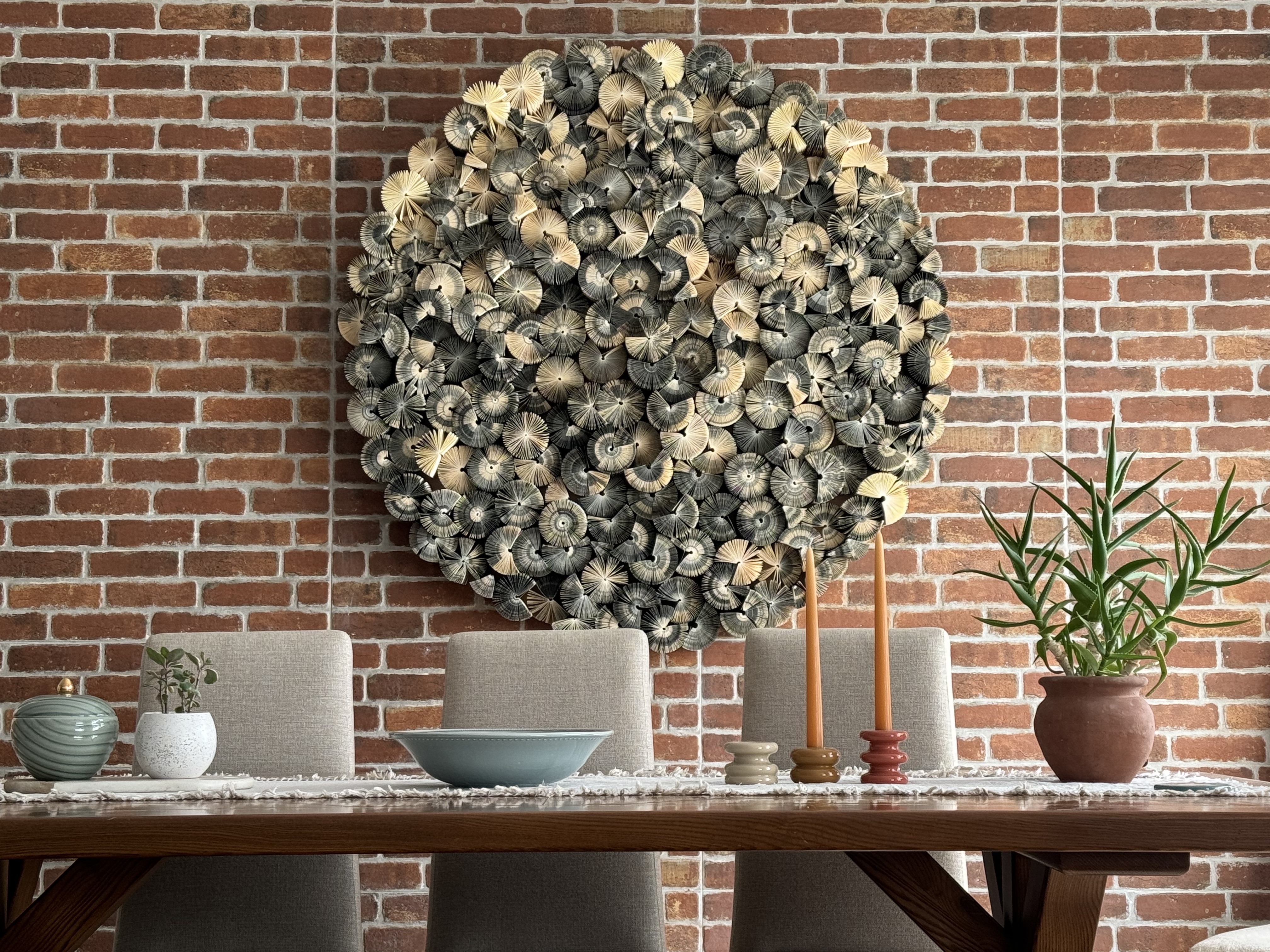
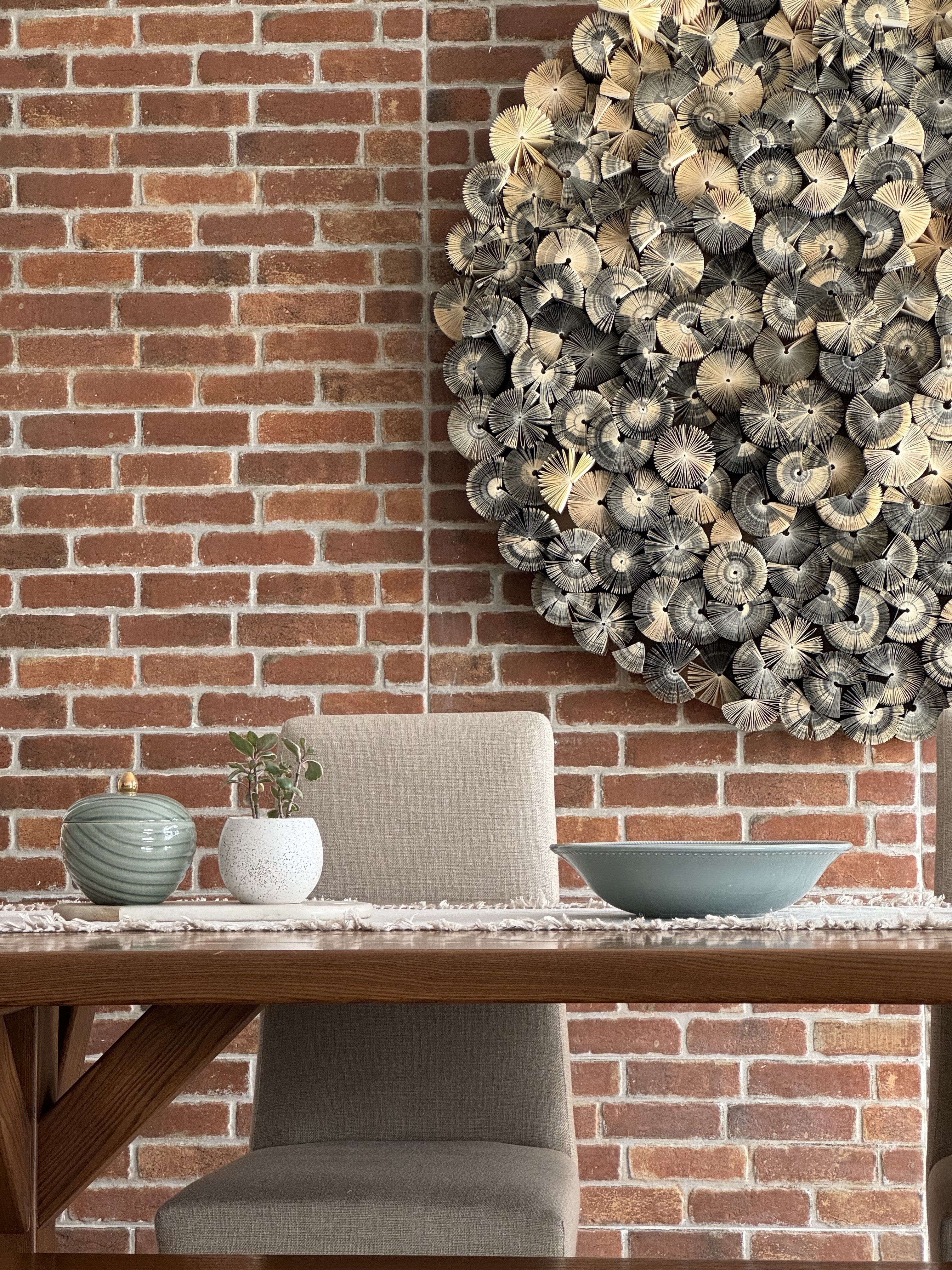
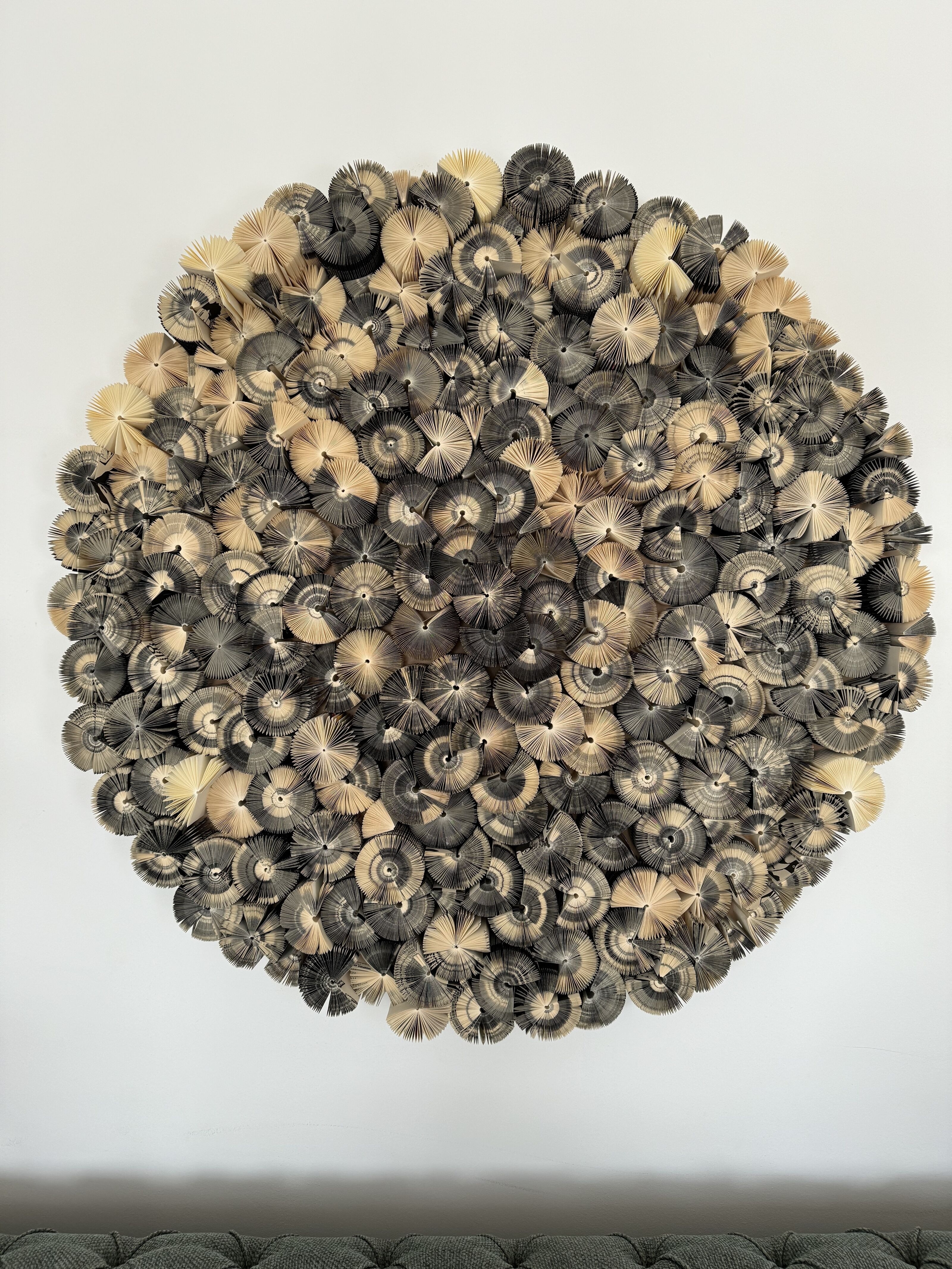
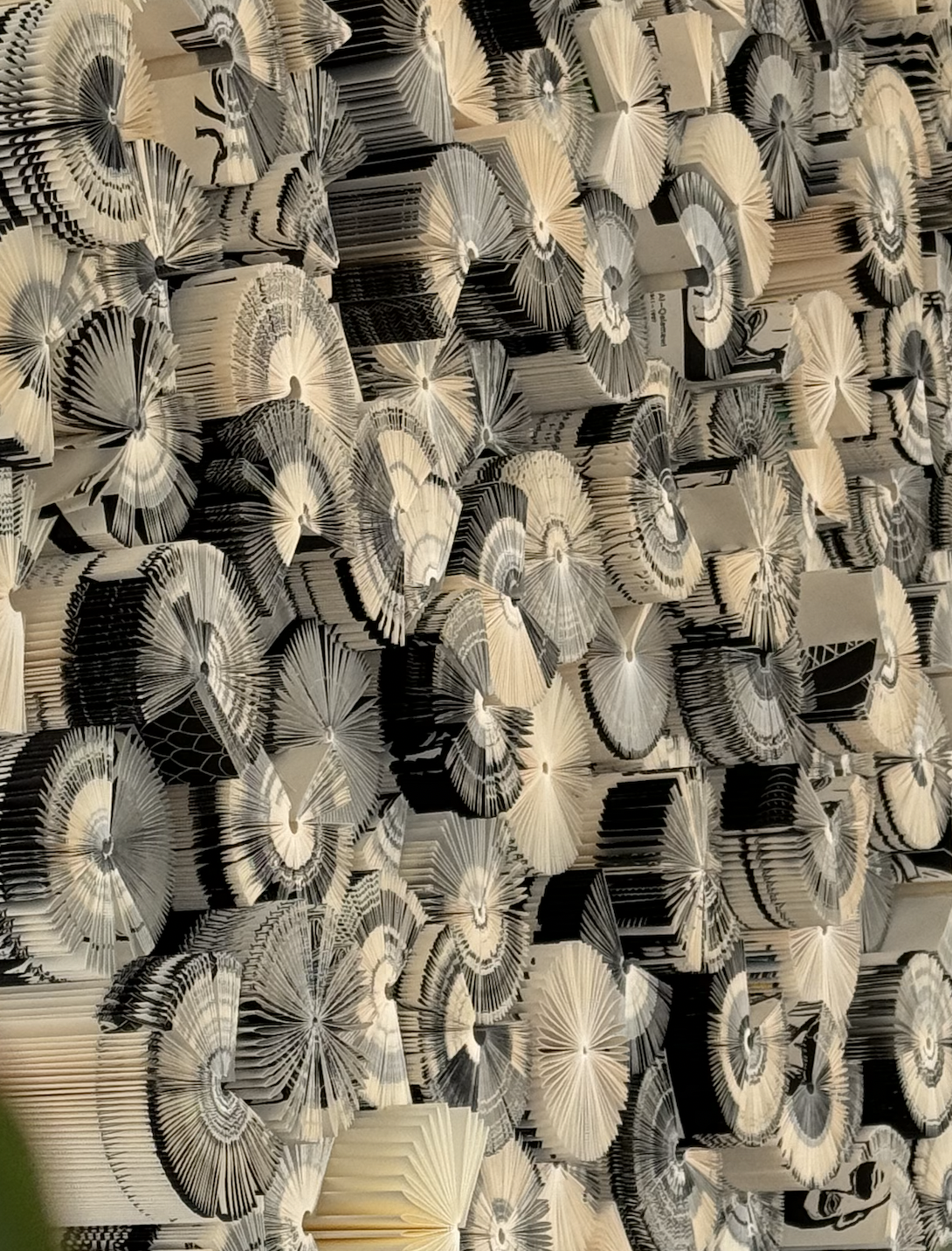
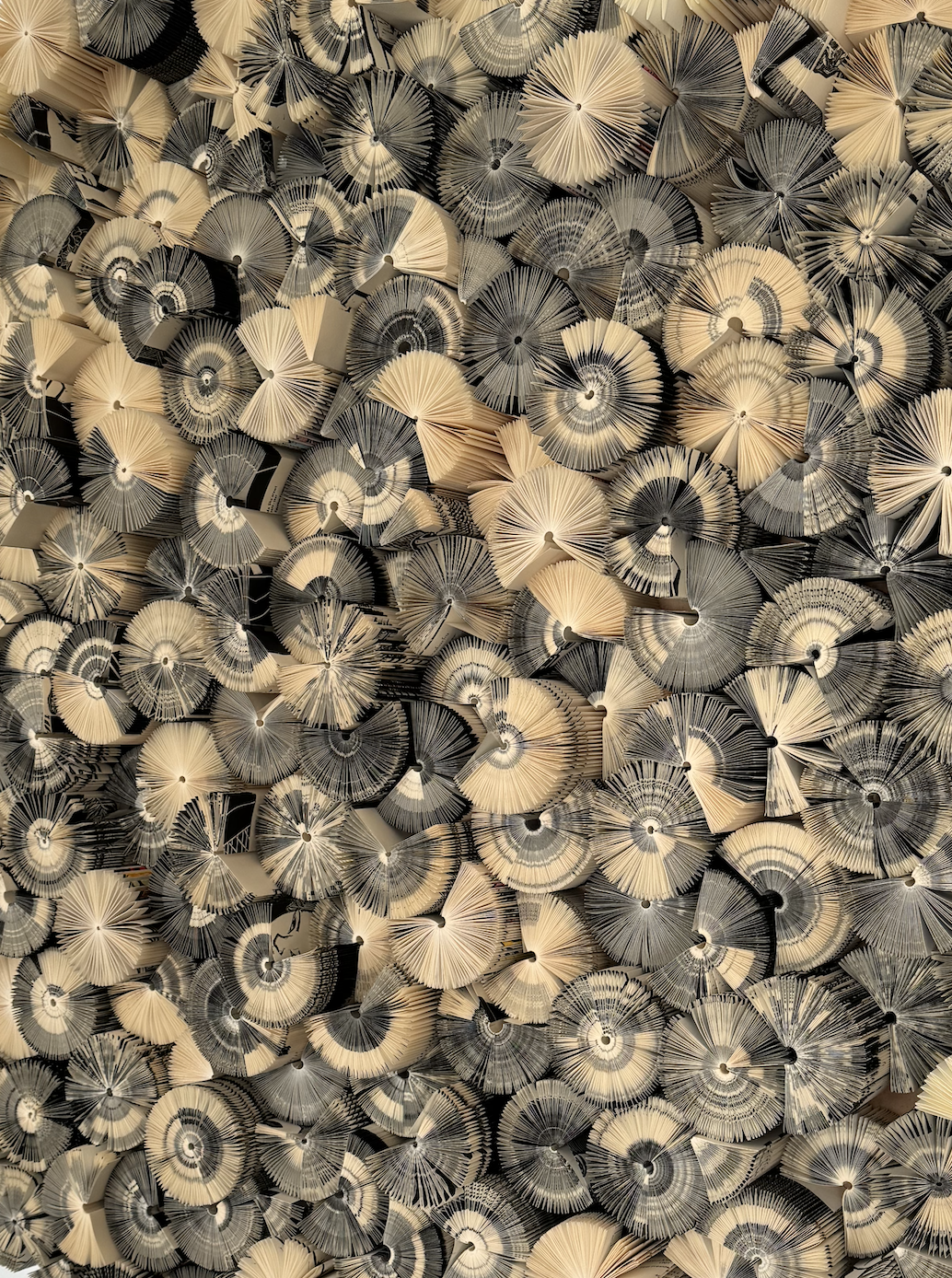
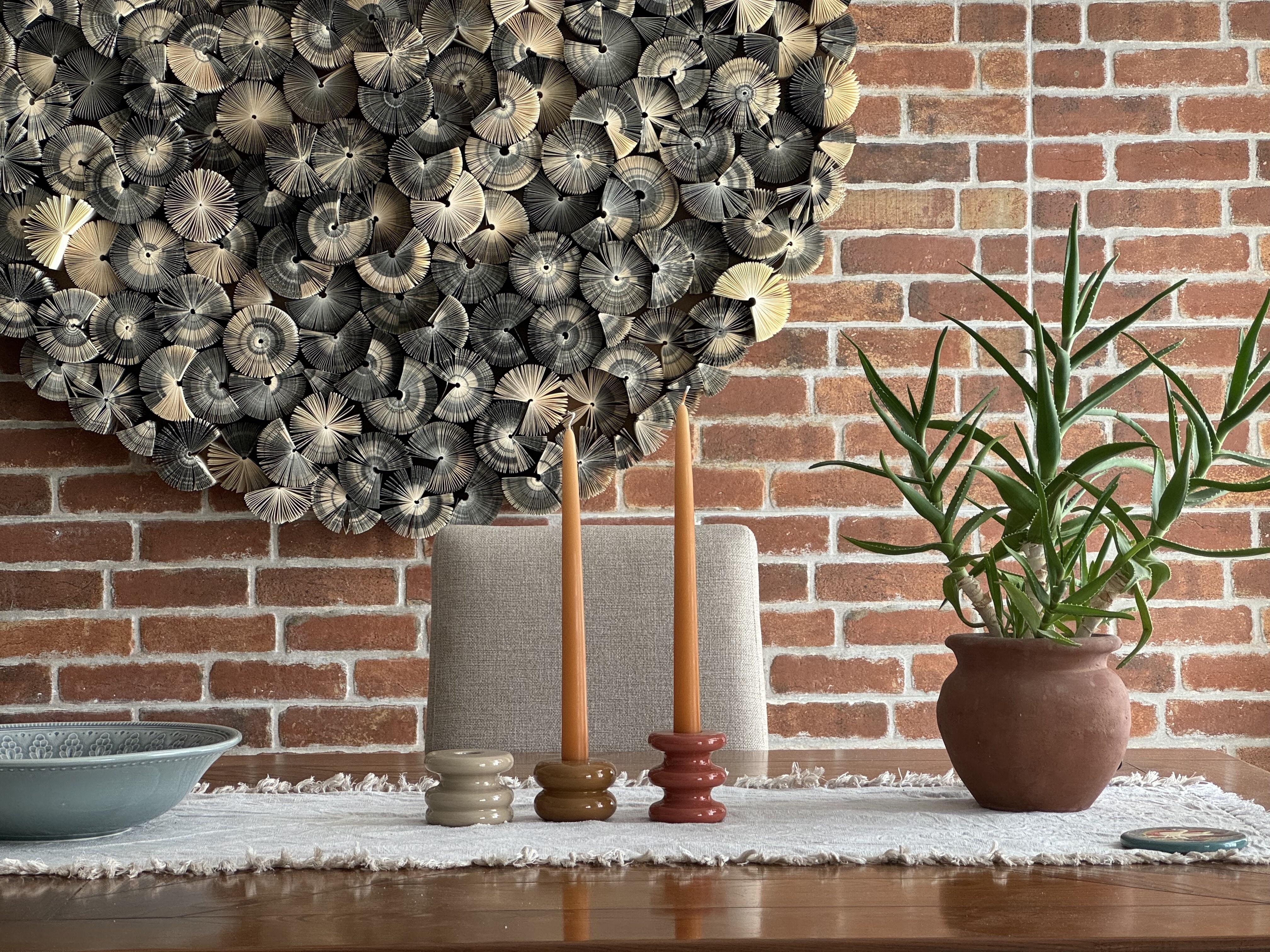
The artwork is constructed from errored A4 flat prints that were then turned into 260 individual books. The prints were originally produced by Applied Arts Students as part of a semester-long project in illustration and printmaking. Each book originally served as a vessel for hand-pulled linocut prints, documenting the students’ exploration of texture, negative space, and narrative sequencing. However, due to the rigorous nature of hand-printing—where inconsistencies in ink density, paper tearing, mis-registration, or color mixing rendered certain copies “imperfect”—a significant volume of these hand-prints were slated for disposal. Rather than allowing these artifacts of the creative process to become waste, this sculpture re-contextualizes them. Waste prints were printed on A4 format using 80 gsm "Bulky" paper. All the waste prints were cut to different sizes and bound using adhesives turning them into books. After the books were bound, sheet by sheet was folded to make a circular / spiral effect, each of different length to create depth in the final artwork.
The artwork is constructed from errored A4 flat prints that were then turned into 260 individual books. The prints were originally produced by Applied Arts Students as part of a semester-long project in illustration and printmaking. Each book originally served as a vessel for hand-pulled linocut prints, documenting the students’ exploration of texture, negative space, and narrative sequencing. However, due to the rigorous nature of hand-printing—where inconsistencies in ink density, paper tearing, mis-registration, or color mixing rendered certain copies “imperfect”—a significant volume of these hand-prints were slated for disposal. Rather than allowing these artifacts of the creative process to become waste, this sculpture re-contextualizes them. Waste prints were printed on A4 format using 80 gsm "Bulky" paper. All the waste prints were cut to different sizes and bound using adhesives turning them into books. After the books were bound, sheet by sheet was folded to make a circular / spiral effect, each of different length to create depth in the final artwork.
Product Innovation / Specification:
The innovation of "The Reject of Pile" lies in its transformation of a print-making errored outcome (success vs. failure) into a complex, layered artwork. Instead of treating misprints as waste, the sculpture utilizes them as primary source material. The innovation is the shift in perspective: the "error" is no longer a defect to be hidden, but the unique signature of the handmade object. Each of the 260 books is a unique artifact; no two contain the exact same combination of print errors, making the sculpture a unique archive of the class’s collective learning curve. The sculpture is arranged in a spiral vortex, showcasing the raw edges of the paper and the glimpses of the "errored" prints within.
The innovation of "The Reject of Pile" lies in its transformation of a print-making errored outcome (success vs. failure) into a complex, layered artwork. Instead of treating misprints as waste, the sculpture utilizes them as primary source material. The innovation is the shift in perspective: the "error" is no longer a defect to be hidden, but the unique signature of the handmade object. Each of the 260 books is a unique artifact; no two contain the exact same combination of print errors, making the sculpture a unique archive of the class’s collective learning curve. The sculpture is arranged in a spiral vortex, showcasing the raw edges of the paper and the glimpses of the "errored" prints within.
Product Sustainability Approach:
Waste reduction: This project saved over 1,000 A4 sheets of paper—from being thrown away. In a standard bindery, misprints are often recycled as pulp or discarded. Here, the material’s lifespan was extended indefinitely by transforming it into a permanent artwork. The piece required no new raw materials; the binding adhesive and paper were all existing resources from the original student project.
Waste reduction: This project saved over 1,000 A4 sheets of paper—from being thrown away. In a standard bindery, misprints are often recycled as pulp or discarded. Here, the material’s lifespan was extended indefinitely by transforming it into a permanent artwork. The piece required no new raw materials; the binding adhesive and paper were all existing resources from the original student project.
Local and Regional Impacts of the Product:
The sculpture serves as a flagship piece for the regional arts community, demonstrating that high-quality arts education is also a driver of environmental innovation. By exhibiting this piece in Stir Speciality coffee, it positions the local region as a hub for “Sustainable Artistry.” It challenges regional collectors and institutions to consider the environmental cost of art production and champions the value of locally sourced, up-cycled materials. For the Applied Arts Students involved, this sculpture provided a crucial lesson in professional practice. It reframed their “mistakes” as valuable resources. By seeing their discarded proofs elevated to the status of fine art, students gained a healthier perspective on the iterative nature of printmaking.
The sculpture serves as a flagship piece for the regional arts community, demonstrating that high-quality arts education is also a driver of environmental innovation. By exhibiting this piece in Stir Speciality coffee, it positions the local region as a hub for “Sustainable Artistry.” It challenges regional collectors and institutions to consider the environmental cost of art production and champions the value of locally sourced, up-cycled materials. For the Applied Arts Students involved, this sculpture provided a crucial lesson in professional practice. It reframed their “mistakes” as valuable resources. By seeing their discarded proofs elevated to the status of fine art, students gained a healthier perspective on the iterative nature of printmaking.