COCOcycle
Prize(s):
WINNER 2026 PRODUCT DESIGN / Eco Design
School / University Name:Africa Design School (Cotonou)
Lead Designer(s) Name(s):Michkath Diallo
Design Team / Other designer(s):Alakè MOUFTAOU / Kislonne DISTEL
Professor Name(s):Yannick CHAMOIS
Photo Credit:DIALLO Michkath
Project Location:Expérimentation
Design Status:Prototype
Product Description:
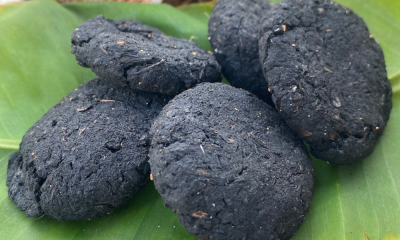
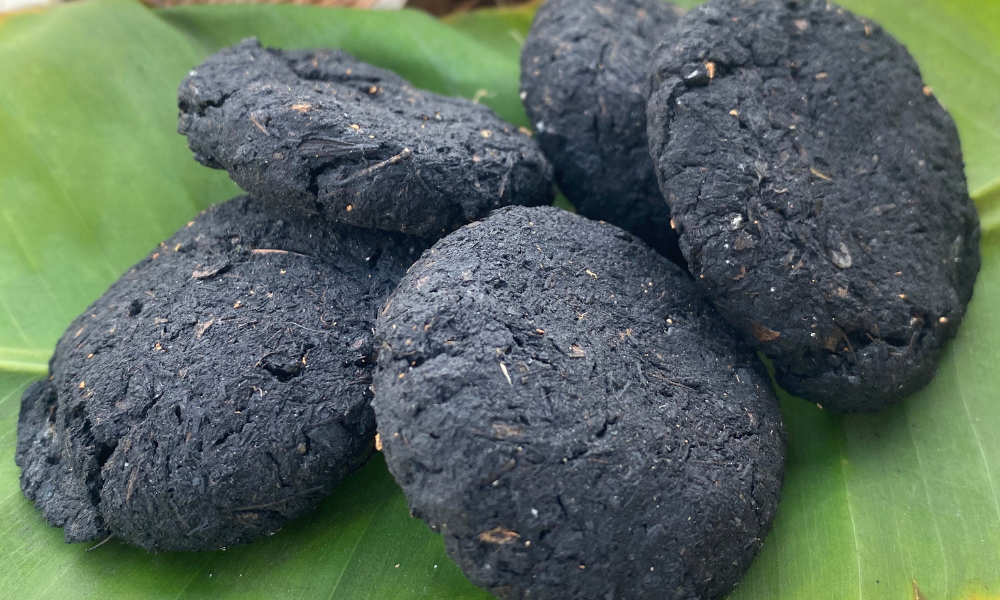
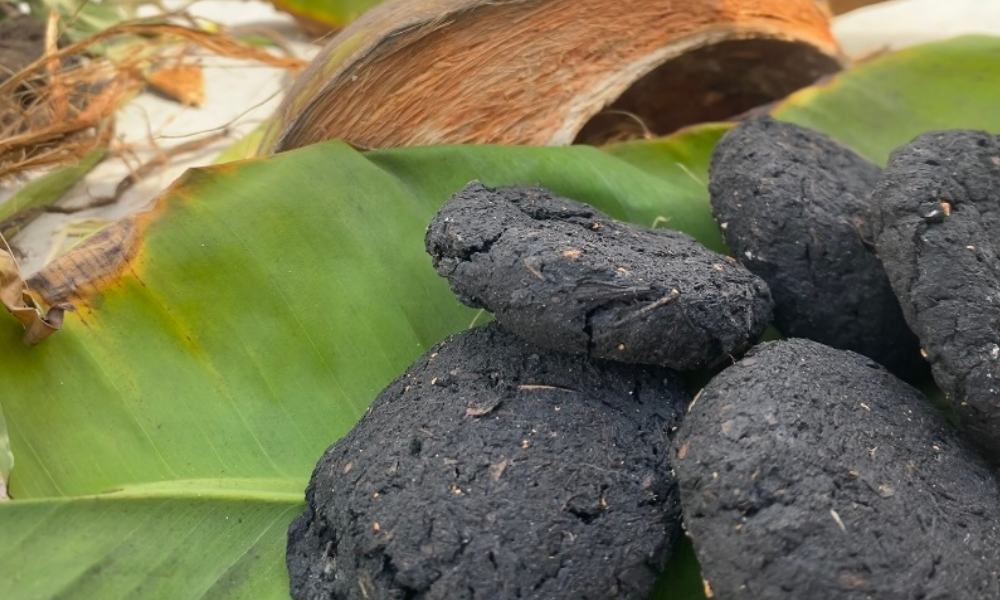
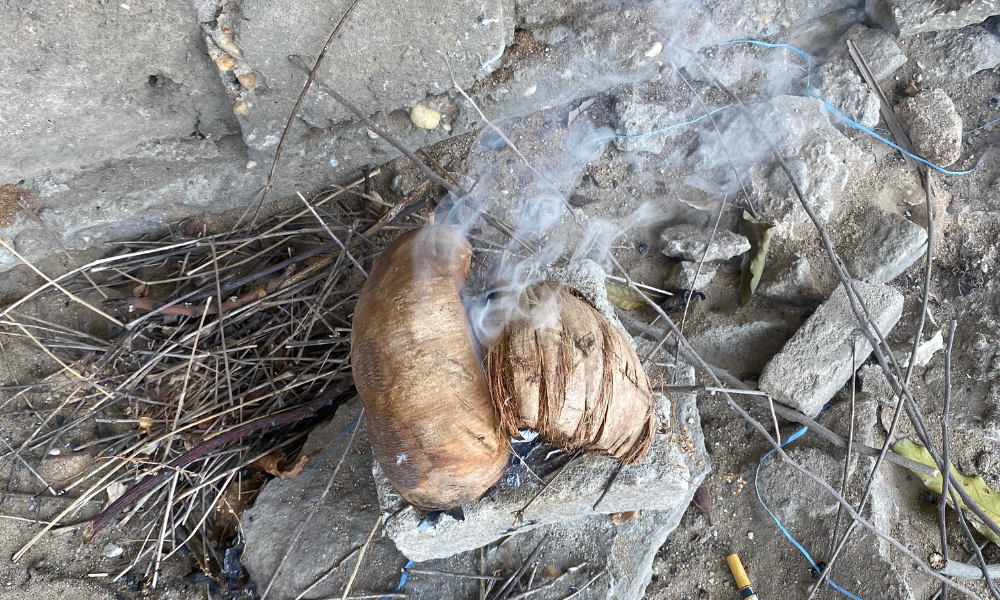
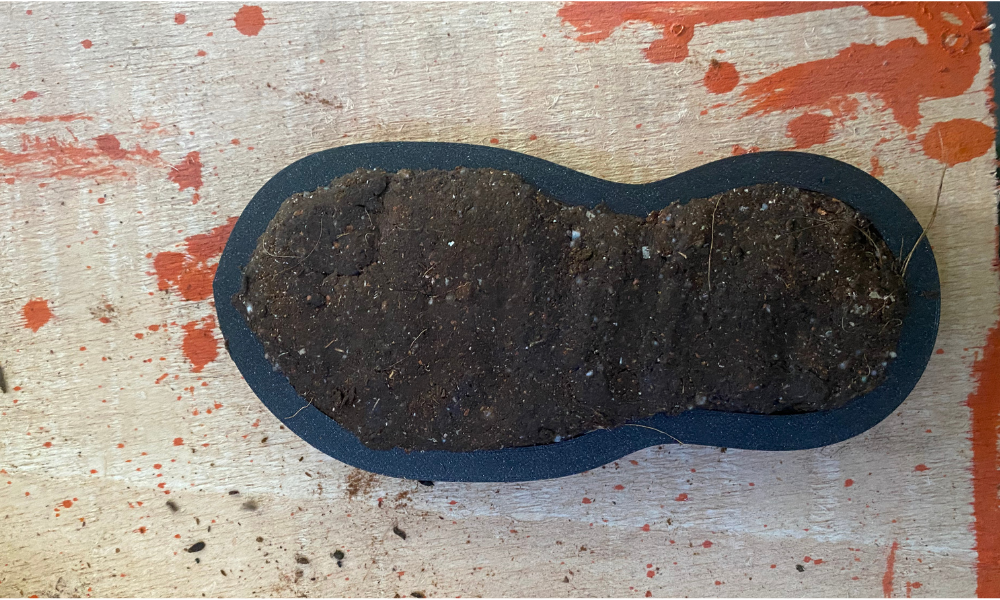
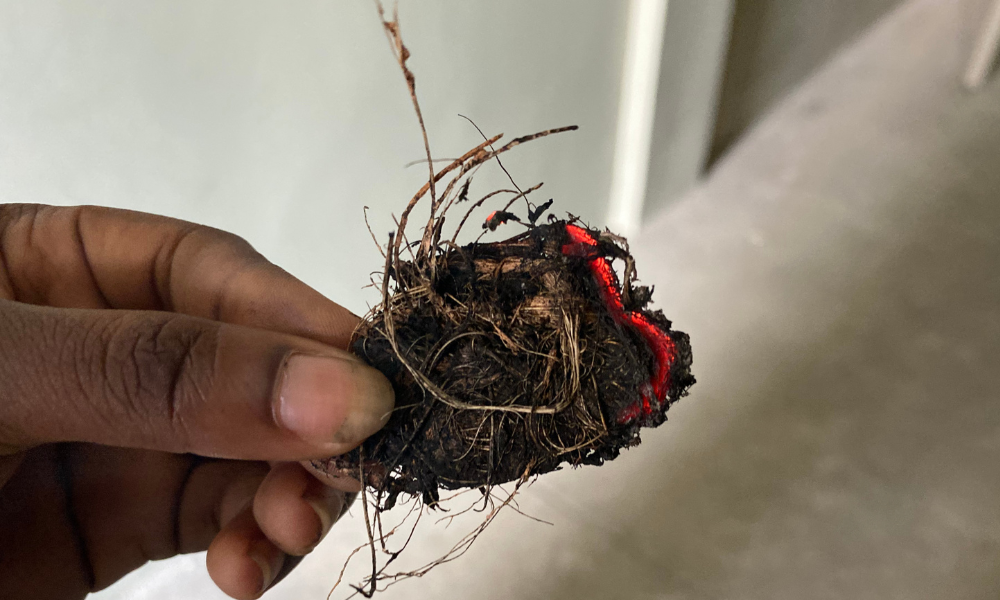
Our product is a biocharcoal made from recycled coconut shells. It comes in the form of compact briquettes, produced through a process of carbonization, grinding, and compression using a natural binder. This charcoal stands out for its clean combustion, with no excessive smoke or toxic odor, and without the use of chemicals or petroleum derivatives. It offers strong energy performance, with longer and more stable burning compared to traditional charcoal. Easy to store, transport, and use, it provides a solution adapted to household needs while making use of an abundant and underexploited local resource.
Our product is a biocharcoal made from recycled coconut shells. It comes in the form of compact briquettes, produced through a process of carbonization, grinding, and compression using a natural binder. This charcoal stands out for its clean combustion, with no excessive smoke or toxic odor, and without the use of chemicals or petroleum derivatives. It offers strong energy performance, with longer and more stable burning compared to traditional charcoal. Easy to store, transport, and use, it provides a solution adapted to household needs while making use of an abundant and underexploited local resource.
Product Innovation / Specification:
Our product is a biocharcoal made from recycled coconut shells. It comes in the form of compact briquettes, produced through a process of carbonization, grinding, and compression using a natural binder. This charcoal stands out for its clean combustion, with no excessive smoke or toxic odor, and without the use of chemicals or petroleum derivatives. It offers strong energy performance, with longer and more stable burning compared to traditional charcoal. Easy to store, transport, and use, it provides a solution adapted to household needs while making use of an abundant and underexploited local resource.
Our product is a biocharcoal made from recycled coconut shells. It comes in the form of compact briquettes, produced through a process of carbonization, grinding, and compression using a natural binder. This charcoal stands out for its clean combustion, with no excessive smoke or toxic odor, and without the use of chemicals or petroleum derivatives. It offers strong energy performance, with longer and more stable burning compared to traditional charcoal. Easy to store, transport, and use, it provides a solution adapted to household needs while making use of an abundant and underexploited local resource.
Product Sustainability Approach:
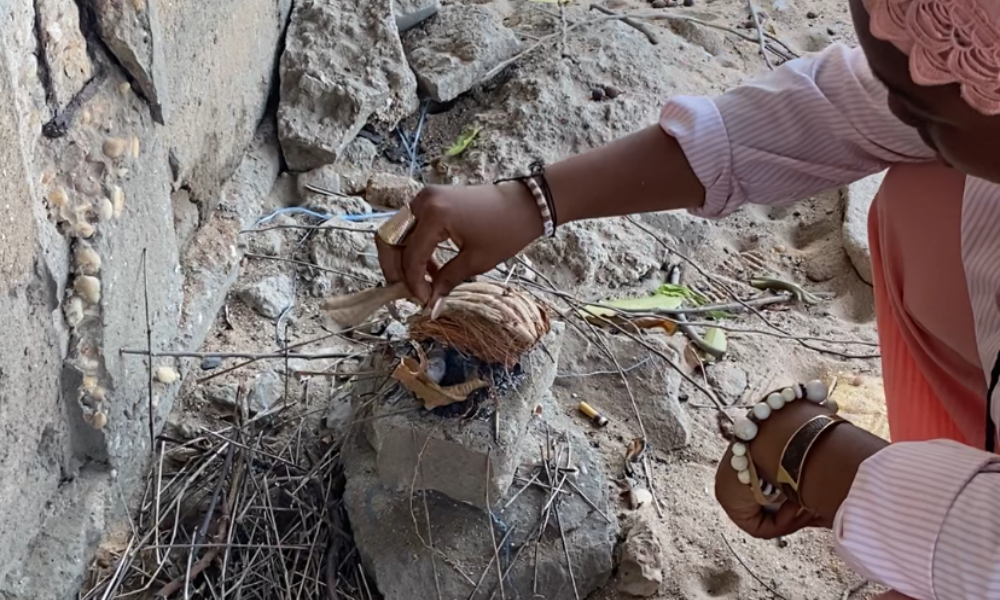
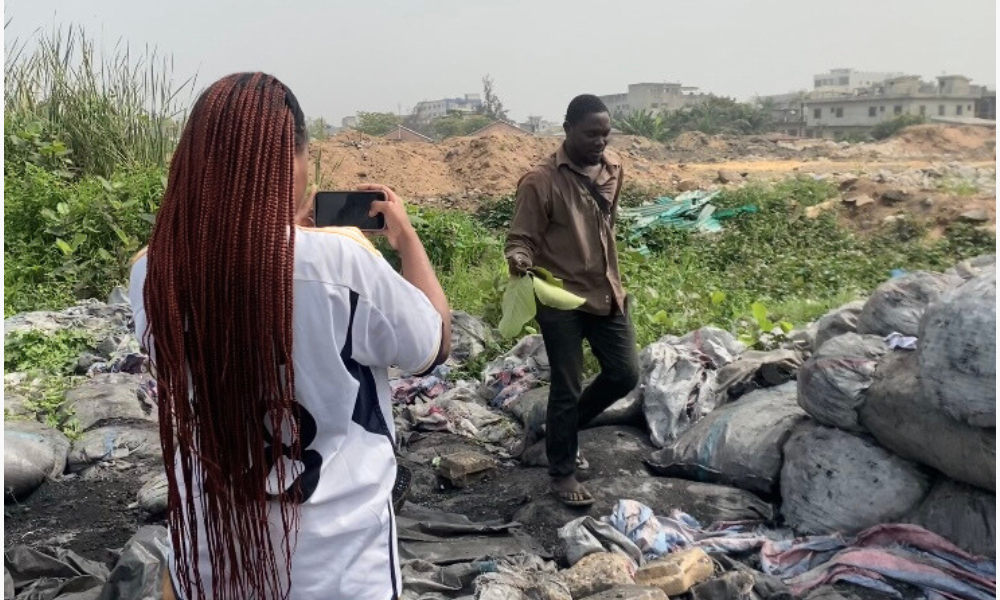
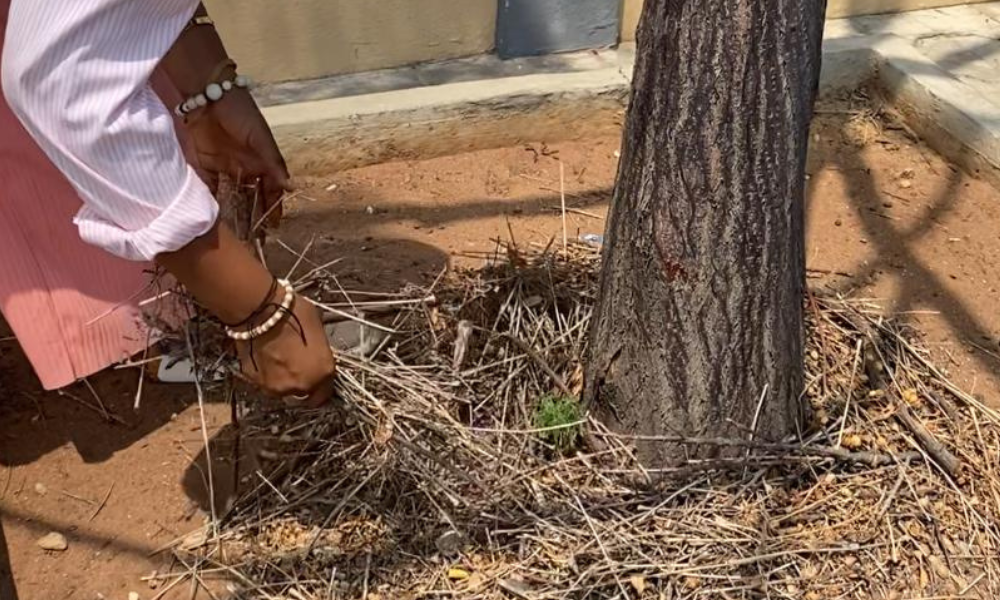
Our approach is based on design thinking, focused on field observation and experimentation. We began by analyzing local practices, charcoal consumption habits, and the management of coconut shell waste. Based on these findings, several testing phases were conducted to identify the best transformation techniques. Different mixtures, binders, and processes were tested, with gradual adjustments to improve combustion quality, strength, and durability of the briquettes. This iterative approach allowed us to develop a product adapted to local realities, using available resources and accessible methods. It is part of a circular economy approach, valorizing abundant waste while reducing pressure on forest resources. Finally, this process promotes a sustainable solution, co-created from real needs, combining environmental impact, social usefulness, and economic viability.
Our approach is based on design thinking, focused on field observation and experimentation. We began by analyzing local practices, charcoal consumption habits, and the management of coconut shell waste. Based on these findings, several testing phases were conducted to identify the best transformation techniques. Different mixtures, binders, and processes were tested, with gradual adjustments to improve combustion quality, strength, and durability of the briquettes. This iterative approach allowed us to develop a product adapted to local realities, using available resources and accessible methods. It is part of a circular economy approach, valorizing abundant waste while reducing pressure on forest resources. Finally, this process promotes a sustainable solution, co-created from real needs, combining environmental impact, social usefulness, and economic viability.
Local and Regional Impacts of the Product:
The product reduces deforestation by offering a sustainable alternative to charcoal, thereby limiting pressure on forest resources. It also valorizes an abundant waste material—coconut shells—helping reduce the accumulation of organic waste. At the local level, it generates economic opportunities through collection, processing, and distribution, while creating jobs. It also improves living conditions by providing cleaner and more accessible energy. At the regional level, it encourages the adoption of sustainable energy solutions and promotes innovation based on local resources.
The product reduces deforestation by offering a sustainable alternative to charcoal, thereby limiting pressure on forest resources. It also valorizes an abundant waste material—coconut shells—helping reduce the accumulation of organic waste. At the local level, it generates economic opportunities through collection, processing, and distribution, while creating jobs. It also improves living conditions by providing cleaner and more accessible energy. At the regional level, it encourages the adoption of sustainable energy solutions and promotes innovation based on local resources.

Lead Designer(s) Name(s):Michkath Diallo