NOMMO
Prize(s):
WINNER 2026 PRODUCT DESIGN / Furniture & Lighting
School / University Name:Institut Des Beaux Arts De Foumban
Lead Designer(s) Name(s):Franklin Nguefack
Design Team / Other designer(s):Tazefack Nwamba Christian Evrard
Professor Name(s):Dr BENGONO fortuné
Photo Credit:Franklin nguefack
Project Location:Foumban / Cameroun
Design Status:Concept
Website: View
Product Description:
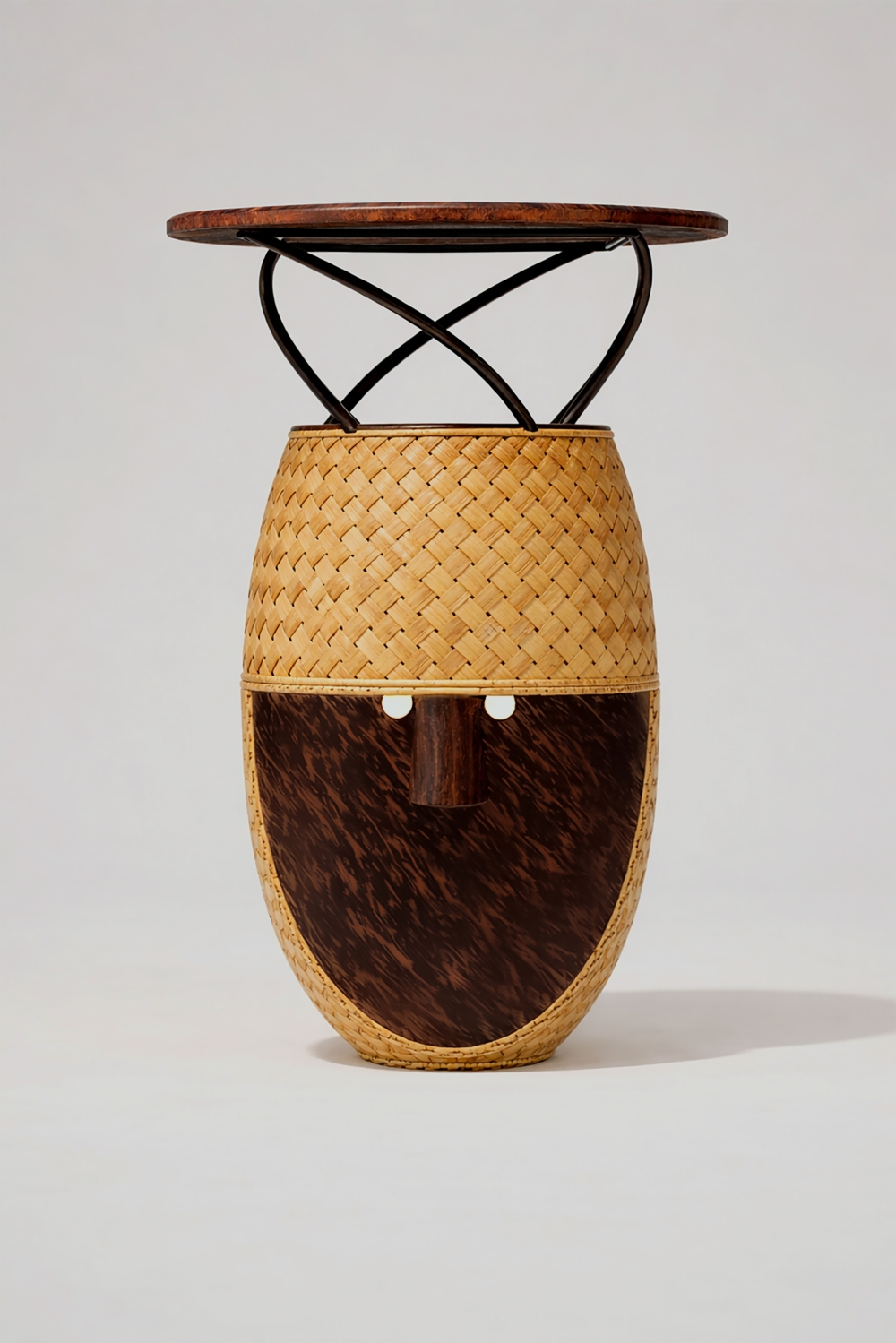
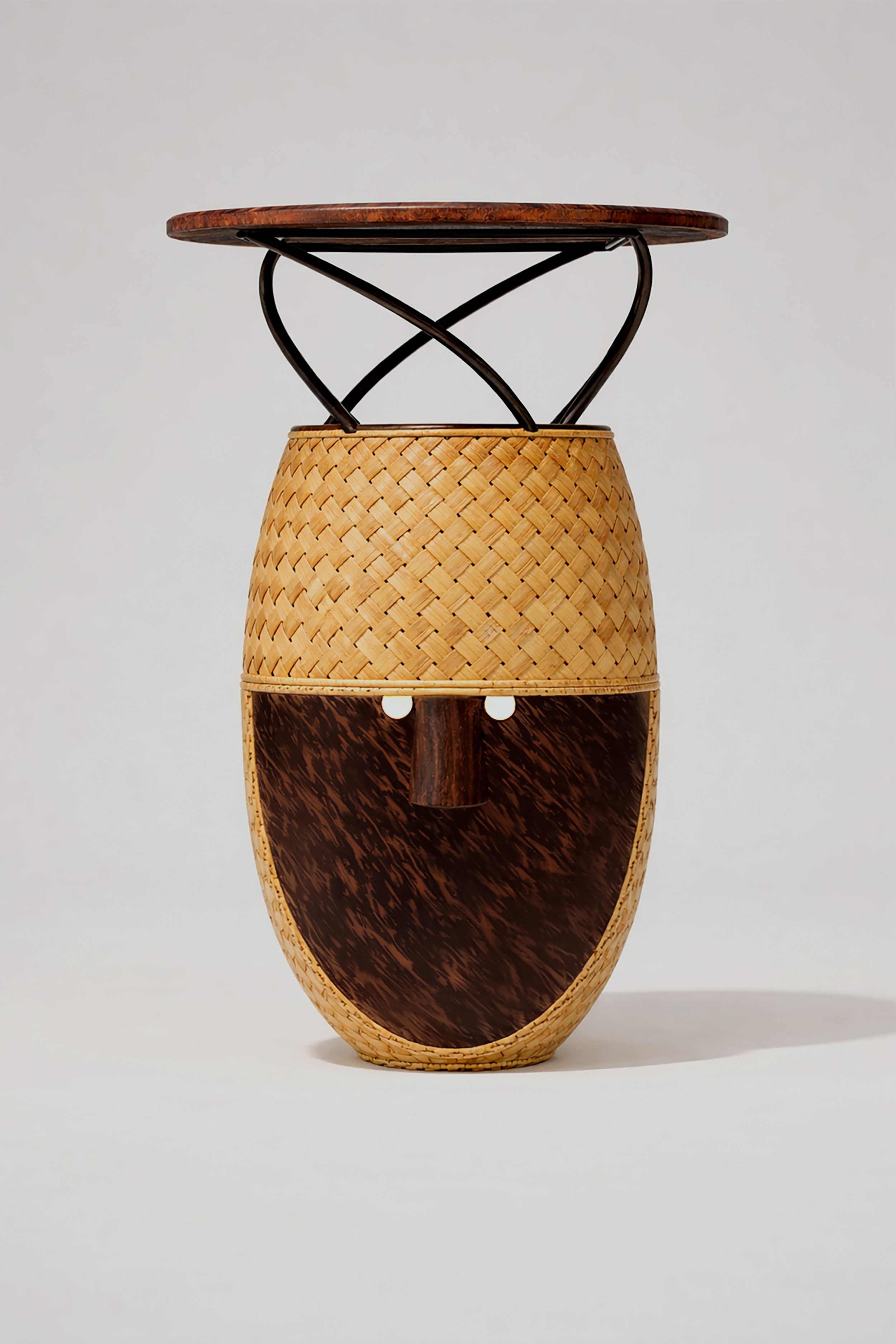
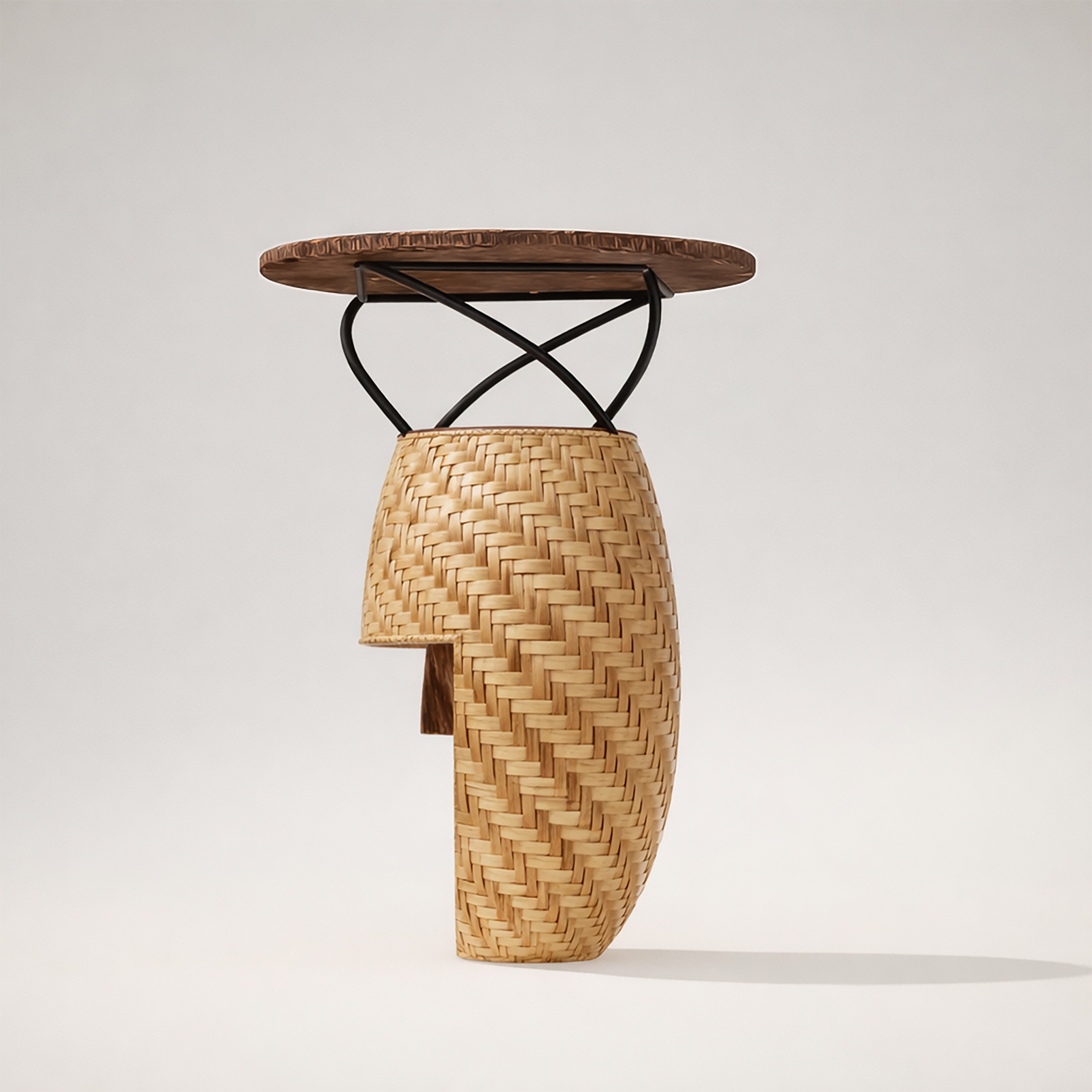
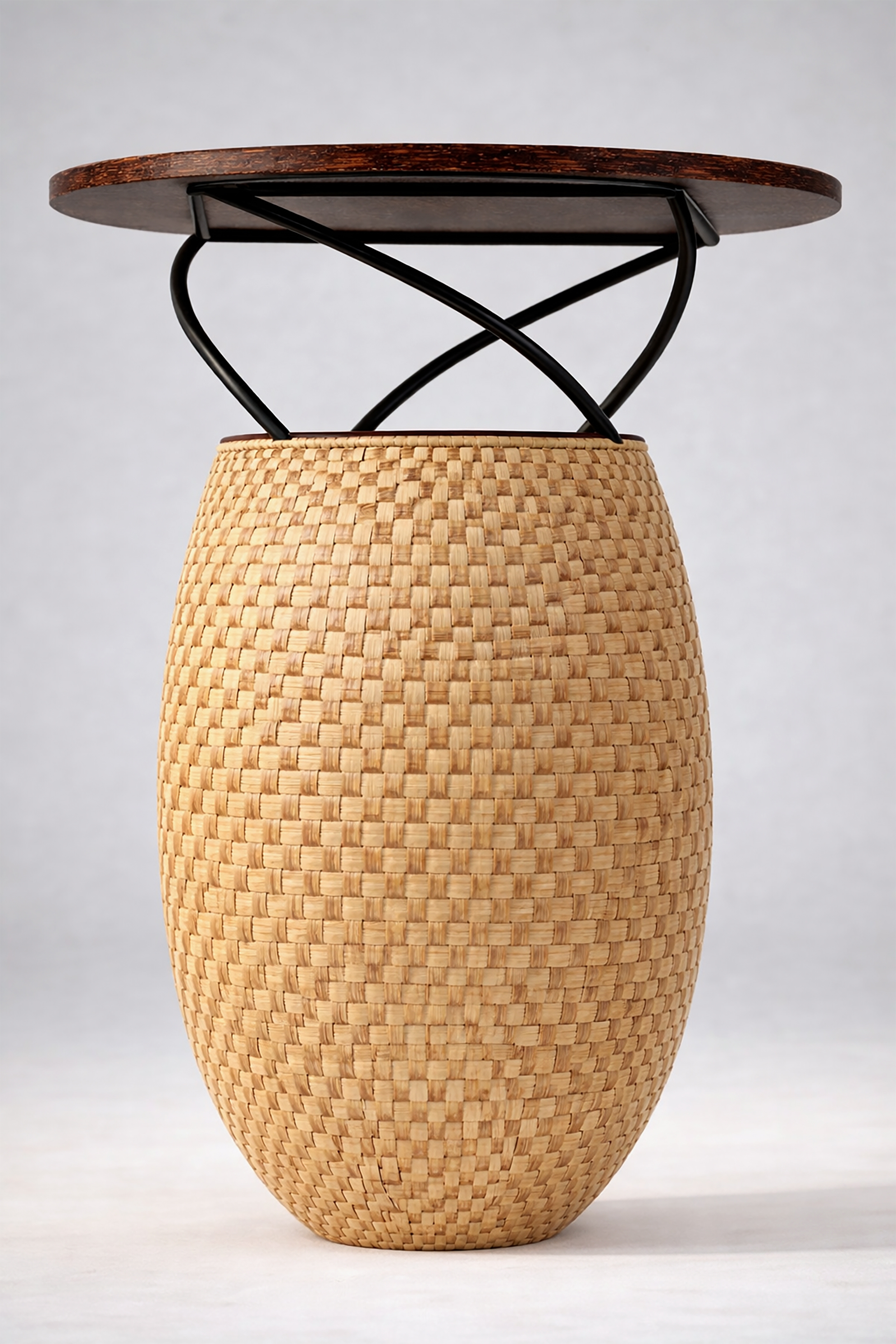
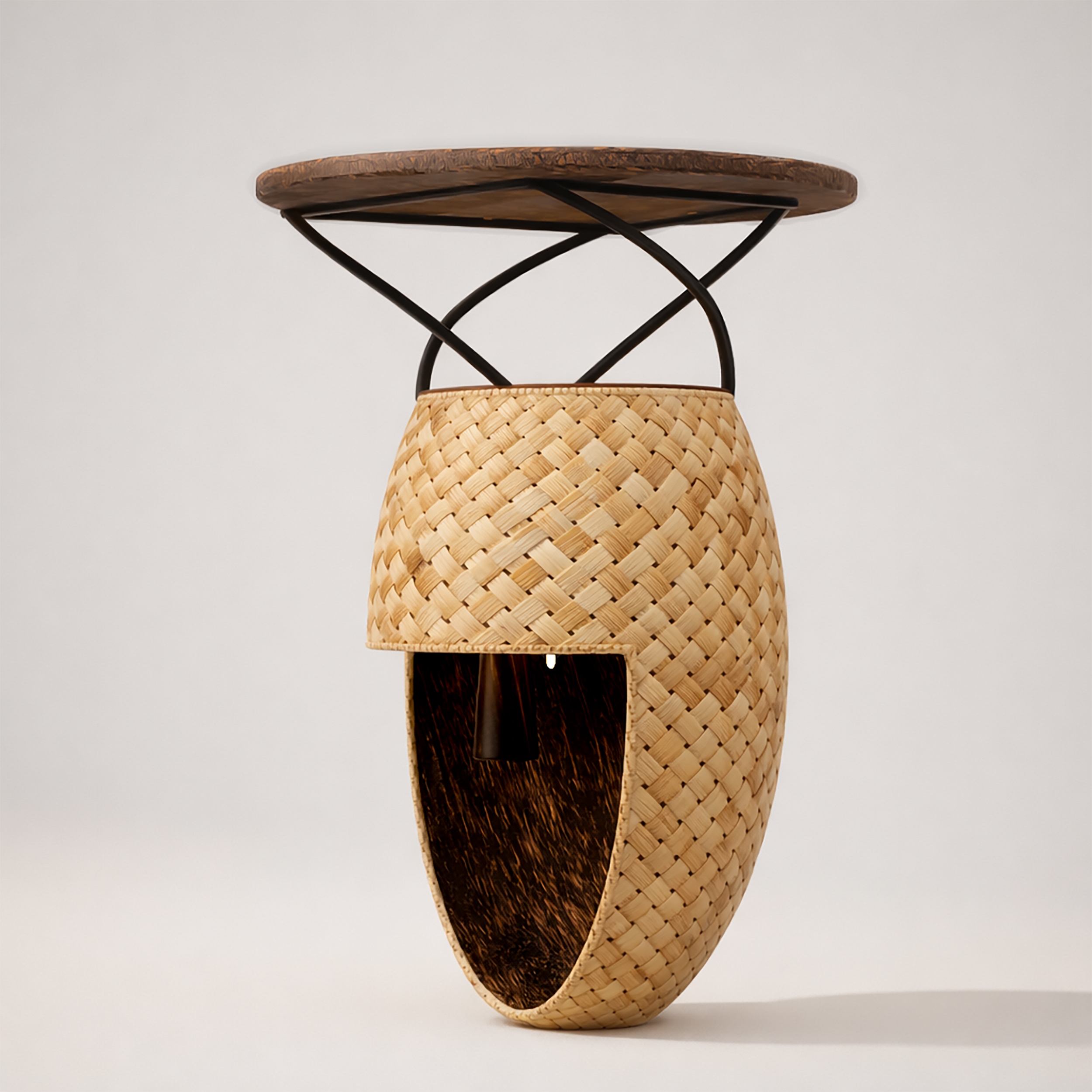
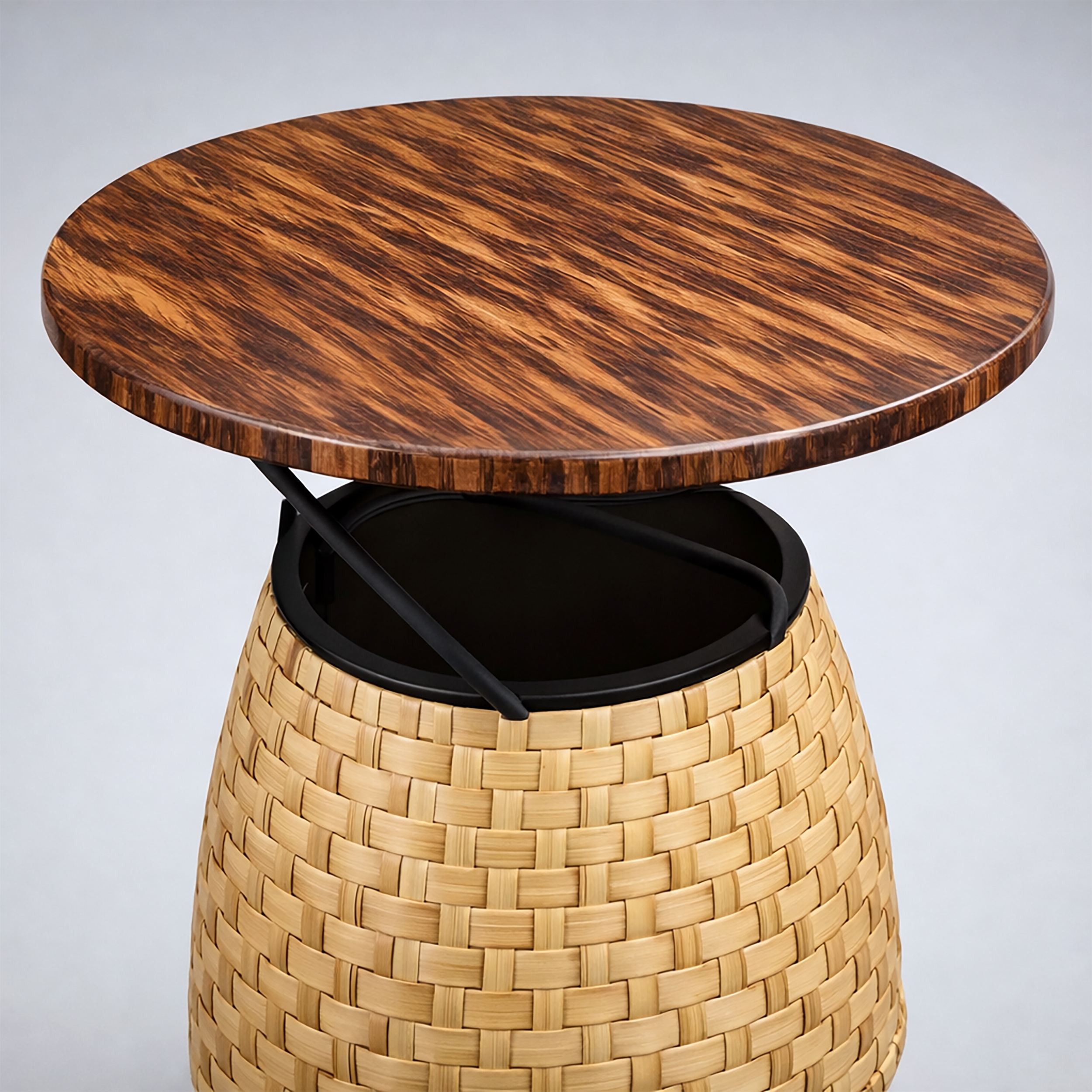
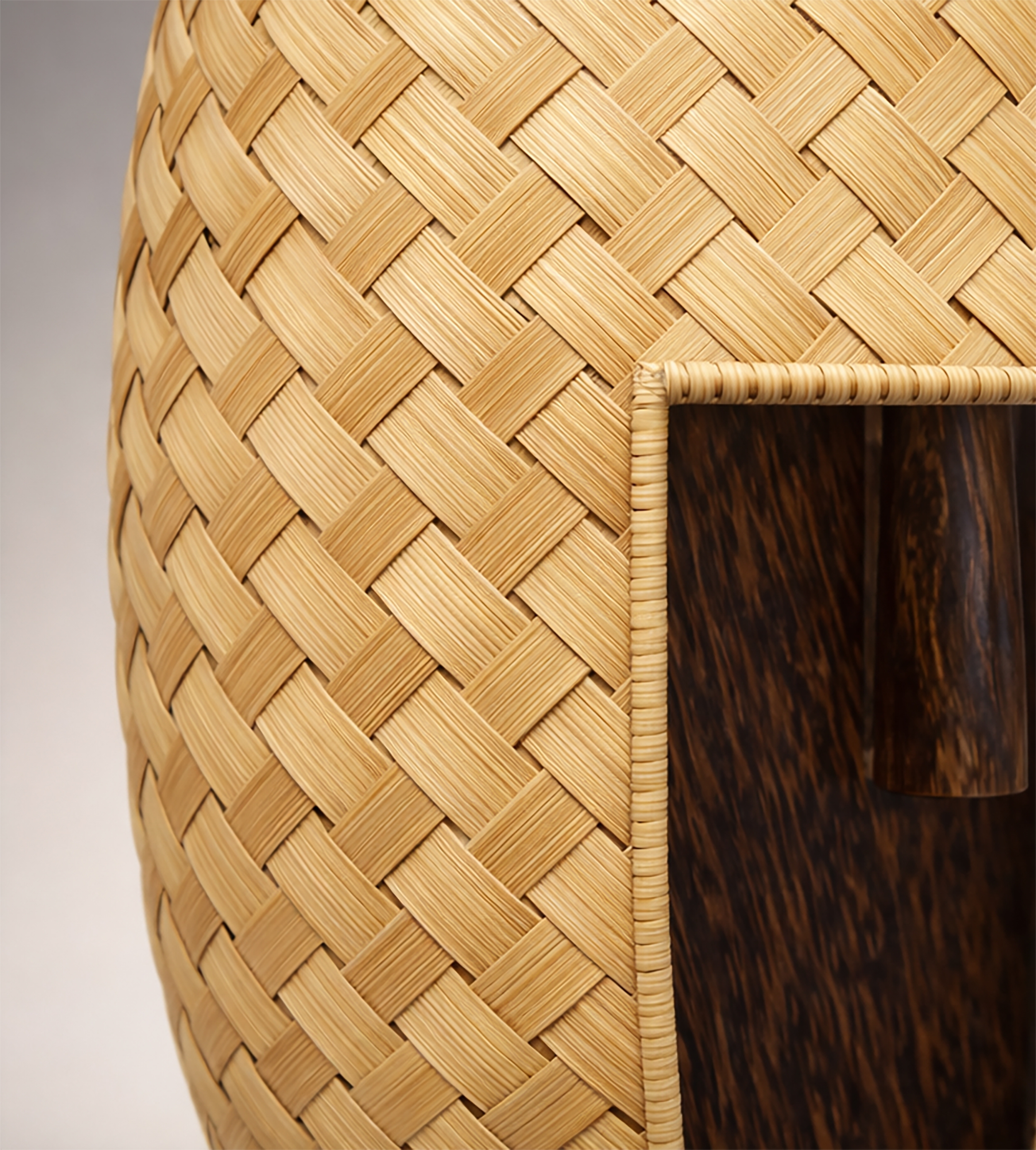
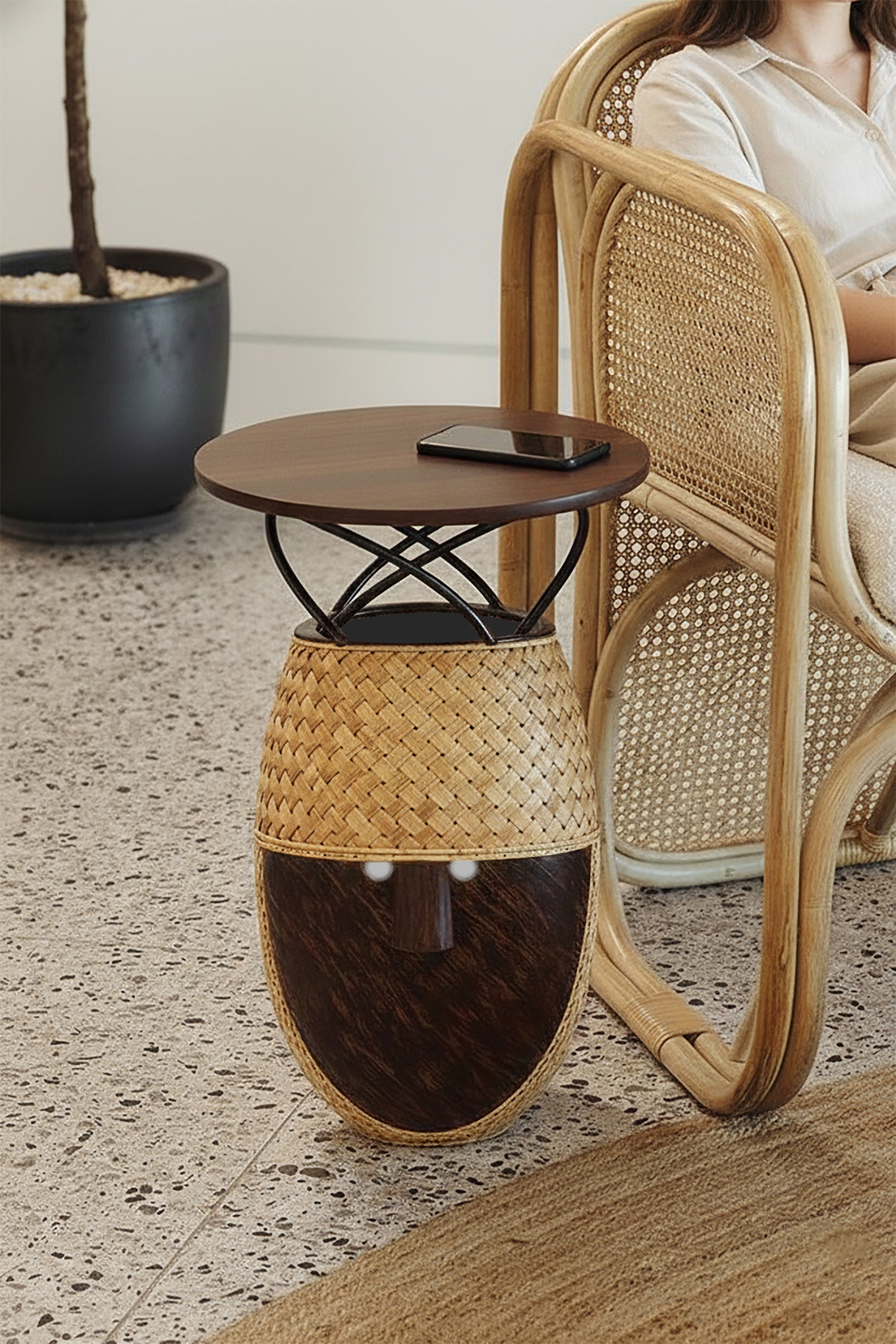
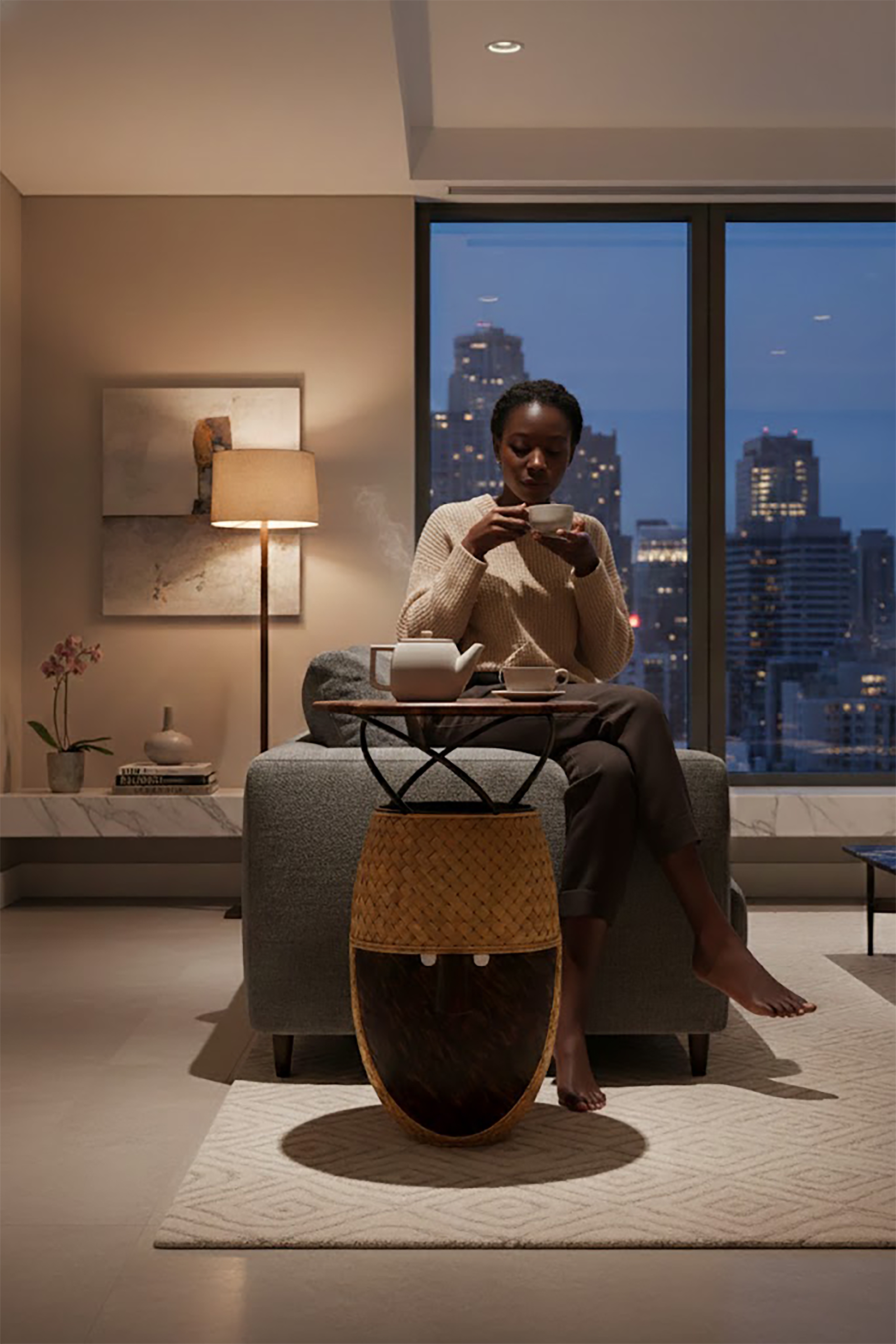
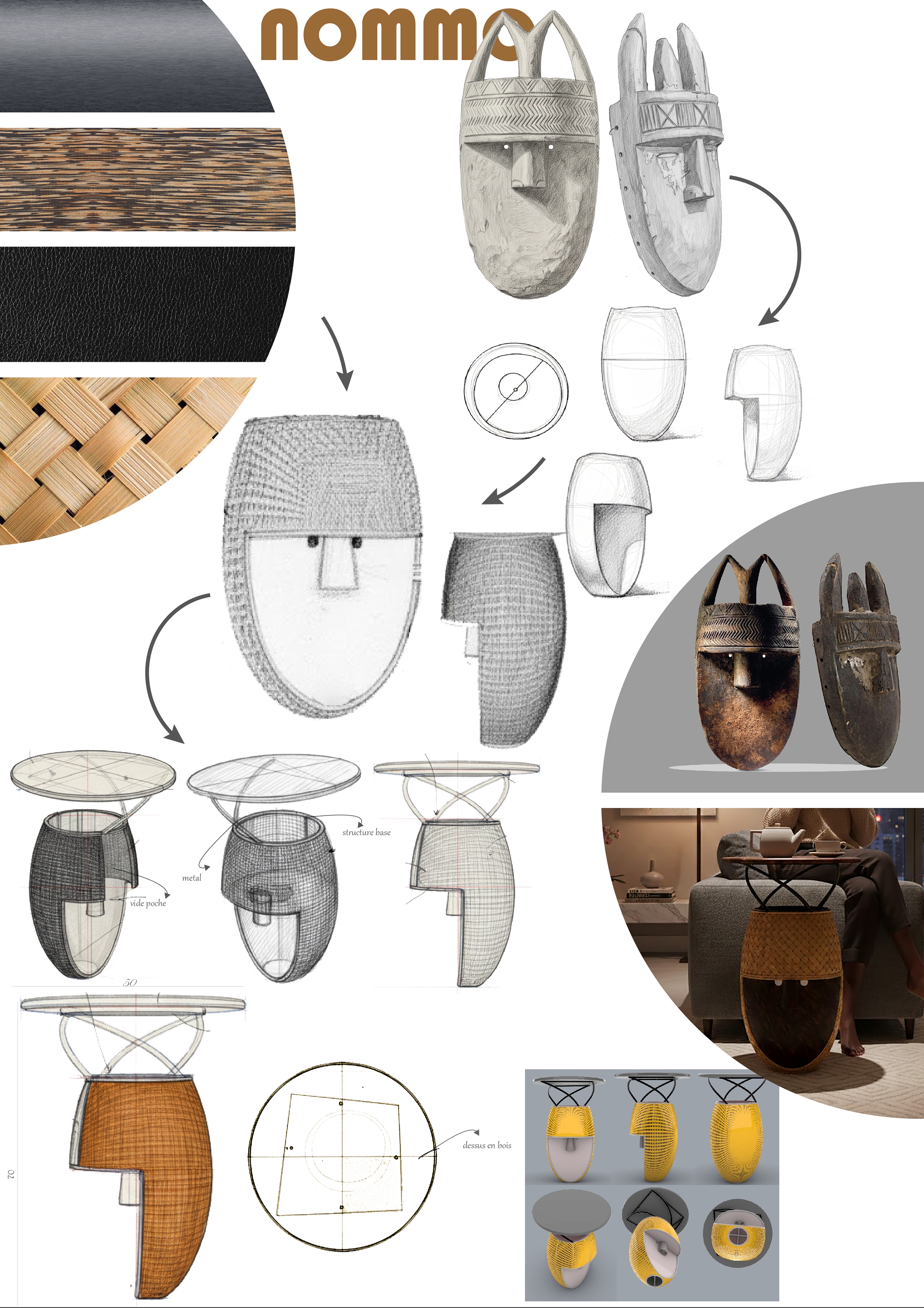
NOMMO is a contemporary side table that reinterprets the monumental aesthetic of Fang masks from the Congo Basin. Conceived as a totemic piece of furniture, the project merges the mystical presence of the Byéri cult with the codes of contemporary luxury design.The base adopts an organic form evoking a stylized face, while the circular tabletop introduces a sober and contemporary geometry. An internal metal structure ensures stability and durability, entirely covered in hand-woven natural rattan. A discreet storage compartment is integrated into the upper section of the base, reinforcing the object’s functionality without compromising its formal clarity.More than a utilitarian piece, the work becomes an object of memory, reactivating an ancestral spiritual heritage within the modern domestic space. NOMMO addresses a globalized interior in search of identity, poetry, and meaning.
NOMMO is a contemporary side table that reinterprets the monumental aesthetic of Fang masks from the Congo Basin. Conceived as a totemic piece of furniture, the project merges the mystical presence of the Byéri cult with the codes of contemporary luxury design.The base adopts an organic form evoking a stylized face, while the circular tabletop introduces a sober and contemporary geometry. An internal metal structure ensures stability and durability, entirely covered in hand-woven natural rattan. A discreet storage compartment is integrated into the upper section of the base, reinforcing the object’s functionality without compromising its formal clarity.More than a utilitarian piece, the work becomes an object of memory, reactivating an ancestral spiritual heritage within the modern domestic space. NOMMO addresses a globalized interior in search of identity, poetry, and meaning.
Product Innovation / Specification:
The innovation of NOMMO lies in the hybridization of a contemporary metal structure with a hand-woven natural rattan covering. This approach combines structural performance, visual lightness, and strong cultural value. Rattan plays a multiple role: aesthetic envelope, textural element, and narrative medium.The internal metal structure ensures mechanical strength and facilitates product reproducibility. In addition, the piece integrates a dual function: the upper section opens to reveal a concealed leather-lined storage compartment, transforming the object into a discreet storage unit. The integration of invisible storage responds to contemporary uses while preserving the object’s formal purity. NOMMO is designed for limited-series or artisanal production, offering an adaptable, durable, and economically viable model that highlights and values local craftsmanship.
The innovation of NOMMO lies in the hybridization of a contemporary metal structure with a hand-woven natural rattan covering. This approach combines structural performance, visual lightness, and strong cultural value. Rattan plays a multiple role: aesthetic envelope, textural element, and narrative medium.The internal metal structure ensures mechanical strength and facilitates product reproducibility. In addition, the piece integrates a dual function: the upper section opens to reveal a concealed leather-lined storage compartment, transforming the object into a discreet storage unit. The integration of invisible storage responds to contemporary uses while preserving the object’s formal purity. NOMMO is designed for limited-series or artisanal production, offering an adaptable, durable, and economically viable model that highlights and values local craftsmanship.
Product Sustainability Approach:
This concept embodies a sustainable design approach through the use of natural, renewable, and locally sourced materials, notably rattan. Hand weaving minimizes the environmental impact of industrial processes and supports low-energy production. The metal structure is designed for longevity, repairability, and disassembly, extending the product’s life cycle.The combination of artisanal techniques and contemporary design promotes responsible production that respects resources, local craftsmanship, and ecosystems. The project advocates a vision of sustainable design as a cultural, social, and economic tool.
This concept embodies a sustainable design approach through the use of natural, renewable, and locally sourced materials, notably rattan. Hand weaving minimizes the environmental impact of industrial processes and supports low-energy production. The metal structure is designed for longevity, repairability, and disassembly, extending the product’s life cycle.The combination of artisanal techniques and contemporary design promotes responsible production that respects resources, local craftsmanship, and ecosystems. The project advocates a vision of sustainable design as a cultural, social, and economic tool.
Local and Regional Impacts of the Product:
The side table showcases local artisanal skills, notably rattan weaving and metalwork, fostering collaboration between designers and craftsmen in a luxury design value chain. It supports the transmission and modernization of traditional techniques while generating local economic value. At the regional level, it engages with cultural reappropriation, proving that Fang art codes can inspire global innovation. A manifesto for African creative autonomy, it celebrates intangible heritage through a modern industrial object.
The side table showcases local artisanal skills, notably rattan weaving and metalwork, fostering collaboration between designers and craftsmen in a luxury design value chain. It supports the transmission and modernization of traditional techniques while generating local economic value. At the regional level, it engages with cultural reappropriation, proving that Fang art codes can inspire global innovation. A manifesto for African creative autonomy, it celebrates intangible heritage through a modern industrial object.
Lead Designer(s) Name(s):Franklin Nguefack
Profile Description:
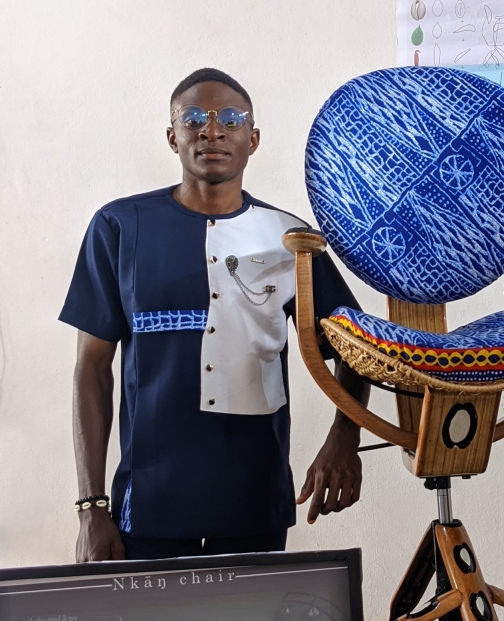
Je suis Franklin Nguefack, étudiant et designer produit, spécialisé dans la conception et la réalisation d’objets. Fort de trois années d’expérience en entreprise comme designer produit à temps partiel, j’interviens à la fois comme concepteur et producteur. Ma démarche consiste à réinterpréter l’héritage traditionnel afin de lui donner une expression contemporaine, pertinente et ancrée dans les réalités actuelles.
Je suis Franklin Nguefack, étudiant et designer produit, spécialisé dans la conception et la réalisation d’objets. Fort de trois années d’expérience en entreprise comme designer produit à temps partiel, j’interviens à la fois comme concepteur et producteur. Ma démarche consiste à réinterpréter l’héritage traditionnel afin de lui donner une expression contemporaine, pertinente et ancrée dans les réalités actuelles.
Environmental Practices:
Ma pratique environnementale s’inscrit dans une démarche de design responsable et durable. Je privilégie des matériaux locaux, renouvelables ou recyclés, et j’optimise les procédés de fabrication afin de réduire l’impact écologique. Mon approche valorise les savoir-faire artisanaux et les circuits courts, tout en concevant des produits durables, réparables et adaptés aux réalités socioculturelles contemporaines.
Ma pratique environnementale s’inscrit dans une démarche de design responsable et durable. Je privilégie des matériaux locaux, renouvelables ou recyclés, et j’optimise les procédés de fabrication afin de réduire l’impact écologique. Mon approche valorise les savoir-faire artisanaux et les circuits courts, tout en concevant des produits durables, réparables et adaptés aux réalités socioculturelles contemporaines.