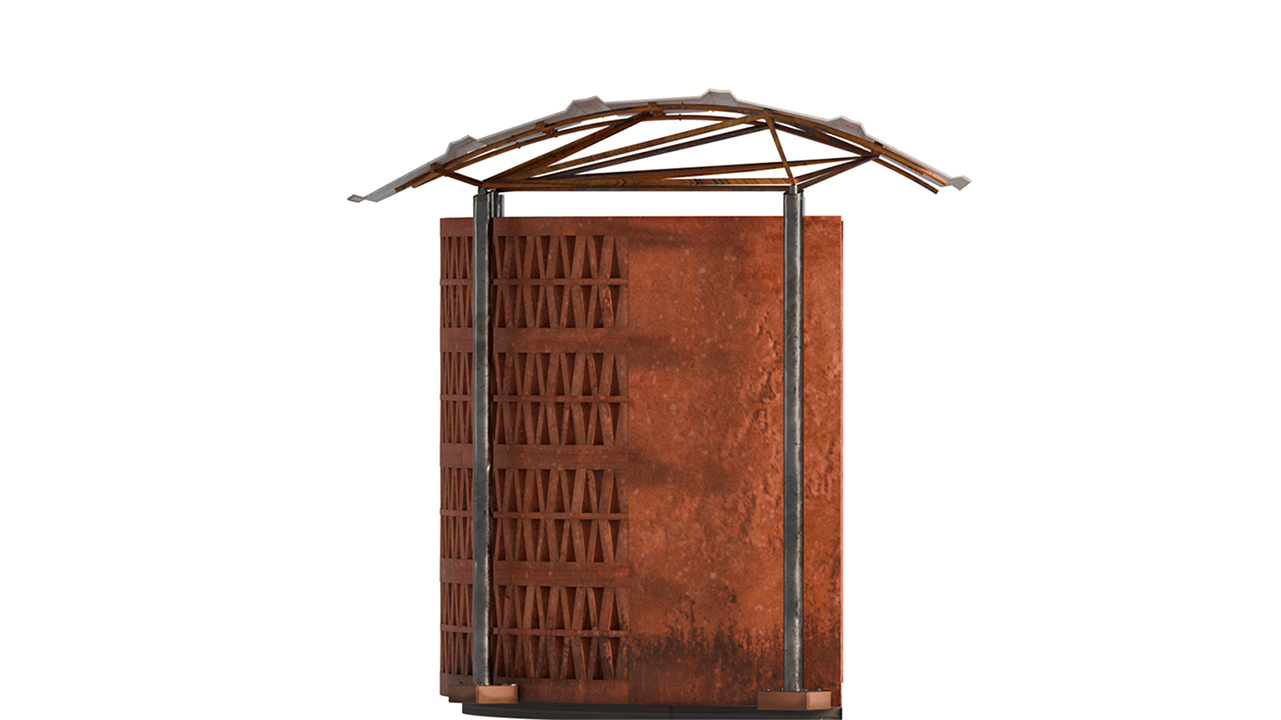
L’abri à palabre
Prize(s):
WINNER 2026 PRODUCT DESIGN / People-Centric Design
School / University Name:Université De Montréal
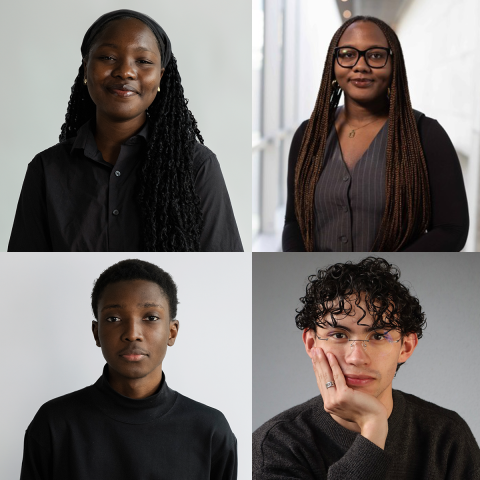
Lead Designer(s) Name(s):Hasna Kone, Duhamel Terry Folepe, Chaïna Yanogo, Yann Bourdeau Cervantes
Project Location:West Africa
Design Status:Concept
Product Description:
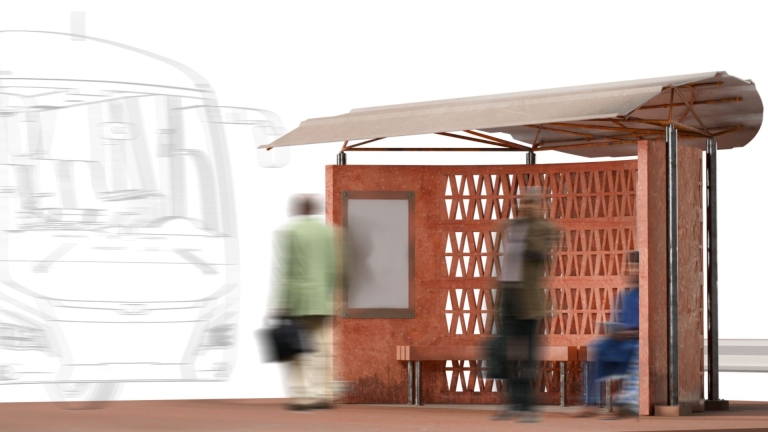
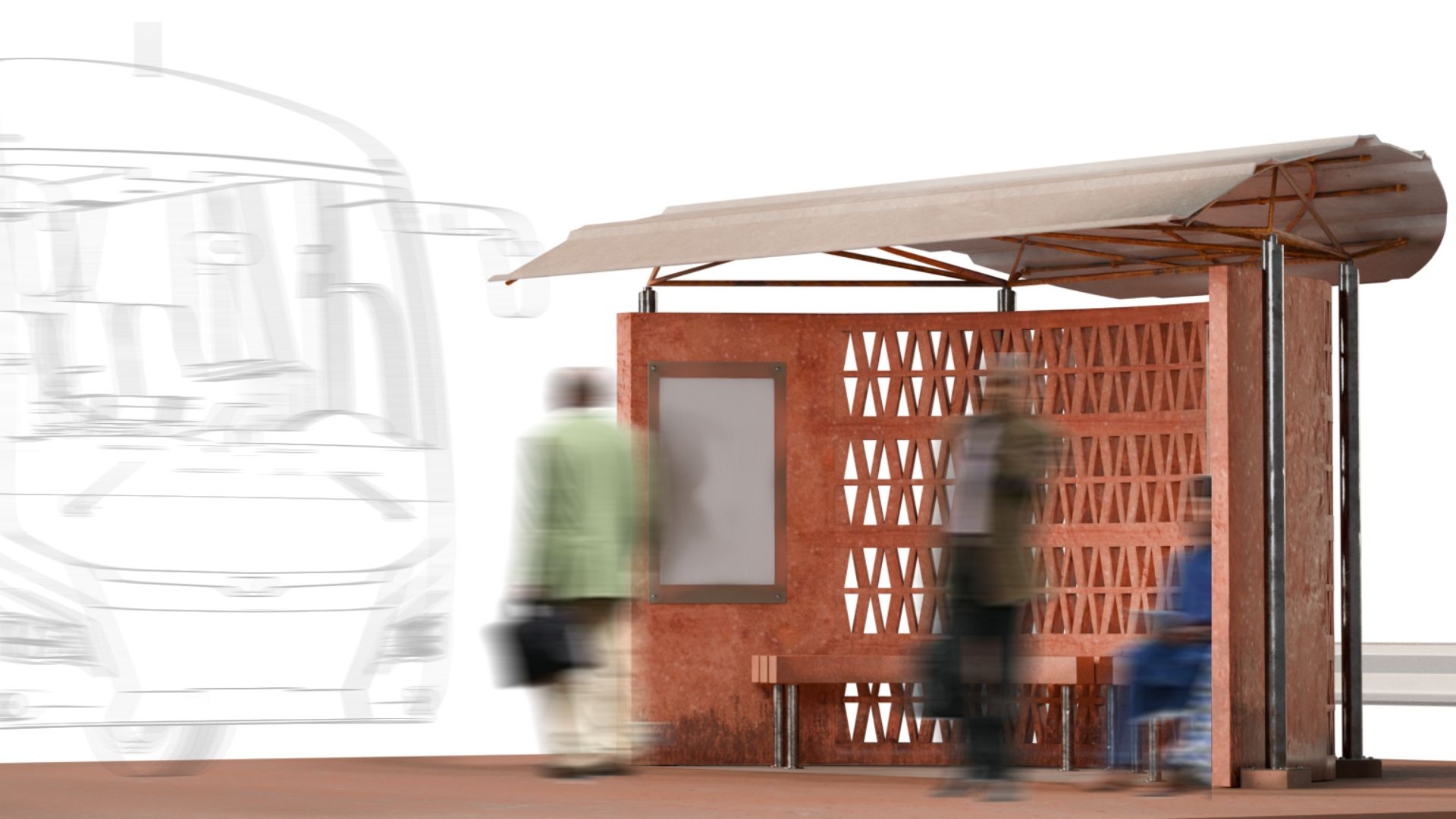
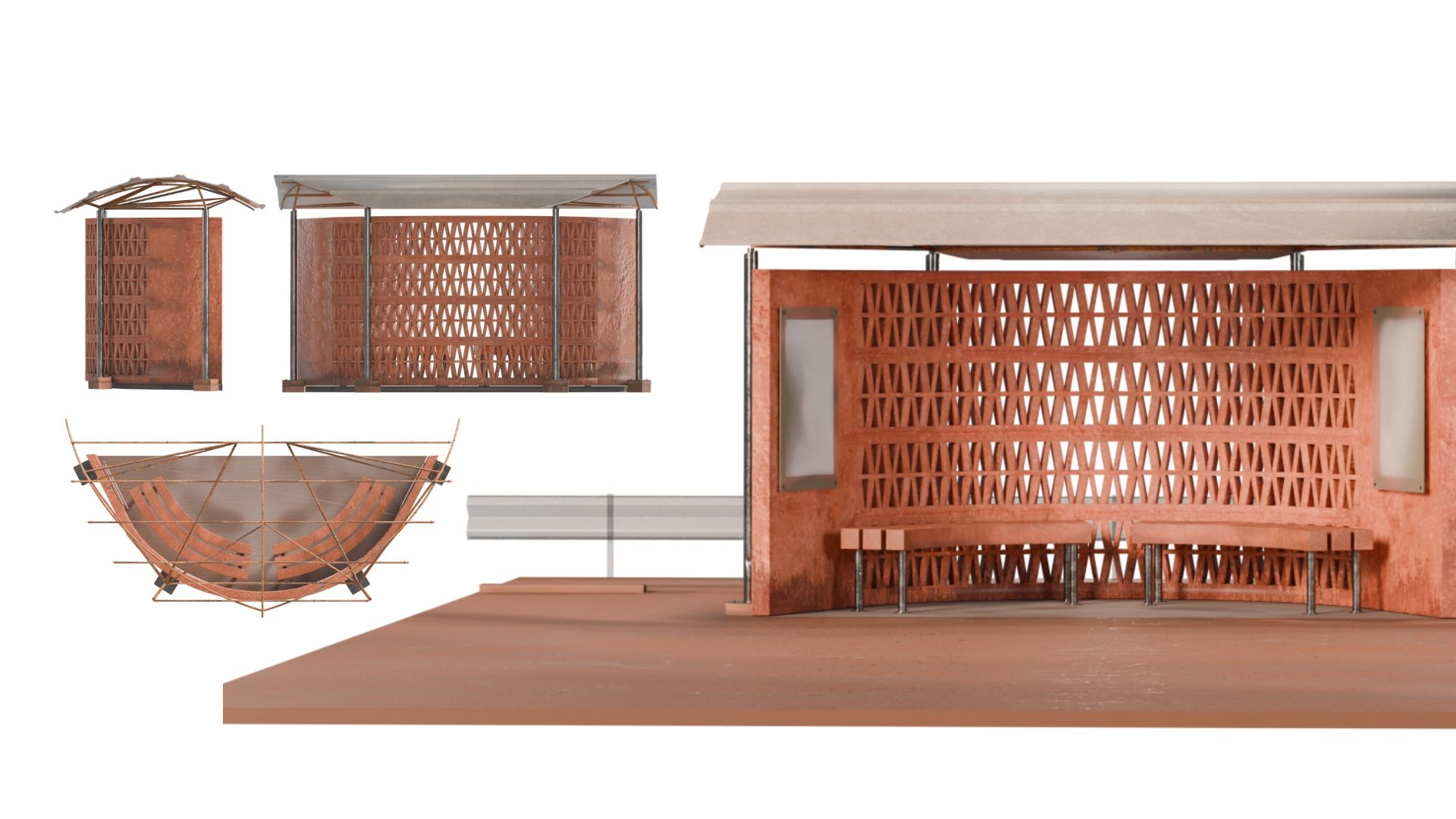
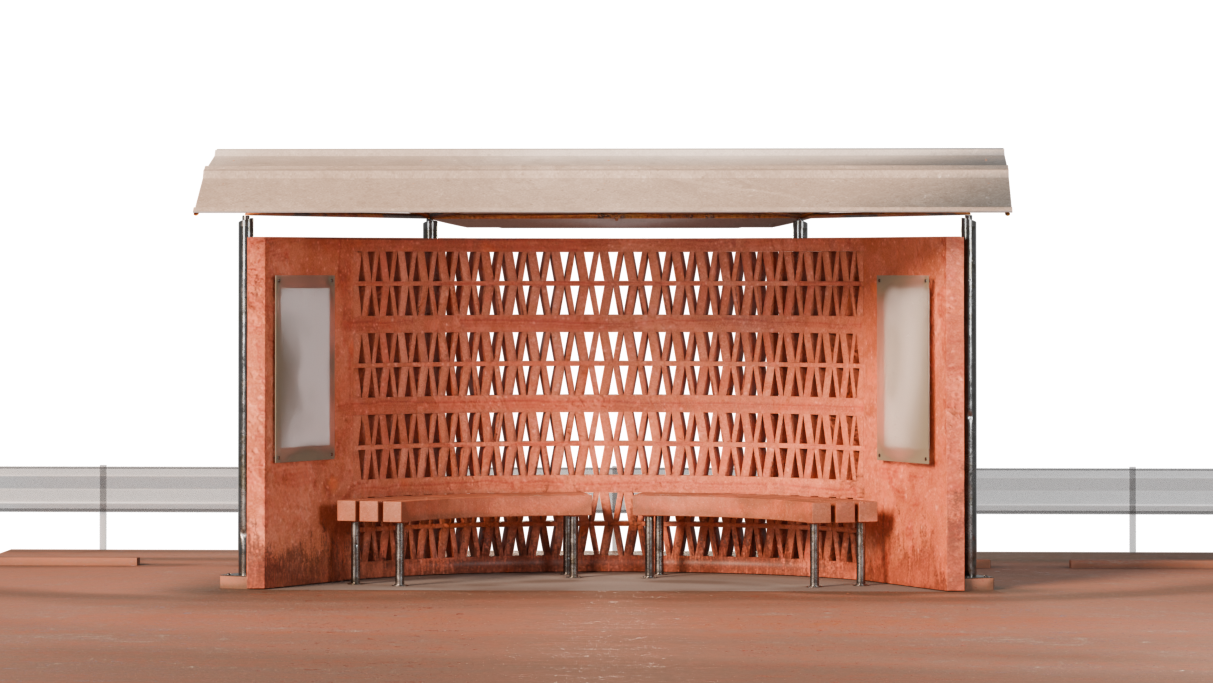
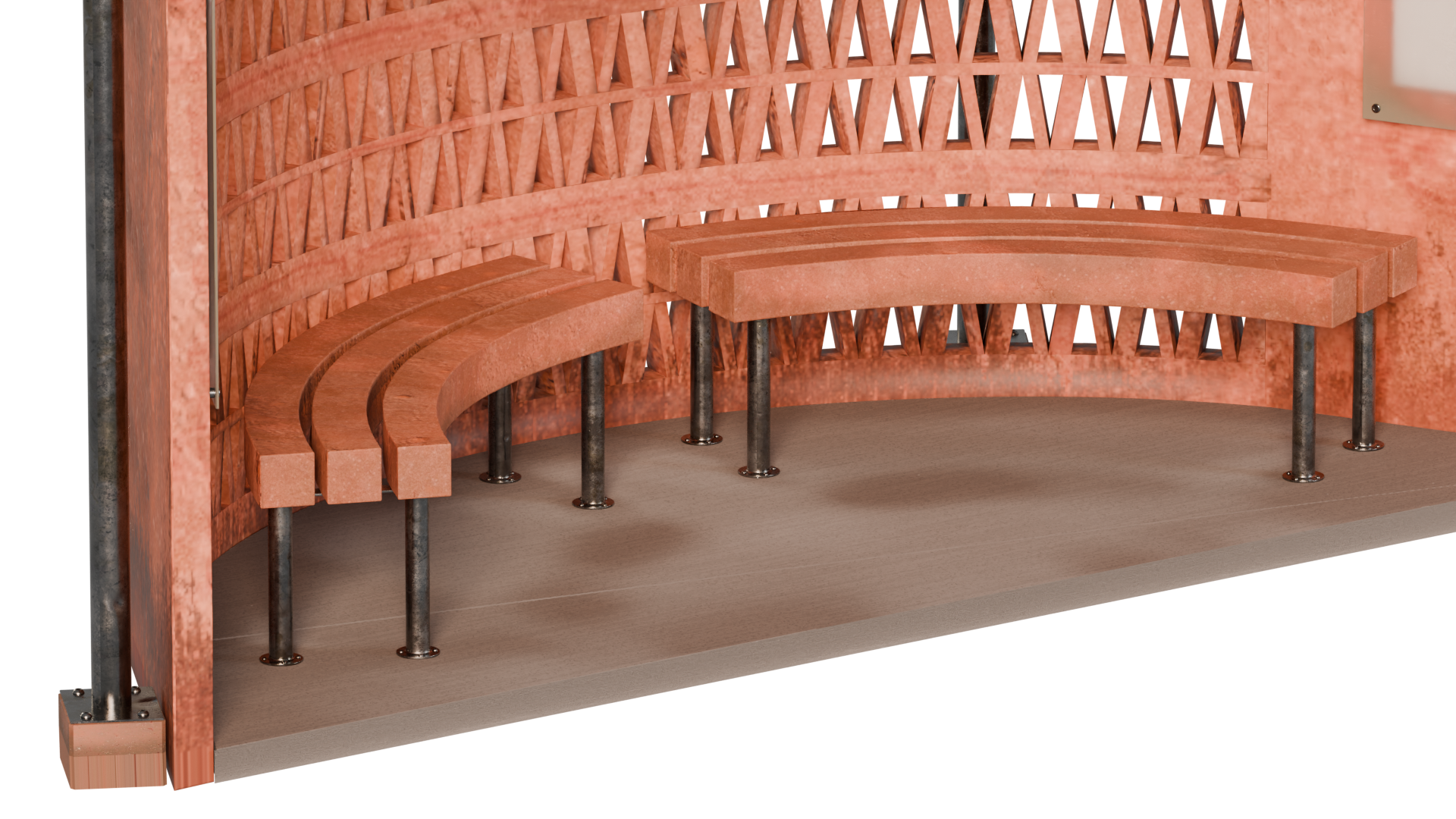
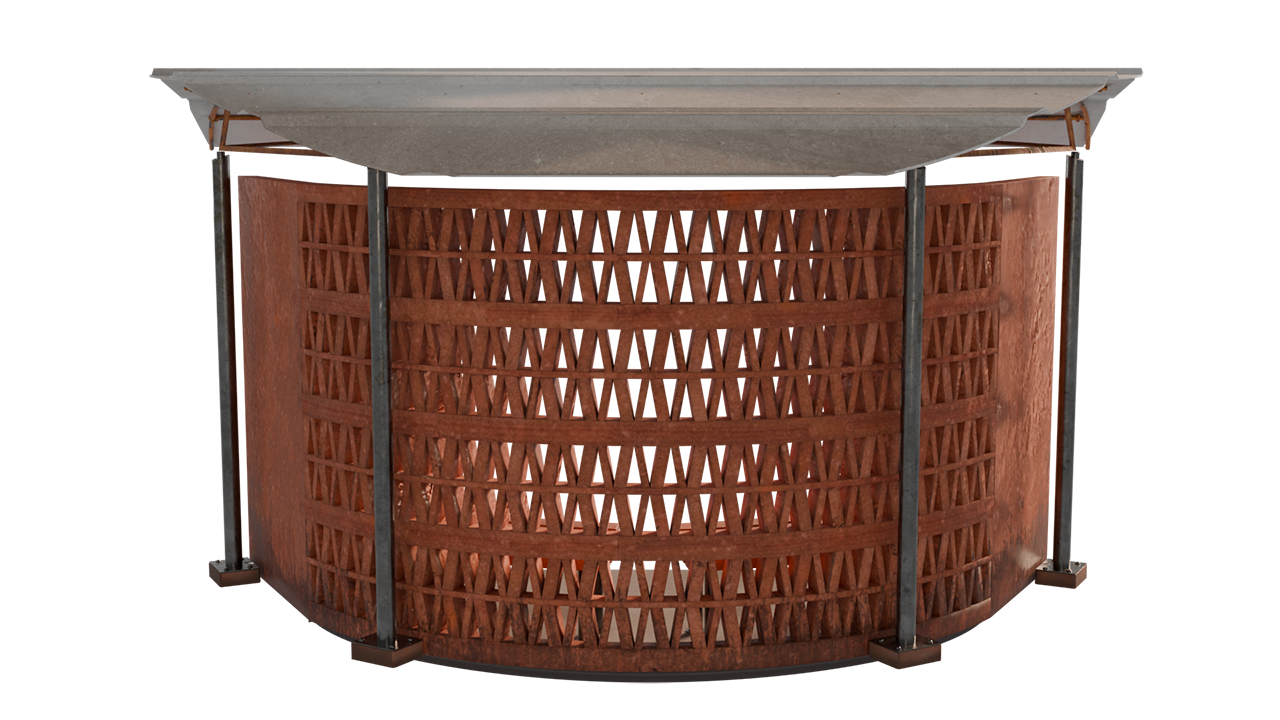
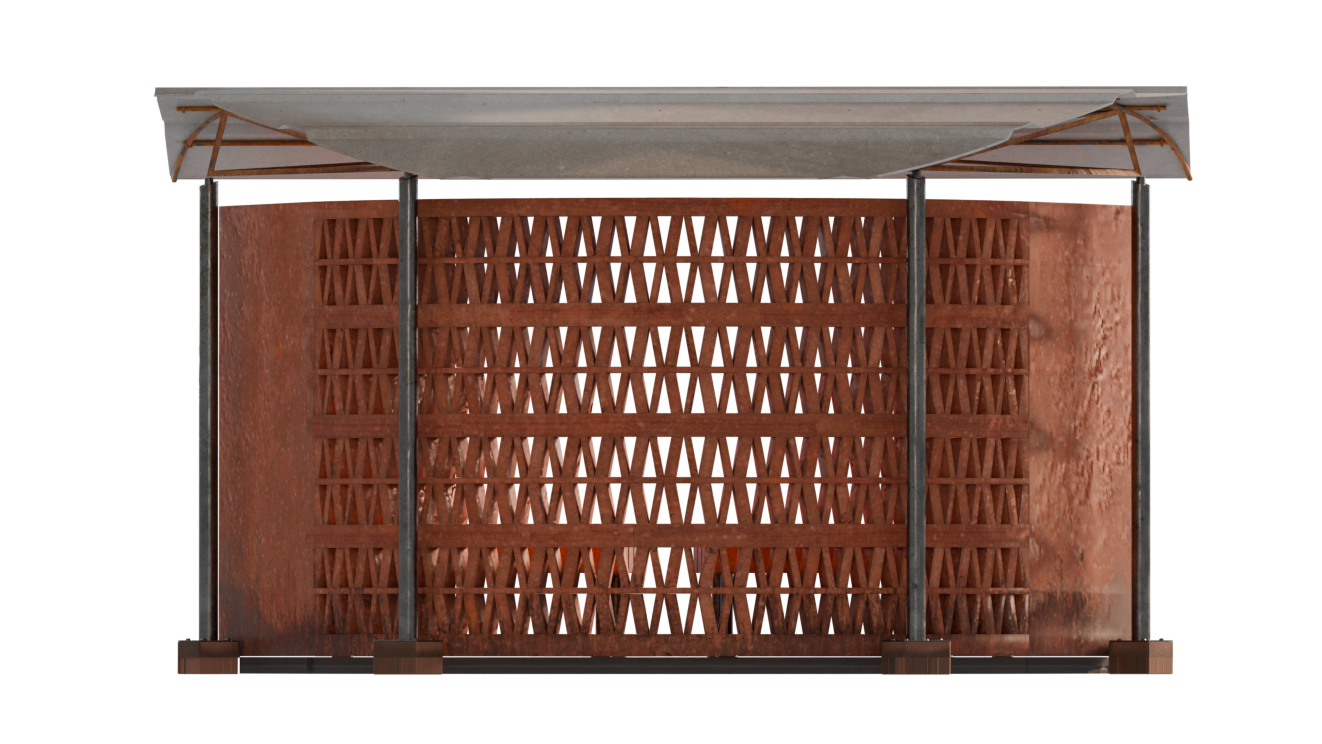
"L'Arbri à Palabre" is a bus shelter designed for West African urban contexts, reimagining public waiting infrastructure through the lens of communal African culture. Inspired by the traditional gathering tree where West African communities meet, exchange, and deliberate. The shelter transforms an ordinary transit stop into a place of social life. The structure features a perforated laterite-toned terracotta wall with a geometric triangle lattice pattern that filters light and air, and a corrugated sheet metal roof elevated above the wall to allow continuous airflow through the gap, passively cooling the shelter in extreme heat. A recessed information panel is integrated into the solid wall section. In the rendering, the two white panels represent spaces reserved for future transportation maps and advertisements. The bench is made from recycled plastic: durable, weather-resistant, and gives new life to plastic waste. The materials evoke raw earth and warmth, connecting the structure visually and culturally to West African architectural traditions. The project does not simply shelter people from the elements; it creates a dignified, rooted, and human-centered pause in the urban.
"L'Arbri à Palabre" is a bus shelter designed for West African urban contexts, reimagining public waiting infrastructure through the lens of communal African culture. Inspired by the traditional gathering tree where West African communities meet, exchange, and deliberate. The shelter transforms an ordinary transit stop into a place of social life. The structure features a perforated laterite-toned terracotta wall with a geometric triangle lattice pattern that filters light and air, and a corrugated sheet metal roof elevated above the wall to allow continuous airflow through the gap, passively cooling the shelter in extreme heat. A recessed information panel is integrated into the solid wall section. In the rendering, the two white panels represent spaces reserved for future transportation maps and advertisements. The bench is made from recycled plastic: durable, weather-resistant, and gives new life to plastic waste. The materials evoke raw earth and warmth, connecting the structure visually and culturally to West African architectural traditions. The project does not simply shelter people from the elements; it creates a dignified, rooted, and human-centered pause in the urban.
Product Innovation / Specification:
"L'Arbri à Palabre"'s innovation lies in reframing the bus shelter as a cultural artifact rather than utilitarian street furniture. Across West African cities, the reality is stark: most transit stops either lack shelter or feature imported steel-and-glass structures designed for temperate climates with no connection to local culture, climate, or material traditions. The project proposes a counter-model conceived from African spatial culture. The L'Arbri à Palabre concept introduces a social dimension absent from conventional shelters: the bench is long and communal, the triangle-patterned lattice wall creates intimacy without enclosure, and the sheet metal roof, lifted above the wall by a deliberate gap, creates a passive ventilation system that cools the space without energy input. The recycled plastic bench adds a circular-economy layer, transforming plastic waste into durable, colorful public furniture. "L'Arbri à Palabre" specialises in the intersection of West African vernacular architecture, climate-responsive passive design, and inclusive public space, offering a replicable model addressing the infrastructure gap experienced daily by millions of West African transit users.
"L'Arbri à Palabre"'s innovation lies in reframing the bus shelter as a cultural artifact rather than utilitarian street furniture. Across West African cities, the reality is stark: most transit stops either lack shelter or feature imported steel-and-glass structures designed for temperate climates with no connection to local culture, climate, or material traditions. The project proposes a counter-model conceived from African spatial culture. The L'Arbri à Palabre concept introduces a social dimension absent from conventional shelters: the bench is long and communal, the triangle-patterned lattice wall creates intimacy without enclosure, and the sheet metal roof, lifted above the wall by a deliberate gap, creates a passive ventilation system that cools the space without energy input. The recycled plastic bench adds a circular-economy layer, transforming plastic waste into durable, colorful public furniture. "L'Arbri à Palabre" specialises in the intersection of West African vernacular architecture, climate-responsive passive design, and inclusive public space, offering a replicable model addressing the infrastructure gap experienced daily by millions of West African transit users.
Product Sustainability Approach:
"L'Arbri à Palabre"'s sustainability strategy operates on three levels: material, climatic, and social. Materially, the project prioritizes locally sourced construction: the laterite terracotta aesthetic references earth-based building traditions across West Africa, reducing the carbon cost of imported street furniture. The bench is made from recycled plastic waste, diverting material from landfills and waterways and transforming it into durable public furniture. Climatically, the shelter is designed for semi-arid conditions without mechanical systems: the extended metal roof provides shade and rain protection, while the gap between roof and wall creates a chimney effect that releases hot air. The triangle lattice wall allows cross-ventilation and filtered shade. Socially, sustainability is embedded in civic ownership: infrastructure rooted in West African identity encourages communities to maintain and protect it.
"L'Arbri à Palabre"'s sustainability strategy operates on three levels: material, climatic, and social. Materially, the project prioritizes locally sourced construction: the laterite terracotta aesthetic references earth-based building traditions across West Africa, reducing the carbon cost of imported street furniture. The bench is made from recycled plastic waste, diverting material from landfills and waterways and transforming it into durable public furniture. Climatically, the shelter is designed for semi-arid conditions without mechanical systems: the extended metal roof provides shade and rain protection, while the gap between roof and wall creates a chimney effect that releases hot air. The triangle lattice wall allows cross-ventilation and filtered shade. Socially, sustainability is embedded in civic ownership: infrastructure rooted in West African identity encourages communities to maintain and protect it.
Local and Regional Impacts of the Product:
"L'Arbri à Palabre" generates benefits across West African communities. Locally, it fills a gap where formal bus shelters are absent or poorly adapted, protecting vulnerable commuters from heat, rain, and traffic. The recycled-plastic bench enables neighborhood-level micro-industries in collection, processing, and fabrication, creating jobs while reducing plastic waste. Its communal design fosters social connection, echoing the traditional Palabre. Regionally, it challenges reliance on imported urban furniture, offering a replicable, culturally grounded model and asserting African design agency in shaping cities.
"L'Arbri à Palabre" generates benefits across West African communities. Locally, it fills a gap where formal bus shelters are absent or poorly adapted, protecting vulnerable commuters from heat, rain, and traffic. The recycled-plastic bench enables neighborhood-level micro-industries in collection, processing, and fabrication, creating jobs while reducing plastic waste. Its communal design fosters social connection, echoing the traditional Palabre. Regionally, it challenges reliance on imported urban furniture, offering a replicable, culturally grounded model and asserting African design agency in shaping cities.
Lead Designer(s) Name(s):Hasna Kone, Duhamel Terry Folepe, Chaïna Yanogo, Yann Bourdeau Cervantes