Komera Leadership Center
Prize(s):
WINNER 2026 ARCHITECTURE / Cultural Building Architecture | ARCHITECTURE / Mixed-Use Building Architecture | ARCHITECTURE / Sustainable & Energy Saving Building
Company Name:BE_Design
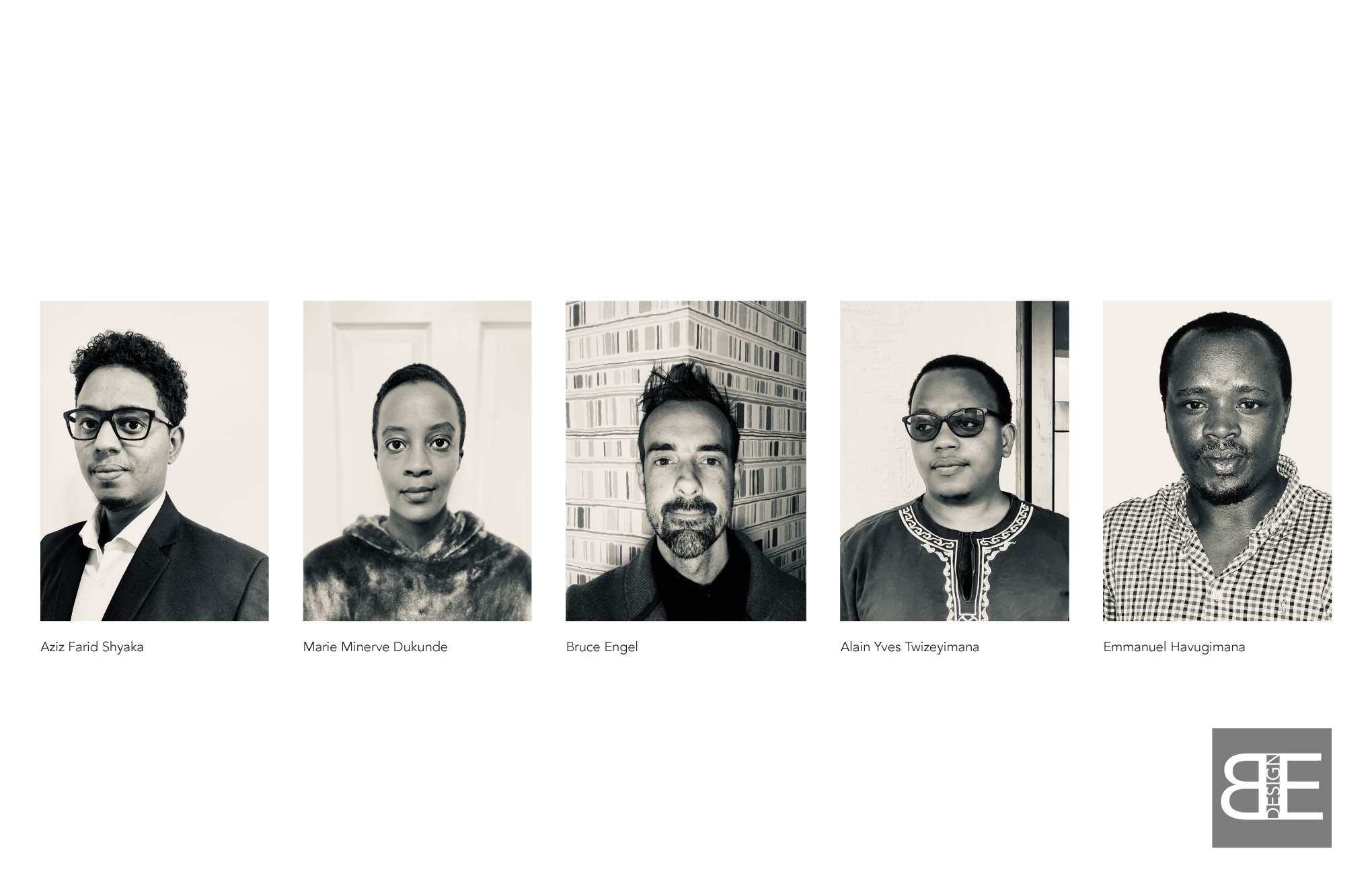
Lead Designer(s) Name(s):Bruce Engel
Construction Company:Rwanda Village Enterprise
Client Name:Komera
Photo Credit:Bruce Engel
Project Location:Rwinkwavu, Rwanda
Design Status:Completed
Website: View
Project Description:
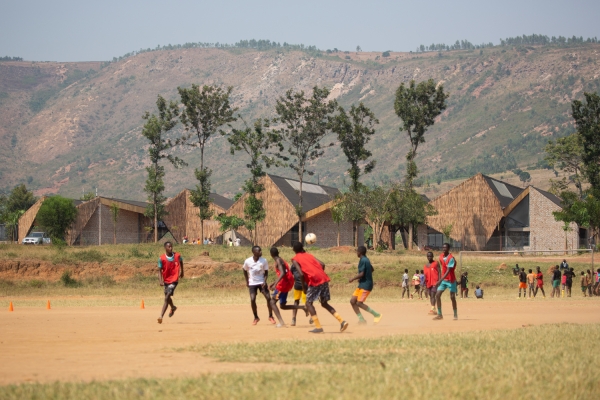
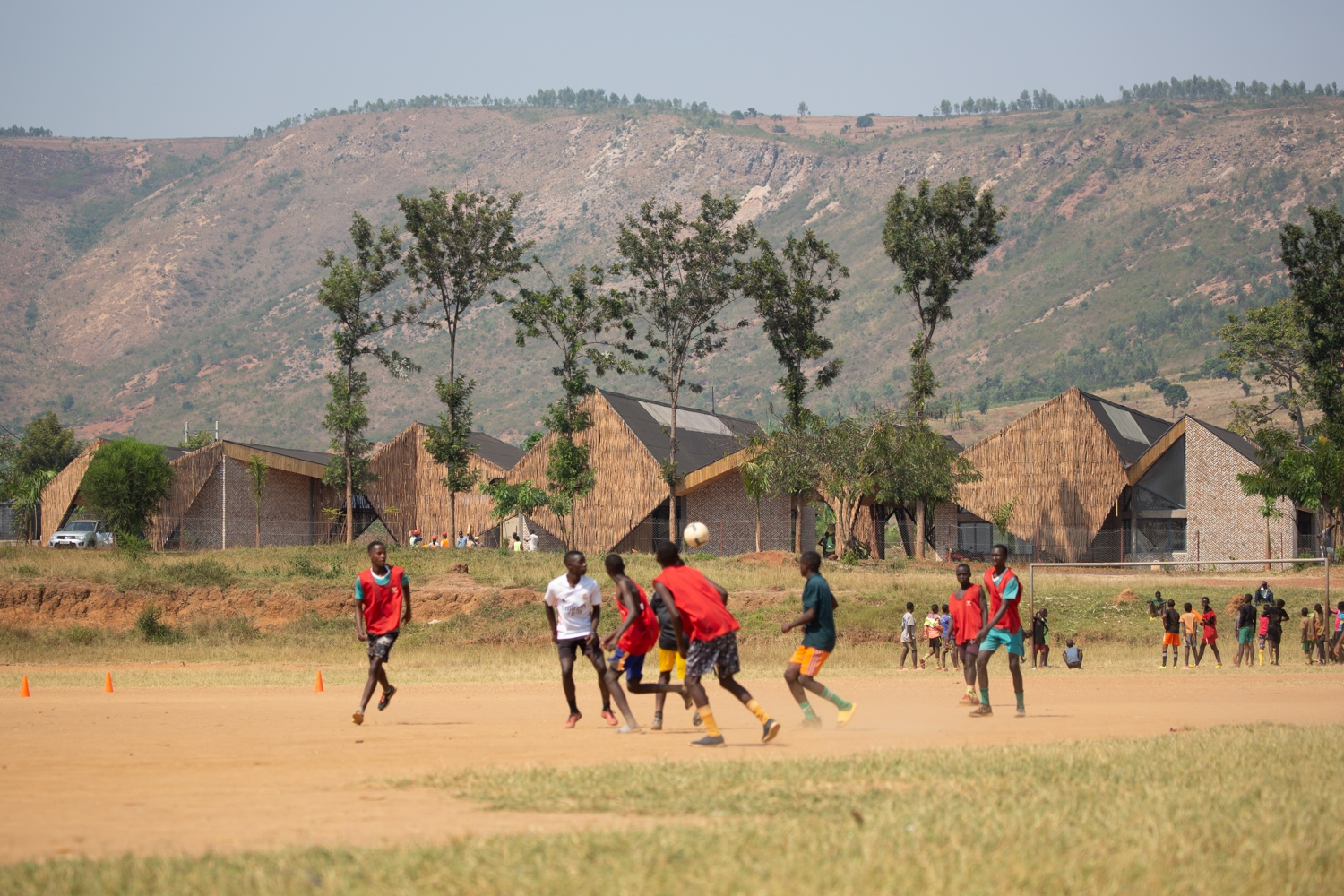
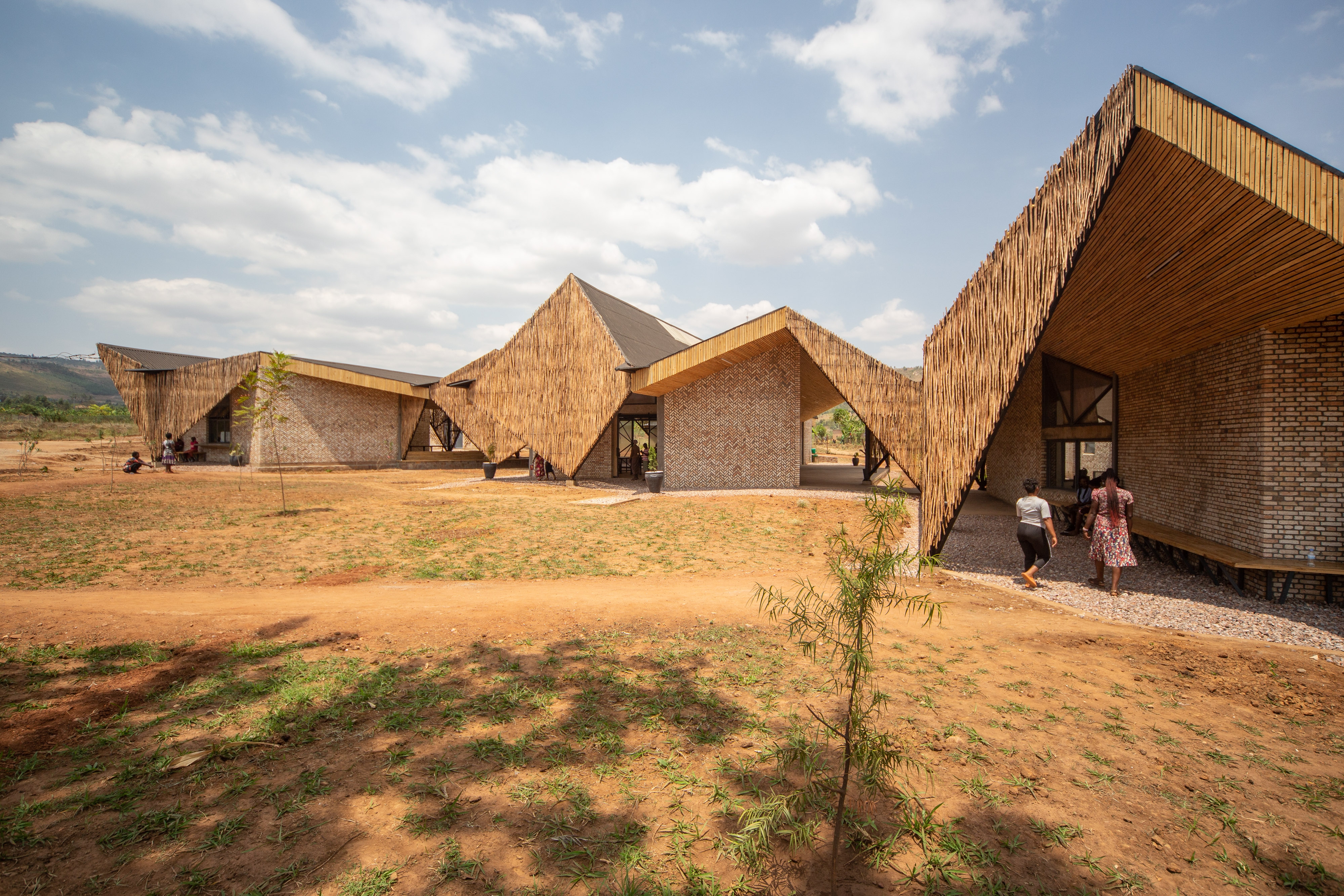
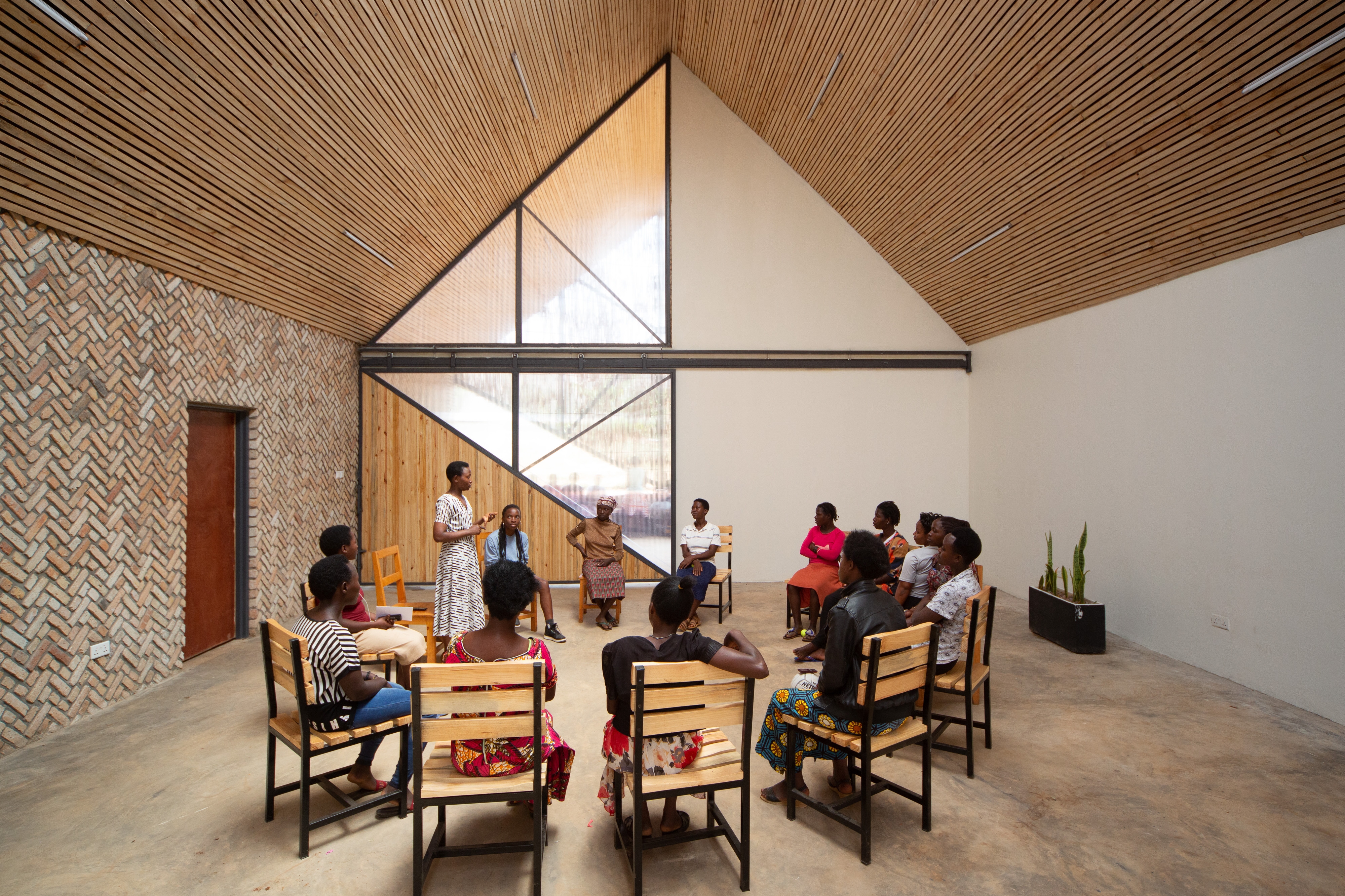
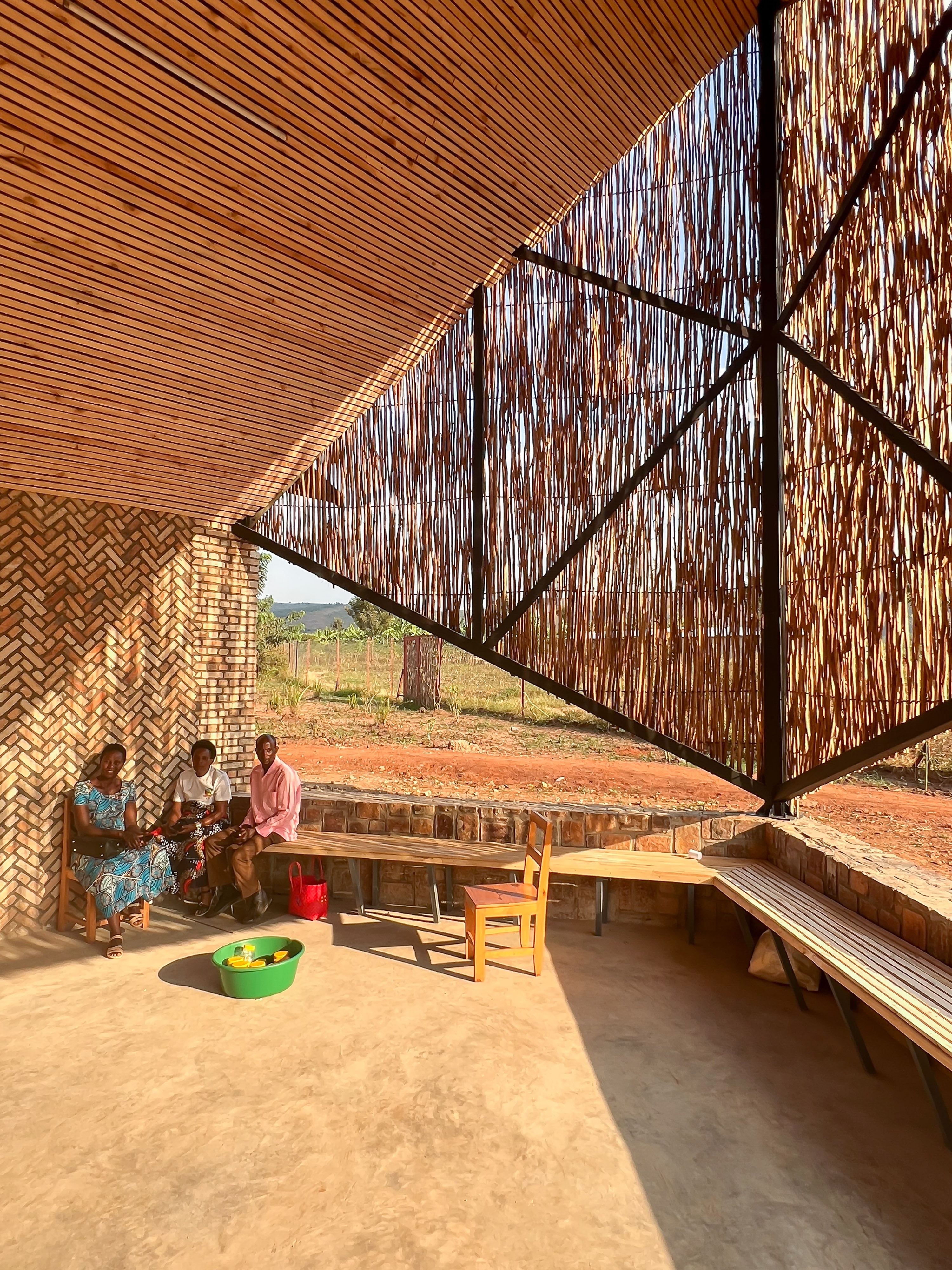
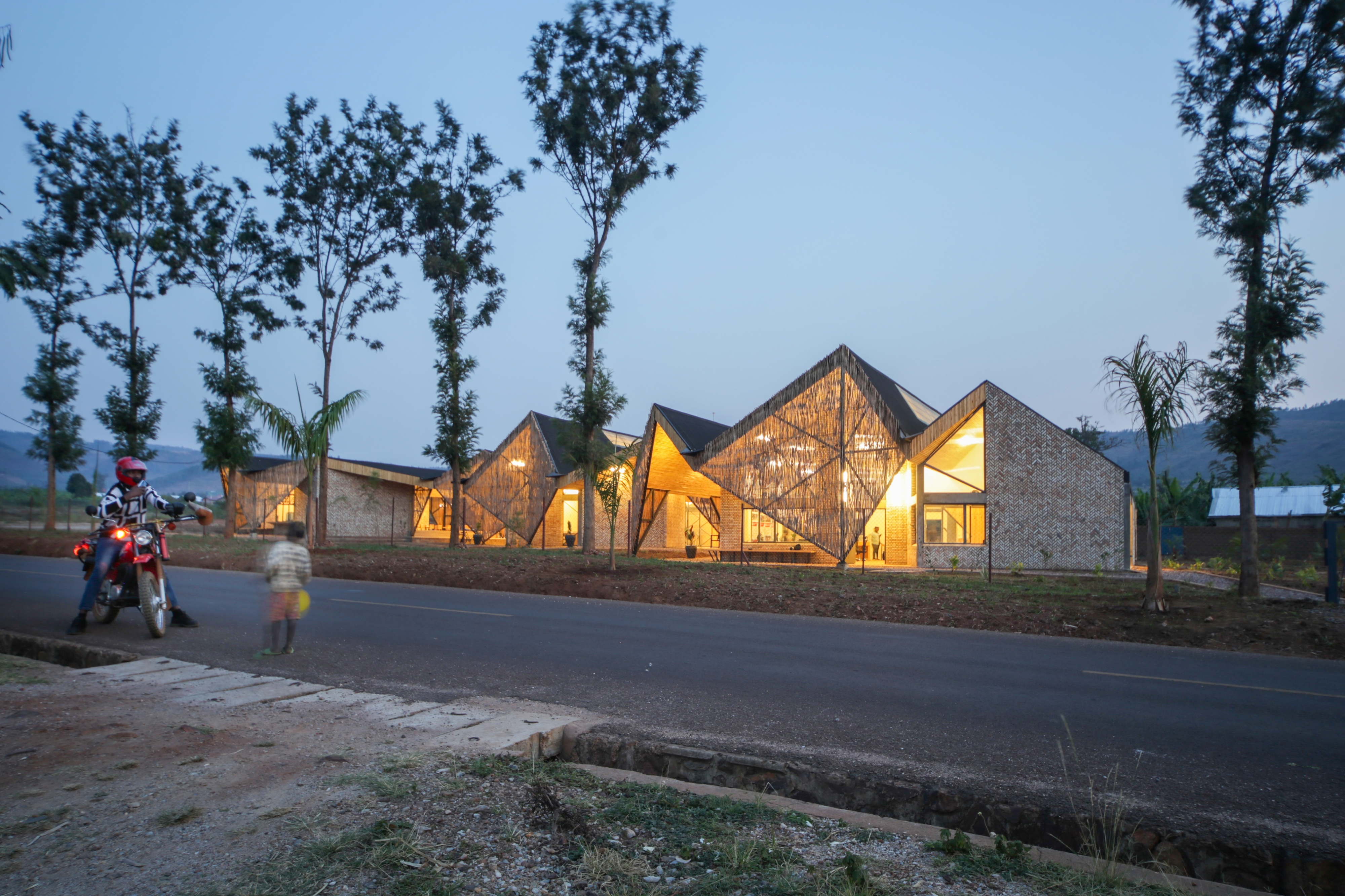
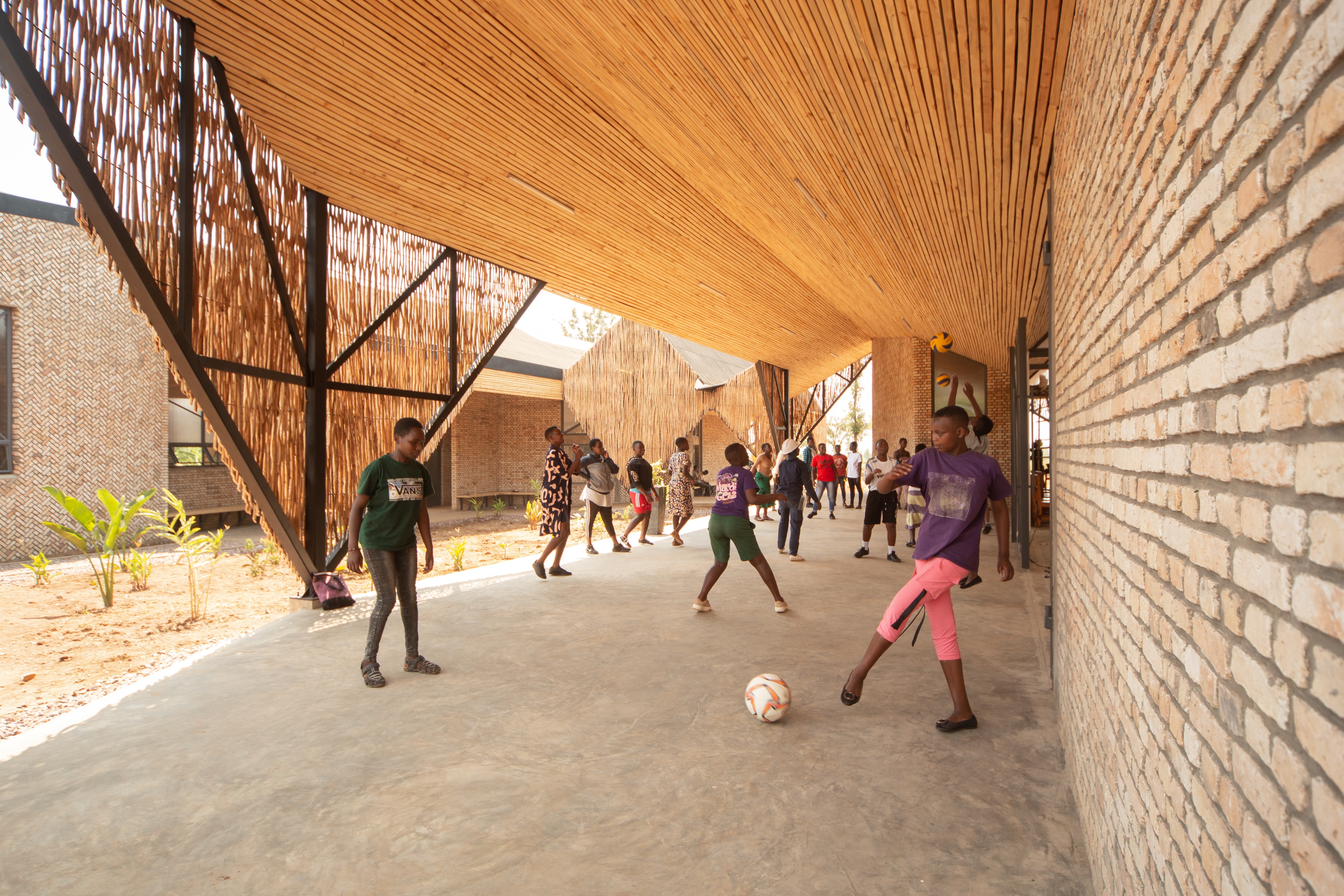
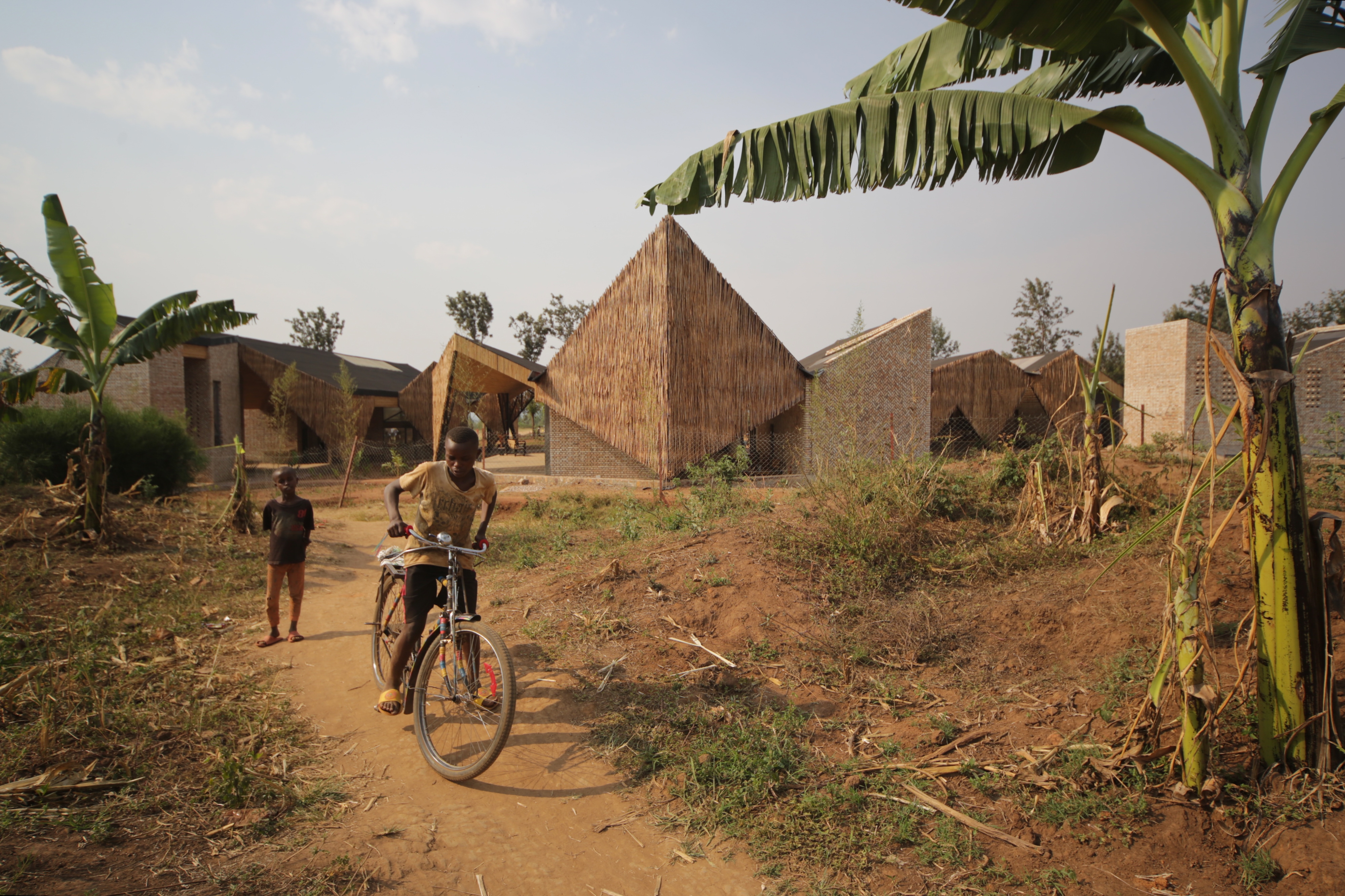
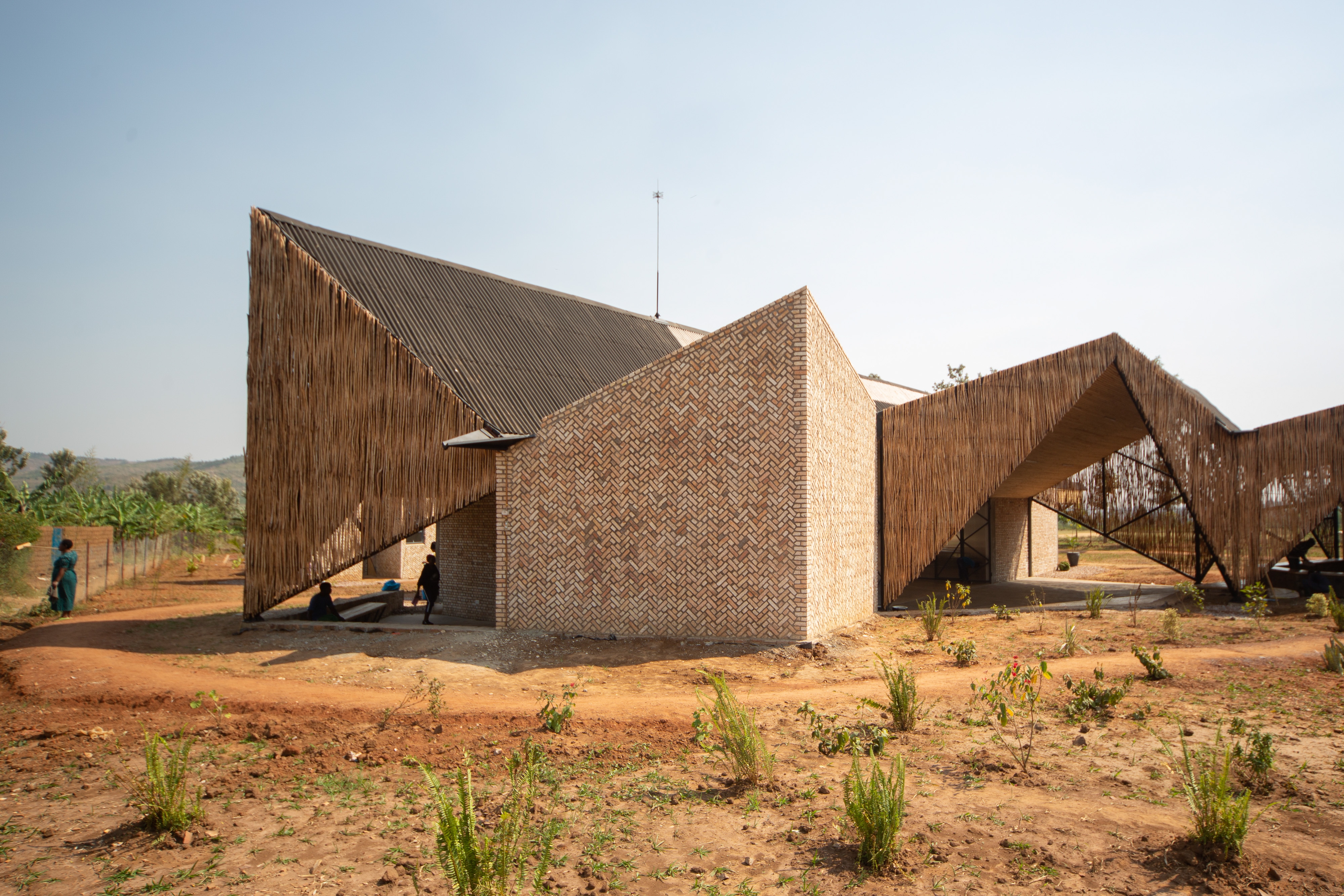
The Komera Leadership Center, in the rural eastern province of Rwanda, provides health, education, and mentorship programs for young women, and is a place for family development initiatives and community gatherings. Sitting strategically between the main road across from the village football pitch, and the Umudugudu, the Leadership Center acts as a much needed community and education hub for local residents. The architectural forms, brick patterns, and woven eucalyptus screens are rooted to the traditional “Imigongo” art originating from this region, and carry an association with the Rwandan word “Komera” meaning “to stand strong, to have courage.” The woven shapes resemble the traditional woven “Agaseke” (Peace Basket) which is an important symbolic peace offering in Rwandan culture. These forms and shapes are carried throughout the project, and are especially prominent on the facades facing the main road in “front” and the “rear” facade facing the Umudugudu, standing as a welcoming symbol of peaceful gathering for the community.
The Komera Leadership Center, in the rural eastern province of Rwanda, provides health, education, and mentorship programs for young women, and is a place for family development initiatives and community gatherings. Sitting strategically between the main road across from the village football pitch, and the Umudugudu, the Leadership Center acts as a much needed community and education hub for local residents. The architectural forms, brick patterns, and woven eucalyptus screens are rooted to the traditional “Imigongo” art originating from this region, and carry an association with the Rwandan word “Komera” meaning “to stand strong, to have courage.” The woven shapes resemble the traditional woven “Agaseke” (Peace Basket) which is an important symbolic peace offering in Rwandan culture. These forms and shapes are carried throughout the project, and are especially prominent on the facades facing the main road in “front” and the “rear” facade facing the Umudugudu, standing as a welcoming symbol of peaceful gathering for the community.
Project Innovation / Specification:
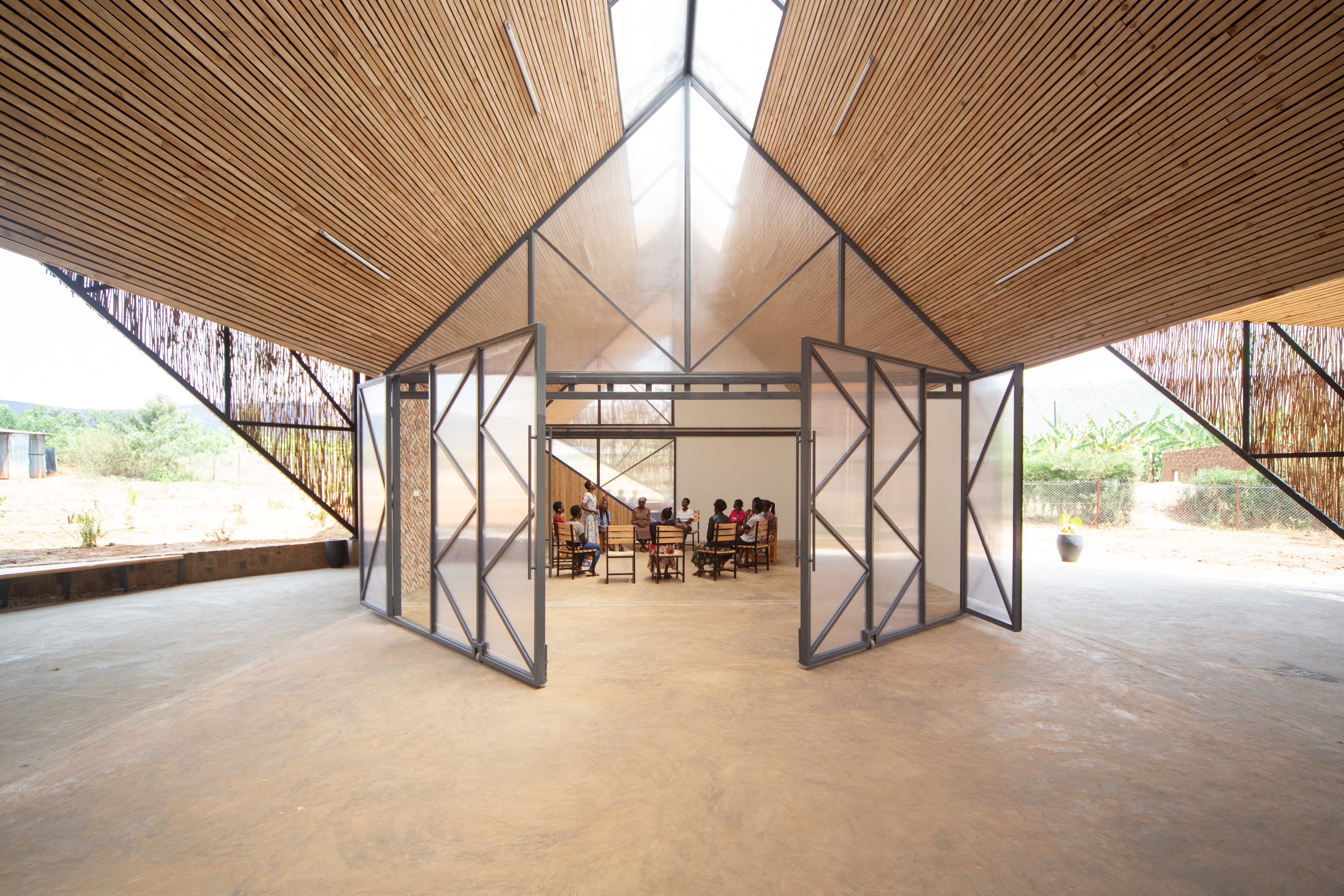
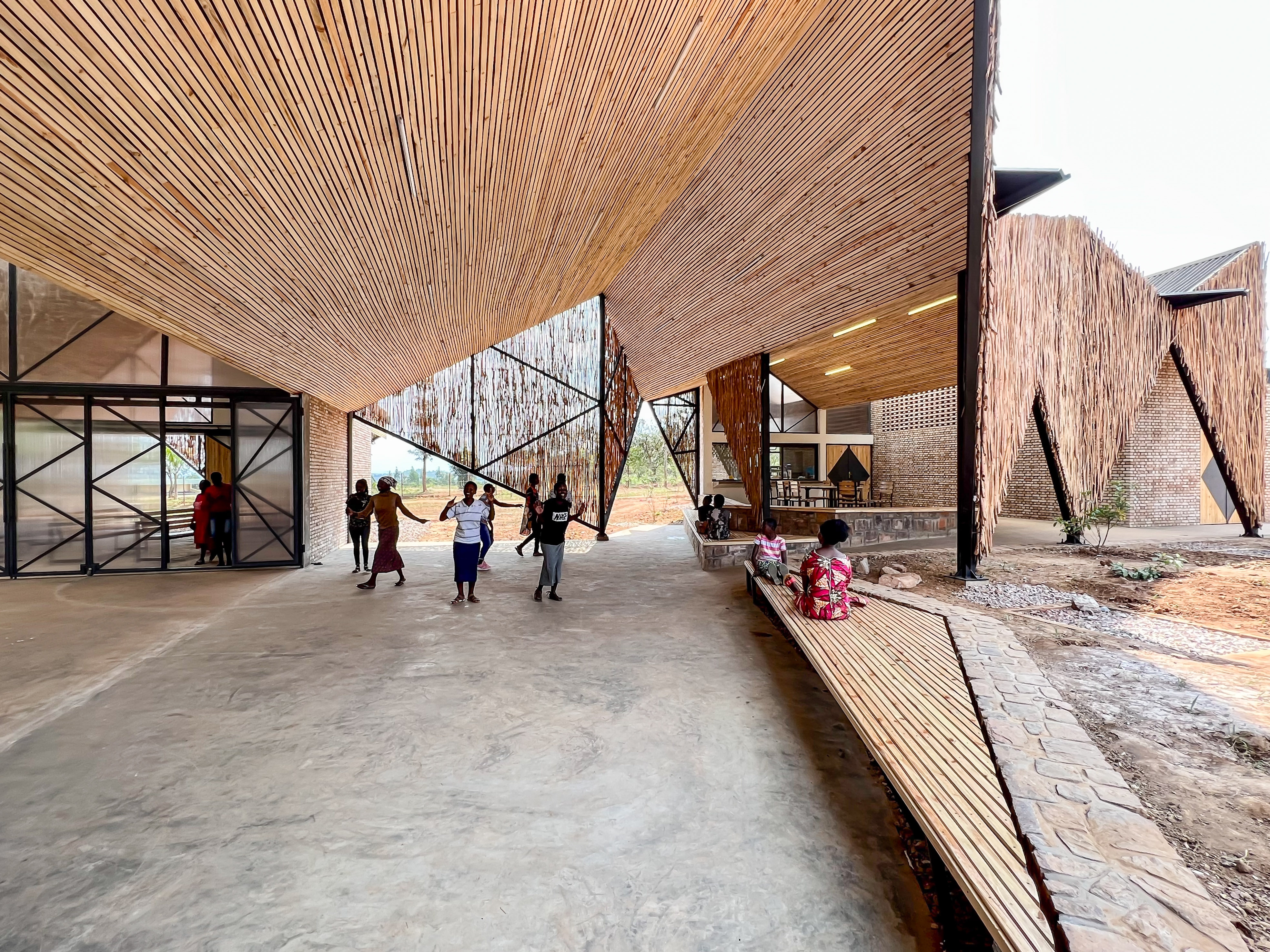
To meet more programmatic requirements than the budget could initially accommodate. One solution involved combining key functions to maximize space efficiency. Flexibility is achieved with large hinging translucent panels that transform the space. When closed, they create three classrooms. When the panels are opened 90 degrees, they create a large meeting hall for the community. When fully open to 270 degrees, the space can accommodate larger events such as performances, or ceremonies. Large adjacent storage spaces enable these transforming spatial functions. By merging the need for a community gathering hall with classrooms, spaces typically used at different times of the day, this allowed us to adapt and maximize the functionality of core program areas while staying within budget constraints.
To meet more programmatic requirements than the budget could initially accommodate. One solution involved combining key functions to maximize space efficiency. Flexibility is achieved with large hinging translucent panels that transform the space. When closed, they create three classrooms. When the panels are opened 90 degrees, they create a large meeting hall for the community. When fully open to 270 degrees, the space can accommodate larger events such as performances, or ceremonies. Large adjacent storage spaces enable these transforming spatial functions. By merging the need for a community gathering hall with classrooms, spaces typically used at different times of the day, this allowed us to adapt and maximize the functionality of core program areas while staying within budget constraints.
Project Sustainability Approach:
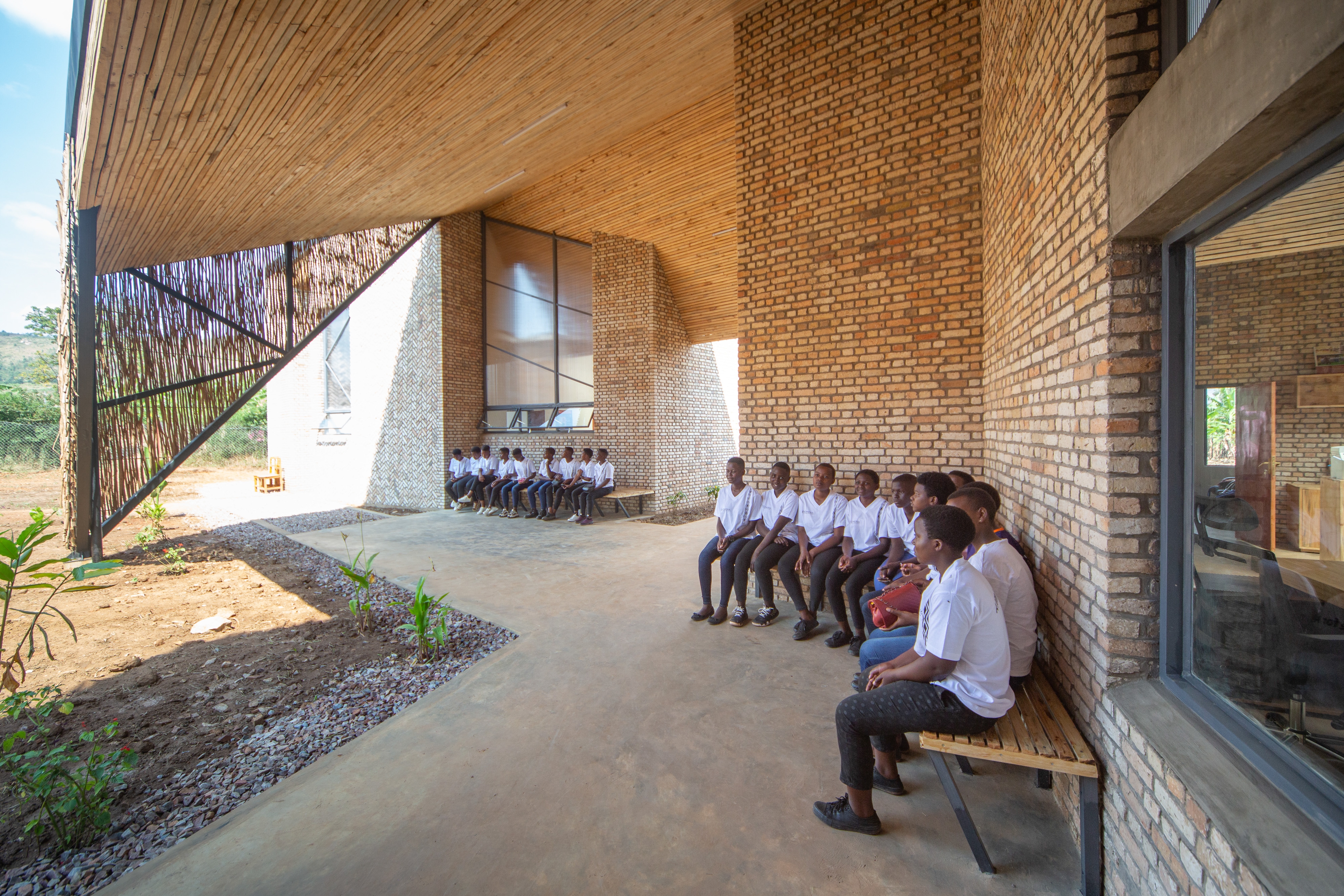
The center’s construction prioritized accessible and sustainable methods, making use of readily available, low-cost local materials to reduce carbon emissions. Spaces were designed for maximum flexibility to reduce the overall footprint and keep costs down. The Center was constructed with the vast majority of materials being locally sourced. Foundations are made of stone sourced from a local quarry. Clay fired bricks from a local brick making cooperative, using rice husks and sawdust for firing, were used to build the walls. In this seismic area we embedded rebar in the brick walls and kept spans to a minimum, in order to greatly reduce the typical amount of concrete columns and ring beams needed. The ceilings are made of locally milled pine which is spaced out to allow hot air to pass up into the steel truss roof cavity and escape through ridge vents. The roofing material is made from recycled cellulose fibers which performs much better than the ubiquitous corrugated metal sheets in greatly reducing solar heat gain as well as dampening noise during rain.
The center’s construction prioritized accessible and sustainable methods, making use of readily available, low-cost local materials to reduce carbon emissions. Spaces were designed for maximum flexibility to reduce the overall footprint and keep costs down. The Center was constructed with the vast majority of materials being locally sourced. Foundations are made of stone sourced from a local quarry. Clay fired bricks from a local brick making cooperative, using rice husks and sawdust for firing, were used to build the walls. In this seismic area we embedded rebar in the brick walls and kept spans to a minimum, in order to greatly reduce the typical amount of concrete columns and ring beams needed. The ceilings are made of locally milled pine which is spaced out to allow hot air to pass up into the steel truss roof cavity and escape through ridge vents. The roofing material is made from recycled cellulose fibers which performs much better than the ubiquitous corrugated metal sheets in greatly reducing solar heat gain as well as dampening noise during rain.
Local and Regional Impacts of the Project:
We employed and empowered local community members by involving them directly in the building process. Skilled and unskilled workers, including a high percentage of women, received hands-on training, which increased local skills, and provided immediate and lasting employment opportunities, and economic growth within the community. This community-led construction has left behind more than a completed building; it has fostered a legacy of skilled labor and economic empowerment that will continue to benefit the community. The pride in ownership that stems from this direct involvement is palpable—those who participated in building the center now see it as a reflection of their collective effort and capability.
We employed and empowered local community members by involving them directly in the building process. Skilled and unskilled workers, including a high percentage of women, received hands-on training, which increased local skills, and provided immediate and lasting employment opportunities, and economic growth within the community. This community-led construction has left behind more than a completed building; it has fostered a legacy of skilled labor and economic empowerment that will continue to benefit the community. The pride in ownership that stems from this direct involvement is palpable—those who participated in building the center now see it as a reflection of their collective effort and capability.
Company Name:BE_Design
Lead Designer(s) Name(s):Bruce Engel