32° East Arts Centre
Prize(s):
WINNER 2026 ARCHITECTURE / Cultural Building Architecture
Company Name:New Makers Bureau and Localworks
Lead Designer(s) Name(s):New Makers Bureau, Studio FH Architects, Aquila Gallery, Equatorsun Ltd, Dudley Kasibante & Partners
Design Team / Other designer(s):James Hampton, Felix Holland, Allan Semakula, Edson Agume, Wilson Sendikwanawa
Architecture Firm:New Makers Bureau
Construction Company:Localworks
Client Name: 32° East | Ugandan Arts Trust
Photo Credit:New Makers Bureau, Timothy Latim and Will Boase Photoraphy
Project Location:Kampala, Uganda
Design Status:Completed
Website: View
Project Description:
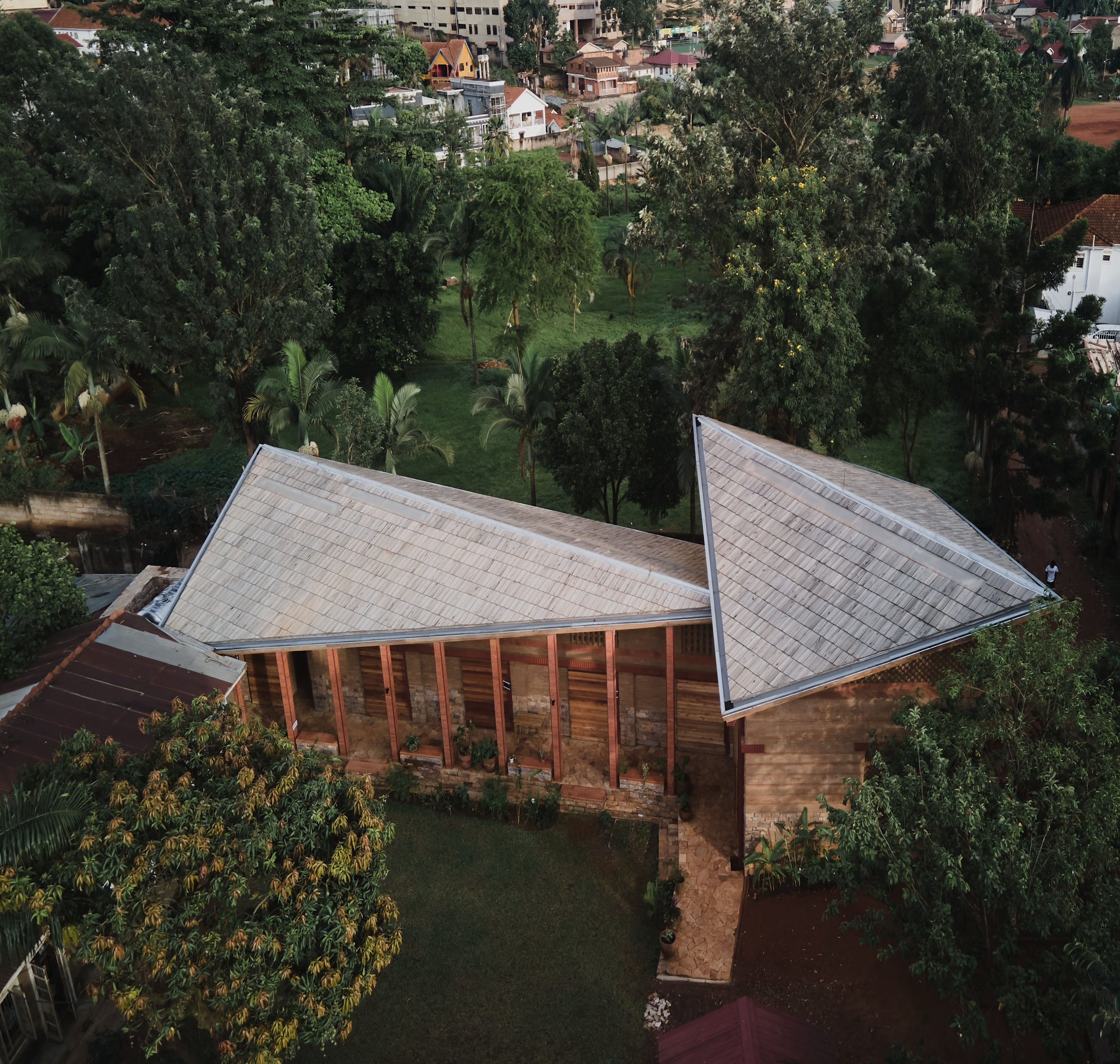
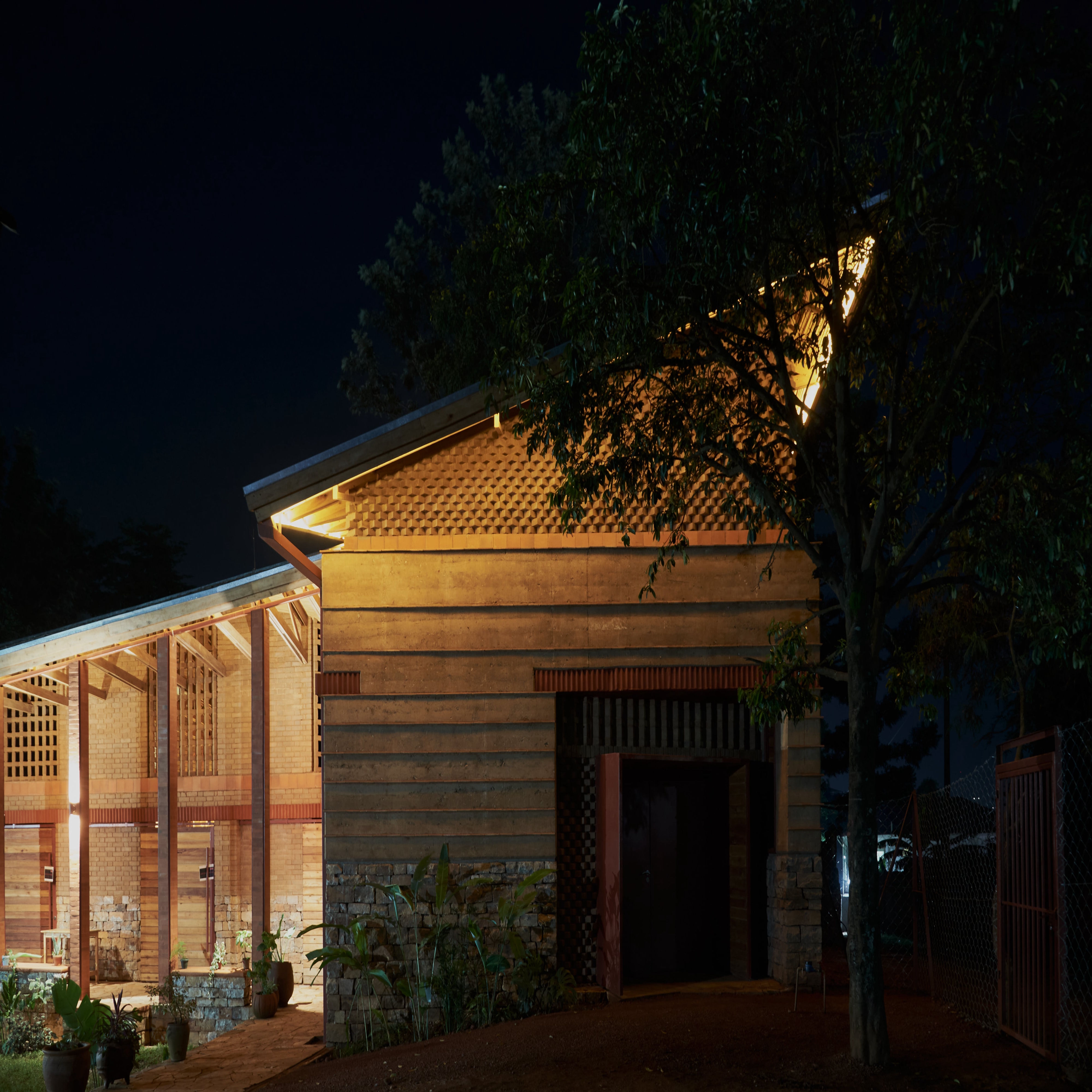
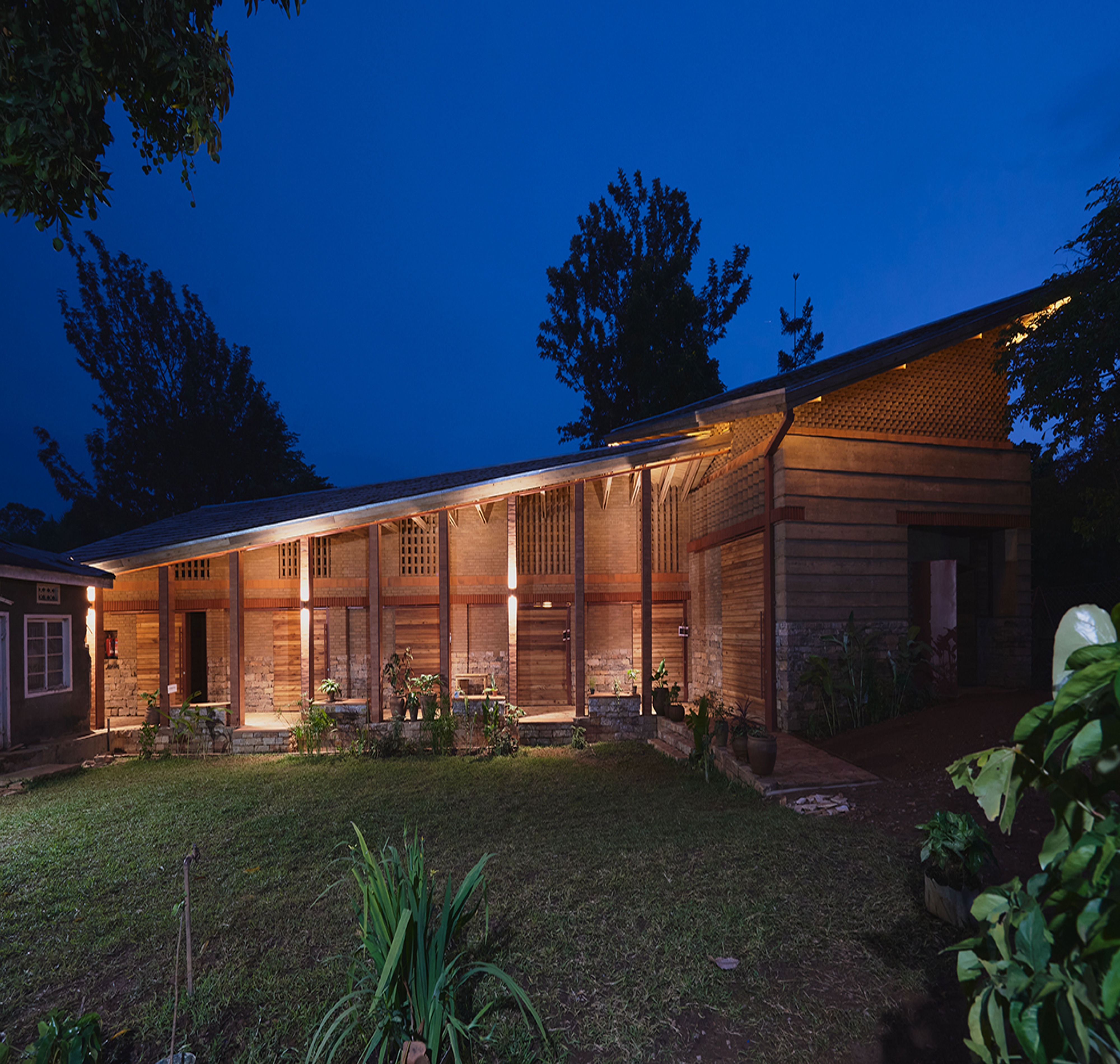
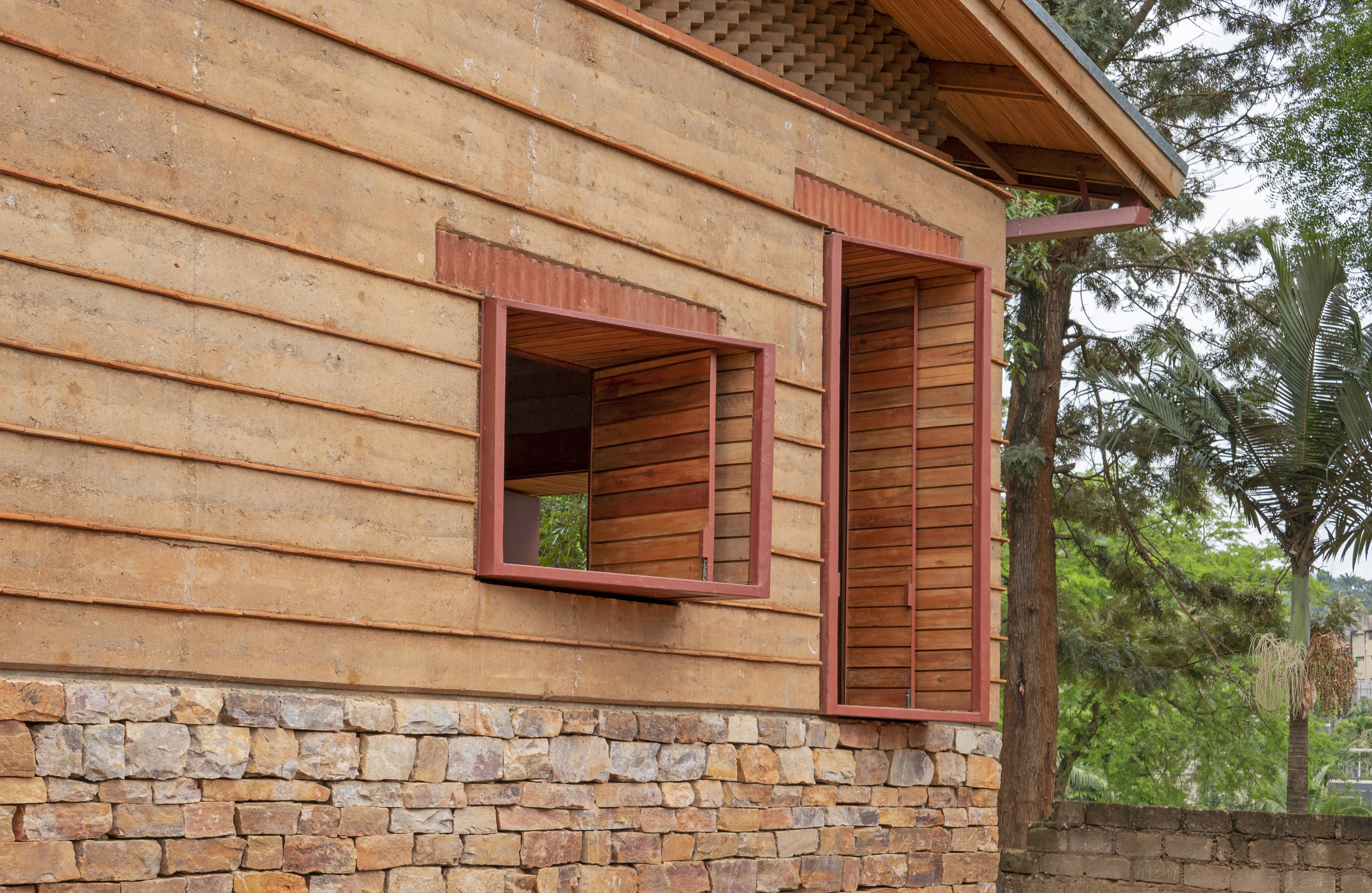
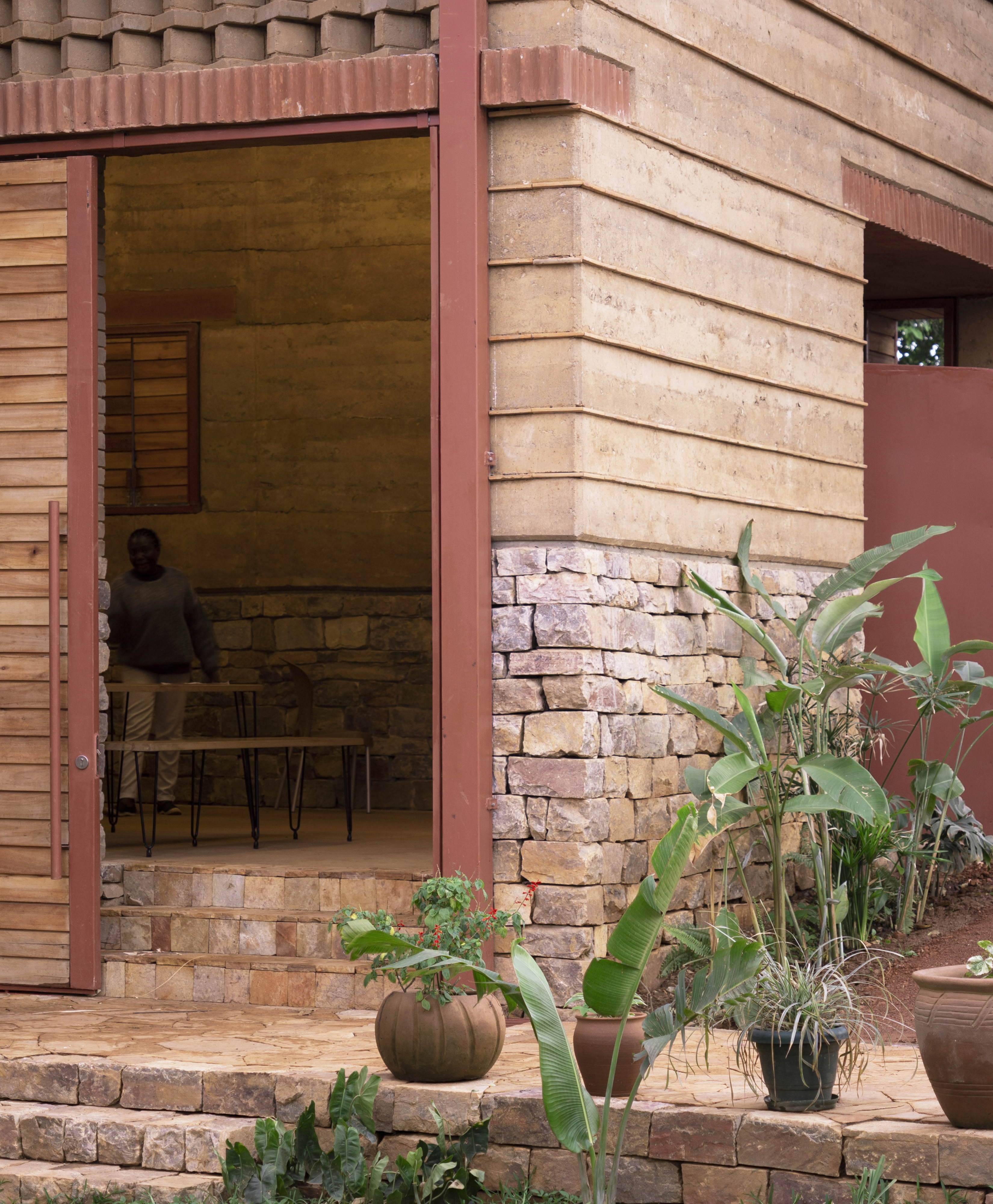
32° East Arts Centre is the first purpose-built community arts facility in Kampala, Uganda, conceived and delivered by the non-profit 32° East | Ugandan Arts Trust. It is being developed in phases. Phase one which was completed in February 2023 comprises of four artists’ studios, a library, restrooms and a flexible café, which will function as an interim gallery and workspace until phase two is completed. Phase two is scheduled to be complete in 2026 and will include a gallery, with mezzanine guestrooms, two artist studios, offices, kiosk and a walled courtyard garden. Designed to support East Africa’s visual arts ecosystem, the centre provides studios, a specialised art library and co-working space for artists, alongside a flexible programme of workshops, residencies and public exhibitions. Constructed using rammed earth, earth bricks made from site soil, local timber and recycled materials, the building embodies a circular-economy approach and passive climate-responsive design.
32° East Arts Centre is the first purpose-built community arts facility in Kampala, Uganda, conceived and delivered by the non-profit 32° East | Ugandan Arts Trust. It is being developed in phases. Phase one which was completed in February 2023 comprises of four artists’ studios, a library, restrooms and a flexible café, which will function as an interim gallery and workspace until phase two is completed. Phase two is scheduled to be complete in 2026 and will include a gallery, with mezzanine guestrooms, two artist studios, offices, kiosk and a walled courtyard garden. Designed to support East Africa’s visual arts ecosystem, the centre provides studios, a specialised art library and co-working space for artists, alongside a flexible programme of workshops, residencies and public exhibitions. Constructed using rammed earth, earth bricks made from site soil, local timber and recycled materials, the building embodies a circular-economy approach and passive climate-responsive design.
Project Innovation / Specification:
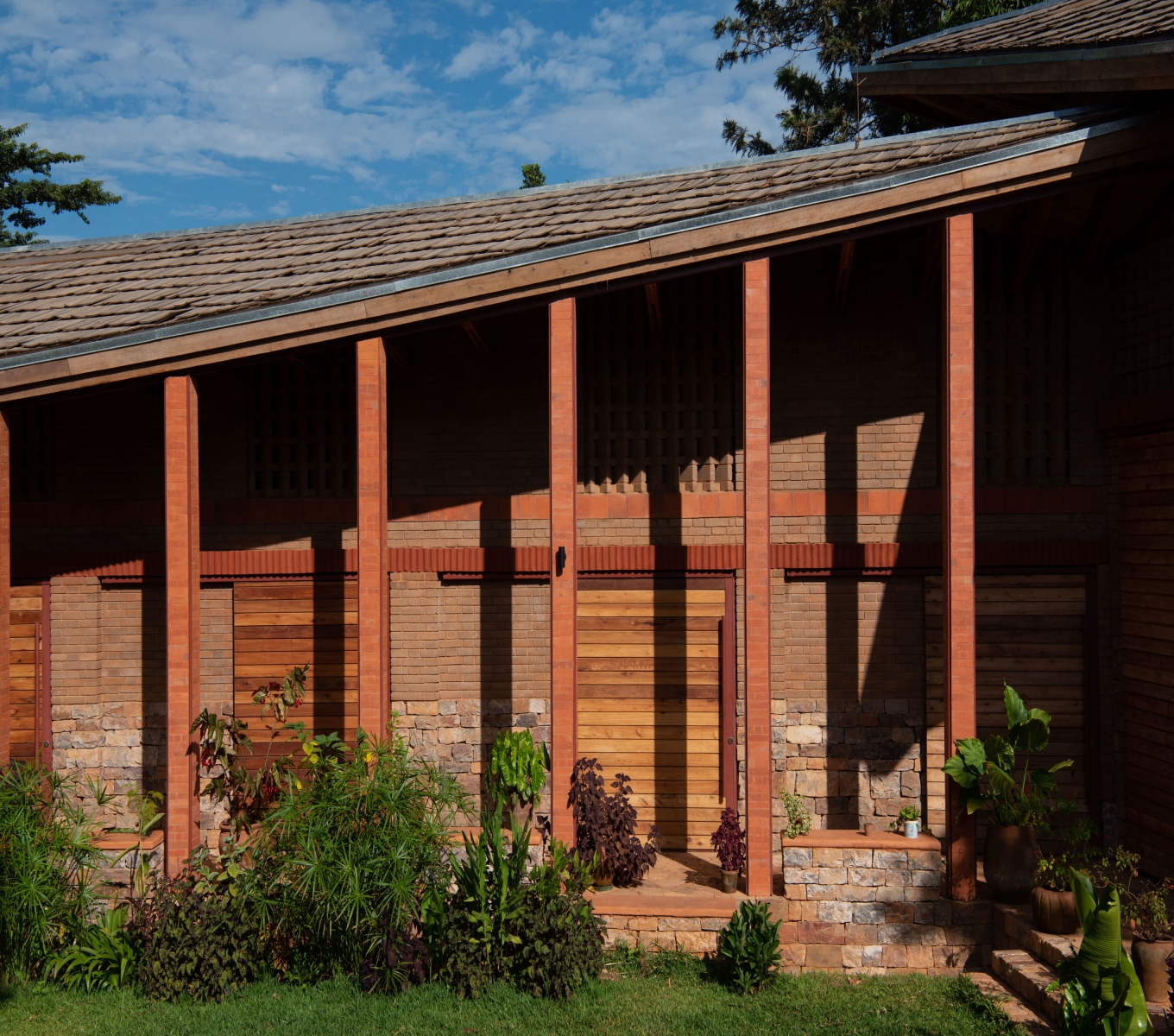
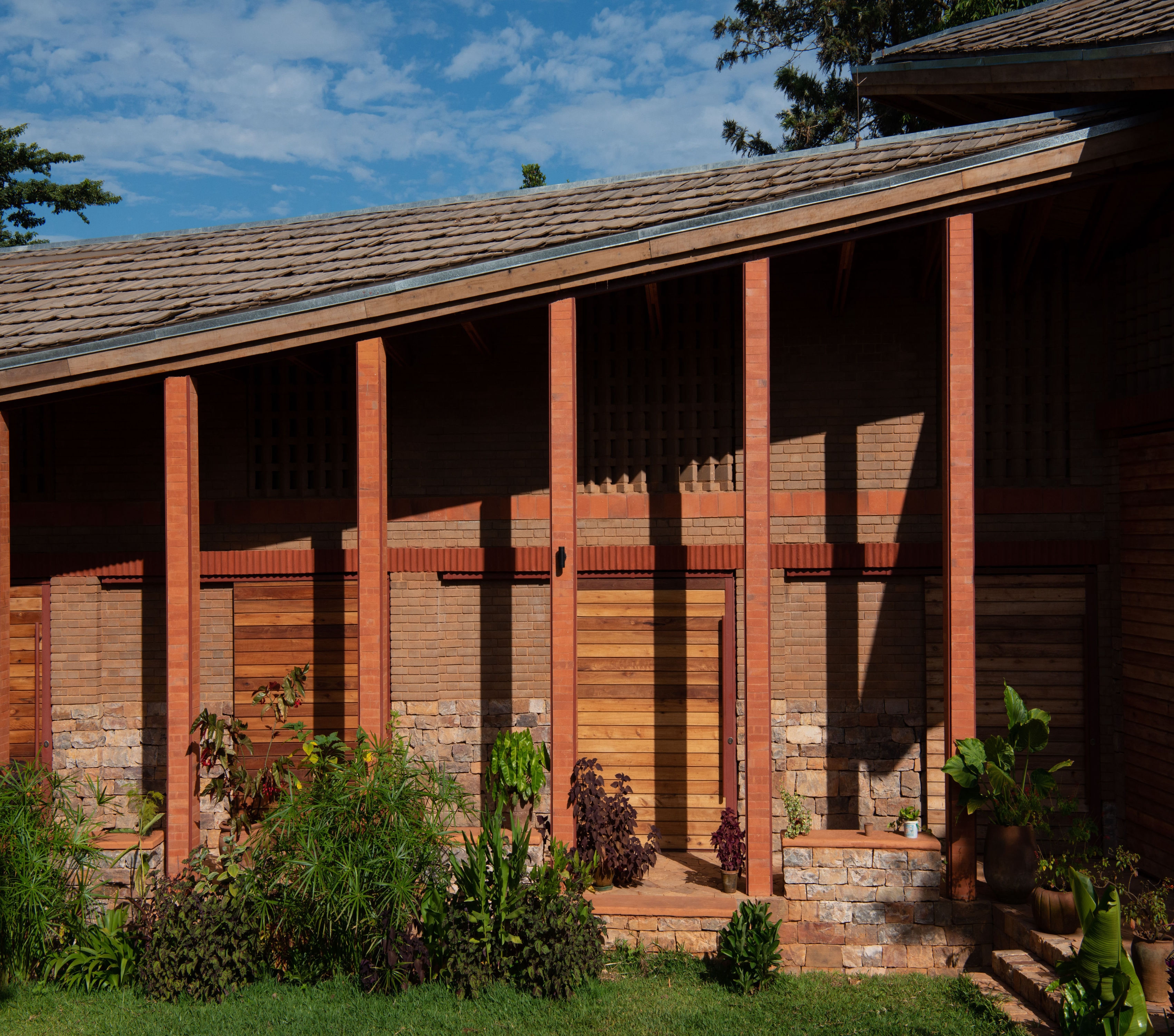
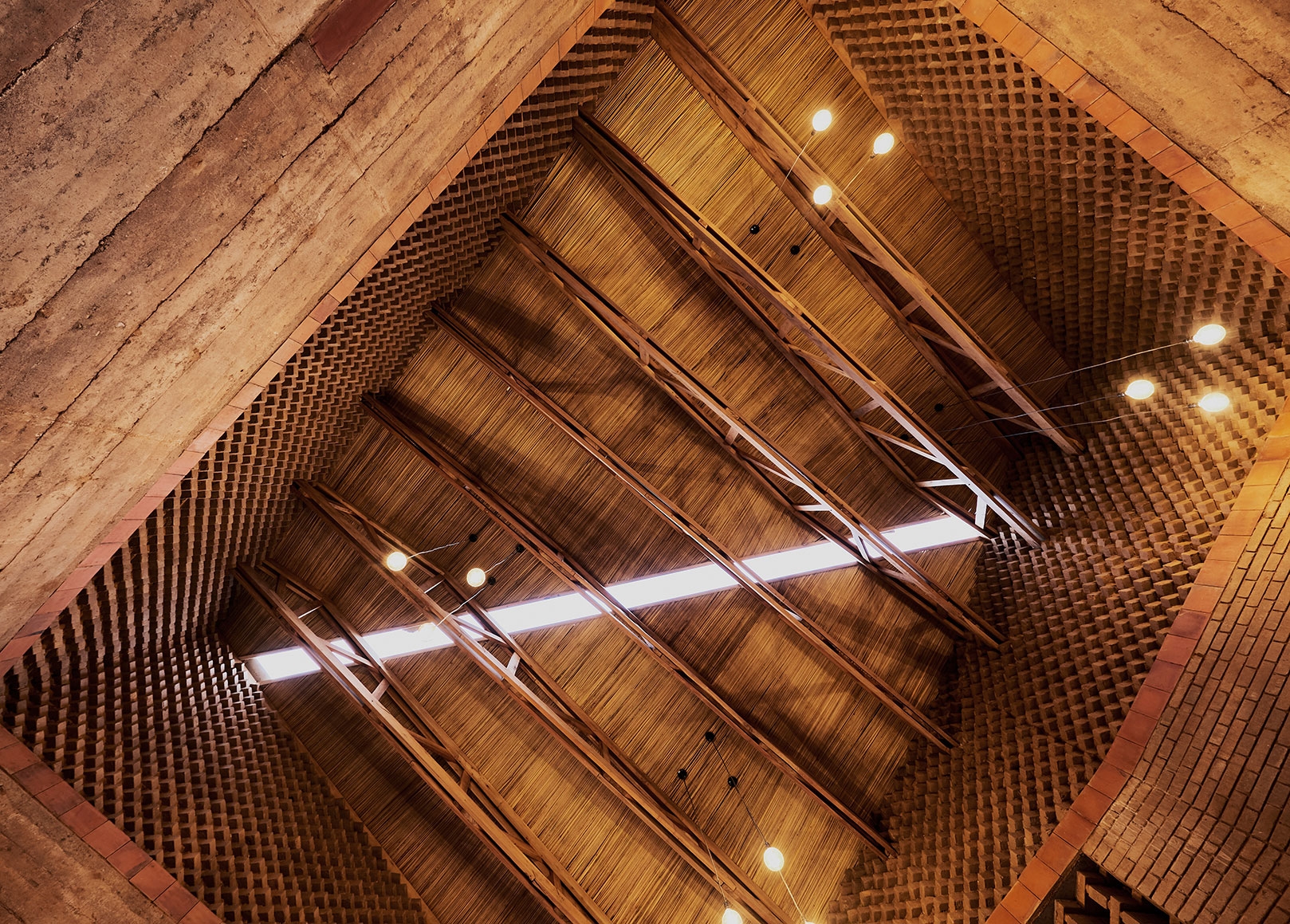
The single-storey, low carbon building is hyper-local. Following key principles of the circular economy, it is constructed from materials already on the site: two redundant buildings above ground and the ground itself. The building is made from rammed earth and earth bricks composed of the rich, red-coloured earth that has been extracted directly from the site and sifted and pressed into blocks. Local eucalyptus timber has been used for the rammed earth formwork and then reused to make the roof trusses and shingles. Demolition materials have been reused for fill and as aggregate. The building incorporates strategies to temper the intensity of the sun, with the use of slim polycarbonate roof lights for natural daylighting, shutters prioritized over glazed windows, a sweeping roof to provide shade to the courtyard and a bespoke textured open brick ‘hit and miss in the façade to create dappled light.
The single-storey, low carbon building is hyper-local. Following key principles of the circular economy, it is constructed from materials already on the site: two redundant buildings above ground and the ground itself. The building is made from rammed earth and earth bricks composed of the rich, red-coloured earth that has been extracted directly from the site and sifted and pressed into blocks. Local eucalyptus timber has been used for the rammed earth formwork and then reused to make the roof trusses and shingles. Demolition materials have been reused for fill and as aggregate. The building incorporates strategies to temper the intensity of the sun, with the use of slim polycarbonate roof lights for natural daylighting, shutters prioritized over glazed windows, a sweeping roof to provide shade to the courtyard and a bespoke textured open brick ‘hit and miss in the façade to create dappled light.
Project Sustainability Approach:
Stabilised compressed earth blocks were pressed from site-excavated soil, avoiding the transport and kiln-firing of conventional bricks that cause air pollution. Combined with reused steel and timber from earlier site structures, this circular approach reduced embodied energy and waste. Local material production and craftsmanship ensured low-carbon construction and strengthened community participation. Stabilised compressed earth blocks were pressed from site-excavated soil, avoiding the transport and kiln-firing of conventional bricks that cause air pollution. Combined with reused steel and timber from earlier site structures, this circular approach reduced embodied energy and waste. Local material production and craftsmanship ensured low-carbon construction and strengthened community participation.
Stabilised compressed earth blocks were pressed from site-excavated soil, avoiding the transport and kiln-firing of conventional bricks that cause air pollution. Combined with reused steel and timber from earlier site structures, this circular approach reduced embodied energy and waste. Local material production and craftsmanship ensured low-carbon construction and strengthened community participation. Stabilised compressed earth blocks were pressed from site-excavated soil, avoiding the transport and kiln-firing of conventional bricks that cause air pollution. Combined with reused steel and timber from earlier site structures, this circular approach reduced embodied energy and waste. Local material production and craftsmanship ensured low-carbon construction and strengthened community participation.
Local and Regional Impacts of the Project:
The 32° East Art Centre has transformed Kampala’s arts landscape by providing the city’s first purpose-built creative infrastructure. With four studios, a specialist art library, and public exhibition space, it offers artists dedicated work environments for the first time, spaces where experimentation, collaboration, and critique thrive. Since opening in 2023, it has hosted regular residencies, workshops, and exhibitions, supporting over 100 artists and connecting them to curators and mentors. The centre has become a hub for East African artists, hosting displaced Sudanese artists with studio space to help them rebuild their practice. Its international visibility and partnerships now links Kampala to global art circuits.
The 32° East Art Centre has transformed Kampala’s arts landscape by providing the city’s first purpose-built creative infrastructure. With four studios, a specialist art library, and public exhibition space, it offers artists dedicated work environments for the first time, spaces where experimentation, collaboration, and critique thrive. Since opening in 2023, it has hosted regular residencies, workshops, and exhibitions, supporting over 100 artists and connecting them to curators and mentors. The centre has become a hub for East African artists, hosting displaced Sudanese artists with studio space to help them rebuild their practice. Its international visibility and partnerships now links Kampala to global art circuits.
Company Name:New Makers Bureau and Localworks
Lead Designer(s) Name(s):New Makers Bureau, Studio FH Architects, Aquila Gallery, Equatorsun Ltd, Dudley Kasibante & Partners