
Histories of Tanzania
Prize(s):
WINNER 2026 ARCHITECTURE / Cultural Building Architecture
Company Name:APC Architectural Pioneering Consultants
Lead Designer(s) Name(s):Gunter Klix, Patricia Bandora, Jack Young
Design Team / Other designer(s):Studio Gruender Kirfel, The Green Eyl, Kongelige Akademi - Biohybrid Architecture Institute
Architecture Firm:APC Architectural Pioneering Consultants
Interior Designer:APC Architectural Pioneering Consultants
Construction Company:Morogoro and Iringa Weavers Cooperative
Client Name:Stiftung Humboldt Forum im Berliner Schloss
Photo Credit:Matthias Hoch, Frank Sperling
Project Location:Berlin, Germany and Dar es Salaam, Tanzania
Design Status:Completed
Website: View
Video URL:View
Project Description:
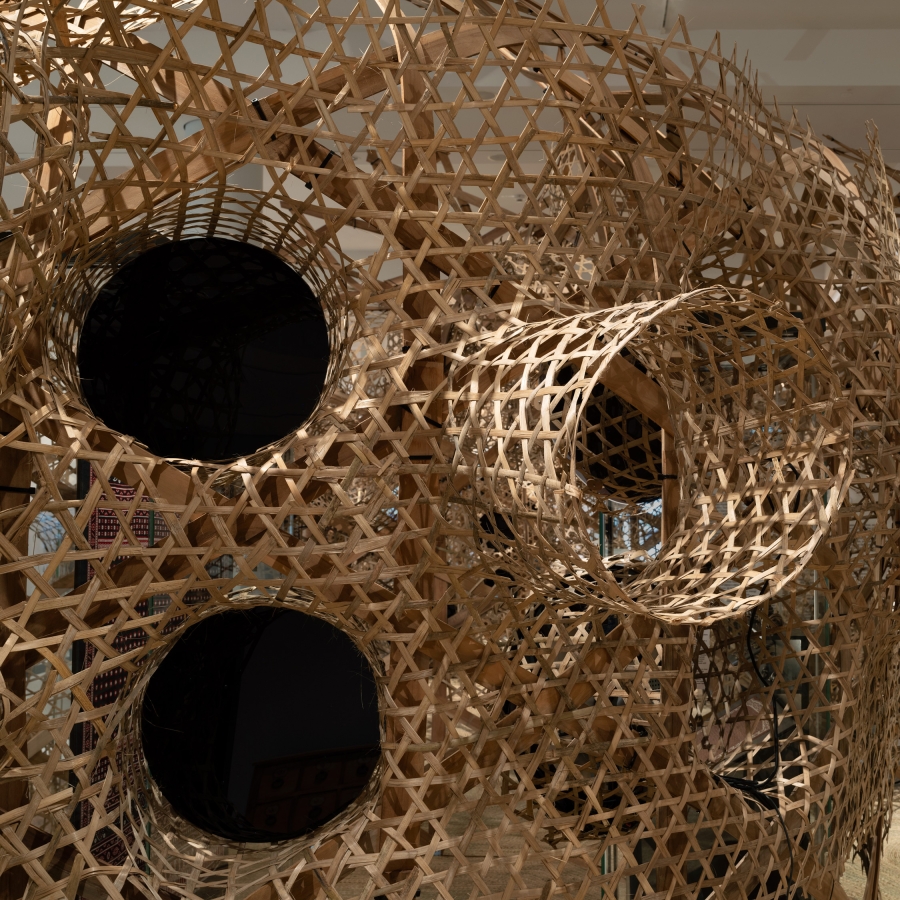
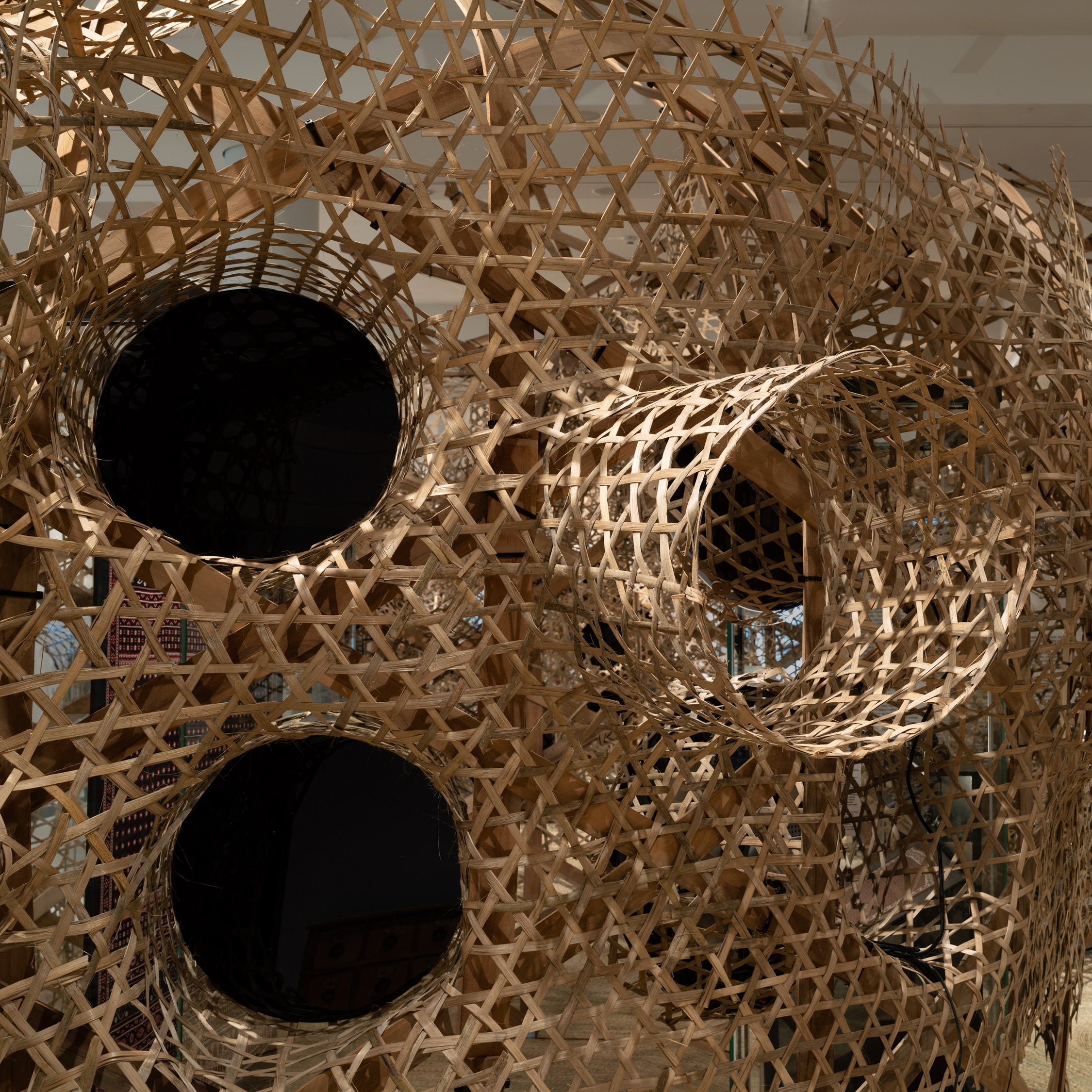
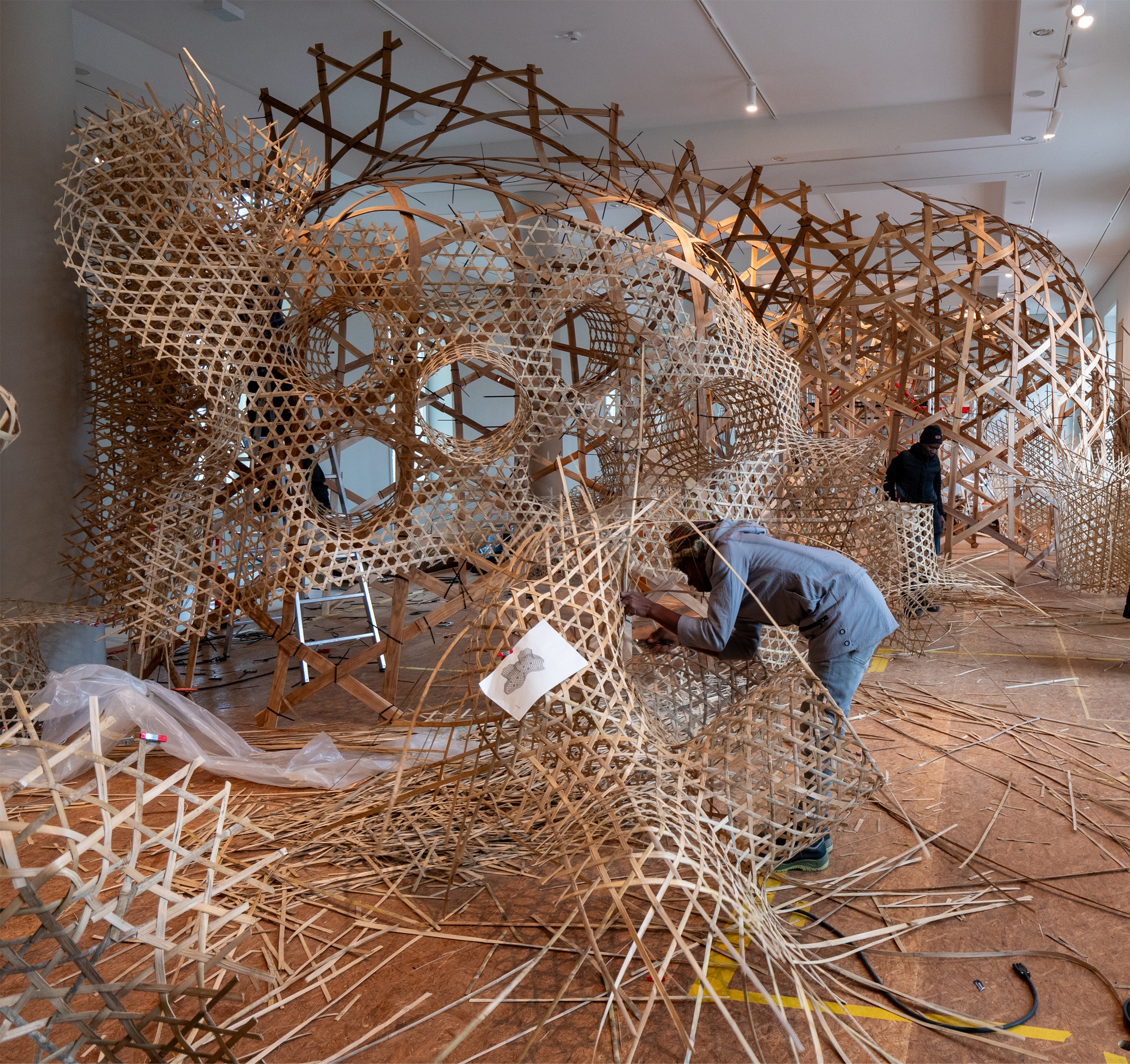
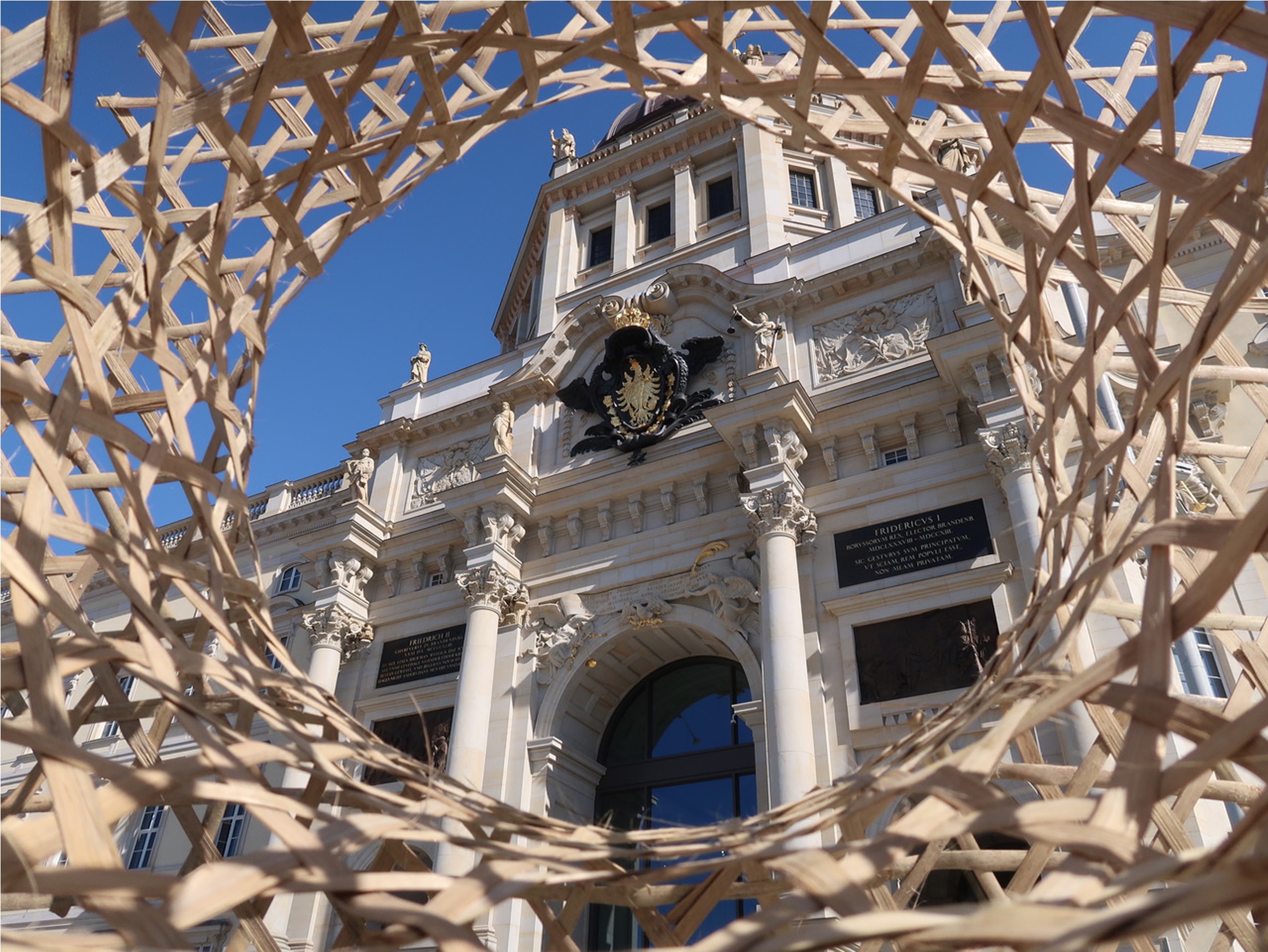
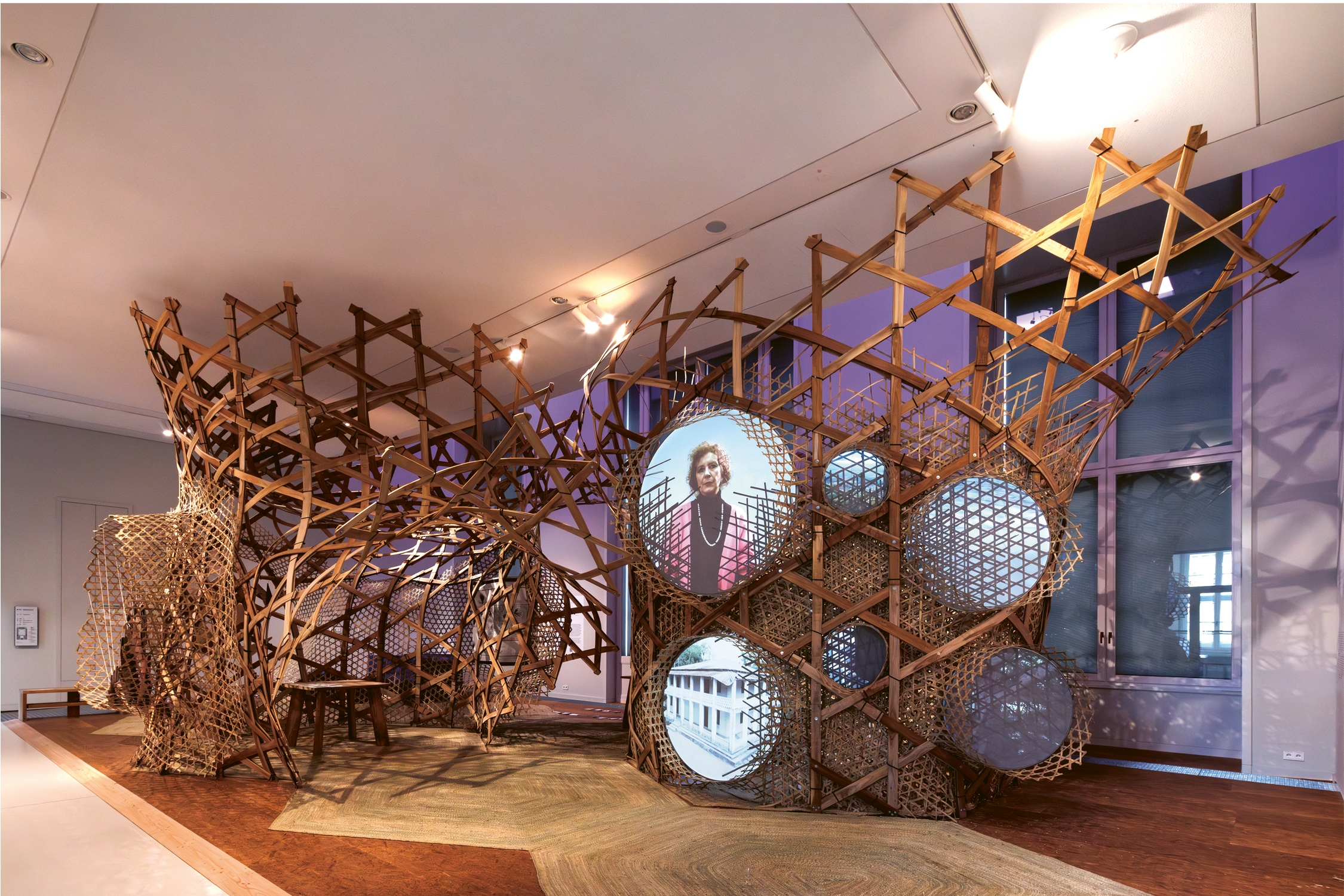
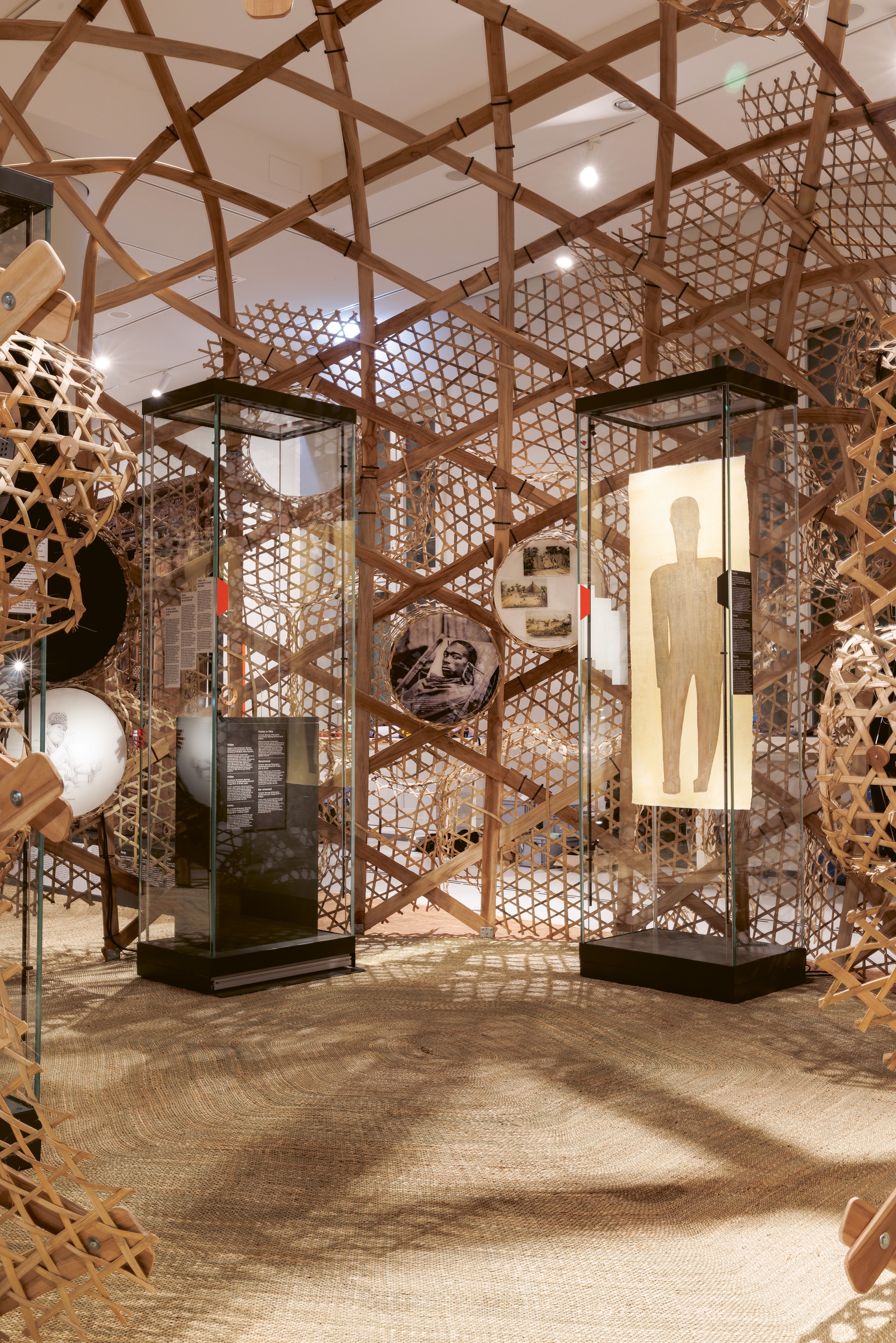
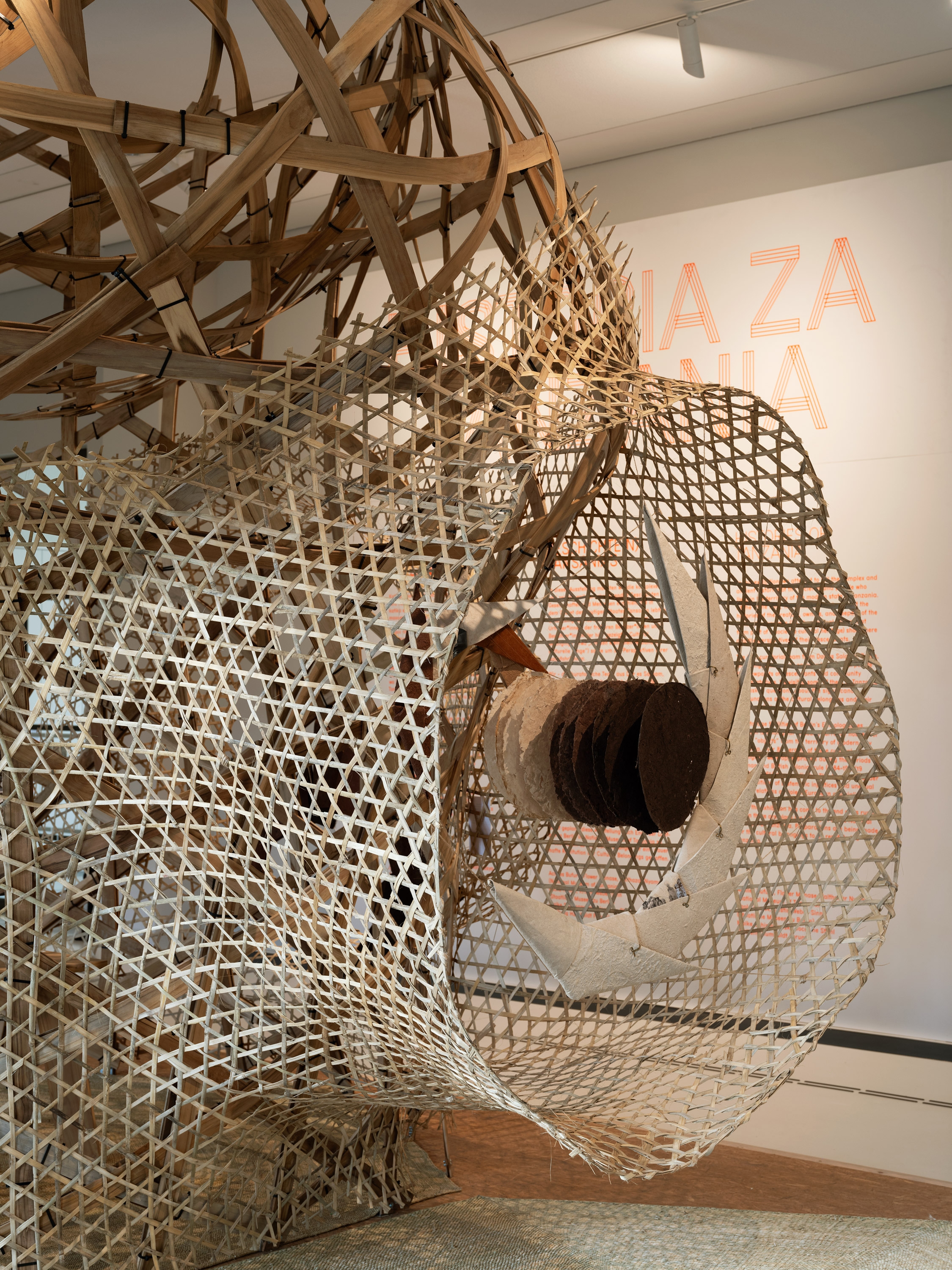
Histories of Tanzania is a collaborative exhibition between the National Museum of Tanzania, the Humboldt Forum, and the Ethnological Museum of Berlin. It presents colonial belongings taken from Tanzania during German rule prior to their restitution, placing Tanzanian perspectives and narratives at the center of the display. The curatorial framework draws on weaving as both metaphor and method, interlacing histories from pre-colonial trade through colonial occupation to post-independence Tanzania. This idea is translated spatially into a series of organic woven spherical structures inserted within the rigid architecture of the Humboldt Forum. These forms create immersive environments that guide visitors through the exhibition in a non-linear journey, reflecting Tanzanian spatial sensibilities rather than conventional European gallery layouts. Each sphere contains objects and stories while encouraging exploration. Constructed from teak frames and bamboo weaving, the structures combine traditional craft with architectural scale. Milulu mats cover the floor, inviting visitors to remove their shoes and walk barefoot, echoing Tanzanian customs of respect when entering a home.
Histories of Tanzania is a collaborative exhibition between the National Museum of Tanzania, the Humboldt Forum, and the Ethnological Museum of Berlin. It presents colonial belongings taken from Tanzania during German rule prior to their restitution, placing Tanzanian perspectives and narratives at the center of the display. The curatorial framework draws on weaving as both metaphor and method, interlacing histories from pre-colonial trade through colonial occupation to post-independence Tanzania. This idea is translated spatially into a series of organic woven spherical structures inserted within the rigid architecture of the Humboldt Forum. These forms create immersive environments that guide visitors through the exhibition in a non-linear journey, reflecting Tanzanian spatial sensibilities rather than conventional European gallery layouts. Each sphere contains objects and stories while encouraging exploration. Constructed from teak frames and bamboo weaving, the structures combine traditional craft with architectural scale. Milulu mats cover the floor, inviting visitors to remove their shoes and walk barefoot, echoing Tanzanian customs of respect when entering a home.
Project Innovation / Specification:
The project translates the curatorial concept of weaving into architectural form, structure, and visitor movement. Organic woven spheres disrupt the rigid geometry of the Humboldt Forum, introducing a spatial language rooted in Tanzanian craft traditions and creating a symbolic re-occupation of the institutional gallery space. Each structure uses a double-layer system consisting of a teak timber inner frame and a bamboo triaxial woven outer membrane. This construction method elevates traditional Tanzanian weaving techniques from craft practice to architectural system, combining structural stability with permeability, lightness, and expressive texture. Visitors enter the spheres through low openings that require bowing, transforming entry into a symbolic act of respect. Small protruding elements embedded in the woven surface provide object information, allowing interpretation to emerge directly from the architecture. Hexagonal milulu mats encourage barefoot navigation and introduce tactile engagement with the floor. Lighting design projects woven shadows across the gallery, while soundscapes and graphic storytelling reinforce the layered narrative structure of the exhibition.
The project translates the curatorial concept of weaving into architectural form, structure, and visitor movement. Organic woven spheres disrupt the rigid geometry of the Humboldt Forum, introducing a spatial language rooted in Tanzanian craft traditions and creating a symbolic re-occupation of the institutional gallery space. Each structure uses a double-layer system consisting of a teak timber inner frame and a bamboo triaxial woven outer membrane. This construction method elevates traditional Tanzanian weaving techniques from craft practice to architectural system, combining structural stability with permeability, lightness, and expressive texture. Visitors enter the spheres through low openings that require bowing, transforming entry into a symbolic act of respect. Small protruding elements embedded in the woven surface provide object information, allowing interpretation to emerge directly from the architecture. Hexagonal milulu mats encourage barefoot navigation and introduce tactile engagement with the floor. Lighting design projects woven shadows across the gallery, while soundscapes and graphic storytelling reinforce the layered narrative structure of the exhibition.
Project Sustainability Approach:
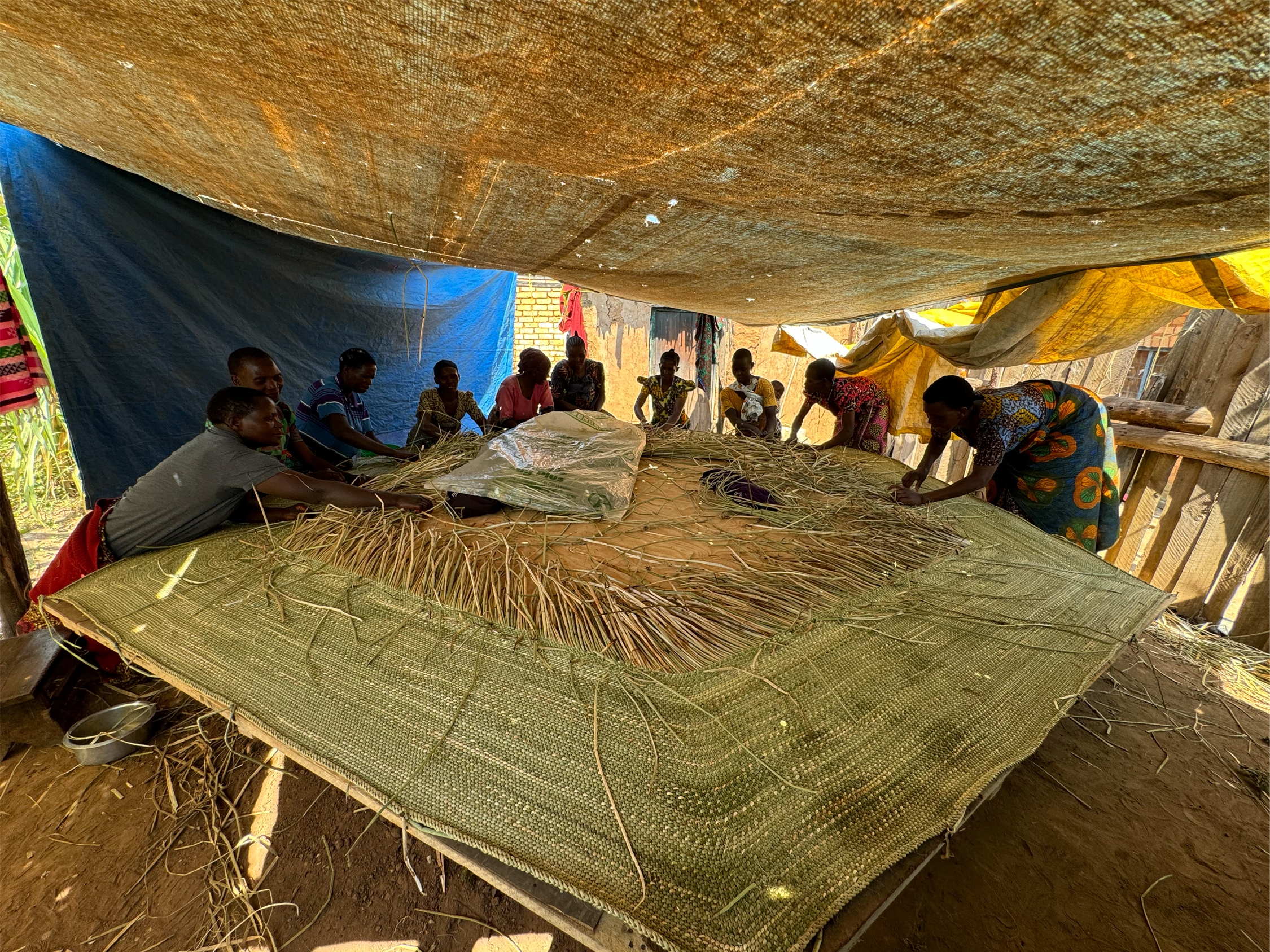
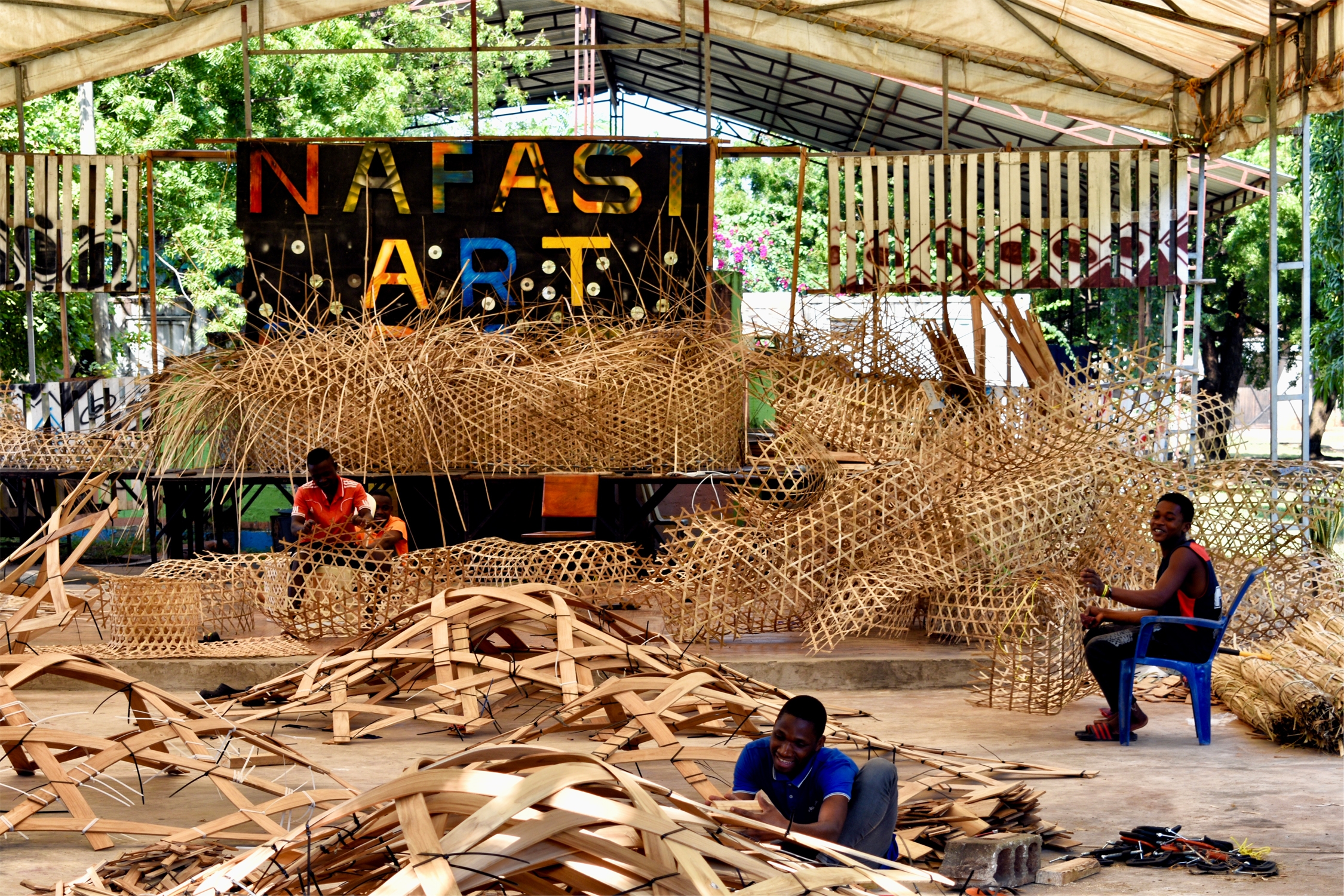
Sustainability is approached holistically through social collaboration, material responsibility, and cultural continuity. The exhibition integrates Tanzanian farmers and artisans in the production of the installation, supporting local livelihoods while reinforcing the value of traditional craft knowledge. Renewable natural materials such as bamboo, teak timber, and milulu form the primary construction elements. These materials provide durability while maintaining a low environmental footprint and strong cultural relevance. The woven structures remain lightweight and modular, allowing efficient transportation, assembly, and potential reuse or disassembly. Beyond material considerations, the project supports cultural sustainability by elevating Tanzanian triaxial weaving traditions to architectural scale. Craft knowledge becomes an active design system rather than a decorative reference. The multi sensory spatial environment relies primarily on natural materials, light, and shadow rather than heavy technological infrastructure, creating an immersive experience while reducing material and technological intensity.
Sustainability is approached holistically through social collaboration, material responsibility, and cultural continuity. The exhibition integrates Tanzanian farmers and artisans in the production of the installation, supporting local livelihoods while reinforcing the value of traditional craft knowledge. Renewable natural materials such as bamboo, teak timber, and milulu form the primary construction elements. These materials provide durability while maintaining a low environmental footprint and strong cultural relevance. The woven structures remain lightweight and modular, allowing efficient transportation, assembly, and potential reuse or disassembly. Beyond material considerations, the project supports cultural sustainability by elevating Tanzanian triaxial weaving traditions to architectural scale. Craft knowledge becomes an active design system rather than a decorative reference. The multi sensory spatial environment relies primarily on natural materials, light, and shadow rather than heavy technological infrastructure, creating an immersive experience while reducing material and technological intensity.
Local and Regional Impacts of the Project:
The project supports Tanzanian artisans by commissioning farmers and craftspeople to produce woven bamboo structures and milulu mats, creating income while reinforcing the value of traditional craftsmanship. It highlights the structural and architectural potential of Tanzanian weaving techniques within contemporary spatial design. Internationally, the exhibition brings Tanzanian voices and cultural practices into a major European institution, contributing to ongoing discussions about colonial collections and restitution. Through collaboration between artisans, curators, and museum institutions, the project encourages cross-cultural knowledge exchange and demonstrates how spatial design can support cultural representation, historical dialogue, and more inclusive museum narratives.
The project supports Tanzanian artisans by commissioning farmers and craftspeople to produce woven bamboo structures and milulu mats, creating income while reinforcing the value of traditional craftsmanship. It highlights the structural and architectural potential of Tanzanian weaving techniques within contemporary spatial design. Internationally, the exhibition brings Tanzanian voices and cultural practices into a major European institution, contributing to ongoing discussions about colonial collections and restitution. Through collaboration between artisans, curators, and museum institutions, the project encourages cross-cultural knowledge exchange and demonstrates how spatial design can support cultural representation, historical dialogue, and more inclusive museum narratives.
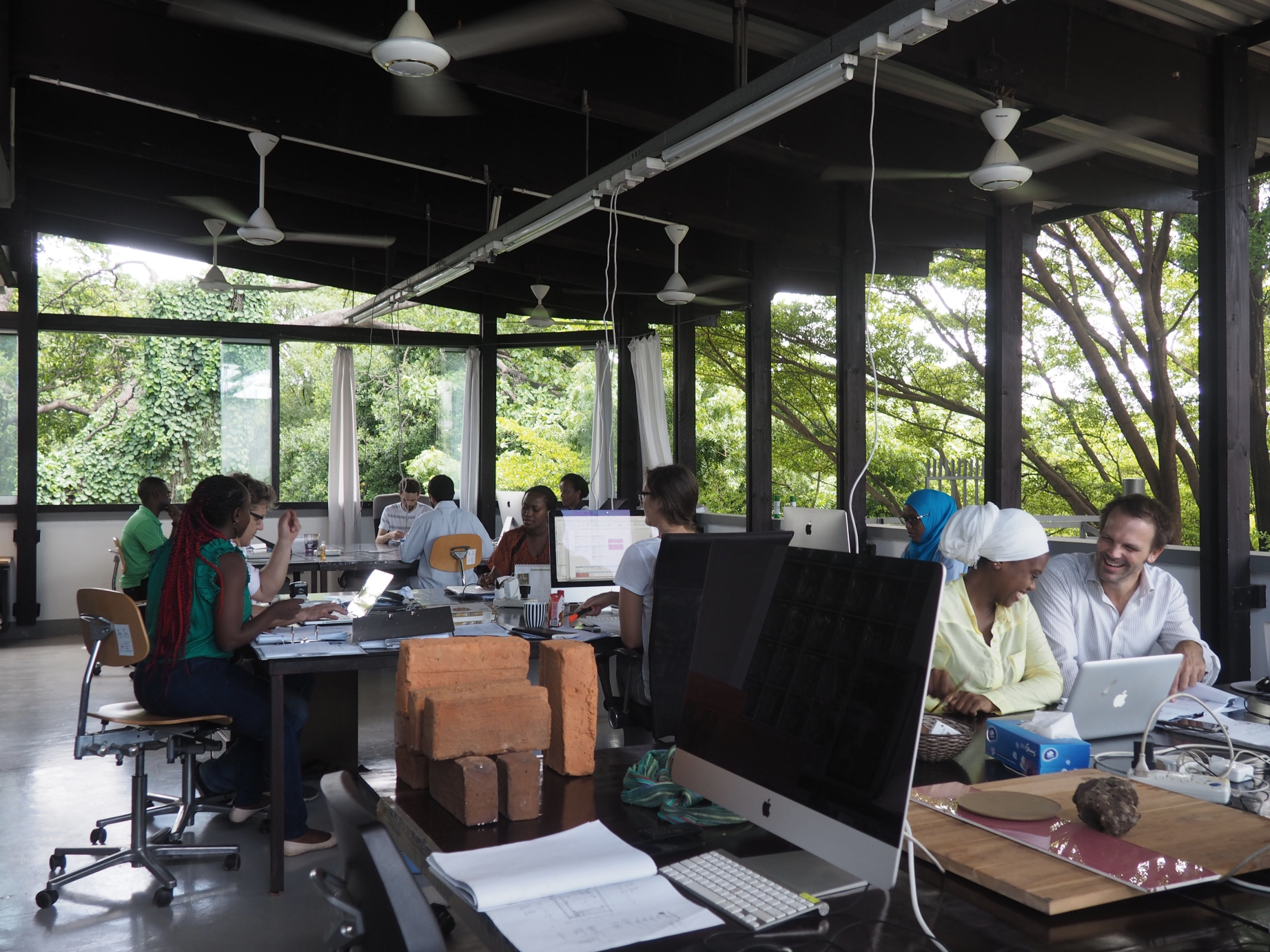
Company Name:APC Architectural Pioneering Consultants
Lead Designer(s) Name(s):Gunter Klix, Patricia Bandora, Jack Young