
The Falcon Cinema
Prize(s):
WINNER 2026 ARCHITECTURE / Cultural Building Architecture
Company Name:Studio NEiDA
Lead Designer(s) Name(s):Jeanne Autran-Edorh
Design Team / Other designer(s):Léa Sondangbe, Yvan Messi Mintsa, Hermine Nado Santos
Architecture Firm:Studio NEiDA
Photo Credit:Studio NEiDA
Project Location:Berekuso, Ghana
Design Status:Concept
Website: View
Project Description:
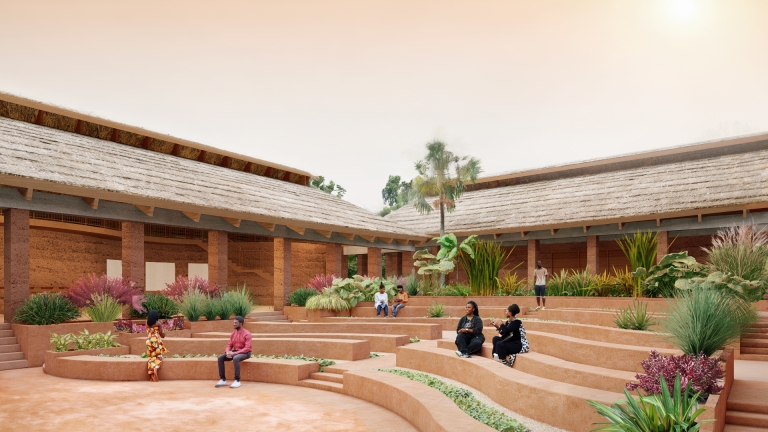
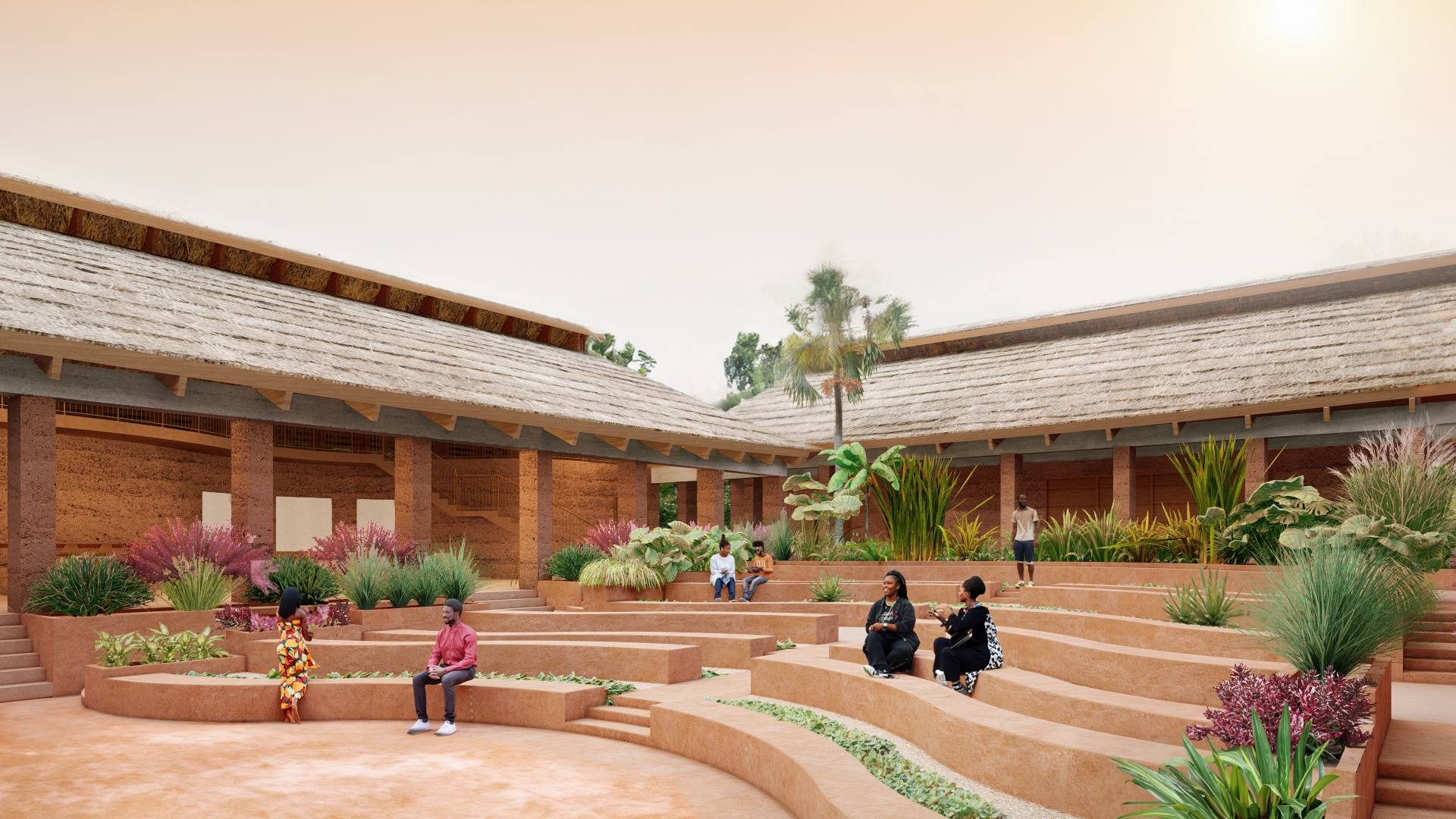
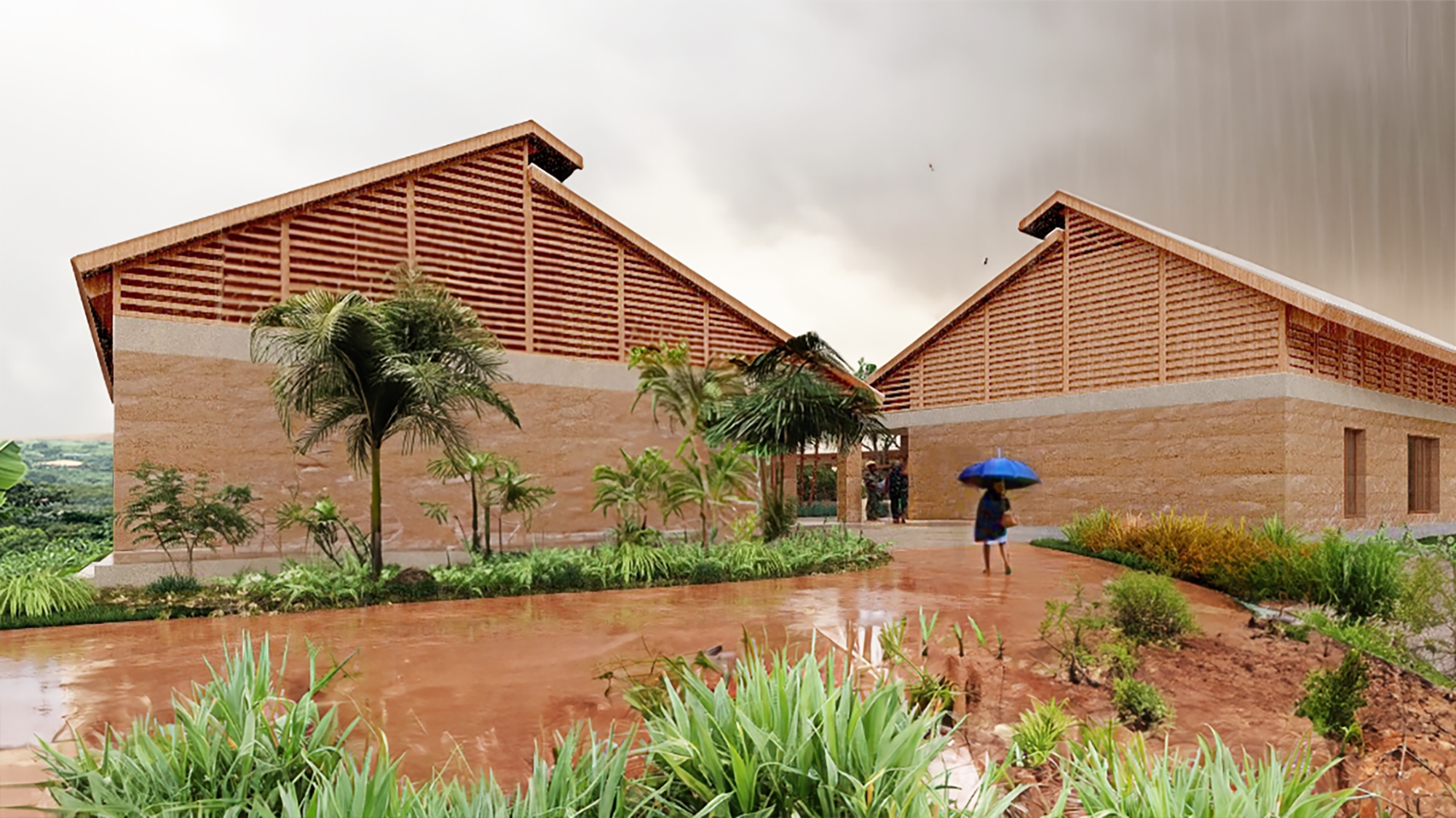
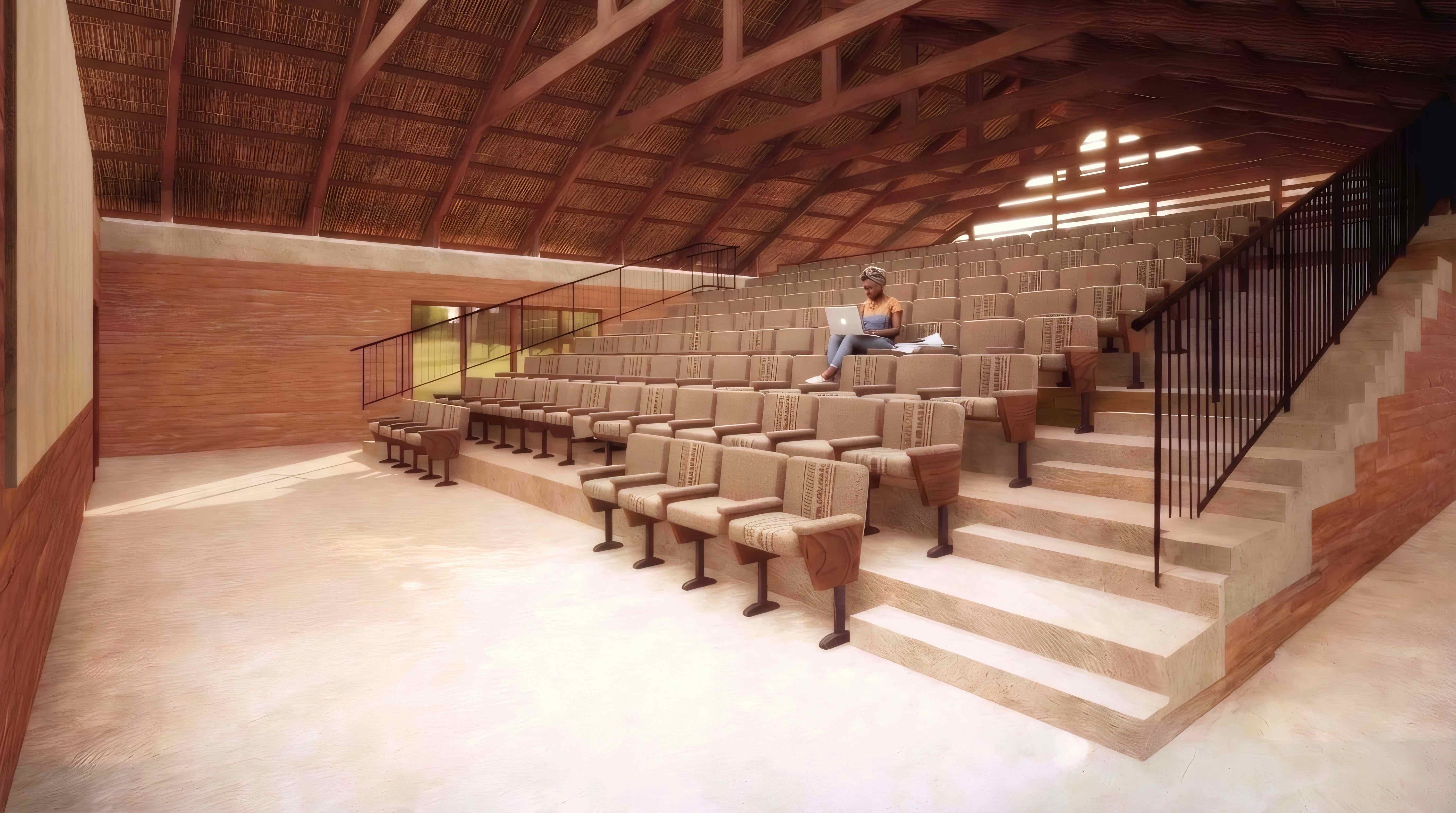
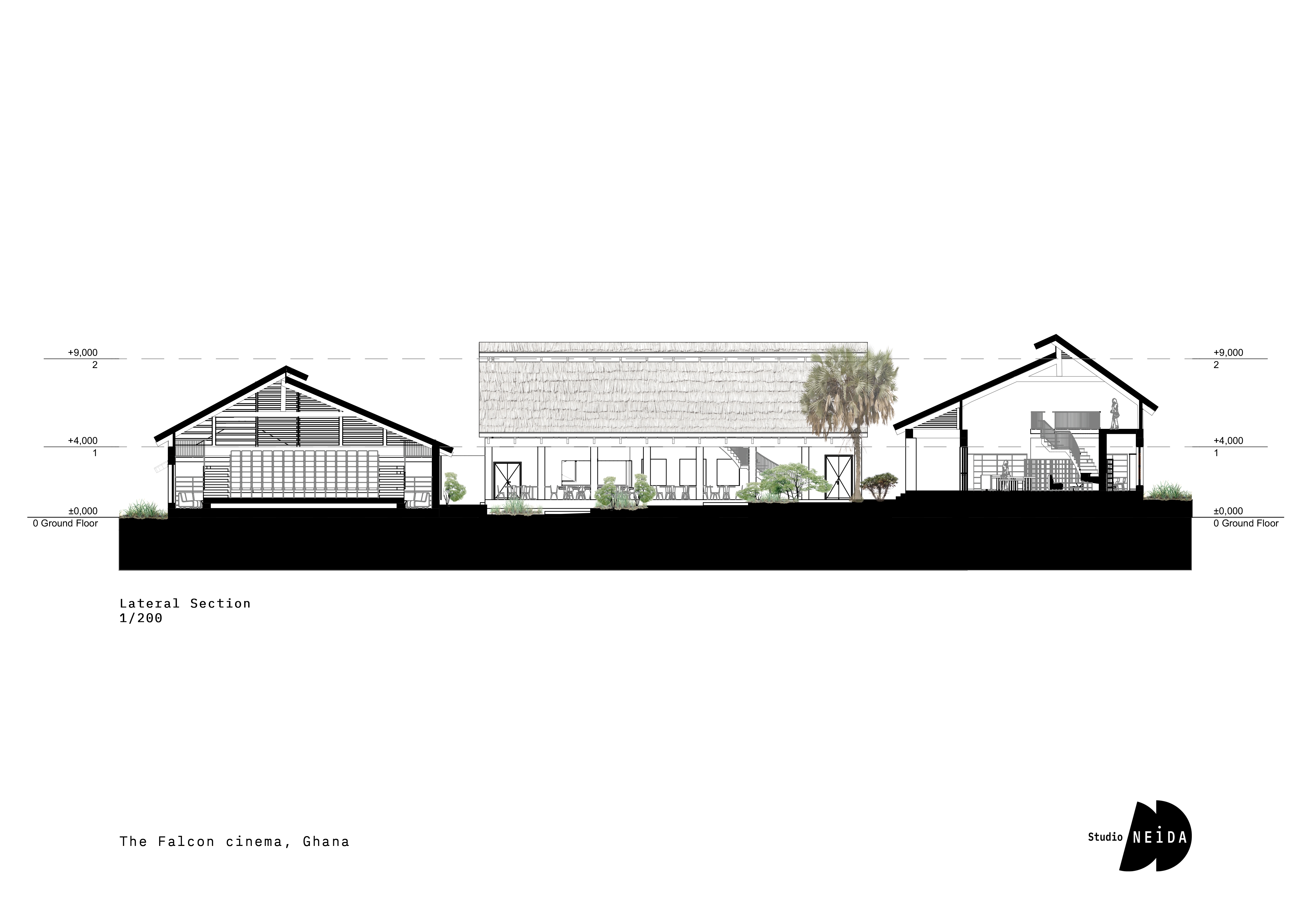
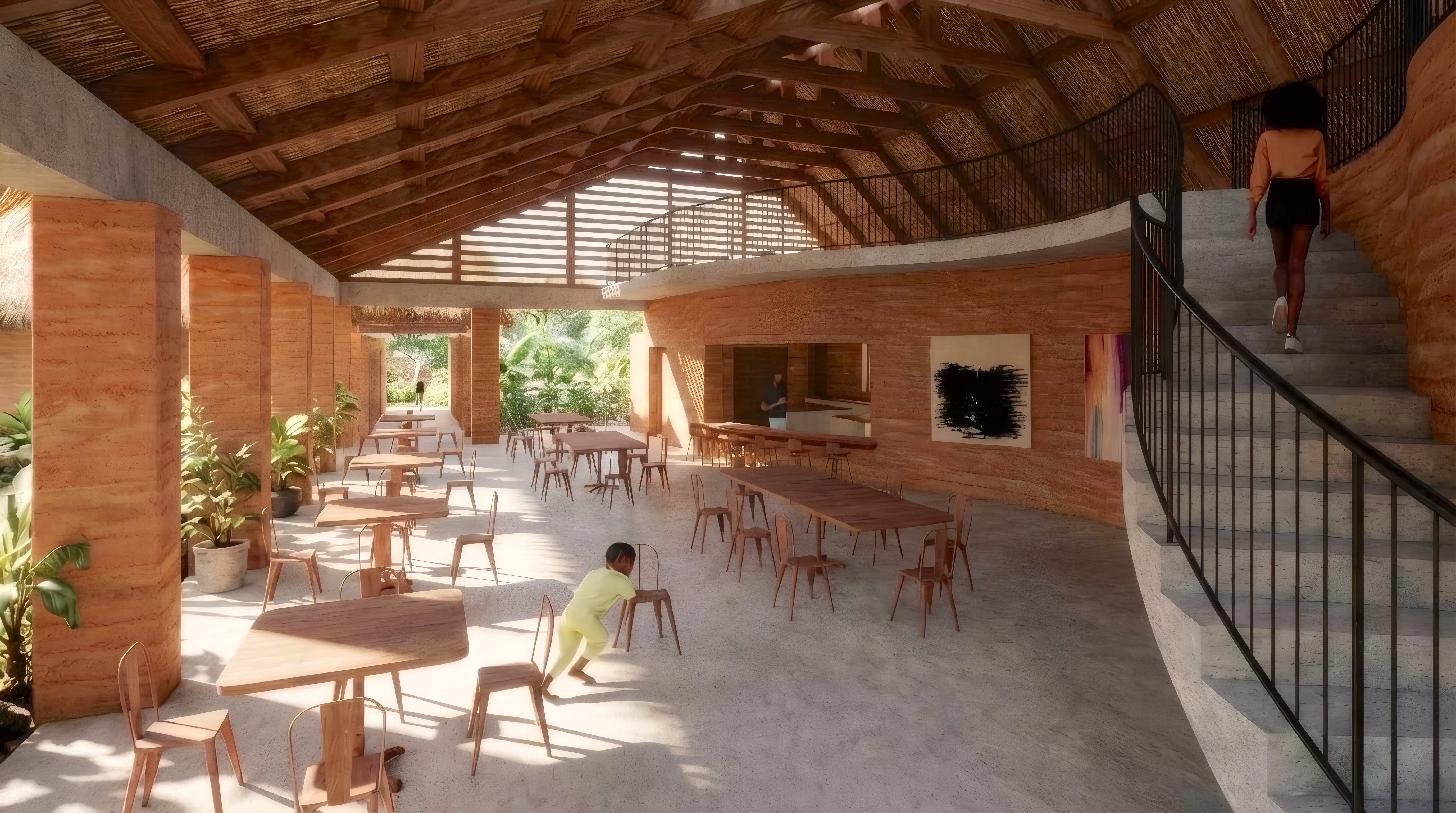
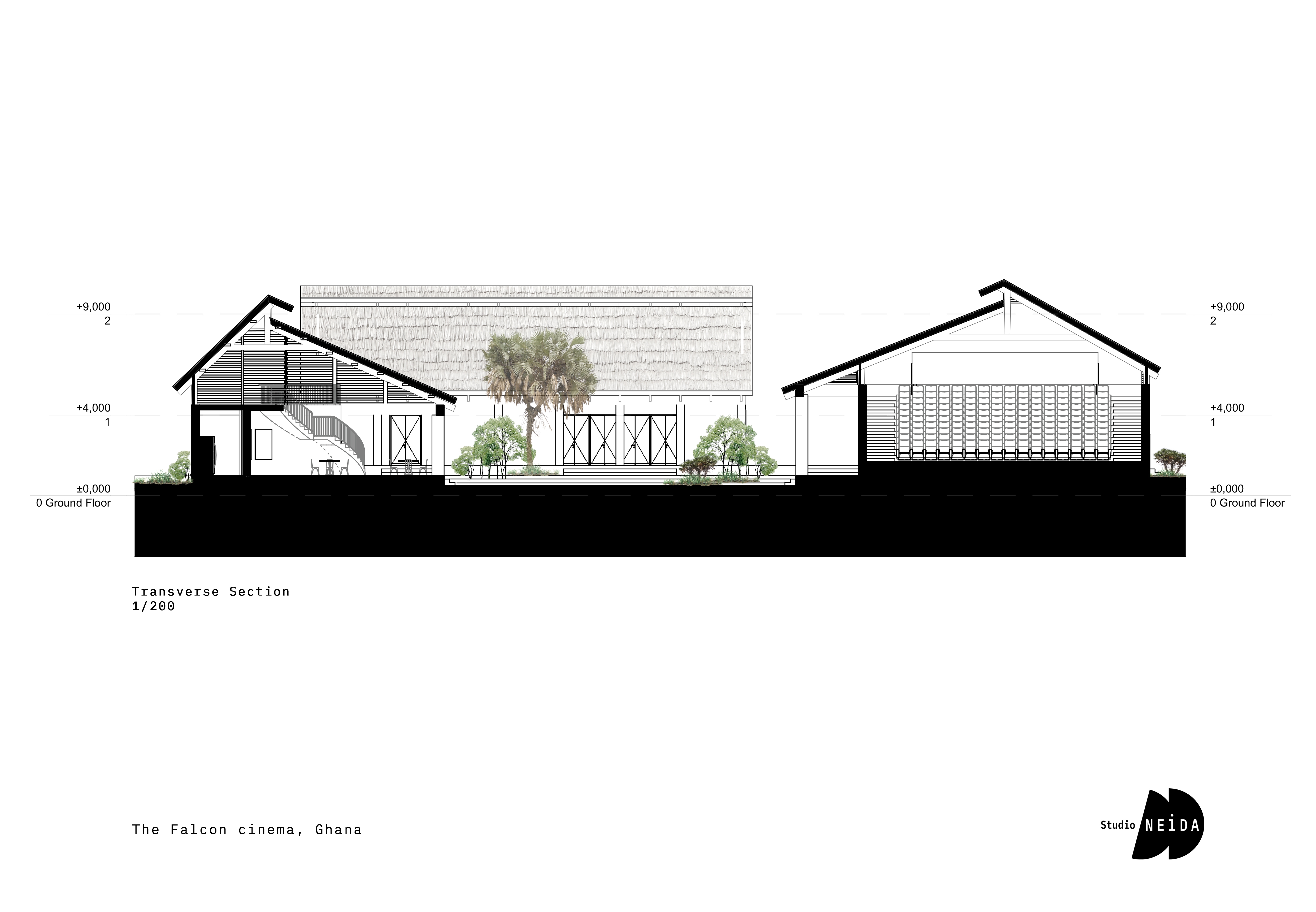
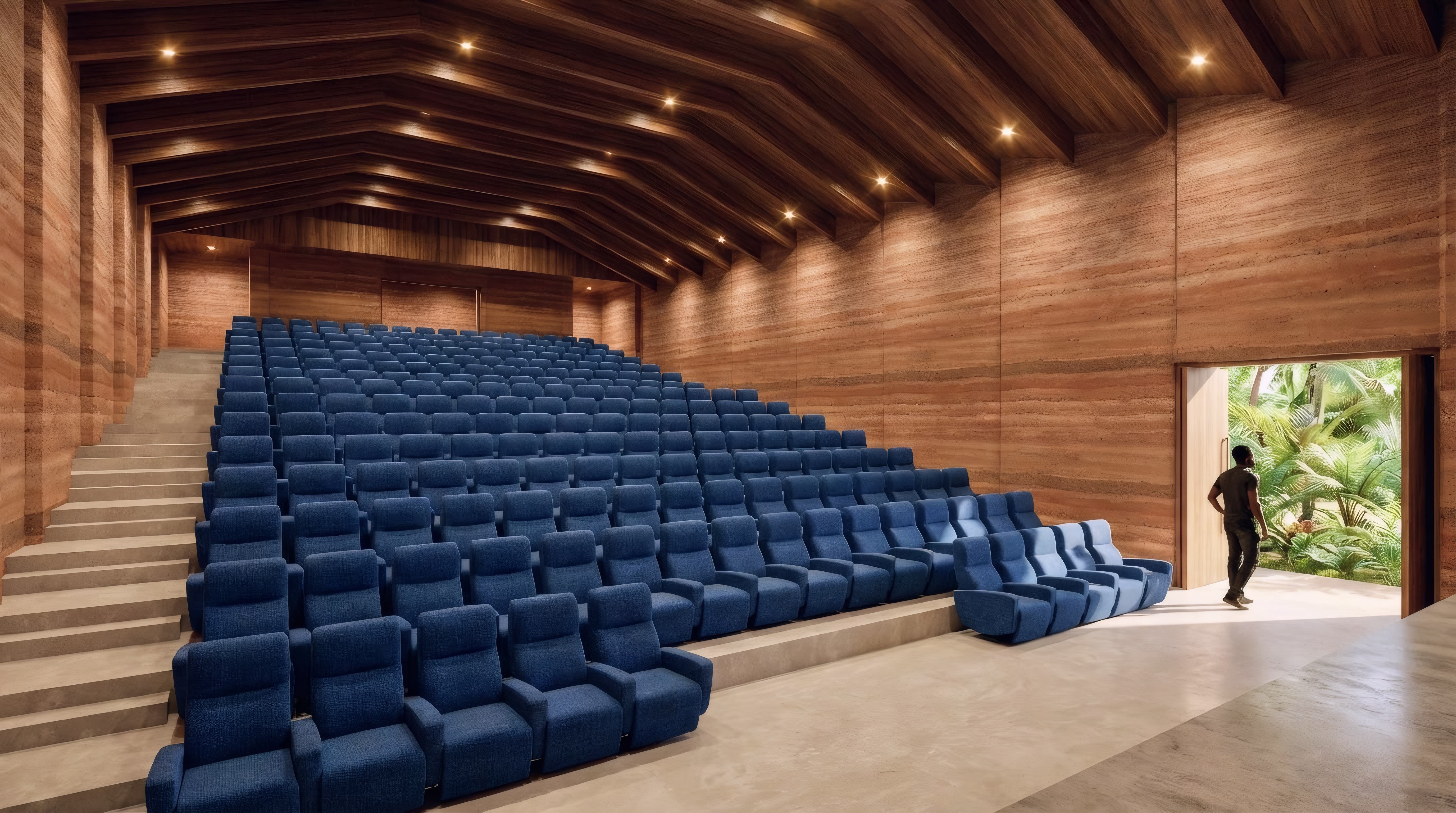
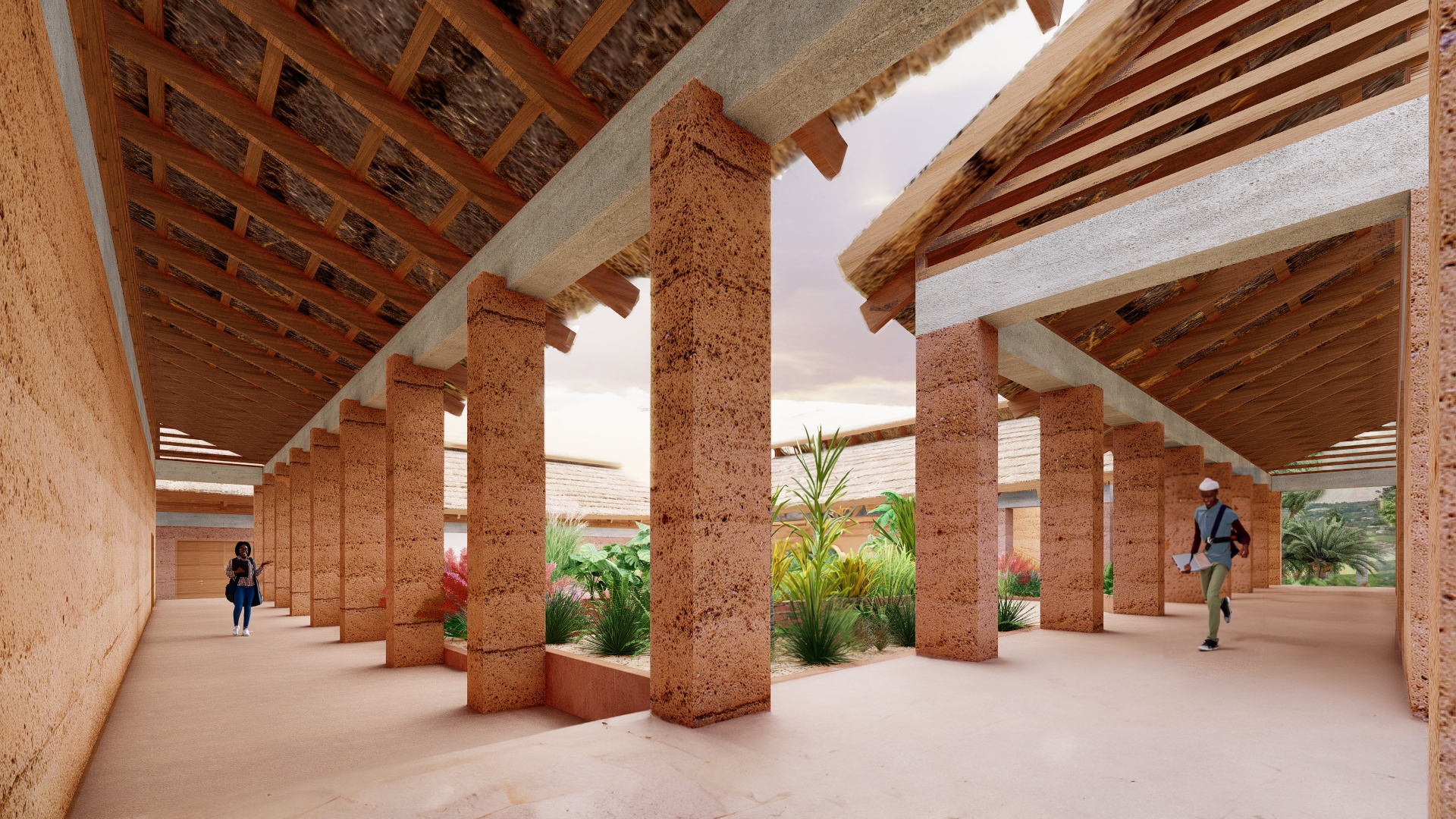
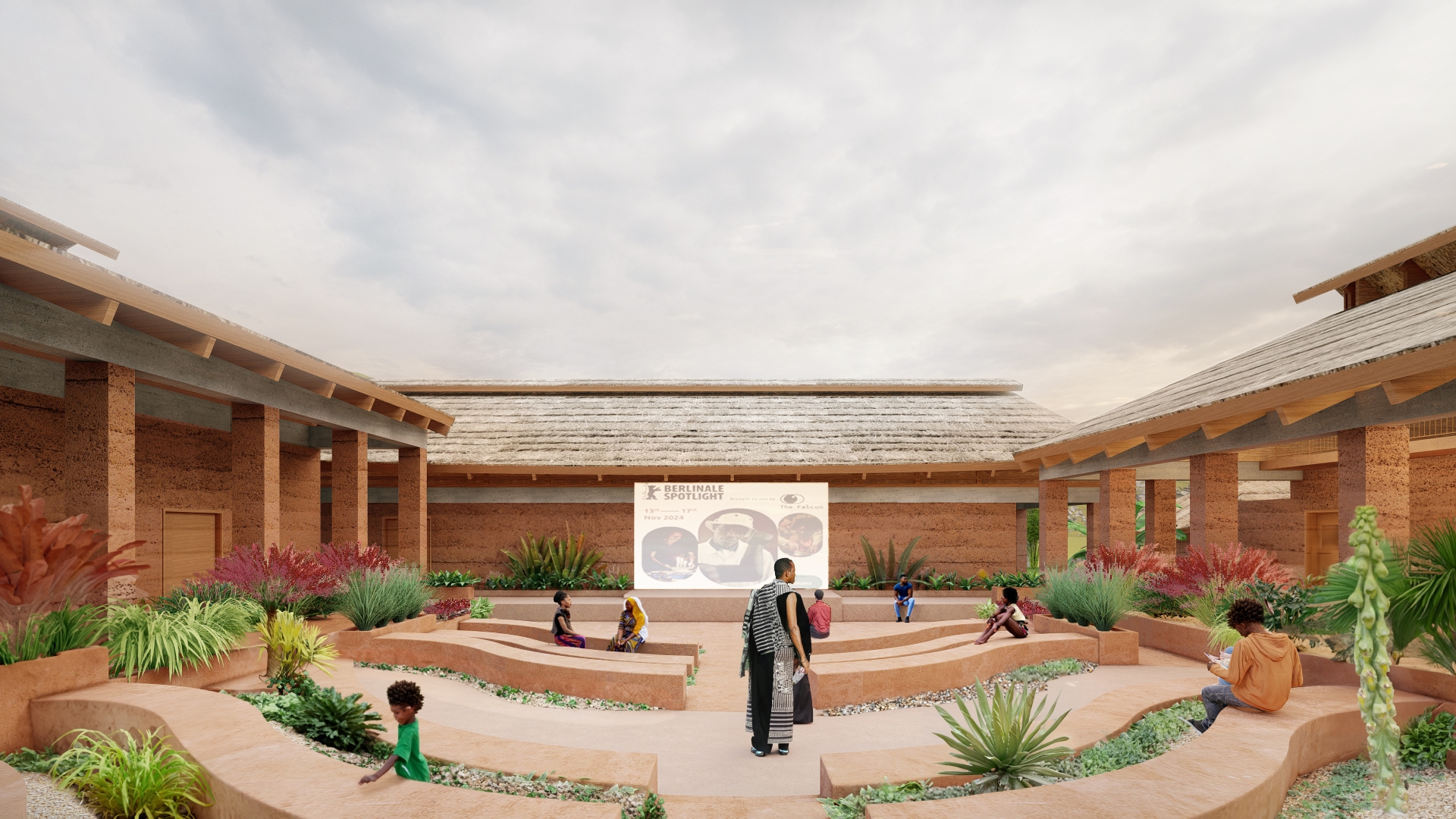
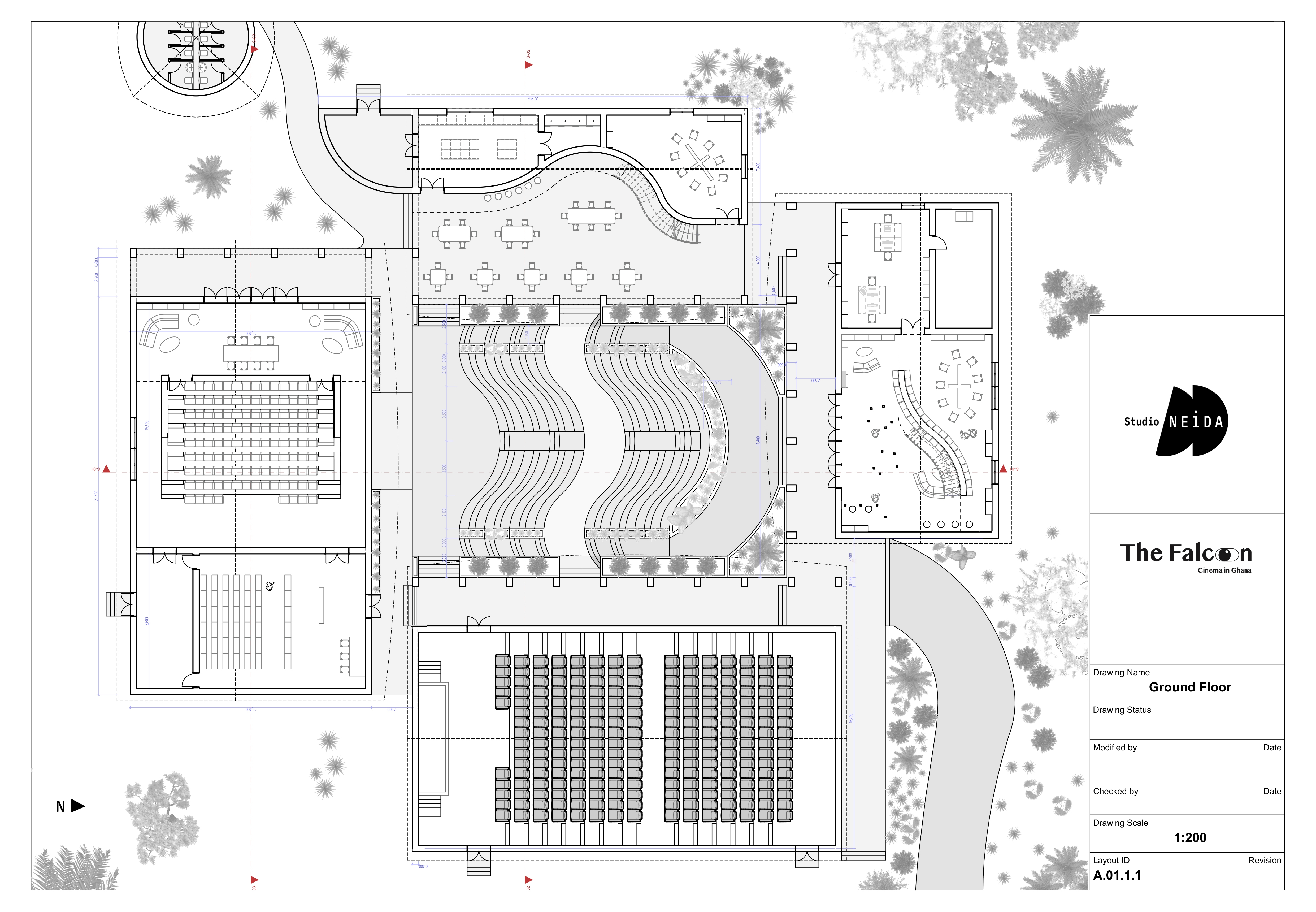
A purpose-built cinema and film community space constructed from earth materials and featuring a thatched roof made from palm leaves is to be created in Ghana. Inspired by communal compounds found in Ashante architecture, the project features four buildings arranged around a courtyard. The Falcon has one 250- and one 150-seater screening room, a restaurant, an archive, communal spaces and an outdoor cinema. At a later date, a smaller second compound will host living quarters for filmmakers in residence. Contemporary and archival filmmaking from Africa and its diaspora will be screened, discussed and situated within a critical historical context. The cinema's mission is to create a comprehensive archive, ensuring reels currently strewn across the globe are returned to an institution committed to their longevity. The Falcon is to complement Ghana's rapid growth with a space to host and archive the industry's rich past, while fostering a new generation of critical and creative thinkers shaping the country's film industry of tomorrow. Located in Berekuso, a suburb north of Accra and home to Asheshi University, a planned road will connect the site to the city centre.
A purpose-built cinema and film community space constructed from earth materials and featuring a thatched roof made from palm leaves is to be created in Ghana. Inspired by communal compounds found in Ashante architecture, the project features four buildings arranged around a courtyard. The Falcon has one 250- and one 150-seater screening room, a restaurant, an archive, communal spaces and an outdoor cinema. At a later date, a smaller second compound will host living quarters for filmmakers in residence. Contemporary and archival filmmaking from Africa and its diaspora will be screened, discussed and situated within a critical historical context. The cinema's mission is to create a comprehensive archive, ensuring reels currently strewn across the globe are returned to an institution committed to their longevity. The Falcon is to complement Ghana's rapid growth with a space to host and archive the industry's rich past, while fostering a new generation of critical and creative thinkers shaping the country's film industry of tomorrow. Located in Berekuso, a suburb north of Accra and home to Asheshi University, a planned road will connect the site to the city centre.
Project Innovation / Specification:
The project is inspired by Asante architecture, with four main elements forming an enclosed courtyard, a historically significant layout that fosters communal unity. This design is adapted to suit the specific program while minimising environmental impact, with disruptive elements contained within and most activity happens internally. The use of materials that were used in ancient Ghanaian architecture (clay walls, wooden roof structures and brise-soleil, straw roof) is also central, as these materials have fallen out of use. By reintroducing them, the project celebrates and preserves cultural heritage while creating a visually appealing environment that complements the surrounding context, blending tradition with contemporary design. The construction will be participatory with on-site rammed earth workshops. The thatched roof is a traditional construction technique done by local craftsmen. An advisory board of prominent figures of African cinema addressed the sector’s needs, focusing on both the cinema’s programming and technical setup. In this manner the project takes into account voices representing its various aspects.
The project is inspired by Asante architecture, with four main elements forming an enclosed courtyard, a historically significant layout that fosters communal unity. This design is adapted to suit the specific program while minimising environmental impact, with disruptive elements contained within and most activity happens internally. The use of materials that were used in ancient Ghanaian architecture (clay walls, wooden roof structures and brise-soleil, straw roof) is also central, as these materials have fallen out of use. By reintroducing them, the project celebrates and preserves cultural heritage while creating a visually appealing environment that complements the surrounding context, blending tradition with contemporary design. The construction will be participatory with on-site rammed earth workshops. The thatched roof is a traditional construction technique done by local craftsmen. An advisory board of prominent figures of African cinema addressed the sector’s needs, focusing on both the cinema’s programming and technical setup. In this manner the project takes into account voices representing its various aspects.
Project Sustainability Approach:
The project incorporates passive design techniques inspired by Ashante architecture, which ensures comfort through building configuration. Natural ventilation is achieved through a roof assembly with an opening allowing hot air to escape, while the building’s assembly around a central courtyard provides shading from the structure itself. The use of renewable materials facilitates passive cooling, promoting thermal comfort. The layout of the four interconnected forms allows for continuous airflow, preventing stagnation. Few exterior openings minimise solar heat gain through reduced sunlight penetration. Materials are sourced locally, including natural stone from quarries in Berekuso, earth for rammed earth walls, palm straw for the thatched roofs and timber for the wooden structure all readily available in Ghana. This reduces transportation emissions and supports local expertise. The design is resource efficient, with sustainable maintenance in mind. Construction waste is repurposed for the courtyard seating landscape. As a cinema, energy is needed for cooling equipment; a solar setup will ensure clean energy use. The landscaping’s microclimate further reduces energy consumption.
The project incorporates passive design techniques inspired by Ashante architecture, which ensures comfort through building configuration. Natural ventilation is achieved through a roof assembly with an opening allowing hot air to escape, while the building’s assembly around a central courtyard provides shading from the structure itself. The use of renewable materials facilitates passive cooling, promoting thermal comfort. The layout of the four interconnected forms allows for continuous airflow, preventing stagnation. Few exterior openings minimise solar heat gain through reduced sunlight penetration. Materials are sourced locally, including natural stone from quarries in Berekuso, earth for rammed earth walls, palm straw for the thatched roofs and timber for the wooden structure all readily available in Ghana. This reduces transportation emissions and supports local expertise. The design is resource efficient, with sustainable maintenance in mind. Construction waste is repurposed for the courtyard seating landscape. As a cinema, energy is needed for cooling equipment; a solar setup will ensure clean energy use. The landscaping’s microclimate further reduces energy consumption.
Local and Regional Impacts of the Project:
The project integrates the global film world into Berekuso, strengthening community pride and creating opportunities. The community cinema caters to local residents, ensuring that filmmakers and visitors are guests rather than extractors of culture. Cultural resources and educational programs available to the local population including a library, art gallery and an African cinemas archive. The design fosters social fairness by prioritising local involvement. Architecturally, the project emphasises contextual materials and techniques, avoiding the overuse of concrete and corrugated iron, which exacerbate environmental issues. The Falcon is to be a symbol of local identity, resilient and climate-sensitive as well as culturally empowering.
The project integrates the global film world into Berekuso, strengthening community pride and creating opportunities. The community cinema caters to local residents, ensuring that filmmakers and visitors are guests rather than extractors of culture. Cultural resources and educational programs available to the local population including a library, art gallery and an African cinemas archive. The design fosters social fairness by prioritising local involvement. Architecturally, the project emphasises contextual materials and techniques, avoiding the overuse of concrete and corrugated iron, which exacerbate environmental issues. The Falcon is to be a symbol of local identity, resilient and climate-sensitive as well as culturally empowering.

Company Name:Studio NEiDA
Lead Designer(s) Name(s):Jeanne Autran-Edorh
Profile Description:
Studio NEiDA is an interdisciplinary architecture, design, curatorial and research practice based in Lomé, Berlin and Brussels, co-founded by Togolese-French architect and lecturer Jeanne Autran-Edorh and Austrian curator and writer Fabiola Büchele. They previously worked for acclaimed architecture studios including Studio Francis Kéré, Ateliers Jean Nouvel, Herzog & de Meuron. In 2025, Studio NEiDA curated Togo’s first national pavilion at the 19th Venice Architecture Biennale as well as Togo’s debut contribution to the 24th Milan Triennale international exhibition.
Studio NEiDA is an interdisciplinary architecture, design, curatorial and research practice based in Lomé, Berlin and Brussels, co-founded by Togolese-French architect and lecturer Jeanne Autran-Edorh and Austrian curator and writer Fabiola Büchele. They previously worked for acclaimed architecture studios including Studio Francis Kéré, Ateliers Jean Nouvel, Herzog & de Meuron. In 2025, Studio NEiDA curated Togo’s first national pavilion at the 19th Venice Architecture Biennale as well as Togo’s debut contribution to the 24th Milan Triennale international exhibition.
Previous Awards Won:
December 2025 - 50 Influential African Curators in 2025 Studio NEiDA named as one of the 50 most influential African curators in 2025. September 2025 - Winner ArchDaily Next Practices Award Listed as one of 20 practices from around the globe shaping the future of architecture. July 2025 - BUILD Awards Best Emerging Architecture & Design Duo 2025 - EMEA BUILD Excellence Award for Exhibition Curation 2025 March 2024 - 50 Influential African Women Architects (2025 Edition) Jeanne Autran-Edorh named as one of the 50 most influential African women in architecure. September 2024 - Winner GAIIA 2024 Design Competition
December 2025 - 50 Influential African Curators in 2025 Studio NEiDA named as one of the 50 most influential African curators in 2025. September 2025 - Winner ArchDaily Next Practices Award Listed as one of 20 practices from around the globe shaping the future of architecture. July 2025 - BUILD Awards Best Emerging Architecture & Design Duo 2025 - EMEA BUILD Excellence Award for Exhibition Curation 2025 March 2024 - 50 Influential African Women Architects (2025 Edition) Jeanne Autran-Edorh named as one of the 50 most influential African women in architecure. September 2024 - Winner GAIIA 2024 Design Competition