Al Ahly Stadium
Prize(s):
WINNER 2026 ARCHITECTURE / Cultural Building Architecture
Company Name:Boogertman + Partners
Lead Designer(s) Name(s):Bob van Bebber
Architecture Firm:Boogertman + Partners/Schlaich Bergermann Partners
Client Name:Al Ahly SC Egypt
Photo Credit:Boogertman + Partners
Project Location:Cairo, Egypt
Design Status:Concept
Video URL:View
Project Description:
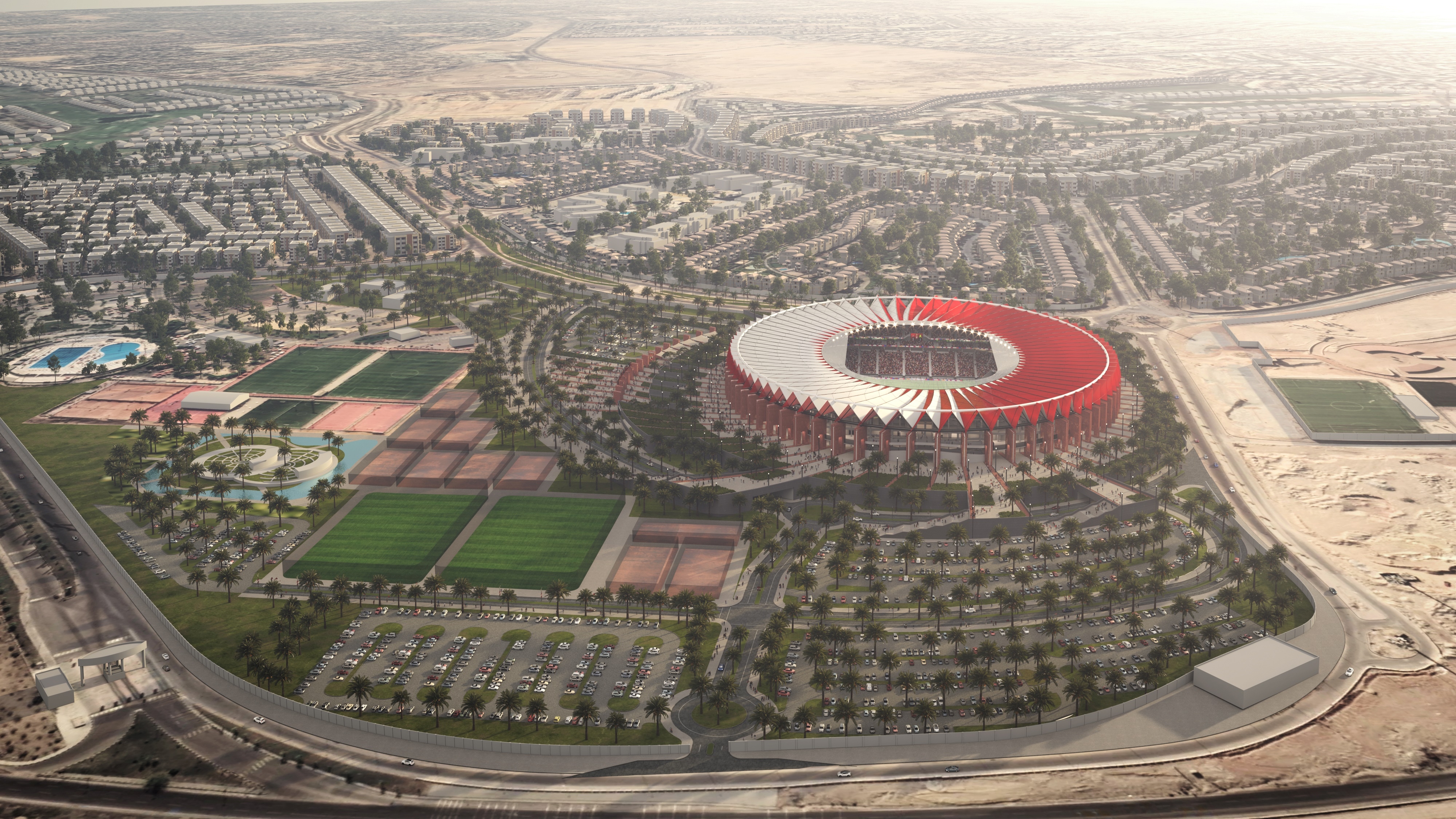
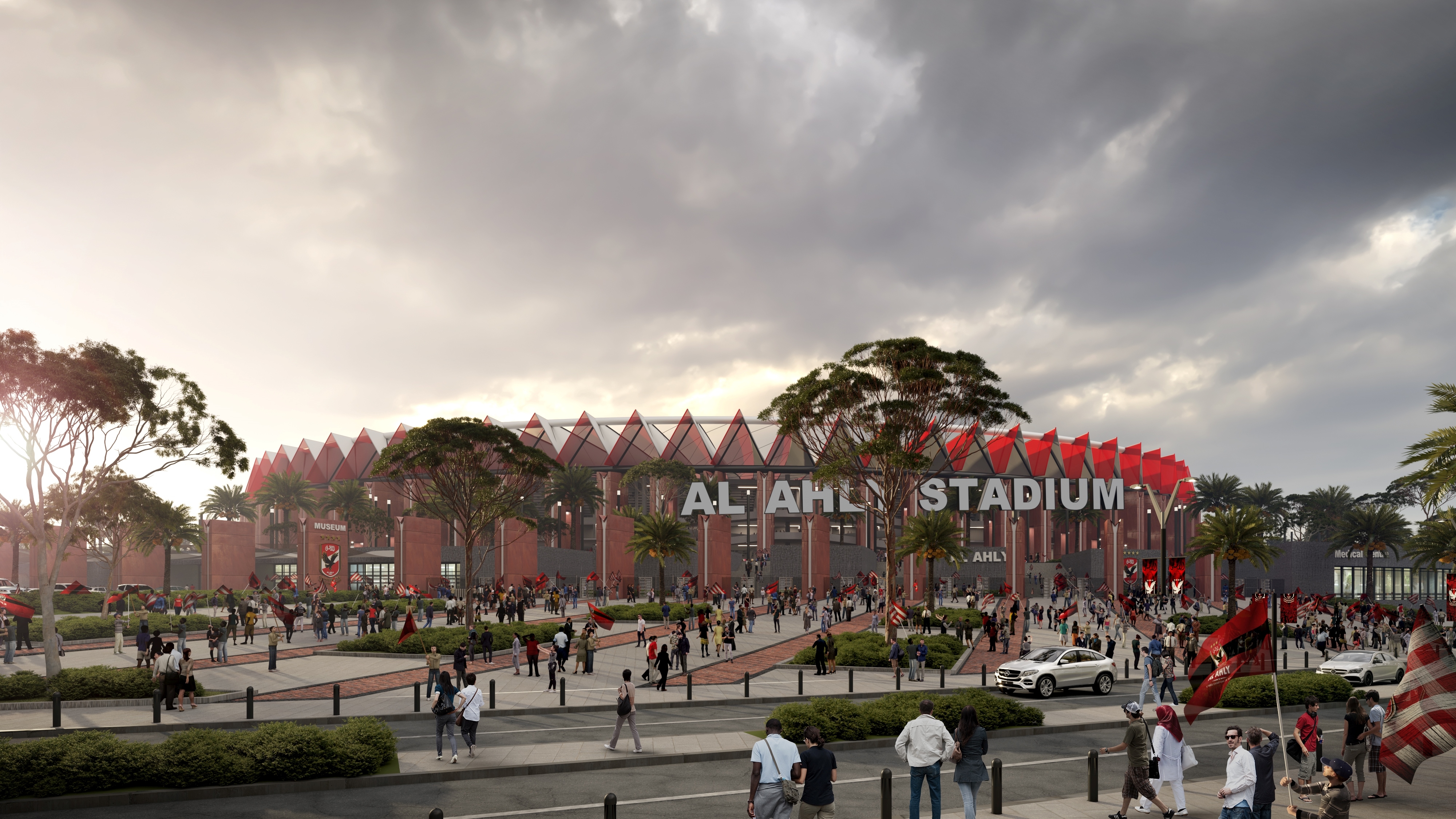
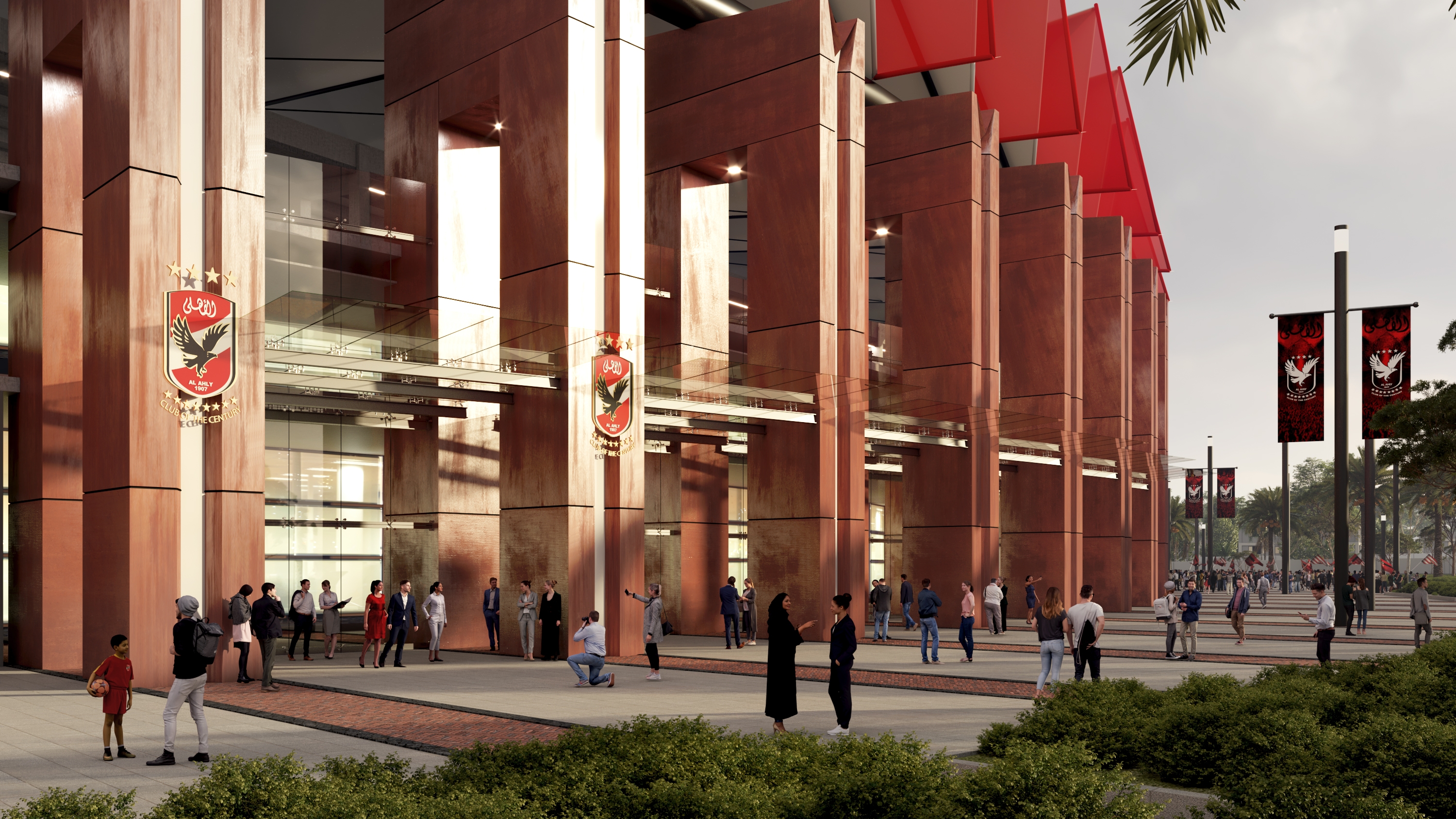
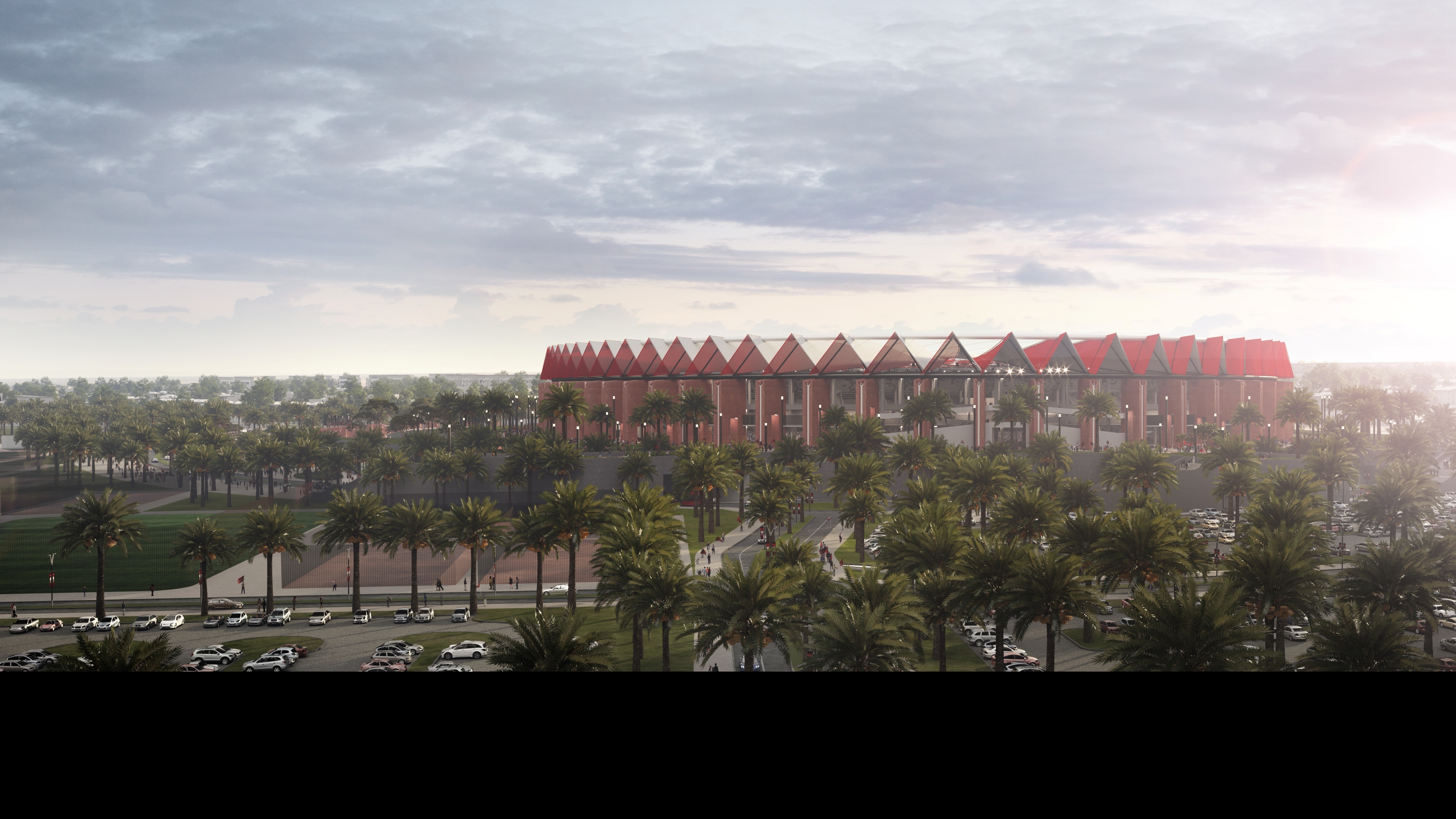
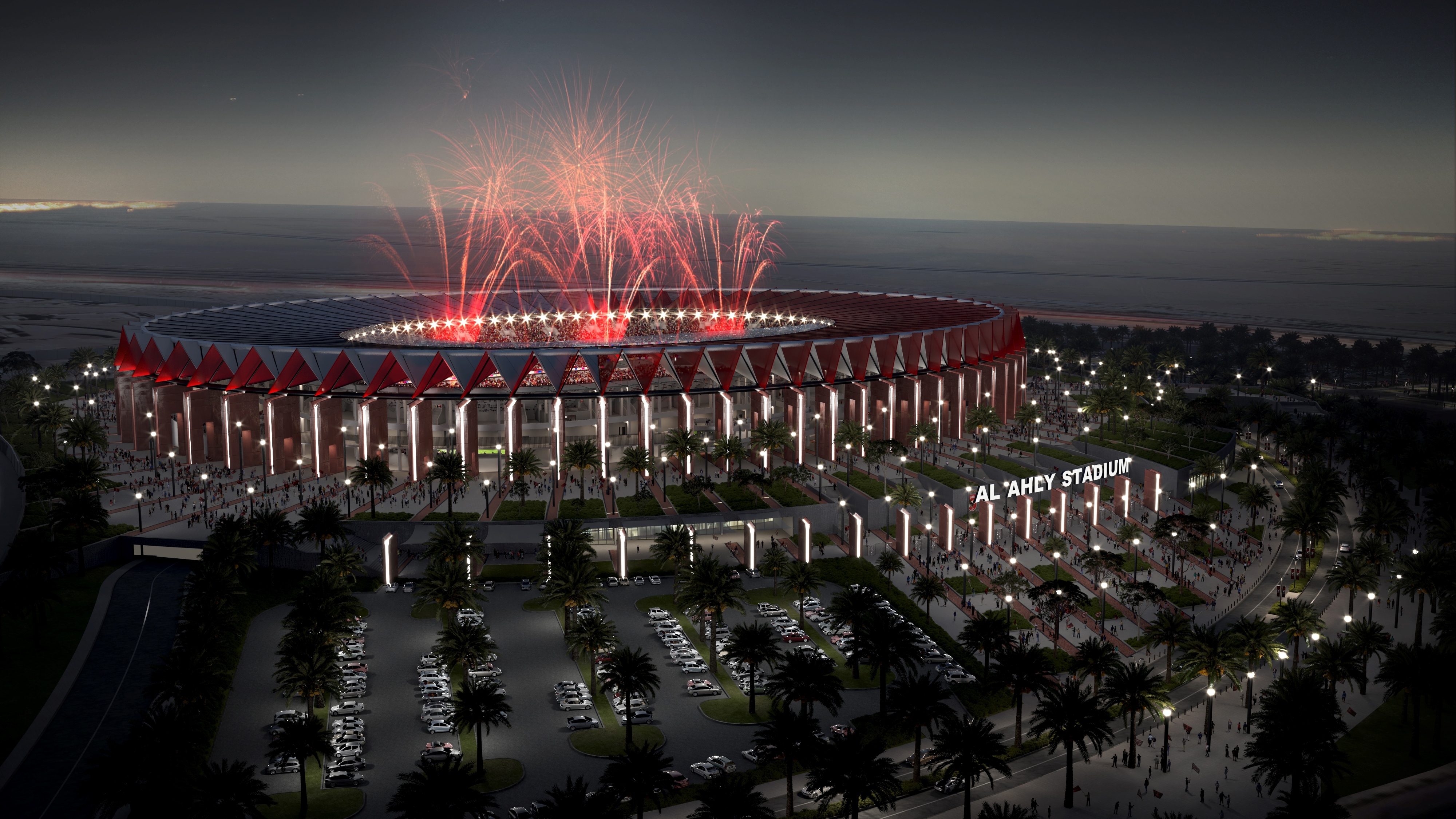
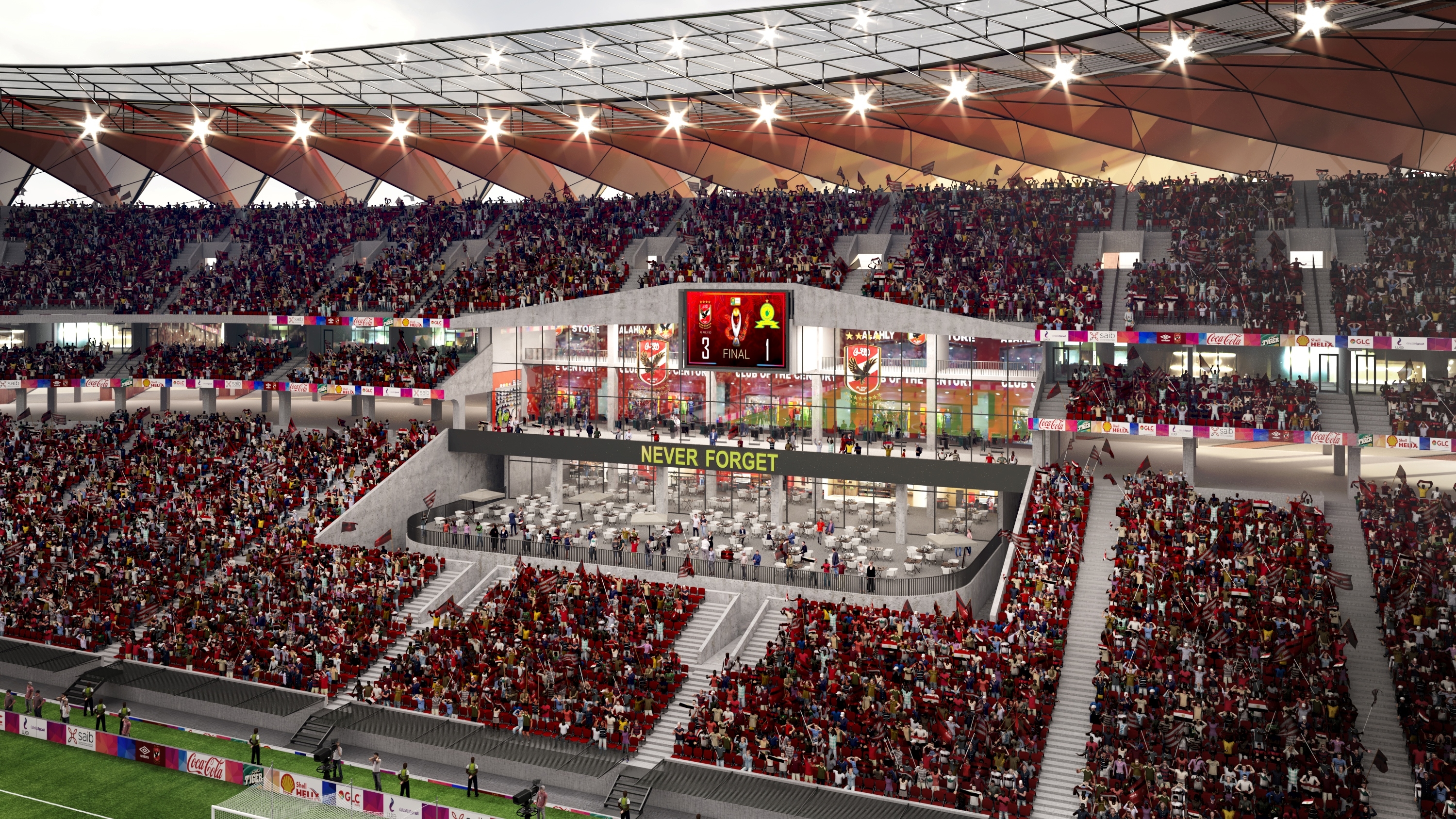
This design for a new 55 000-seat stadium in Cairo for Africa’s biggest and most decorated football clubs reimagines the role of a sports venue as both civic landmark and place of memory. The stadium complies with FIFA’s stringent requirements and standards. Conceptualised as the embodiment of the “The Red Castle” – the club’s nickname – the architecture is anchored by a series of 20-metre-high colonnades that form a monumental perimeter, referencing traditional shaded arcades. Constructed of rusticated Corten steel, they provide permanence and feature varied cutouts and arches to highlight entrances. These deep, protective edges create a strong sense of arrival and procession, while providing shade, ventilation and spatial rhythm. The design expresses the idea of a “stadium as memorial,” honouring the lives of Al Ahly fans lost in the 2012 Port Said Stadium riot, with a column memorialising each of the 72 martyrs lost in the tragedy. The bold red colour of the stadium reflects the club’s identity, while the overall composition balances solidity and openness, creating a venue that is both emotionally resonant and functionally world-class.
This design for a new 55 000-seat stadium in Cairo for Africa’s biggest and most decorated football clubs reimagines the role of a sports venue as both civic landmark and place of memory. The stadium complies with FIFA’s stringent requirements and standards. Conceptualised as the embodiment of the “The Red Castle” – the club’s nickname – the architecture is anchored by a series of 20-metre-high colonnades that form a monumental perimeter, referencing traditional shaded arcades. Constructed of rusticated Corten steel, they provide permanence and feature varied cutouts and arches to highlight entrances. These deep, protective edges create a strong sense of arrival and procession, while providing shade, ventilation and spatial rhythm. The design expresses the idea of a “stadium as memorial,” honouring the lives of Al Ahly fans lost in the 2012 Port Said Stadium riot, with a column memorialising each of the 72 martyrs lost in the tragedy. The bold red colour of the stadium reflects the club’s identity, while the overall composition balances solidity and openness, creating a venue that is both emotionally resonant and functionally world-class.
Project Innovation / Specification:
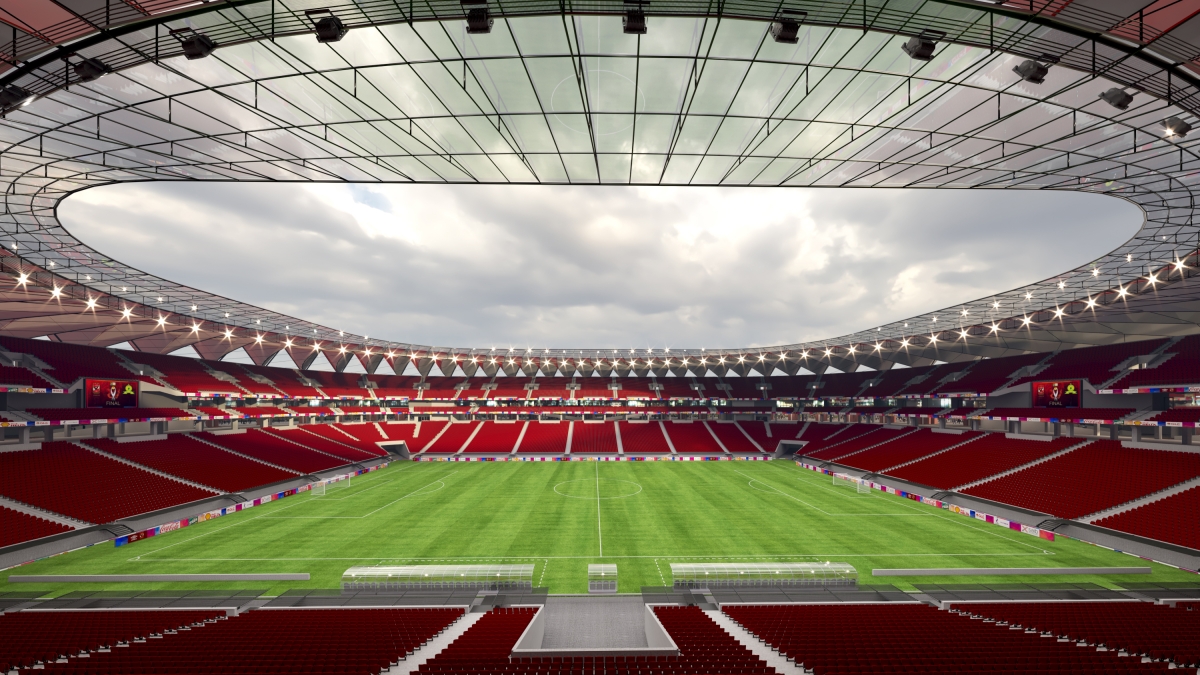
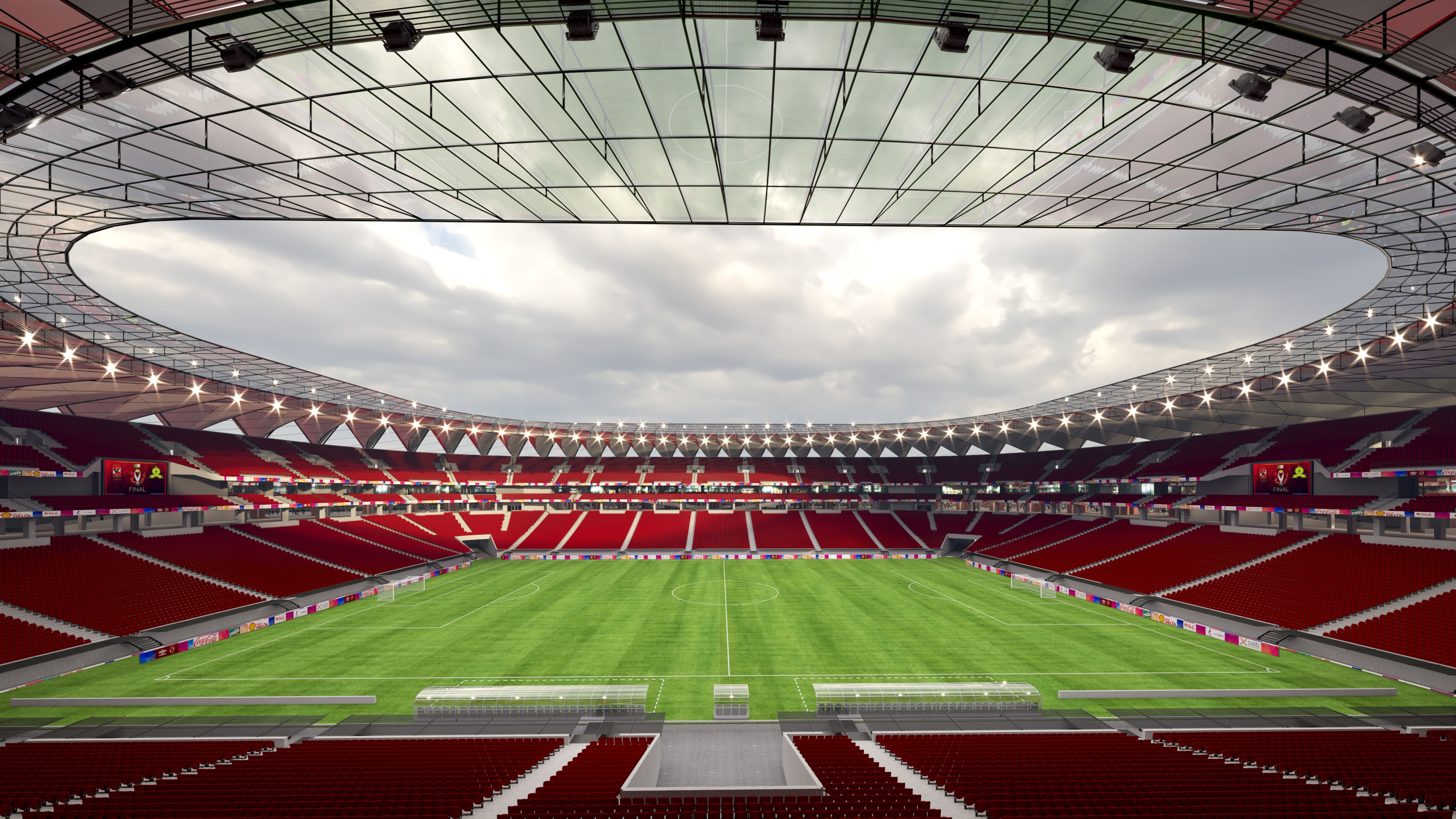
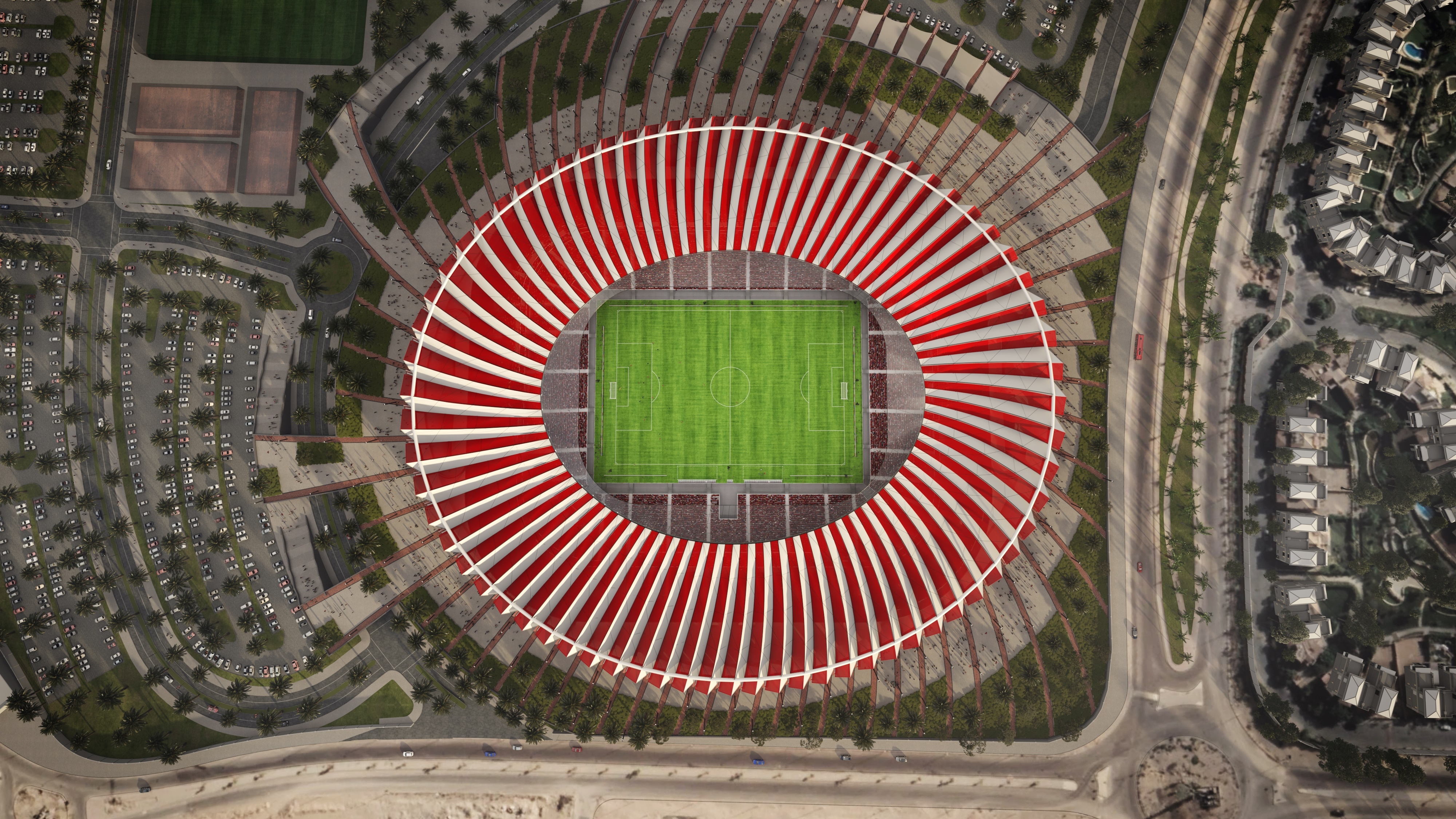
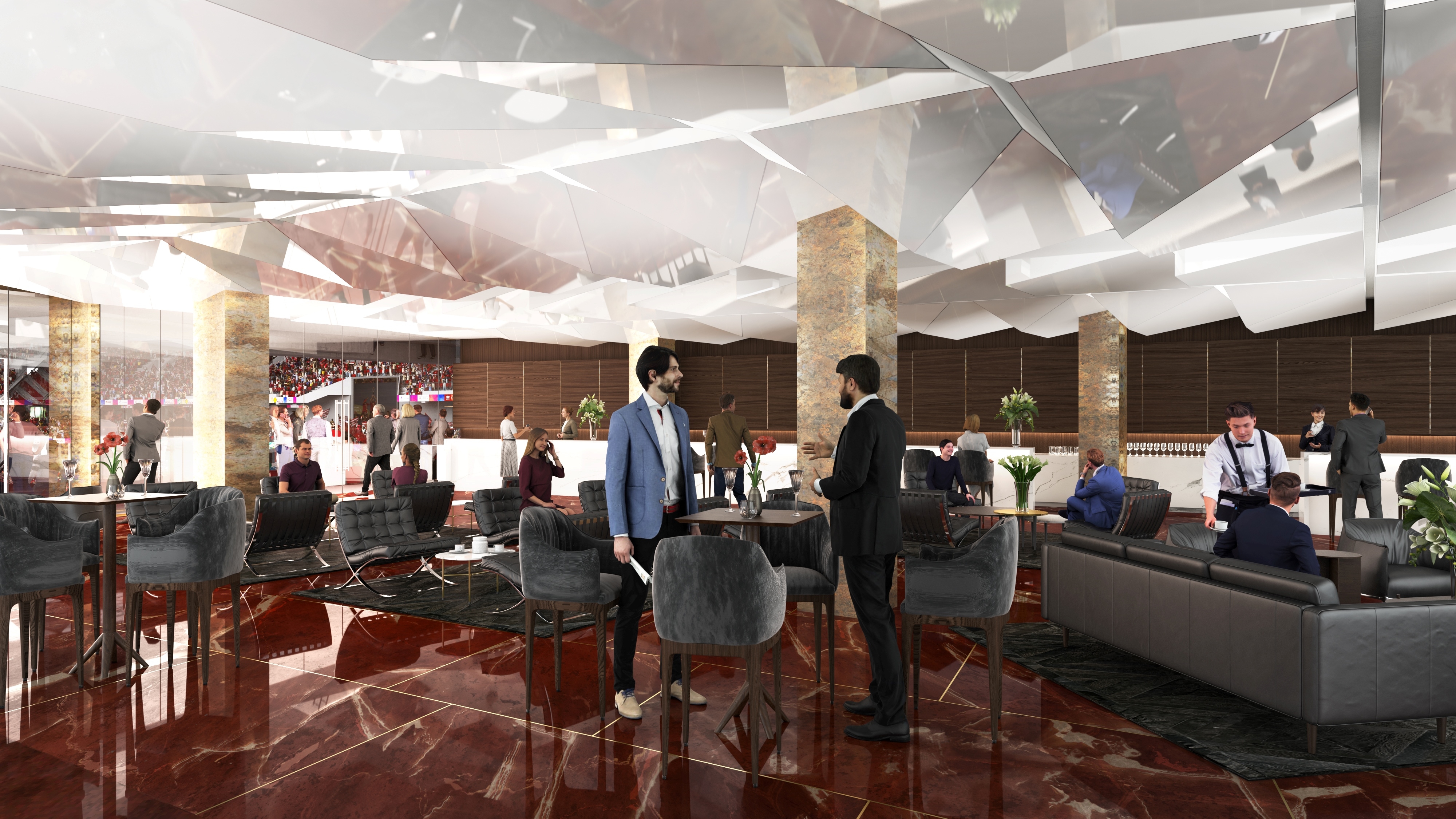
The stadium roof is conceived as a swirling, sculptural system inspired by the flight of the Steppe Eagle, the famous emblem on the club’s crest. A series of radial sweeps extend from the centre of the pitch, forming a layered structure that evokes feather geometry in motion. This is achieved through a lightweight cable-net system combined with a diagrid structure, allowing for large spans while maintaining structural efficiency. The roof’s dynamic forms create a striking visual identity from above and captivating perspectives for fans below while enhancing the spectator experience through filtered light and spatial drama. Colour plays a key role, with alternating red and gold emphasizing the radial dynamic, enhancing the roof’s visual and symbolic impact. The design also resolves complex site constraints. Adjustments to circulation, access roads and podium connections ensure safe and efficient movement, including clear separation of crowds. Integrated tunnels, emergency access routes and strategically positioned medical facilities prioritise safety without compromising the architectural vision. This design facilitates match day and non-match day activities such as museum tours.
The stadium roof is conceived as a swirling, sculptural system inspired by the flight of the Steppe Eagle, the famous emblem on the club’s crest. A series of radial sweeps extend from the centre of the pitch, forming a layered structure that evokes feather geometry in motion. This is achieved through a lightweight cable-net system combined with a diagrid structure, allowing for large spans while maintaining structural efficiency. The roof’s dynamic forms create a striking visual identity from above and captivating perspectives for fans below while enhancing the spectator experience through filtered light and spatial drama. Colour plays a key role, with alternating red and gold emphasizing the radial dynamic, enhancing the roof’s visual and symbolic impact. The design also resolves complex site constraints. Adjustments to circulation, access roads and podium connections ensure safe and efficient movement, including clear separation of crowds. Integrated tunnels, emergency access routes and strategically positioned medical facilities prioritise safety without compromising the architectural vision. This design facilitates match day and non-match day activities such as museum tours.
Project Sustainability Approach:
The design responds directly to the climatic and cultural context of Egypt, prioritising passive environmental strategies. Deep colonnades provide shade and reduce solar gain, while allowing natural ventilation around the stadium perimeter. This reduces reliance on mechanical cooling and improves comfort in public circulation areas. Climatic response allows for the roof covering all seats while allowing for sun penetration onto the playing surface. The walls that follow the geometry of the roof swirl provide significant sun shading. Material selection reinforces durability and longevity. The use of robust, weathering materials ensures low maintenance over time while contributing to the building’s strong, enduring character. The stadium is also designed for year-round use, supporting functions beyond match days, including tours, events and community engagement. This extends the building’s social and economic value. At an urban level, improved access, circulation and public interfaces strengthen connectivity to the surrounding precinct, ensuring the stadium contributes positively to the city’s long-term development.
The design responds directly to the climatic and cultural context of Egypt, prioritising passive environmental strategies. Deep colonnades provide shade and reduce solar gain, while allowing natural ventilation around the stadium perimeter. This reduces reliance on mechanical cooling and improves comfort in public circulation areas. Climatic response allows for the roof covering all seats while allowing for sun penetration onto the playing surface. The walls that follow the geometry of the roof swirl provide significant sun shading. Material selection reinforces durability and longevity. The use of robust, weathering materials ensures low maintenance over time while contributing to the building’s strong, enduring character. The stadium is also designed for year-round use, supporting functions beyond match days, including tours, events and community engagement. This extends the building’s social and economic value. At an urban level, improved access, circulation and public interfaces strengthen connectivity to the surrounding precinct, ensuring the stadium contributes positively to the city’s long-term development.
Local and Regional Impacts of the Project:
The project establishes a new benchmark for stadium design in Africa, combining global performance standards with strong local identity. As a landmark in Cairo, the stadium reinforces civic pride and cultural continuity, embedding the legacy of the club within the fabric of the city. Its role as both sporting venue and memorial creates a space of collective meaning and remembrance. The development supports economic activity through events, tourism and job creation, while its flexible design enables use beyond match days, broadening its impact on the community. Importantly, the project demonstrates how large-scale infrastructure can respond sensitively to context, climate and history. It offers a model for future developments across the continent, where architecture is not only functional,
The project establishes a new benchmark for stadium design in Africa, combining global performance standards with strong local identity. As a landmark in Cairo, the stadium reinforces civic pride and cultural continuity, embedding the legacy of the club within the fabric of the city. Its role as both sporting venue and memorial creates a space of collective meaning and remembrance. The development supports economic activity through events, tourism and job creation, while its flexible design enables use beyond match days, broadening its impact on the community. Importantly, the project demonstrates how large-scale infrastructure can respond sensitively to context, climate and history. It offers a model for future developments across the continent, where architecture is not only functional,