Rahmah Library
Prize(s):
WINNER 2026 ARCHITECTURE / Cultural Building Architecture
Company Name:The MAAK
Lead Designer(s) Name(s):Ashleigh Killa, Maximillian Melvill
Architecture Firm:The MAAK
Construction Company:Bruce Dundas
Client Name:Otto Foundation & Rahmaniyeh Primary School
Photo Credit:Kent Andreasen
Project Location:District Six, Cape Town, South Africa
Design Status:Completed
Website: View
Project Description:
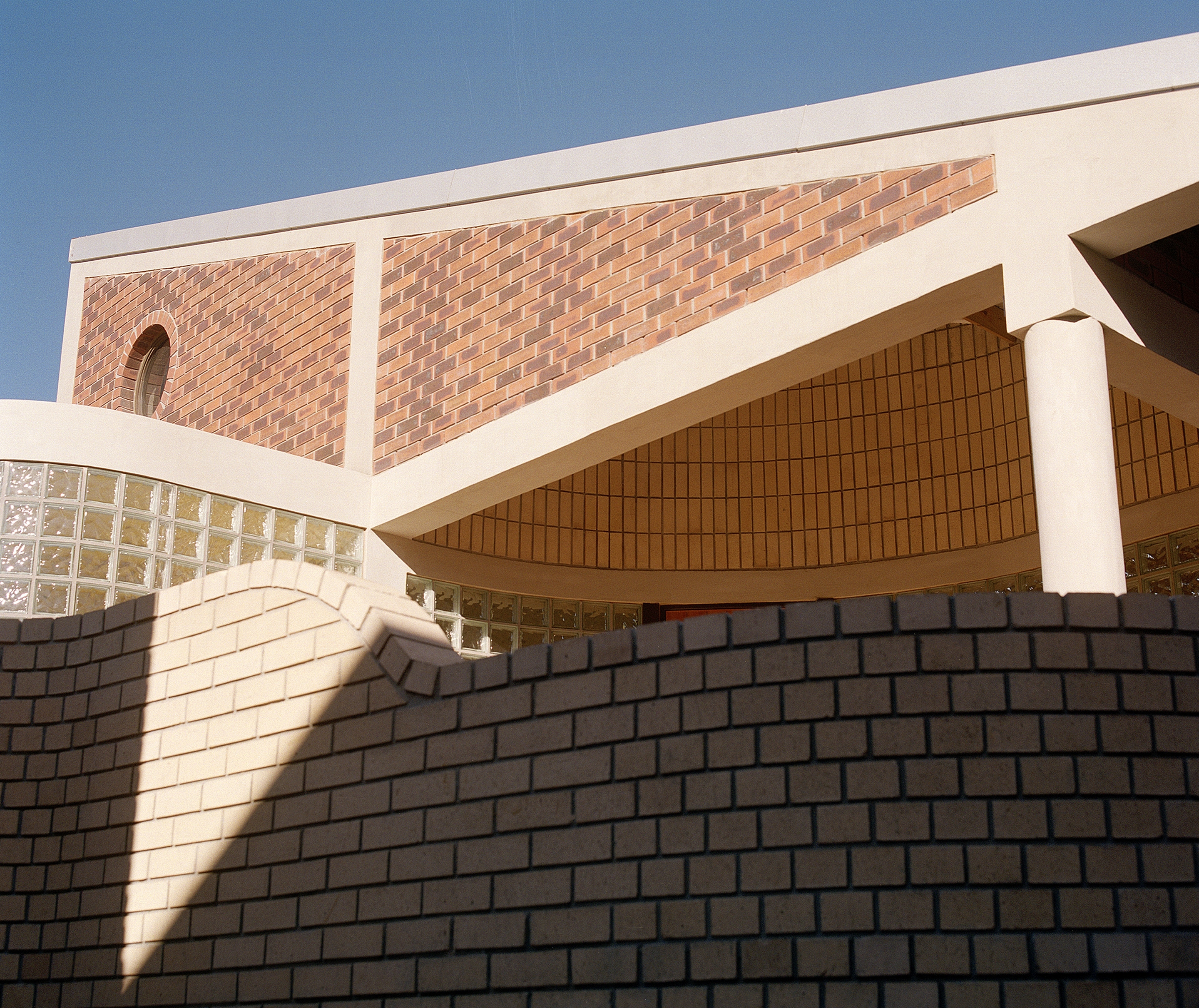
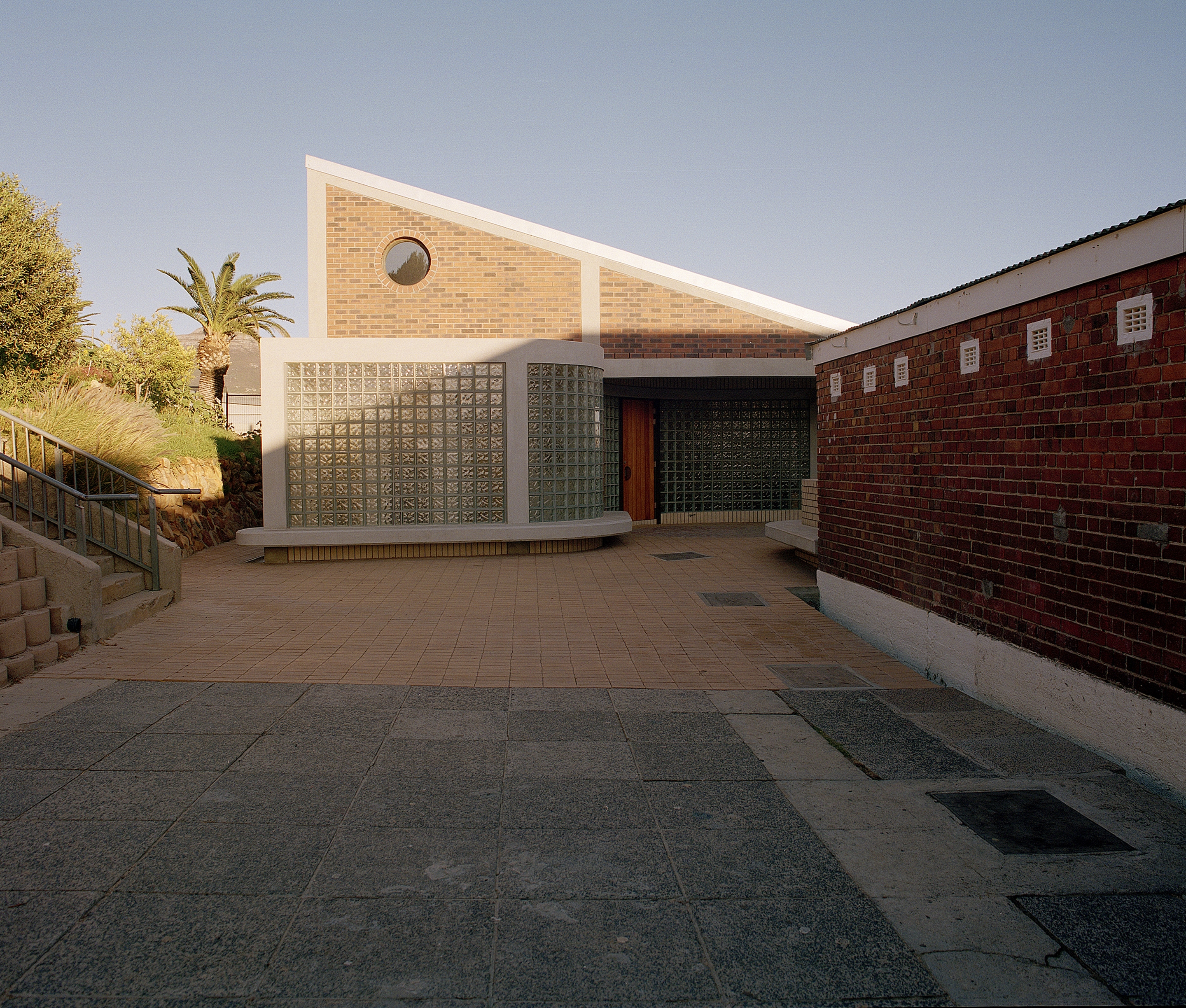
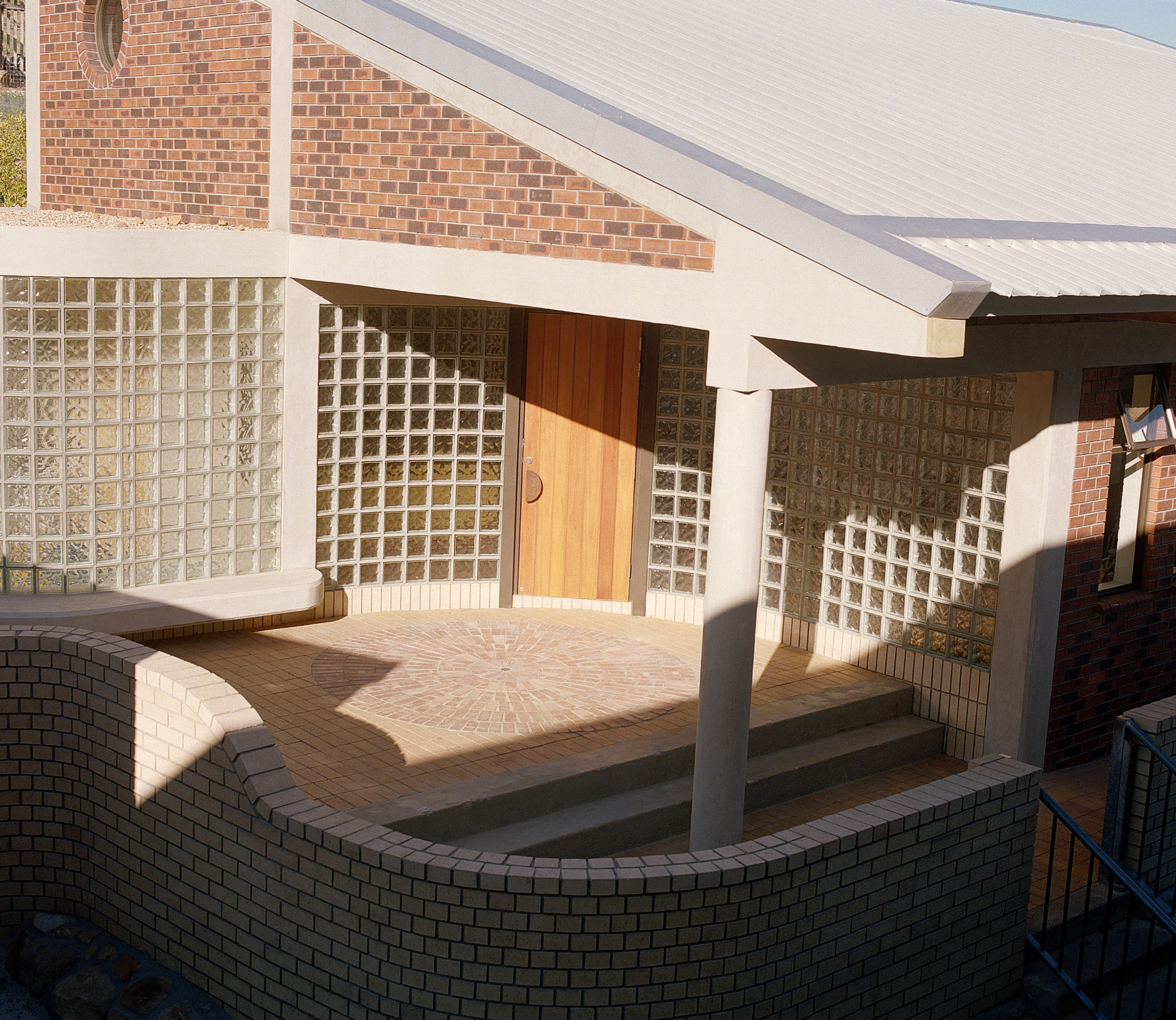
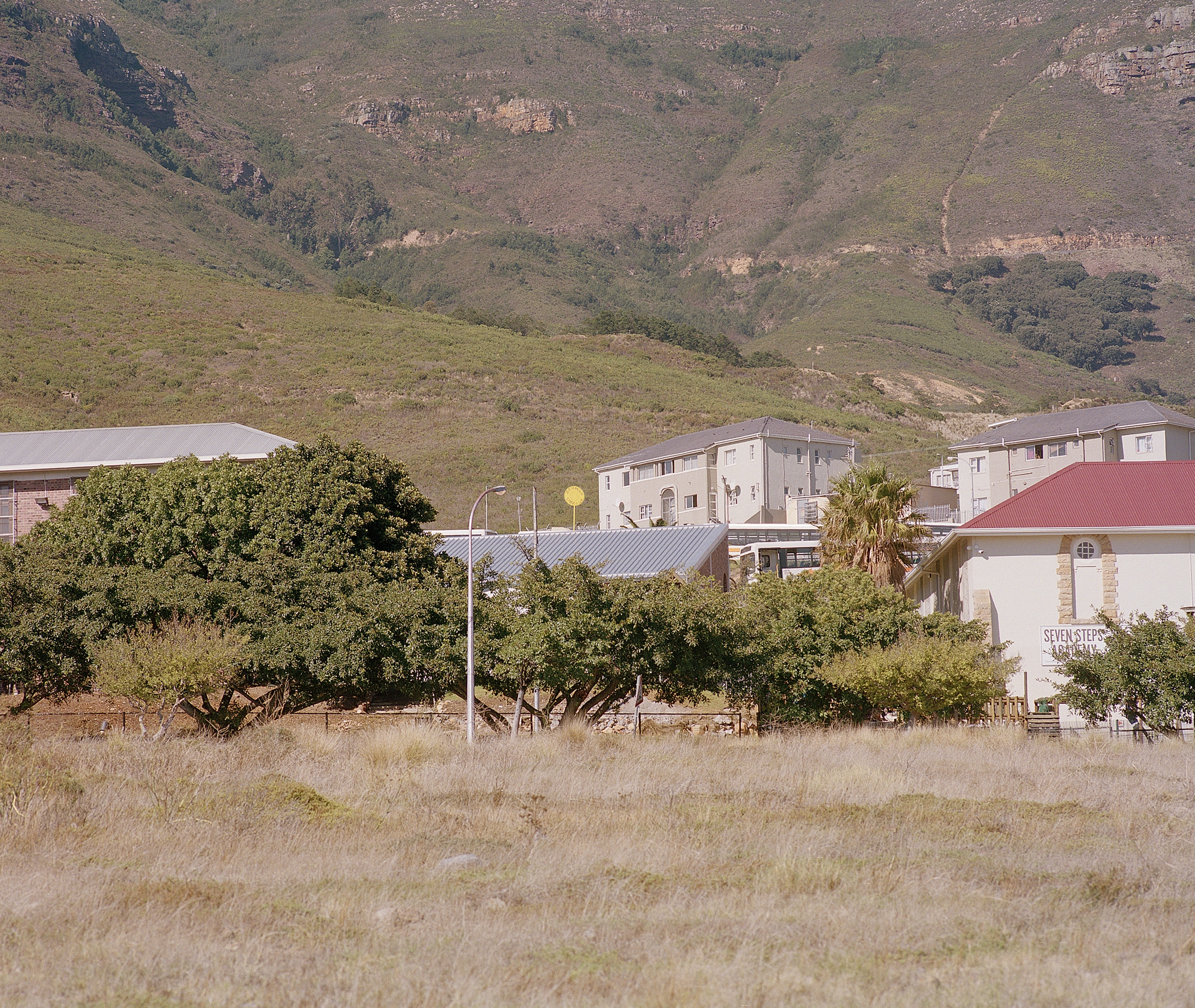
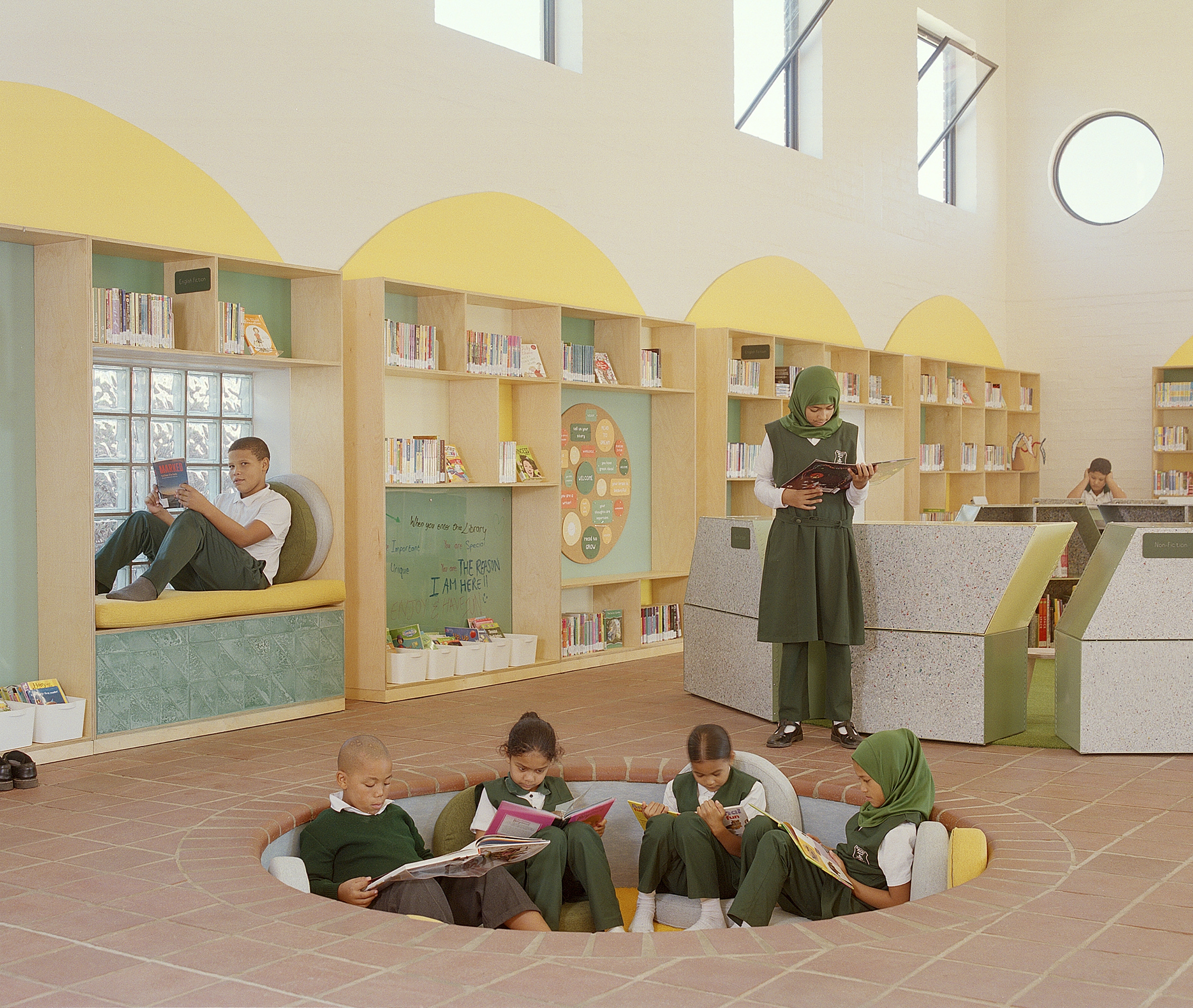
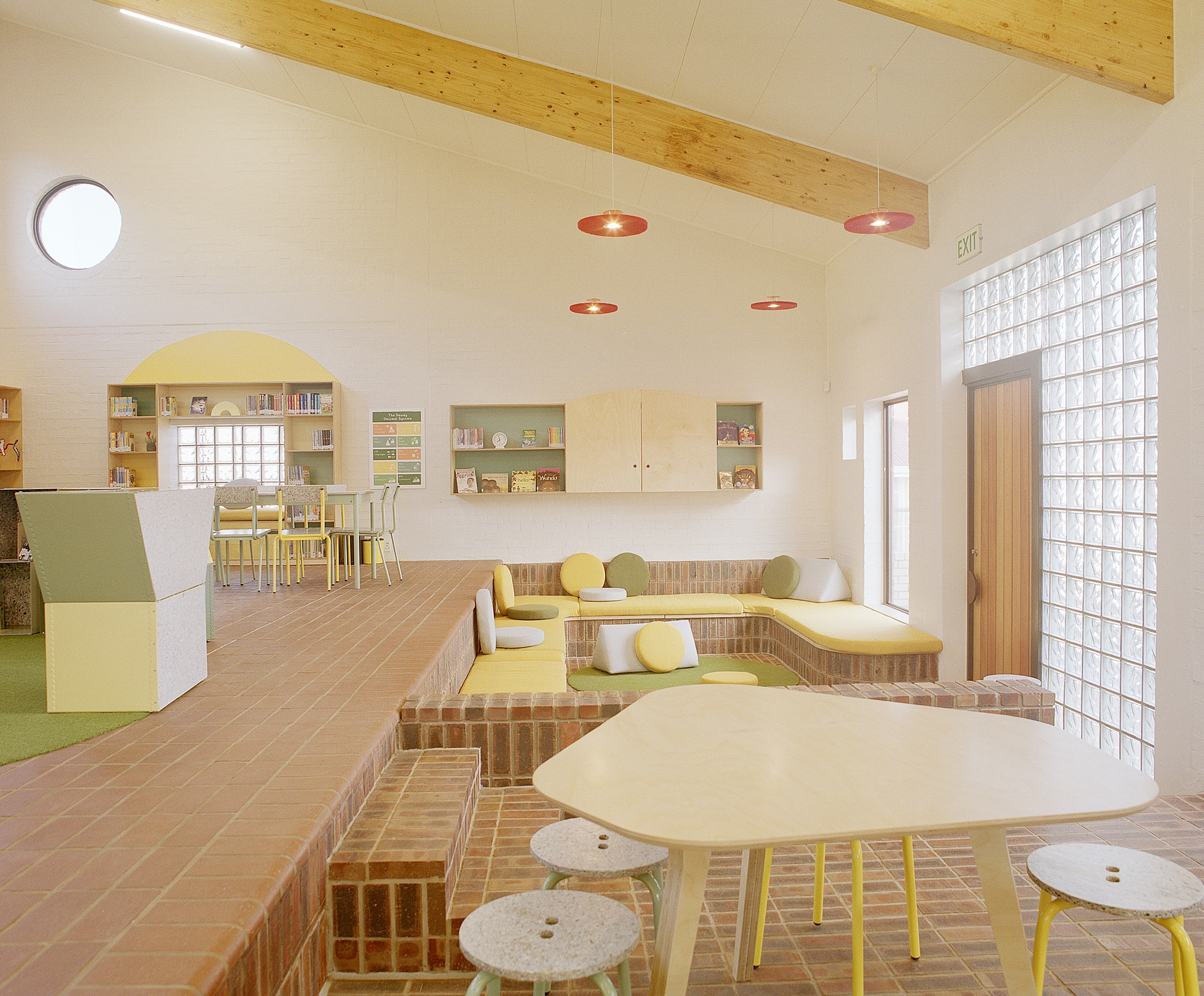
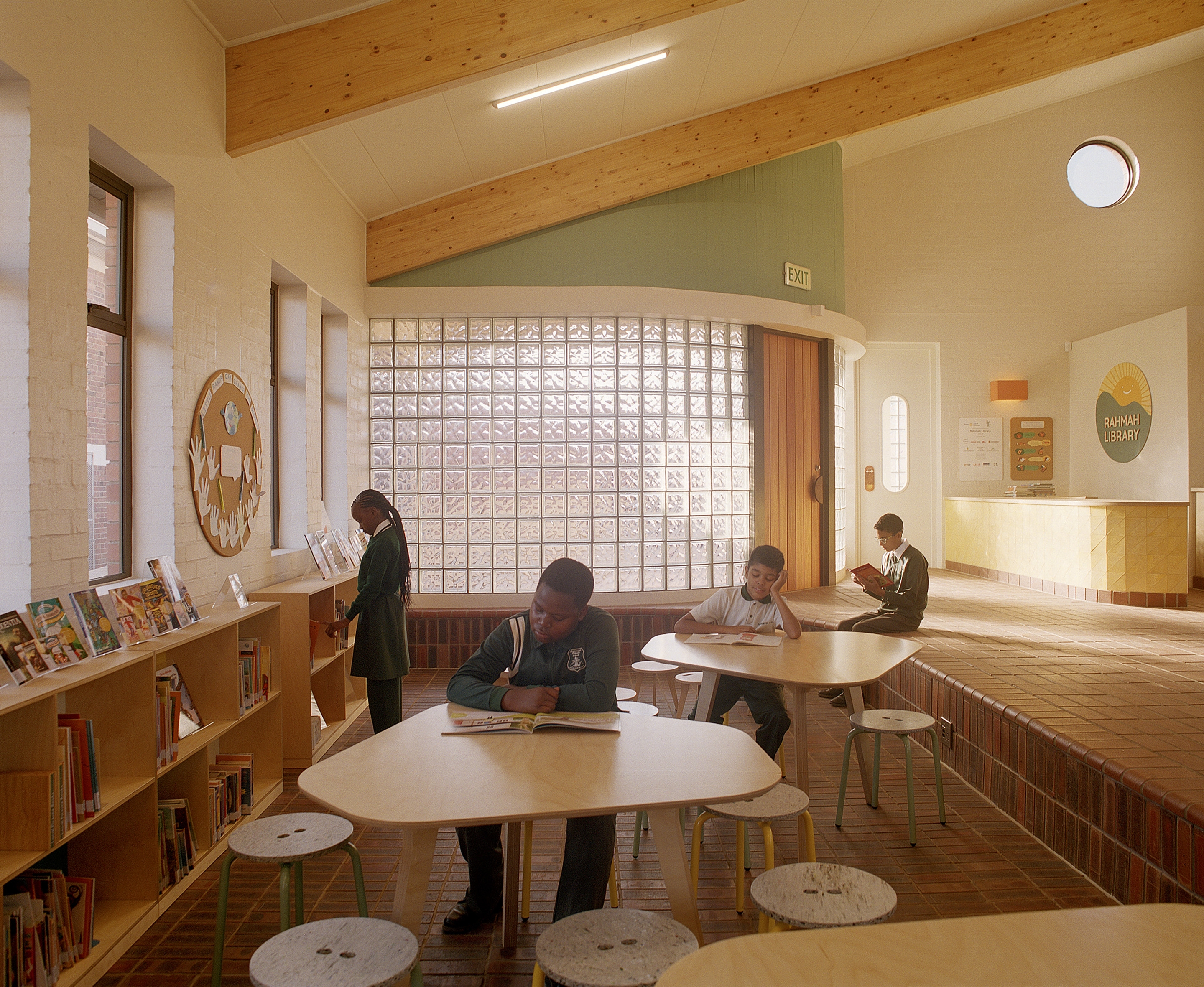
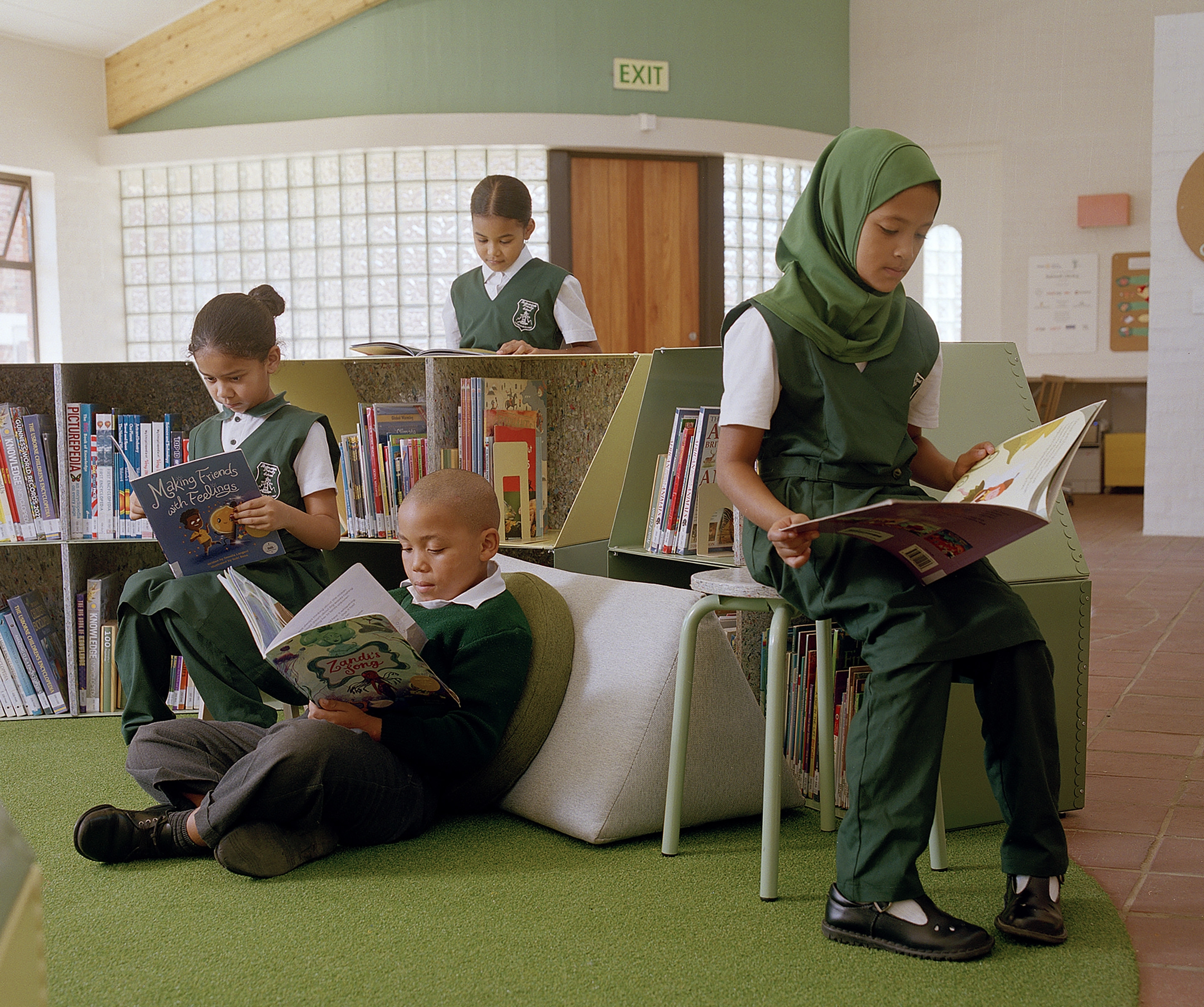
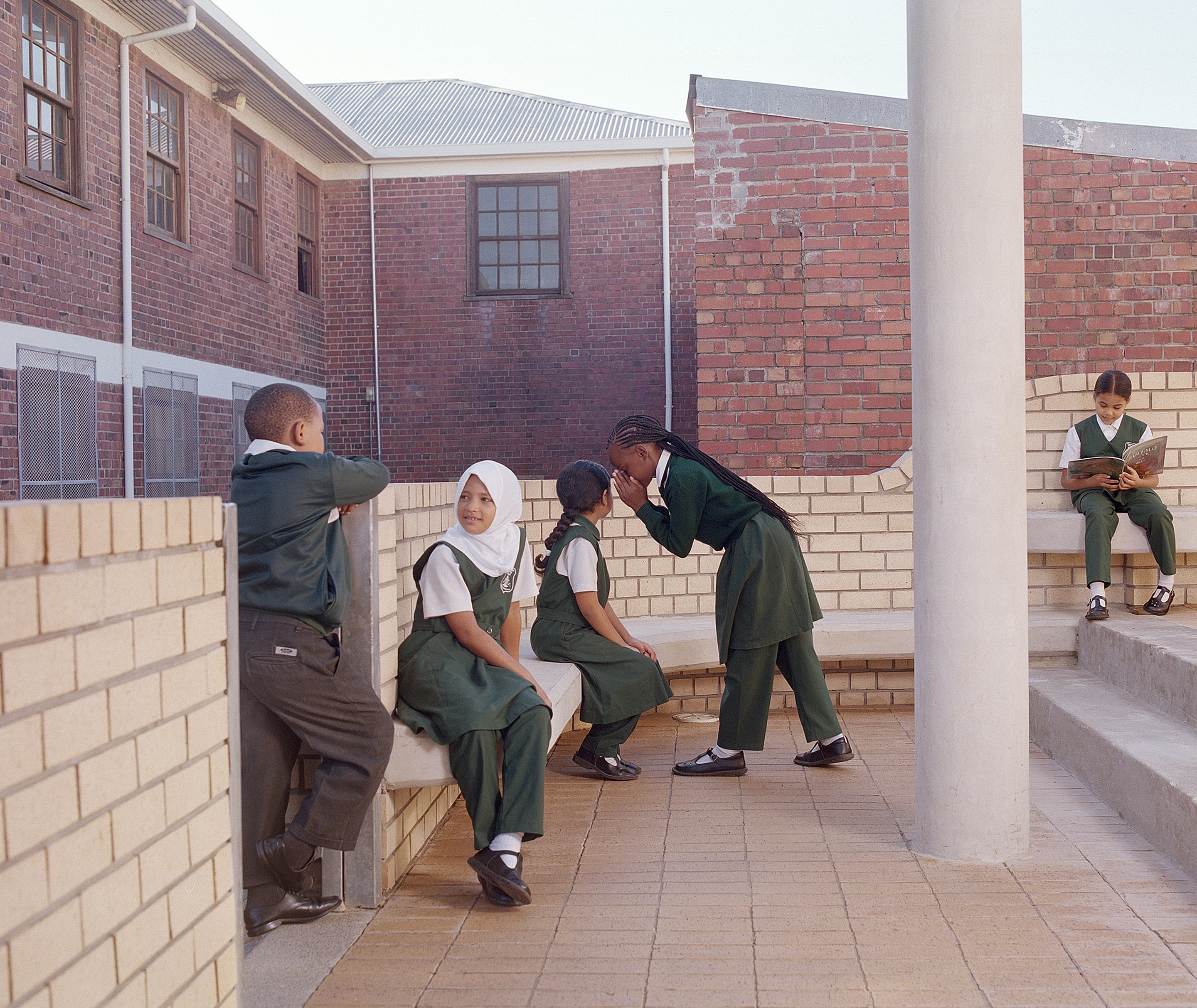
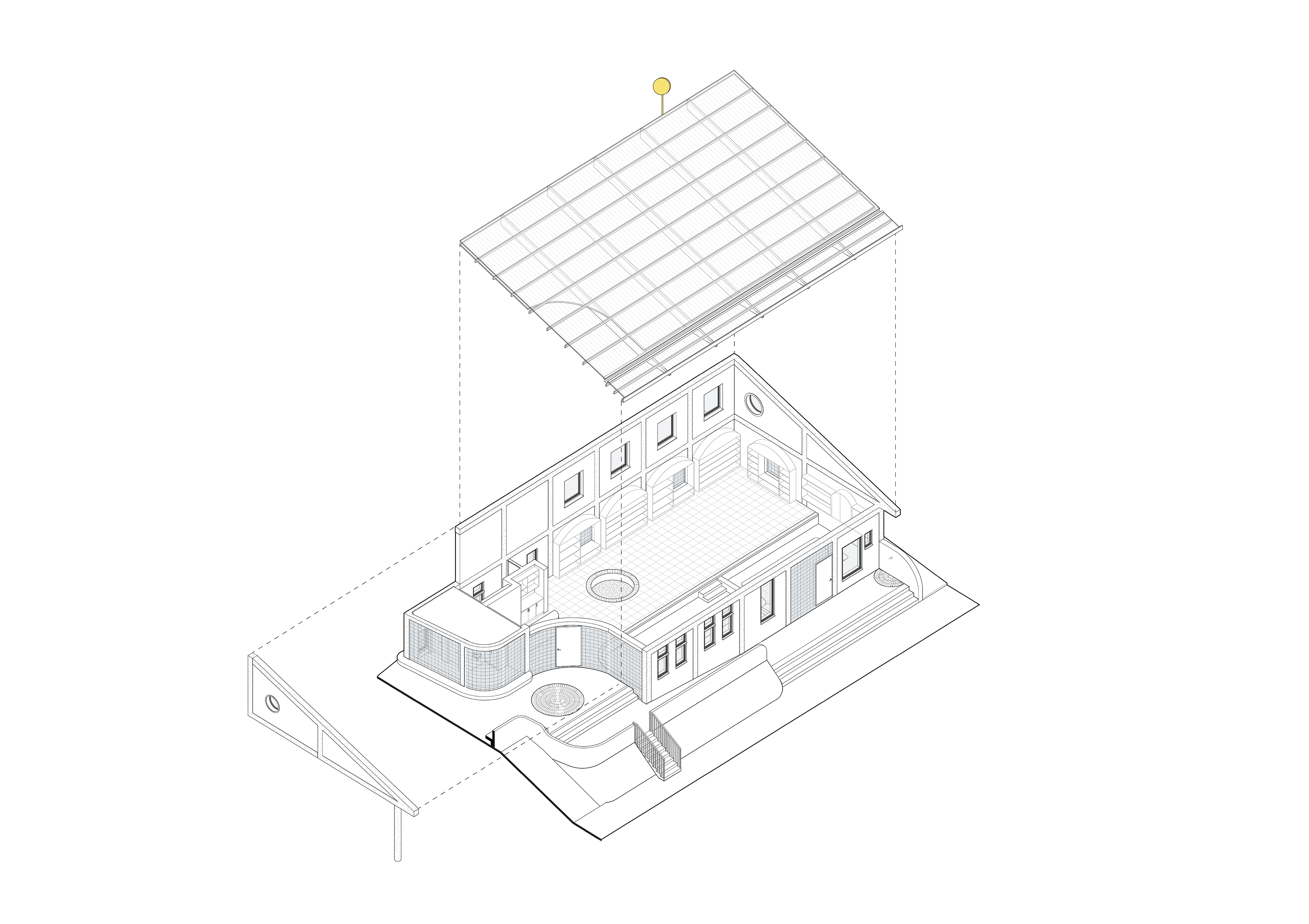
Rahmah Library is a new reading & learning space at Rahmaniyeh Primary School in Cape Town’s historic District 6. Serving over 500 learners who previously had no dedicated library, the project transforms an overlooked corner of the campus into a joyful environment for reading, imagination & play. Set behind an 80-year-old facebrick school building on the slopes of Table Mountain, the modest structure connects two playgrounds to create a new heart of daily school life. A simple mono-pitched roof frames mountain views, while a bold sign rising above the roofline signals its presence to the wider neighbourhood. Inside, a single light-filled volume unfolds through subtle level shifts responding to the sloping site. These create a sequence of reading environments, from a sunken reading pit to study zones & relaxed lounges, supporting different postures of reading & study. Deep engagement with future users shaped the architecture. Workshops invited learners to become co-authors of the space, informing design decisions & fostering ownership. Clay & brick details made from material sourced in District 6 root the building physically & symbolically in its landscape.
Rahmah Library is a new reading & learning space at Rahmaniyeh Primary School in Cape Town’s historic District 6. Serving over 500 learners who previously had no dedicated library, the project transforms an overlooked corner of the campus into a joyful environment for reading, imagination & play. Set behind an 80-year-old facebrick school building on the slopes of Table Mountain, the modest structure connects two playgrounds to create a new heart of daily school life. A simple mono-pitched roof frames mountain views, while a bold sign rising above the roofline signals its presence to the wider neighbourhood. Inside, a single light-filled volume unfolds through subtle level shifts responding to the sloping site. These create a sequence of reading environments, from a sunken reading pit to study zones & relaxed lounges, supporting different postures of reading & study. Deep engagement with future users shaped the architecture. Workshops invited learners to become co-authors of the space, informing design decisions & fostering ownership. Clay & brick details made from material sourced in District 6 root the building physically & symbolically in its landscape.
Project Innovation / Specification:
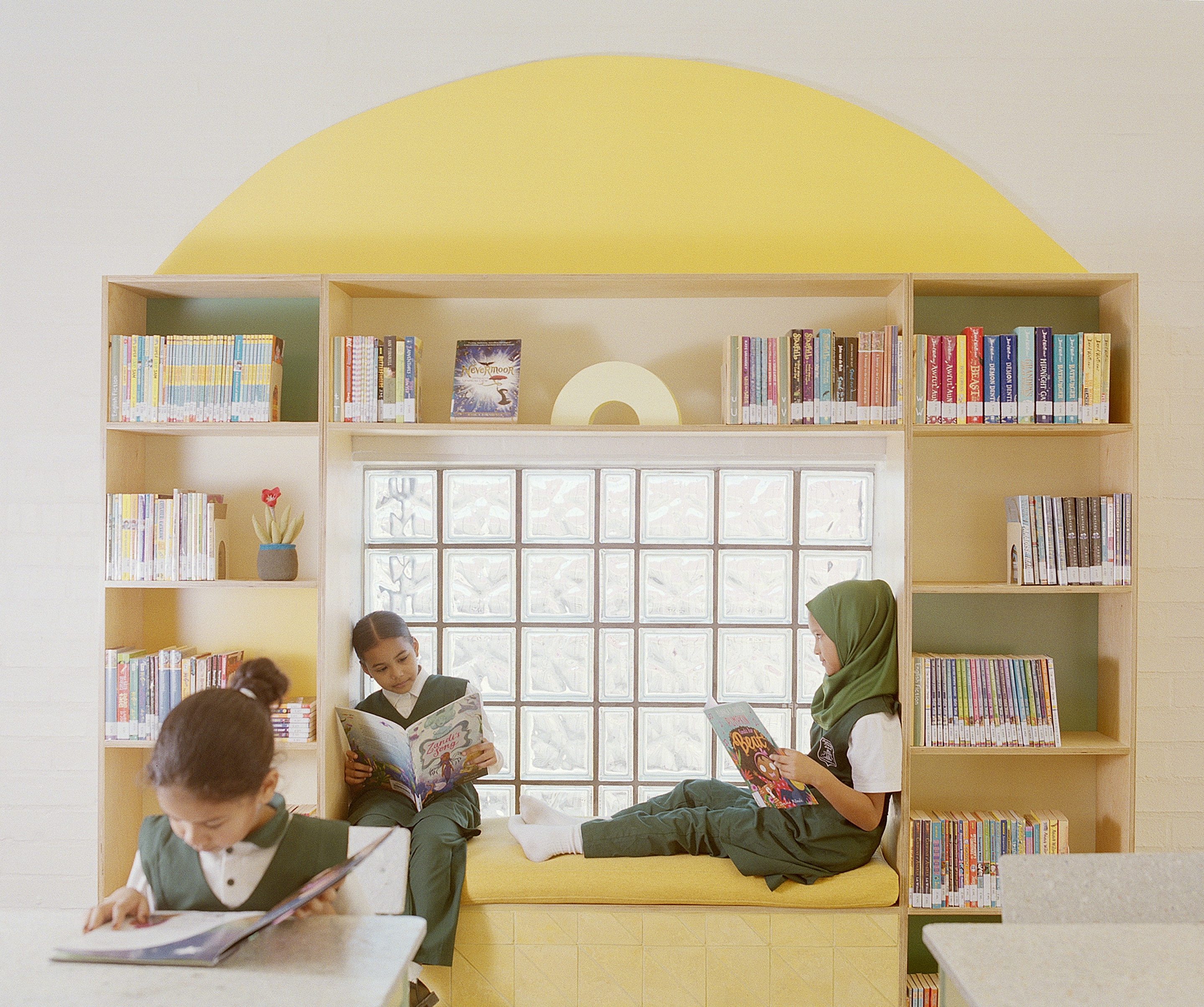
This scheme reimagines the school library as a flexible, participatory learning landscape. Its innovation lies not only in spatial design but in the collaborative process through which the building was conceived. Central to the project was a commitment to sharing architectural agency with those who will inhabit the space. Creative workshops and ideation sessions invited students to join the architectural team as co-authors of their future library. Listening to children’s ideas & spatial needs revealed valuable insights into how young readers imagine their dream learning environments. These exchanges informed several elements of the building including the modular “Rahmah-Rama” bookshelves and a hanging mobile that form focal points of the library interior. Architecturally, built-in seats, amphitheatre-like steps & sheltered exterior areas expand the traditional library brief to support storytelling, gathering & informal learning opportunities. These user-led details embody the creativity of young contributors & ensure they feel recognised in a space built for them. As a result, learners are deeply invested in & strongly connected to the library.
This scheme reimagines the school library as a flexible, participatory learning landscape. Its innovation lies not only in spatial design but in the collaborative process through which the building was conceived. Central to the project was a commitment to sharing architectural agency with those who will inhabit the space. Creative workshops and ideation sessions invited students to join the architectural team as co-authors of their future library. Listening to children’s ideas & spatial needs revealed valuable insights into how young readers imagine their dream learning environments. These exchanges informed several elements of the building including the modular “Rahmah-Rama” bookshelves and a hanging mobile that form focal points of the library interior. Architecturally, built-in seats, amphitheatre-like steps & sheltered exterior areas expand the traditional library brief to support storytelling, gathering & informal learning opportunities. These user-led details embody the creativity of young contributors & ensure they feel recognised in a space built for them. As a result, learners are deeply invested in & strongly connected to the library.
Project Sustainability Approach:
The project prioritises durability, climate responsiveness & cultural continuity in a context where long-term maintenance resources are limited. Robust materials such as clay brick, concrete & glass block ensure longevity while referencing the material character of the existing campus. Brickwork is articulated through varied bonds, colours & textures, creating visual richness while remaining practical & resilient for everyday school use. The building’s north–south orientation maximises natural daylight in reading areas while reducing reliance on artificial lighting. Indirect light filters through the interior to illuminate book storage & study spaces, while the curved glass-block façade diffuses sunlight to produce a calm, dappled atmosphere suited to reading & concentration. Sustainability is also approached through cultural & material memory. Clay gathered from sites in & around District 6 was used to produce handmade tiles, door pushplates & architectural elements throughout the scheme. The same clay, sometimes embedded with rubble from homes demolished during Apartheid, was used to create “District 6 Bricks” that are celebrated in core moments of the build.
The project prioritises durability, climate responsiveness & cultural continuity in a context where long-term maintenance resources are limited. Robust materials such as clay brick, concrete & glass block ensure longevity while referencing the material character of the existing campus. Brickwork is articulated through varied bonds, colours & textures, creating visual richness while remaining practical & resilient for everyday school use. The building’s north–south orientation maximises natural daylight in reading areas while reducing reliance on artificial lighting. Indirect light filters through the interior to illuminate book storage & study spaces, while the curved glass-block façade diffuses sunlight to produce a calm, dappled atmosphere suited to reading & concentration. Sustainability is also approached through cultural & material memory. Clay gathered from sites in & around District 6 was used to produce handmade tiles, door pushplates & architectural elements throughout the scheme. The same clay, sometimes embedded with rubble from homes demolished during Apartheid, was used to create “District 6 Bricks” that are celebrated in core moments of the build.
Local and Regional Impacts of the Project:
Rahmah Library provides the 1st dedicated reading space for more than 500 learners, expanding access to books & literacy in the District 6 community. Designed to foster belonging & a genuine joy of reading, the project responds to research showing that reading for enjoyment strengthens learning across school curricula & can help counter the effects of poverty on literacy development. The welcoming, joyful library acts as a social equaliser within South Africa’s under-resourced education system. The project also acknowledges the layered history of District 6, a community deeply affected by apartheid-era forced removals, reinforcing the importance of memory, place & cultural continuity within contemporary post-colonial African architecture.
Rahmah Library provides the 1st dedicated reading space for more than 500 learners, expanding access to books & literacy in the District 6 community. Designed to foster belonging & a genuine joy of reading, the project responds to research showing that reading for enjoyment strengthens learning across school curricula & can help counter the effects of poverty on literacy development. The welcoming, joyful library acts as a social equaliser within South Africa’s under-resourced education system. The project also acknowledges the layered history of District 6, a community deeply affected by apartheid-era forced removals, reinforcing the importance of memory, place & cultural continuity within contemporary post-colonial African architecture.
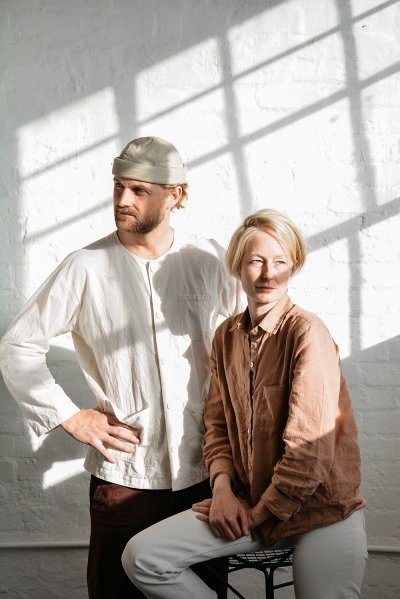
Company Name:The MAAK
Lead Designer(s) Name(s):Ashleigh Killa, Maximillian Melvill