Muhazi Dolce Vita Ecolodge
Prize(s):
WINNER 2026 ARCHITECTURE / Hospitality Architecture
Company Name:Ndinda Design Studio
Lead Designer(s) Name(s):Iréné Isingizwe
Design Team / Other designer(s):Ndinda Design Studio
Architecture Firm:Ndinda Design Studio
Interior Designer:Ndinda Design Studio
Construction Company:CLEZOL
Lighting Design:Ndinda Design Studio
Client Name:Muhazi Dolce Vita Ecolodge
Photo Credit:Ndinda Design Studio
Project Location:-1.8519901779055747, 30.423597473599163
Design Status:Completed
Website: View
Video URL:View
Project Description:
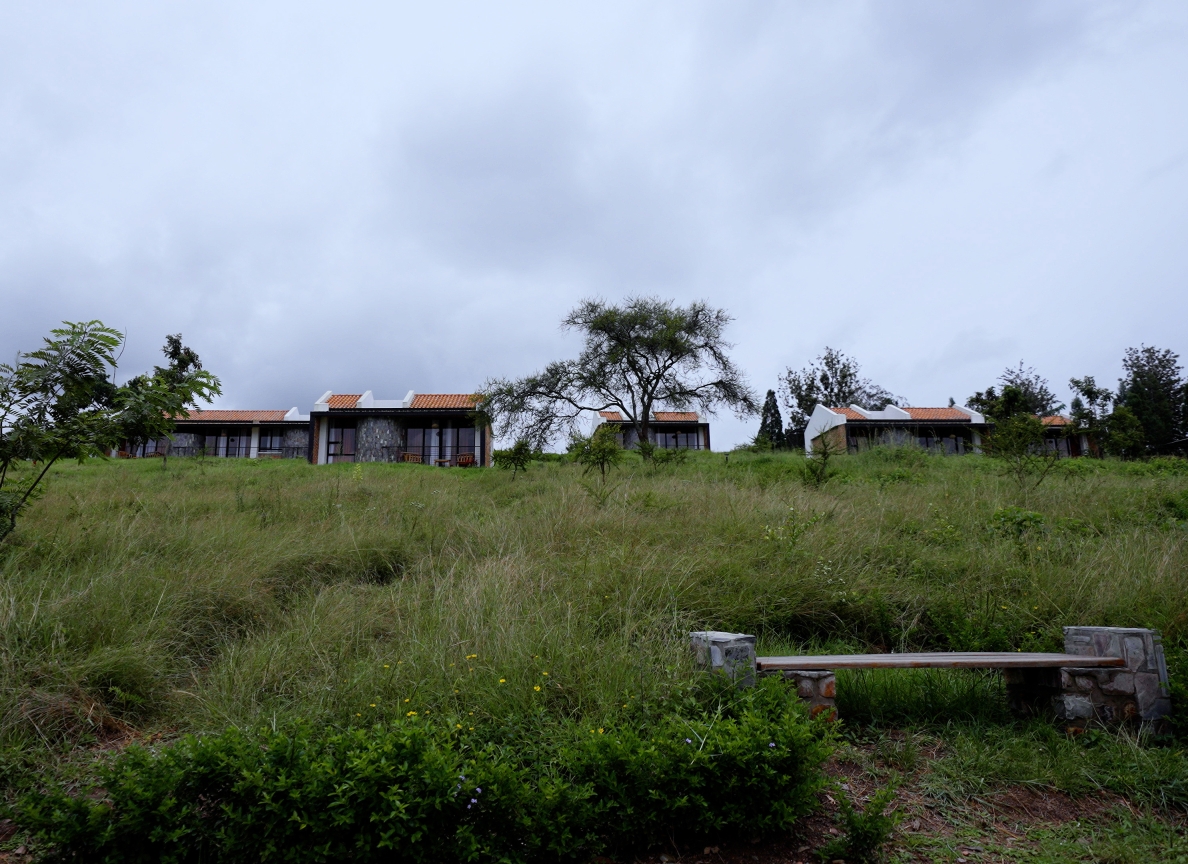
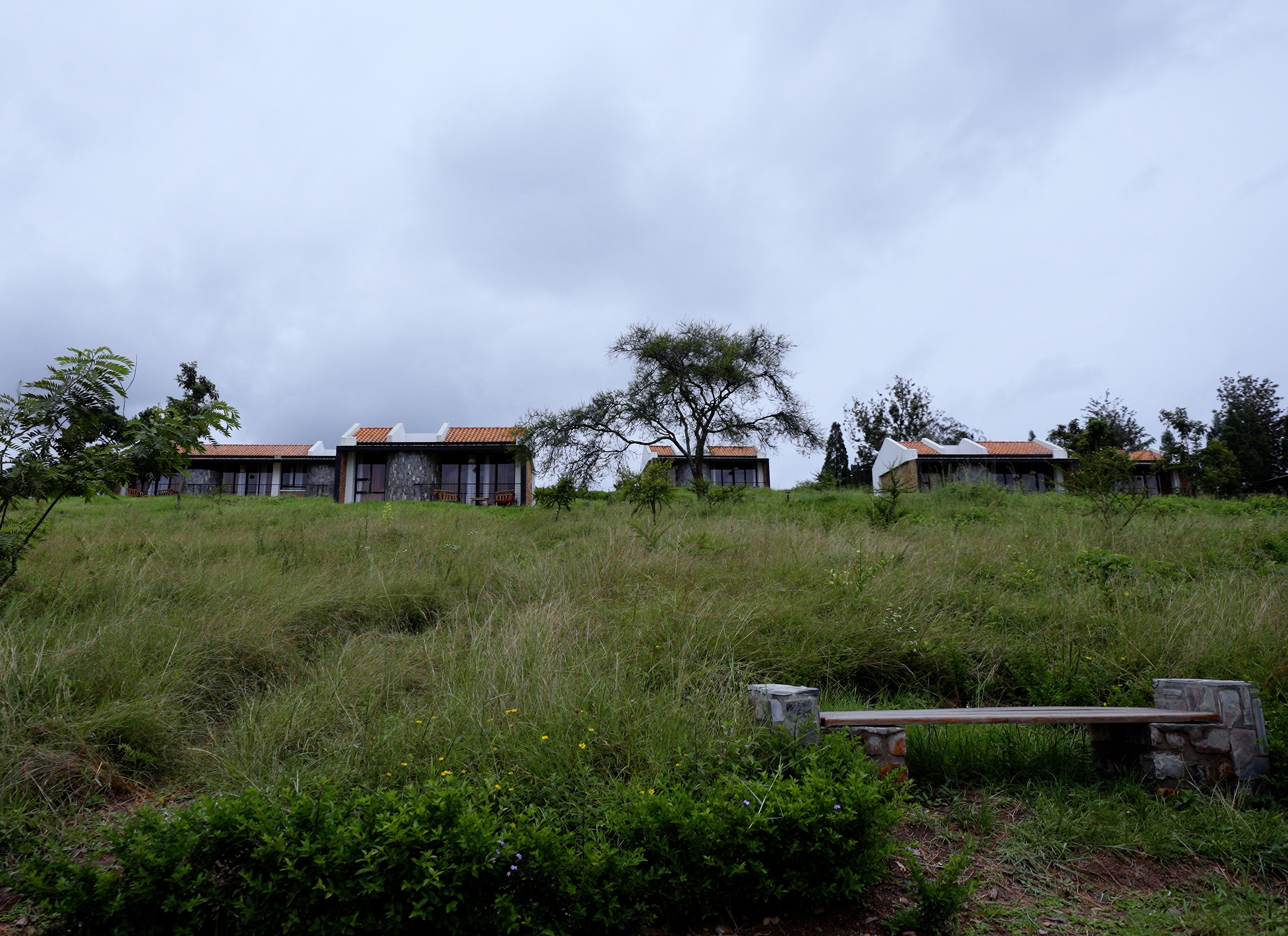
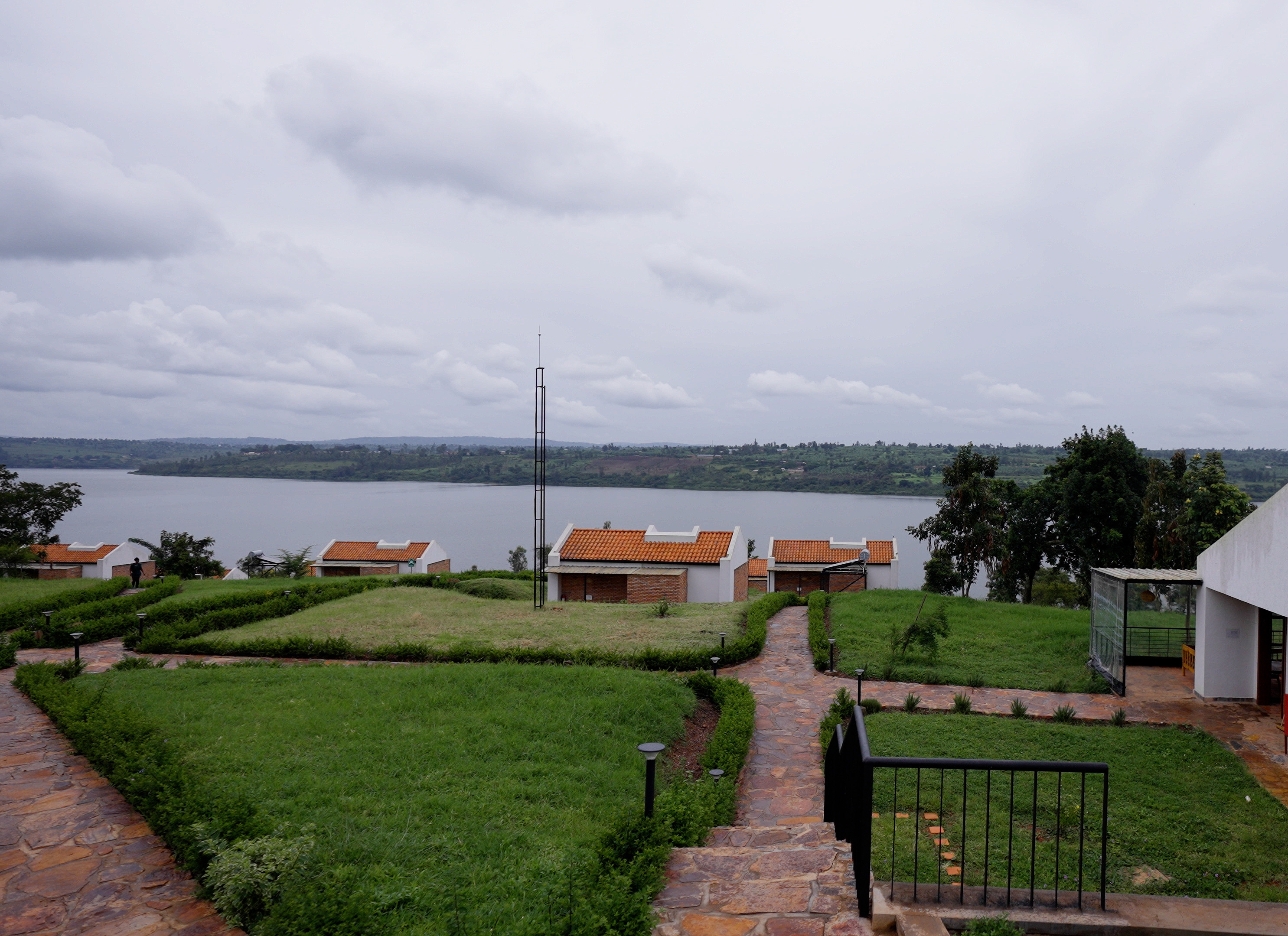
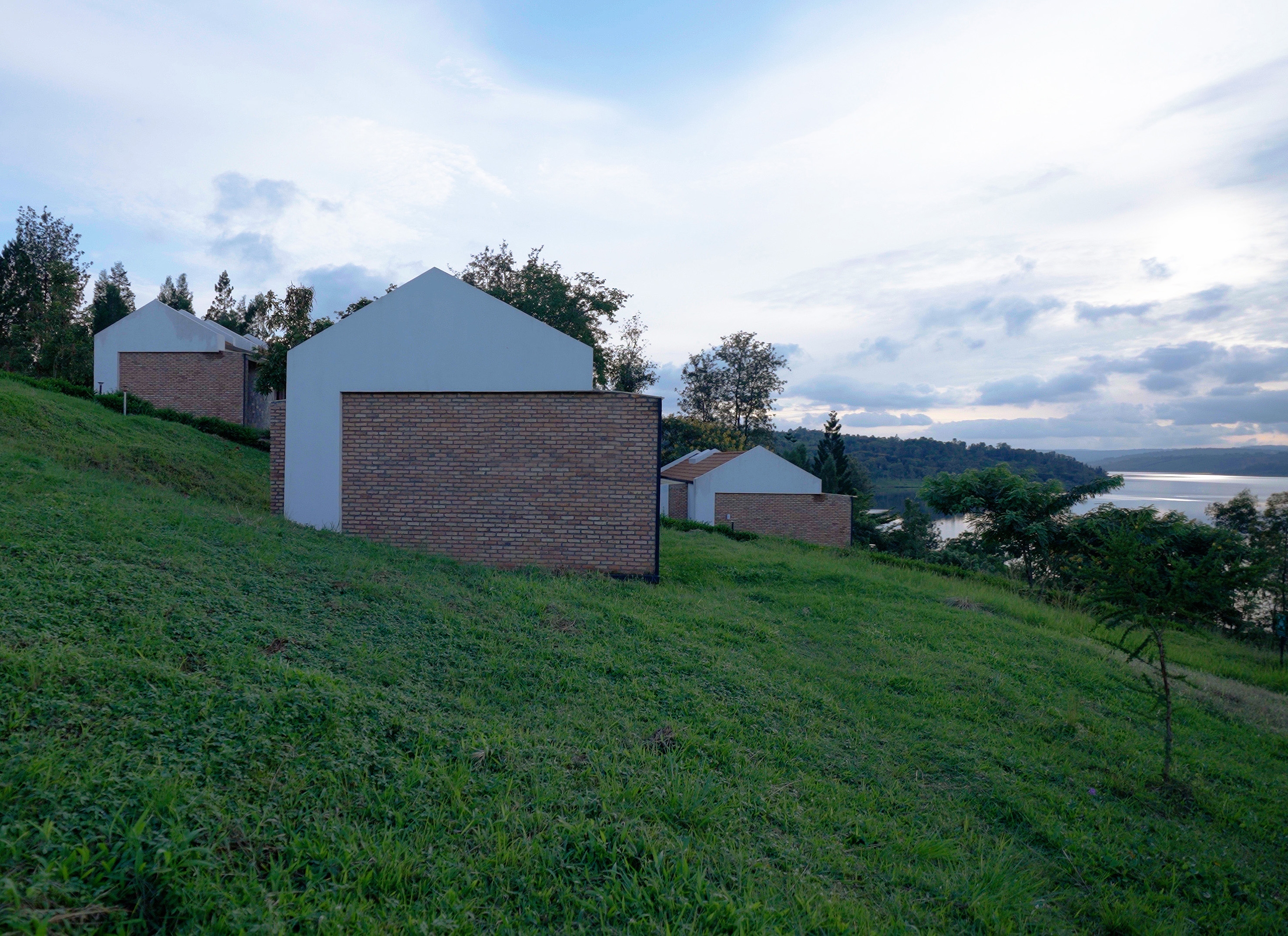
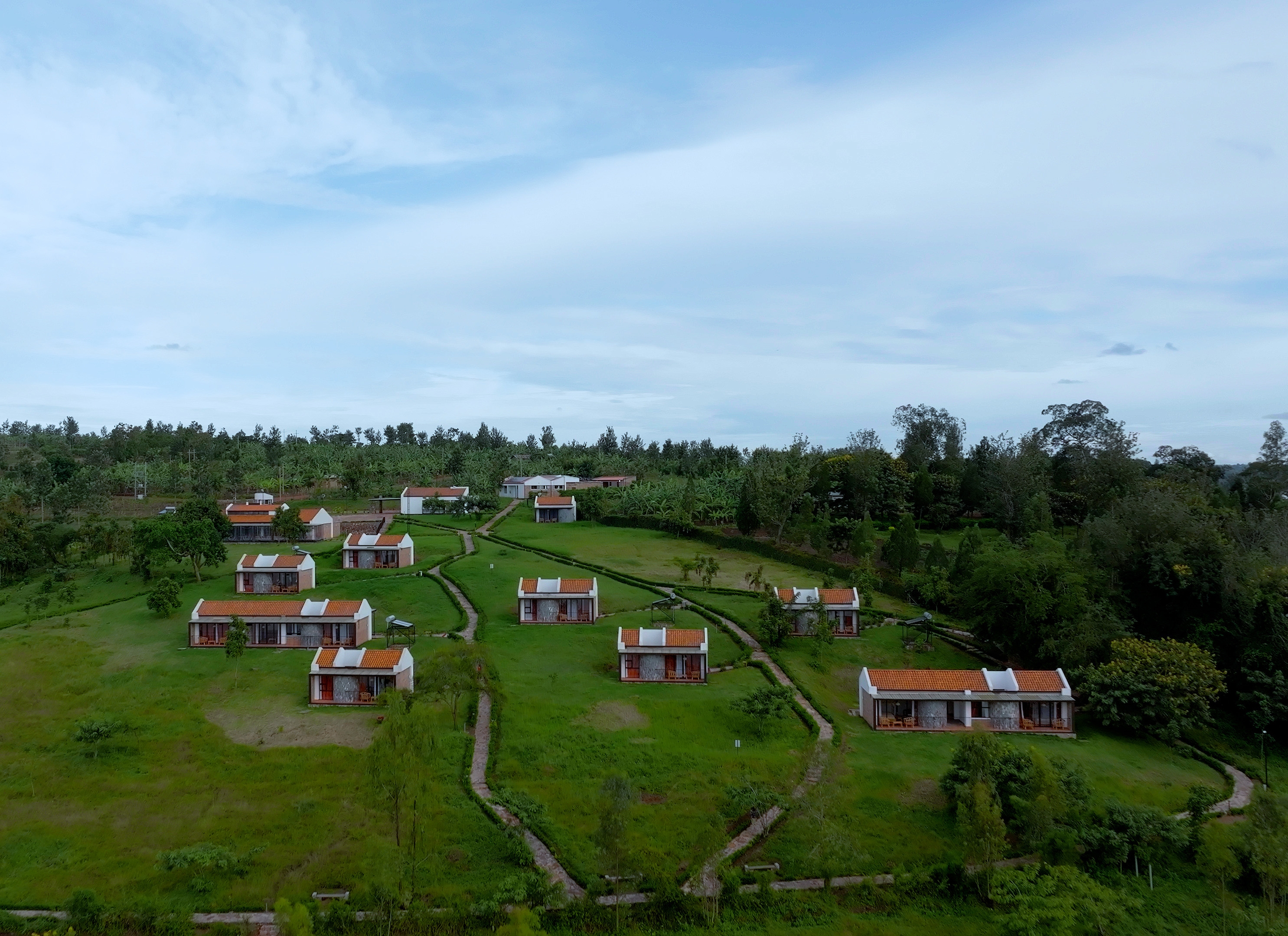
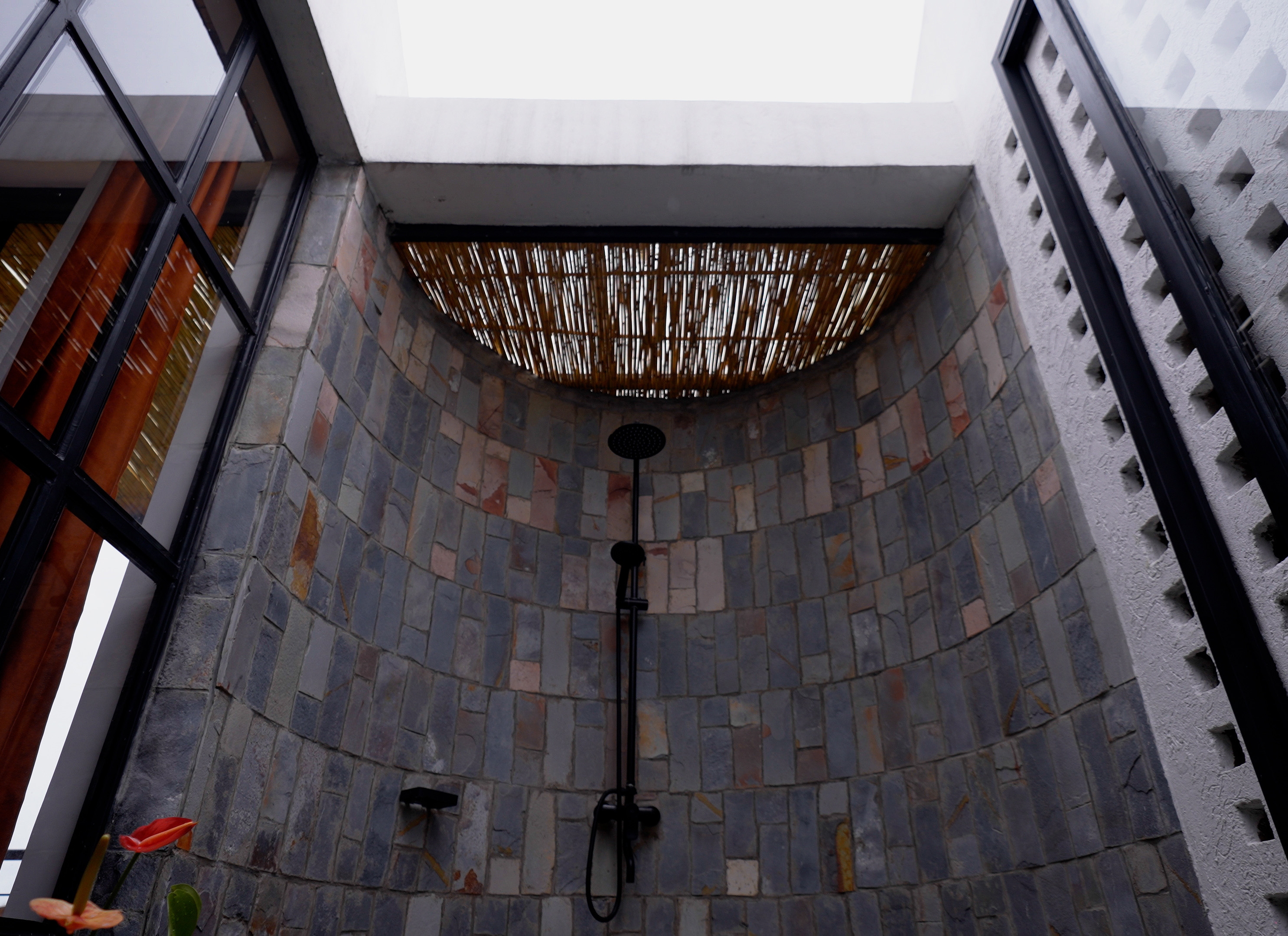
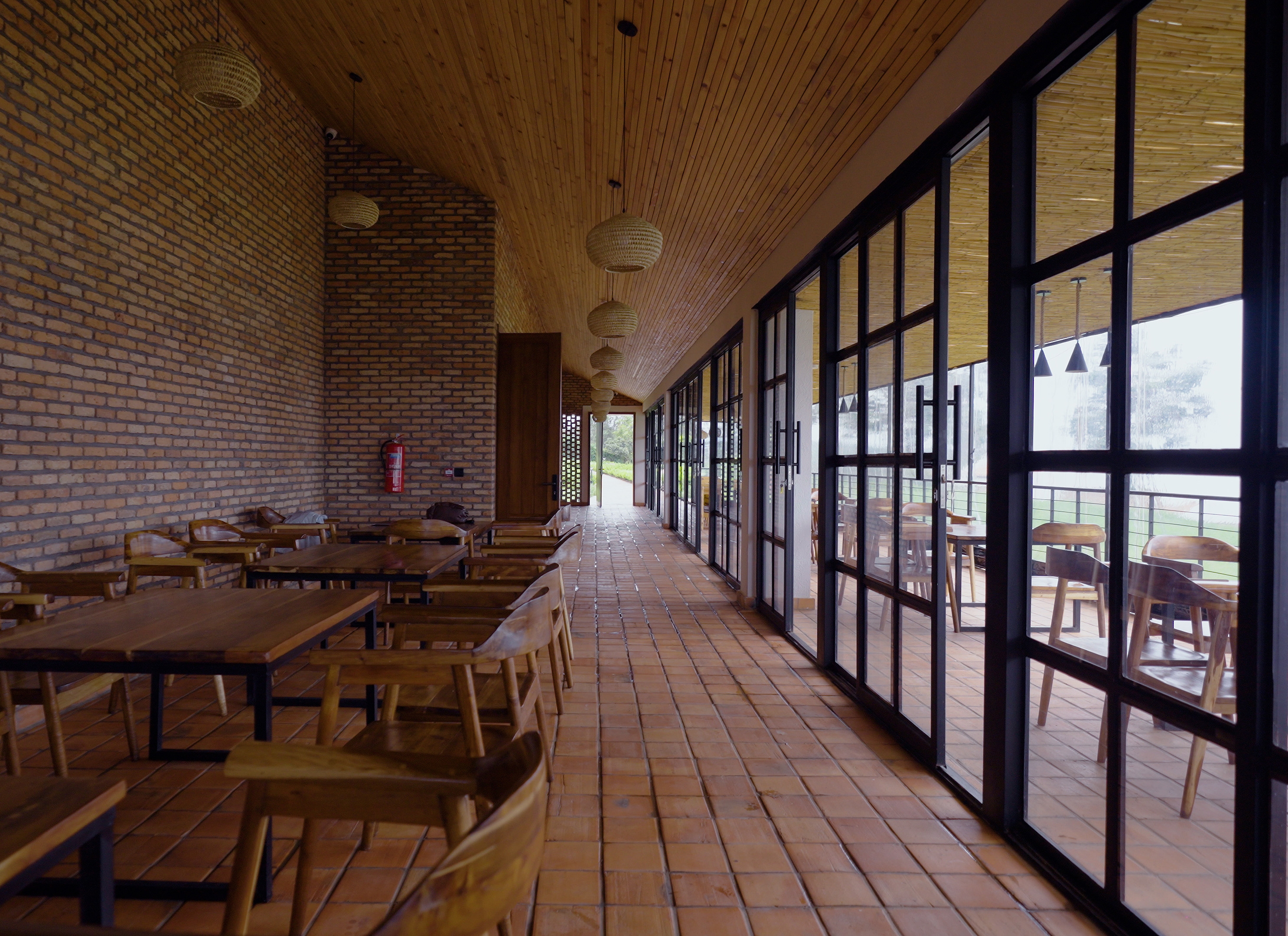
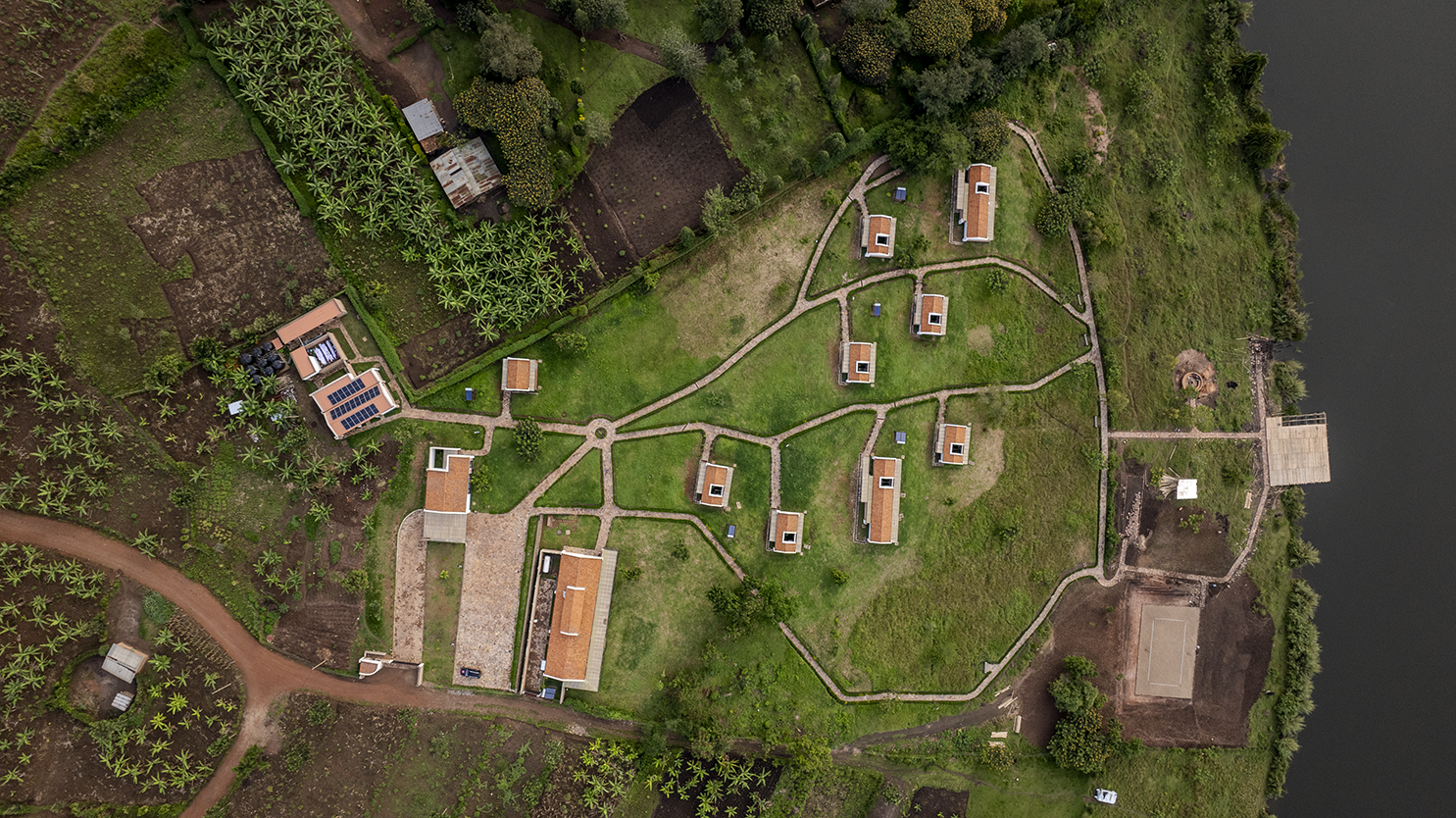
Muhazi Dolce Vita Eco Lodge is a sanctuary of stillness spanning over 22,500 square meters along the serene shores of Lake Muhazi, Rwanda. The retreat is woven intimately into the landscape, designed not to dominate nature but to belong to it. The masterplan choreographs a seamless connection to the water, featuring 9 cottages—including private Serenità Bungalows and family units. These structures were intentionally placed without disrupting the natural topography, providing unobstructed lake vistas and an enhanced connection to the landscape. The architecture channels a universal coastal tranquility and relaxed, open-air elegance that remains deeply rooted in Rwandan spatial traditions. Beyond the accommodations, the lodge offers a holistic experience complete with a curated farm-to-table culinary journey, a panoramic restaurant, a waterfront meditation deck, and a spa. It is not merely a destination, but a retreat into presence. Here, luxury is reimagined—a profound exploration of how vernacular architecture and local materiality define true luxury through clarity, connection, and the gentle unfolding of life at the water's edge.
Muhazi Dolce Vita Eco Lodge is a sanctuary of stillness spanning over 22,500 square meters along the serene shores of Lake Muhazi, Rwanda. The retreat is woven intimately into the landscape, designed not to dominate nature but to belong to it. The masterplan choreographs a seamless connection to the water, featuring 9 cottages—including private Serenità Bungalows and family units. These structures were intentionally placed without disrupting the natural topography, providing unobstructed lake vistas and an enhanced connection to the landscape. The architecture channels a universal coastal tranquility and relaxed, open-air elegance that remains deeply rooted in Rwandan spatial traditions. Beyond the accommodations, the lodge offers a holistic experience complete with a curated farm-to-table culinary journey, a panoramic restaurant, a waterfront meditation deck, and a spa. It is not merely a destination, but a retreat into presence. Here, luxury is reimagined—a profound exploration of how vernacular architecture and local materiality define true luxury through clarity, connection, and the gentle unfolding of life at the water's edge.
Project Innovation / Specification:
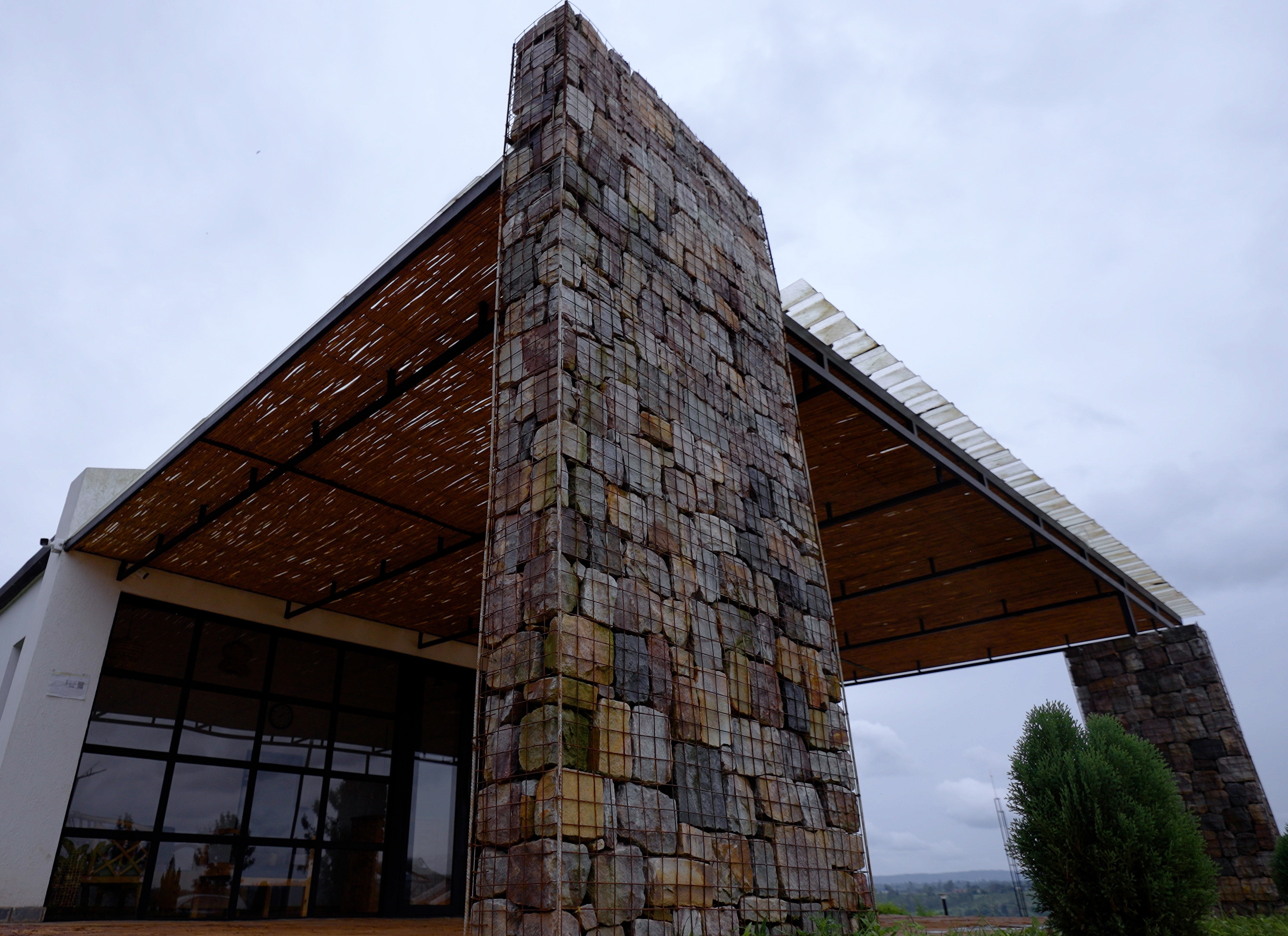
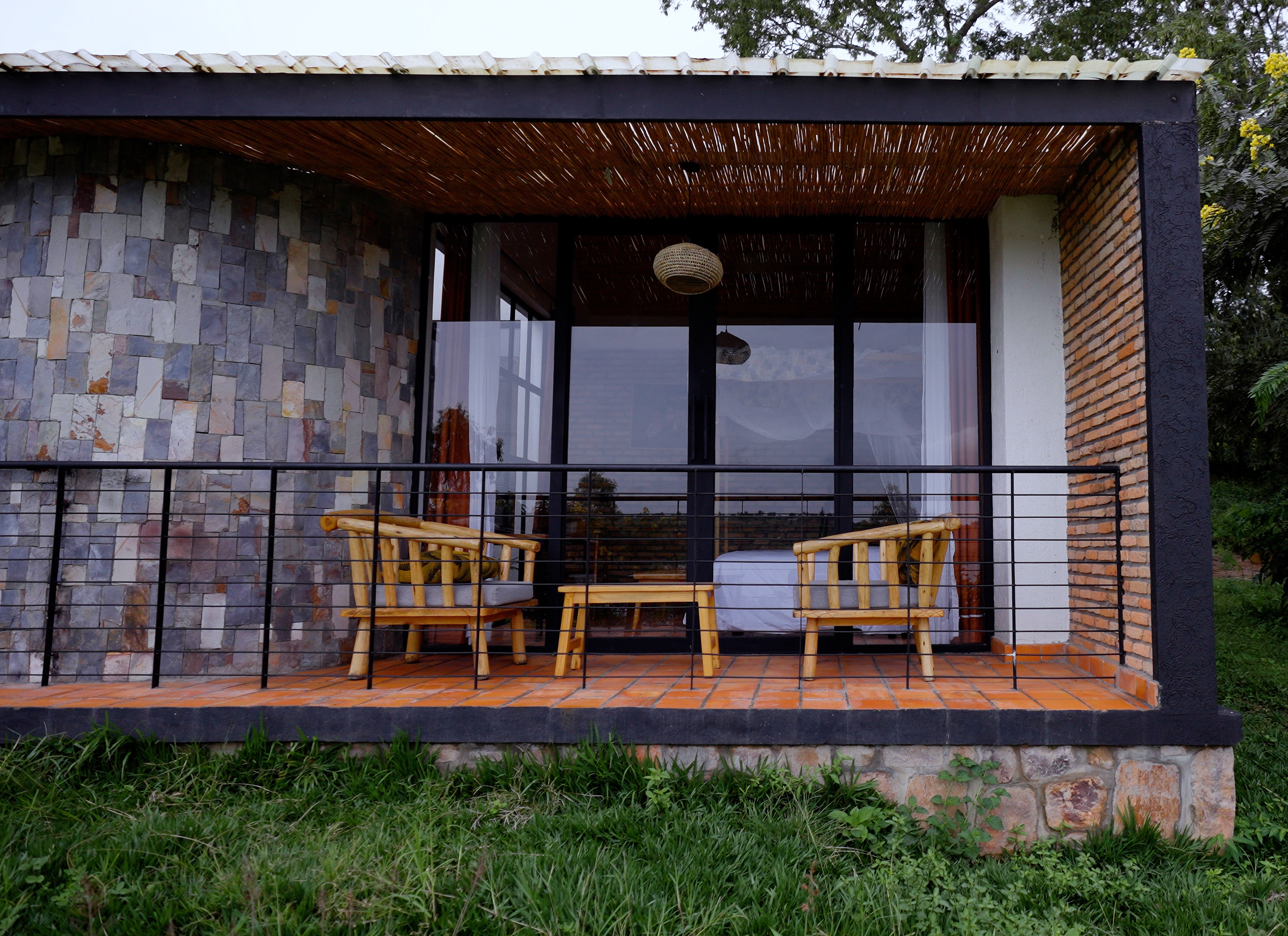
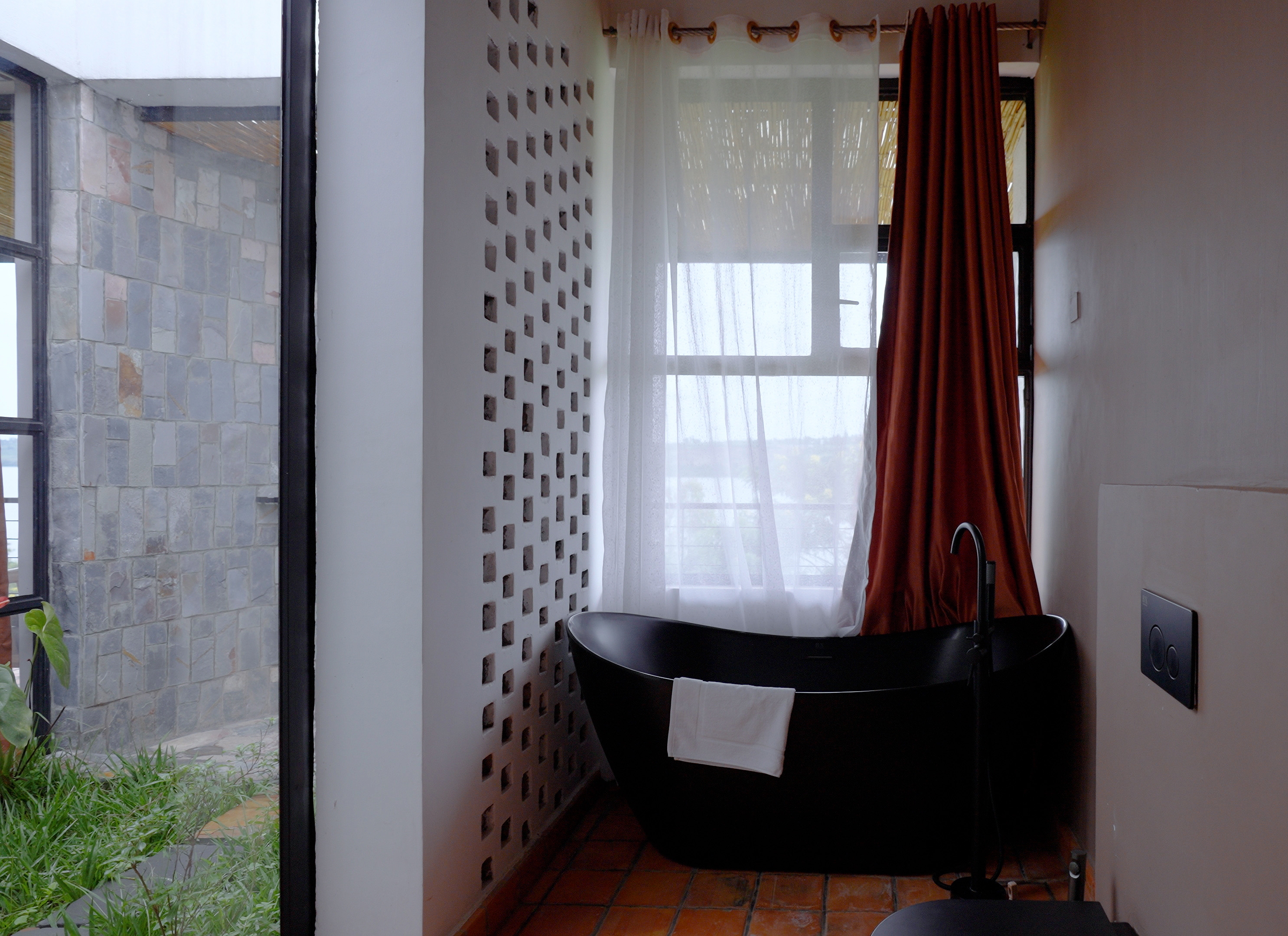
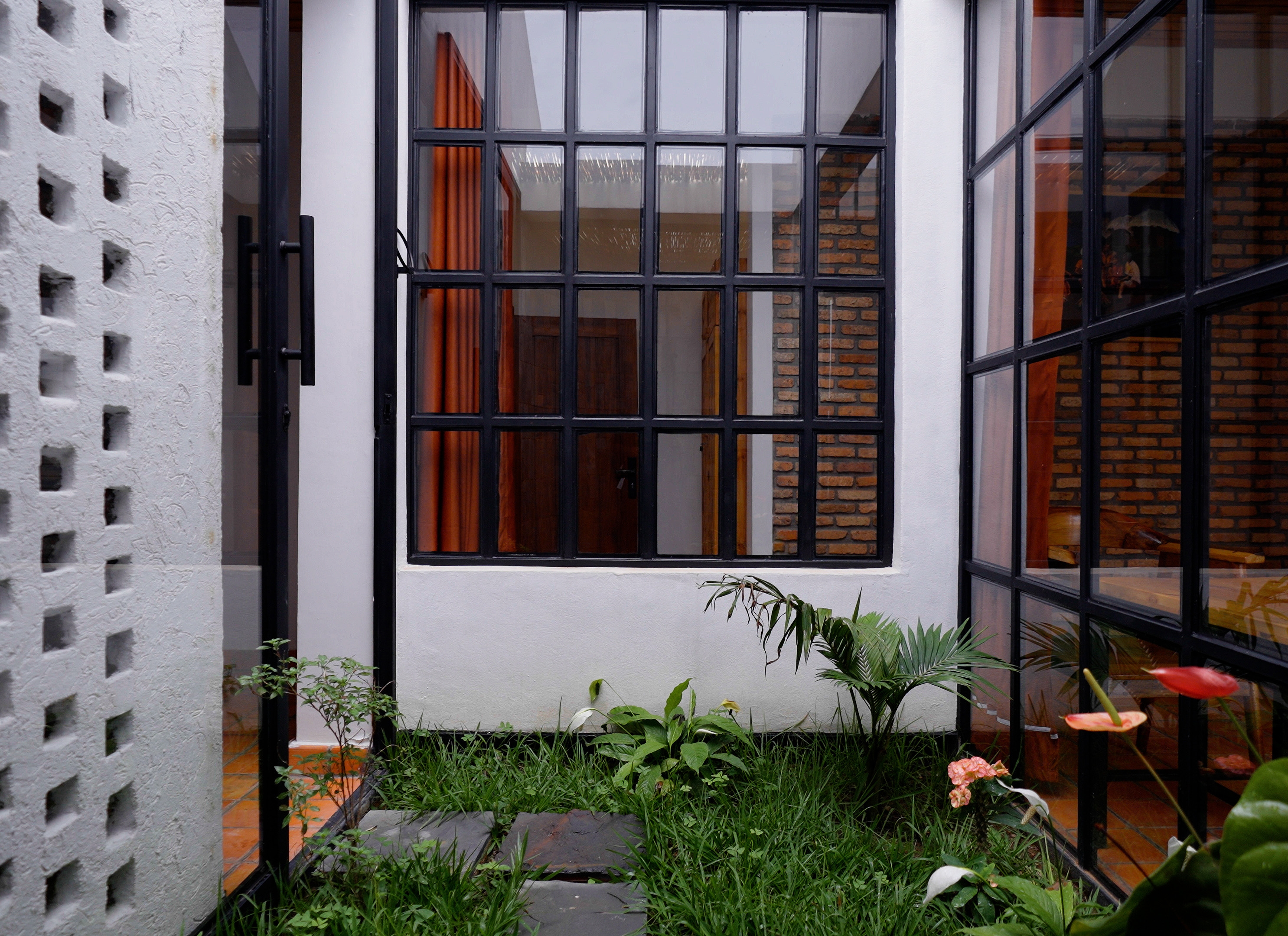
The innovation of Muhazi Dolce Vita lies in its "architecture of stillness" and an honest, tactile material specification. The masterplan achieves passive brilliance by placing the 9 cottages on a tilted axis. This precise orientation avoids heavy sun exposure on the extensive glazing while capturing ample natural breezes from the lake, granting each space a comfortable micro-climate. The design dissolves the threshold between shelter and landscape through clever spatial engineering, where central indoor courtyards act as natural light wells and ventilation chimneys. Structurally, the project innovates by looking to the earth: load-bearing, locally sourced fire-baked brick walls provide vital thermal mass while significantly reducing the reliance on reinforced concrete (RCC) and cement. The material palette is deeply sensory and grounding. Terracotta tiles trace the floors and roofs, while outdoor ceilings are woven from natural reeds. Inside, sustainably harvested wood slats and artisanal clay-plastered bathrooms redefine luxury as clarity and elemental connection.
The innovation of Muhazi Dolce Vita lies in its "architecture of stillness" and an honest, tactile material specification. The masterplan achieves passive brilliance by placing the 9 cottages on a tilted axis. This precise orientation avoids heavy sun exposure on the extensive glazing while capturing ample natural breezes from the lake, granting each space a comfortable micro-climate. The design dissolves the threshold between shelter and landscape through clever spatial engineering, where central indoor courtyards act as natural light wells and ventilation chimneys. Structurally, the project innovates by looking to the earth: load-bearing, locally sourced fire-baked brick walls provide vital thermal mass while significantly reducing the reliance on reinforced concrete (RCC) and cement. The material palette is deeply sensory and grounding. Terracotta tiles trace the floors and roofs, while outdoor ceilings are woven from natural reeds. Inside, sustainably harvested wood slats and artisanal clay-plastered bathrooms redefine luxury as clarity and elemental connection.
Project Sustainability Approach:
Sustainability at Muhazi Dolce Vita is a fundamental design principle, rooted in operating in deep harmony with the landscape. The project minimizes its footprint through a robust blend of active technologies and passive architectural strategies. Solar energy powers the lodge’s heaviest demands, including water heating, pumps, laundry, and kitchen machinery. Lighting is strictly optimized: communal spaces use motion sensors, while landscape lighting is solar-powered and time-controlled. Water systems are deliberate, with rainwater harvested for irrigation and wastewater carefully treated before natural soil filtration. Structurally, the architecture breathes. Cottages utilize central indoor courtyards that act as ventilation chimneys and light wells, supported by the tilted-axis orientation that maximizes lake breezes. Sustainably produced, locally sourced fire-baked bricks form load-bearing walls, providing thermal mass while drastically reducing the need for RCC and cement. Materiality remains fiercely tactile: terracotta tiles line floors and roofs, outdoor ceilings are woven from reeds, and clay-plastered bathrooms complete the earthy palette.
Sustainability at Muhazi Dolce Vita is a fundamental design principle, rooted in operating in deep harmony with the landscape. The project minimizes its footprint through a robust blend of active technologies and passive architectural strategies. Solar energy powers the lodge’s heaviest demands, including water heating, pumps, laundry, and kitchen machinery. Lighting is strictly optimized: communal spaces use motion sensors, while landscape lighting is solar-powered and time-controlled. Water systems are deliberate, with rainwater harvested for irrigation and wastewater carefully treated before natural soil filtration. Structurally, the architecture breathes. Cottages utilize central indoor courtyards that act as ventilation chimneys and light wells, supported by the tilted-axis orientation that maximizes lake breezes. Sustainably produced, locally sourced fire-baked bricks form load-bearing walls, providing thermal mass while drastically reducing the need for RCC and cement. Materiality remains fiercely tactile: terracotta tiles line floors and roofs, outdoor ceilings are woven from reeds, and clay-plastered bathrooms complete the earthy palette.
Local and Regional Impacts of the Project:
Muhazi Dolce Vita serves as a powerful catalyst for community empowerment. The project positively impacted the neighboring community early on; through collaborative communal works, the local access road was significantly improved. The lodge creates vital, ongoing job opportunities across construction, hospitality, and agriculture. Furthermore, the build process introduced a profound value addition to local techniques. By commissioning Rwandan artisans, local craftsmen grew to appreciate the renewed value and elevated aesthetic in traditional practices, especially reed weaving. This integration preserves regional skills while providing sustainable livelihoods, ensuring the community's economic growth evolves alongside the lodge's environmental stewardship.
Muhazi Dolce Vita serves as a powerful catalyst for community empowerment. The project positively impacted the neighboring community early on; through collaborative communal works, the local access road was significantly improved. The lodge creates vital, ongoing job opportunities across construction, hospitality, and agriculture. Furthermore, the build process introduced a profound value addition to local techniques. By commissioning Rwandan artisans, local craftsmen grew to appreciate the renewed value and elevated aesthetic in traditional practices, especially reed weaving. This integration preserves regional skills while providing sustainable livelihoods, ensuring the community's economic growth evolves alongside the lodge's environmental stewardship.
Profile Description:
NDINDA Design Studio is a multidisciplinary architectural firm based in Kigali, founded in 2022 by passionate architects committed to creating innovative, comfortable, and meaningful spaces. Rooted in history, the practice positions each project within a broader architectural timeline. Inspired by the Kinyarwanda word “NDINDA” (“protect me”), the firm centers on the human need for shelter and well-being, engaging the full project cycle from concept to completion, where every design begins with a single idea that shapes spaces to protect and nurture their users.
NDINDA Design Studio is a multidisciplinary architectural firm based in Kigali, founded in 2022 by passionate architects committed to creating innovative, comfortable, and meaningful spaces. Rooted in history, the practice positions each project within a broader architectural timeline. Inspired by the Kinyarwanda word “NDINDA” (“protect me”), the firm centers on the human need for shelter and well-being, engaging the full project cycle from concept to completion, where every design begins with a single idea that shapes spaces to protect and nurture their users.
Environmental Practices:
NDINDA integrates environmental performance into the core of design, shaping architecture that responds intelligently to climate, context, and resource efficiency. Through passive strategies, material awareness, and long-term thinking, the practice delivers spaces that enhance comfort, reduce environmental impact, and remain adaptable over time. Sustainability is not applied as an add-on, but embedded within the spatial and technical logic of every project, ensuring architecture that is both responsible and enduring.
NDINDA integrates environmental performance into the core of design, shaping architecture that responds intelligently to climate, context, and resource efficiency. Through passive strategies, material awareness, and long-term thinking, the practice delivers spaces that enhance comfort, reduce environmental impact, and remain adaptable over time. Sustainability is not applied as an add-on, but embedded within the spatial and technical logic of every project, ensuring architecture that is both responsible and enduring.
Previous Awards Won:
As a young practice founded in 2022, NDINDA Design Studio has not yet received formal awards; however, the studio has built a growing portfolio of impactful projects and continues to gain recognition through its work.
As a young practice founded in 2022, NDINDA Design Studio has not yet received formal awards; however, the studio has built a growing portfolio of impactful projects and continues to gain recognition through its work.