Bo-Kaap Market - A Multifunctional Public Space
Prize(s):
WINNER 2026 ARCHITECTURE / Landscape Architecture
Company Name:Yes and Studio
Lead Designer(s) Name(s):Amy Thompson
Design Team / Other designer(s):J.James, N.Chidyaonga, I.Steenkamp, G.Dobrin, R.Jacobs and TKLA (for Concept Design)
Architecture Firm:Yes And Studio
Construction Company:AR Projects - with Bergstan Engineering and Turner and Townsend
Client Name:City of Cape Town
Photo Credit:Marike Franklin
Project Location:Crn of Pentz Street and Yusuf Driver, Bo-Kaap, Cape Town, South Africa
Design Status:Completed
Website: View
Project Description:
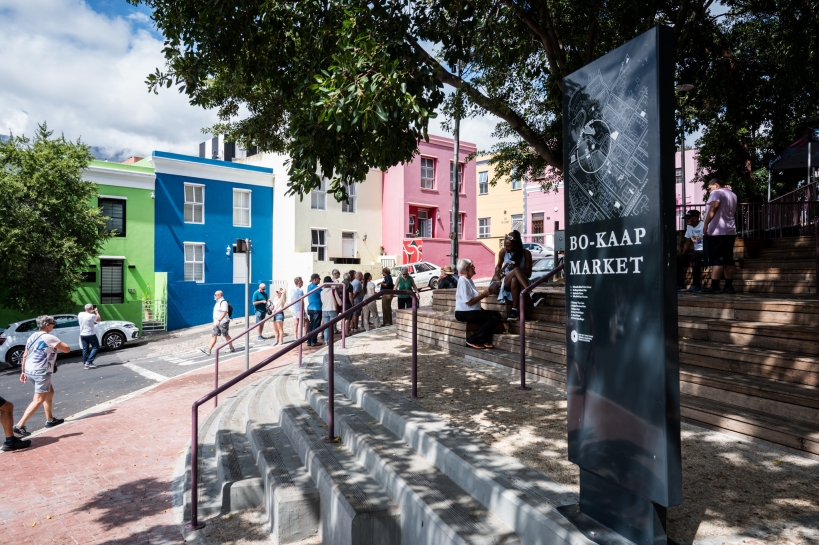
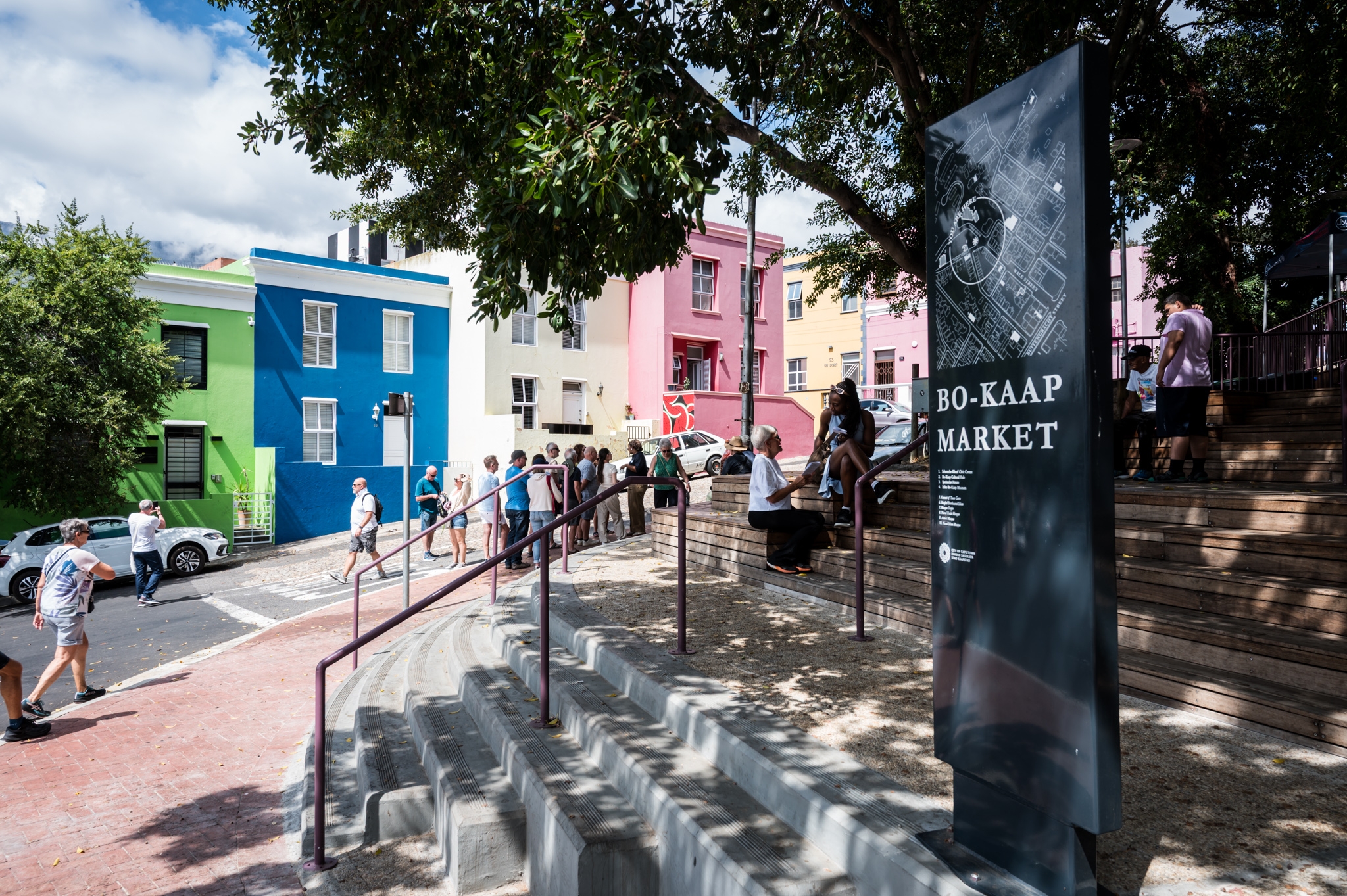
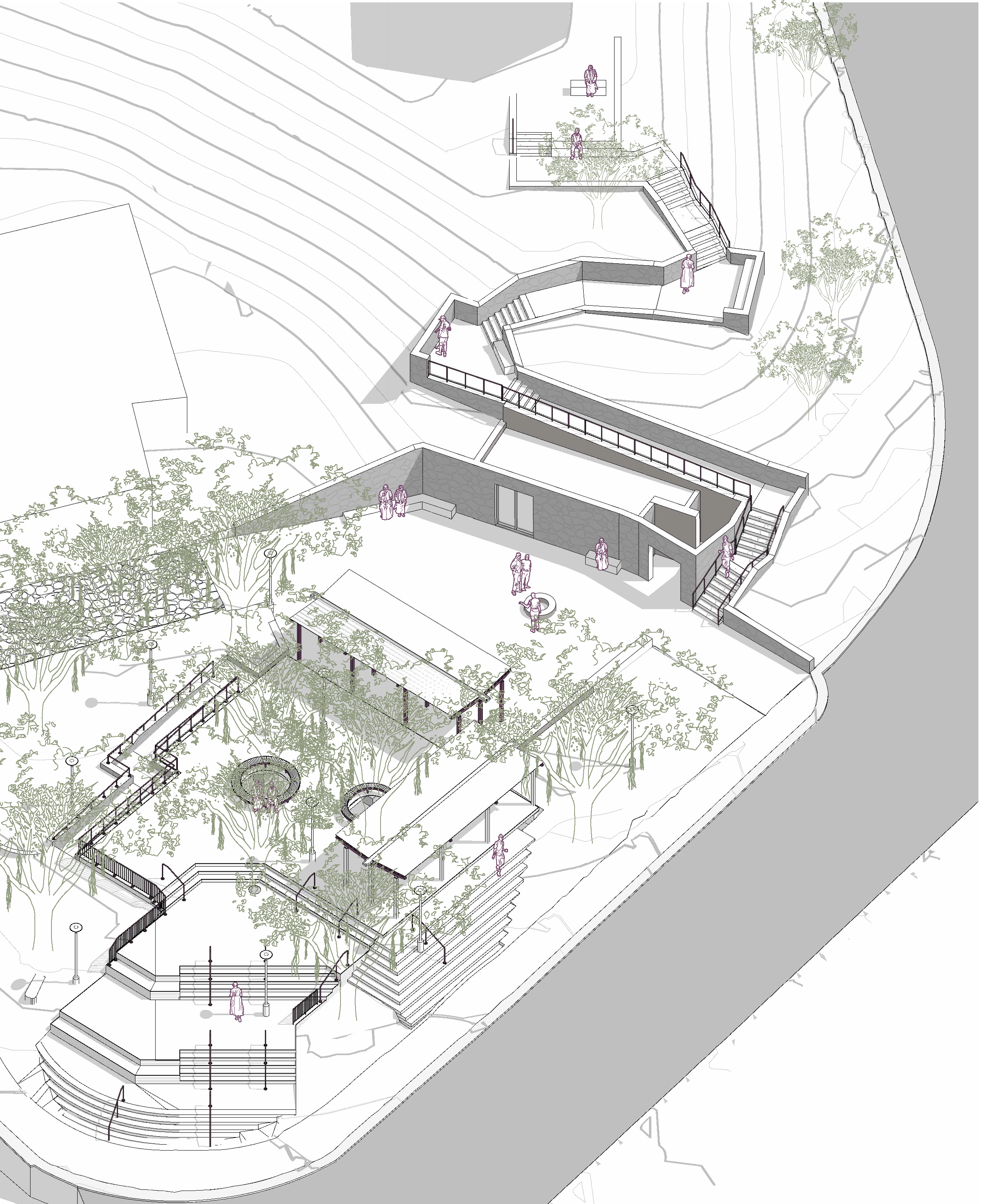
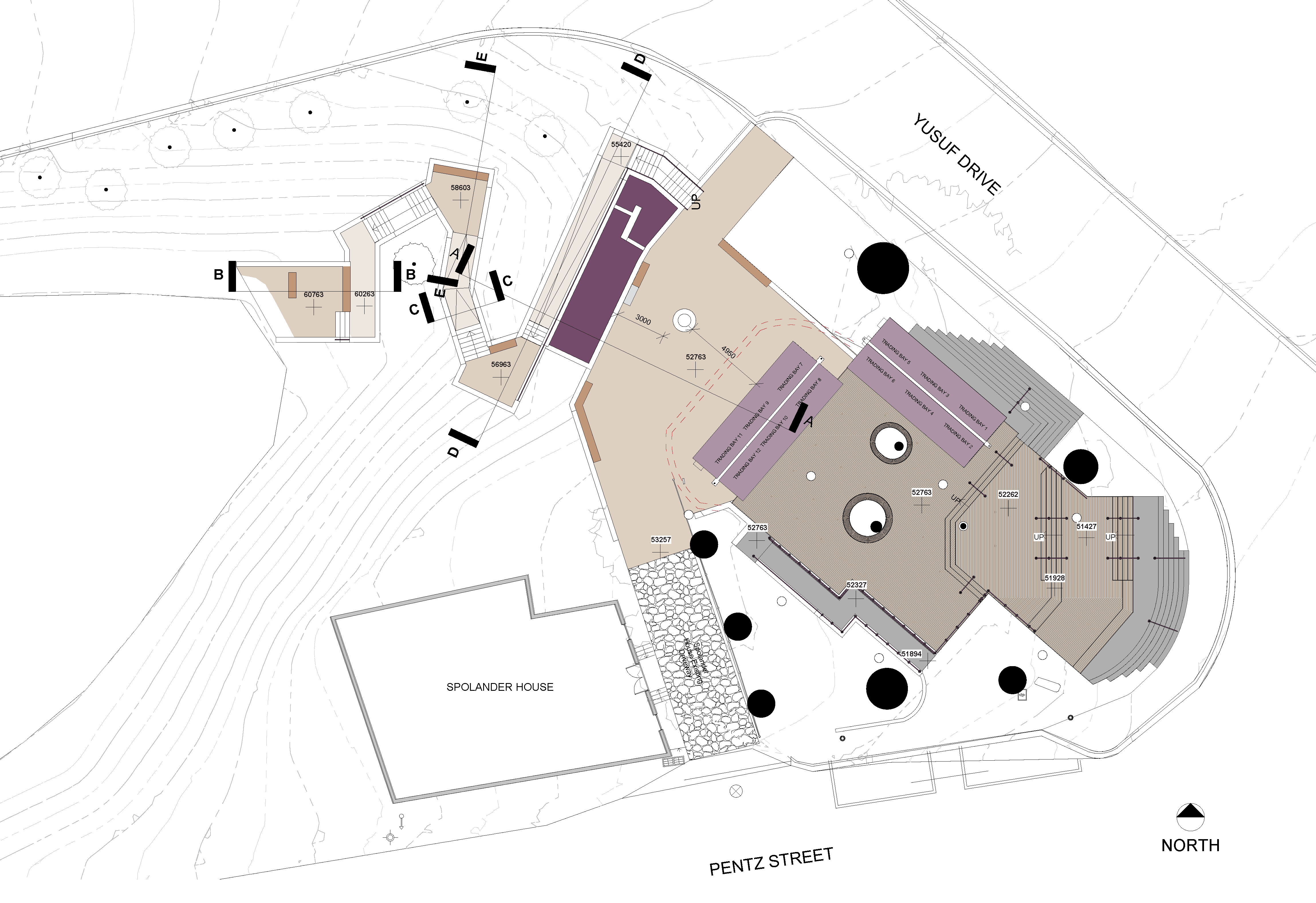
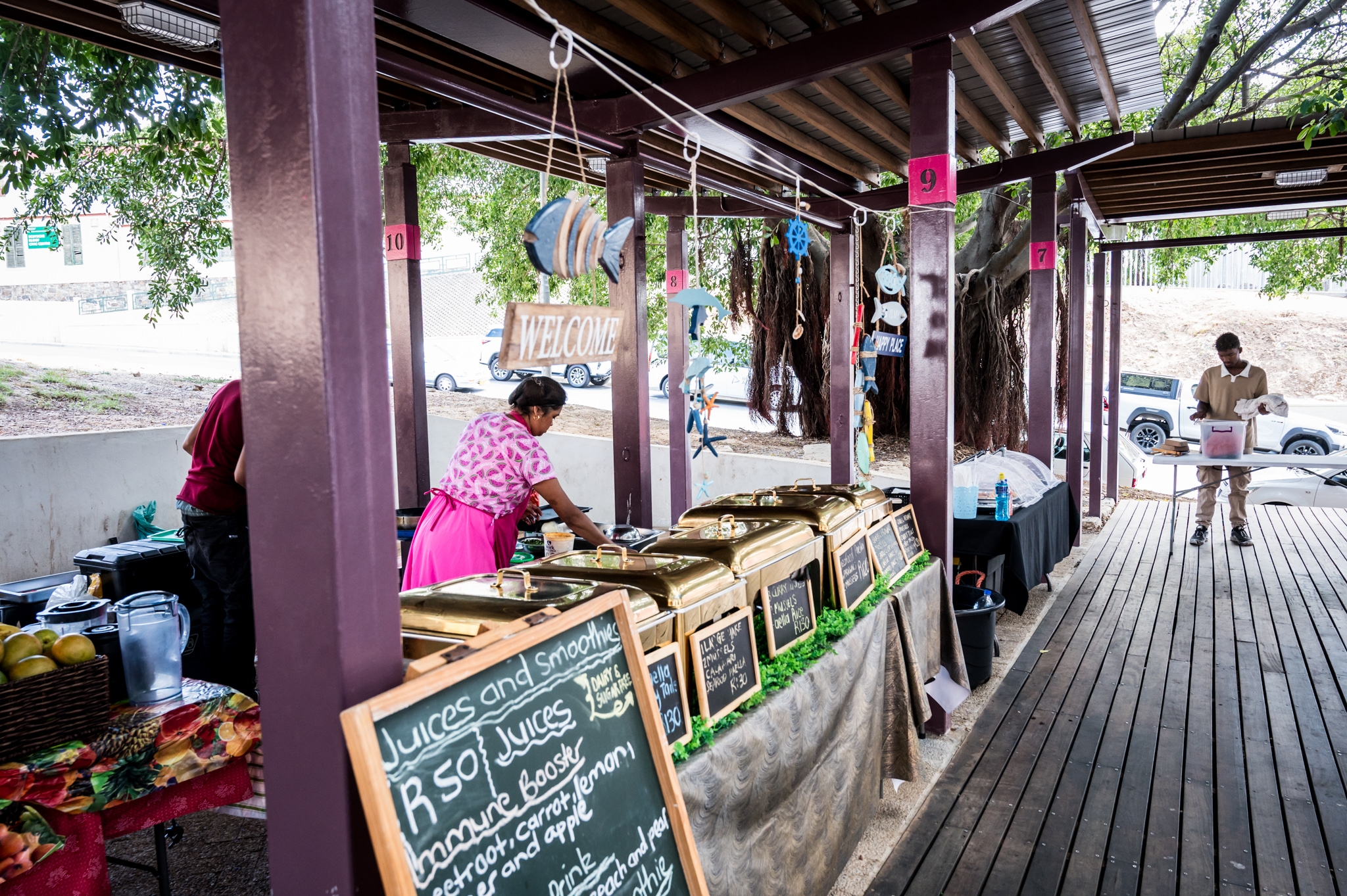
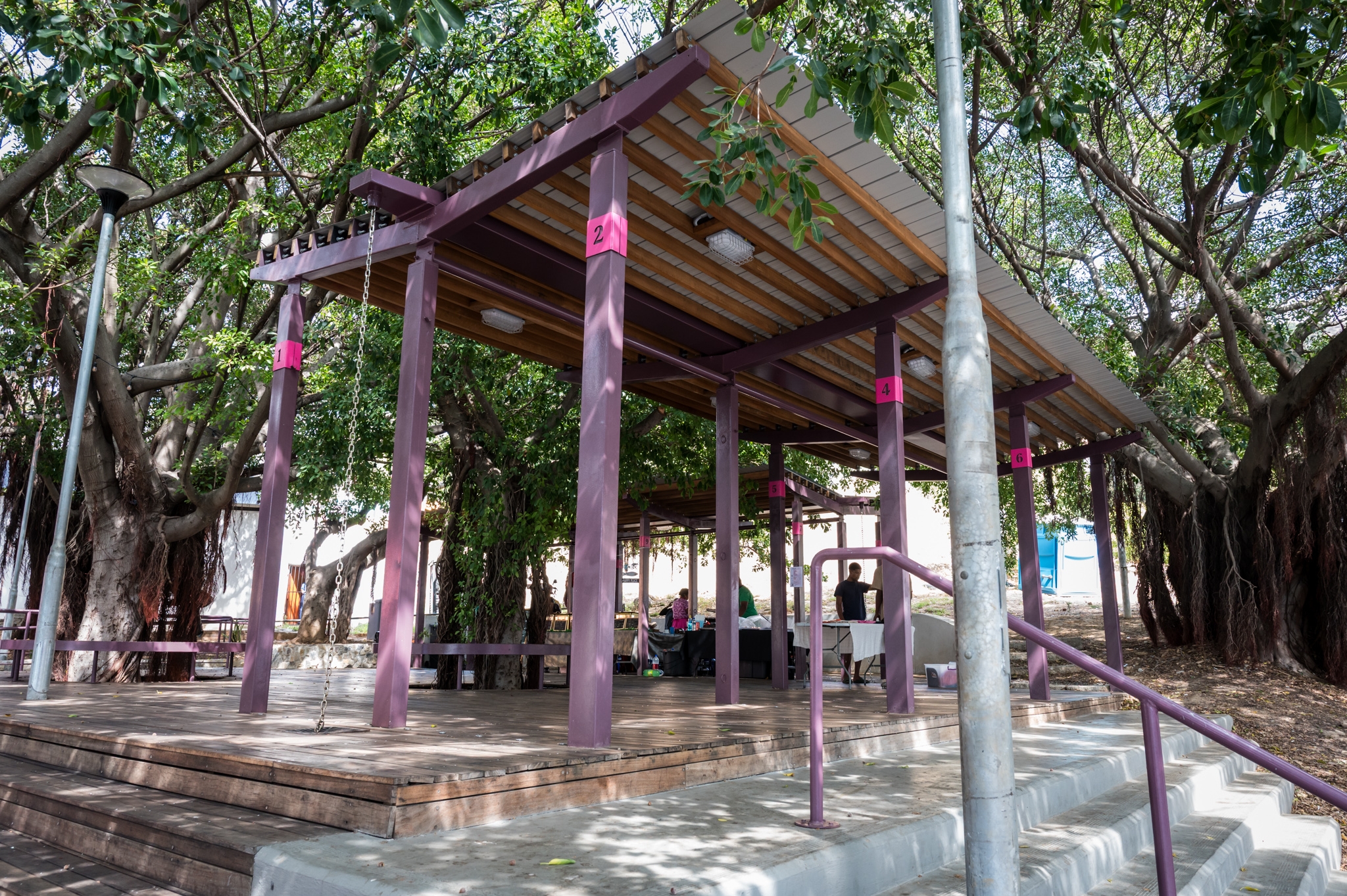
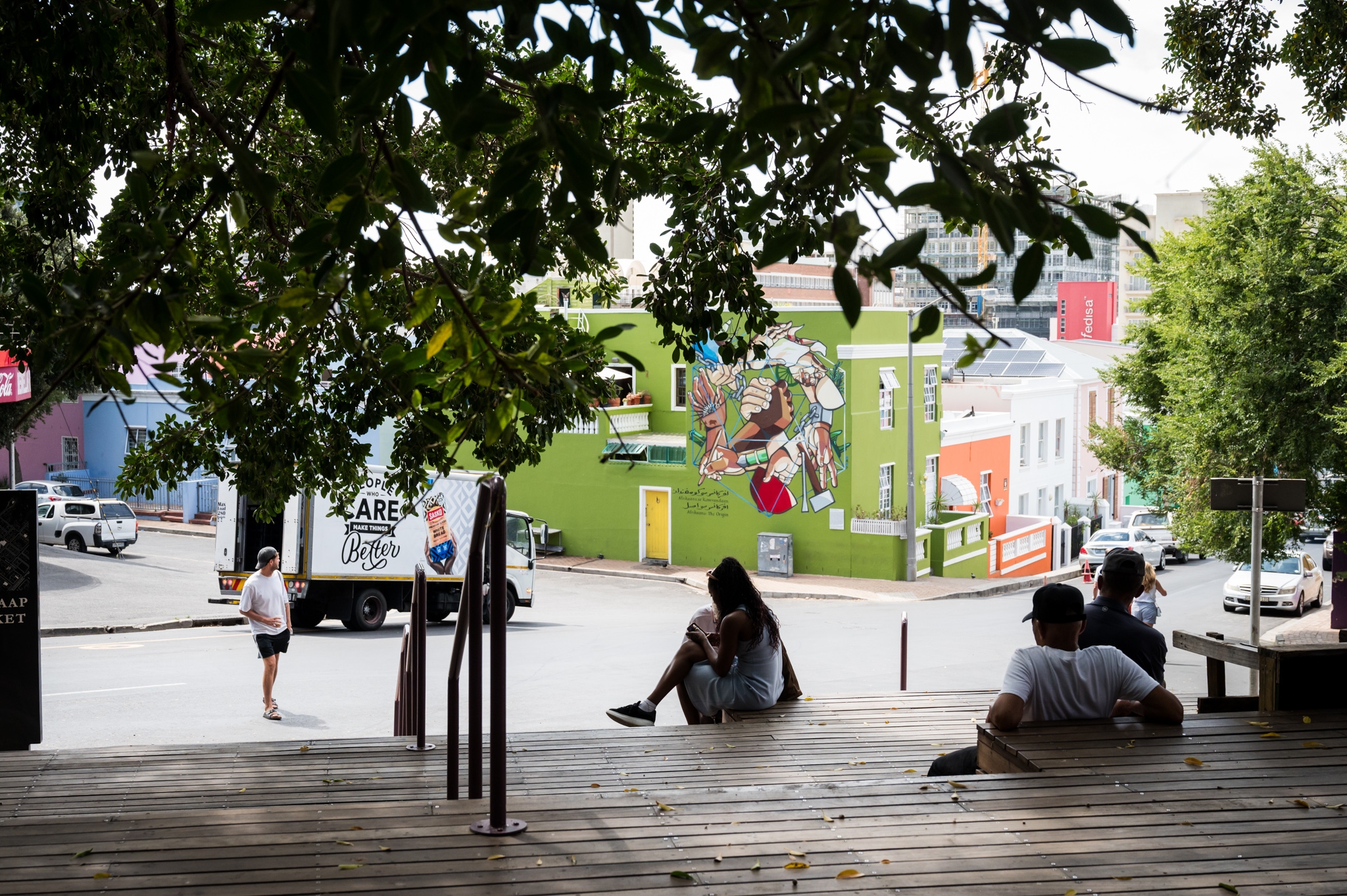
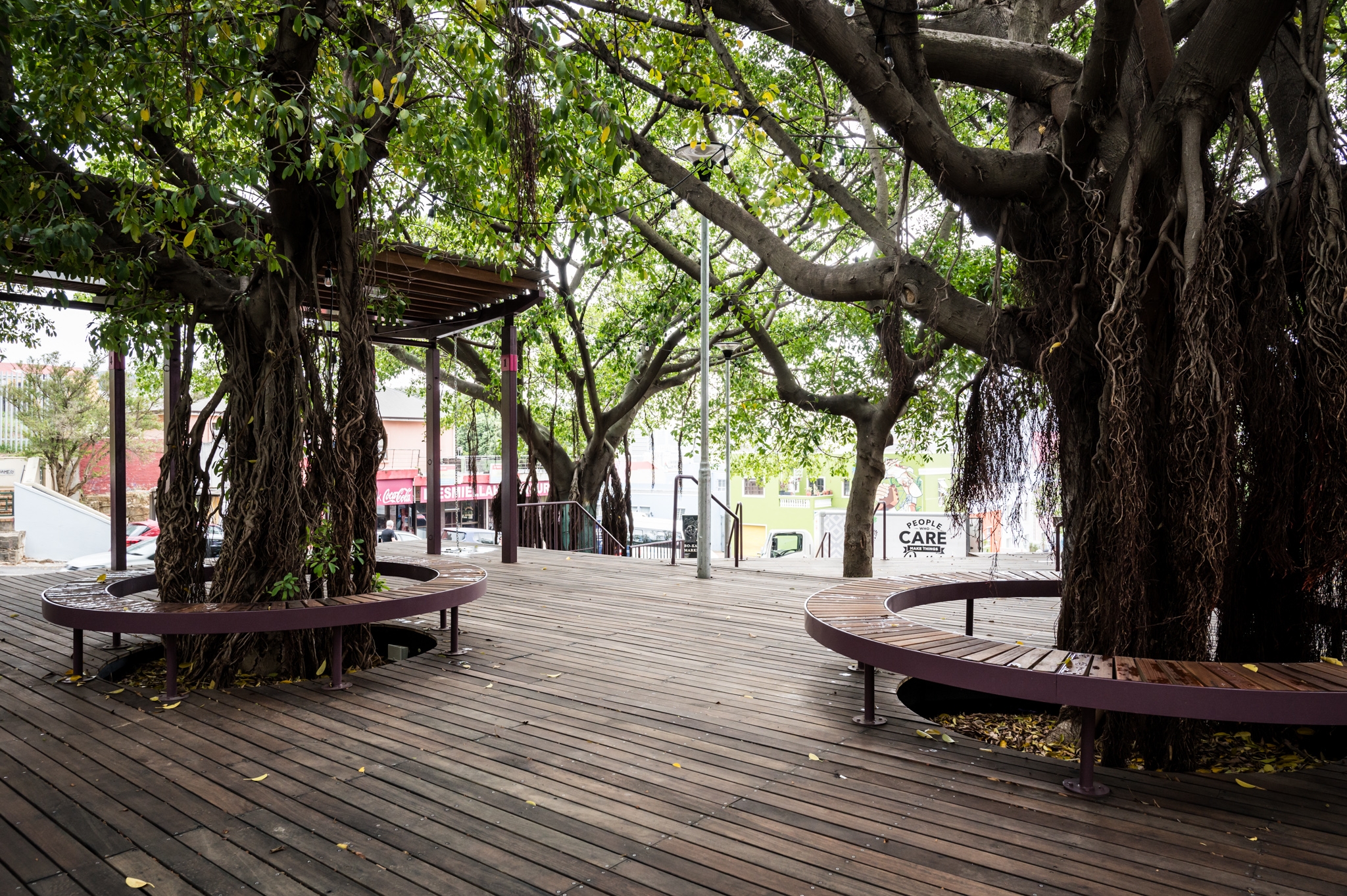
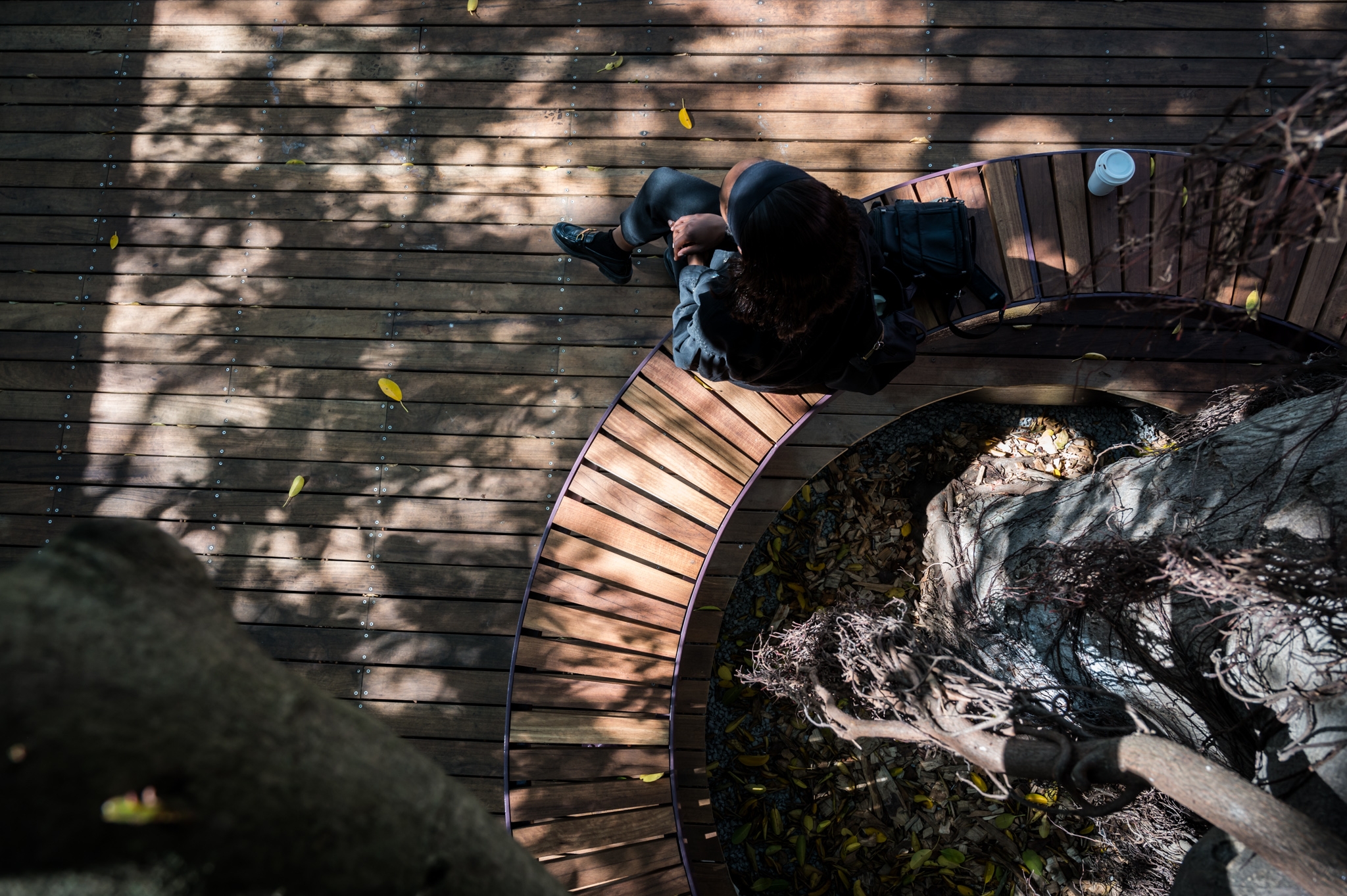
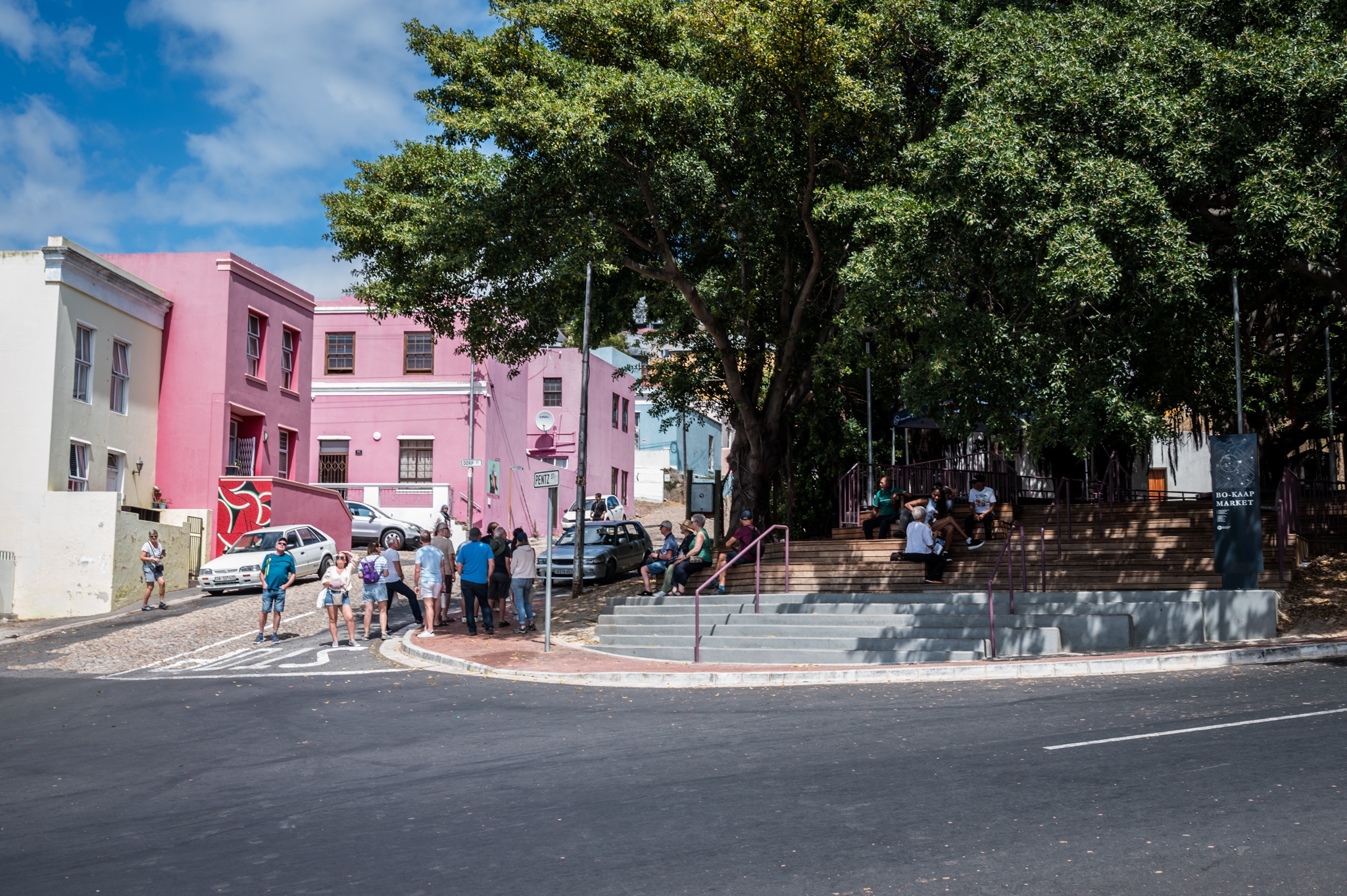
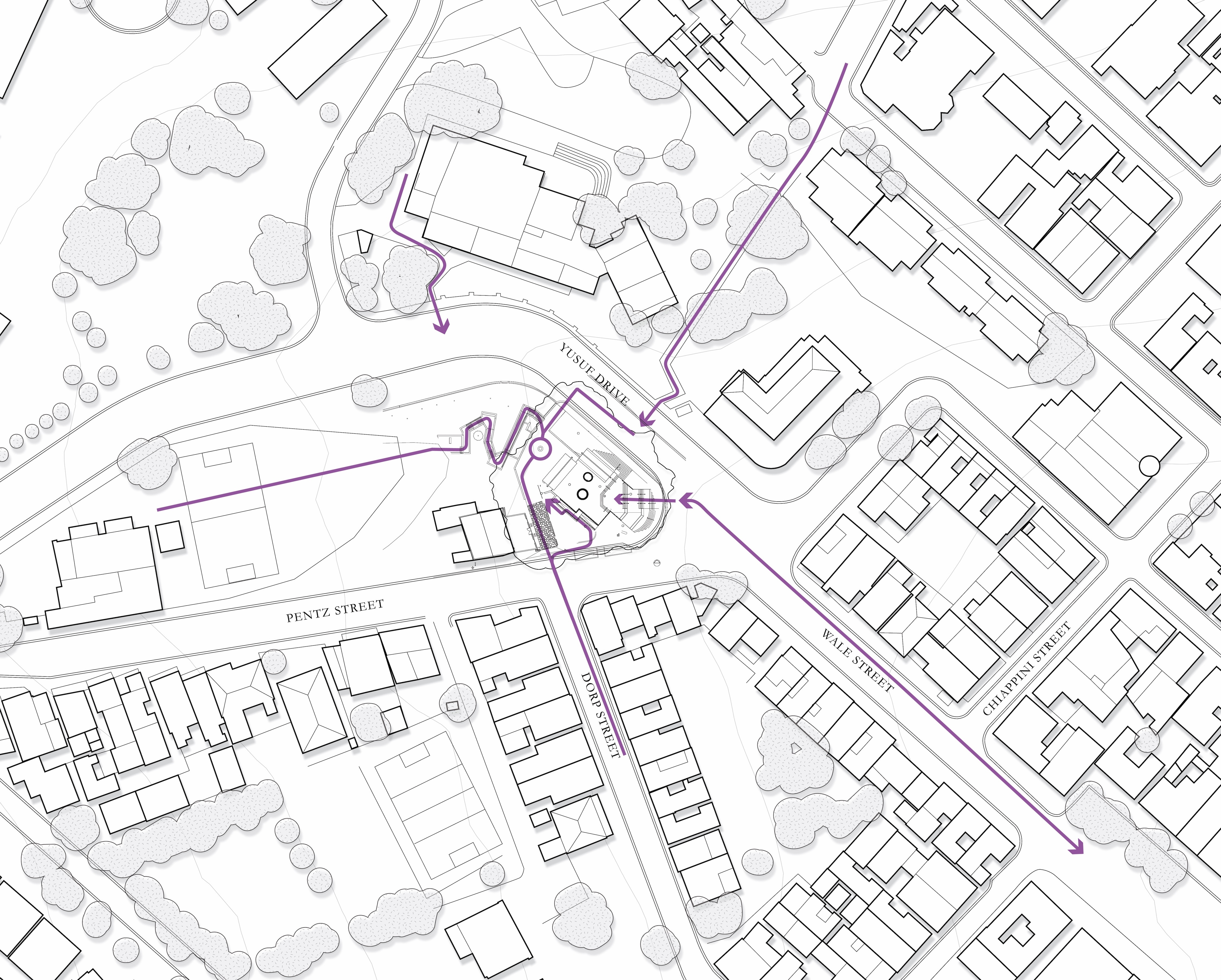
Bo-Kaap Market is a multifunctional public space upgrade at the corner of Pentz Street and Yusuf Drive, a key entry node into the Bo-Kaap. Delivered under the City of Cape Town’s economic development mandate, it supports informal trade and everyday neighbourhood life through trading platforms, stall structures, and trader support facilities including storage, waste management and ablutions. A series of timber platforms steps up the sloped site to form a public gathering court and living stair, with clear routes and places to sit and pause. Mature Ficus natalensis trees shape the space and comfort. Lightweight timber and steel construction is configured to protect their extensive root systems and maintain a permeable, park like character. Double sided stalls engage both the shared court and Yusuf Drive. During construction a historic well was uncovered, prompting an immediate pause to works, heritage engagement, and a redesign that frames the well as a public feature within Phase 2. Phase 1 delivered the trading infrastructure and stepped platforms, while Phase 2 integrates the well and remaining support facilities.
Bo-Kaap Market is a multifunctional public space upgrade at the corner of Pentz Street and Yusuf Drive, a key entry node into the Bo-Kaap. Delivered under the City of Cape Town’s economic development mandate, it supports informal trade and everyday neighbourhood life through trading platforms, stall structures, and trader support facilities including storage, waste management and ablutions. A series of timber platforms steps up the sloped site to form a public gathering court and living stair, with clear routes and places to sit and pause. Mature Ficus natalensis trees shape the space and comfort. Lightweight timber and steel construction is configured to protect their extensive root systems and maintain a permeable, park like character. Double sided stalls engage both the shared court and Yusuf Drive. During construction a historic well was uncovered, prompting an immediate pause to works, heritage engagement, and a redesign that frames the well as a public feature within Phase 2. Phase 1 delivered the trading infrastructure and stepped platforms, while Phase 2 integrates the well and remaining support facilities.
Project Innovation / Specification:
The project required major design adaptation in response to site conditions revealed during construction, including extensive root zones and a historic well. Protecting mature Ficus natalensis trees with exposed and subsurface roots demanded an alternative to conventional hard and soft landscaping. Timber decking and carefully positioned lightweight footings lift activity above root protection zones, reduce compaction, and maintain permeability and soil health. Trading infrastructure is delivered through durable stall bays and stepped timber platforms that work with the slope and form generous seating edges. The historic well, a trace of earlier water infrastructure and daily use, triggered an immediate pause to works, heritage engagement, and a redesign that reshaped placement, clearances and phasing. Phase 2 is organised around the well, which is preserved in situ and revealed as the centrepiece of the public space.
The project required major design adaptation in response to site conditions revealed during construction, including extensive root zones and a historic well. Protecting mature Ficus natalensis trees with exposed and subsurface roots demanded an alternative to conventional hard and soft landscaping. Timber decking and carefully positioned lightweight footings lift activity above root protection zones, reduce compaction, and maintain permeability and soil health. Trading infrastructure is delivered through durable stall bays and stepped timber platforms that work with the slope and form generous seating edges. The historic well, a trace of earlier water infrastructure and daily use, triggered an immediate pause to works, heritage engagement, and a redesign that reshaped placement, clearances and phasing. Phase 2 is organised around the well, which is preserved in situ and revealed as the centrepiece of the public space.
Project Sustainability Approach:
Environmental and topographical constraints were treated as primary design drivers. The existing tree canopy is retained as environmental infrastructure for shade and comfort, with construction adapted to shallow root zones through light touch detailing, controlled working areas, and structure placement that avoids compaction. The stepped platforms work with the slope to limit heavy earthworks and reduce material inputs. Retaining the ground as a permeable surface support infiltration and protects soil health. Locally sourced blue stone shale, recovered from on-site works, is reused as wall cladding to reduce waste and embed the project’s material character in place. Social sustainability is embedded in the space’s everyday use, strengthening a neighbourhood gathering space and supporting informal trade. Phased delivery enabled the historic well to be preserved in situ and integrated into the public realm in Phase 2, guided by heritage indicators and community needs, and supporting long term local stewardship.
Environmental and topographical constraints were treated as primary design drivers. The existing tree canopy is retained as environmental infrastructure for shade and comfort, with construction adapted to shallow root zones through light touch detailing, controlled working areas, and structure placement that avoids compaction. The stepped platforms work with the slope to limit heavy earthworks and reduce material inputs. Retaining the ground as a permeable surface support infiltration and protects soil health. Locally sourced blue stone shale, recovered from on-site works, is reused as wall cladding to reduce waste and embed the project’s material character in place. Social sustainability is embedded in the space’s everyday use, strengthening a neighbourhood gathering space and supporting informal trade. Phased delivery enabled the historic well to be preserved in situ and integrated into the public realm in Phase 2, guided by heritage indicators and community needs, and supporting long term local stewardship.
Local and Regional Impacts of the Project:
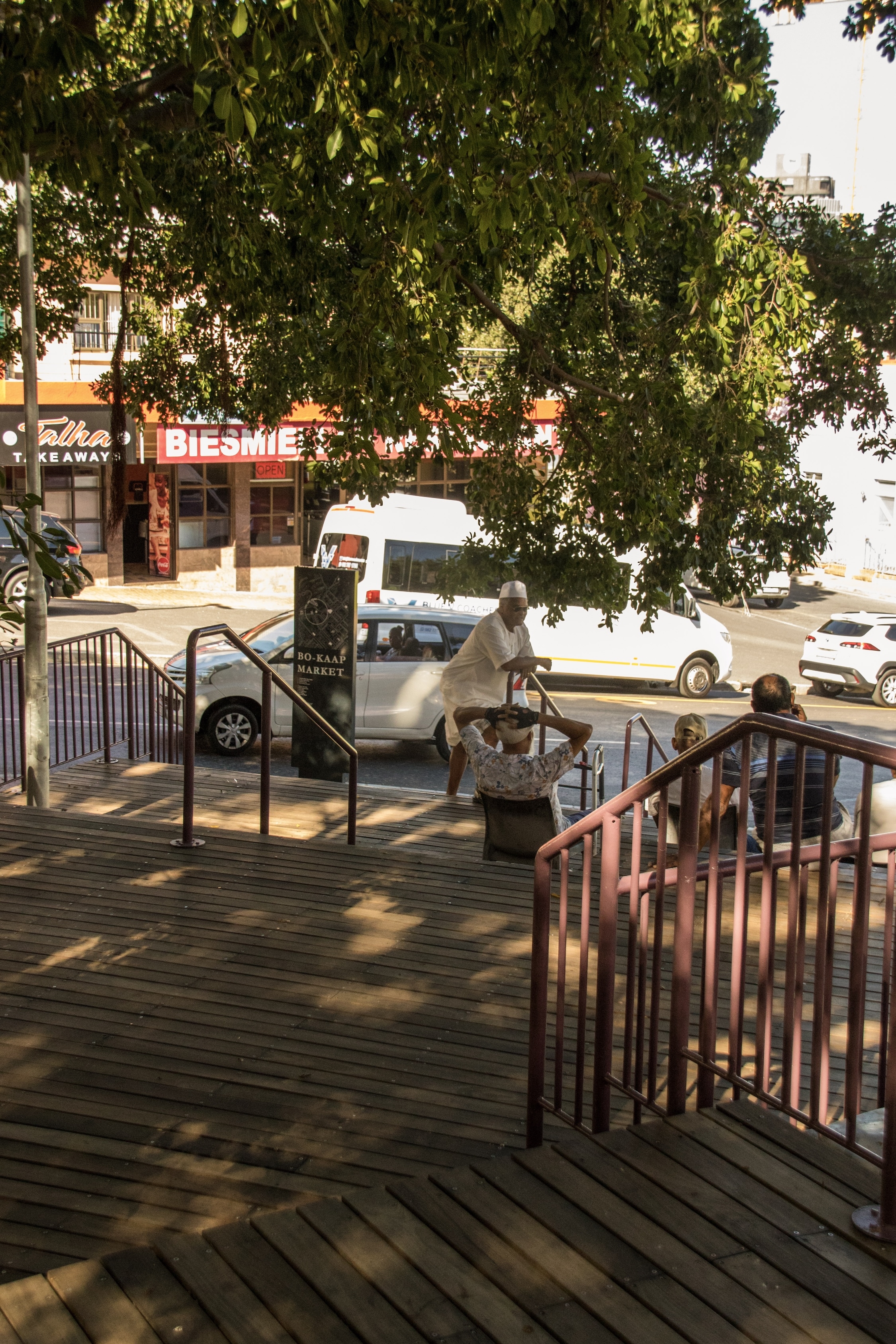
Locally, the project dignifies informal trade through safe, legible infrastructure that supports livelihoods and improves daily working conditions. It strengthens a key neighbourhood node and creates a shared civic space used beyond trading hours by residents and visitors. The stepped timber platforms provide places to sit, play games, watch the street, and gather across ages. Phase 2 integrates the historic well as a publicly legible feature, making local history present in everyday use and reinforcing the Bo-Kaap as a living cultural landscape. Regionally, the project offers a replicable approach to market upgrades that balance economic development with ecological care, phased delivery, and heritage sensitive urban design in constrained historic contexts.
Locally, the project dignifies informal trade through safe, legible infrastructure that supports livelihoods and improves daily working conditions. It strengthens a key neighbourhood node and creates a shared civic space used beyond trading hours by residents and visitors. The stepped timber platforms provide places to sit, play games, watch the street, and gather across ages. Phase 2 integrates the historic well as a publicly legible feature, making local history present in everyday use and reinforcing the Bo-Kaap as a living cultural landscape. Regionally, the project offers a replicable approach to market upgrades that balance economic development with ecological care, phased delivery, and heritage sensitive urban design in constrained historic contexts.