Brookside Secondary School
Prize(s):
WINNER 2026 ARCHITECTURE / Public building Architecture
Company Name:Studio Contra
Lead Designer(s) Name(s):Studio Contra
Design Team / Other designer(s):Studio Contra
Architecture Firm:Studio Contra
Interior Designer:Studio Contra
Construction Company:Brick and Lime Group
Lighting Design:Studio Contra
Client Name:(SAN) Fidelis Oditah
Photo Credit:Studio Contra
Project Location:Oshimili North, Ibusa, Delta State, Nigeria.
Design Status:In Progress
Website: View
Project Description:
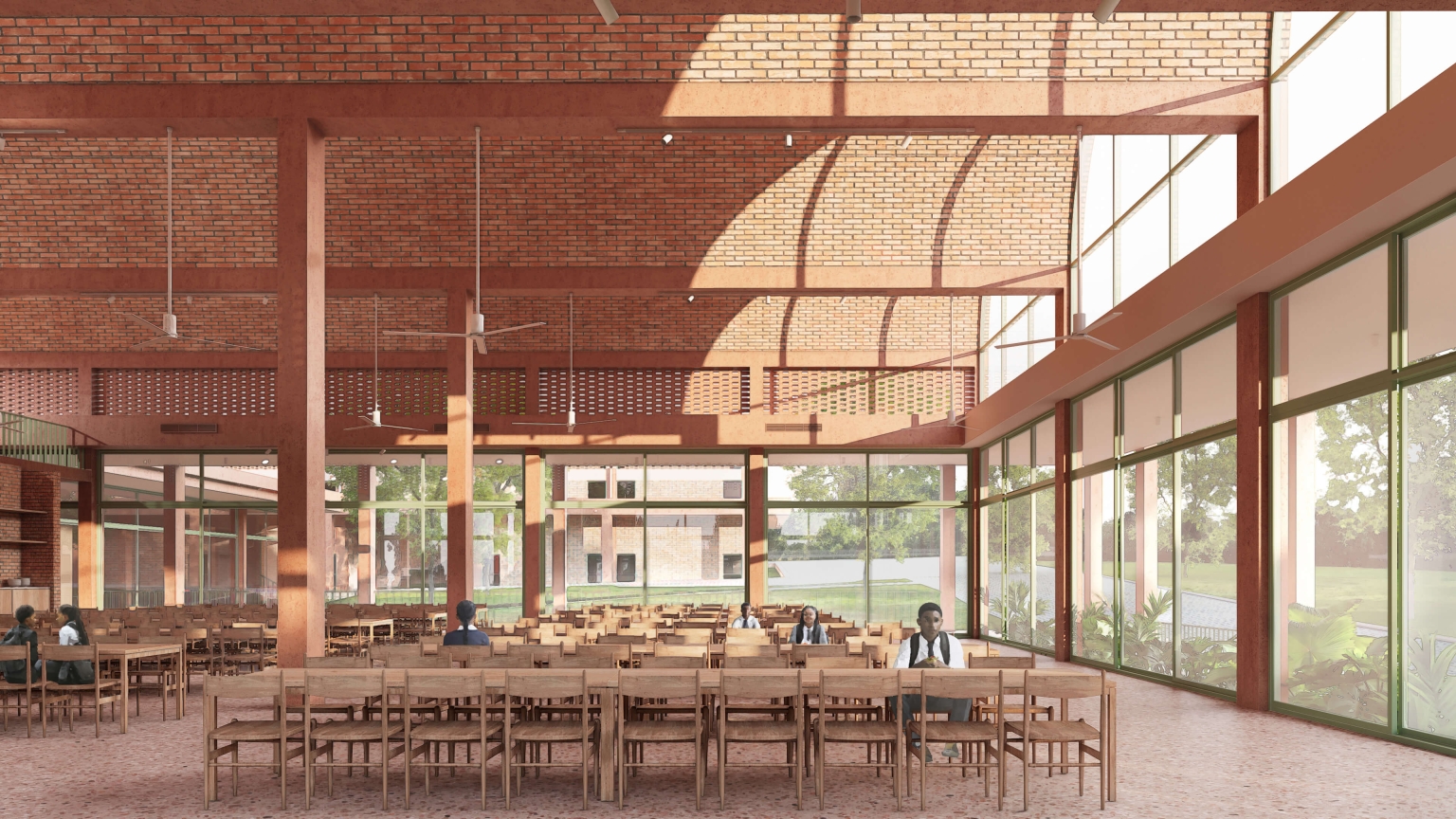
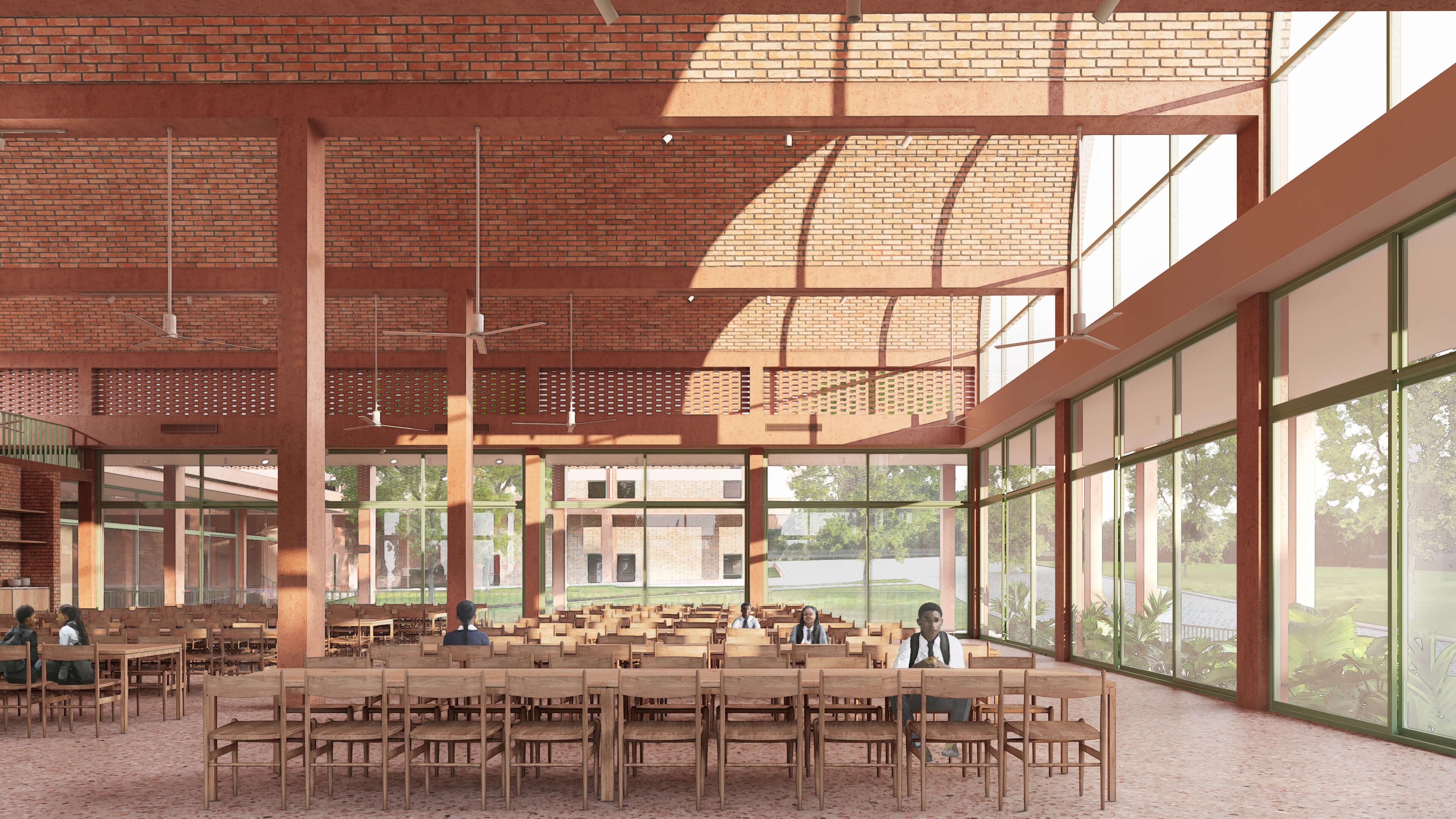
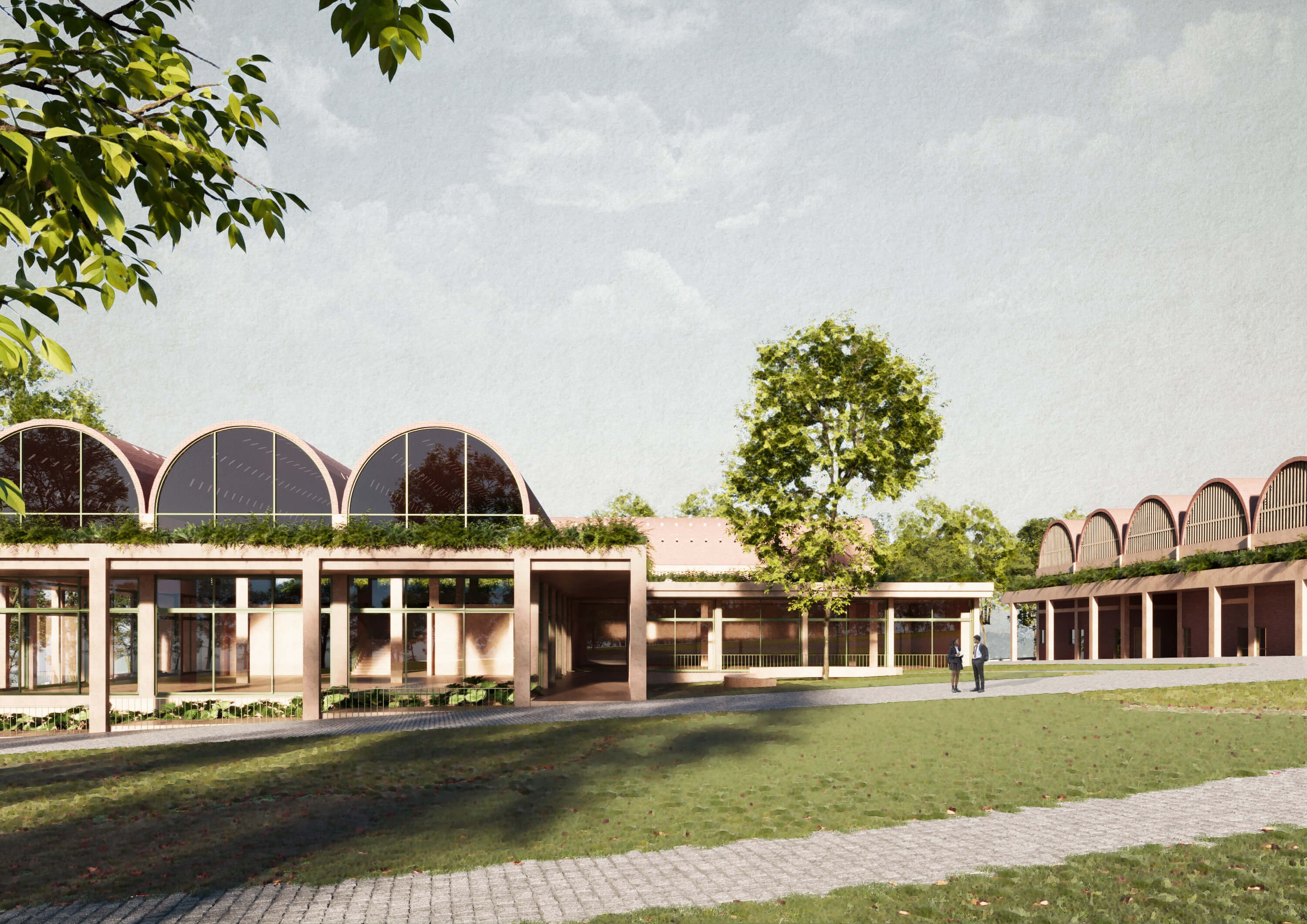
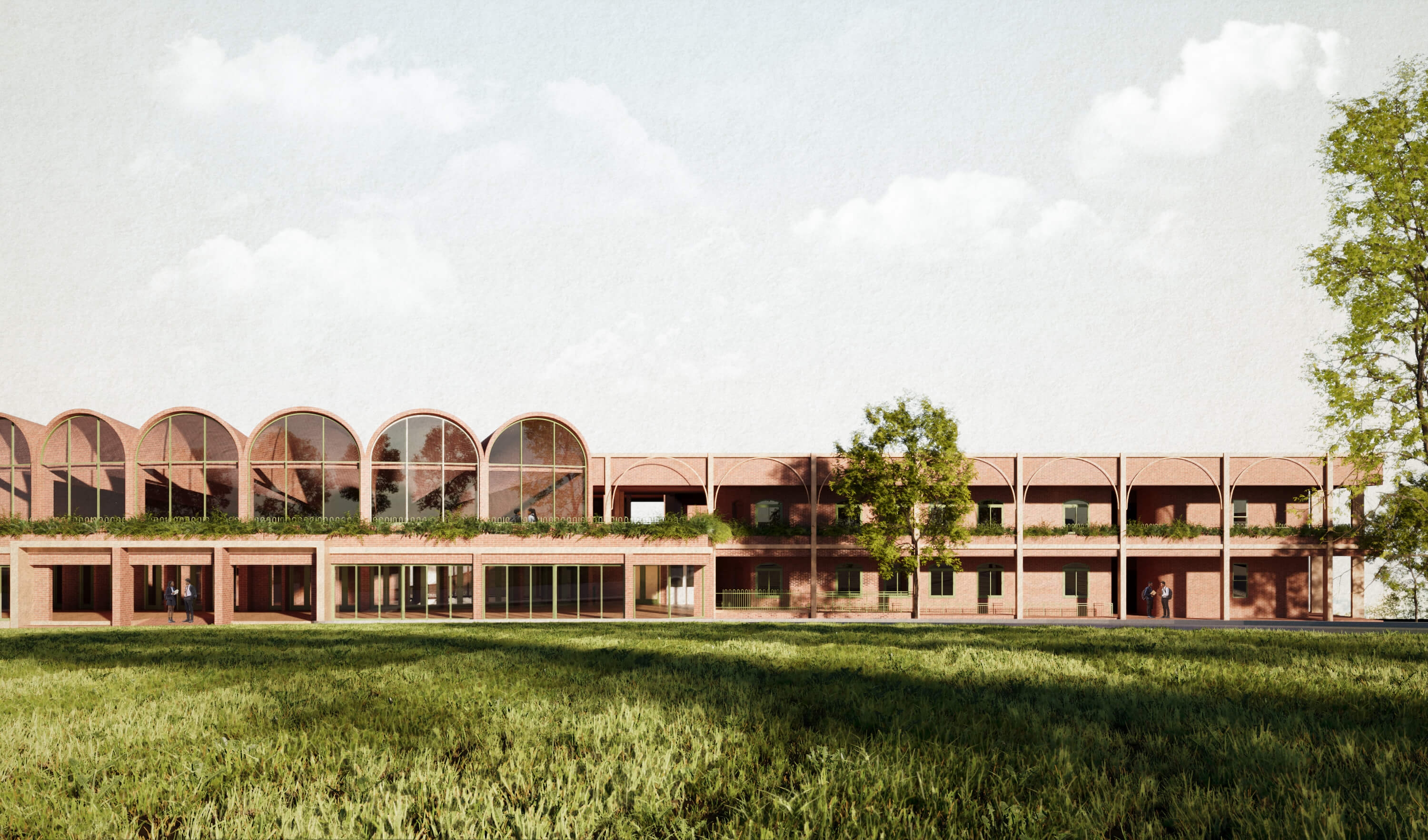
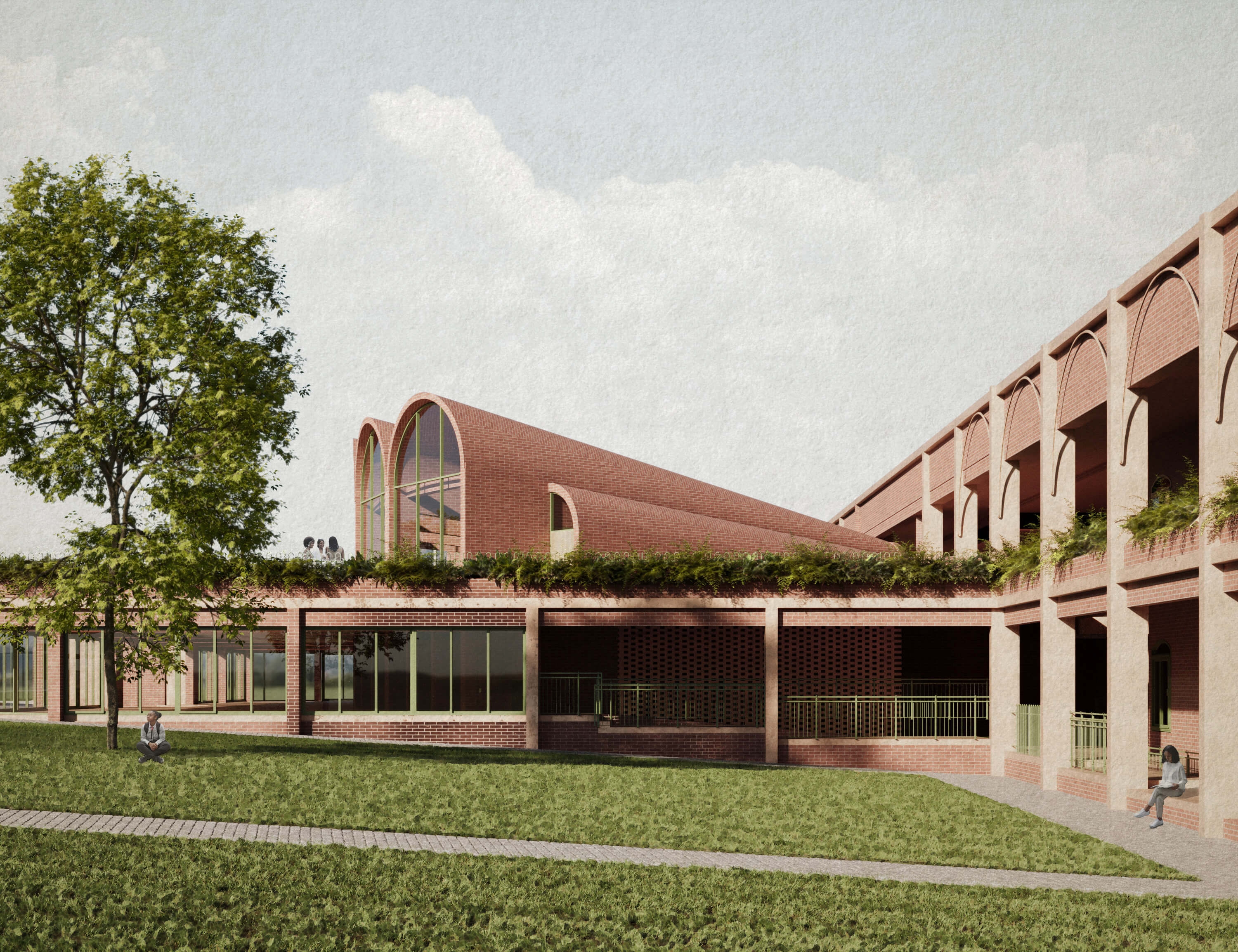
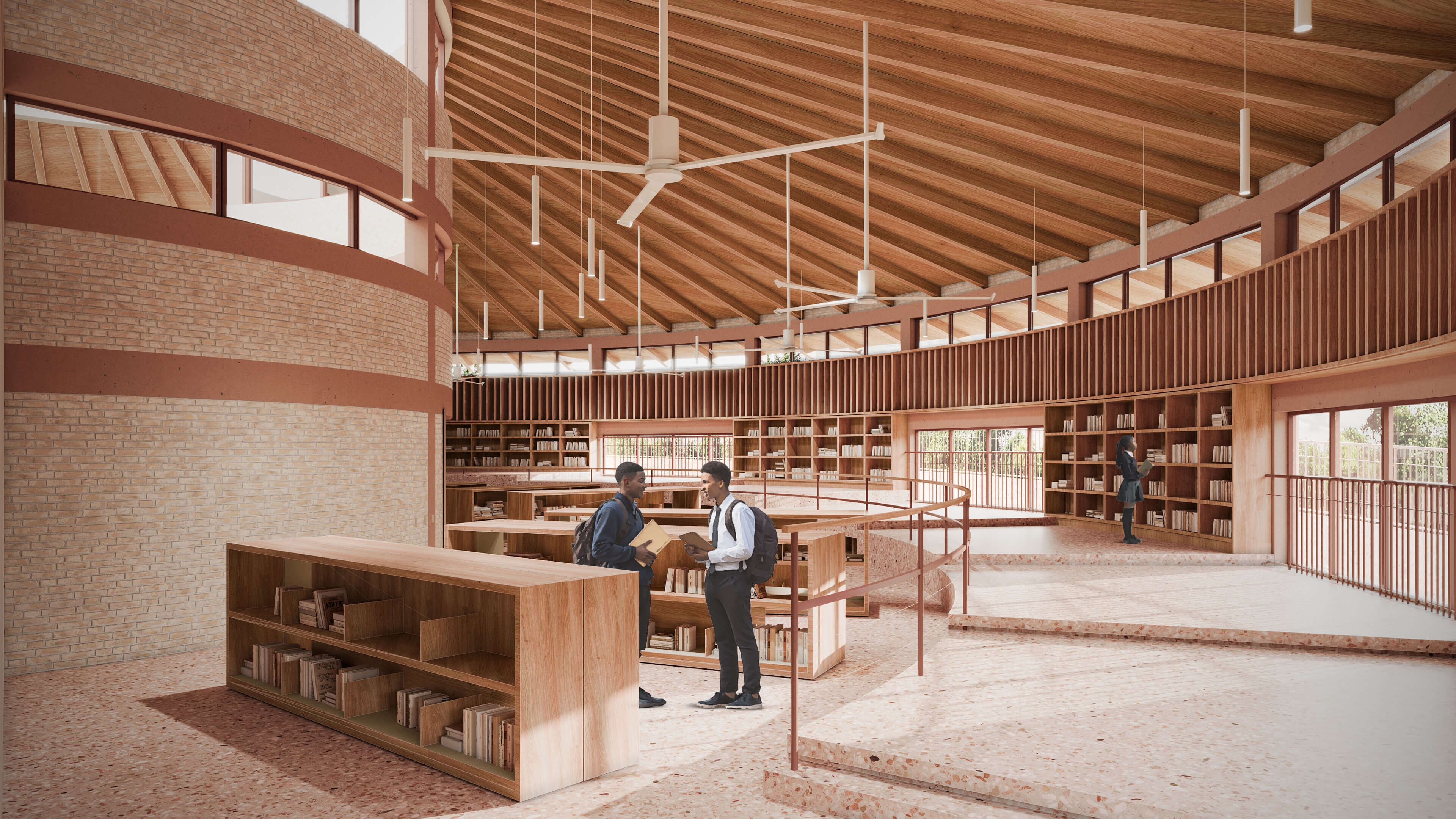
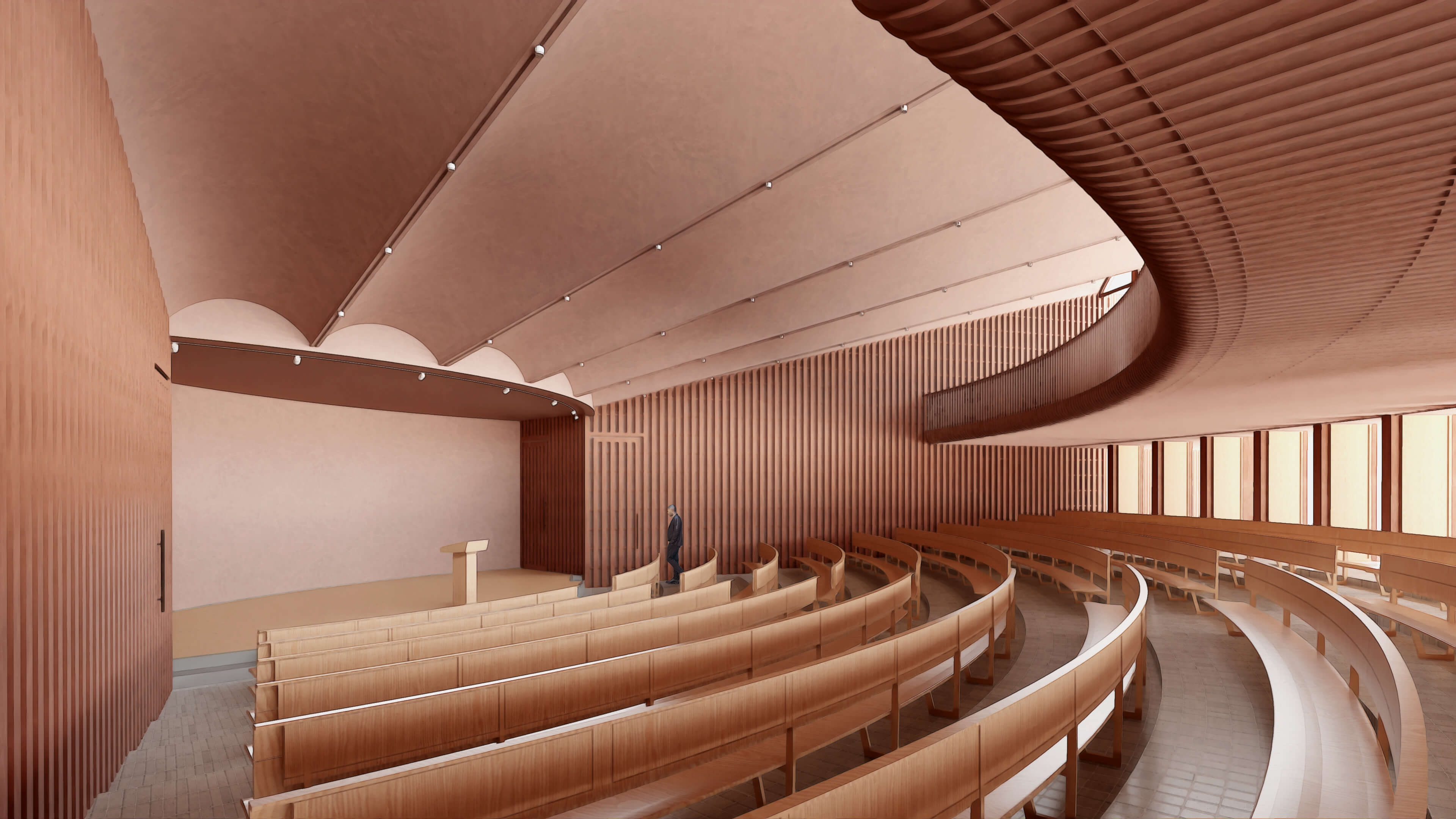
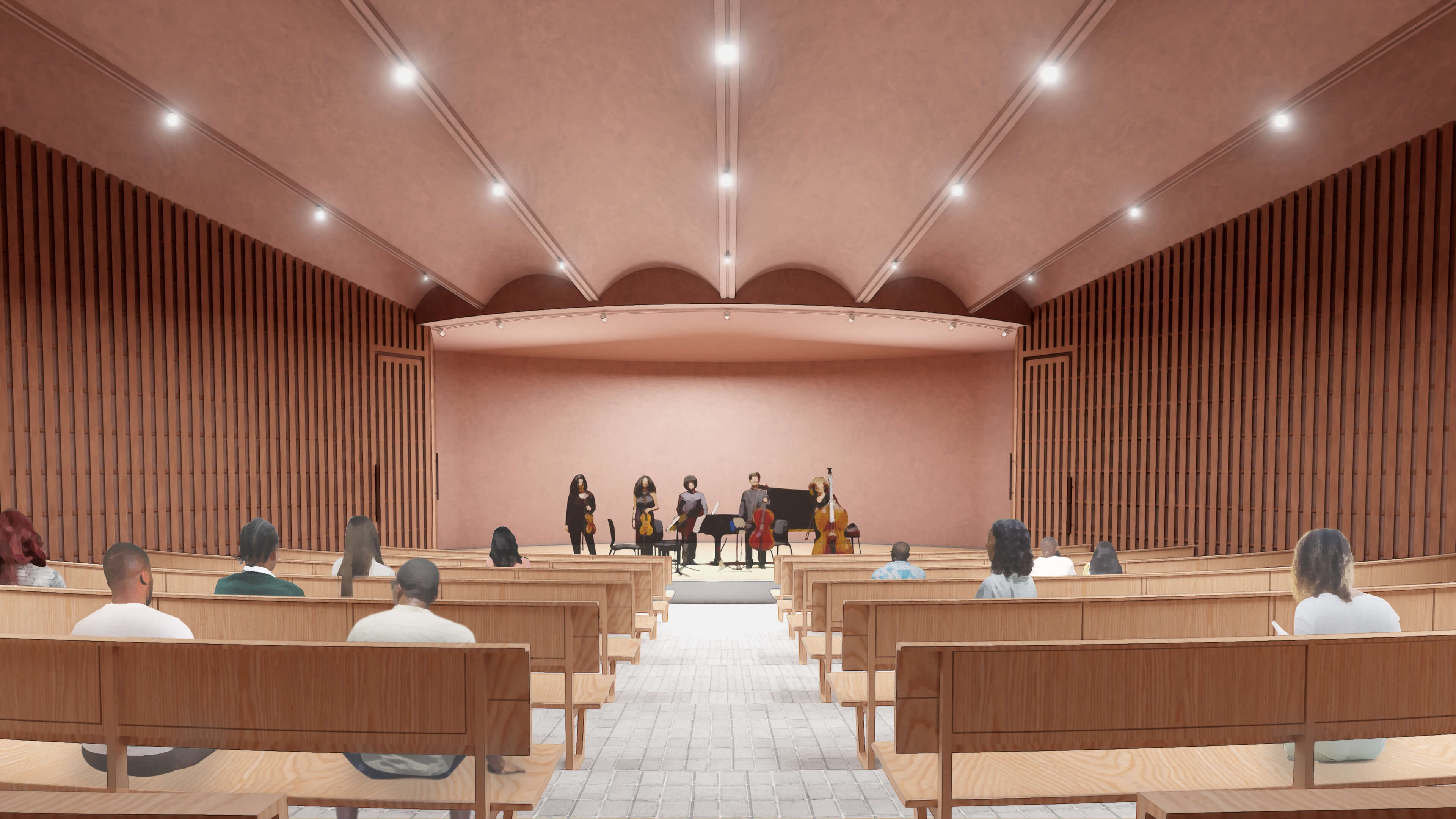
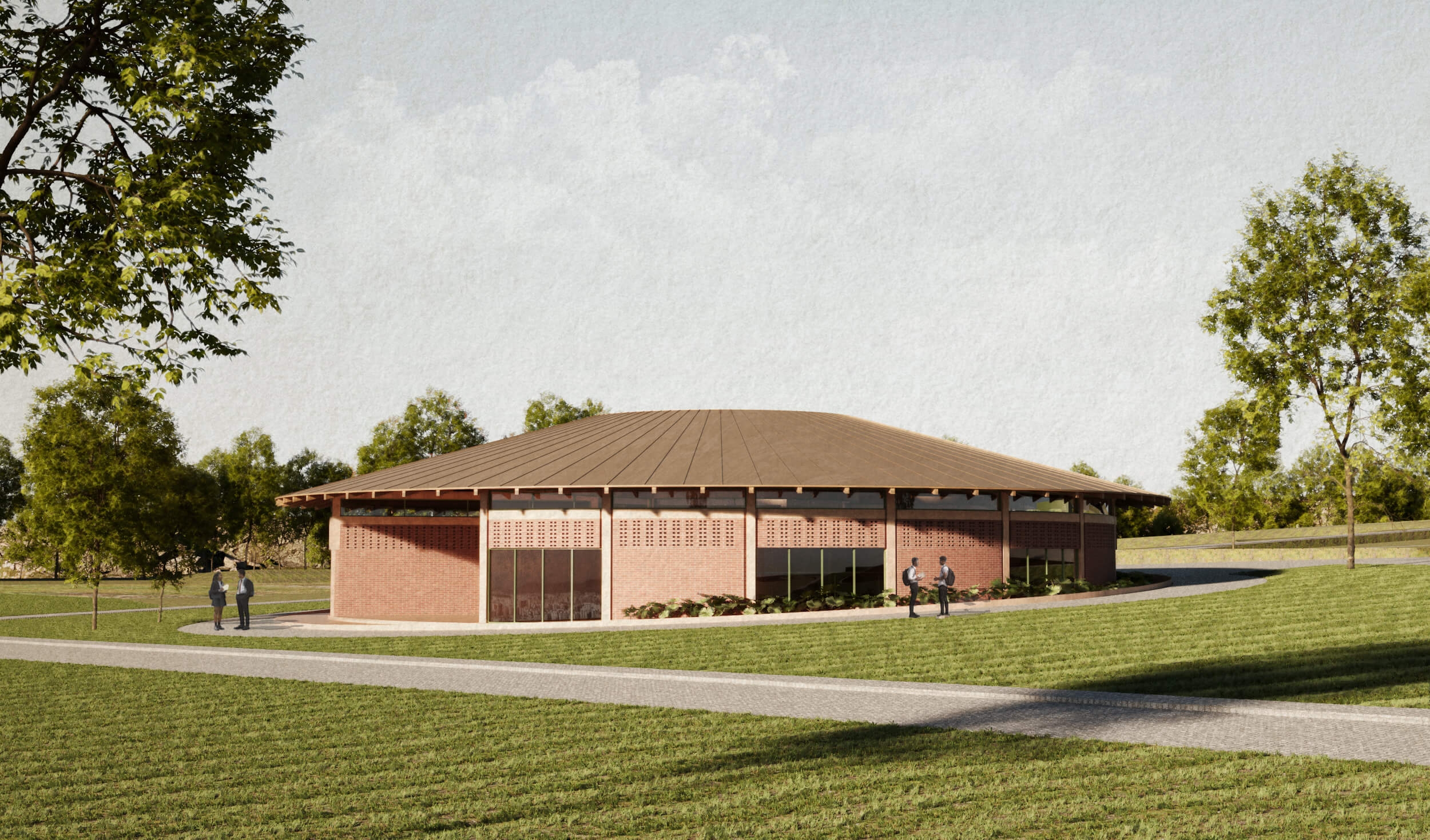
Our Studio is currently engaged in the design and delivery of Brookside School, a new private boarding campus for primary and secondary pupils located near Asaba in Delta State, Nigeria. Set within a lush landscape intersected by a narrow stream, the campus will comprise 20 buildings, including academic blocks, a library, cafeteria, sports facilities, and boarding houses. The project is conceived as a model for contextually grounded, sustainable education architecture in Nigeria. It reimagines how young people learn, live, and play within a natural setting that promotes curiosity, community, and well-being. Construction will rely almost entirely on load-bearing clay bricks made locally from clay sourced near the site. The design celebrates the versatility and structural potential of brick through expressive arches, vaults, and hit-and-miss brickwork, offering the campus a coherent visual identity rooted in its environment. This material approach allows the client to control construction costs, reduce embodied and operational carbon, and minimize long-term maintenance, while supporting local craftsmanship and economies.
Our Studio is currently engaged in the design and delivery of Brookside School, a new private boarding campus for primary and secondary pupils located near Asaba in Delta State, Nigeria. Set within a lush landscape intersected by a narrow stream, the campus will comprise 20 buildings, including academic blocks, a library, cafeteria, sports facilities, and boarding houses. The project is conceived as a model for contextually grounded, sustainable education architecture in Nigeria. It reimagines how young people learn, live, and play within a natural setting that promotes curiosity, community, and well-being. Construction will rely almost entirely on load-bearing clay bricks made locally from clay sourced near the site. The design celebrates the versatility and structural potential of brick through expressive arches, vaults, and hit-and-miss brickwork, offering the campus a coherent visual identity rooted in its environment. This material approach allows the client to control construction costs, reduce embodied and operational carbon, and minimize long-term maintenance, while supporting local craftsmanship and economies.
Project Innovation / Specification:
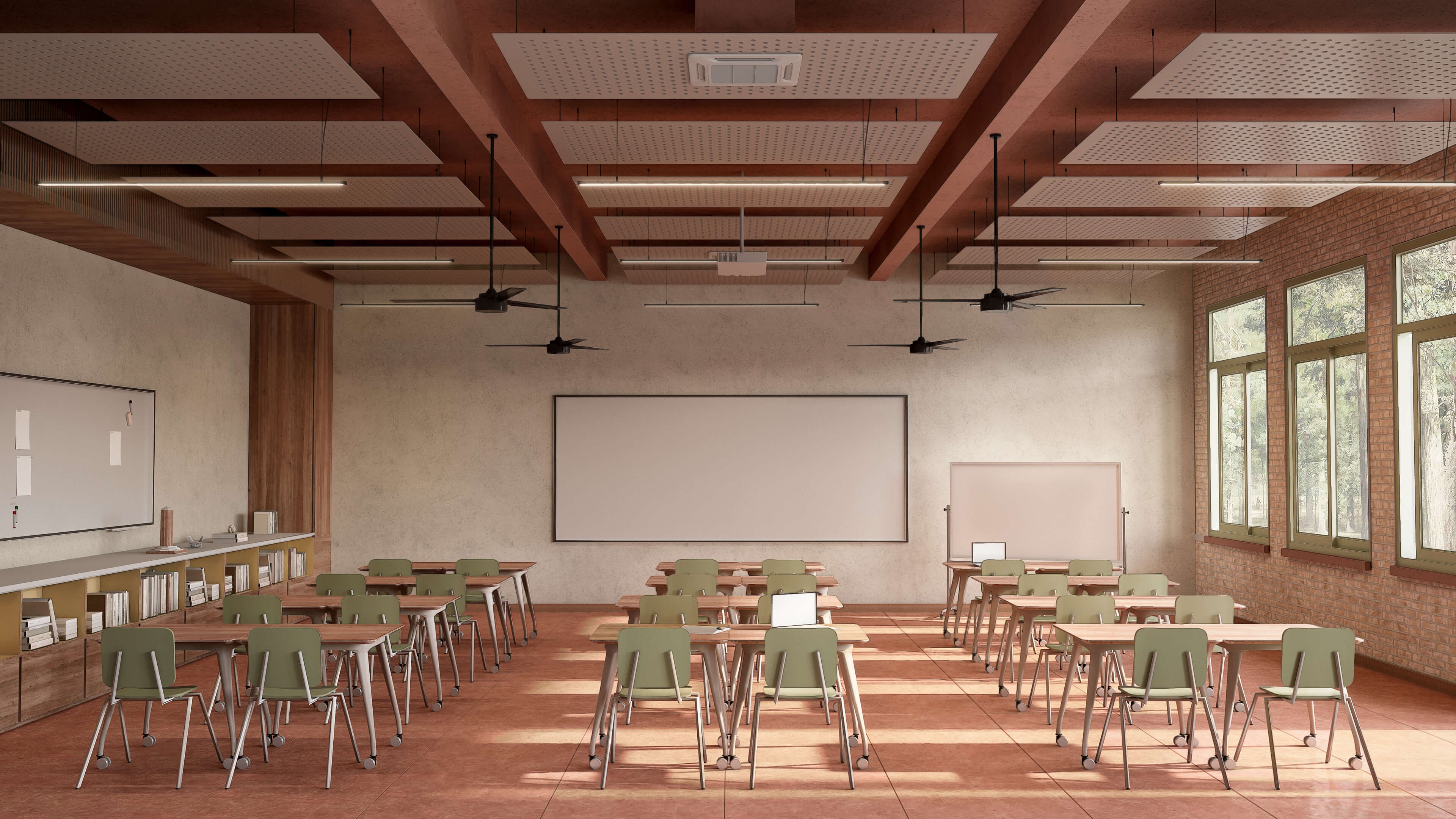
The design for Brookside Secondary School establishes a sustainable co-educational boarding campus. A phased masterplan allows for orderly expansion from 100 to 500 students, ensuring that future construction does not disrupt academic operations or spatial clarity. The architecture prioritizes climate responsiveness and passive environmental control over complex mechanical systems. Specifications utilize durable, locally appropriate materials and energy-efficient technologies to minimize lifecycle costs. Resilient infrastructure, including water management and renewable energy integration, is embedded from the outset. To accommodate evolving pedagogy, flexible building typologies allow internal reconfiguration without structural alteration. Clearly zoned academic, residential, and recreational areas are linked by safe circulation networks separating pedestrians from vehicles. The project delivers a scalable, distinct educational environment designed for long-term utility.
The design for Brookside Secondary School establishes a sustainable co-educational boarding campus. A phased masterplan allows for orderly expansion from 100 to 500 students, ensuring that future construction does not disrupt academic operations or spatial clarity. The architecture prioritizes climate responsiveness and passive environmental control over complex mechanical systems. Specifications utilize durable, locally appropriate materials and energy-efficient technologies to minimize lifecycle costs. Resilient infrastructure, including water management and renewable energy integration, is embedded from the outset. To accommodate evolving pedagogy, flexible building typologies allow internal reconfiguration without structural alteration. Clearly zoned academic, residential, and recreational areas are linked by safe circulation networks separating pedestrians from vehicles. The project delivers a scalable, distinct educational environment designed for long-term utility.
Project Sustainability Approach:
The project’s sustainability strategy relies on climate responsive design and resource efficiency to ensure operational resilience. The campus layout utilizes optimal orientation, shading, and natural ventilation to reduce reliance on mechanical cooling. This passive approach lowers base energy demand while responding directly to local climatic conditions. Material selection prioritizes durable, locally sourced elements to minimize embodied carbon and reduce lifecycle maintenance. Active energy efficiency is supported by the integration of renewable energy sources, high-efficiency lighting, and smart controls. Water security is addressed through rainwater harvesting, borehole extraction, and on-site treatment, while landscape design incorporates native planting to limit irrigation needs. These infrastructure systems are designed to scale alongside the phased masterplan, ensuring adaptability throughout the life of the school.
The project’s sustainability strategy relies on climate responsive design and resource efficiency to ensure operational resilience. The campus layout utilizes optimal orientation, shading, and natural ventilation to reduce reliance on mechanical cooling. This passive approach lowers base energy demand while responding directly to local climatic conditions. Material selection prioritizes durable, locally sourced elements to minimize embodied carbon and reduce lifecycle maintenance. Active energy efficiency is supported by the integration of renewable energy sources, high-efficiency lighting, and smart controls. Water security is addressed through rainwater harvesting, borehole extraction, and on-site treatment, while landscape design incorporates native planting to limit irrigation needs. These infrastructure systems are designed to scale alongside the phased masterplan, ensuring adaptability throughout the life of the school.
Local and Regional Impacts of the Project:
Establishing this boarding school in Delta State yields direct socio-economic benefits. Throughout construction and operation, the project generates employment for local contractors, educators, and staff. The deliberate specification of regional materials further integrates the project with the local economy and strengthens supply chains. By expanding educational infrastructure, the campus reduces the outward migration of students seeking boarding facilities elsewhere. This retention catalyzes community development immediately surrounding the site. Regionally, the institution accommodates a diverse student body from across Nigeria and West Africa, supporting cultural exchange and contributing to long-term human capital development.
Establishing this boarding school in Delta State yields direct socio-economic benefits. Throughout construction and operation, the project generates employment for local contractors, educators, and staff. The deliberate specification of regional materials further integrates the project with the local economy and strengthens supply chains. By expanding educational infrastructure, the campus reduces the outward migration of students seeking boarding facilities elsewhere. This retention catalyzes community development immediately surrounding the site. Regionally, the institution accommodates a diverse student body from across Nigeria and West Africa, supporting cultural exchange and contributing to long-term human capital development.
Profile Description:
Studio Contra is an architectural, urban and interior design practice based in Lagos, Nigeria. Committed to the delivery of innovative and thoughtful architecture, we work within West Africa, as well as in collaboration with practices in other parts of the world, bringing a contemporary African interpretation to challenging briefs and new contexts. We understand the need for buildings to respond to their locality, to stand the test of time, to be environmentally sustainable and to continually surprise, delight and engage us.
Studio Contra is an architectural, urban and interior design practice based in Lagos, Nigeria. Committed to the delivery of innovative and thoughtful architecture, we work within West Africa, as well as in collaboration with practices in other parts of the world, bringing a contemporary African interpretation to challenging briefs and new contexts. We understand the need for buildings to respond to their locality, to stand the test of time, to be environmentally sustainable and to continually surprise, delight and engage us.