Burtinle District Hospital
Prize(s):
WINNER 2026 ARCHITECTURE / Public building Architecture
Company Name:APC Architectural Pioneering Consultants
Lead Designer(s) Name(s):Gunter Klix, Magdalena Msimbe
Design Team / Other designer(s):John Paul Senyonyi, Irene Matafu, Dark Gummich
Architecture Firm:APC Architectural Pioneering Consultants
Construction Company:Kulmiye Construction Company, Garowe, Puntland
Client Name:UNICEF Somalia
Photo Credit:Lucas Sager
Project Location: Burtinle Town, Puntland, Somalia
Design Status:Completed
Project Description:
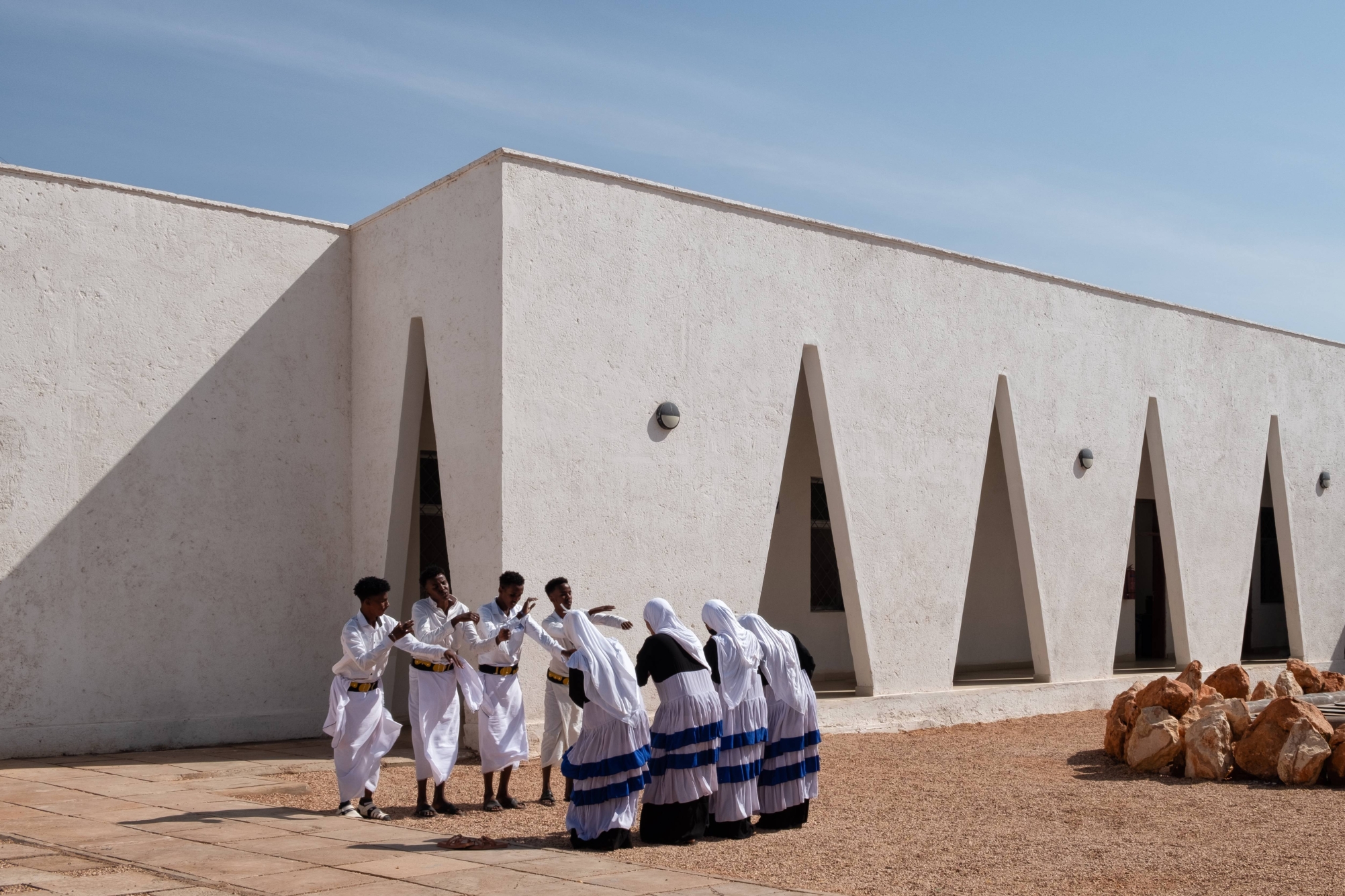
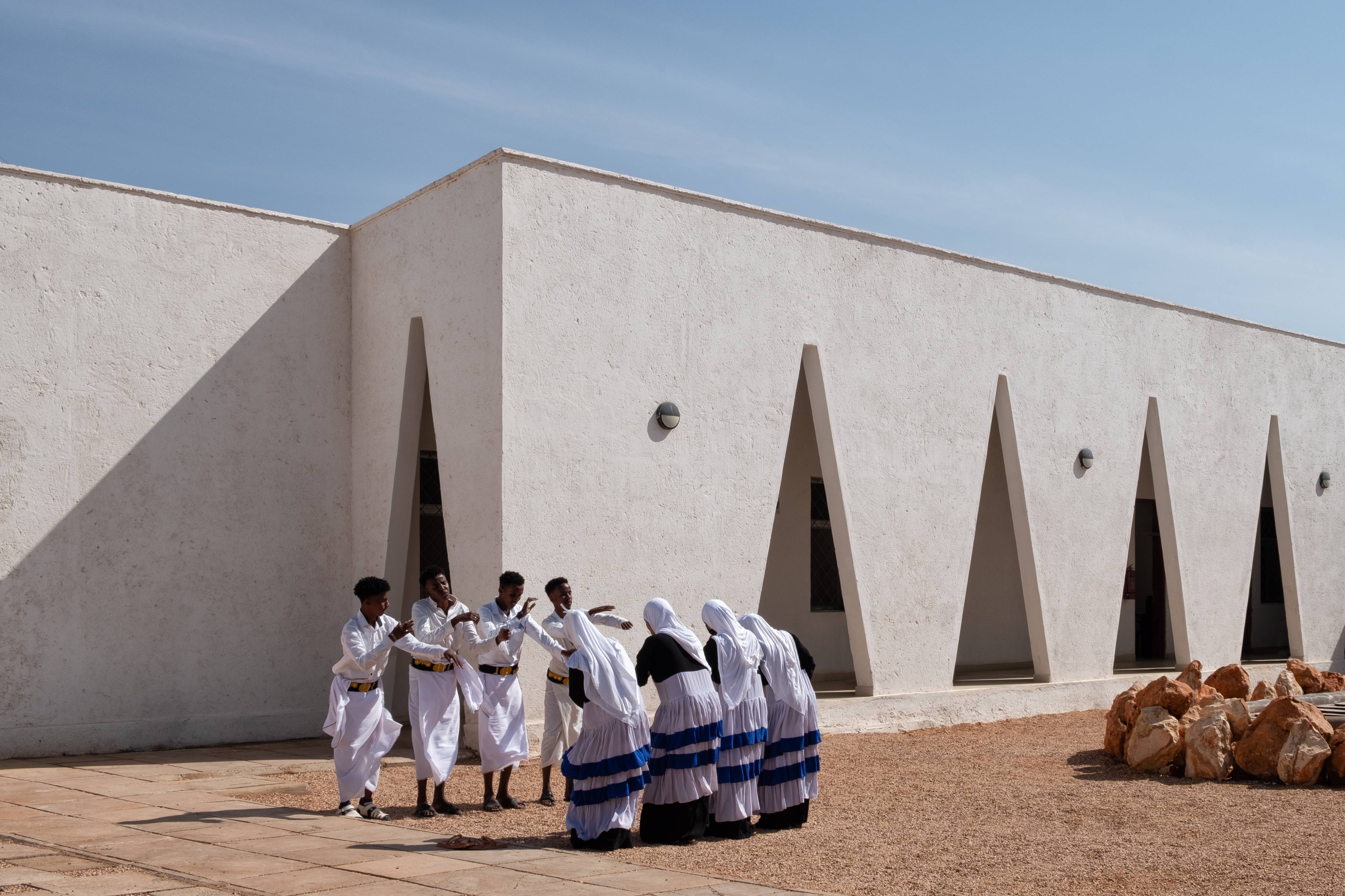
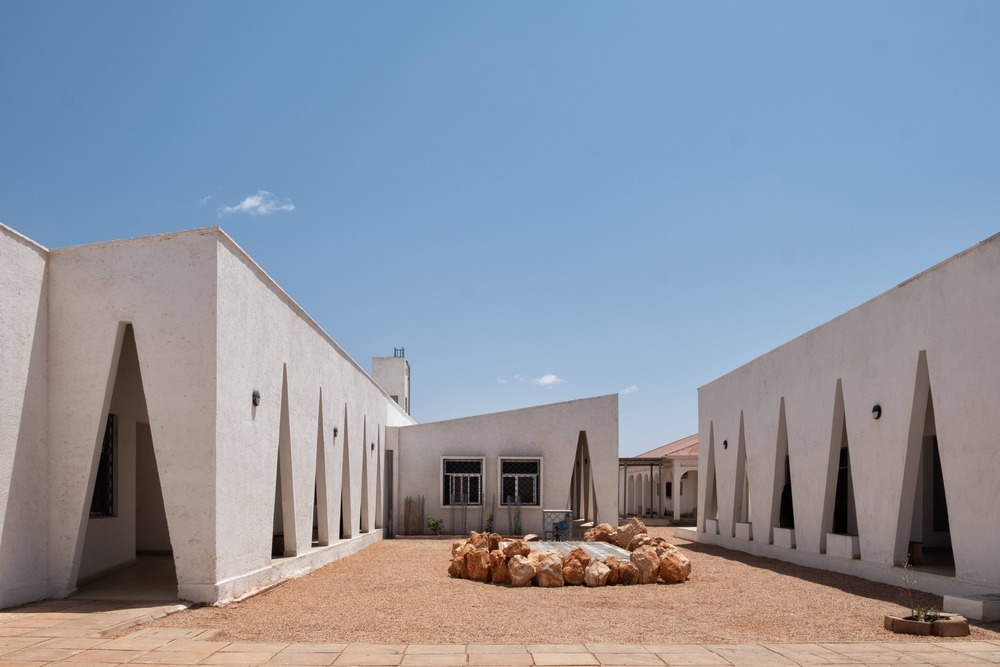
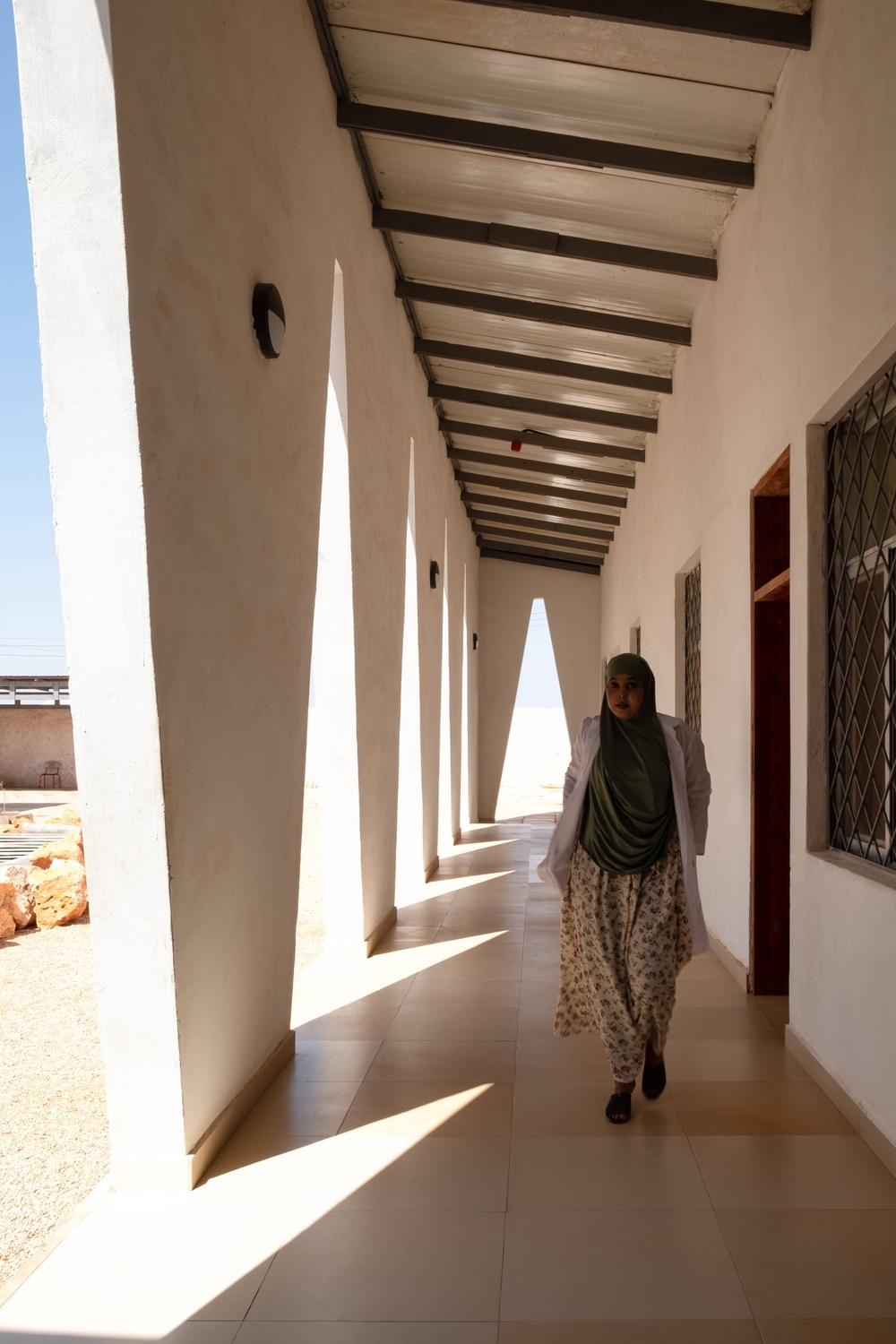
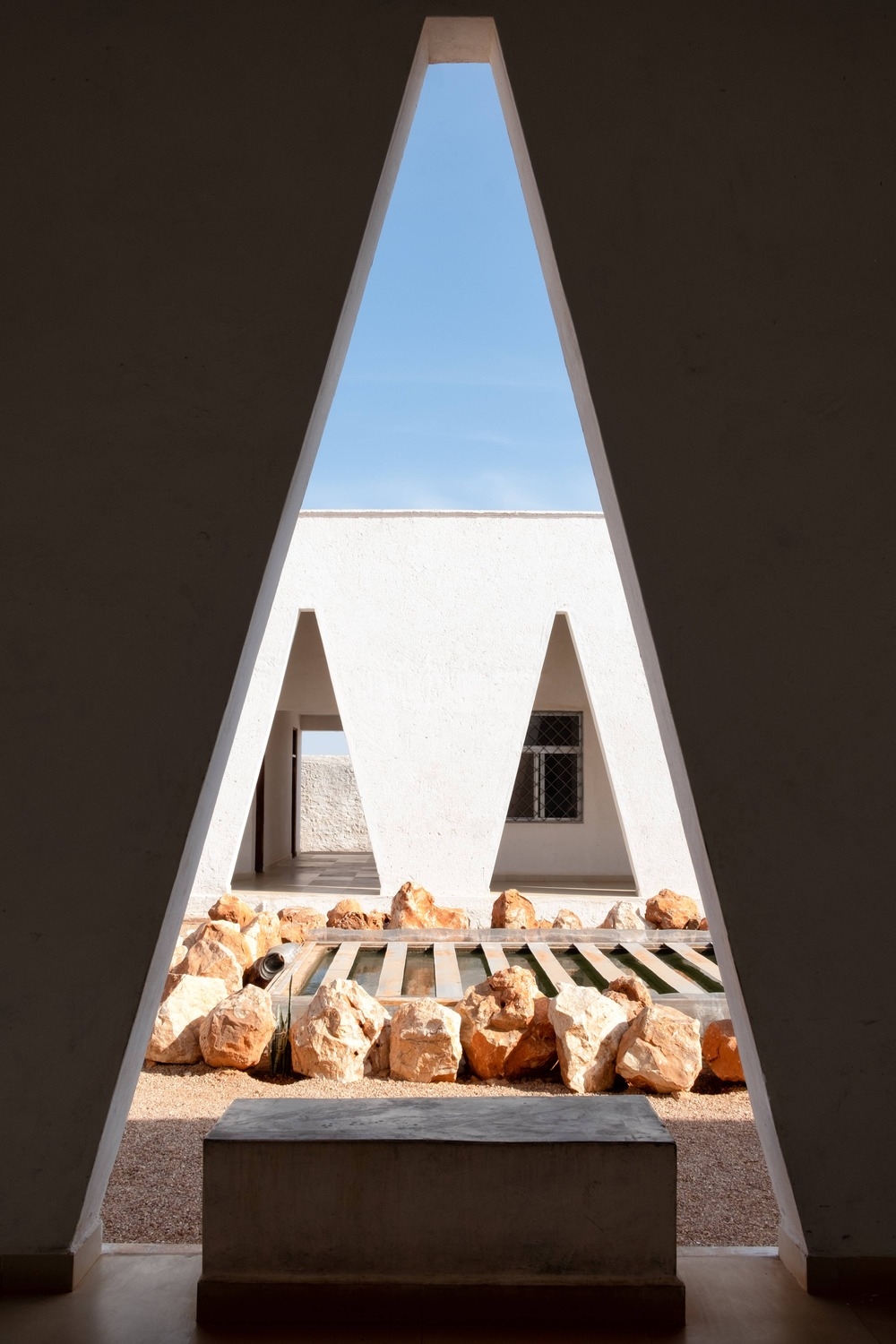
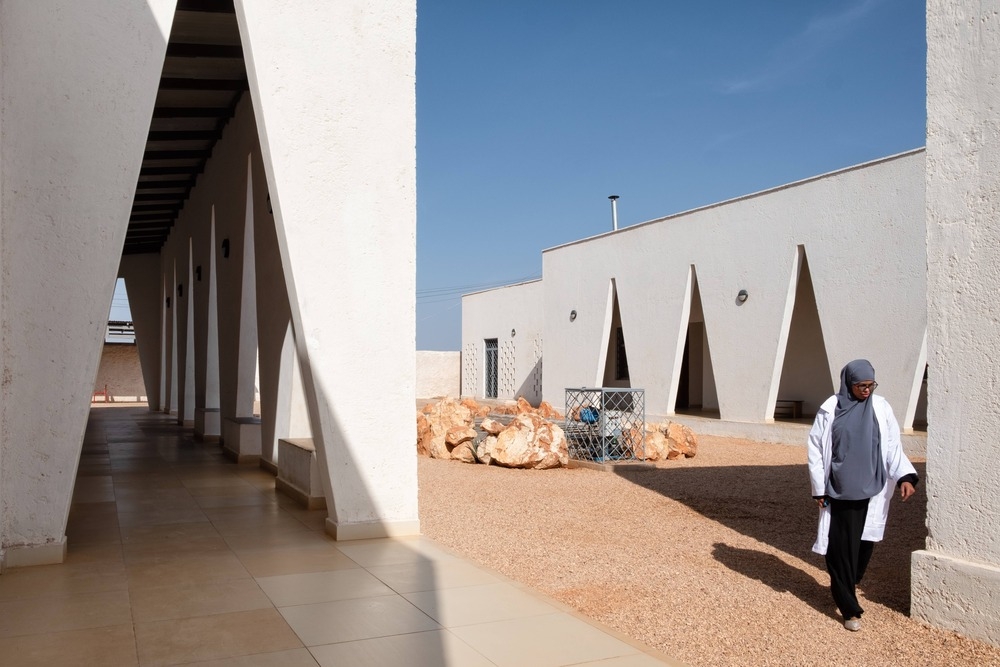
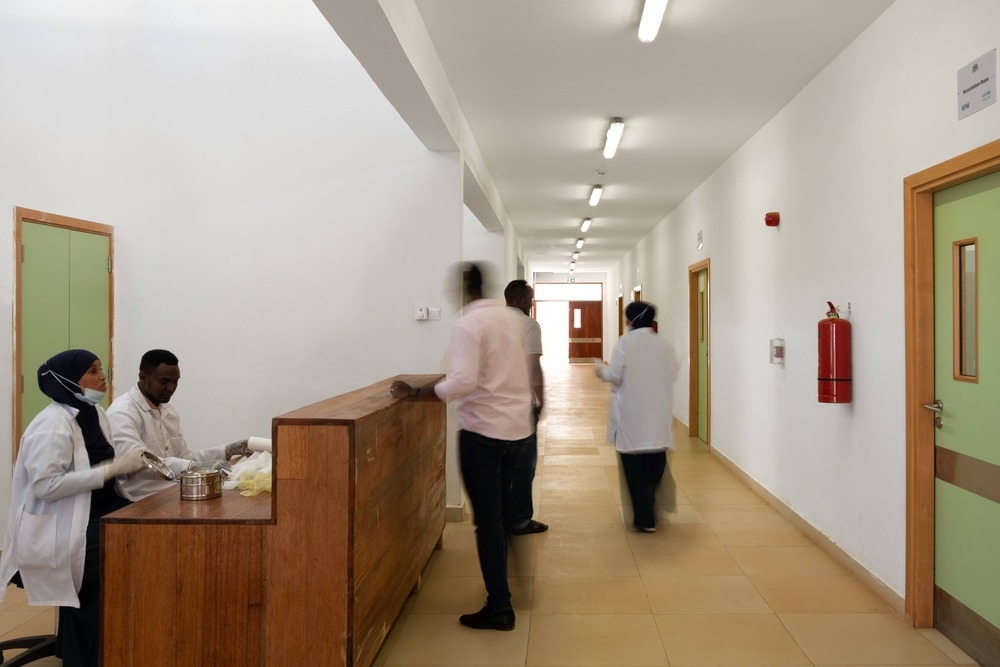
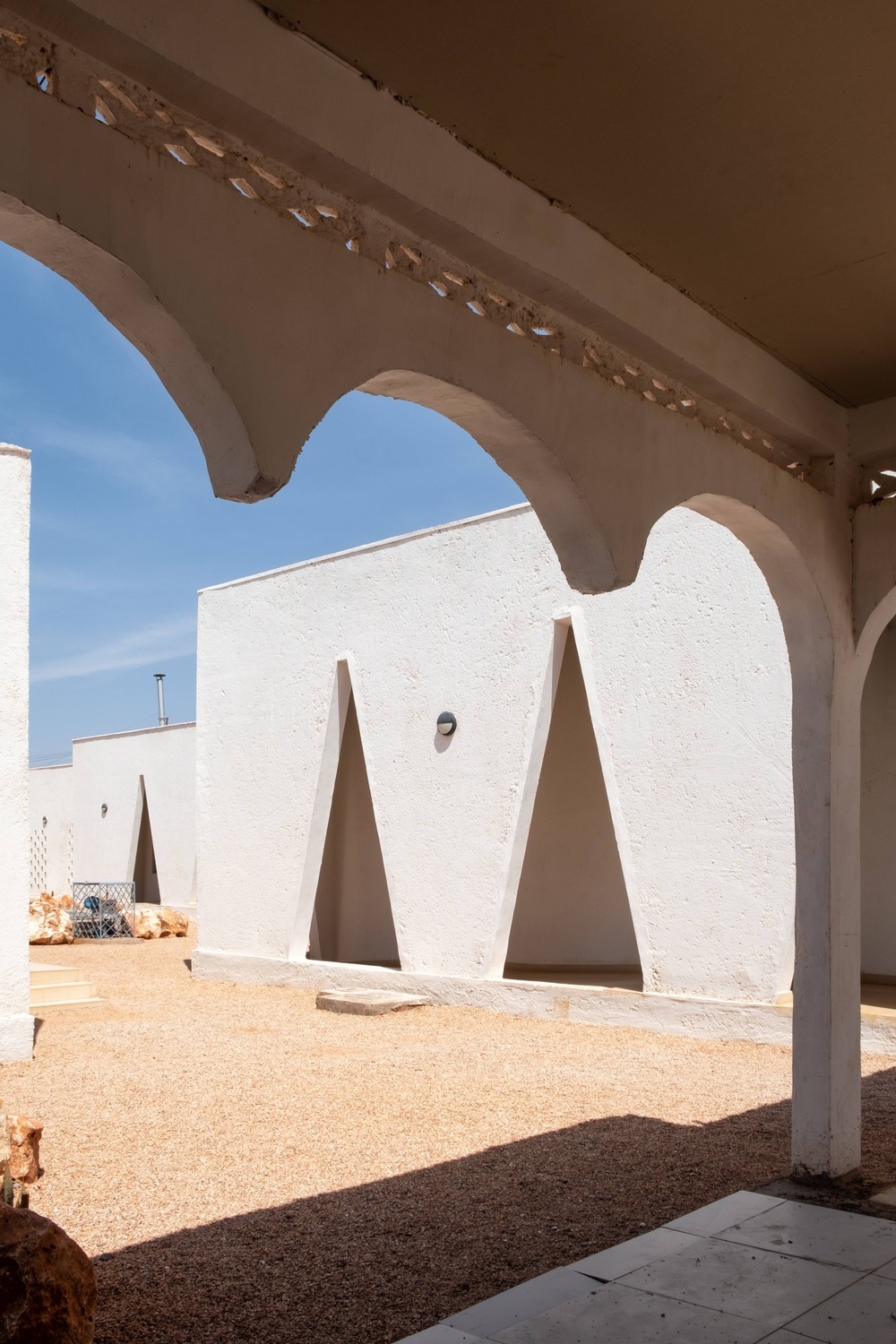
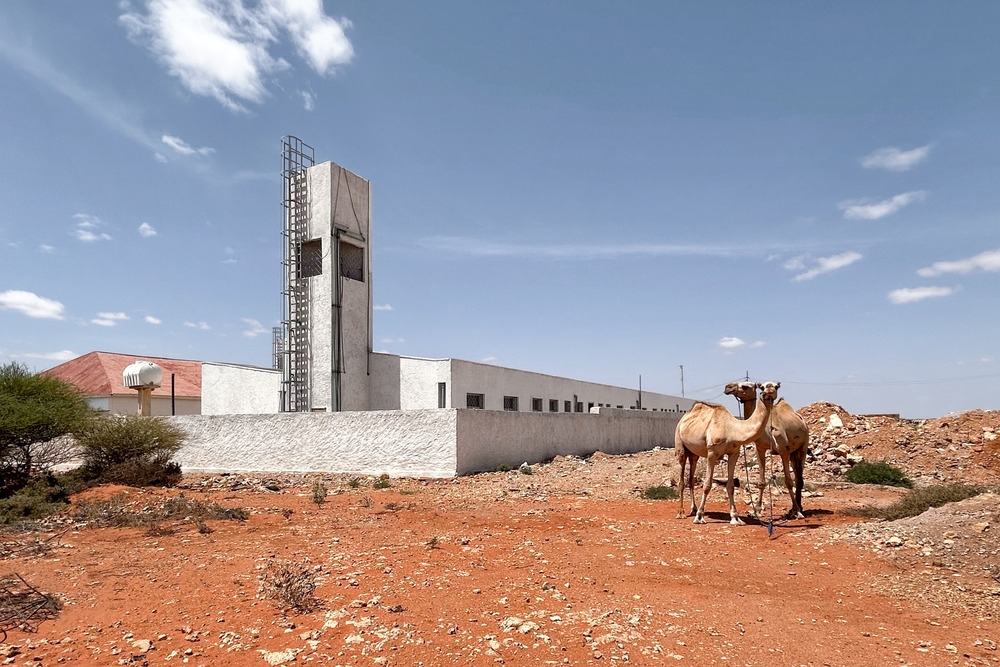
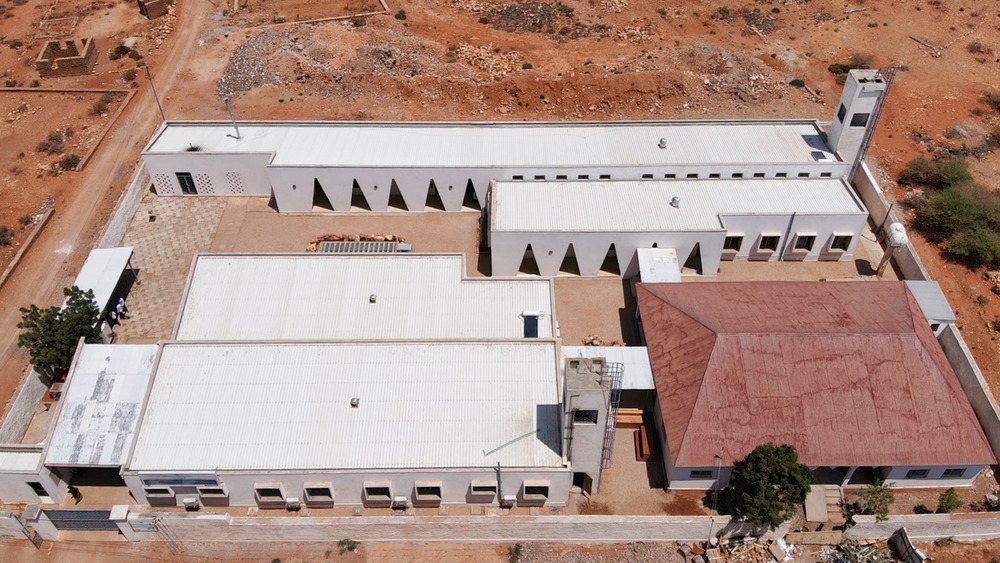
Burtinle District Hospital is located within the arid Somali–Ethiopian border region. The project responds to extreme climatic conditions, limited infrastructure, and the urgent need for accessible healthcare in rural communities. The design prioritises resilience, environmental responsiveness, and cultural familiarity while delivering a functional and durable medical facility. The hospital is organised around a sequence of courtyards and shaded verandas that structure circulation and create comfortable gathering spaces for patients and visitors. This spatial strategy draws from traditional Somali settlement patterns, offering intuitive and culturally familiar movement through the facility. Passive environmental strategies form the foundation of the design. Wind towers, shaded walkways, and thick masonry walls help regulate airflow and temperature, reducing reliance on mechanical cooling systems. Architectural elements such as arches and arcades reference local building traditions while creating a contemporary healthcare environment that is both welcoming and climate-responsive.
Burtinle District Hospital is located within the arid Somali–Ethiopian border region. The project responds to extreme climatic conditions, limited infrastructure, and the urgent need for accessible healthcare in rural communities. The design prioritises resilience, environmental responsiveness, and cultural familiarity while delivering a functional and durable medical facility. The hospital is organised around a sequence of courtyards and shaded verandas that structure circulation and create comfortable gathering spaces for patients and visitors. This spatial strategy draws from traditional Somali settlement patterns, offering intuitive and culturally familiar movement through the facility. Passive environmental strategies form the foundation of the design. Wind towers, shaded walkways, and thick masonry walls help regulate airflow and temperature, reducing reliance on mechanical cooling systems. Architectural elements such as arches and arcades reference local building traditions while creating a contemporary healthcare environment that is both welcoming and climate-responsive.
Project Innovation / Specification:
Burtinle District Hospital introduces an integrated approach that combines passive environmental technologies with vernacular spatial design. The project demonstrates how healthcare infrastructure in extreme climates can achieve thermal comfort and operational efficiency with minimal reliance on mechanical systems. A defining feature is the wind tower system, which captures prevailing winds and directs cooler air into interior spaces. The towers function both as environmental devices and as architectural markers within the building’s form. The project also incorporates an underground adiabatic cooling system that pre-cools incoming air using the earth’s thermal mass and evaporative cooling techniques. This strategy significantly improves indoor comfort in patient areas and circulation spaces. Shaded courtyards and verandas further enhance environmental performance by reducing solar heat gain and promoting natural ventilation. Together, these elements create a healthcare facility that merges climate-responsive innovation with culturally grounded spatial design.
Burtinle District Hospital introduces an integrated approach that combines passive environmental technologies with vernacular spatial design. The project demonstrates how healthcare infrastructure in extreme climates can achieve thermal comfort and operational efficiency with minimal reliance on mechanical systems. A defining feature is the wind tower system, which captures prevailing winds and directs cooler air into interior spaces. The towers function both as environmental devices and as architectural markers within the building’s form. The project also incorporates an underground adiabatic cooling system that pre-cools incoming air using the earth’s thermal mass and evaporative cooling techniques. This strategy significantly improves indoor comfort in patient areas and circulation spaces. Shaded courtyards and verandas further enhance environmental performance by reducing solar heat gain and promoting natural ventilation. Together, these elements create a healthcare facility that merges climate-responsive innovation with culturally grounded spatial design.
Project Sustainability Approach:
Sustainability in Burtinle District Hospital is achieved through passive environmental strategies, water resilience, and the use of locally appropriate materials. The building is designed to minimise energy consumption while maintaining comfortable conditions in an extreme climate. Wind towers, shaded courtyards, and thermal mass walls work together to regulate temperature and promote natural airflow, significantly reducing the need for mechanical cooling systems. These passive strategies lower energy demand and ensure long-term operational efficiency. Water management is addressed through rainwater harvesting systems and traditional “berkhad” reservoirs that store water during seasonal rainfall. This approach allows the hospital to remain functional during periods of drought and limited municipal supply. A central courtyard basin enhances the microclimate through evaporative cooling while referencing traditional water features found in regional architecture. Locally sourced materials and simple construction methods further support durability, reduce environmental impact, and enable long-term maintenance using local skills.
Sustainability in Burtinle District Hospital is achieved through passive environmental strategies, water resilience, and the use of locally appropriate materials. The building is designed to minimise energy consumption while maintaining comfortable conditions in an extreme climate. Wind towers, shaded courtyards, and thermal mass walls work together to regulate temperature and promote natural airflow, significantly reducing the need for mechanical cooling systems. These passive strategies lower energy demand and ensure long-term operational efficiency. Water management is addressed through rainwater harvesting systems and traditional “berkhad” reservoirs that store water during seasonal rainfall. This approach allows the hospital to remain functional during periods of drought and limited municipal supply. A central courtyard basin enhances the microclimate through evaporative cooling while referencing traditional water features found in regional architecture. Locally sourced materials and simple construction methods further support durability, reduce environmental impact, and enable long-term maintenance using local skills.
Local and Regional Impacts of the Project:
Burtinle District Hospital provides essential healthcare infrastructure for communities in a remote region where access to medical services has long been limited. The facility improves healthcare accessibility while creating a climate-responsive environment for patient care. The project demonstrates how architecture can support healthcare delivery in harsh environments through passive cooling, water resilience, and culturally informed spatial design. These strategies reduce operational costs and ensure the hospital remains functional despite limited energy resources. Beyond its immediate role, the project offers a replicable model for healthcare facilities in arid regions across Africa, combining traditional architectural principles with sustainable climate-adaptive solutions.
Burtinle District Hospital provides essential healthcare infrastructure for communities in a remote region where access to medical services has long been limited. The facility improves healthcare accessibility while creating a climate-responsive environment for patient care. The project demonstrates how architecture can support healthcare delivery in harsh environments through passive cooling, water resilience, and culturally informed spatial design. These strategies reduce operational costs and ensure the hospital remains functional despite limited energy resources. Beyond its immediate role, the project offers a replicable model for healthcare facilities in arid regions across Africa, combining traditional architectural principles with sustainable climate-adaptive solutions.
Company Name:APC Architectural Pioneering Consultants
Lead Designer(s) Name(s):Gunter Klix, Magdalena Msimbe